Display Mini LED: LED Display Explained
In recent years, display technology has evolved rapidly, offering consumers sharper images, deeper contrasts, and more vibrant colors. Among these advancements, Mini LED displays have emerged as a compelling innovation, bridging the gap between traditional LED displays and the cutting-edge OLED technology. This article delves into what Mini LED displays are, how they work, their advantages, and why they are becoming a popular choice in consumer electronics.
Understanding LED Display Technology
To appreciate Mini LED technology, it’s essential to first understand the basics of LED displays. LED stands for Light Emitting Diode, a semiconductor light source that emits light when an electric current passes through it. In display technology, LEDs are used as backlights behind LCD (Liquid Crystal Display) panels to illuminate the screen. This innovation has revolutionized how we perceive visual content, allowing for brighter images and more vibrant colors compared to older technologies. The efficiency of LED displays not only enhances viewing experiences but also contributes to energy savings, making them a popular choice in both consumer electronics and professional applications.
Traditional LED displays use a relatively small number of large LEDs to provide backlighting. These LEDs light up the entire screen or large sections of it. While this method improves brightness and energy efficiency compared to older CCFL (Cold Cathode Fluorescent Lamp) backlights, it comes with limitations in contrast and local dimming capabilities. The uniformity of light distribution can sometimes lead to a less immersive experience, particularly in scenes with high dynamic range. As viewers demand more from their displays, the industry has sought to innovate beyond these traditional methods, leading to the development of advanced technologies like Mini LED and Micro LED.
Local Dimming and Its Importance
Local dimming is a technique where different zones of the backlight can be dimmed or brightened independently. This enhances the display’s contrast ratio by making dark areas truly dark without affecting bright areas. Traditional LED displays have limited local dimming zones due to the size and number of LEDs, which can result in “blooming” or halo effects around bright objects on dark backgrounds. This phenomenon can detract from the viewing experience, particularly in cinematic settings where detail in shadows is crucial. As a result, advancements in local dimming technology have become a focal point for manufacturers aiming to deliver superior picture quality.
The evolution of local dimming has led to the introduction of more sophisticated systems, such as full-array local dimming (FALD), which utilizes a greater number of smaller LEDs spread across the entire back panel. This allows for finer control over the light output in specific areas of the screen, significantly reducing blooming and enhancing overall image fidelity. Moreover, the integration of intelligent algorithms that analyze the content being displayed can further optimize the dimming process, ensuring that viewers experience the full depth and richness of the visual content. As display technology continues to advance, the importance of effective local dimming cannot be overstated, as it plays a pivotal role in achieving true-to-life imagery and elevating the overall viewing experience.
What is Mini LED Technology?
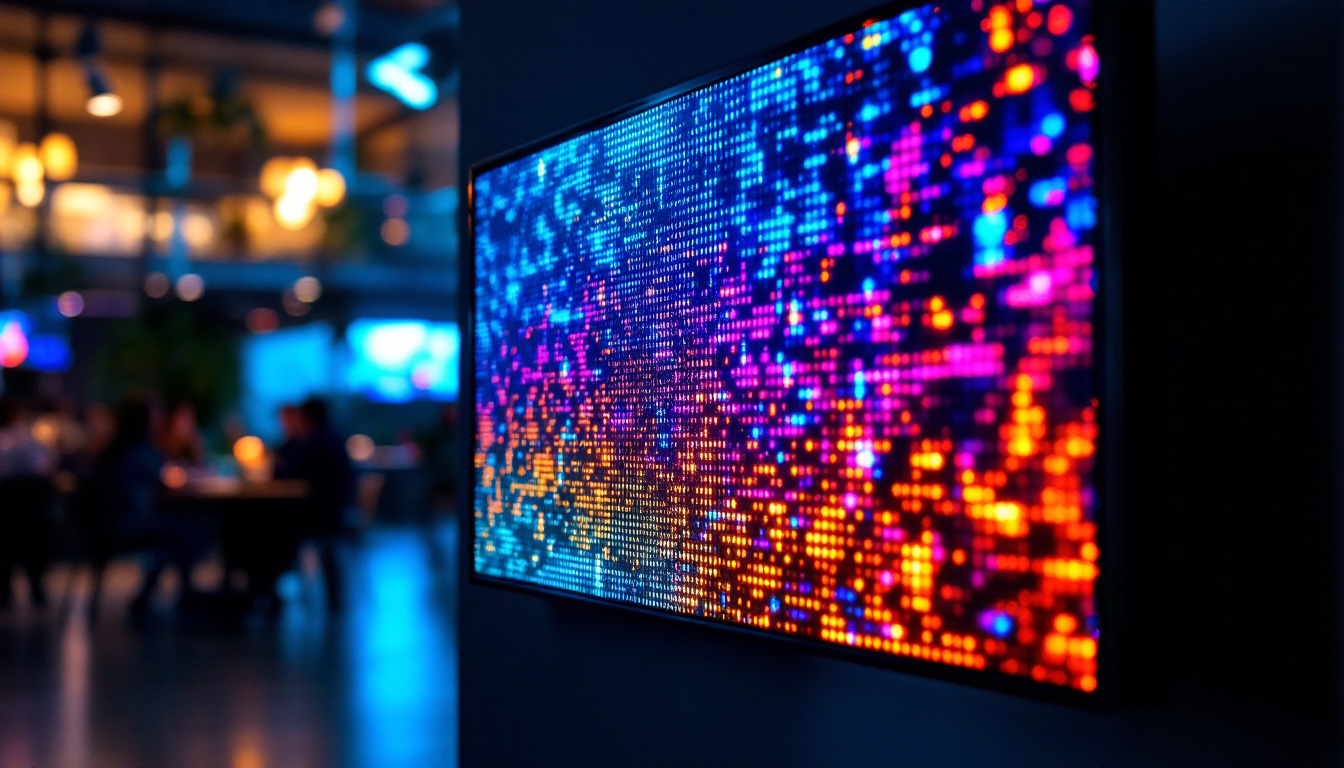
Mini LED technology takes the concept of LED backlighting to the next level by using thousands of tiny LEDs, each much smaller than those in traditional LED displays. These Mini LEDs are typically less than 0.2 millimeters in size, allowing manufacturers to pack a significantly higher number of LEDs into the backlight layer.
This increase in LED density enables far more precise local dimming, with hundreds or even thousands of dimming zones. The result is a display that can produce deeper blacks, higher contrast ratios, and improved brightness control. This enhanced capability is particularly beneficial for HDR (High Dynamic Range) content, where the difference between the darkest and brightest parts of an image is crucial for an immersive viewing experience. As a result, Mini LED displays have become increasingly popular in high-end televisions and monitors, appealing to both gamers and cinephiles alike.
Moreover, the energy efficiency of Mini LED technology is noteworthy. By using smaller LEDs that require less power to operate, these displays can achieve higher brightness levels without significantly increasing energy consumption. This not only leads to lower electricity bills for consumers but also contributes to a reduced environmental impact, aligning with the growing demand for sustainable technology solutions.
How Mini LED Differs from Micro LED and OLED
It’s important to distinguish Mini LED from other emerging display technologies such as Micro LED and OLED. Micro LED uses microscopic LEDs as individual pixels, eliminating the need for a separate backlight. This technology offers exceptional brightness, contrast, and longevity but remains expensive and complex to manufacture. The scalability of Micro LED is also a topic of interest, as it presents the potential for modular displays that can be customized to various sizes and shapes, paving the way for innovative applications in both consumer electronics and commercial displays.
OLED (Organic Light Emitting Diode) displays, on the other hand, use organic compounds that emit light individually at the pixel level. OLEDs provide perfect blacks and excellent color accuracy but can suffer from burn-in and typically have lower peak brightness compared to LED-based displays. This limitation has led to ongoing research and development aimed at improving OLED technology, including advancements in materials and pixel structure to mitigate burn-in issues and enhance overall performance.
Mini LED is essentially an advanced backlighting technique for LCDs, combining many of the benefits of OLED’s contrast with the brightness and durability advantages of LED technology. This hybrid approach allows manufacturers to create displays that not only deliver stunning visuals but also maintain a competitive edge in terms of production costs and longevity, making Mini LED a compelling choice for consumers looking for high-quality display options without the premium price tag often associated with OLED and Micro LED technologies.
Advantages of Mini LED Displays
The adoption of Mini LED technology offers several tangible benefits that appeal to both manufacturers and consumers. These advantages have made Mini LED a popular choice for premium TVs, monitors, laptops, and tablets.
Improved Contrast and Black Levels
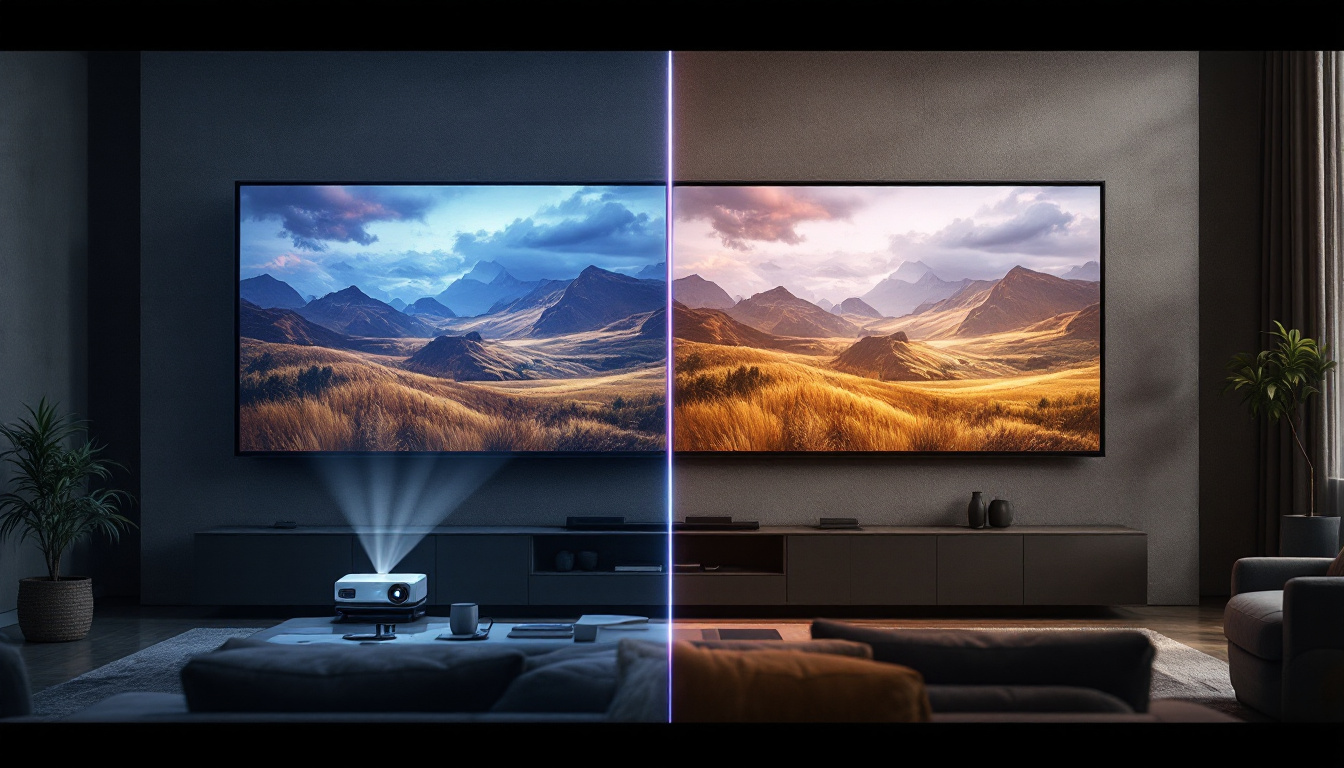
Thanks to the increased number of dimming zones, Mini LED displays can achieve much deeper blacks than traditional LED-backlit LCDs. This improvement significantly enhances contrast ratios, making images appear more lifelike and immersive, especially in dark scenes.
Higher Brightness and HDR Performance
Mini LED backlights can reach higher peak brightness levels compared to OLEDs, which is particularly beneficial for HDR (High Dynamic Range) content. HDR requires displays to show very bright highlights alongside deep shadows, and Mini LED’s superior brightness capabilities make it ideal for this purpose.
Reduced Halo and Blooming Effects
Because Mini LED displays have many more dimming zones, the halo effect seen on traditional LED displays is greatly minimized. This means bright objects on dark backgrounds look cleaner and more defined, enhancing overall picture quality.
Longevity and Burn-in Resistance
Unlike OLED displays, Mini LED displays do not suffer from burn-in, a phenomenon where static images can leave permanent marks on the screen over time. This makes Mini LED a more durable option for users who watch content with static elements such as logos or interface menus.
Applications of Mini LED Displays
Mini LED technology is increasingly being integrated into a variety of devices, reflecting its versatility and performance benefits.
Televisions
Many leading TV manufacturers have introduced Mini LED models in their premium ranges. These TVs offer a compelling alternative to OLEDs by delivering excellent contrast and brightness without the risk of burn-in. For example, some 2023 models from major brands have showcased Mini LED backlighting combined with 4K and even 8K resolutions, targeting home theater enthusiasts.
Computer Monitors and Gaming Displays
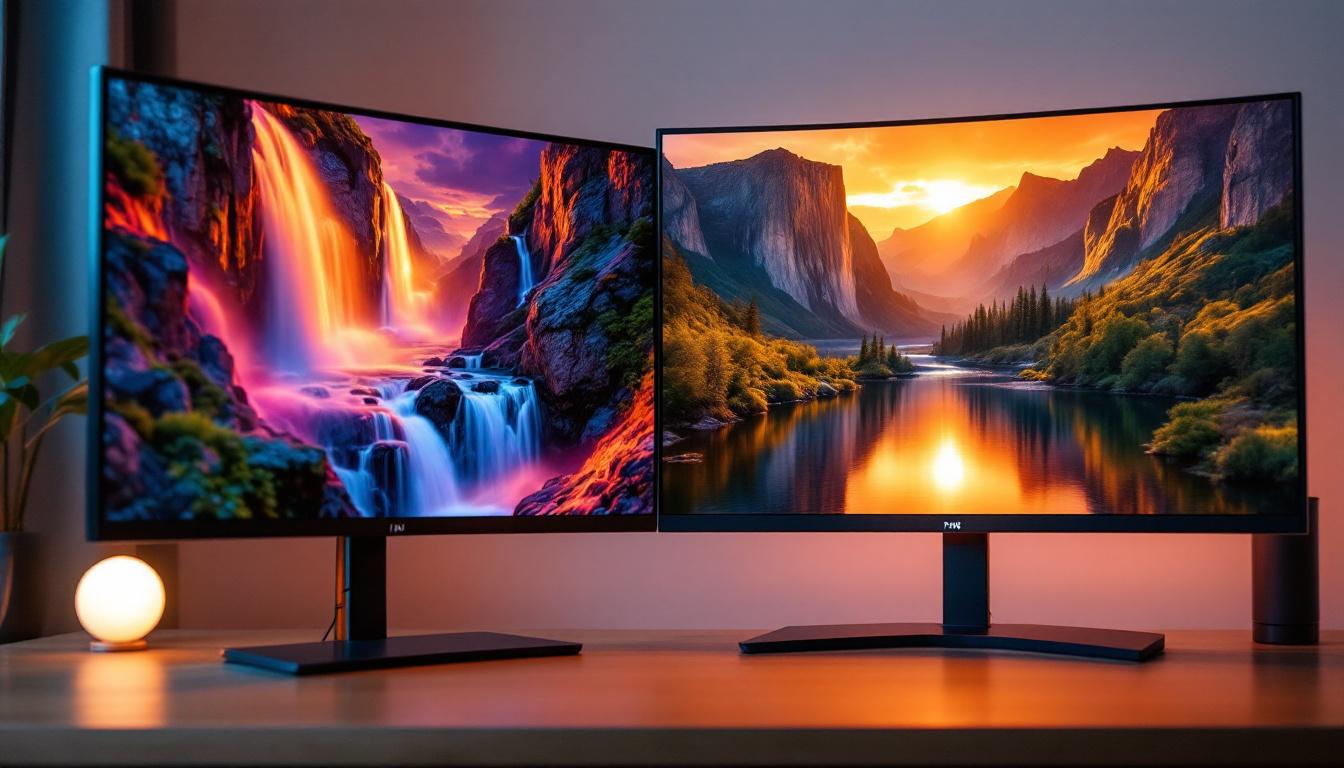
For professionals and gamers, Mini LED monitors provide superior color accuracy, contrast, and brightness. This is particularly valuable for tasks like photo and video editing, where precise color representation is critical. Additionally, gamers benefit from enhanced HDR visuals and reduced blooming, making gameplay more immersive.
Laptops and Tablets
Mini LED technology has also made its way into portable devices. High-end laptops and tablets now feature Mini LED displays to deliver brighter screens with better contrast, improving usability in bright environments and enhancing multimedia consumption.
Challenges and Considerations
While Mini LED displays offer many benefits, there are some challenges and trade-offs that consumers and manufacturers should be aware of.
Cost and Manufacturing Complexity
Producing Mini LED displays is more complex and costly than traditional LED panels due to the need for thousands of tiny LEDs and sophisticated control circuitry. This often results in higher retail prices, especially in the early stages of adoption.
Thickness and Heat Management
The additional layers required for Mini LED backlighting can lead to slightly thicker displays compared to OLEDs. Moreover, higher brightness levels can generate more heat, necessitating effective thermal management solutions to maintain performance and longevity.
Not True Self-Emissive Displays
Unlike OLED and Micro LED, Mini LED displays still rely on an LCD panel to modulate light. This means they can’t achieve the absolute pixel-level light control of self-emissive technologies, which can impact viewing angles and black uniformity in some cases.
The Future of Mini LED Technology
Mini LED technology is poised to become a mainstream display solution in the coming years. As manufacturing processes improve and costs decrease, Mini LED is expected to appear in a broader range of devices, from affordable monitors to large-screen TVs.
Moreover, innovations such as combining Mini LED backlights with quantum dot technology (QLED) further enhance color accuracy and brightness, pushing the boundaries of LCD performance. This hybrid approach is gaining traction as a way to deliver premium image quality without the drawbacks of OLED.
Looking ahead, Mini LED may also serve as a stepping stone towards Micro LED adoption, as the industry refines techniques for handling large arrays of tiny LEDs.
Conclusion
Mini LED displays represent a significant advancement in LED backlighting technology, offering enhanced contrast, brightness, and durability compared to traditional LED LCDs. By leveraging thousands of tiny LEDs for precise local dimming, Mini LED displays deliver a viewing experience that rivals OLED in many respects while avoiding some of its limitations.
As the technology matures and becomes more affordable, Mini LED is set to play a key role in the future landscape of display devices, providing consumers with brighter, sharper, and more immersive visual experiences across a wide range of applications.
Explore the Future of LED Displays with LumenMatrix
As you embrace the advanced capabilities of Mini LED technology, LumenMatrix invites you to experience the pinnacle of LED display solutions. Our commitment to innovation is reflected in our diverse range of products, from Indoor and Outdoor LED Wall Displays to specialized options like Vehicle, Sports, and Floor LED Displays. Whether you’re looking to enhance brand visibility or create immersive visual experiences, LumenMatrix is at the forefront of revolutionizing visual communication. Check out LumenMatrix LED Display Solutions today and be a part of the visual revolution.