In the rapidly evolving world of digital signage and large-format displays, understanding display resolution is critical for both designers and end-users. LED displays, known for their vibrant colors and high brightness, are increasingly popular for everything from advertising billboards to stadium screens. However, selecting the right resolution and pixel pitch can be complex, especially when balancing image quality, viewing distance, and cost. This article demystifies LED display resolution, explores how to calculate it effectively, and highlights why these factors matter for your next project.
Understanding LED Display Resolution
Resolution, in the context of LED displays, refers to the number of pixels arranged horizontally and vertically on the screen. Each pixel is made up of one or more LEDs that emit light to form images, videos, or text. The higher the resolution, the more pixels there are, resulting in sharper and more detailed visuals. This is particularly important in applications where clarity is paramount, such as in digital signage, broadcasting, or live event displays, where every detail can significantly impact the viewer’s experience.
Unlike traditional LCD screens, LED displays are modular, composed of multiple panels or tiles. This modularity allows for flexible sizing but also means resolution depends on how many panels are used and their individual pixel density. For example, a 10-meter wide LED display with a pixel pitch of 5mm will have a different resolution than one with a 10mm pitch. Additionally, the arrangement of these panels can create unique shapes and configurations, enabling creative installations that can enhance the visual storytelling of a brand or event.
Pixel Pitch and Its Role
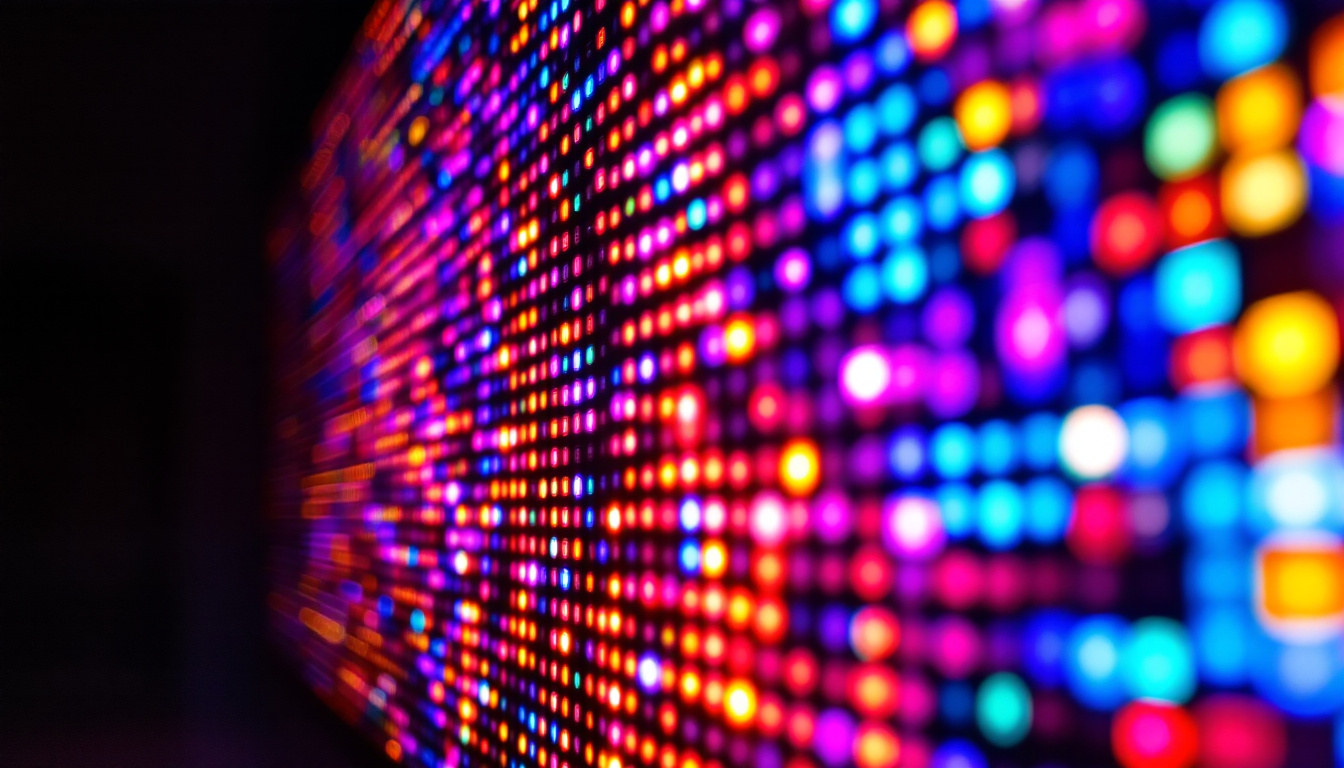
Pixel pitch is the distance from the center of one pixel to the center of the adjacent pixel, usually measured in millimeters. It directly influences the resolution and viewing experience. A smaller pixel pitch means pixels are closer together, creating a higher resolution and finer image quality. Conversely, a larger pixel pitch results in a lower resolution but can be more cost-effective for large displays viewed from a distance. This trade-off is crucial for designers and engineers when planning installations, as they must consider both the intended viewing distance and the budget constraints.
For instance, a display with a 2.5mm pixel pitch is ideal for indoor environments where viewers are close, such as retail stores or control rooms. In contrast, outdoor billboards often use pixel pitches ranging from 10mm to 20mm, as viewers typically observe them from hundreds of meters away. Furthermore, advancements in technology have led to the development of ultra-fine pitch displays, which can achieve pixel pitches below 1mm, making them suitable for high-end applications like conference rooms and high-resolution video walls. These innovations continue to push the boundaries of what is possible in visual display technology, allowing for immersive experiences that were previously unimaginable.
How to Calculate LED Display Resolution
Calculating the resolution of an LED display involves understanding the physical dimensions of the screen and the pixel pitch. The basic formula to determine the number of pixels in each dimension is:
Number of pixels (width) = Screen width (mm) / Pixel pitch (mm)Number of pixels (height) = Screen height (mm) / Pixel pitch (mm)Multiplying these two values gives the total pixel count or resolution of the display.
Step-by-Step Calculation Example
Consider an LED display that measures 4 meters (4000mm) wide and 2 meters (2000mm) high, with a pixel pitch of 5mm. The calculations would be:
- Width pixels = 4000mm / 5mm = 800 pixels
- Height pixels = 2000mm / 5mm = 400 pixels
- Total resolution = 800 x 400 = 320,000 pixels
This resolution is often expressed as 800 x 400 pixels, which indicates the display’s horizontal and vertical pixel count.
Using Display Resolution Calculators
While manual calculations are straightforward, display resolution calculators simplify the process by allowing users to input dimensions and pixel pitch to get instant results. Many online tools also incorporate additional parameters like aspect ratio, viewing distance, and brightness levels to recommend the optimal resolution.
For professionals working on large-scale LED projects, these calculators save time and reduce errors, ensuring the final display meets visual expectations and budget constraints. Furthermore, understanding the relationship between pixel pitch and viewing distance is crucial; a smaller pixel pitch allows for closer viewing without noticeable pixelation, making it ideal for indoor environments where viewers are typically nearer to the screen. Conversely, larger pixel pitches are more suitable for outdoor displays, where the viewing distance is greater, and the audience is often farther away.
Additionally, it is important to consider how resolution impacts the overall quality of the visual content displayed. Higher resolutions can enhance clarity and detail, particularly for dynamic content such as videos or animations. This is especially relevant in applications like advertising, where captivating visuals can significantly influence audience engagement. As technology advances, the trend towards higher resolutions continues, prompting manufacturers to innovate in pixel density and display technology to meet the growing demands of consumers and businesses alike.
Why Resolution Matters for LED Displays
Choosing the right resolution is not just about image clarity; it impacts user engagement, content flexibility, and overall project success. Here are some key reasons why resolution is a critical consideration:
Image Quality and Viewer Experience
High-resolution LED displays deliver crisp images and smooth video playback, essential for capturing attention in advertising or delivering clear information in public spaces. A low-resolution display viewed up close appears pixelated, which can harm brand perception or reduce message effectiveness.
For example, a retail store using a 1.9mm pixel pitch LED video wall can showcase high-definition promotional videos that attract customers, whereas a coarser display might fail to convey product details effectively. This is particularly important in competitive environments where visual appeal can make or break a sale. The ability to present vibrant colors and intricate details can create an immersive experience that resonates with potential buyers, encouraging them to engage with the brand on a deeper level.
Viewing Distance and Environment
Resolution should be matched to the typical viewing distance. The human eye can only resolve so much detail at a given distance, so ultra-high resolution may be unnecessary for displays viewed from afar. This balance prevents overspending on resolution that won’t be perceptible to the audience.
Industry guidelines suggest that the optimal viewing distance in meters is roughly equal to the pixel pitch in millimeters multiplied by 1,000. For example, a 10mm pixel pitch display is best viewed from about 10 meters or more. Understanding this relationship is crucial for planners and designers, as it allows them to tailor their display choices to specific environments, whether it’s a large stadium, a concert venue, or a corporate lobby. Additionally, factors such as ambient lighting and the physical layout of the space can further influence the effectiveness of the display, making it essential to consider these elements during the planning phase.
Content Flexibility and Future-Proofing
Higher resolution displays offer greater flexibility in content creation, allowing for detailed graphics, text, and video. They also provide future-proofing as content standards evolve toward higher definition formats. Investing in a higher resolution LED display can extend the lifespan and versatility of the installation.
Moreover, as technology continues to advance, the demand for high-definition content is only expected to grow. With the rise of 4K and even 8K video formats, businesses that opt for lower resolution displays may find themselves at a disadvantage, unable to showcase the latest content trends. This is particularly relevant for industries such as entertainment and education, where high-quality visuals are paramount. By selecting a display with higher resolution capabilities, organizations can ensure they remain relevant and competitive, adapting to new content formats and viewer expectations without the need for costly upgrades in the near future.
Additional Factors Influencing LED Display Selection
Beyond resolution and pixel pitch, several other factors influence the performance and suitability of an LED display.
Brightness and Contrast Ratio
Brightness, measured in nits, determines how well the display performs under various lighting conditions. Outdoor LED displays often require brightness levels exceeding 5,000 nits to remain visible in direct sunlight, whereas indoor displays typically operate between 800 and 1,500 nits.
Contrast ratio, the difference between the darkest black and brightest white, affects image depth and vibrancy. Higher contrast ratios enhance visual appeal, especially in darker environments.
Refresh Rate and Color Accuracy
Refresh rate, measured in Hertz (Hz), indicates how many times per second the display updates its image. Higher refresh rates reduce flicker and motion blur, important for video playback and live broadcasts. Modern LED displays often feature refresh rates of 3,000 Hz or higher.
Color accuracy ensures that the displayed content matches the intended hues, crucial for branding and realistic imagery. Advances in LED technology have improved color gamut and calibration capabilities.
Installation and Maintenance Considerations
The physical installation environment impacts display choice. Weather resistance, IP rating (protection against dust and water), and ease of maintenance are vital for outdoor or hard-to-reach locations. Modular LED panels facilitate repairs and upgrades without replacing the entire screen.
Real-World Applications of LED Displays
LED displays are versatile and used across industries. Understanding resolution and related factors helps tailor solutions to specific needs.
Advertising and Digital Billboards
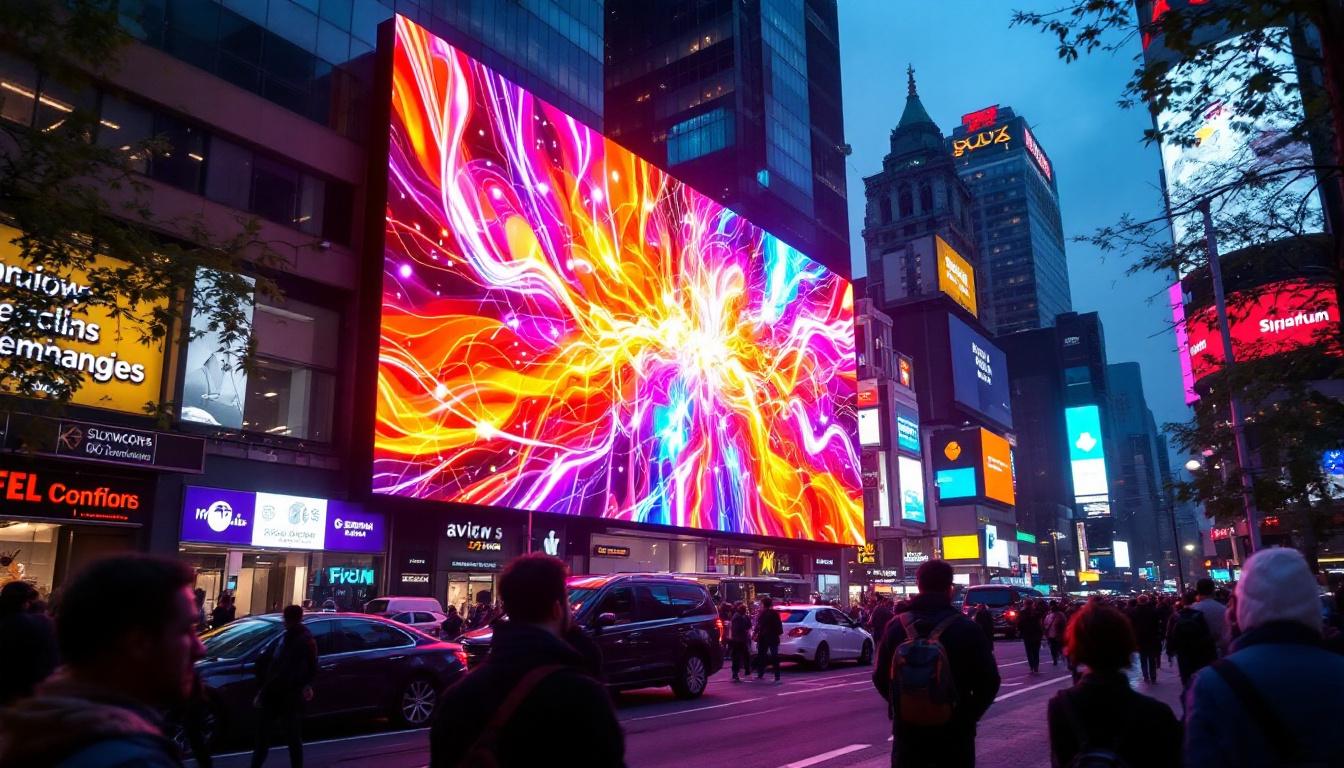
Outdoor advertising relies heavily on LED displays due to their brightness and scalability. Billboards with pixel pitches between 10mm and 20mm balance cost and visibility for drivers and pedestrians. High-profile locations often invest in ultra-high resolution displays to deliver impactful campaigns.
Sports Arenas and Entertainment Venues
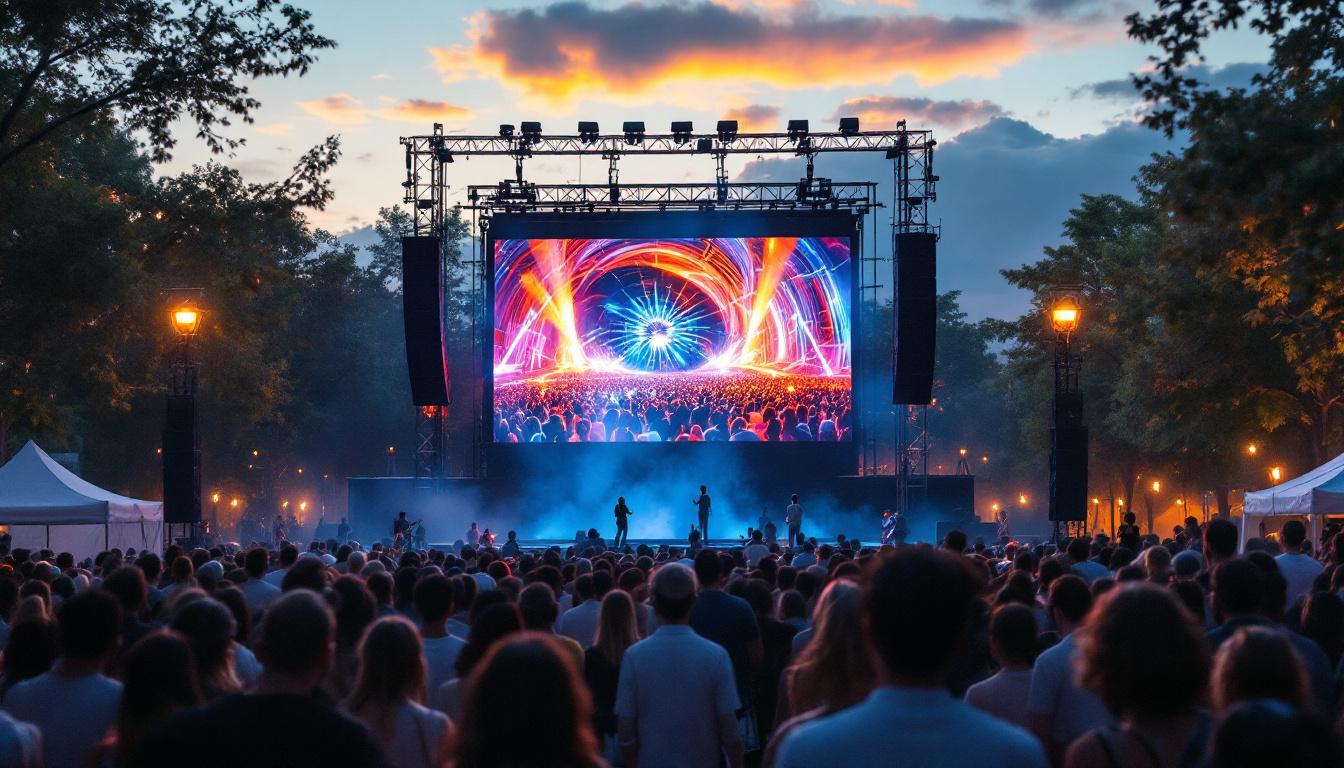
Large LED screens in stadiums provide live game footage, replays, and advertisements. These displays require high brightness and refresh rates to perform under varying lighting and fast motion conditions. Pixel pitch typically ranges from 6mm to 10mm, optimized for spectator viewing distances.
Corporate and Control Rooms
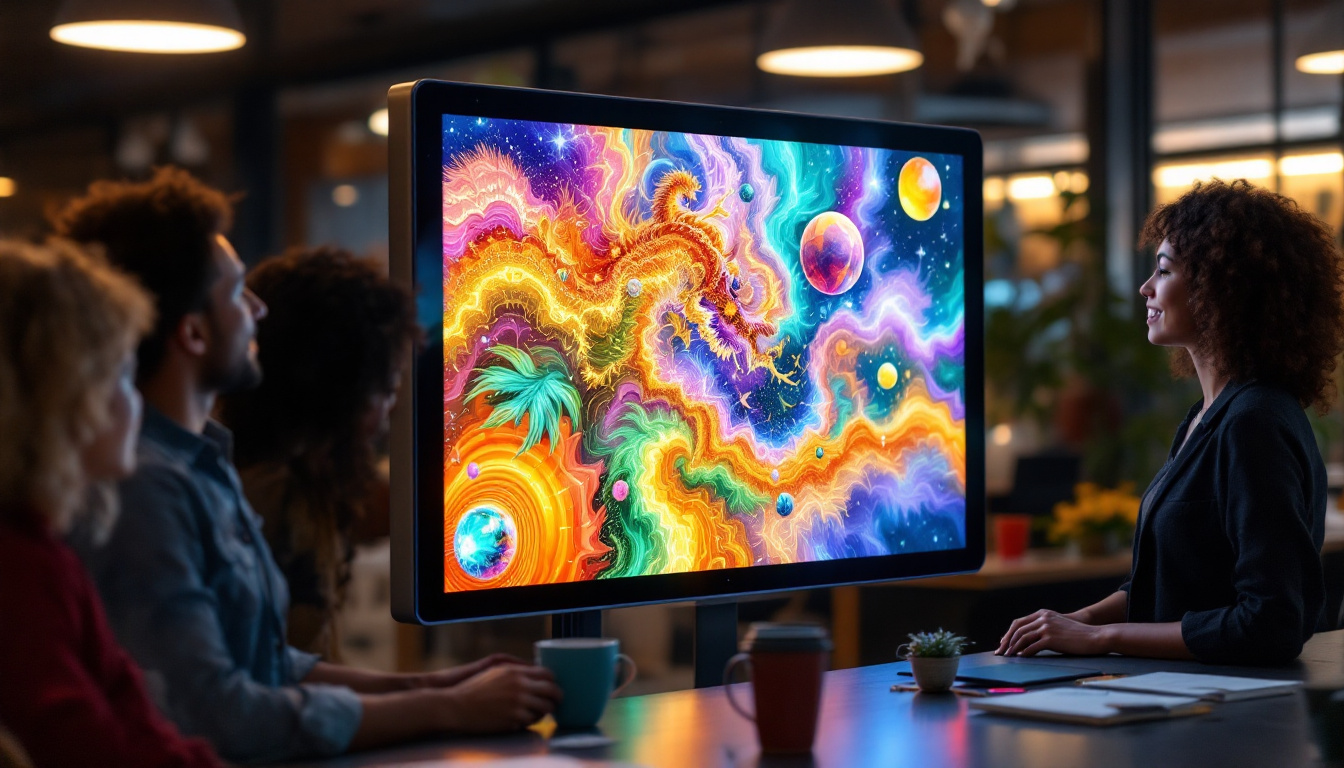
Indoor LED video walls in corporate lobbies or control centers emphasize clarity and detail. Smaller pixel pitches (1.2mm to 2.5mm) enable sharp visuals for data monitoring, presentations, and branding.
Conclusion: Optimizing LED Display Resolution for Your Project
Choosing the right LED display resolution is a balance of technical specifications, viewing environment, and budget. Understanding pixel pitch, calculating resolution accurately, and considering factors like brightness and refresh rate ensures the display meets its intended purpose effectively.
Utilizing display resolution calculators and consulting with LED technology experts can streamline the decision-making process. Whether for advertising, entertainment, or corporate use, a well-chosen LED display enhances communication, engagement, and visual impact.
As LED technology continues to advance, staying informed about resolution standards and innovations will help businesses and designers create compelling, future-ready digital experiences.
Discover LumenMatrix’s Advanced LED Display Solutions
Ready to elevate your visual experience with the latest in LED display technology? Look no further than LumenMatrix, where innovation meets excellence. Our extensive range of LED display modules, from vibrant Indoor and Outdoor LED Wall Displays to dynamic Vehicle and Sports LED Displays, is designed to captivate your audience and amplify your message. Whether you’re seeking an immersive Floor LED Display, a sleek LED Poster, or a Custom solution tailored to your unique needs, LumenMatrix has you covered. Embrace the future of visual communication with our All-in-One and Transparent LED Displays. Check out LumenMatrix LED Display Solutions today and transform your space into a hub of engagement and impact.