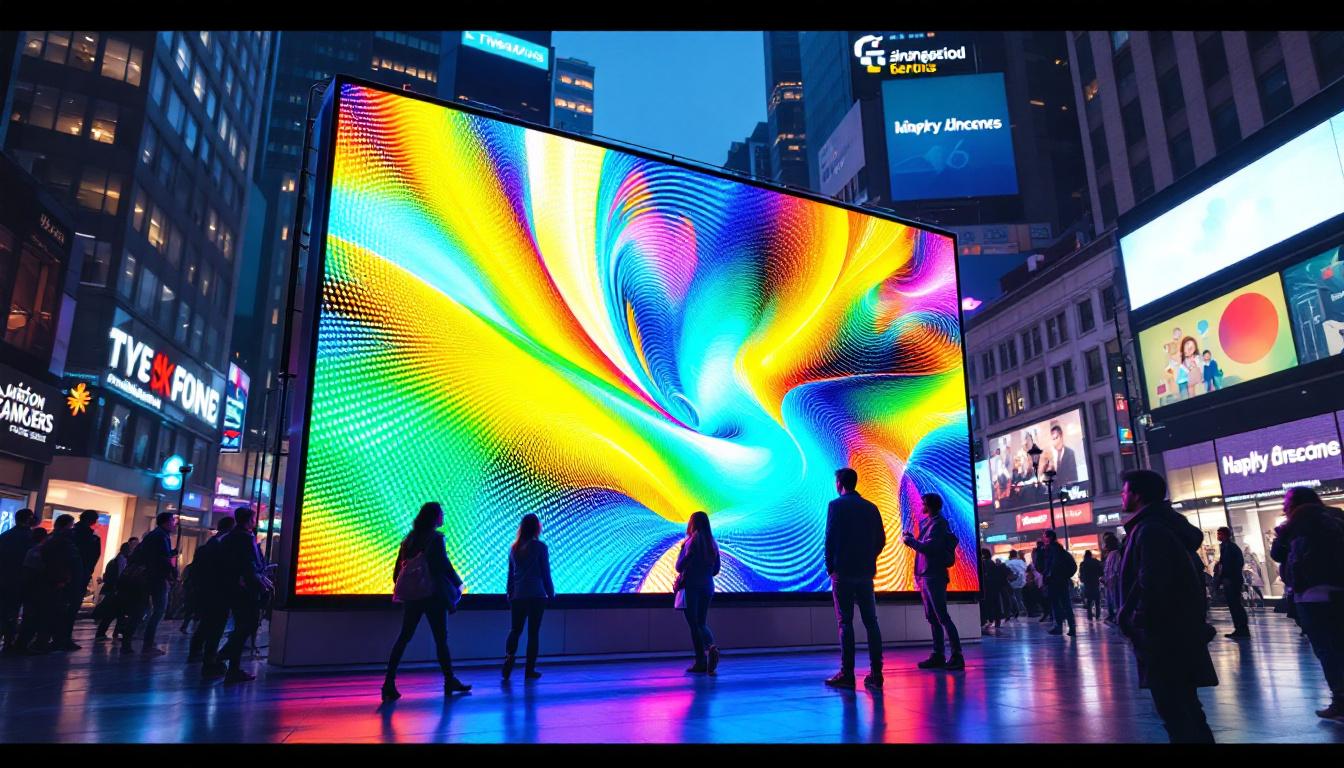
In today’s fast-paced digital world, LED displays have become an essential medium for communication, advertising, and entertainment. Whether it’s a massive billboard in Times Square, a stadium scoreboard, or a sleek digital sign in a retail store, LED technology powers vibrant, eye-catching visuals that captivate audiences worldwide. This article delves into the fundamentals of LED displays, their advantages, types, and practical applications, providing a comprehensive guide for anyone interested in investing in or understanding this dynamic technology.
Understanding LED Display Technology
What is an LED Display?
LED stands for Light Emitting Diode, a semiconductor device that emits light when an electric current passes through it. An LED display is essentially a flat panel or screen that uses an array of these tiny LEDs as pixels to create images, videos, or text. Unlike traditional LCD or plasma screens, LED displays rely on direct emission of light, which results in brighter, more vivid visuals with higher contrast ratios.
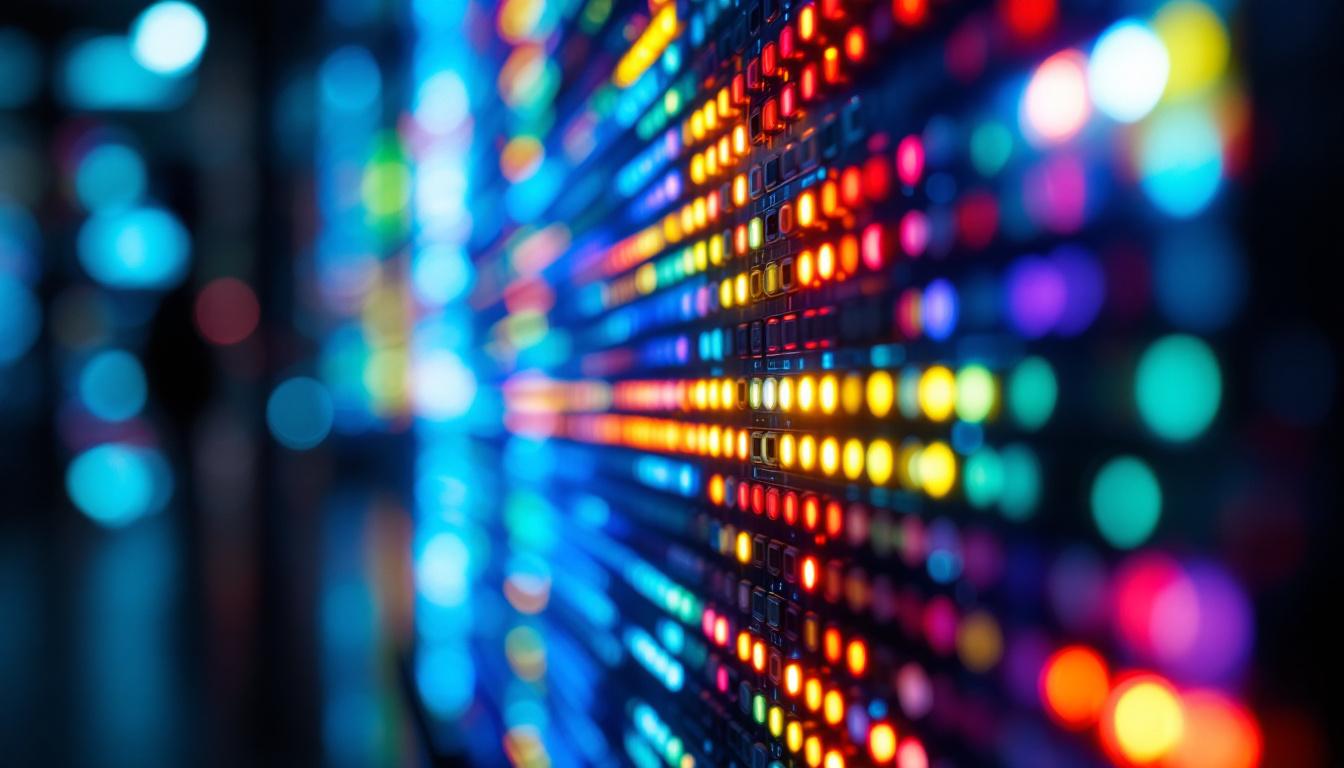
Modern LED displays consist of thousands to millions of these LEDs arranged in a matrix. Each LED can be controlled individually, allowing for precise color and brightness adjustments. This granular control is what enables LED displays to produce stunning images visible even under direct sunlight or in large venues.
How Do LED Displays Work?
At the core, LED displays operate by illuminating specific LEDs in patterns that form images. Each pixel on the screen contains one or more LEDs, typically red, green, and blue (RGB). By varying the intensity of these three colors, the display can produce a broad spectrum of colors.
There are two main types of LED displays based on how the LEDs are used: direct-view LED displays and LED-backlit LCD displays. Direct-view LED displays use the LEDs themselves as the light source and image pixels, whereas LED-backlit LCDs use LEDs to illuminate an LCD panel that modulates light to form images.
Types of LED Displays
Indoor vs. Outdoor LED Displays
One of the primary distinctions in LED displays is their intended environment. Indoor LED displays are designed for controlled lighting conditions, such as inside shopping malls, conference halls, or studios. These displays typically have a higher pixel density, meaning the LEDs are packed closer together to produce sharper images at close viewing distances.
Outdoor LED displays, on the other hand, must withstand harsh weather conditions and intense ambient light. They are built with durable, weather-resistant materials and have higher brightness levels—often exceeding 5,000 nits—to remain visible even in direct sunlight. The pixel pitch (distance between LEDs) is usually larger, as viewers tend to observe these displays from greater distances.
Fixed vs. Rental LED Displays
Fixed LED displays are permanently installed in a location, such as on a building facade or inside a retail store. They are designed for long-term use and often customized to fit specific dimensions and requirements.
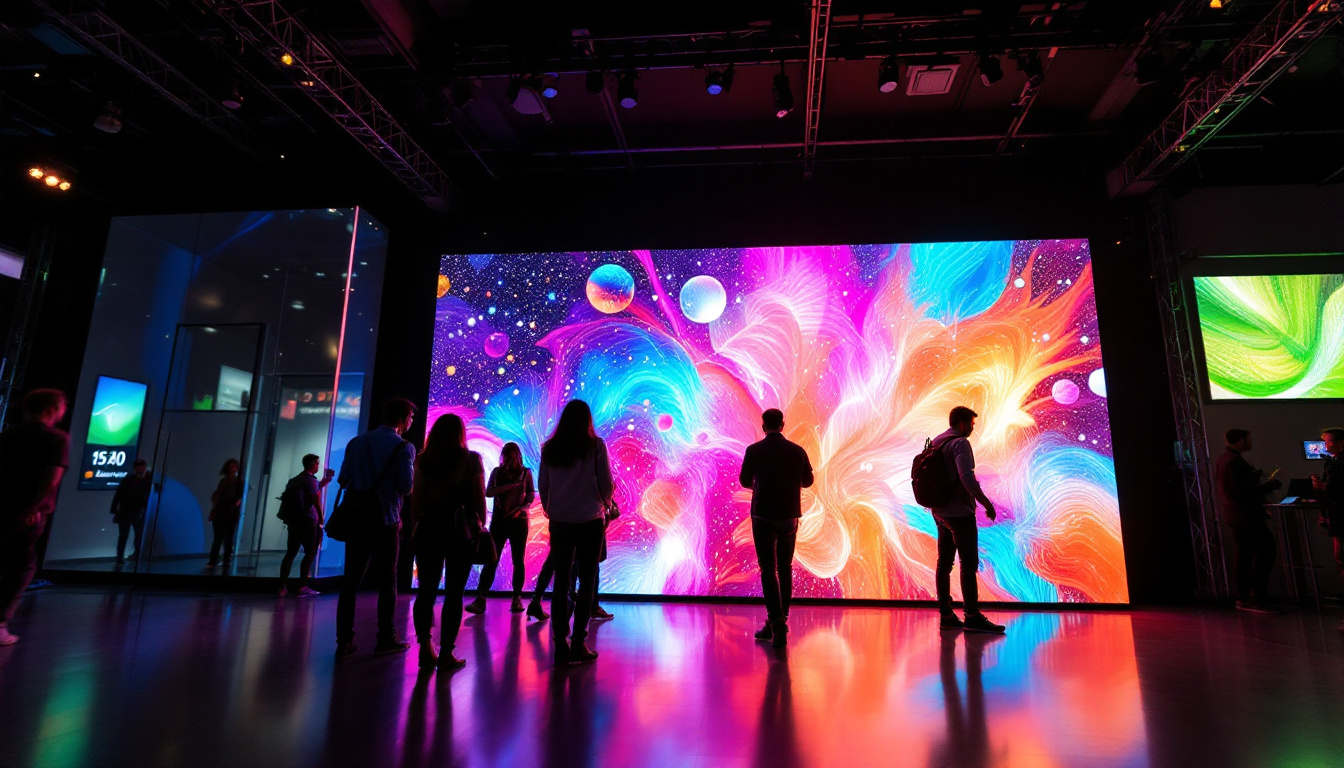
Rental LED displays are modular and portable, frequently used for events, concerts, trade shows, and temporary advertising. These displays emphasize quick assembly, disassembly, and transportation. The modular nature allows for flexible sizing and configurations, making them highly versatile for various applications.
Transparent LED Displays
Transparent LED displays are an innovative type of screen that allows light to pass through them, making them ideal for glass windows or storefronts. These displays combine advertising with architectural aesthetics, enabling businesses to showcase dynamic content without obstructing natural light or visibility.
They typically have a lower pixel density and brightness compared to traditional LED displays but offer unique visual appeal and functionality, especially in retail environments and corporate offices.
Advantages of LED Displays
Brightness and Visibility
One of the most significant advantages of LED displays is their exceptional brightness. With brightness levels ranging from 1,000 to over 10,000 nits, LED screens outperform many other display technologies, ensuring clear visibility in various lighting conditions, including direct sunlight. This makes them ideal for outdoor advertising, sports arenas, and transportation hubs.
Energy Efficiency
LED technology is inherently energy-efficient because LEDs consume less power than traditional incandescent or fluorescent lighting. Advances in LED driver technology and power management have further reduced energy consumption, making LED displays more sustainable and cost-effective to operate over time.
Longevity and Durability
LED displays boast long operational lifespans, often exceeding 100,000 hours of use before significant brightness degradation occurs. Their solid-state construction makes them resistant to shock, vibration, and environmental factors, which is particularly important for outdoor installations exposed to weather extremes.
Color Accuracy and Flexibility
With precise control over individual LEDs, these displays can produce a wide color gamut and high contrast ratios. This capability allows for vivid, lifelike images that enhance viewer engagement. Additionally, LED displays can be configured in various shapes and sizes, including curved and flexible panels, expanding their design possibilities.
Applications of LED Displays
Advertising and Digital Signage
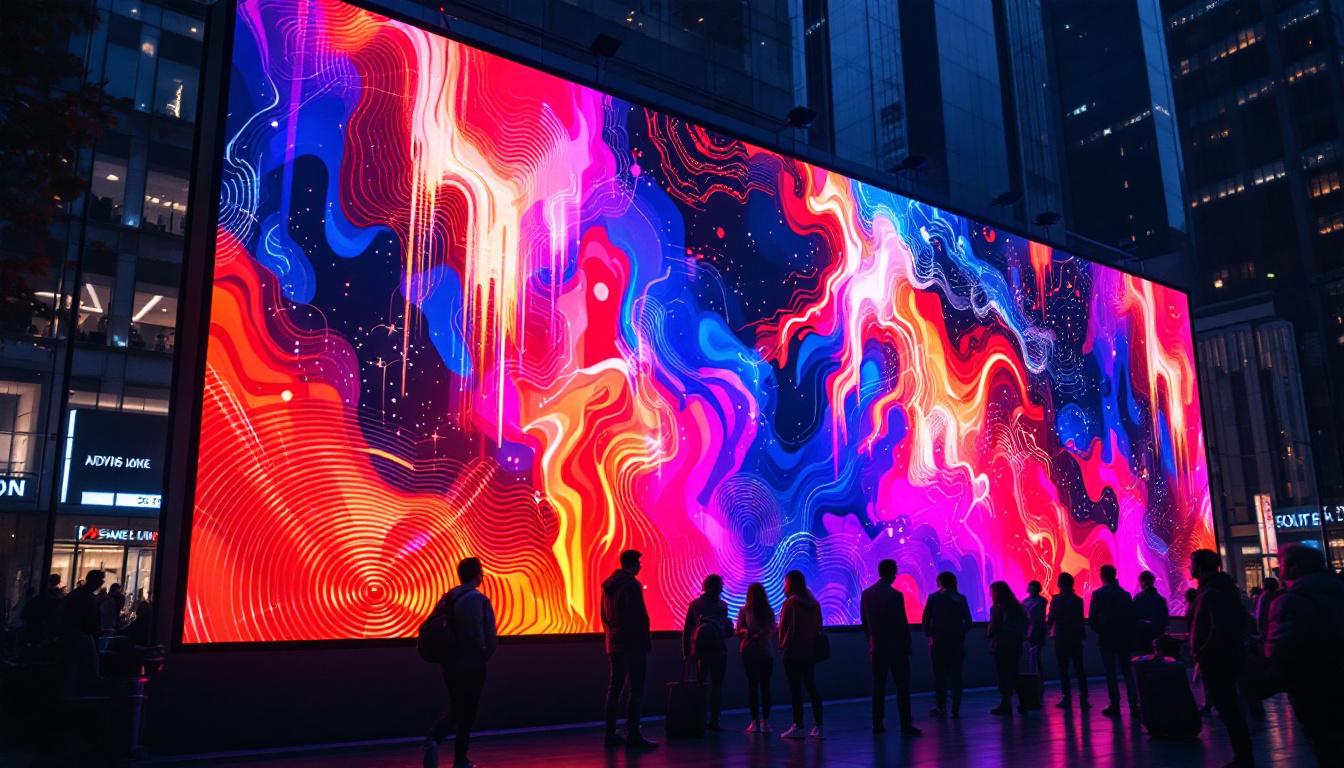
LED displays have revolutionized the advertising industry by enabling dynamic, eye-catching content that can be updated in real-time. Digital billboards, retail window displays, and transit advertising all benefit from the high visibility and flexibility of LED technology.
According to recent market research, the global digital signage market is projected to grow at a compound annual growth rate (CAGR) of over 8% through 2028, driven largely by the adoption of LED displays. Businesses leverage these displays to increase brand awareness, promote sales, and engage customers more effectively than static signs.
Sports and Entertainment Venues
From scoreboards to video walls, LED displays are integral to modern sports arenas and concert venues. Their ability to deliver high-resolution video and live feeds enhances the spectator experience, providing instant replays, player stats, and interactive content.
Major stadiums worldwide, such as the AT&T Stadium in Texas and Wembley Stadium in London, use massive LED screens to engage tens of thousands of fans simultaneously. The scalability and brightness of LED displays make them indispensable in these large-scale environments.
Corporate and Educational Use
In corporate settings, LED displays are used for presentations, video conferencing, and digital communication boards. Their clarity and size options make them suitable for boardrooms, lobbies, and auditoriums.
Educational institutions also utilize LED displays for interactive learning, digital notice boards, and event broadcasting. The technology supports multimedia content, fostering a more engaging and collaborative environment for students and staff.
Transportation and Public Information
LED displays are widely used in airports, train stations, and bus terminals to provide real-time information such as arrivals, departures, and emergency alerts. Their high visibility and reliability ensure that critical information is accessible to large numbers of people quickly and clearly.
Key Considerations When Purchasing an LED Display
Pixel Pitch and Resolution
Pixel pitch refers to the distance between the centers of two adjacent LEDs. It directly impacts the resolution and viewing distance of the display. Smaller pixel pitches yield higher resolution and are better suited for close-range viewing, such as indoor retail displays. Conversely, larger pixel pitches are acceptable for outdoor displays viewed from a distance.
Understanding the intended use and typical viewing distance is essential to selecting the appropriate pixel pitch. For example, a pixel pitch of 1.5 mm to 2.5 mm is common for indoor displays, while outdoor displays often range from 4 mm to 10 mm or more.
Brightness and Contrast Ratio
Brightness is measured in nits and determines how well the display performs under various lighting conditions. Outdoor displays require higher brightness levels to overcome sunlight glare, while indoor displays can operate effectively at lower brightness levels.
The contrast ratio, the difference between the darkest black and brightest white, affects image depth and clarity. High contrast ratios improve readability and visual impact, especially for video content.
Durability and Weather Resistance
For outdoor installations, it’s crucial to consider the display’s IP rating, which indicates its resistance to dust and water. A rating of IP65 or higher is typically recommended for outdoor LED displays to ensure protection against rain, dust, and other environmental hazards.
Control Systems and Software
Modern LED displays come with sophisticated control systems that allow users to manage content remotely, schedule playback, and integrate with other digital platforms. Choosing a display with user-friendly software and reliable connectivity options is vital for efficient operation and content management.
Budget and Total Cost of Ownership
While LED displays may require a significant upfront investment, their longevity, energy efficiency, and low maintenance costs often result in a favorable total cost of ownership. It’s important to evaluate not only the purchase price but also installation, maintenance, and operational expenses over the display’s lifespan.
Future Trends in LED Display Technology
MicroLED and MiniLED Innovations
Emerging technologies like MicroLED and MiniLED promise to push LED display performance even further. MicroLEDs are tiny LEDs that can produce extremely high resolution and brightness with excellent energy efficiency. This technology is expected to revolutionize consumer electronics, including TVs and smartphones, by offering superior picture quality without the drawbacks of OLED or LCD panels.
MiniLED technology, which uses smaller LEDs as backlighting for LCD panels, is already gaining traction in premium displays, offering improved contrast and brightness compared to traditional LED-backlit screens.
Flexible and Transparent Displays
Advancements in materials and manufacturing processes are enabling more flexible and transparent LED displays. These innovations open up new possibilities for creative installations, wearable tech, and architectural integration, blending digital content seamlessly into physical environments.
AI and Interactive Capabilities
Integration of artificial intelligence and interactive technologies is making LED displays smarter and more engaging. Gesture recognition, facial detection, and personalized content delivery are becoming common features, enhancing user experience and marketing effectiveness.
Conclusion
LED displays have transformed the way information and advertising are presented, offering unmatched brightness, durability, and versatility. Understanding the technology, types, and key considerations can help businesses and organizations make informed decisions when investing in LED display solutions. As innovations continue to evolve, LED displays will remain at the forefront of visual communication, delivering impactful and immersive experiences across industries.
Whether for outdoor advertising, live events, corporate communication, or public information, LED displays provide a powerful platform to engage audiences with vibrant, dynamic content that stands out in any environment.
Explore Cutting-Edge LED Displays with LumenMatrix
Ready to elevate your visual communication with the latest in LED technology? LumenMatrix, a pioneer in crafting innovative LED display solutions, invites you to experience unparalleled brand visibility and audience engagement. From Indoor and Outdoor LED Walls to specialized solutions like Vehicle, Sports, and Floor LED Displays, our offerings cater to every need. Embrace the future with our Custom, All-in-One, and Transparent LED Displays designed to captivate and inspire. Check out LumenMatrix LED Display Solutions today and transform your space into a dynamic visual experience.