When setting up a home theater, conference room, or classroom, one of the most common questions is whether investing in a dedicated projector screen is worth it. With the rise of LED displays and other digital alternatives, some may wonder if traditional projector screens still hold value. This article dives deep into the role of projector screens, how they compare to LED displays, and what factors influence the viewing experience. By the end, you’ll have a clearer understanding of whether a projector screen makes a difference and how LED technology fits into the picture.
The Fundamentals of Projector Screens
What Is a Projector Screen?
A projector screen is a specially designed surface that reflects projected images to enhance clarity, brightness, and color accuracy. Unlike a plain wall, projector screens are engineered to optimize light reflection and reduce distortion. They come in various materials, sizes, and gain ratings, each tailored to different environments and projector types.
Common projector screen materials include matte white, glass bead, and high contrast gray. Matte white screens are the most popular due to their versatility and color neutrality, while glass bead screens offer higher gain and brightness, suitable for rooms with ambient light. High contrast gray screens improve black levels and contrast ratios, making them ideal for darker environments. Additionally, some screens are designed with special coatings that can further enhance their performance, such as those that minimize glare or increase viewing angles, making them suitable for larger audiences.
Why Use a Projector Screen Instead of a Wall?
Many people initially consider projecting onto a blank wall to save costs. However, walls often have uneven textures, inconsistent colors, and varying reflectivity, all of which degrade image quality. A projector screen provides a uniform surface that maximizes image sharpness and color fidelity.
Moreover, projector screens often have coatings that enhance brightness and contrast, which walls cannot replicate. This is especially important in rooms with ambient light, where a screen can help maintain image visibility without requiring a darkened room. Furthermore, the aspect ratio of a projector screen is specifically designed to match the output of most projectors, ensuring that the image fills the screen perfectly without any cropping or distortion. This attention to detail allows for a more immersive viewing experience, whether for movies, presentations, or gaming. In addition, many modern screens come with features like motorized retraction and portable designs, making them convenient for both permanent installations and temporary setups, catering to a wide range of user needs.
Understanding LED Displays
What Are LED Displays?
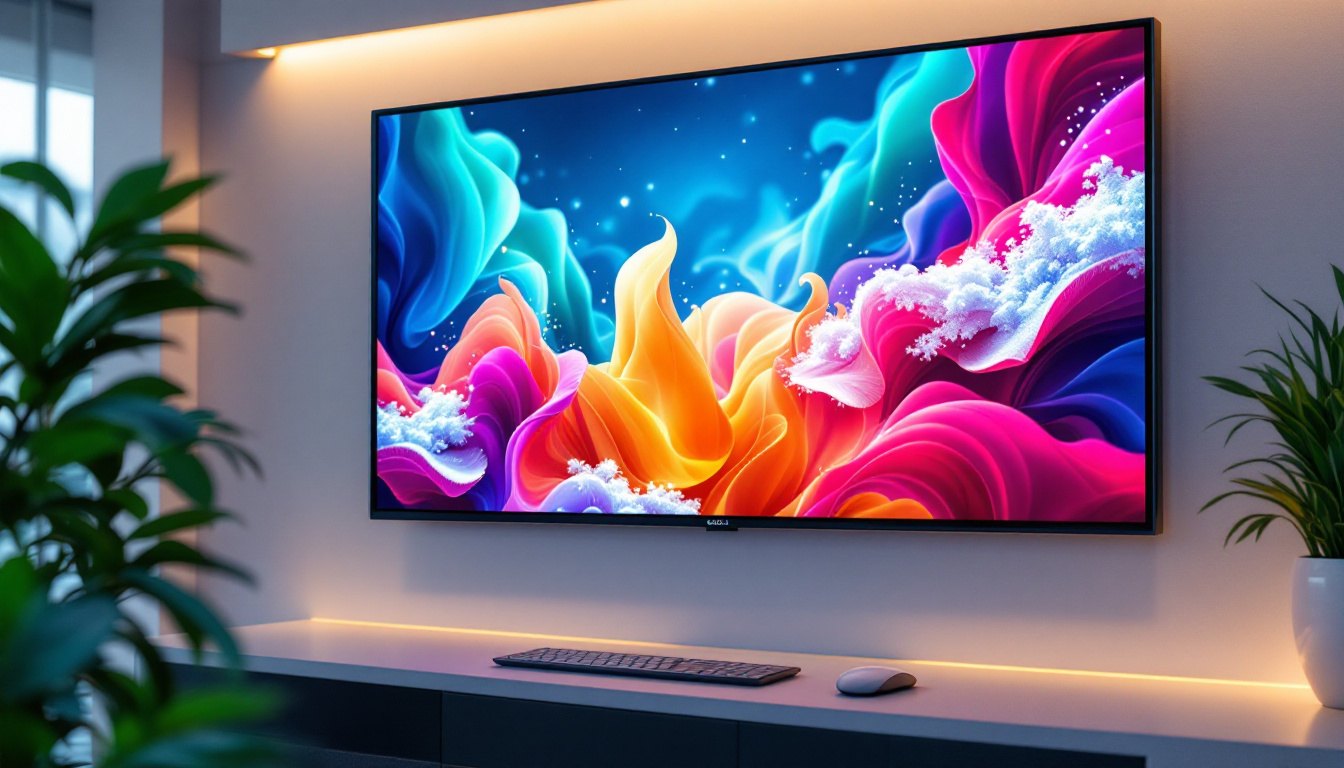
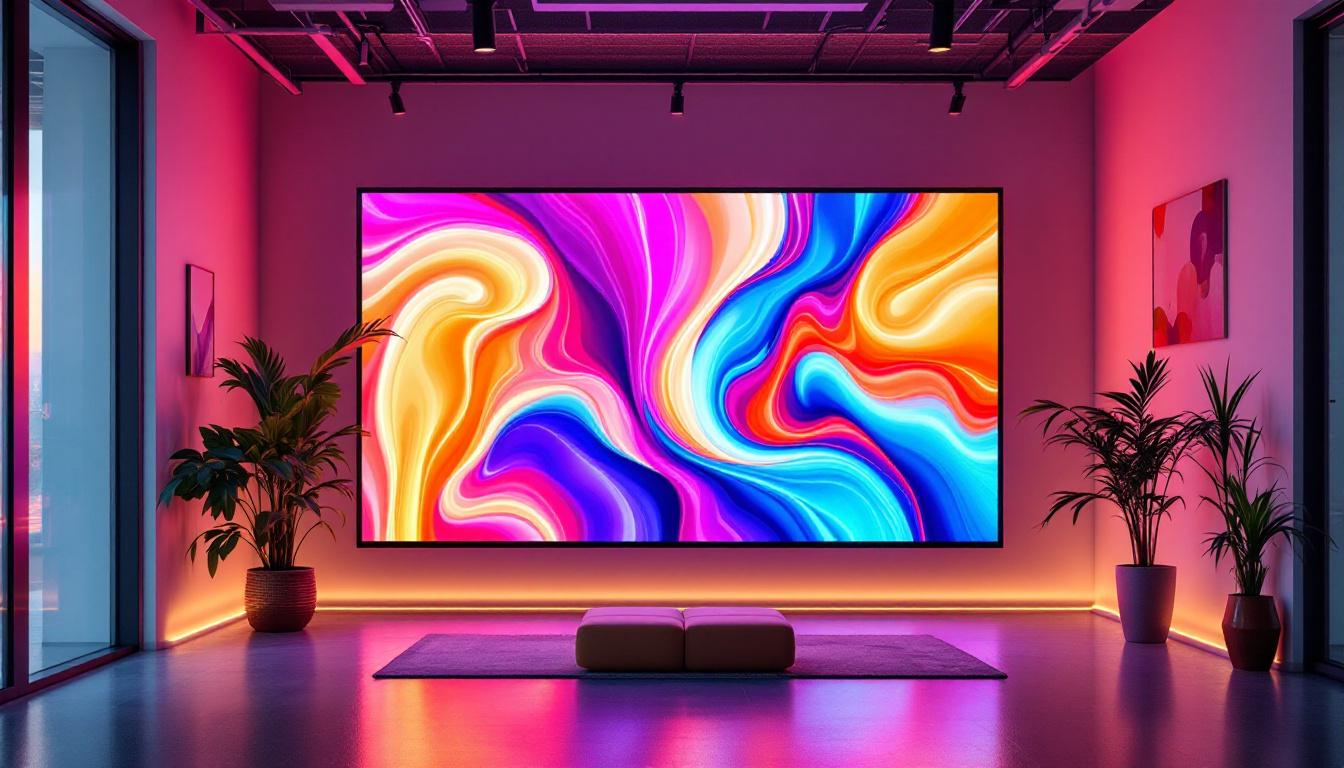
LED (Light Emitting Diode) displays are digital screens composed of thousands or millions of tiny LEDs that emit light directly. Unlike projectors, which rely on an external light source and reflective surface, LED displays produce their own light, resulting in vibrant colors and high contrast ratios. This self-illuminating feature allows for a more dynamic viewing experience, as the colors can be more saturated and the images sharper, making them particularly appealing for both entertainment and professional uses.
LED technology is widely used in televisions, digital signage, and increasingly in large-format displays for events and commercial applications. The ability of LEDs to produce deep blacks and bright highlights without external lighting conditions makes them a preferred choice for many modern display needs. Furthermore, advancements in LED technology, such as OLED (Organic LED) and MicroLED, have further enhanced the capabilities of these displays, allowing for even thinner designs and improved energy efficiency. These innovations are paving the way for more immersive experiences in gaming, virtual reality, and high-definition cinema.
Advantages of LED Displays Over Projectors
One of the key benefits of LED displays is their consistent image quality regardless of ambient lighting. Since LEDs emit light directly, they are not affected by room brightness as much as projectors. This makes them ideal for brightly lit environments or outdoor settings. For instance, outdoor advertising billboards utilize LED technology to ensure that their messages are clearly visible even in direct sunlight, a feat that is challenging for traditional projection systems.
Additionally, LED displays offer superior color accuracy, higher refresh rates, and often better longevity compared to projector lamps, which degrade over time. Maintenance is generally lower since there are no bulbs to replace, and the image does not suffer from issues like keystone distortion or focus problems common with projectors. Furthermore, the modular nature of many LED displays allows for easy scalability and customization, making them suitable for a variety of applications, from small retail displays to massive stadium screens. This versatility not only enhances their appeal but also contributes to their growing presence in both commercial and residential markets.
Do Projector Screens Make a Difference? A Comparative Analysis
Image Quality and Brightness
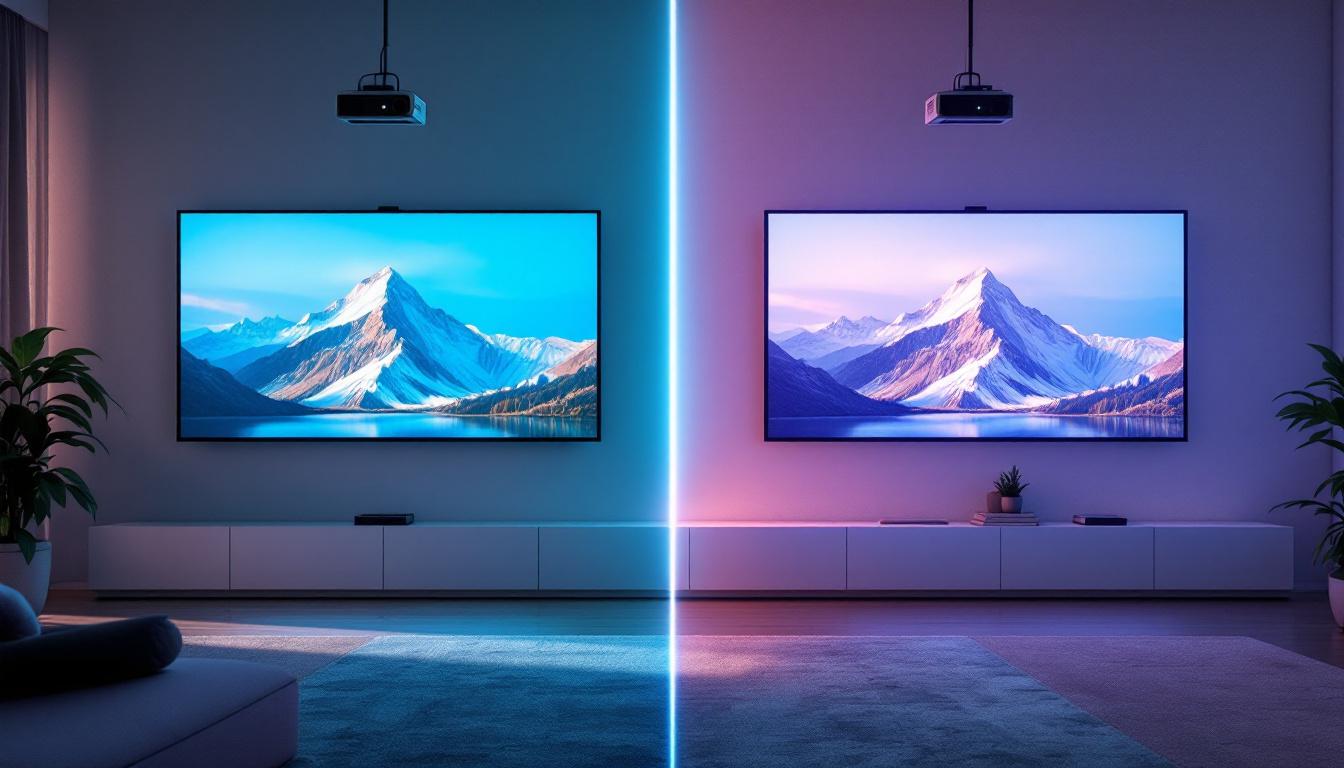
Projector screens significantly improve image quality by providing a surface optimized for light reflection. Studies show that using a high-quality screen can increase perceived brightness by up to 30% compared to projecting onto a painted wall. This is crucial for maintaining vivid images, especially in rooms with some ambient light.
In contrast, LED displays inherently produce bright images without needing a reflective surface. However, LED displays can be cost-prohibitive for very large sizes, where projectors paired with screens remain a more economical choice.
Contrast and Color Accuracy
Contrast ratio—the difference between the darkest blacks and brightest whites—is a critical factor in image quality. Projector screens with high contrast gain materials can enhance perceived contrast, but they cannot fully match the native contrast ratios of LED displays, which can exceed 1,000,000:1 in premium models.
Color accuracy also tends to be better on LED displays due to precise LED calibration and direct light emission. Projectors rely on color wheels and lamp color temperatures, which can degrade over time, affecting color fidelity. However, with a quality screen and a well-calibrated projector, colors can still be impressively vibrant.
Viewing Angles and Room Setup
Projector screens generally offer wide viewing angles, allowing multiple viewers to enjoy a consistent image without significant color or brightness shifts. LED displays, especially those using certain panel technologies, may have more limited viewing angles, though modern advancements have narrowed this gap considerably.
Room setup also plays a role. Projectors require space for optimal throw distance and may need ceiling mounting or careful placement. Screens must be installed securely and sized appropriately. LED displays, being self-contained, offer more flexibility in placement but can be bulky and heavy at larger sizes.
When to Choose a Projector with a Screen vs. an LED Display
Use Cases Favoring Projector Screens
Projector setups with dedicated screens excel in home theaters, classrooms, and conference rooms where large image sizes are desired at a relatively low cost. For example, a 120-inch diagonal image from a projector and screen can be achieved for a fraction of the cost of an equivalent LED display.
Additionally, projectors paired with screens allow for portability and flexible screen sizes, making them suitable for temporary setups or multi-purpose rooms. With advancements in 4K projectors and laser light sources, image quality has improved dramatically, making projector-screen combinations highly competitive.
Use Cases Favoring LED Displays
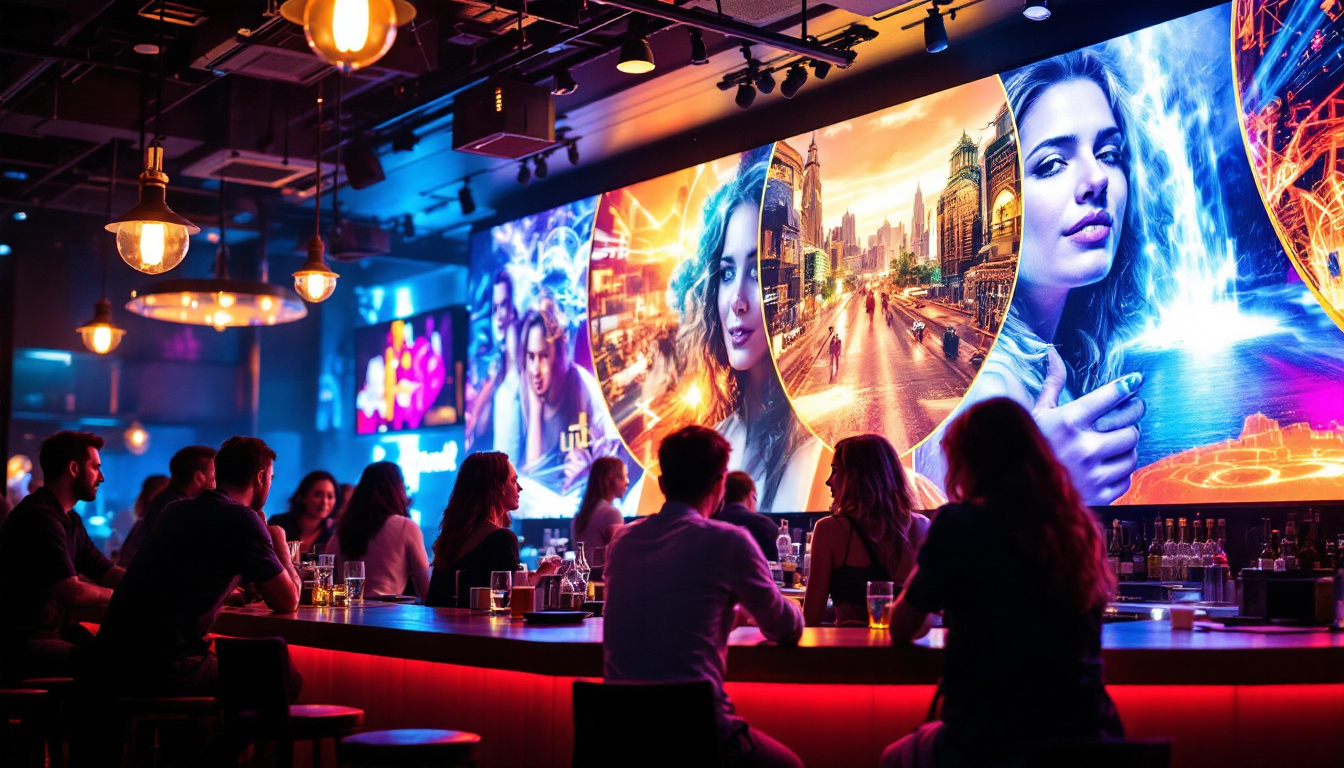
LED displays are ideal for environments with high ambient light, such as retail spaces, outdoor events, and brightly lit conference rooms. Their durability and low maintenance make them well-suited for commercial applications where continuous operation is required.
For smaller rooms or setups where installation space is limited, LED displays provide a sleek, plug-and-play solution without the need for projector alignment or screen installation. They also support interactive technologies more easily, which is beneficial in educational or collaborative settings.
Factors to Consider When Choosing Between the Two
Budget Constraints
Cost is often the deciding factor. Projector and screen setups typically offer larger image sizes at a lower upfront cost. However, projectors require periodic lamp replacements and potential screen upgrades, which add to long-term expenses.
LED displays have higher initial costs, especially for large sizes, but lower maintenance and longer lifespans can offset this over time. Evaluating total cost of ownership is essential for making an informed decision.
Room Environment and Lighting
Ambient light levels greatly influence performance. If the viewing environment cannot be darkened, LED displays generally provide better visibility. Conversely, in controlled lighting conditions, projectors with high-quality screens can deliver cinematic experiences with excellent image quality.
Installation and Space
Projectors require sufficient throw distance and a flat, unobstructed wall or screen area. Ceiling mounts and cable management add complexity. LED displays are more straightforward to install but may require structural support for heavier units.
Content and Usage
Consider the type of content being displayed. For static images and text-heavy presentations, LED displays offer crisp clarity. For movies and immersive video experiences, projectors with screens can provide larger, more engaging visuals.
Conclusion: Making the Right Choice
Projector screens do make a significant difference in image quality by providing a surface optimized for light reflection, enhancing brightness, contrast, and color accuracy. While LED displays offer advantages in brightness, contrast, and maintenance, they come at a higher cost and may not be practical for very large screen sizes.
Ultimately, the decision between using a projector with a dedicated screen or an LED display depends on budget, environment, installation constraints, and intended use. For those seeking large-format viewing on a budget, investing in a quality projector screen is highly recommended. For environments with challenging lighting or where ease of use is paramount, LED displays are an excellent choice.
Understanding the strengths and limitations of each technology ensures that users can create the best possible viewing experience tailored to their specific needs.
Explore Cutting-Edge Visual Solutions with LumenMatrix
Ready to elevate your visual experience with the latest in LED display technology? LumenMatrix is at the forefront of innovation, offering a diverse range of LED display solutions tailored to your unique needs. From captivating Indoor and Outdoor LED Wall Displays to dynamic Vehicle and Sports LED Displays, our products are designed to enhance engagement and bring your vision to life. Discover the transformative power of our LED Poster Displays, Floor LED Displays, Custom LED Solutions, All-in-One LED Displays, and LED Transparent Displays. Experience the future of visual communication today and check out LumenMatrix LED Display Solutions to create an unforgettable impact with every message you share.