Does Refresh Rate Matter On TV: LED Display Explained
When shopping for a new TV, one specification that often catches the eye is the refresh rate. Advertised as 60Hz, 120Hz, or even higher, refresh rate numbers can seem confusing and sometimes misleading. But does refresh rate really matter on a TV, especially on LED displays? Understanding what refresh rate means, how it affects picture quality, and when it actually makes a difference can help consumers make informed decisions and get the best viewing experience for their needs.
What Is Refresh Rate and Why Does It Matter?
Refresh rate refers to how many times per second a TV updates the image on its screen, measured in hertz (Hz). For example, a 60Hz refresh rate means the screen refreshes 60 times per second. This specification is crucial because it influences how smooth motion appears on the display.
Higher refresh rates generally result in smoother motion, which is especially noticeable during fast-moving scenes such as sports, action movies, or video games. Conversely, lower refresh rates can cause motion blur or judder, making fast motion appear choppy or less fluid.
However, the impact of refresh rate varies depending on the content being viewed and the TV technology. For static images or slow-moving scenes, the difference between 60Hz and 120Hz may be negligible. But for dynamic content, a higher refresh rate can significantly enhance the viewing experience.
How Refresh Rate Works on LED TVs
LED TVs use light-emitting diodes to illuminate the screen, which is typically an LCD panel. The refresh rate in LED TVs determines how often the LCD pixels are updated with new image data. While the panel’s native refresh rate is a hardware limitation, many TVs use motion interpolation technologies to simulate higher refresh rates.
For example, a TV with a native 60Hz panel might advertise a “120Hz effective refresh rate” by using frame interpolation or black frame insertion. These techniques create additional frames or insert black frames between existing ones to reduce motion blur and improve perceived smoothness.
It’s important to note that these enhancements are not the same as a true higher refresh rate panel. Motion interpolation can sometimes introduce artifacts or a “soap opera effect,” where video looks unnaturally smooth. Therefore, understanding the difference between native refresh rate and processed refresh rate is key when evaluating LED TVs.
Native vs. Effective Refresh Rate
The native refresh rate is the actual hardware capability of the TV’s display panel. This is the rate at which the panel can physically update the image. Common native refresh rates for LED TVs are 60Hz and 120Hz.
The effective refresh rate, often used in marketing, includes motion enhancement technologies that artificially increase perceived smoothness. For instance, a TV might have a native 60Hz panel but advertise a 240Hz effective refresh rate thanks to advanced motion interpolation.
Consumers should focus primarily on the native refresh rate when comparing TVs, as this is the true measure of the display’s performance. Effective refresh rates can be helpful but are often exaggerated and less reliable indicators of actual motion clarity.
When Does Refresh Rate Really Make a Difference?
Refresh rate matters most in scenarios involving fast motion. Here are some key use cases where a higher refresh rate can improve the viewing experience:
Sports and Fast-Paced Action
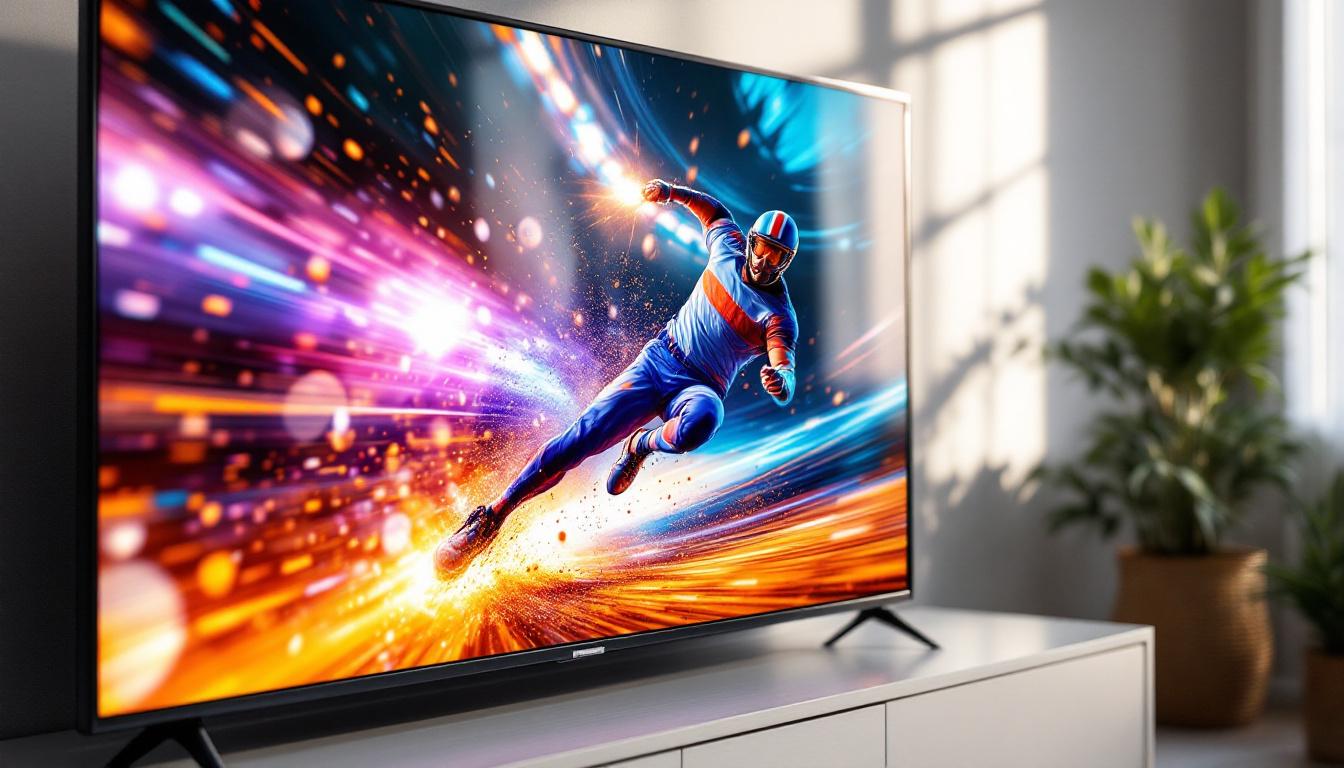
Sports broadcasts feature rapid camera pans, quick player movements, and fast ball trajectories. A higher refresh rate helps reduce motion blur, making it easier to follow the action clearly. For avid sports fans, a 120Hz or higher refresh rate TV can make a noticeable difference in clarity and immersion.
Video Games
Gamers often benefit from higher refresh rates, especially when playing fast-paced or competitive games. Many modern gaming consoles and PCs support 120Hz or higher output, allowing for smoother gameplay and reduced input lag. LED TVs with native 120Hz panels are ideal for gamers seeking responsiveness and fluid motion.
Action Movies and Thrillers
Movies with fast camera movements, chase scenes, or explosions can sometimes suffer from judder or blur on lower refresh rate TVs. A higher refresh rate helps maintain crispness during these sequences, enhancing the cinematic experience.
When It Might Not Matter as Much
For casual TV viewing such as news, sitcoms, or dramas with slower pacing, the difference between 60Hz and 120Hz is often minimal. Additionally, many streaming services deliver content at 24 frames per second (fps), which can limit the benefits of higher refresh rates unless motion interpolation is applied.
Other Factors That Influence Motion Clarity on LED TVs
While refresh rate is important, it’s not the only factor affecting motion clarity. Several other technologies and specifications contribute to how smooth and clear motion appears on an LED TV:
Response Time
Response time measures how quickly individual pixels can change from one color to another. Faster response times reduce motion blur and ghosting effects. Even a TV with a high refresh rate can look blurry if its response time is slow.
Motion Interpolation and Processing
As mentioned earlier, many LED TVs use motion interpolation to create additional frames between original frames. This can improve smoothness but may introduce artifacts or an unnatural look. Some TVs allow users to adjust or disable this feature based on personal preference.
Backlight Scanning and Black Frame Insertion
Some TVs use backlight scanning or black frame insertion to reduce perceived motion blur. By briefly turning off the backlight between frames, these technologies create sharper motion perception. However, they can reduce overall brightness and may cause flickering for sensitive viewers.
Content Frame Rate
The original frame rate of the content also plays a role. Movies are typically filmed at 24fps, TV shows at 30fps, and sports broadcasts at 60fps. A TV’s refresh rate ideally matches or is a multiple of the content frame rate to minimize judder and tearing.
How to Choose the Right Refresh Rate for Your Needs
Selecting the optimal refresh rate depends largely on how you use your TV and what kind of content you watch most frequently. Here are some guidelines to help make the decision easier:
For General TV Viewing
If your primary use is watching regular TV shows, news, or movies, a 60Hz native refresh rate is usually sufficient. Most content is produced at 24 or 30fps, so a 60Hz panel can handle it without significant issues.
For Sports Enthusiasts
If you watch a lot of live sports, consider a TV with at least a 120Hz native refresh rate. This will help reduce motion blur and make fast action easier to follow. Also, look for TVs with good motion processing features that can handle 60fps broadcasts smoothly.
For Gamers
Gamers should prioritize a native 120Hz or higher refresh rate, especially if you own a console or PC that supports high frame rates. Additionally, look for low input lag and fast response times to complement the high refresh rate for a better gaming experience.
For Movie Buffs
Movie enthusiasts who prefer a cinematic experience might want to disable motion interpolation to avoid the soap opera effect. A 60Hz panel is generally adequate, but if you want smoother motion during action scenes, a 120Hz TV with adjustable motion settings is ideal.
Common Misconceptions About Refresh Rate on TVs
There are several myths and misunderstandings surrounding refresh rates that can confuse buyers. Clarifying these can help avoid unnecessary upgrades or disappointment:
Higher Refresh Rate Always Means Better Picture Quality
While a higher refresh rate improves motion smoothness, it does not directly enhance color accuracy, contrast, or resolution. Picture quality depends on many other factors like panel type, HDR support, and color gamut.
Effective Refresh Rate Numbers Are Reliable
Marketing terms like “240Hz effective refresh rate” often exaggerate the TV’s true capabilities. These numbers usually include motion interpolation and should not be taken as the native refresh rate.
Refresh Rate Is the Only Factor for Motion Clarity
As discussed, response time, motion processing, and content frame rate are equally important. A balanced combination of these factors yields the best motion performance.
Future Trends: Higher Refresh Rates and Beyond
As display technology advances, native refresh rates on TVs continue to rise. While 60Hz and 120Hz remain the most common, some premium models now offer 240Hz or even higher refresh rates, primarily aimed at gamers and sports fans.
Additionally, technologies like OLED and Mini-LED panels are improving response times and contrast ratios, further enhancing motion clarity. Variable refresh rate (VRR) support is becoming standard in TVs, allowing synchronization between the TV and gaming devices to reduce screen tearing.
Ultimately, the trend is toward smoother, more responsive displays that cater to diverse viewing preferences and content types.
Conclusion
Does refresh rate matter on a TV, especially an LED display? The answer is yes, but its importance depends on how the TV is used. For fast-moving content such as sports, gaming, and action movies, a higher native refresh rate (120Hz or more) can significantly improve motion clarity and reduce blur.
However, for everyday viewing of standard TV shows and movies, a 60Hz refresh rate is often sufficient. It’s also crucial to consider other factors like response time, motion interpolation, and content frame rate to get the best overall experience.
When shopping for a new LED TV, focus on the native refresh rate rather than inflated effective refresh rate numbers. Adjust motion processing settings according to your preferences, and choose a TV that matches your primary viewing habits. By understanding refresh rate and its role in LED displays, consumers can make smarter choices and enjoy a more immersive and enjoyable TV experience.
Explore the Future of Visual Experience with LumenMatrix
Ready to elevate your viewing experience with the latest in LED display technology? LumenMatrix is at the forefront of innovation, offering a wide range of LED display solutions that bring your content to life. Whether you’re a sports enthusiast, a gamer, or simply seeking an enhanced cinematic experience, our cutting-edge displays are designed to deliver unparalleled clarity and immersion. Check out LumenMatrix LED Display Solutions today and transform the way you watch, play, and engage with visual media.