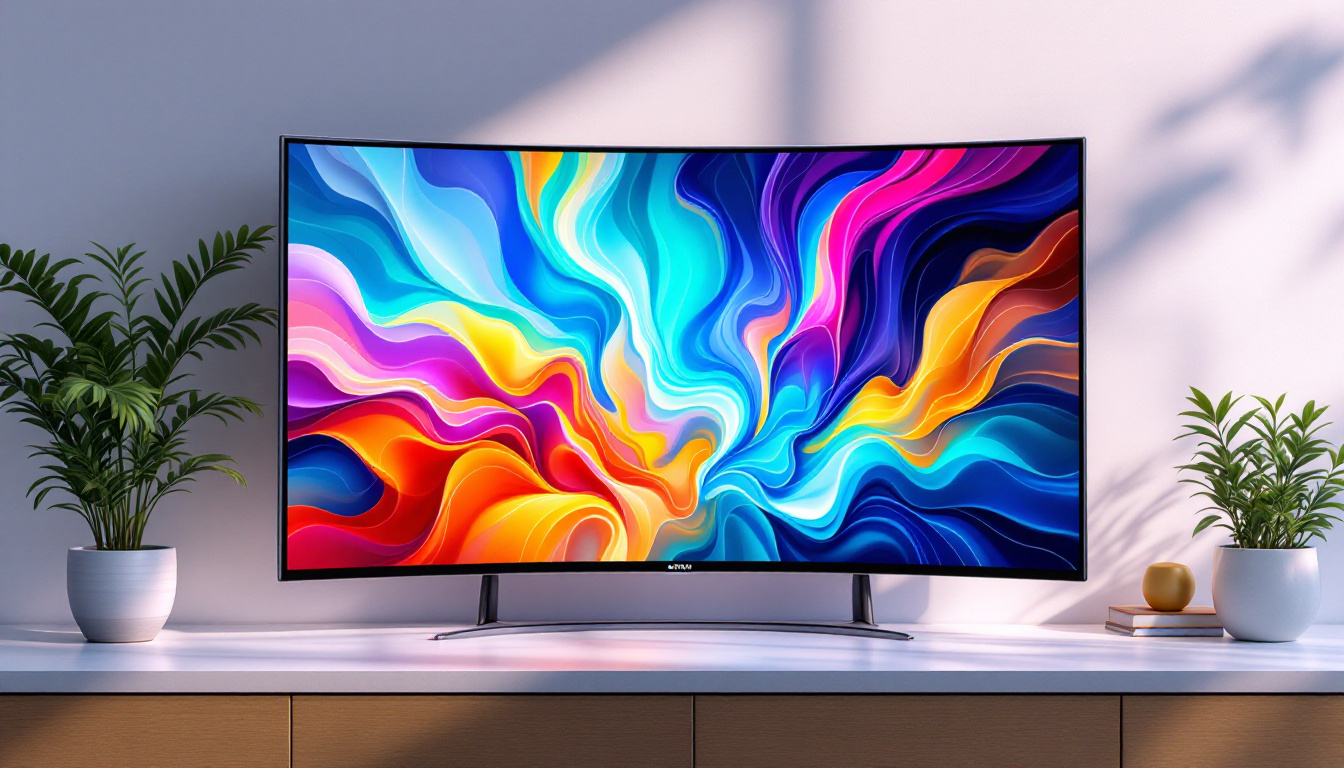
In the ever-evolving world of display technology, one trend that has captured significant attention is the ultra-thin design of monitors. From sleek office setups to immersive gaming stations, the appeal of a slim profile is undeniable. But beyond aesthetics, does the ultra-thin form factor truly matter when it comes to performance, durability, and user experience? This article delves into the intricacies of LED display technology, exploring how thickness impacts monitor quality, and whether an ultra-thin design is a meaningful advantage or simply a style statement.
Understanding LED Display Technology
To appreciate the significance of a monitor’s thickness, it’s essential to first understand the basics of LED display technology. LED, or Light Emitting Diode, monitors use an array of tiny LEDs to illuminate the screen, either directly behind the panel (direct LED) or along its edges (edge-lit LED). This technology has largely replaced older LCD backlight systems due to its superior brightness, energy efficiency, and color accuracy.
Unlike traditional LCDs that rely on cold cathode fluorescent lamps (CCFLs) for backlighting, LED monitors offer more precise control over brightness and contrast. This results in deeper blacks, more vibrant colors, and overall improved picture quality. The LED backlighting is also more energy-efficient, which contributes to longer device lifespan and lower electricity consumption.
Types of LED Backlighting and Their Impact on Thickness
There are primarily two types of LED backlighting used in monitors: edge-lit and direct-lit. Edge-lit LED monitors place LEDs along the perimeter of the screen, allowing for thinner panels since the light is diffused across the display using light guides. Direct-lit LED monitors have LEDs positioned directly behind the screen, which typically results in thicker panels but can provide better uniformity and brightness.
Because edge-lit LED technology requires less internal space for the lighting components, it has enabled manufacturers to push the boundaries of thinness in monitor design. However, this often comes with trade-offs in terms of brightness uniformity and contrast ratios compared to direct-lit models. Additionally, the choice of backlighting can significantly influence the viewing experience. For instance, while edge-lit displays may excel in sleekness and portability, direct-lit displays are often favored for professional settings where color accuracy and consistent brightness across the screen are paramount.
Furthermore, advancements in LED technology have led to the development of local dimming features in direct-lit monitors. This allows specific zones of the backlight to dim or brighten independently, enhancing the contrast ratio and providing a more dynamic viewing experience. As a result, users can enjoy richer details in dark scenes, making these displays particularly appealing for movie enthusiasts and gamers alike. The ongoing evolution of LED technology continues to inspire innovations that challenge the conventional notions of monitor design, pushing towards even thinner profiles without compromising on performance.
The Role of Thickness in Monitor Performance
While ultra-thin monitors are visually appealing and save desk space, the question remains: does a thinner monitor compromise or enhance performance? The answer depends on several factors, including the type of panel, backlighting technology, cooling mechanisms, and build quality.
Image Quality and Thickness
Image quality is influenced by the panel technology (IPS, VA, TN) and the backlighting system rather than thickness alone. However, some ultra-thin monitors, especially those relying on edge-lit LEDs, may exhibit uneven brightness or “hot spots” because the light has to be diffused from the edges. This can affect the viewing experience, particularly in professional settings where color accuracy and uniformity are critical.
Conversely, thicker monitors that use direct LED backlighting or advanced local dimming technologies can achieve superior contrast ratios and more consistent brightness across the screen. For example, professional-grade monitors used in photo editing or video production often prioritize performance over slimness, opting for slightly thicker designs to house more sophisticated lighting and cooling systems. These thicker models may also incorporate features such as higher refresh rates and better color gamuts, making them more suitable for high-end gaming and graphic design applications.
Thermal Management and Durability
Another important aspect affected by monitor thickness is thermal management. LED displays generate heat, and effective dissipation is crucial to maintaining performance and extending lifespan. Ultra-thin monitors have less internal space for heat sinks and ventilation, which can lead to higher operating temperatures if not engineered carefully.
Manufacturers of ultra-thin monitors often employ innovative cooling solutions, such as heat pipes or advanced materials, to mitigate this issue. However, these solutions can increase production costs and sometimes limit the monitor’s maximum brightness or refresh rate to prevent overheating. Thicker monitors generally have an advantage in this area, providing more room for passive cooling components and ensuring stable performance over long periods. Furthermore, the additional thickness can also enhance the overall durability of the monitor; a thicker chassis is typically more resistant to flexing and damage, which is particularly beneficial in environments where monitors are frequently moved or adjusted.
Additionally, the build quality of thicker monitors often allows for more robust connectivity options, such as multiple HDMI and DisplayPort inputs, which can be crucial for users who require versatile setups. This added functionality can be a significant advantage for professionals who rely on multiple devices for their work, as it reduces the need for external switches or adapters. In contrast, some ultra-thin models may sacrifice these features in favor of a sleeker profile, potentially limiting their usability in complex workstations.
Why Ultra-Thin Monitors Are Popular
The rise of ultra-thin monitors is driven by several compelling factors that appeal to a broad range of users. Understanding these motivations helps clarify why manufacturers invest heavily in reducing monitor thickness despite potential trade-offs.
Aesthetic Appeal and Workspace Optimization
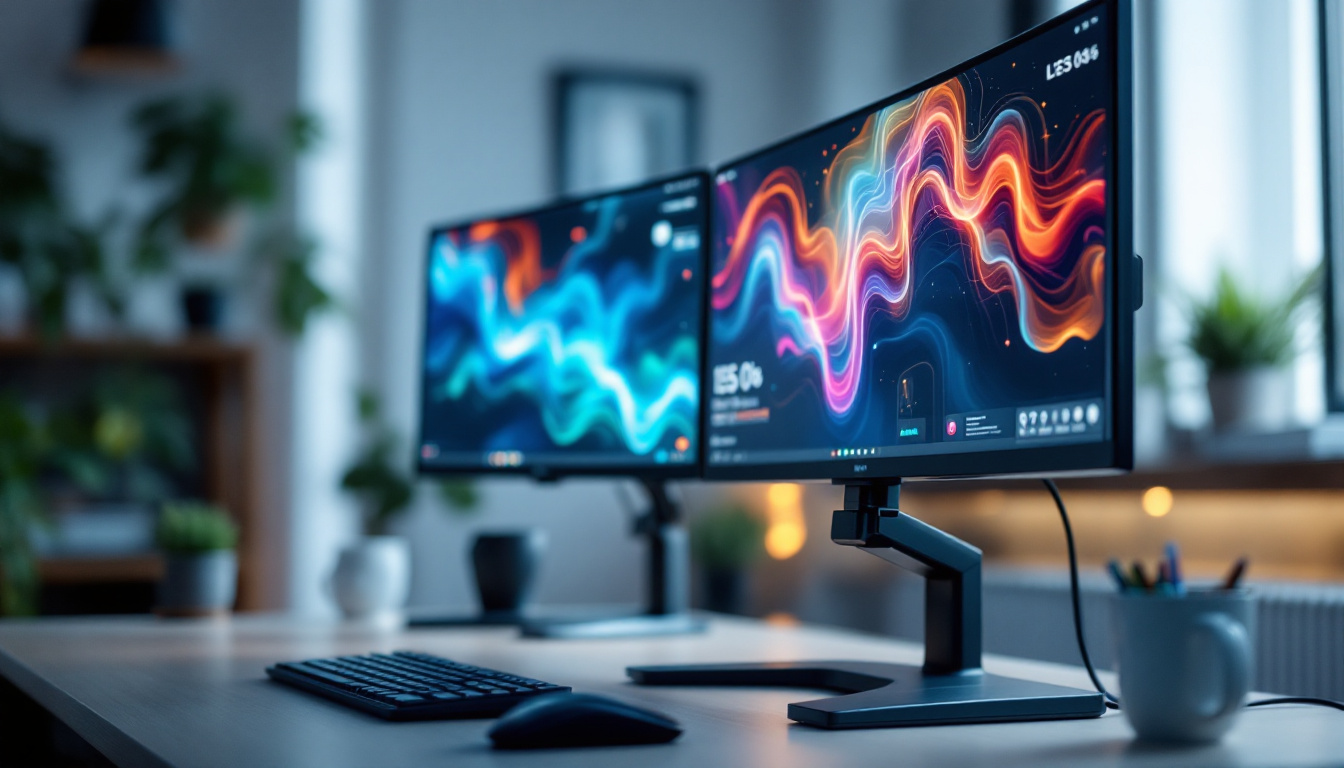
The sleek, minimalist design of ultra-thin monitors aligns perfectly with modern workspace aesthetics. Whether it’s a corporate office, home study, or gaming setup, a slim monitor can create a cleaner, more organized look. This is especially important in environments where space is limited or where multiple monitors are used side by side.
Additionally, ultra-thin monitors are lighter and easier to mount on walls or adjustable arms, offering greater flexibility in positioning and ergonomics. This adaptability can enhance user comfort and productivity by allowing customized viewing angles and reducing clutter.
Technological Advancements Enabling Thinness
Recent innovations in LED technology, panel manufacturing, and materials science have made ultra-thin monitors more feasible without severely compromising quality. For example, advancements in quantum dot technology and OLED panels have introduced displays that are not only thin but also deliver exceptional color accuracy and contrast.
Moreover, the integration of USB-C and Thunderbolt ports into slim monitor designs has streamlined connectivity, enabling power delivery and data transfer through a single cable. This reduces cable clutter and complements the minimalist aesthetic of ultra-thin monitors.
When Thickness Matters: Use Cases and Recommendations
While ultra-thin monitors offer numerous benefits, thickness can be a critical factor depending on the intended use. Here are some scenarios where thickness should be carefully considered.
Professional Creative Work
For graphic designers, photographers, and video editors, color accuracy and uniform brightness are paramount. Monitors used in these fields often feature direct LED backlighting with local dimming, which may require a thicker chassis. The slight increase in thickness is a worthwhile trade-off for superior image fidelity and consistency.
Additionally, professional monitors tend to have more robust build quality and better thermal management, ensuring stable performance during long editing sessions. In such cases, opting for ultra-thin models primarily for aesthetics could compromise workflow efficiency.
Gaming and High-Performance Use
Gamers often prioritize refresh rates, response times, and adaptive sync technologies over slimness. While many ultra-thin gaming monitors exist, some high-end models with advanced cooling systems and powerful internal components may be thicker. This thickness supports higher refresh rates (144Hz and above), better heat dissipation, and enhanced durability.
Moreover, gaming setups frequently involve multiple peripherals and complex cable management, where the physical robustness of a thicker monitor can provide additional stability and longevity.
General Office and Home Use
For everyday tasks such as browsing, document editing, and video conferencing, ultra-thin monitors are often an excellent choice. Their sleek design enhances workspace aesthetics, and the performance differences compared to thicker models are generally negligible for non-specialized use.
Energy efficiency and ergonomic flexibility also make ultra-thin monitors appealing in office environments, where reducing eye strain and maximizing desk space are priorities.
Future Trends in Monitor Thickness and LED Technology
The monitor industry continues to innovate rapidly, with emerging technologies promising to redefine the relationship between thickness and performance.
Mini-LED and Micro-LED Displays
Mini-LED technology uses thousands of tiny LEDs as backlighting, enabling more precise local dimming and higher contrast ratios while maintaining a relatively thin profile. This technology bridges the gap between traditional LED and OLED displays, offering better brightness and color without the burn-in risks associated with OLEDs.
Micro-LED, an even newer technology, integrates microscopic LEDs directly into the display pixels, potentially enabling ultra-thin, flexible, and extremely bright monitors with exceptional color accuracy. Although still in early stages and expensive, Micro-LED could revolutionize monitor design in the coming years.
Flexible and Transparent Displays
Research into flexible OLED and LED displays suggests a future where monitors could be rolled, folded, or even transparent, further challenging traditional notions of thickness. These innovations could lead to new form factors and applications, from curved gaming monitors to heads-up displays integrated into everyday environments.
Conclusion: Is Ultra Thin Truly Better?
Ultra-thin monitors undeniably offer compelling advantages in terms of aesthetics, space-saving, and modern connectivity. For many users, especially those engaged in general computing or office work, the slim profile enhances the overall experience without sacrificing performance.
However, thickness remains a relevant factor when performance, durability, and thermal management are critical. Professional creatives and high-performance gamers may find that slightly thicker monitors provide better image quality, cooling, and longevity. The choice ultimately depends on individual needs and priorities.
As LED technology continues to advance, the gap between ultra-thin design and high performance is narrowing. Emerging technologies like Mini-LED and Micro-LED promise to deliver the best of both worlds, making ultra-thin monitors increasingly viable for all types of users. Until then, understanding the trade-offs will help consumers make informed decisions that balance style, functionality, and value.
Discover the Future of Visual Display with LumenMatrix
As you consider the balance between ultra-thin design and high-performance features for your next monitor, remember that LumenMatrix is at the forefront of LED display innovation. Our extensive range of solutions, from Indoor and Outdoor LED Wall Displays to Custom and All-in-One LED Displays, is designed to meet the diverse needs of our clients. Whether you’re a professional creative, a dedicated gamer, or looking to enhance your business’s brand visibility, LumenMatrix has the cutting-edge technology to create truly captivating visual experiences. Check out LumenMatrix LED Display Solutions today and step into the future of visual communication.