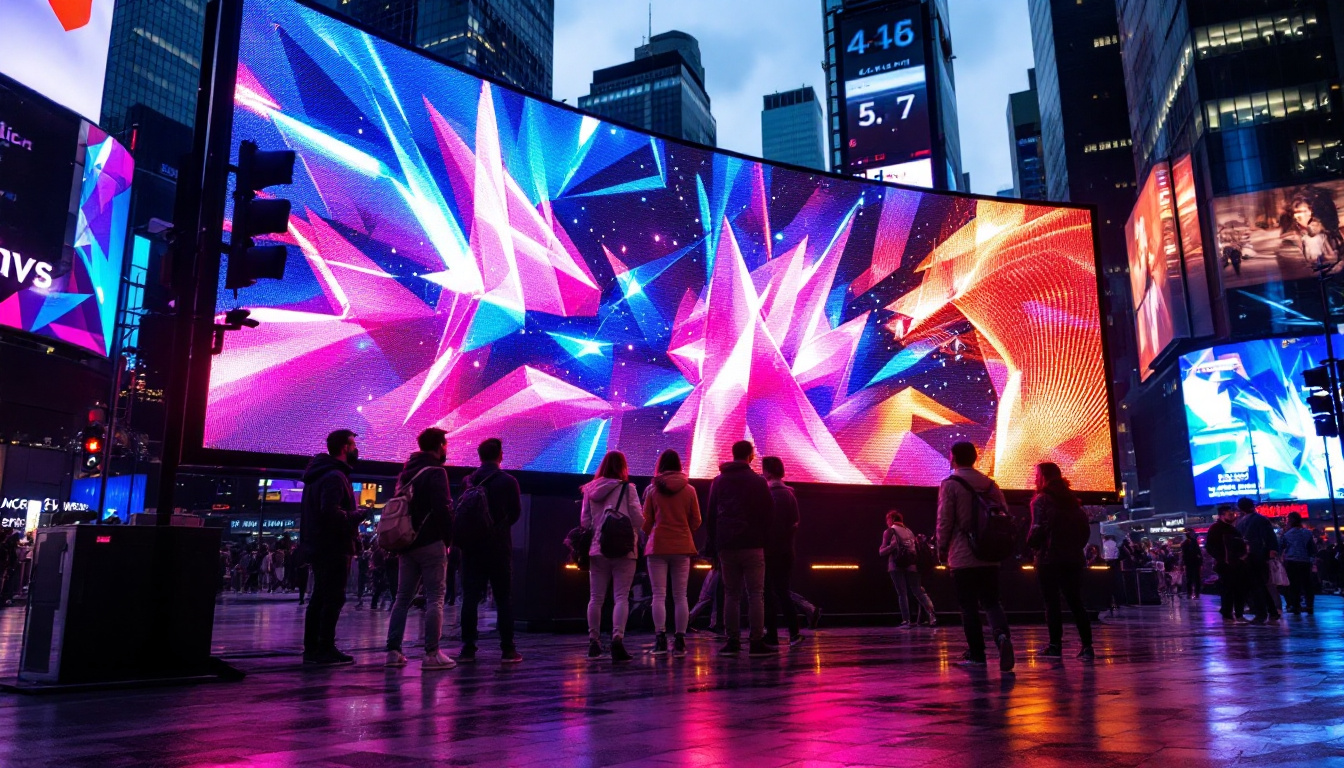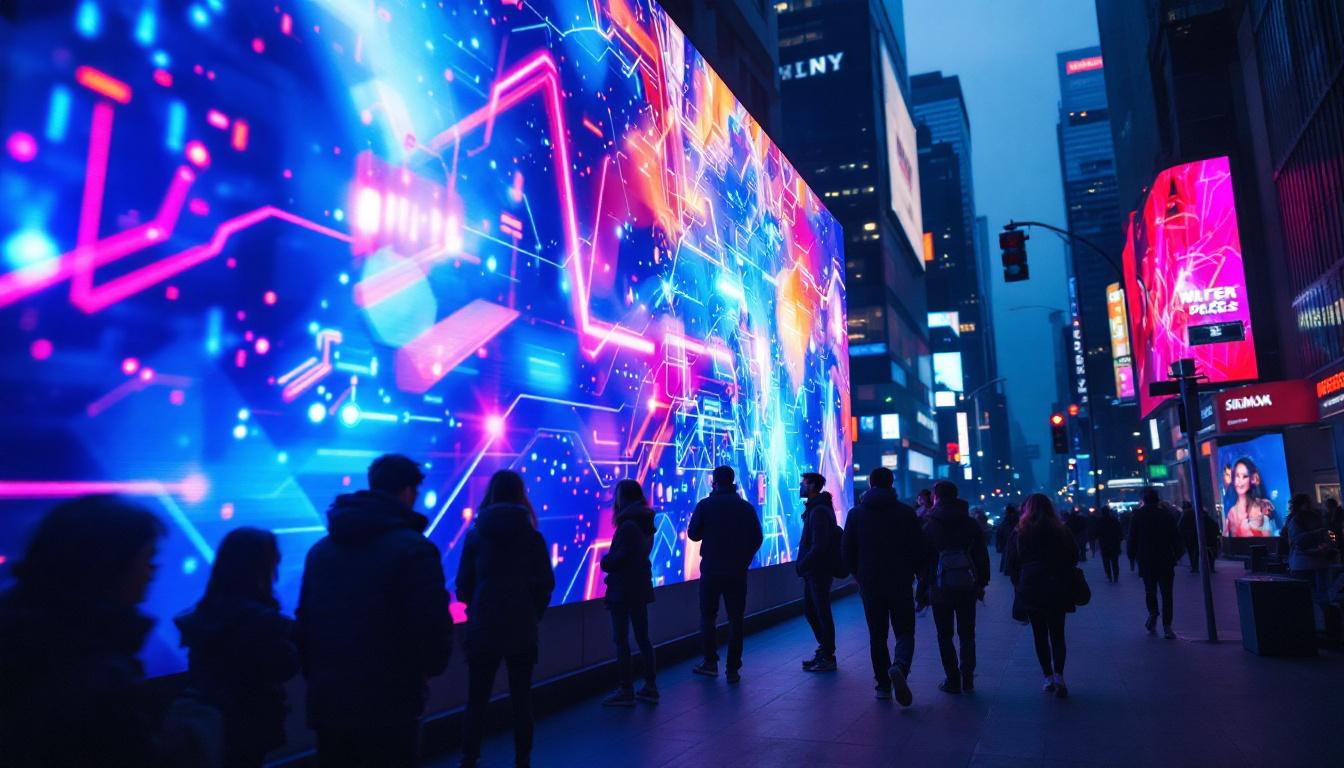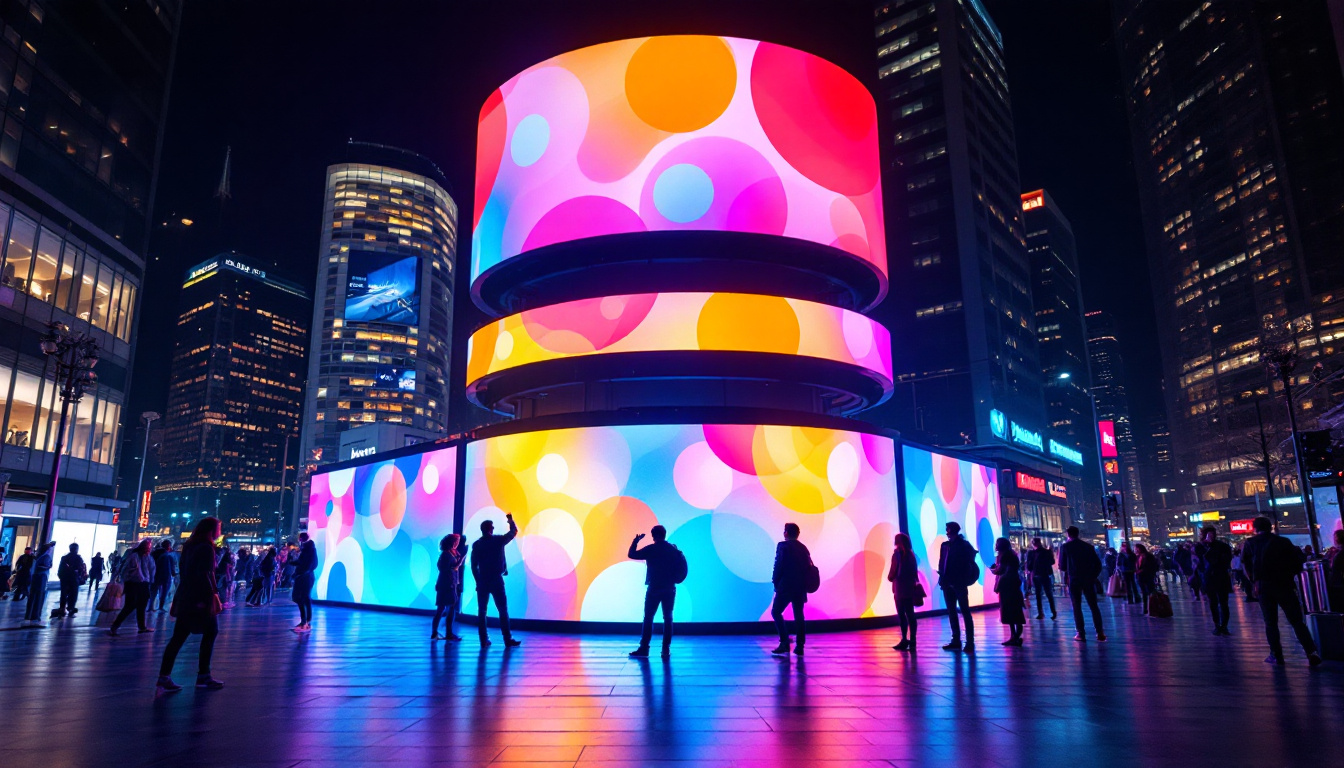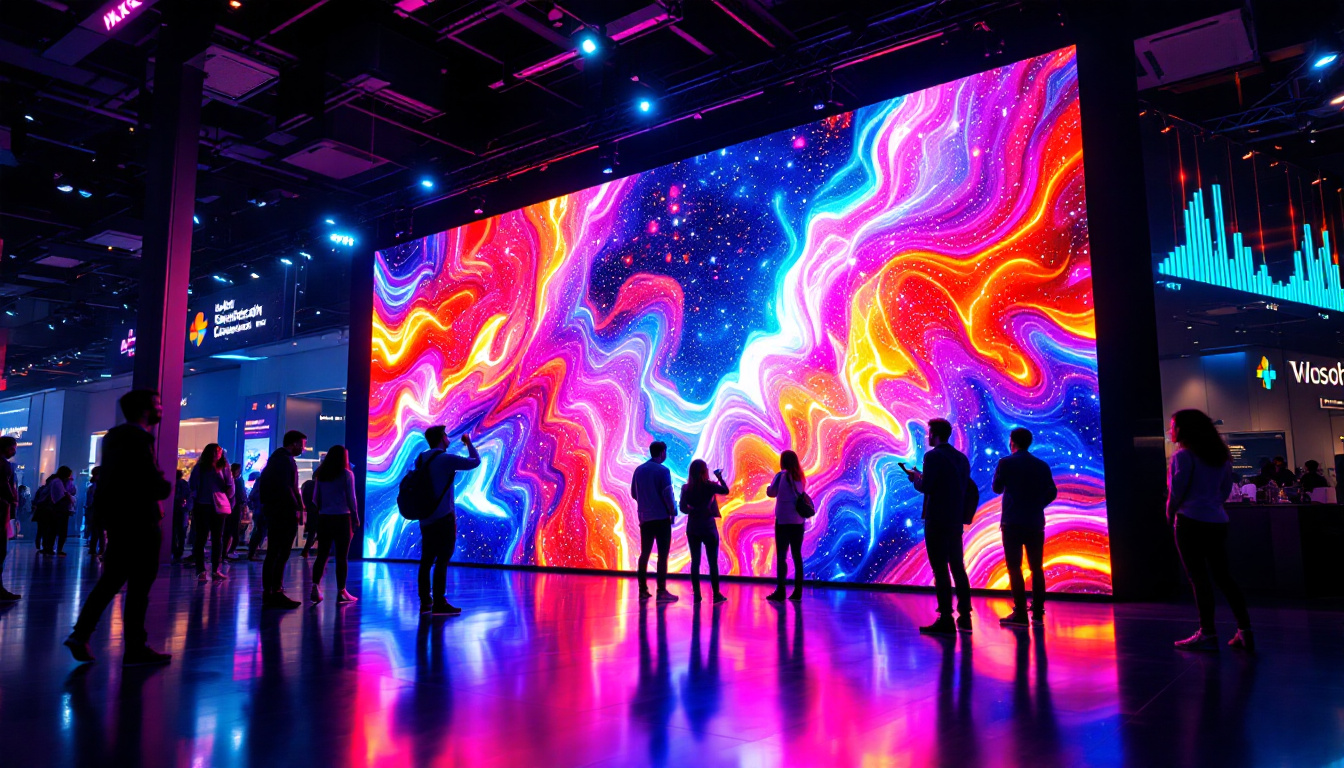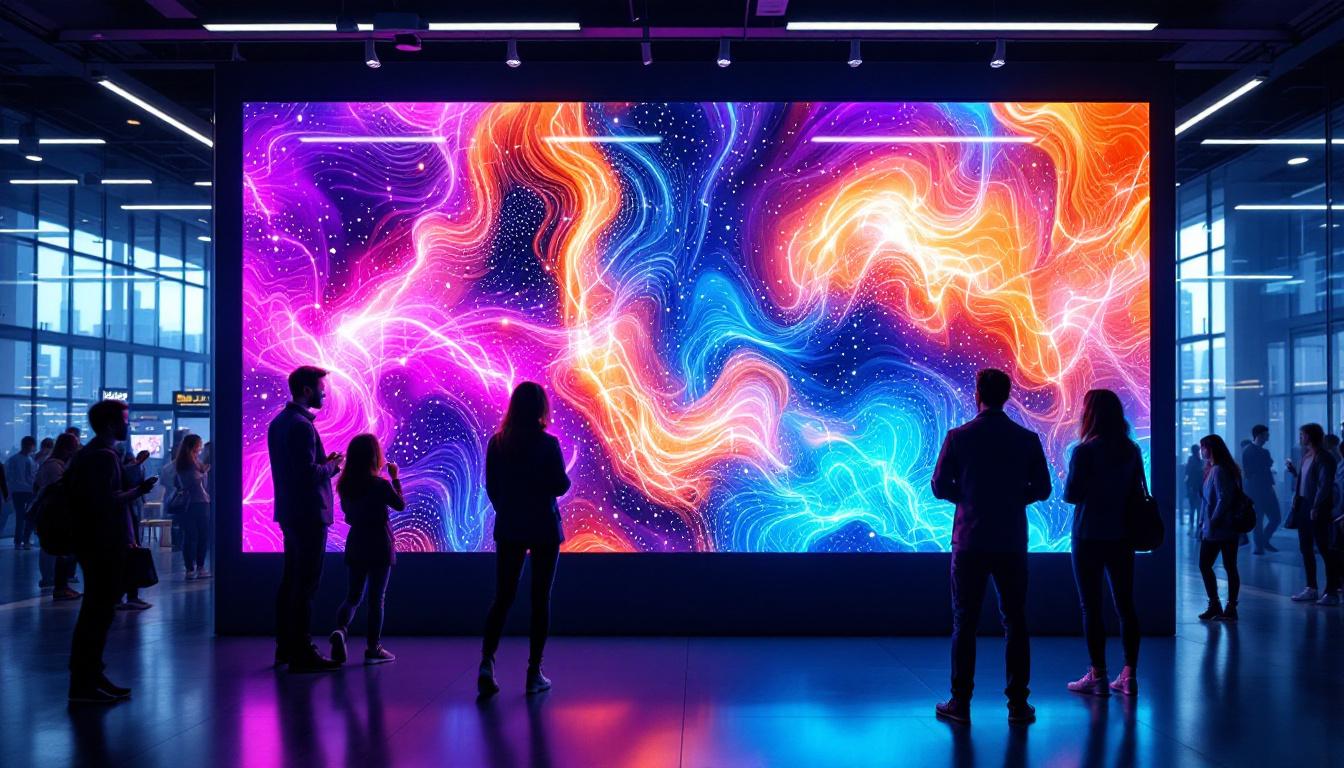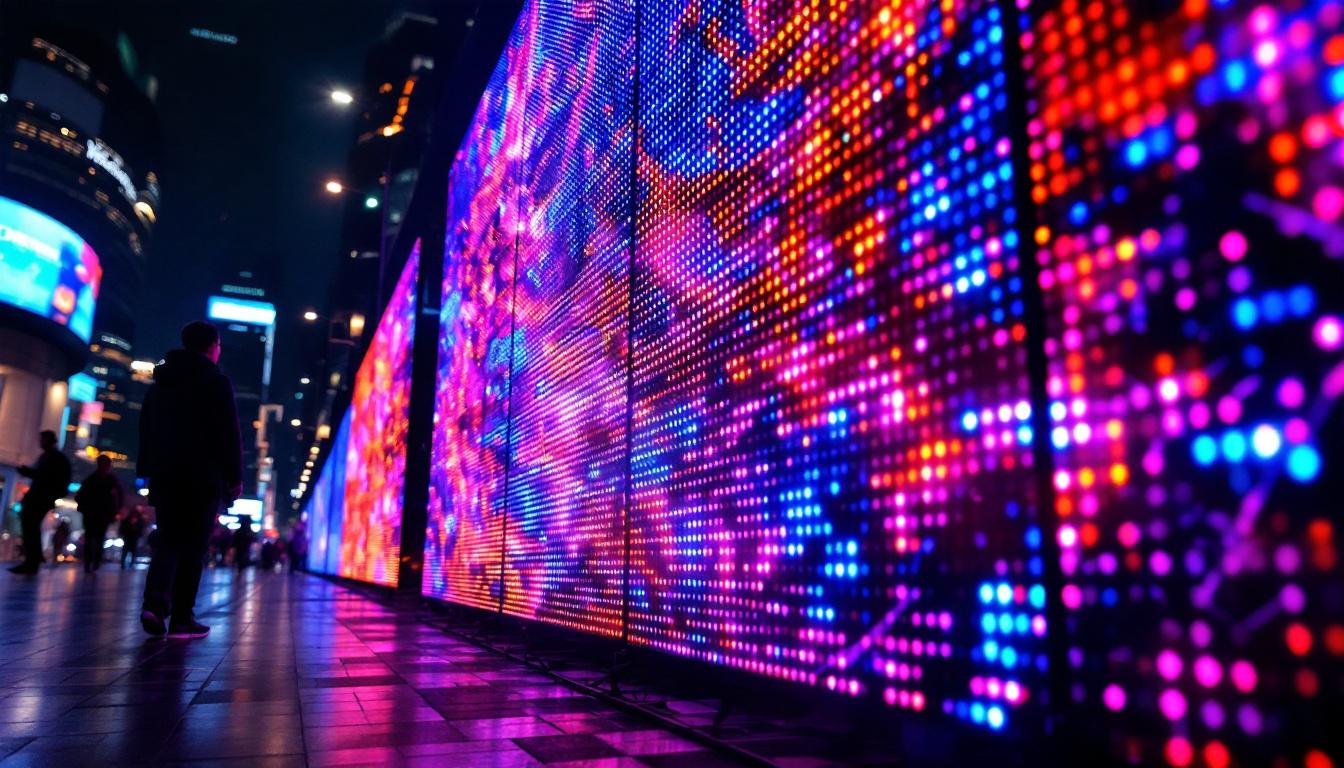
In the rapidly evolving world of digital signage and visual communication, LED displays have become a cornerstone technology. From stadiums and retail stores to transportation hubs and corporate environments, LED displays deliver vibrant, dynamic content that captures attention and conveys information effectively. This article explores the fundamentals of LED display technology, its advantages, applications, and what sets E Nhv LED displays apart in this competitive landscape.
Understanding LED Display Technology
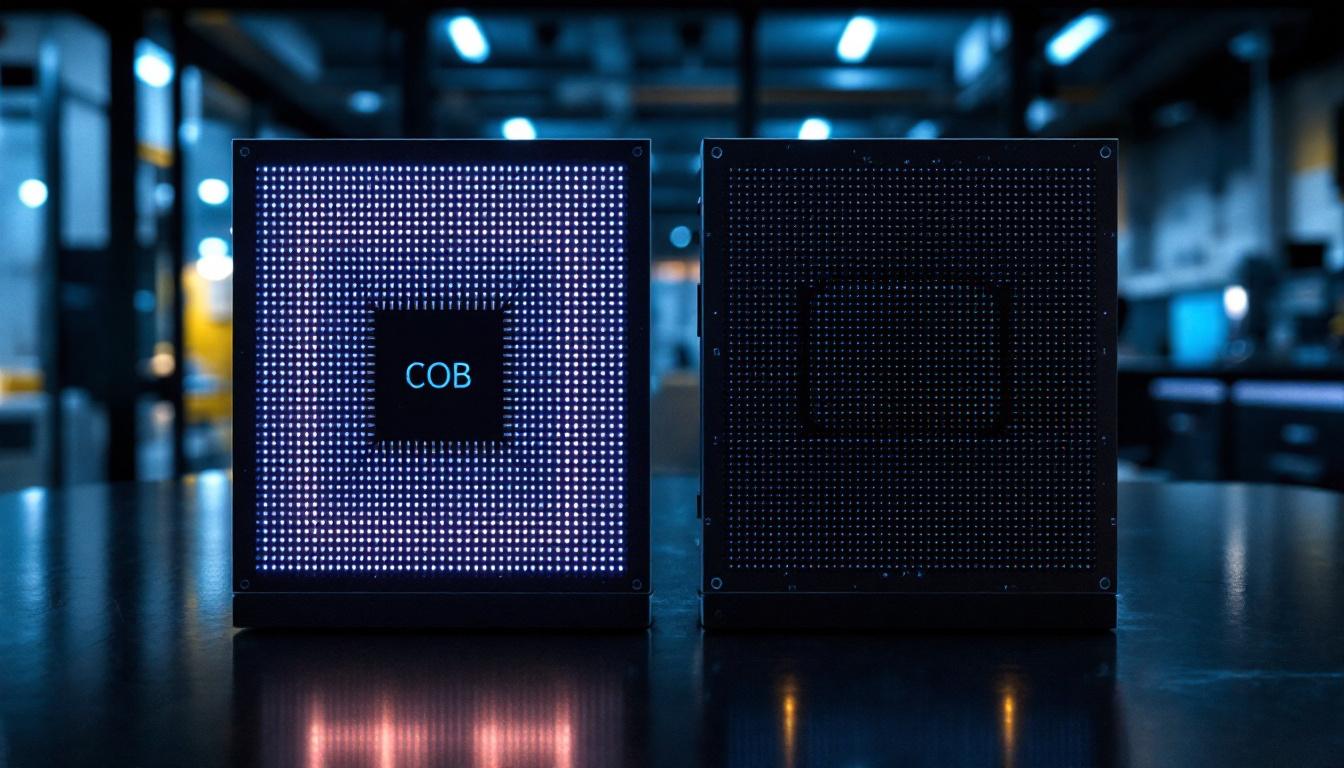
LED, or Light Emitting Diode, displays are digital screens composed of thousands of tiny light-emitting diodes that work together to produce images and videos. Unlike traditional LCD or plasma screens, LED displays emit their own light, enabling higher brightness levels and better contrast ratios.
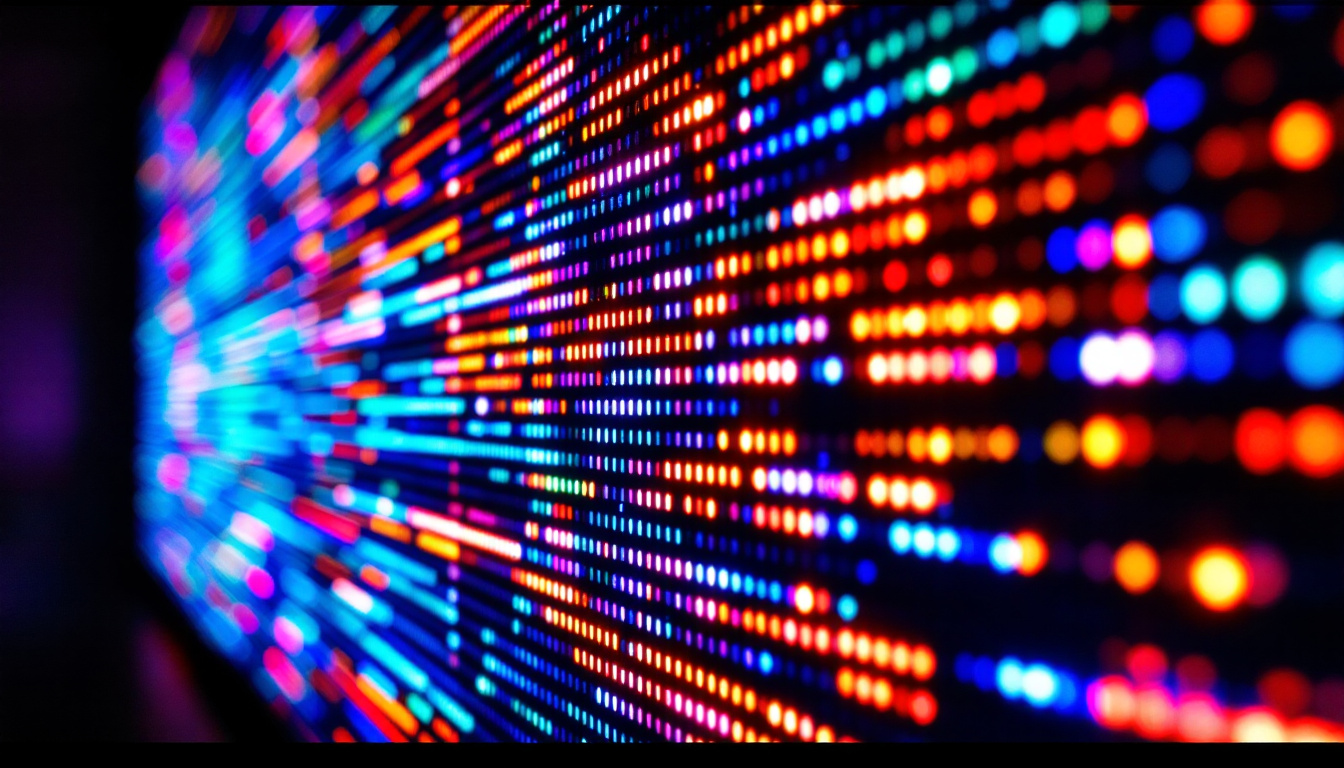
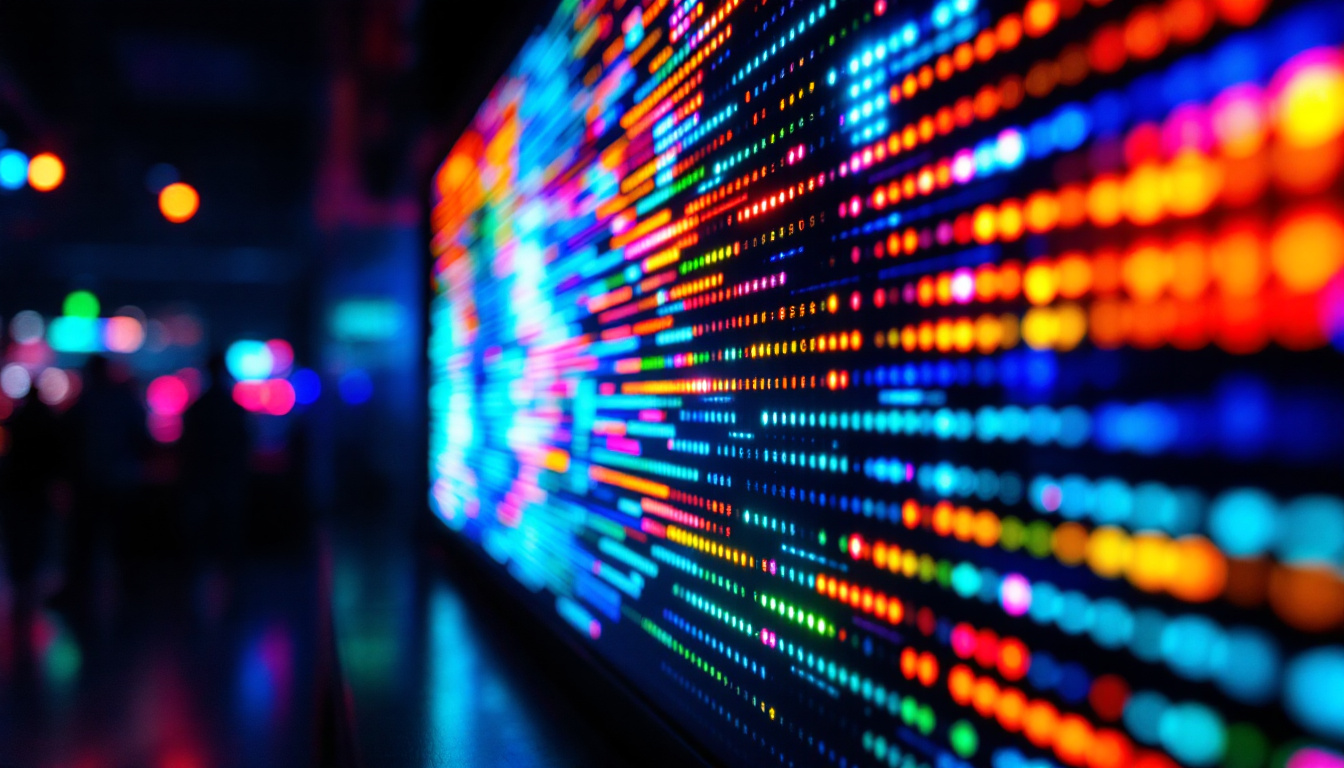
At their core, LED displays consist of individual pixels made up of red, green, and blue diodes. By varying the intensity of these diodes, the display can render a broad spectrum of colors. This pixel-level control allows for sharp images and vivid color reproduction, making LED displays ideal for environments where visibility and color accuracy are paramount.
Types of LED Displays
LED displays come in various forms, primarily categorized by their design and intended use:
- Indoor LED Displays: Designed for controlled lighting environments, these displays have a higher pixel density and smaller pixel pitch, resulting in sharper images at close viewing distances.
- Outdoor LED Displays: Built to withstand weather conditions and ambient light, these displays offer higher brightness levels and robust enclosures to ensure durability.
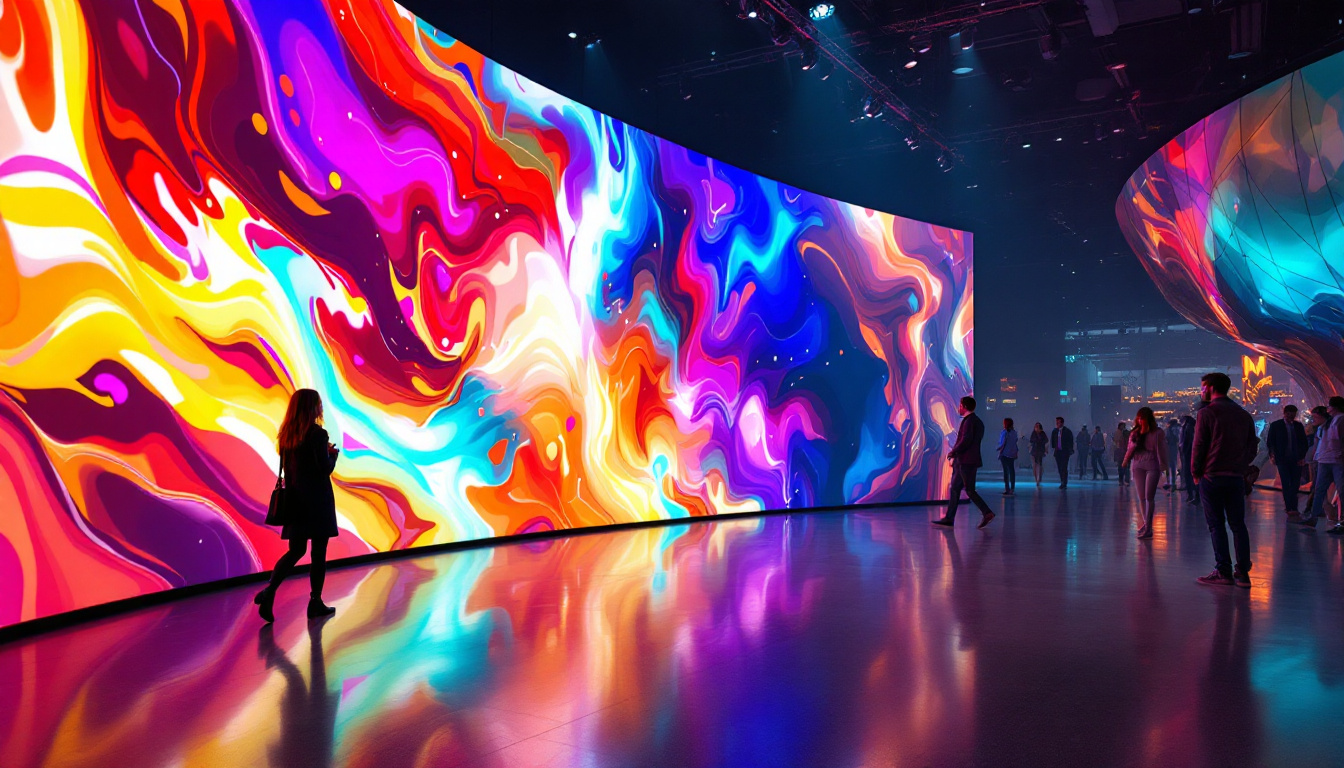
- Flexible and Transparent LED Displays: Innovative designs that allow for curved installations or see-through effects, expanding creative possibilities for architects and advertisers.
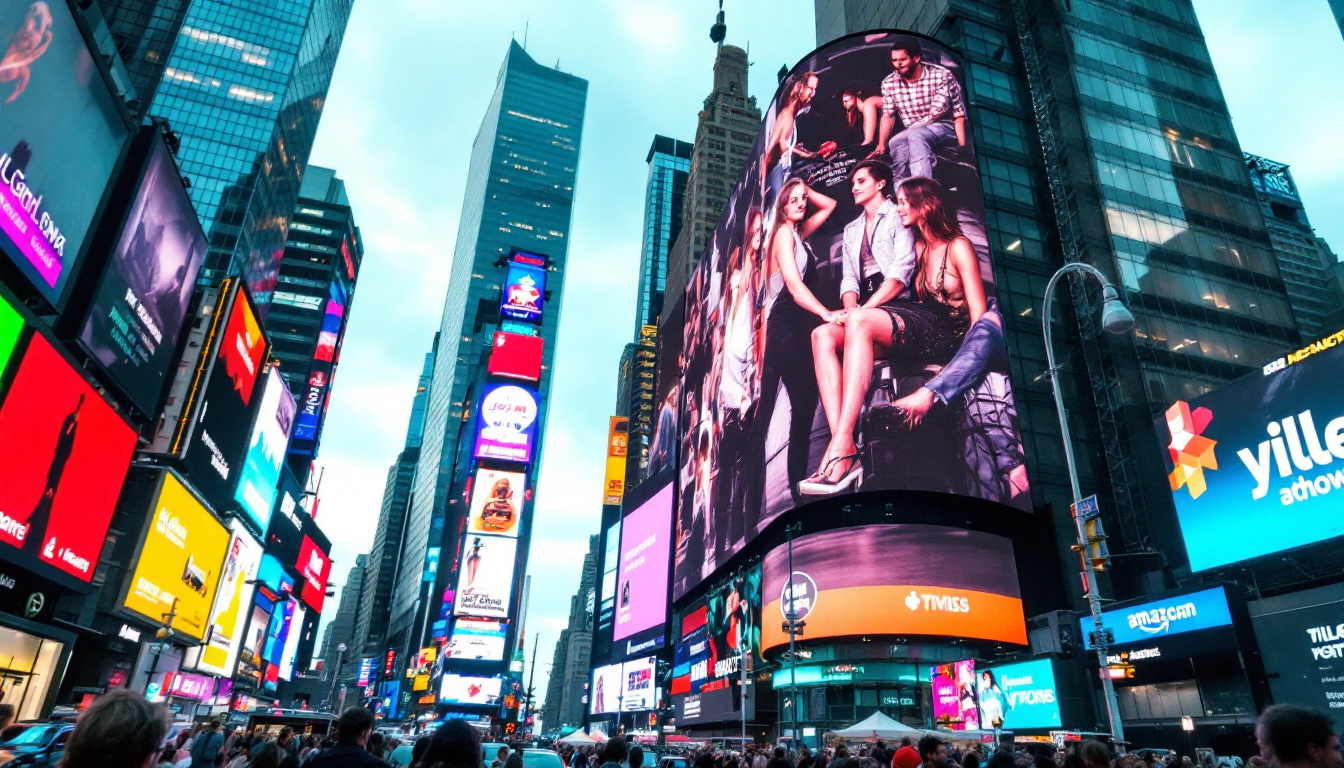
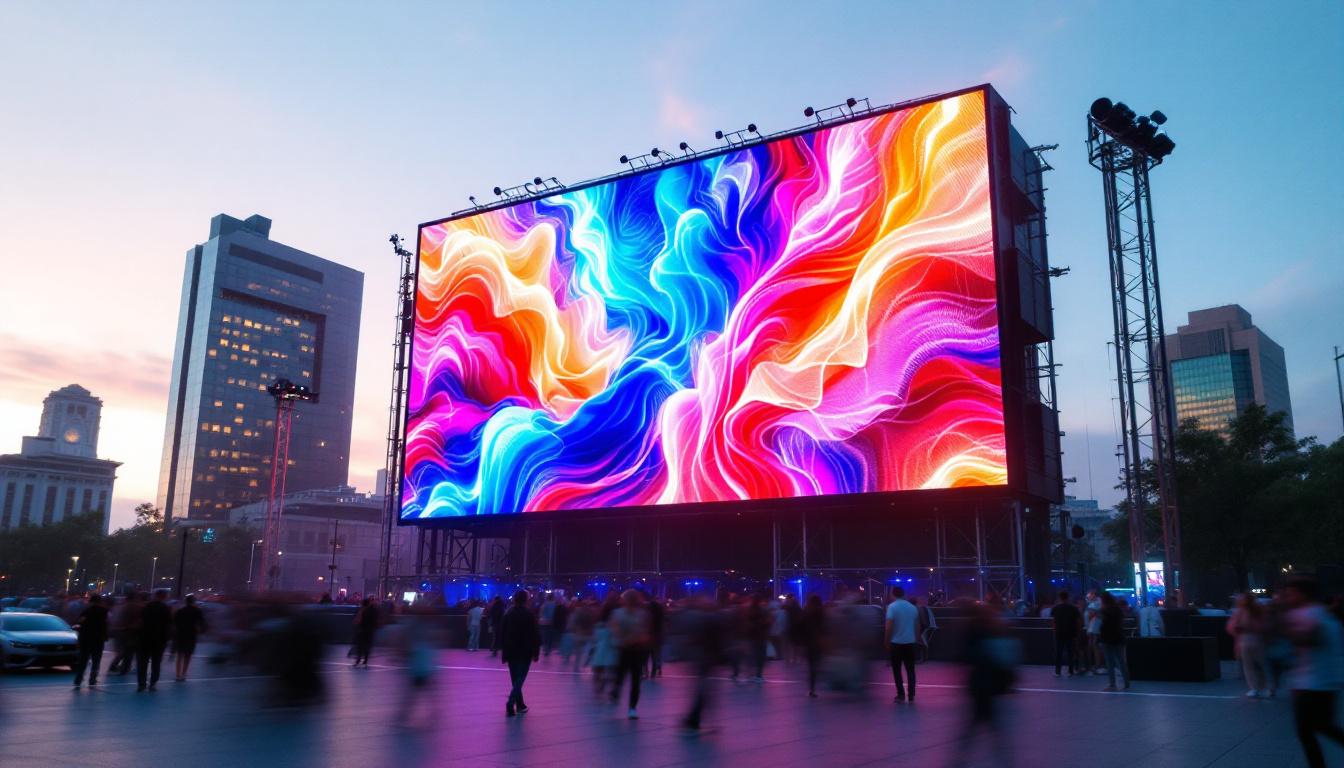
In addition to these primary types, LED displays can also be classified by their application, such as digital signage, sports arenas, and stage backdrops. Digital signage, for instance, has revolutionized advertising by allowing businesses to change content dynamically, providing real-time information and promotions that can attract more customers. Sports arenas utilize large LED screens to enhance the spectator experience, displaying instant replays, player statistics, and advertisements, all while maintaining high visibility from various angles in the stadium.
Moreover, advancements in LED technology have led to the development of MicroLED and MiniLED displays, which offer even greater resolution and energy efficiency. MicroLEDs, composed of microscopic LEDs, can achieve incredible detail and color accuracy, making them suitable for high-end consumer electronics like televisions and smartphones. MiniLEDs, on the other hand, use smaller LEDs to enhance backlighting in LCD displays, providing improved contrast and color performance. As these technologies continue to evolve, the potential applications for LED displays will only expand, paving the way for even more immersive and interactive visual experiences.
The Advantages of E Nhv LED Displays
When evaluating LED display options, several factors come into play, including brightness, resolution, energy efficiency, and longevity. E Nhv LED displays distinguish themselves through a combination of cutting-edge technology and thoughtful design.
Superior Brightness and Color Accuracy
E Nhv LED displays utilize advanced diode technology that delivers exceptional brightness levels, often exceeding 6,000 nits for outdoor models. This ensures clear visibility even under direct sunlight, a critical feature for outdoor advertising and public information systems.
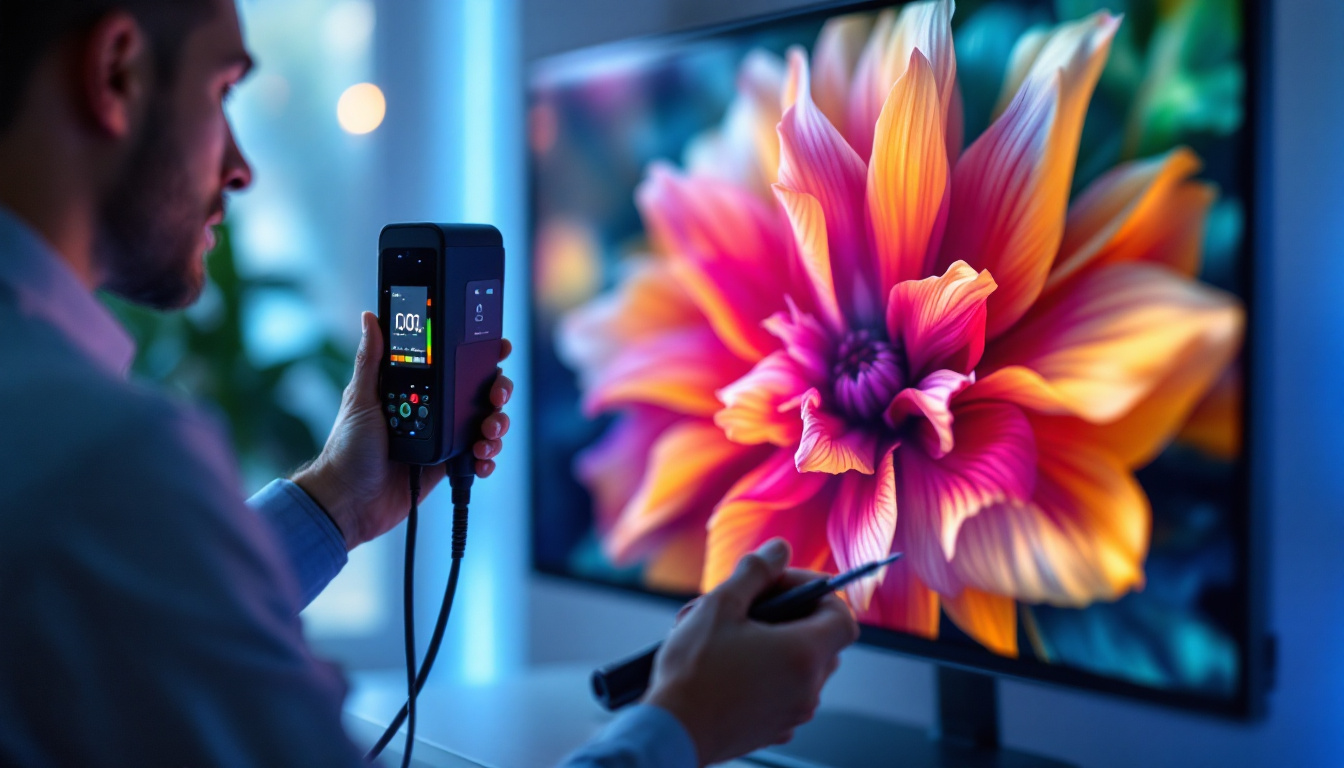
Color accuracy is achieved through precise calibration and high-quality diodes, enabling displays to reproduce colors faithfully. This is particularly important for brand messaging where color consistency can influence consumer perception. Furthermore, E Nhv displays support a wide color gamut, allowing for vivid and engaging visuals that can captivate audiences and enhance the overall viewing experience. This capability is especially beneficial for events, concerts, and promotional displays where visual impact is paramount.
Energy Efficiency and Environmental Impact
Energy consumption is a significant consideration for large-scale LED installations. E Nhv LED displays incorporate energy-saving features such as dynamic brightness adjustment and efficient power management circuits. These innovations reduce operational costs and contribute to sustainability goals.
Moreover, the use of environmentally friendly materials and compliance with international standards reflect E Nhv’s commitment to minimizing ecological footprints. In addition to these features, E Nhv has invested in research to further reduce energy consumption during production and operation, ensuring that their displays not only shine brightly but also align with global efforts to combat climate change. This commitment to sustainability resonates with eco-conscious consumers and businesses alike, making E Nhv a preferred choice in the industry.
Durability and Maintenance
LED displays are often installed in challenging environments, requiring robust construction. E Nhv displays feature weatherproof enclosures, corrosion-resistant materials, and advanced cooling systems to maintain optimal performance over time.
Maintenance is simplified through modular designs, allowing for quick replacement of individual panels or components without disrupting the entire display. This reduces downtime and maintenance costs significantly. Furthermore, E Nhv displays are equipped with smart diagnostic tools that provide real-time monitoring of performance metrics. This proactive approach to maintenance not only extends the lifespan of the displays but also ensures that any potential issues are addressed before they escalate, providing peace of mind for operators and enhancing the reliability of the display systems in high-traffic areas.
Applications of E Nhv LED Displays
The versatility of LED displays makes them suitable for a wide range of applications. E Nhv’s product lineup caters to diverse industries, each with unique requirements.
Advertising and Marketing
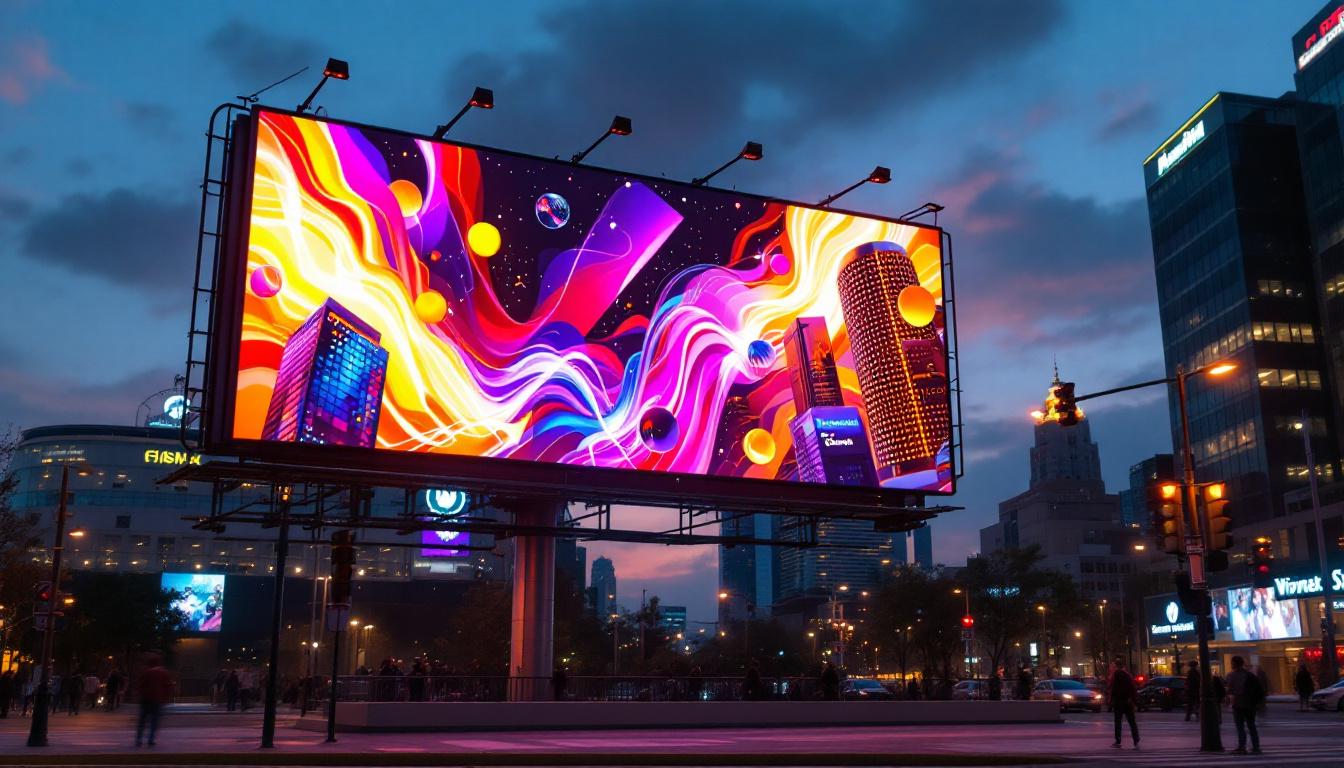
Outdoor billboards and digital signage have transformed advertising strategies. E Nhv LED displays enable advertisers to deploy dynamic content that can be updated in real-time, targeting specific audiences with tailored messages. This flexibility increases engagement and return on investment.
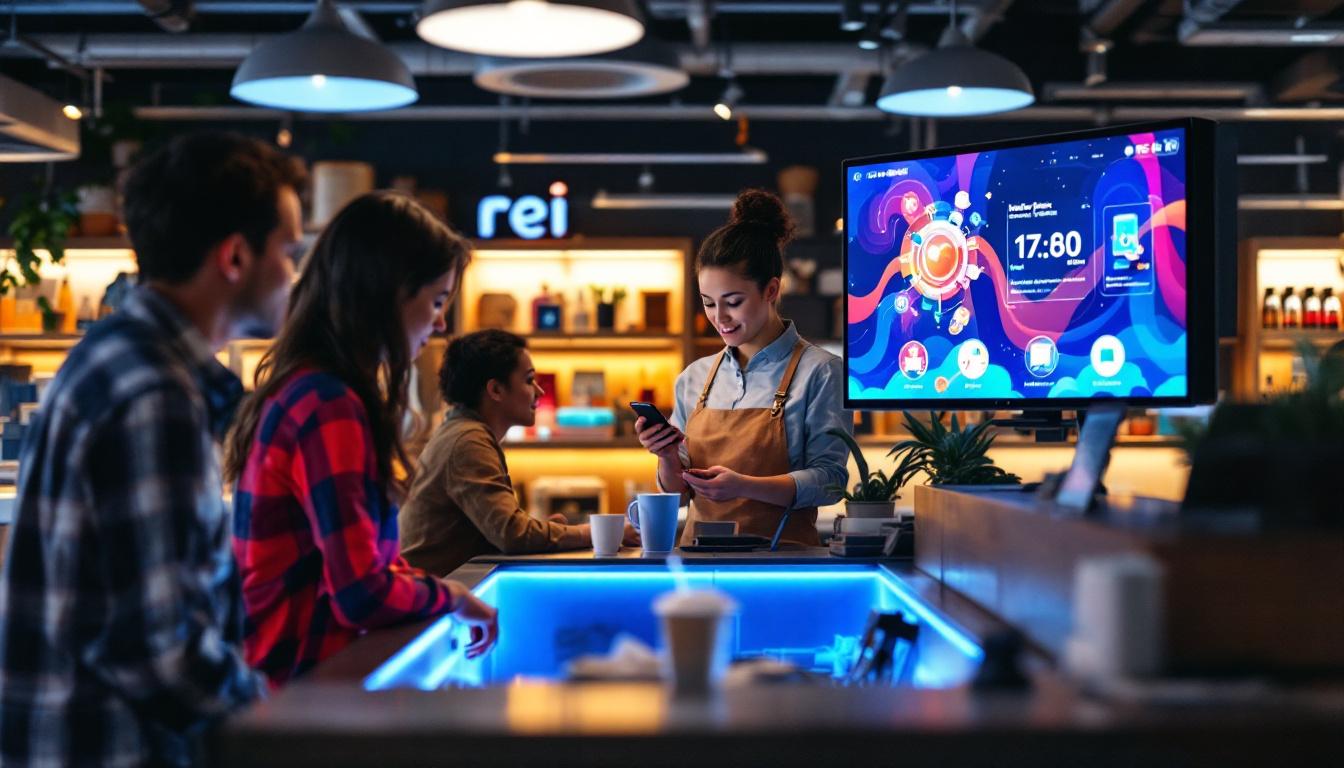
Retail environments also benefit from indoor LED displays that enhance customer experiences through interactive and visually appealing content. These displays can showcase promotional offers, highlight new products, or even feature customer testimonials, creating an engaging atmosphere that encourages purchases. Furthermore, the ability to change content quickly allows retailers to respond to trends and consumer behavior in a timely manner, ensuring that their messaging remains relevant and impactful.
Sports and Entertainment Venues
Stadiums and arenas rely on large-format LED displays to provide spectators with instant replays, live scores, and immersive visual effects. E Nhv’s high-resolution displays ensure that every seat has a clear view, enhancing the overall event experience.
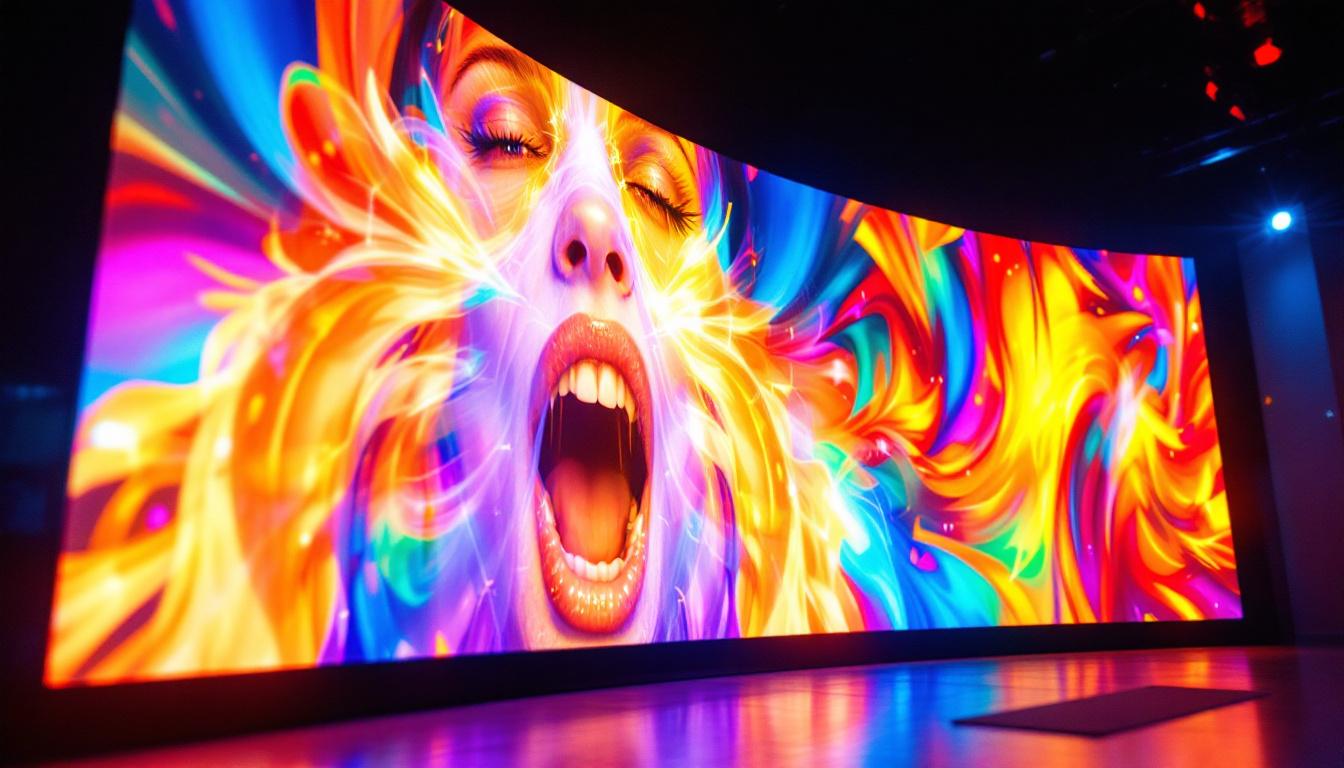
Concerts and festivals use LED walls and screens for stage backdrops and special effects, where brightness and color fidelity are critical to the visual impact. These displays not only amplify the performances but also create an emotional connection with the audience through synchronized visuals and lighting effects. Additionally, the ability to integrate live feeds and social media content into the display enhances audience interaction, making events more memorable and engaging.
Transportation and Public Information
Airports, train stations, and bus terminals utilize LED displays for real-time schedule updates, wayfinding, and emergency notifications. E Nhv’s reliable and bright displays ensure that information is accessible to all travelers regardless of lighting conditions.
Smart city initiatives also incorporate LED displays for public announcements and interactive kiosks, contributing to urban connectivity and safety. These displays can serve as platforms for community engagement, providing information on local events, safety alerts, and even public service announcements. By integrating with mobile applications, they can also offer personalized information to users, enhancing the overall travel experience and fostering a sense of community among residents and visitors alike.
Corporate and Educational Settings
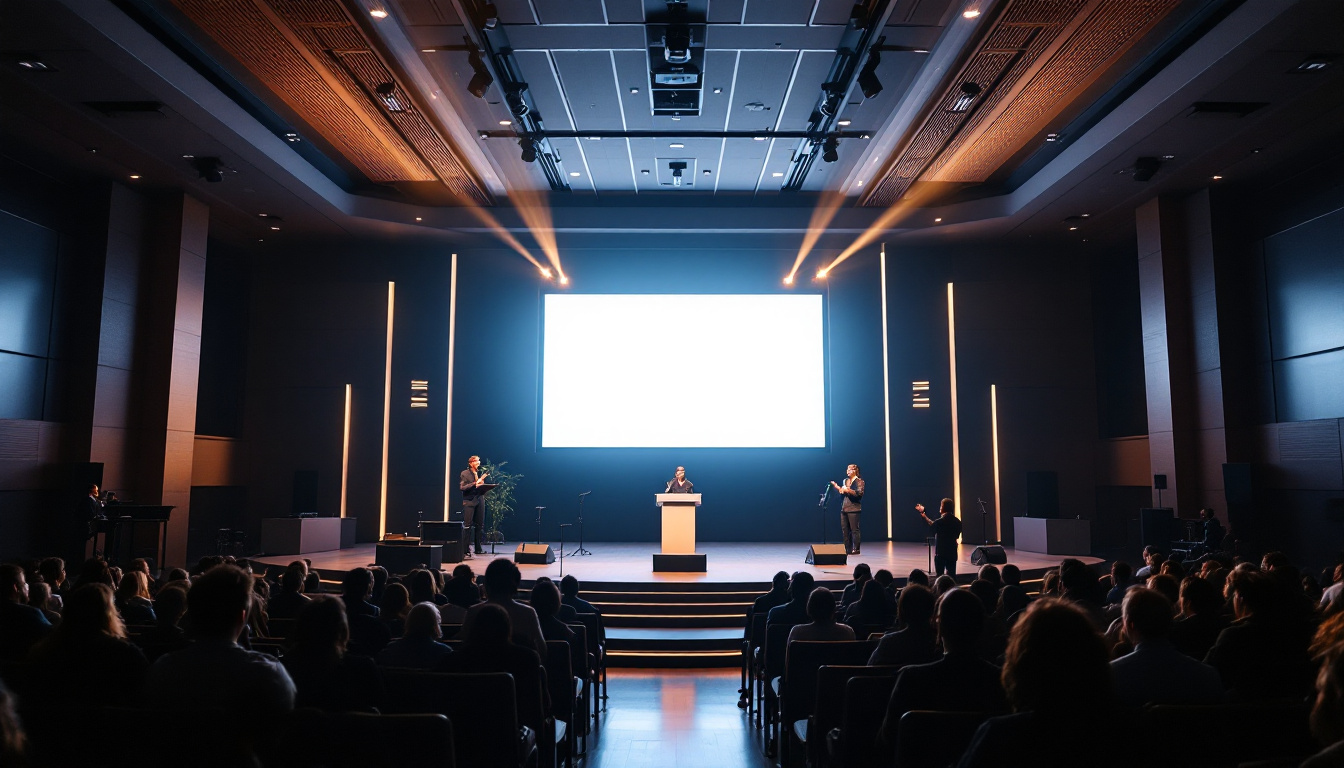
In corporate environments, LED displays serve as digital notice boards, video conferencing backdrops, and presentation screens. Their clarity and flexibility support effective communication and collaboration.
Educational institutions use LED displays for digital signage, event broadcasting, and interactive learning tools, enriching the student experience. Beyond traditional classroom settings, these displays can facilitate remote learning by providing high-quality visuals during virtual lectures and presentations. They also enable schools to showcase student achievements and upcoming events, fostering a sense of pride and community within the institution. Moreover, the interactive capabilities of LED displays can transform learning into an engaging experience, allowing students to participate actively in lessons through touch or gesture-based technology.
Technical Considerations When Choosing an LED Display
Selecting the right LED display involves understanding several technical parameters that impact performance and suitability for specific applications.
Pixel Pitch and Resolution
Pixel pitch refers to the distance between the centers of adjacent pixels, typically measured in millimeters. Smaller pixel pitches yield higher resolution and finer image detail, which is essential for close-viewing environments like indoor retail spaces.
Conversely, larger pixel pitches are acceptable for outdoor displays viewed from a distance, where ultra-high resolution is less critical but brightness and durability are prioritized.
Brightness and Contrast Ratio
Brightness, measured in nits, determines how well the display performs in various lighting conditions. Outdoor displays require higher brightness to remain visible under sunlight, while indoor displays prioritize contrast ratio to enhance image depth and clarity.
Refresh Rate and Viewing Angle
A higher refresh rate reduces flicker and motion blur, improving the viewing experience, especially for video content. Viewing angle indicates how far off-center a viewer can be while still seeing a clear image. Wide viewing angles are important in public spaces where audiences may view the display from multiple directions.
Connectivity and Control Systems
Modern LED displays integrate with various content management systems, allowing for remote updates, scheduling, and diagnostics. E Nhv displays support multiple input sources and network protocols, enabling seamless integration into existing IT infrastructures.
Future Trends in LED Display Technology
The LED display industry continues to innovate, driven by advancements in materials science, electronics, and software.
MicroLED and MiniLED Technologies
Emerging microLED and miniLED technologies promise even higher resolution, improved energy efficiency, and enhanced durability. These smaller diodes enable thinner, lighter displays with superior image quality, potentially revolutionizing both consumer and commercial markets.
Interactive and Smart Displays
Integration of touch sensors, AI, and IoT connectivity is transforming LED displays into interactive platforms. This enables personalized content delivery, real-time analytics, and enhanced user engagement across various sectors.
Sustainability and Circular Economy
Manufacturers are increasingly focusing on sustainable production methods, recyclable materials, and modular designs that extend product lifecycles. E Nhv is actively investing in these areas to align with global environmental goals and customer expectations.
Conclusion
LED display technology has become indispensable in modern communication, offering unparalleled brightness, flexibility, and visual impact. E Nhv’s LED displays exemplify the best of this technology, combining superior performance with energy efficiency and durability.
Whether for advertising, entertainment, public information, or corporate use, understanding the technical nuances and application-specific requirements is essential to selecting the right LED display solution. As the technology advances, the possibilities for engaging audiences and enhancing environments will only continue to expand.
Discover LumenMatrix’s Innovative LED Solutions
Ready to elevate your visual communication strategy with the latest in LED display technology? Look no further than LumenMatrix. Our diverse range of cutting-edge LED display modules, from Indoor and Outdoor LED Walls to specialized solutions like Vehicle Displays, LED Posters, and Transparent Displays, are designed to captivate your audience and amplify your brand’s presence. Embrace the future of digital signage with LumenMatrix and experience the power of state-of-the-art visual engagement. Check out LumenMatrix LED Display Solutions today and transform your space into a dynamic visual experience.