In the rapidly evolving world of advertising and public communication, electric billboards have become a dominant force. Among these, LED displays stand out as the most versatile and effective technology available today. This article explores the intricacies of LED electric billboards, examining their technology, benefits, applications, and future trends.
Understanding LED Technology in Electric Billboards
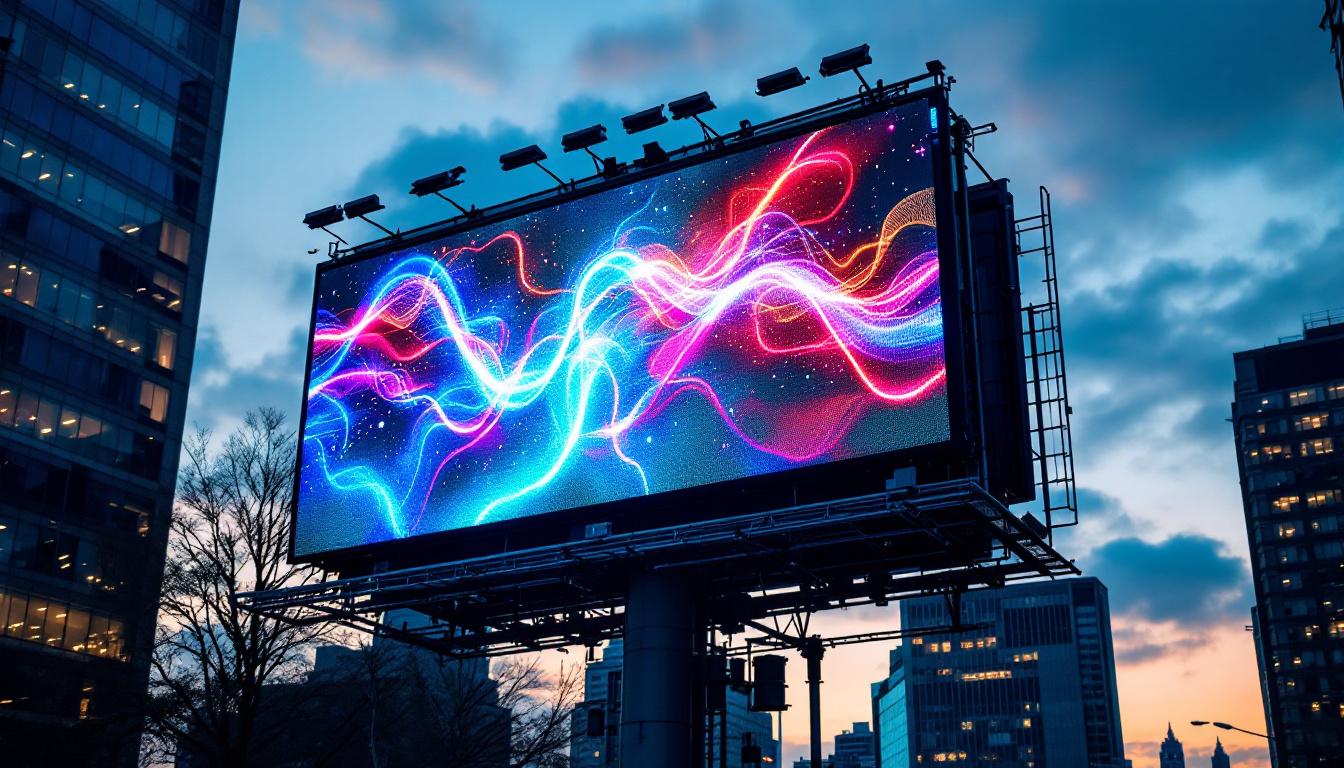
LED, or Light Emitting Diode, technology has revolutionized the way information and advertisements are displayed in public spaces. Unlike traditional static billboards, LED billboards use thousands of tiny diodes that emit light when an electric current passes through them. These diodes can be individually controlled to create dynamic and vibrant images, videos, and animations.
The core advantage of LED technology lies in its ability to produce bright, high-contrast visuals that are easily visible even in direct sunlight. This makes LED billboards particularly effective for outdoor advertising where visibility is crucial. Additionally, LED displays consume less power than older lighting technologies such as neon or incandescent bulbs, making them more energy-efficient and cost-effective over time.
How LED Displays Work
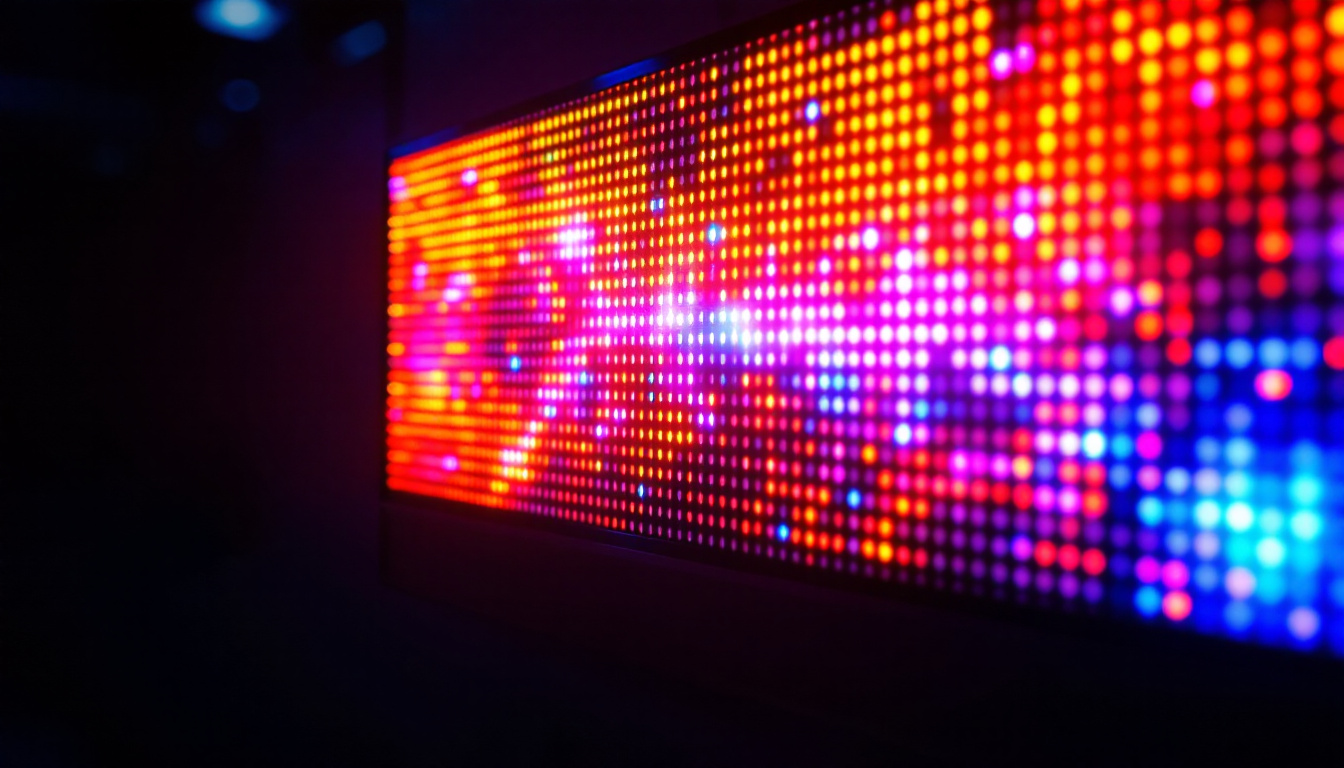
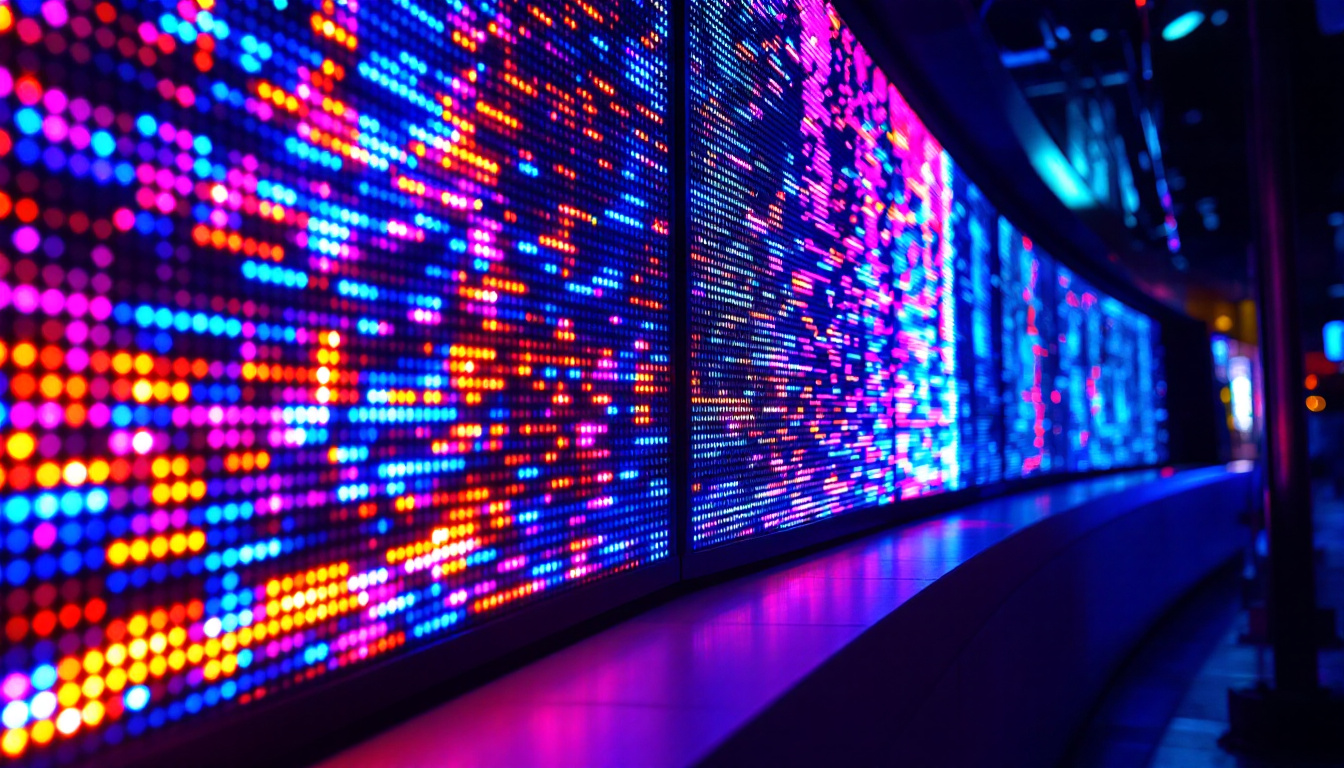
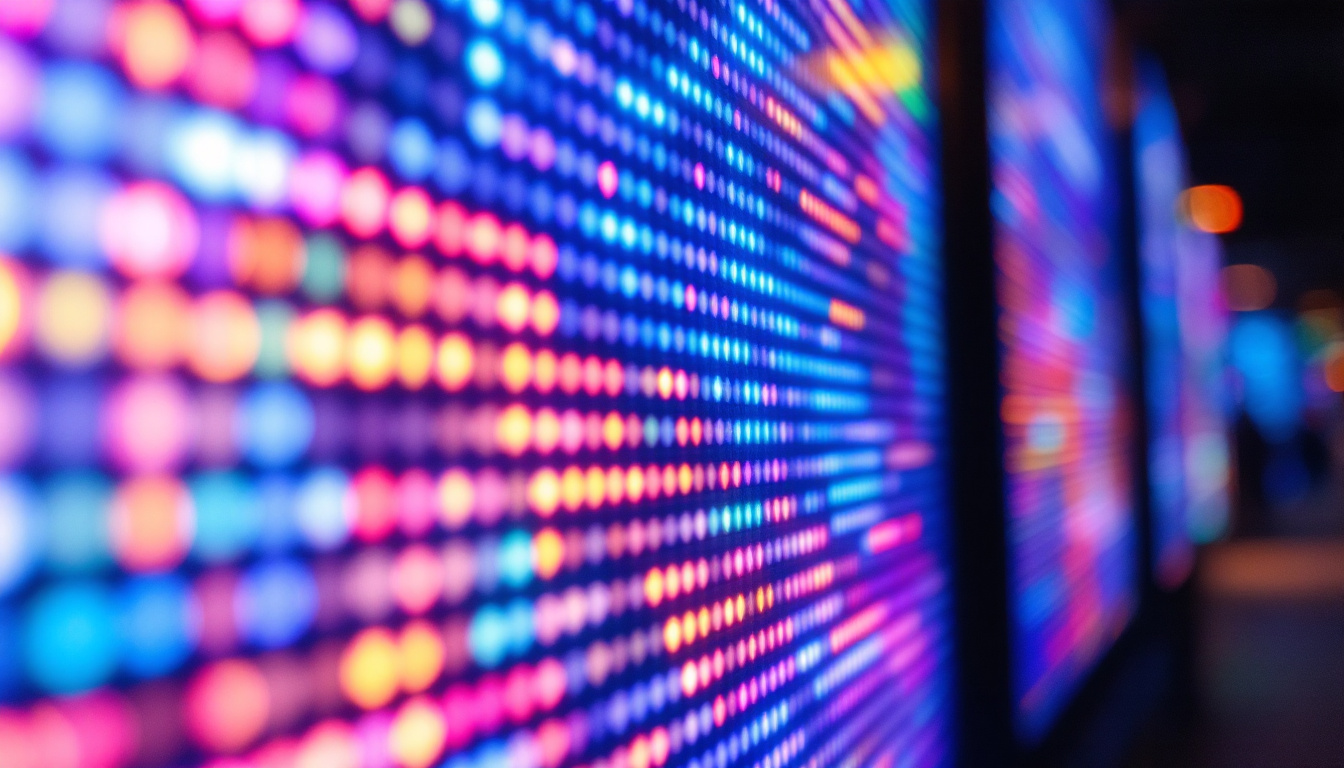
Each LED on a billboard is a tiny semiconductor device that emits light of a specific color—typically red, green, or blue. By combining these primary colors at varying intensities, LED displays can produce a full spectrum of colors. The diodes are arranged in clusters called pixels, and the resolution of the billboard depends on the number of pixels per unit area.
Modern LED billboards use sophisticated control systems to manage the timing and intensity of each diode, enabling smooth video playback and complex animations. These control systems are often connected to content management software that allows advertisers to update messages remotely and in real-time. This feature not only enhances the flexibility of advertising campaigns but also allows for targeted messaging based on time of day or audience demographics, making it possible to tailor content to specific viewers.
Moreover, the durability of LED technology contributes to its growing popularity. Unlike traditional billboards that may require frequent maintenance due to weather damage or fading, LED displays are built to withstand harsh environmental conditions. They are typically sealed against moisture and dust, which helps maintain their brightness and functionality over time. This resilience ensures that advertisers can rely on their displays to consistently convey their messages without interruption, further solidifying the role of LED technology in the future of outdoor advertising.
Advantages of LED Electric Billboards Over Traditional Displays
The shift from static to digital LED billboards has transformed the advertising landscape. Here are some of the key advantages that LED electric billboards offer:
Dynamic Content and Flexibility
One of the most significant benefits of LED billboards is their ability to display dynamic content. Unlike traditional billboards that require physical replacement of printed materials, LED displays can show multiple advertisements in rotation, adjust messaging based on time of day, or even respond to real-time events or weather conditions.
This flexibility allows advertisers to maximize the impact of their campaigns and tailor messages to specific audiences, increasing engagement and effectiveness. For instance, a restaurant can promote breakfast specials in the morning and switch to dinner deals in the evening, ensuring that the content remains relevant to the viewer’s needs. Furthermore, during special events or holidays, advertisers can quickly update their displays to reflect seasonal promotions, enhancing the overall customer experience.
Enhanced Visibility and Brightness
LED billboards offer superior brightness levels compared to older technologies. Typical LED displays can reach luminance levels of 5,000 to 8,000 nits, making them clearly visible in broad daylight. This high brightness ensures that messages are not lost due to glare or environmental factors, which is a common challenge for traditional billboards.
Moreover, the clarity of LED displays is not just about brightness; the high resolution of these screens allows for vibrant colors and sharp images that capture attention more effectively. This visual appeal is crucial in crowded urban environments where numerous advertisements compete for viewer attention. The ability to display high-definition video content also means that brands can convey their messages in a more engaging and memorable manner, further enhancing the likelihood of consumer recall.
Energy Efficiency and Longevity
Energy consumption is a critical consideration for outdoor advertising, especially given the 24/7 operation of many billboards. LEDs are inherently energy-efficient, consuming up to 80% less power than incandescent bulbs. Additionally, LED components have a longer operational life, often exceeding 100,000 hours, reducing maintenance costs and downtime.
This longevity not only translates to lower operational costs but also contributes to a more sustainable advertising model. As businesses increasingly seek to align their practices with eco-friendly initiatives, the durability of LED technology means fewer replacements and less waste. Furthermore, many LED billboards are equipped with smart technology that allows for automatic brightness adjustments based on ambient light conditions, further optimizing energy use and extending the life of the display.
Environmental Impact
With growing concerns about sustainability, LED billboards offer a greener alternative to traditional signage. Their energy efficiency reduces carbon footprints, and since they do not require printed materials, they minimize waste. Many modern LED billboards are also designed with recyclable materials, further enhancing their environmental credentials.
Additionally, the shift towards digital displays can lead to a reduction in the overall number of billboards needed, as one LED billboard can serve multiple advertisers simultaneously. This consolidation not only saves space in urban areas but also minimizes the environmental disruption associated with the installation of new structures. As cities look to balance development with sustainability, LED billboards present a compelling solution that aligns with both commercial interests and ecological responsibility.
Applications of LED Electric Billboards
LED billboards have found widespread use across various sectors due to their versatility and effectiveness. Understanding these applications helps clarify why they have become a preferred choice for advertisers and public agencies alike.
Outdoor Advertising and Marketing
The most common application of LED billboards is in outdoor advertising. High-traffic locations such as highways, city centers, and stadiums benefit from the eye-catching visuals that LED displays provide. Brands use these billboards to launch campaigns, promote products, and enhance brand awareness with vivid, engaging content.
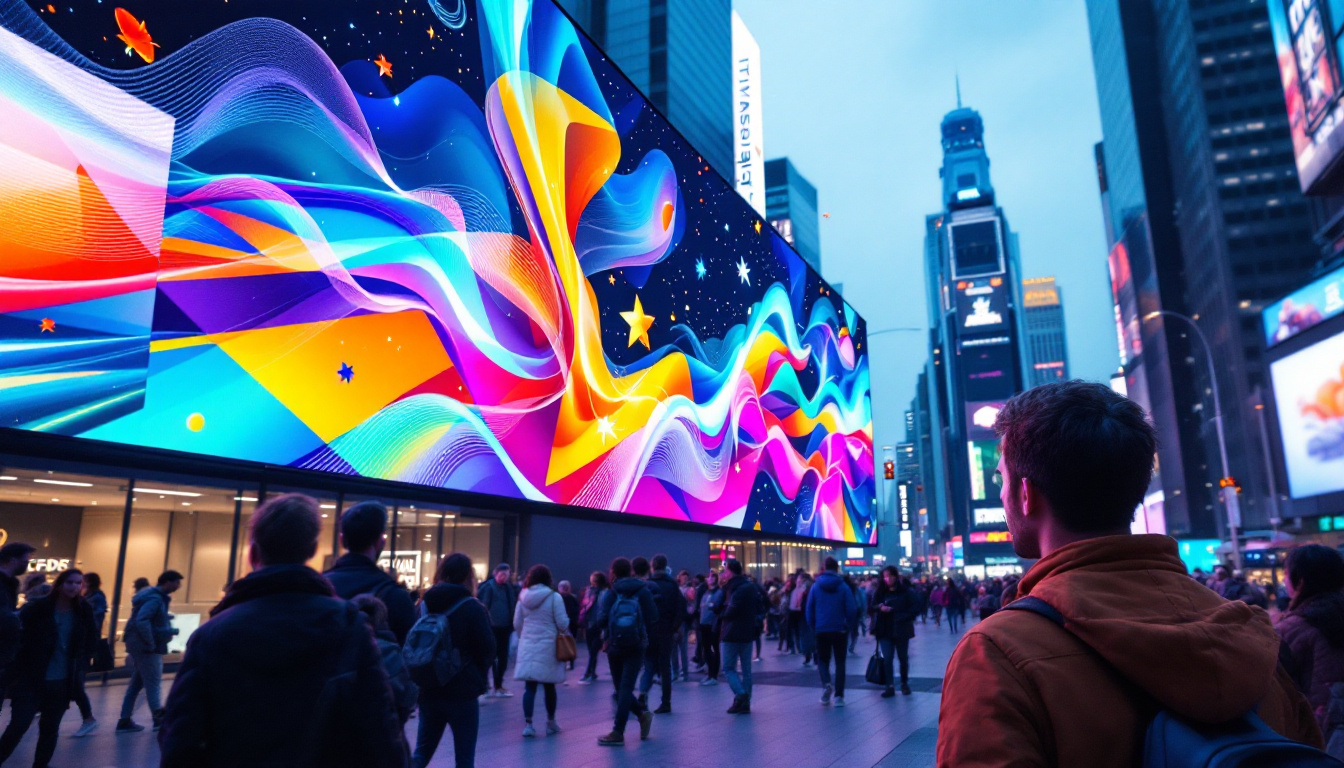
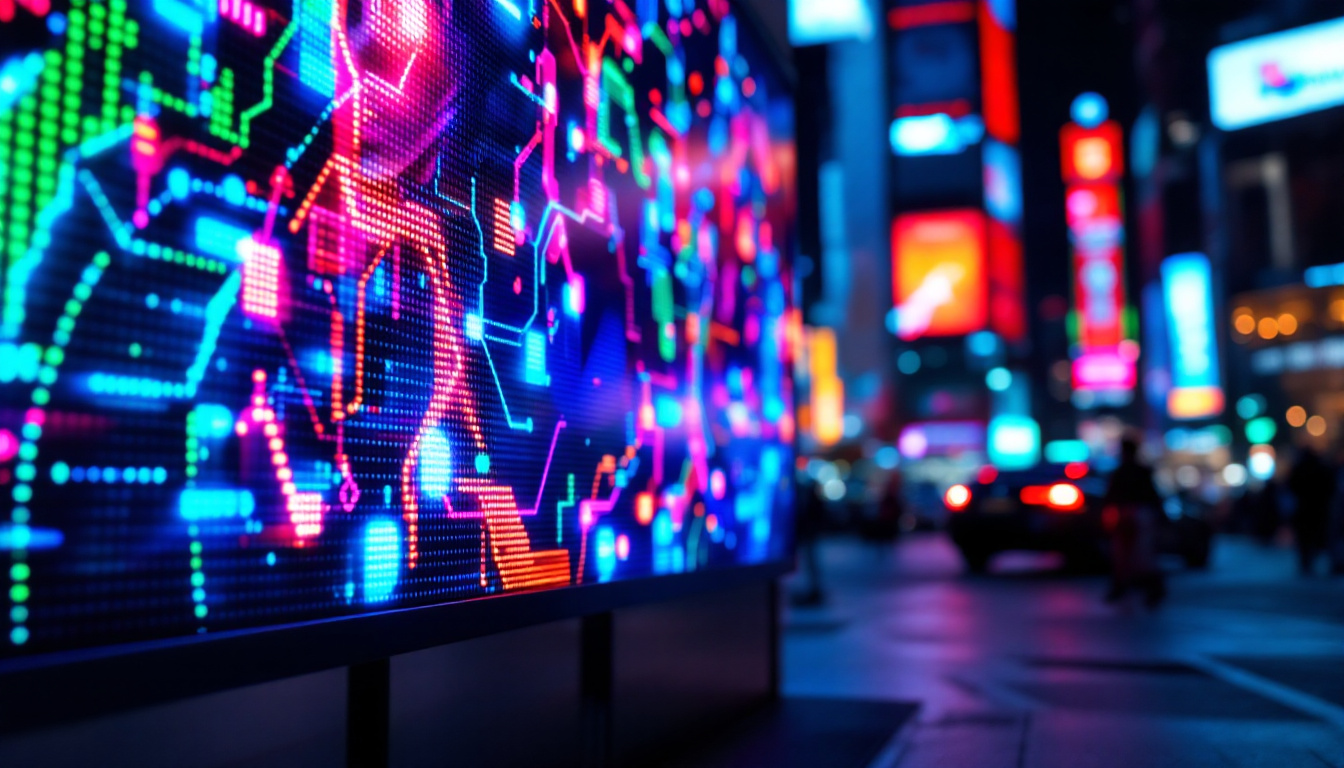
For example, Times Square in New York City is renowned for its massive LED billboards that create a vibrant urban spectacle, attracting millions of viewers daily. Similarly, sports arenas and entertainment venues utilize LED displays to promote upcoming events and sponsors.
Public Information and Safety Messaging
Government agencies and municipalities increasingly use LED billboards to disseminate public information. This includes traffic updates, emergency alerts, weather warnings, and community announcements. The ability to update content instantly is invaluable during crises or rapidly changing situations.
For instance, during severe weather events, LED billboards can display real-time safety instructions and evacuation routes, enhancing public safety and awareness.
Retail and Commercial Use
Retailers leverage LED billboards to attract customers and promote sales. Shopping malls, car dealerships, and restaurants use these displays to showcase promotions, new arrivals, and special offers. The vibrant colors and motion graphics help capture attention and drive foot traffic.
Design Considerations and Challenges of LED Billboards
While LED billboards offer many advantages, their design and deployment require careful planning to maximize effectiveness and comply with regulations.
Resolution and Pixel Pitch
The resolution of an LED billboard is determined by its pixel pitch—the distance between individual LED clusters. A smaller pixel pitch results in higher resolution and sharper images but increases cost. For billboards viewed from a distance, a larger pixel pitch is acceptable, while displays intended for close viewing require finer resolution.
Brightness and Ambient Light Adaptation
LED billboards must be bright enough to compete with ambient light but not so bright as to cause glare or light pollution. Many modern LED systems include sensors that automatically adjust brightness based on surrounding light conditions, ensuring optimal visibility without disturbing nearby residents or drivers.
Regulatory Compliance
Local governments often regulate the size, brightness, and placement of LED billboards to address safety and aesthetic concerns. Compliance with these regulations is essential to avoid fines and ensure community acceptance. This includes restrictions on flashing images or rapid transitions that could distract drivers.
The Future of LED Electric Billboards
As technology advances, LED electric billboards continue to evolve, integrating new features and capabilities that enhance their impact and functionality.
Integration with Smart Technologies
Emerging trends include the integration of LED billboards with smart city infrastructure and Internet of Things (IoT) devices. This allows for more personalized and context-aware advertising. For example, billboards could adjust content based on nearby pedestrian demographics, traffic patterns, or weather conditions, creating highly targeted campaigns.
Higher Resolution and Flexible Displays
Innovations in LED manufacturing are enabling ultra-high-resolution displays and flexible LED panels. These advancements open new possibilities for creative billboard designs, including curved or wrap-around installations that blend seamlessly with architectural elements.
Energy Harvesting and Sustainability
Future LED billboards may incorporate solar panels or other energy-harvesting technologies to further reduce environmental impact. Coupled with advances in low-power electronics, this could lead to self-sustaining billboards that operate independently of the electrical grid.
Conclusion
Electric billboards powered by LED technology represent a significant leap forward in outdoor advertising and public communication. Their brightness, flexibility, energy efficiency, and dynamic content capabilities make them indispensable tools for marketers, municipalities, and businesses alike. As technology continues to advance, LED billboards will become even more integrated into the urban landscape, delivering tailored messages with greater impact and sustainability.
Understanding the technology behind LED displays and their practical applications is essential for anyone involved in advertising, urban planning, or public safety. By leveraging the strengths of LED electric billboards, organizations can create compelling visual experiences that engage audiences and communicate messages effectively in an increasingly digital world.
Illuminate Your Message with LumenMatrix
Ready to elevate your advertising and public communication to new heights? Discover the transformative power of LumenMatrix’s LED display solutions. As a pioneer in the industry, LumenMatrix offers an extensive range of innovative products, from Indoor and Outdoor LED Wall Displays to specialized options like Vehicle LED Displays, LED Sports Displays, and even Custom LED solutions tailored to your unique needs. Embrace the future of visual storytelling and check out LumenMatrix LED Display Solutions today to create unforgettable visual experiences that resonate with your audience.