In an age where digital communication dominates, electronic displays have become a cornerstone of modern visual technology. Among these, LED displays stand out due to their versatility, brightness, and energy efficiency. From advertising billboards to stadium screens, and from smartphone displays to traffic signals, LED technology is ubiquitous. This article delves into the fundamentals of LED displays, exploring their technology, applications, advantages, and future trends.
Understanding LED Display Technology
LED stands for Light Emitting Diode, a semiconductor device that emits light when an electric current passes through it. LED displays are composed of thousands to millions of these tiny diodes, arranged in a matrix to form images, videos, or text. Unlike traditional display technologies such as LCD or plasma, LEDs produce their own light, which contributes to their superior brightness and contrast. This self-illuminating property not only enhances the visual experience but also allows for thinner and lighter designs, making LED displays a popular choice in modern applications.
How LED Displays Work
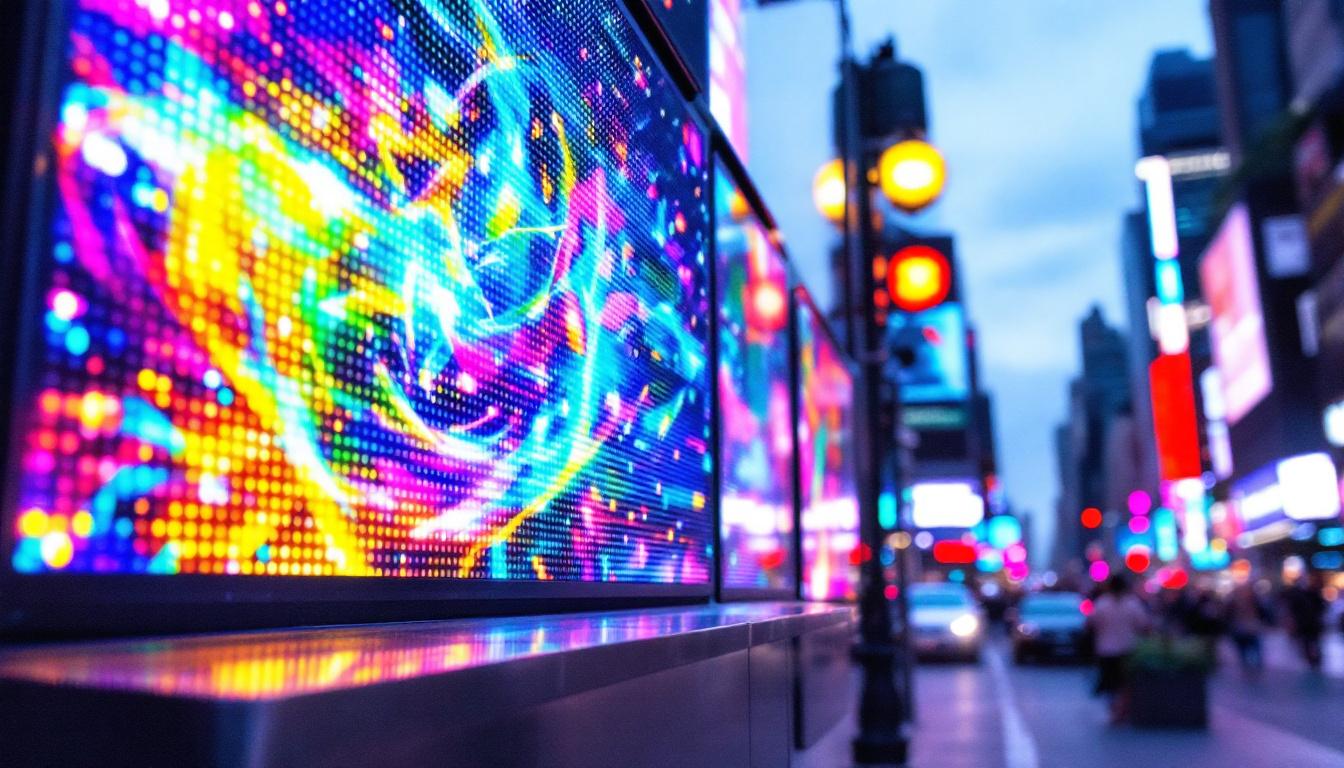
Each LED in a display acts as a single pixel or part of a pixel. By controlling the intensity and color of each diode, the display can render detailed images. There are two primary types of LED displays: direct-view LED and LED-backlit LCDs. Direct-view LED displays use LEDs as the actual pixels, making them suitable for large-scale applications like outdoor billboards. LED-backlit LCDs, on the other hand, use LEDs as a light source behind an LCD panel, common in televisions and monitors. This distinction is crucial, as it affects not only the display’s performance but also its energy consumption and overall lifespan.
The color in LED displays is typically achieved through red, green, and blue (RGB) diodes. By varying the brightness of each color diode, the display can produce a broad spectrum of colors. Advances in LED technology have also introduced white LEDs and quantum dot enhancements, further improving color accuracy and energy efficiency. These innovations have made LED displays increasingly popular in professional settings, such as digital signage and broadcasting, where color fidelity and brightness are paramount.
Types of LED Displays
LED displays come in various forms, tailored to different needs and environments:
- Indoor LED Displays: Designed for close viewing distances, these displays have a higher pixel density, providing sharp images in controlled lighting conditions. They are often used in venues like theaters, conference rooms, and retail spaces to create engaging visual experiences.
- Outdoor LED Displays: Built to withstand weather elements, these displays are brighter to combat sunlight glare and are often used for advertising, public information, and event broadcasting. Their robust construction ensures durability, allowing them to function effectively in various climates and conditions.
- Flexible LED Displays: Utilizing bendable materials, these displays can curve around surfaces, opening new possibilities in design and installation. This flexibility allows for innovative applications in architecture and event staging, where traditional rigid displays would be impractical.
- Transparent LED Displays: These allow light to pass through, making them ideal for storefront windows and architectural applications where visibility on both sides is desired. They create a unique blend of digital content and real-world environments, enhancing customer engagement without obstructing views.
In addition to these types, LED technology has also paved the way for advancements in microLED and miniLED displays, which offer even higher resolutions and improved performance. MicroLED technology, in particular, is gaining traction for its potential to deliver exceptional color accuracy and contrast ratios, making it a promising contender for the next generation of display technology. As the demand for high-quality visual content continues to grow, the evolution of LED displays remains at the forefront of innovation in various industries, from entertainment to advertising and beyond.
Applications of LED Displays Across Industries
The adaptability of LED displays has led to their widespread adoption in numerous sectors. Their ability to deliver vibrant visuals even in challenging environments makes them invaluable tools for communication and entertainment.
Advertising and Marketing
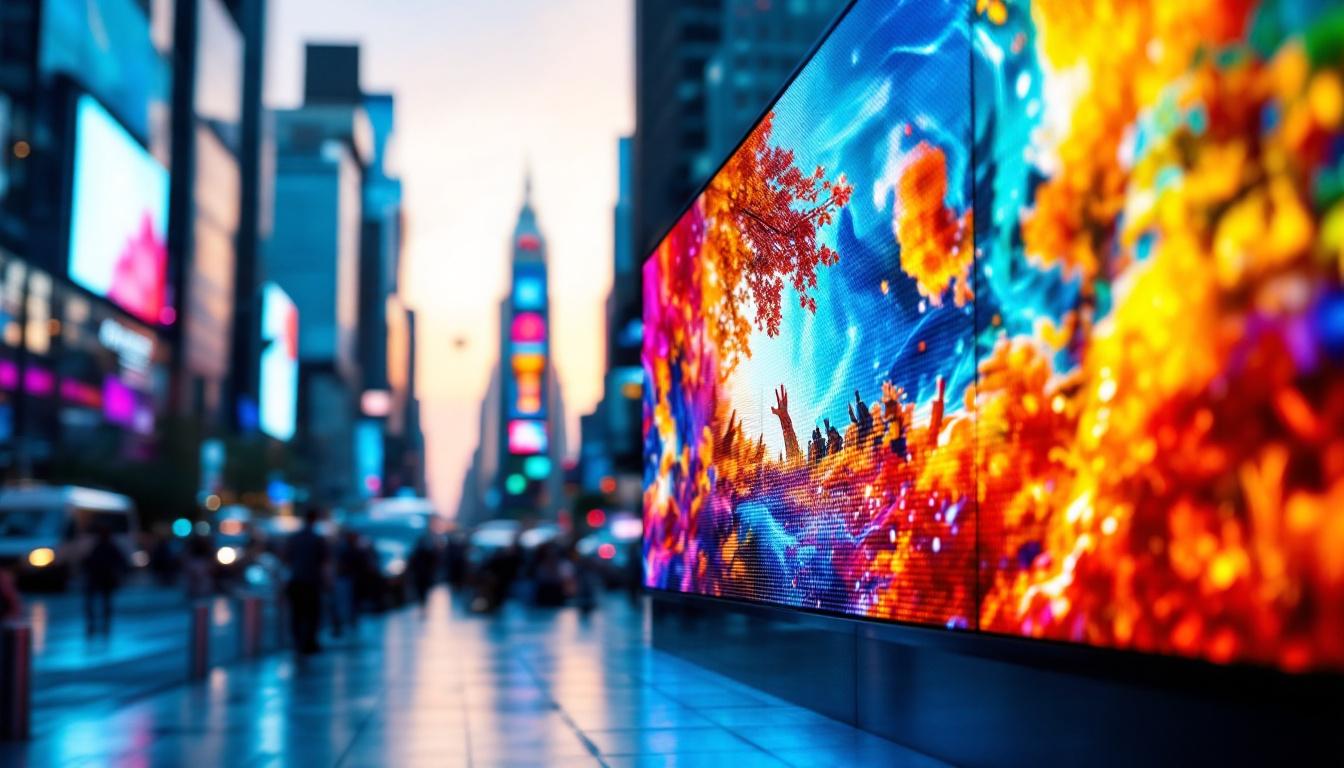
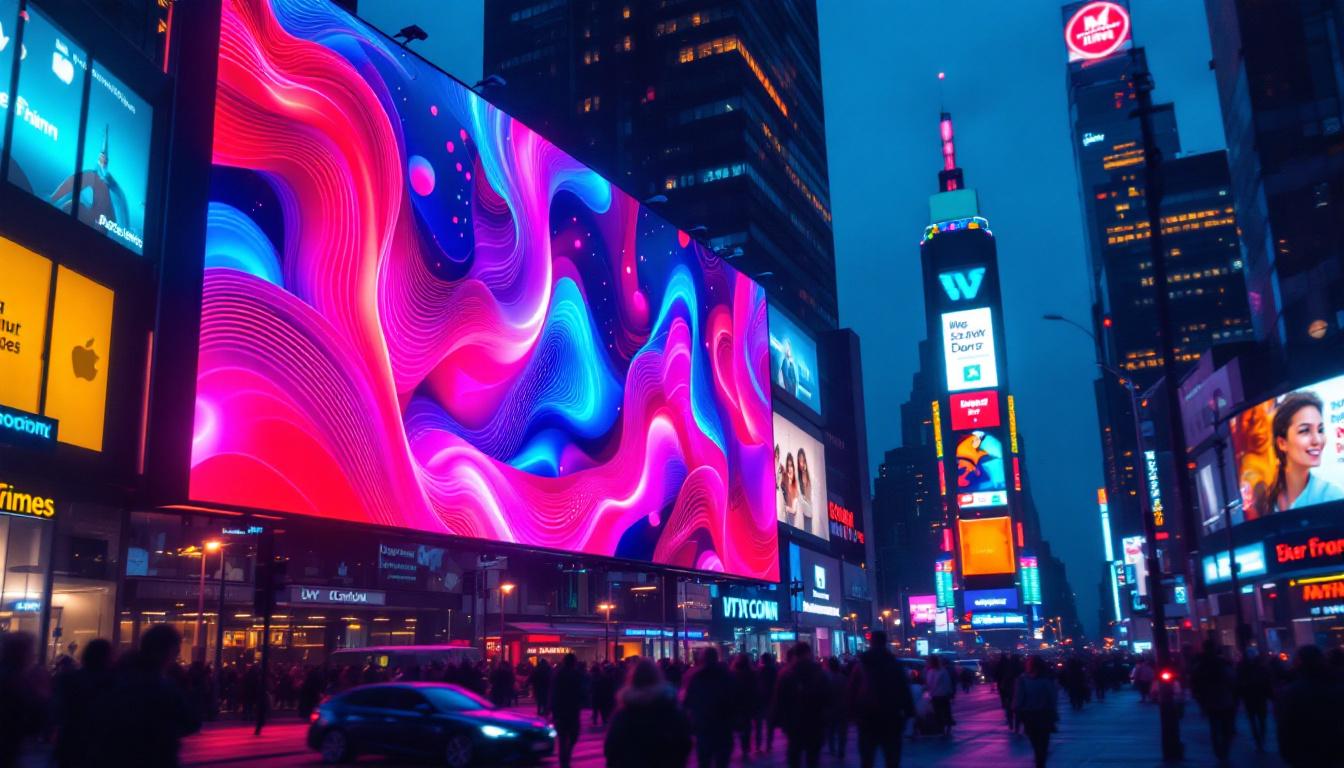
One of the most visible uses of LED displays is in outdoor advertising. Digital billboards equipped with LED technology offer dynamic content that can be updated in real-time, enabling marketers to tailor messages based on time of day, weather, or audience demographics. According to a report by Grand View Research, the global digital signage market, heavily driven by LED displays, is expected to reach $32.84 billion by 2028, reflecting the growing demand for engaging visual content.
LED displays also enable interactive advertising, where consumers can engage with content through touch or motion sensors, enhancing brand engagement and recall. This interactivity not only captivates the audience but also provides valuable data to marketers about consumer preferences and behaviors, allowing for more targeted and effective campaigns. Furthermore, the integration of augmented reality (AR) with LED displays is beginning to transform advertising into immersive experiences, blurring the lines between digital and physical spaces.
Sports and Entertainment Venues
Stadiums and arenas rely on large-scale LED displays to provide spectators with instant replays, scores, and immersive visual experiences. The brightness and clarity of LED screens ensure visibility even under direct sunlight or in massive venues. For example, the AT&T Stadium in Texas features one of the largest high-definition LED video boards in the world, measuring 160 feet wide and 72 feet tall. This monumental screen not only enhances the viewing experience for fans but also serves as a platform for advertisements and sponsorships, creating additional revenue streams for the venue.
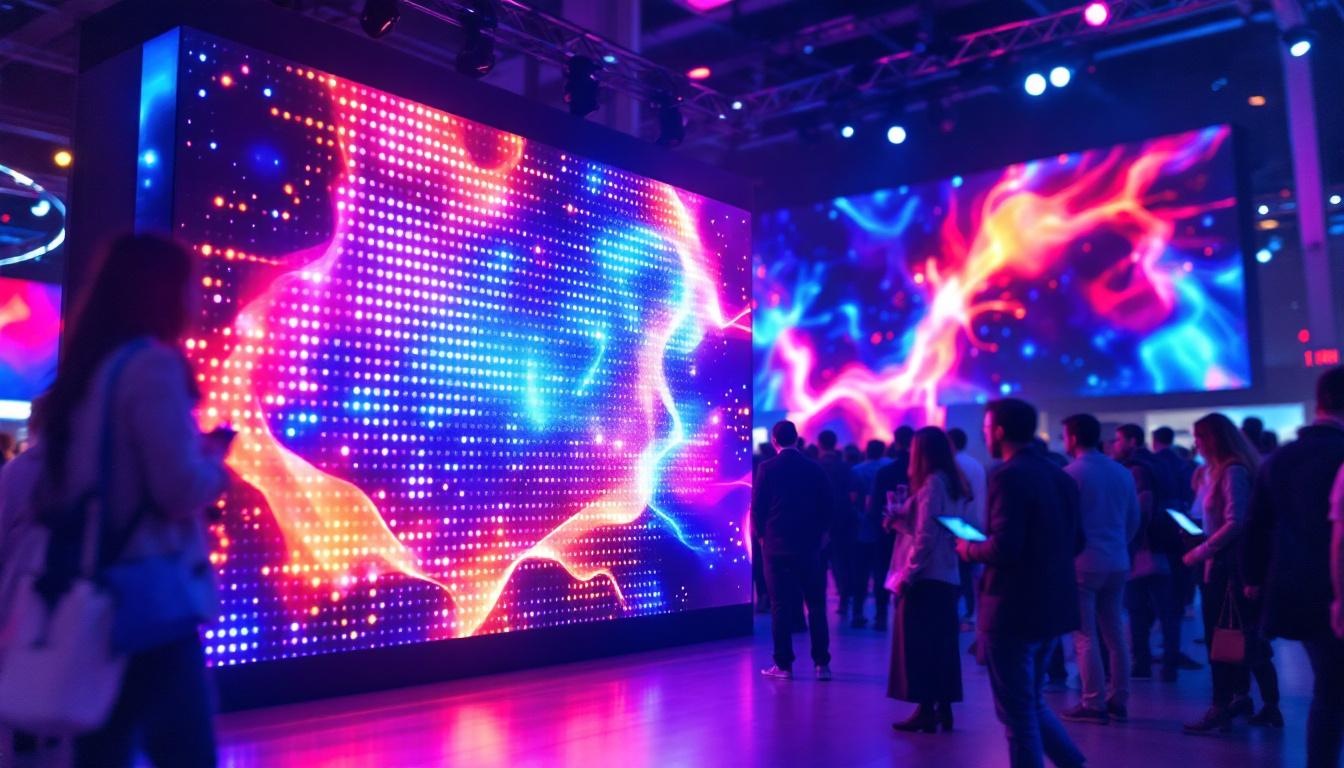
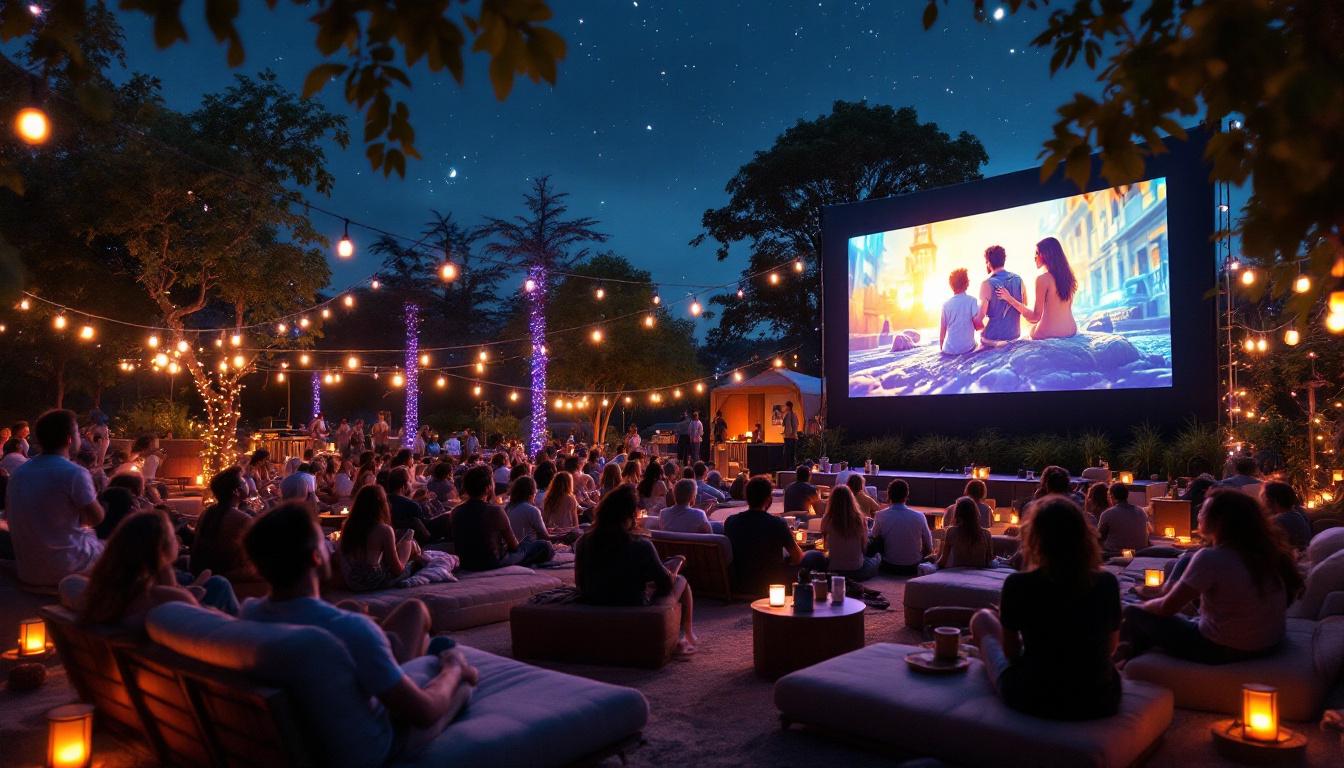
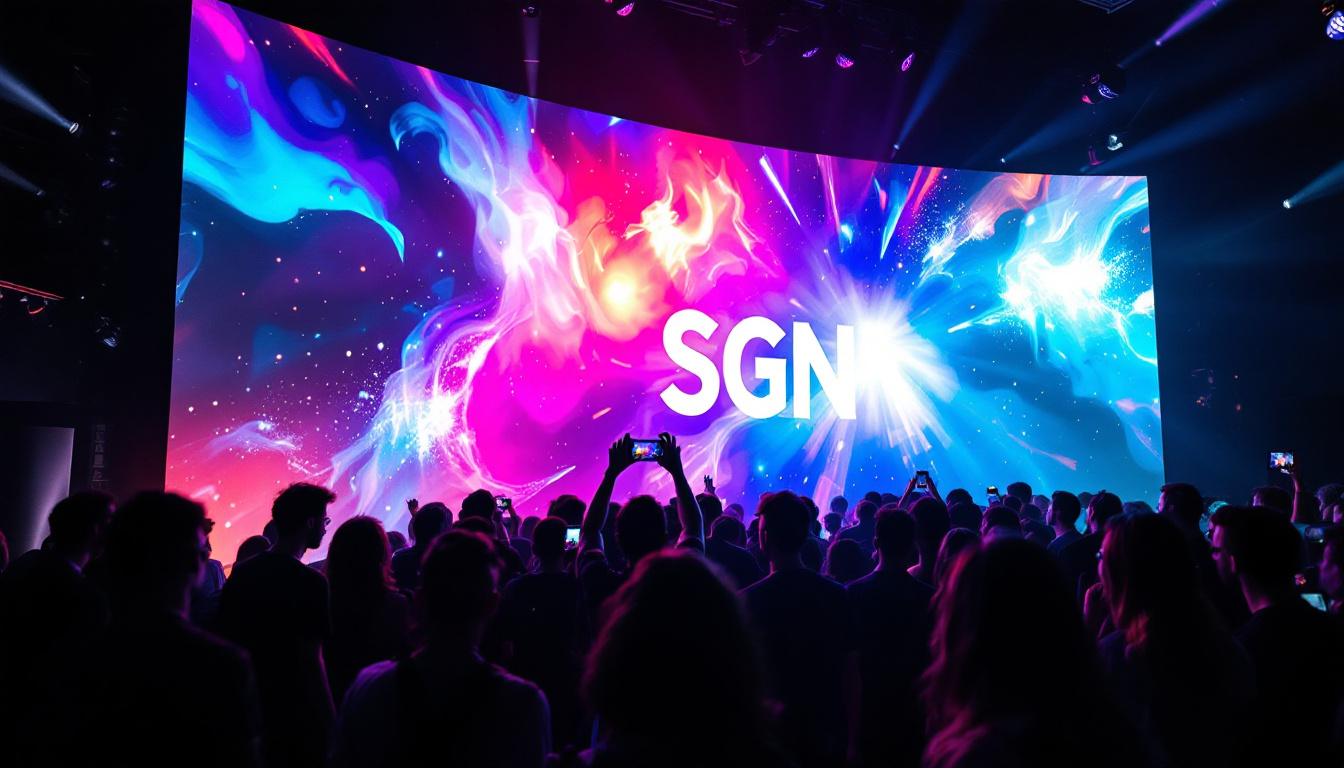
Concerts and live events utilize LED walls and panels to create dynamic stage backdrops, transforming performances into visually captivating experiences. The use of LED technology in live shows allows for intricate light displays and animations that can synchronize with the music, elevating the overall atmosphere. Moreover, the flexibility of LED panels means they can be configured in various shapes and sizes, enabling artists to craft unique visual narratives that resonate with their audience.
Transportation and Public Information
LED displays are integral to transportation systems, providing real-time information on schedules, delays, and safety messages. Airports, train stations, and bus terminals use LED screens for clear and timely communication with passengers. Additionally, traffic signals and variable message signs on highways employ LEDs for their reliability and visibility. The rapid response capabilities of LED technology ensure that critical information is conveyed promptly, which is essential for maintaining safety and efficiency in busy transit environments.
Moreover, the implementation of LED displays in smart city initiatives is revolutionizing urban transportation. These displays can provide information not only about public transport but also about traffic conditions, weather updates, and emergency alerts, fostering a more informed and responsive community. As cities continue to evolve, the role of LED technology in enhancing public information systems will only grow in importance.
Retail and Corporate Environments
In retail, LED displays attract customers and promote products through vibrant digital signage. Corporate offices use LED screens for presentations, video conferencing, and digital dashboards, enhancing communication and collaboration. The ability to display high-resolution images and videos allows businesses to showcase their products in a more engaging manner, increasing the likelihood of customer interaction and purchase.
Furthermore, the use of LED technology in corporate environments extends to internal communications as well. Digital signage can be employed to share company news, employee achievements, and motivational messages, fostering a sense of community and engagement among staff. The versatility of LED displays also means they can be easily updated, ensuring that content remains fresh and relevant, which is crucial in fast-paced business settings.
Advantages of LED Displays Over Other Technologies
LED displays offer several benefits that make them a preferred choice in many applications. Understanding these advantages helps businesses and consumers make informed decisions when selecting display technologies.
Brightness and Visibility
LED displays can achieve high brightness levels, often exceeding 5,000 nits for outdoor models, ensuring clear visibility even in direct sunlight. This capability surpasses many LCD and plasma displays, which struggle with glare and ambient light interference.
Energy Efficiency
Compared to traditional incandescent and fluorescent lighting, LEDs consume significantly less power. Their energy efficiency translates into lower operating costs and reduced environmental impact. For instance, an LED billboard can consume up to 80% less energy than a comparable neon sign.
Longevity and Durability
LEDs have a long operational lifespan, often rated between 50,000 to 100,000 hours. They are also more resistant to shock, vibration, and temperature fluctuations, making them suitable for harsh environments.
Design Flexibility
The small size and modular nature of LEDs allow for creative display designs, including curved, flexible, and transparent screens. This flexibility enables integration into diverse architectural and artistic projects.
Improved Color and Contrast
LED displays offer superior color accuracy and contrast ratios, resulting in vivid and lifelike images. This is particularly important for applications requiring high visual fidelity, such as broadcasting and digital art.
Challenges and Considerations in LED Display Deployment
While LED displays offer many benefits, certain challenges must be addressed to ensure optimal performance and return on investment.
Initial Cost
The upfront cost of LED displays can be higher than alternative technologies, especially for high-resolution or large-scale installations. However, the long-term savings in energy and maintenance often offset the initial expenditure.
Maintenance and Calibration
Maintaining uniform brightness and color across large LED panels requires regular calibration. Additionally, individual LEDs may fail over time, necessitating repairs to maintain image quality.
Heat Management
LEDs generate heat during operation, which must be effectively dissipated to prevent damage and ensure longevity. Proper ventilation and heat sinks are critical components of LED display design.
Environmental Impact
While LEDs are more energy-efficient, the manufacturing and disposal of LED components involve environmental considerations. Responsible sourcing and recycling programs are essential to minimize ecological footprints.
The Future of LED Display Technology
Continuous innovation is driving LED display technology toward new horizons, enhancing performance and expanding applications.
MicroLED and MiniLED Technologies
Emerging technologies such as MicroLED and MiniLED promise even higher resolution, brightness, and energy efficiency. MicroLEDs, composed of microscopic LEDs, enable displays with exceptional contrast and color accuracy, rivaling OLEDs without their burn-in issues.
Integration with Smart Technologies
LED displays are increasingly integrated with IoT (Internet of Things) and AI (Artificial Intelligence) systems. This integration allows for dynamic content adjustment based on environmental data, audience behavior, and predictive analytics, enhancing user engagement and operational efficiency.
Sustainability and Eco-friendly Innovations
Manufacturers are focusing on reducing the environmental impact of LED displays by developing recyclable materials, reducing hazardous substances, and improving energy recovery systems. These efforts align with global sustainability goals and consumer demand for greener technologies.
Expanded Use Cases
As LED technology becomes more affordable and versatile, new applications are emerging in fields such as healthcare, education, and augmented reality. For example, transparent LED displays can transform hospital windows into interactive information panels, while flexible LEDs enable wearable displays and innovative user interfaces.
Conclusion
LED displays have revolutionized the way information and entertainment are presented in the digital age. Their brightness, energy efficiency, and design flexibility make them indispensable across industries. While challenges such as cost and maintenance exist, ongoing advancements continue to enhance their capabilities and accessibility.
Understanding the technology behind LED displays and their diverse applications enables businesses and consumers to harness their full potential. As innovation progresses, LED displays are poised to become even more integral to communication, creativity, and connectivity worldwide.
Discover LumenMatrix LED Display Solutions
Ready to elevate your visual communication with cutting-edge LED technology? LumenMatrix offers a comprehensive range of LED display modules designed to bring your brand to life. From Indoor and Outdoor LED Walls to innovative Transparent and Custom LED Displays, our solutions are crafted to captivate and engage your audience. Embrace the future of digital signage with LumenMatrix and create unforgettable visual experiences. Check out LumenMatrix LED Display Solutions today and see the difference for yourself.