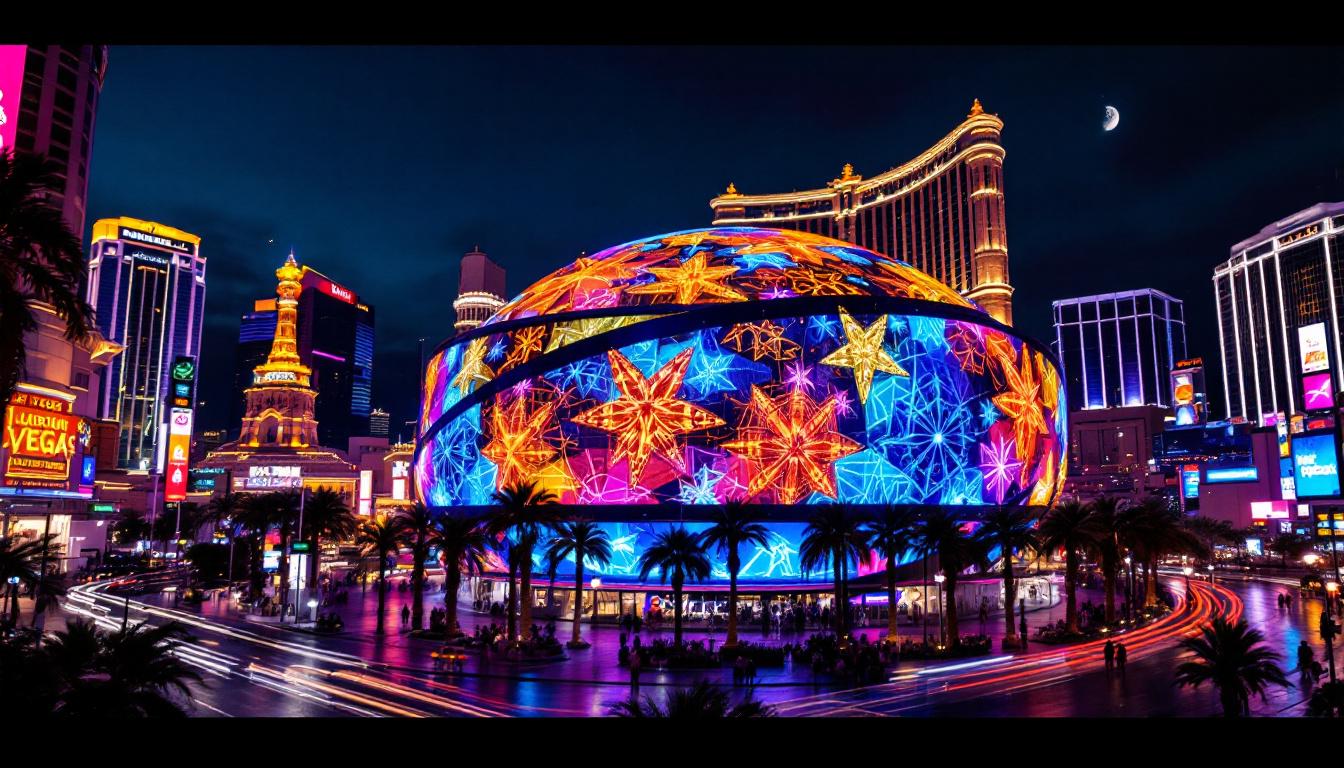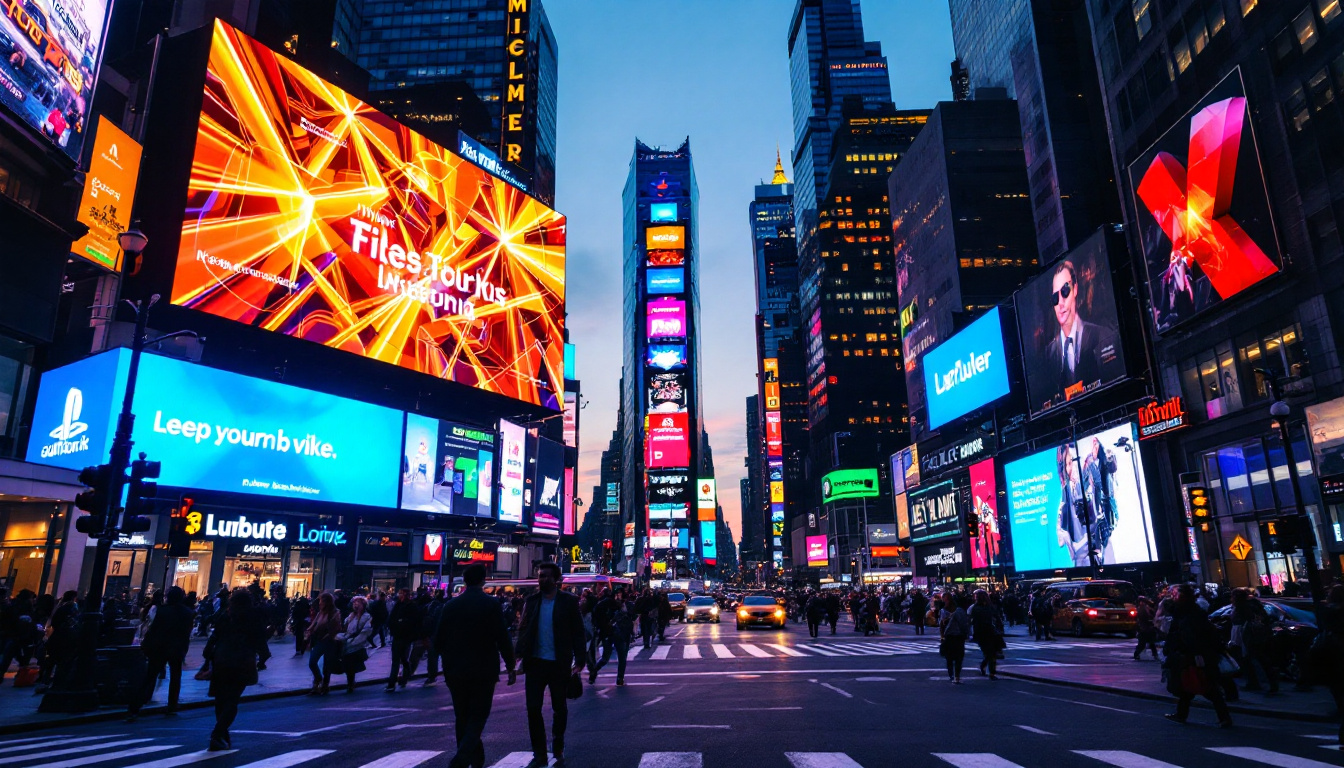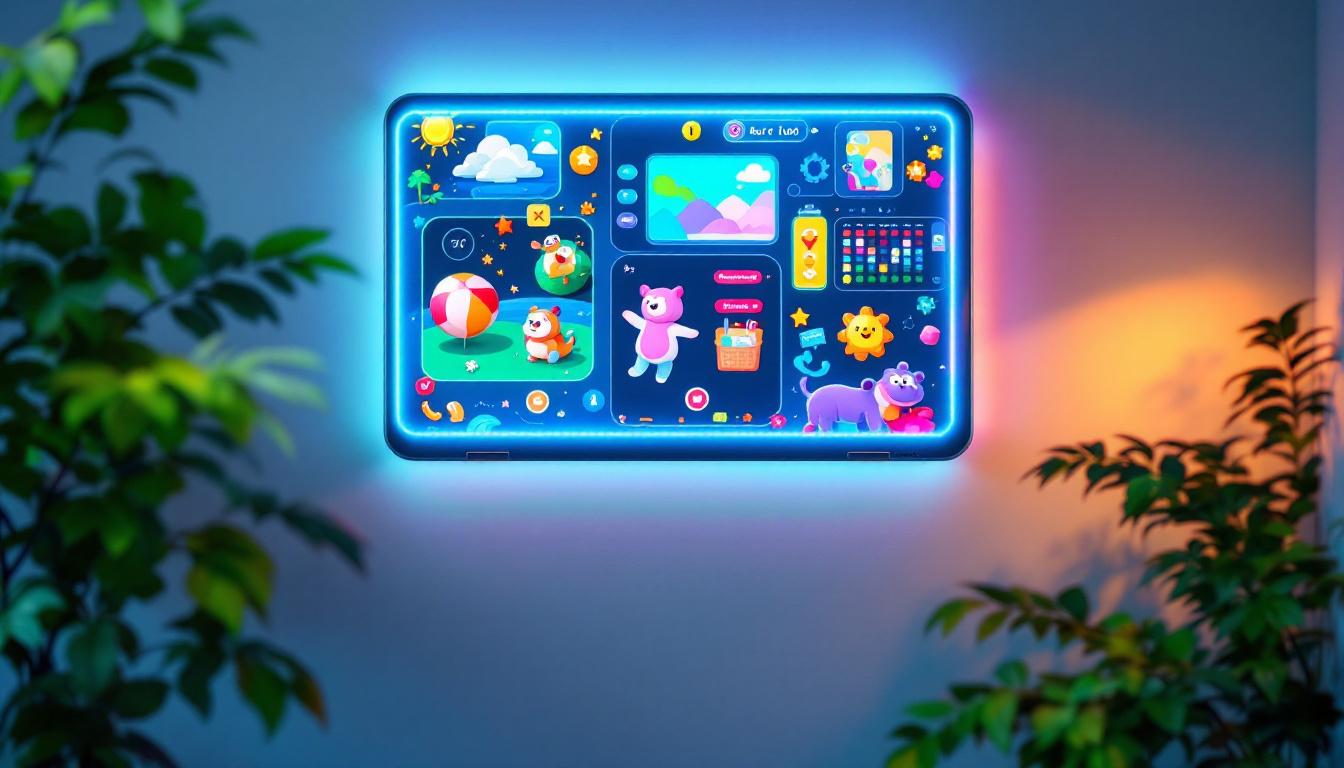
In today’s fast-paced environments—whether in corporate offices, educational institutions, or public spaces—effective communication is key. Wall activity boards equipped with LED displays have become a popular solution for presenting real-time information, tracking progress, and engaging audiences visually. This article delves into the technology behind LED displays, their applications in wall activity boards, and why they are an essential tool for modern communication.
Understanding LED Display Technology
LED, or Light Emitting Diode, technology has revolutionized the way we display information. Unlike traditional display methods such as LCD or projection screens, LED displays use tiny diodes that emit light when an electrical current passes through them. This fundamental difference offers several advantages that make LED displays particularly suited for wall activity boards.
How LED Displays Work
Each LED display is composed of numerous individual diodes arranged in a grid, known as pixels. These pixels can emit red, green, and blue light, which combine to produce a full spectrum of colors. By controlling the brightness of each diode, the display can render images, text, and animations with remarkable clarity and vibrancy.
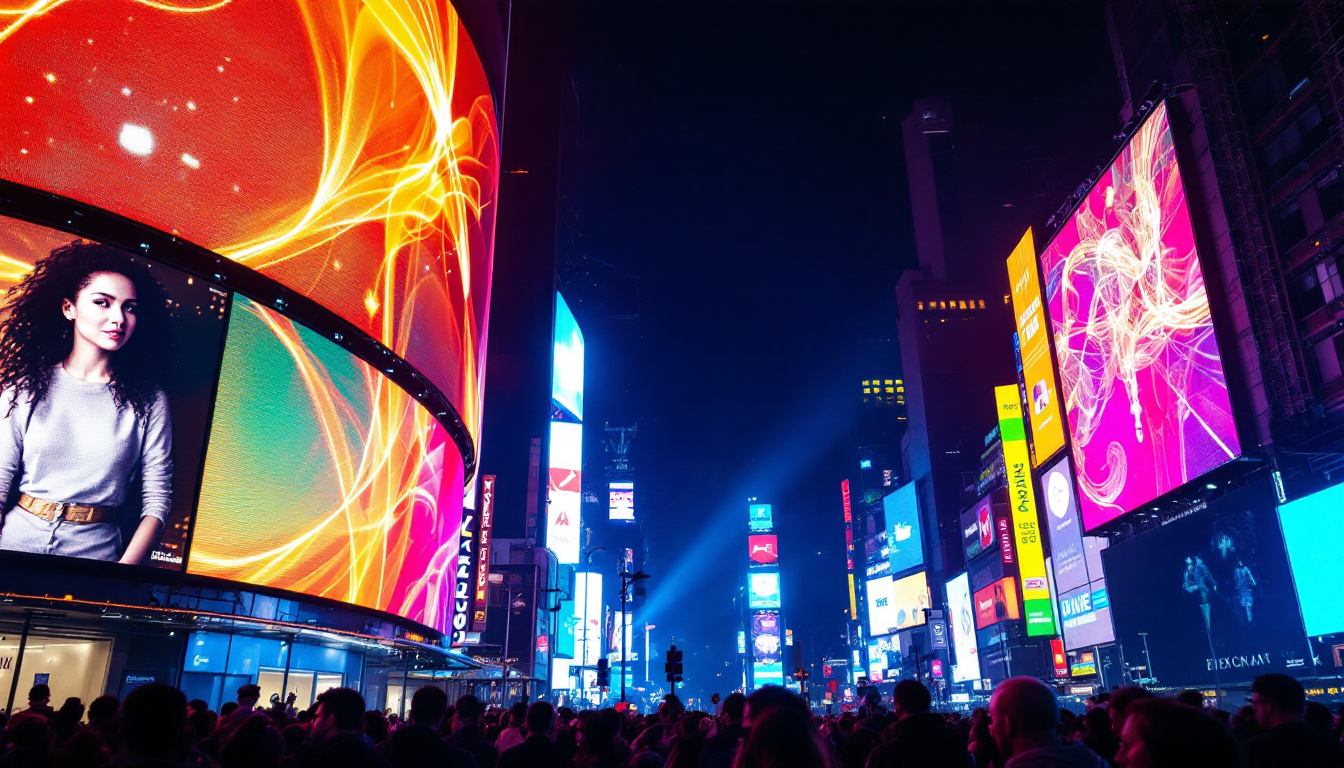
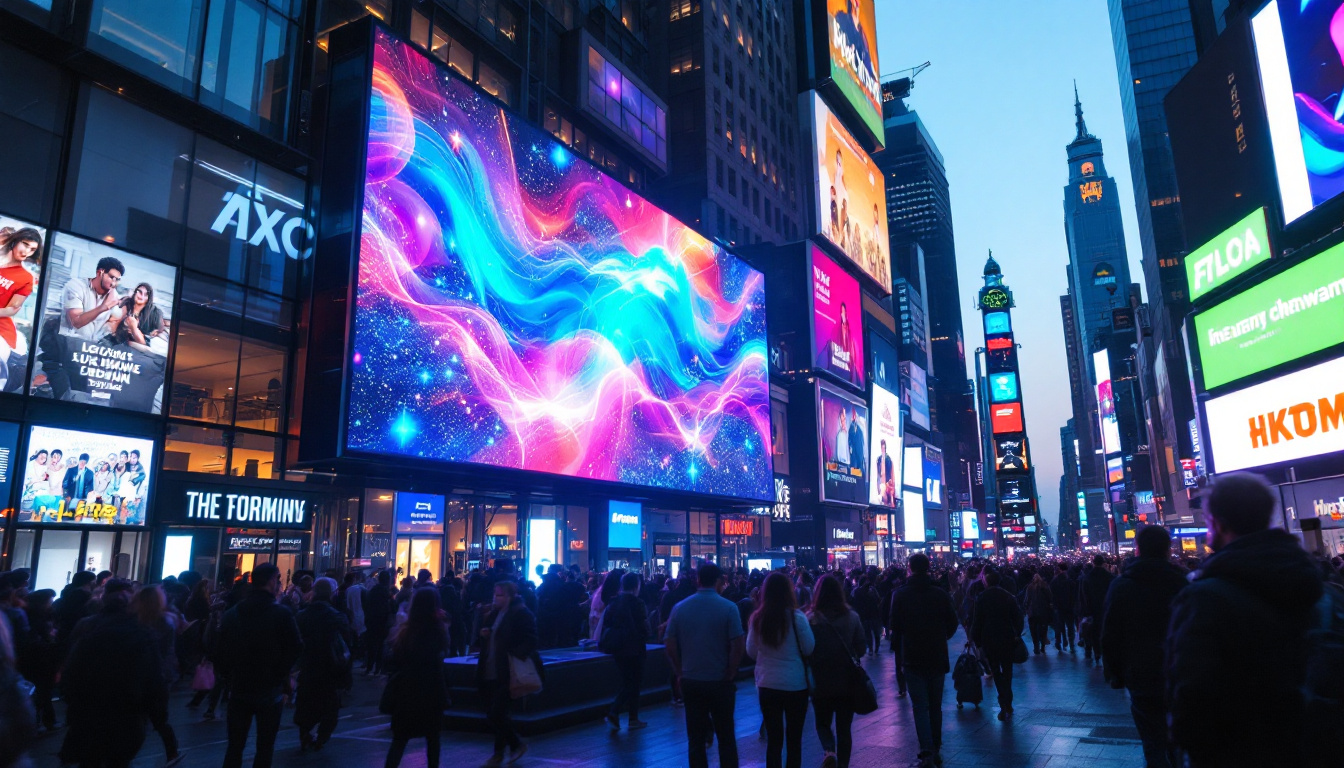
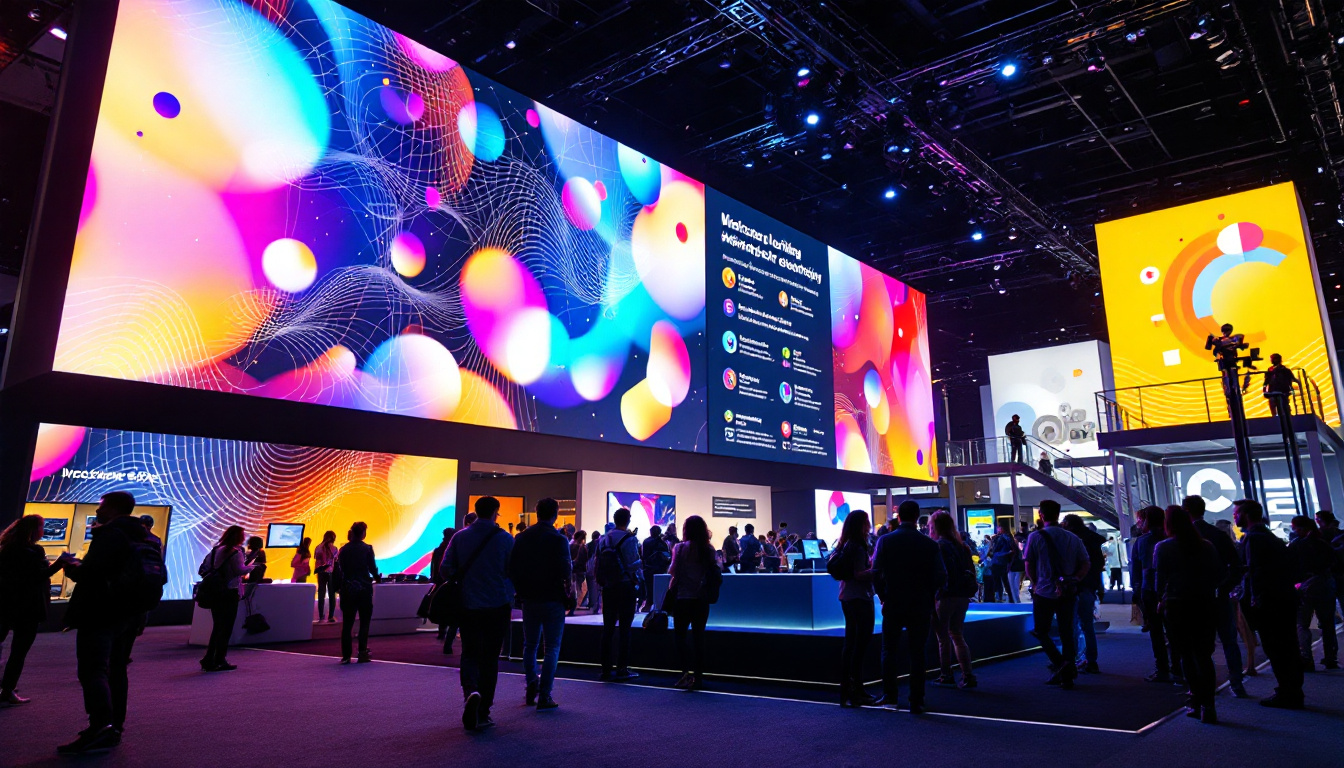
The modular nature of LED panels allows for flexible sizing and resolution. Panels can be tiled seamlessly to create large-format displays that maintain uniform brightness and color accuracy across the entire surface. This flexibility not only enhances visual appeal but also accommodates various applications, from advertising billboards to interactive kiosks in retail environments.
Key Advantages of LED Displays
One of the primary benefits of LED technology is its high brightness levels, which make displays easily visible even in brightly lit environments. This is especially important for wall activity boards located in open office spaces or public areas where ambient light can vary significantly. The ability to adjust brightness dynamically ensures that content remains legible and engaging, regardless of external lighting conditions.
Additionally, LED displays offer superior energy efficiency compared to older technologies. According to recent studies, LED screens consume up to 50% less power than comparable LCD displays, reducing operational costs and environmental impact. This energy efficiency not only translates into lower electricity bills but also contributes to sustainability initiatives, making LED technology a preferred choice for eco-conscious organizations.
Durability is another factor; LEDs have a longer lifespan—often exceeding 50,000 hours of use—minimizing maintenance and replacement expenses over time. Furthermore, many LED displays are designed to withstand harsh conditions, including extreme temperatures and humidity, making them ideal for both indoor and outdoor applications. The ruggedness of these displays ensures they can endure the rigors of constant use in high-traffic areas, providing reliable performance that businesses can count on.
Moreover, the rapid response time of LED technology allows for smooth transitions and animations, enhancing the viewer’s experience. This capability is particularly beneficial for dynamic content such as live news feeds, social media updates, or event schedules, where timely information is crucial. As a result, LED displays are increasingly being integrated into smart city infrastructures, public transportation systems, and corporate environments, where real-time communication is essential for operational efficiency.
Applications of LED Wall Activity Boards
Wall activity boards with LED displays serve a wide range of functions across various sectors. Their dynamic nature allows users to update information quickly and interactively, which is invaluable for real-time communication and monitoring.
Corporate Environments
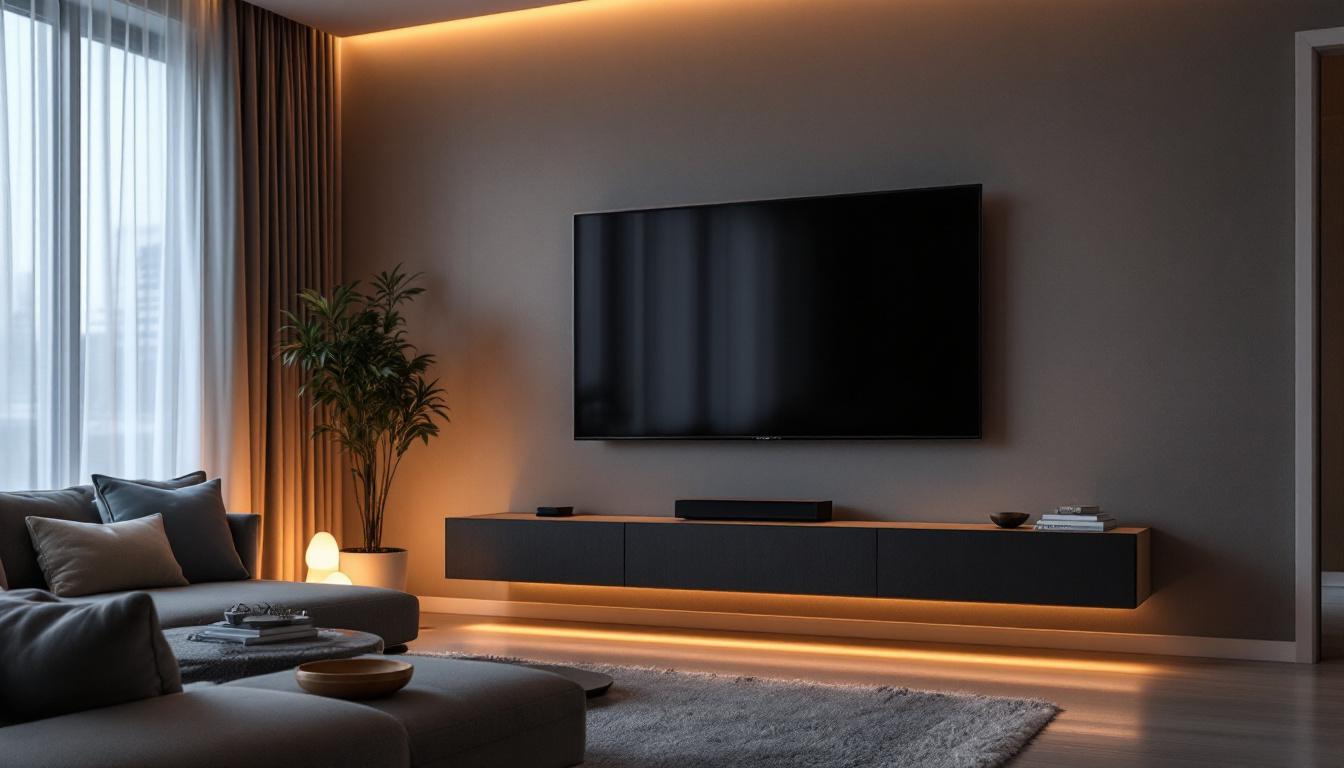
In offices, LED wall activity boards are frequently used to display key performance indicators (KPIs), project timelines, and team progress. By providing a centralized visual reference, these boards promote transparency and foster collaboration among employees.
For example, a sales team might use an LED display to track monthly targets, showing live updates as deals close. This immediate feedback can motivate teams and help managers identify bottlenecks or opportunities swiftly. Additionally, these boards can be programmed to showcase motivational quotes or success stories, further enhancing team morale and encouraging a culture of achievement within the organization.
Educational Institutions
Schools and universities leverage LED activity boards to enhance learning environments. These displays can show class schedules, event announcements, or interactive lesson content. In some cases, LED boards are integrated with sensors or software to encourage student participation through quizzes or polls.
Moreover, digital signage powered by LED technology can improve campus safety by broadcasting emergency alerts instantly and clearly to large groups. Beyond safety, these boards can serve as a platform for student creativity, allowing art or design students to showcase their work in a rotating gallery format, thus enriching the educational experience and fostering a sense of community.
Public Spaces and Retail
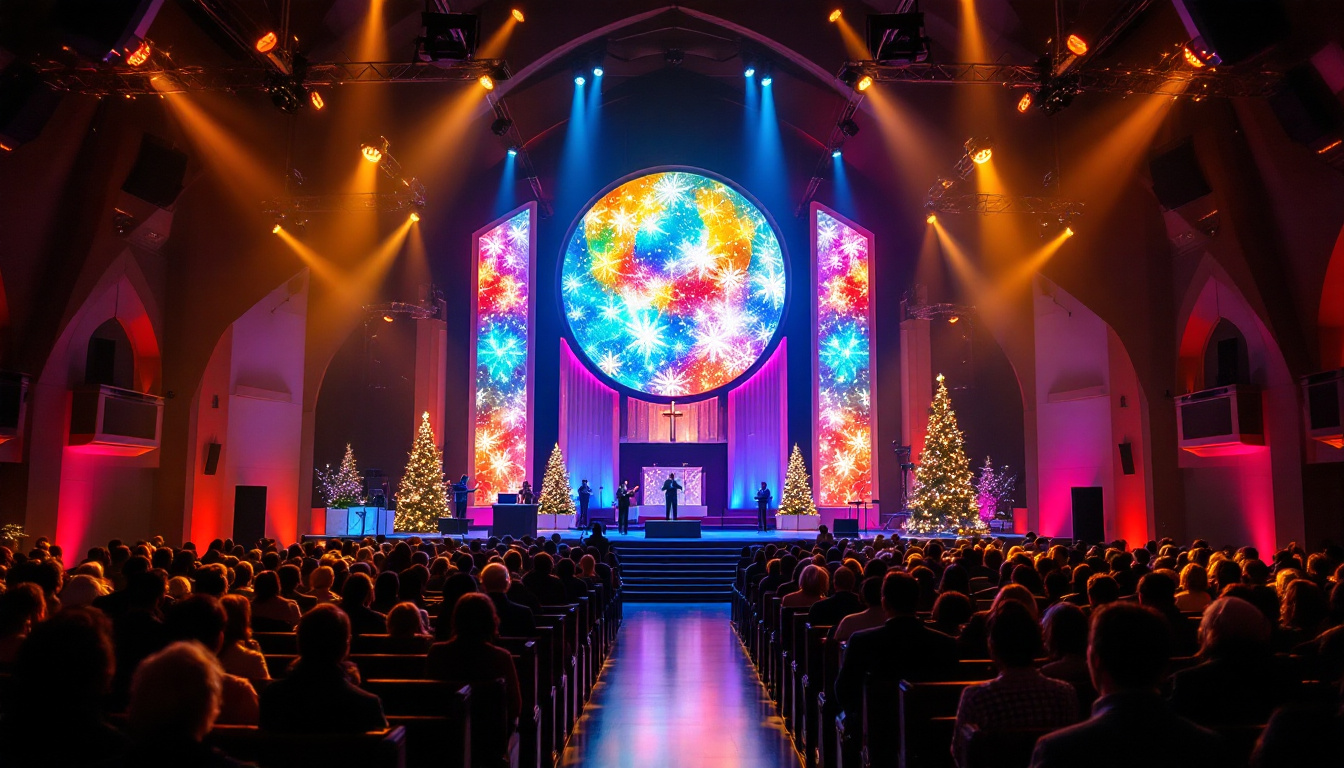
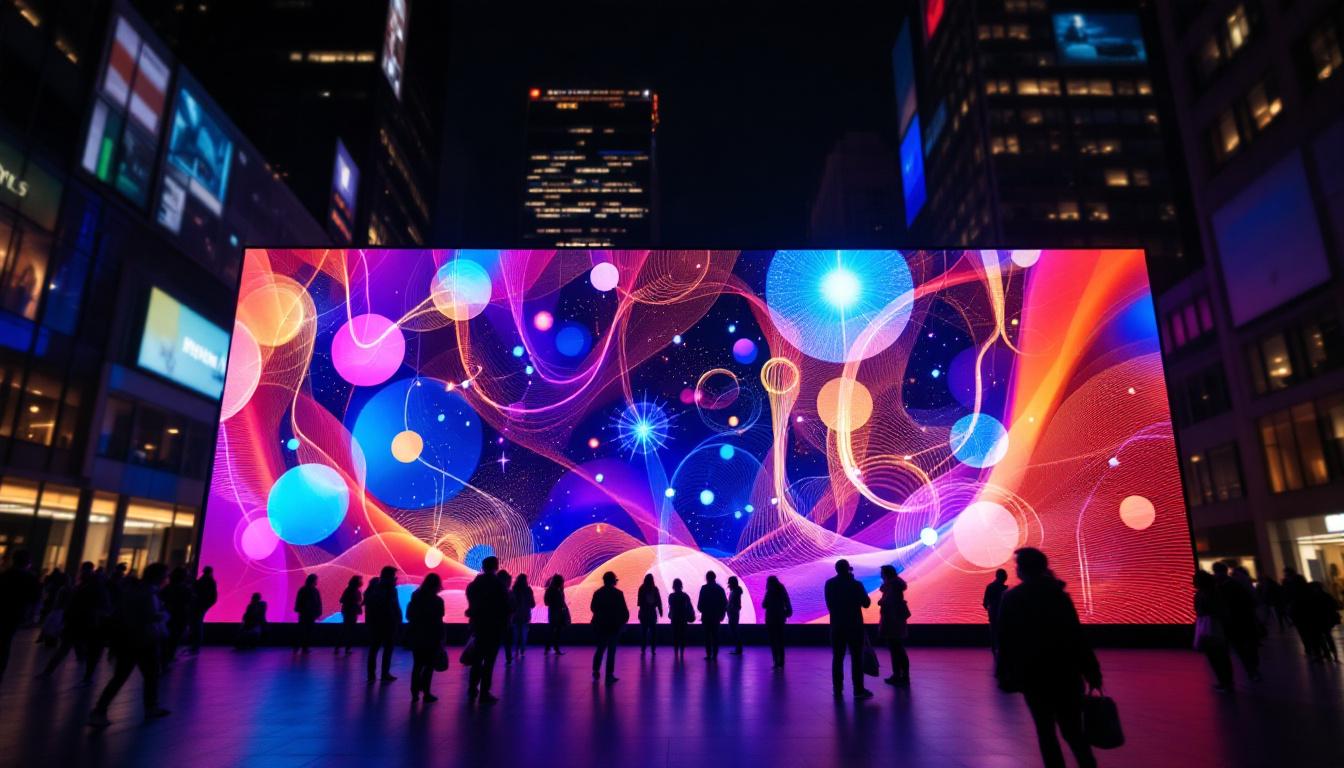
In public venues such as airports, hospitals, or shopping centers, LED wall activity boards provide essential information like directions, wait times, and promotional content. Their high visibility ensures that messages reach a broad audience effectively.
Retailers use LED displays to highlight product launches, sales, or brand stories, creating engaging customer experiences that drive foot traffic and sales. Additionally, these boards can be utilized to gather customer feedback through interactive surveys, allowing businesses to adjust their offerings in real-time based on consumer preferences. This adaptability not only enhances customer satisfaction but also fosters a deeper connection between the brand and its audience, making the shopping experience more personalized and enjoyable.
Design Considerations for Effective LED Wall Activity Boards
Creating an impactful LED wall activity board involves more than just installing a display. Thoughtful design and integration are crucial to maximize the board’s effectiveness and user engagement.
Resolution and Pixel Pitch
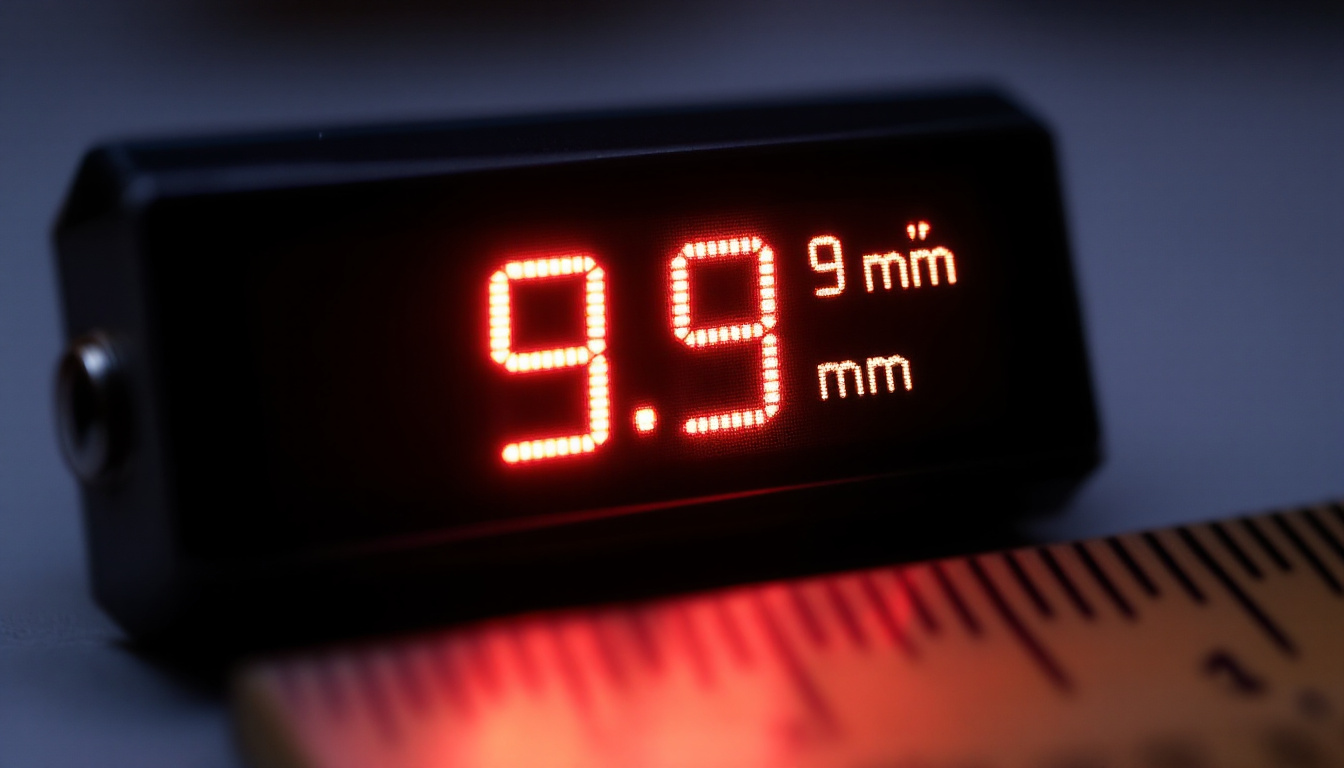
The resolution of an LED display is determined by the number of pixels it contains, while pixel pitch refers to the distance between individual LEDs. A smaller pixel pitch results in higher resolution and sharper images, which is vital for displays viewed at close range.
For wall activity boards intended for office corridors or meeting rooms, a pixel pitch of 1.5 to 2.5 millimeters is typically recommended. Larger pixel pitches may suffice for displays viewed from a distance, such as in lobbies or auditoriums. Additionally, considering the viewing angles is essential; a wider viewing angle ensures that the content remains clear and vibrant from various positions, accommodating diverse audiences in a corporate environment.
Brightness and Contrast
Ensuring the display is bright enough to be legible under various lighting conditions is essential. Adjustable brightness controls allow the board to adapt to changes in ambient light, maintaining readability without causing glare.
High contrast ratios improve the clarity of text and graphics, making content easier to read and more visually appealing. Moreover, incorporating ambient light sensors can further optimize brightness levels automatically, ensuring that the display remains effective throughout the day, regardless of natural light fluctuations. This adaptability not only enhances user experience but also contributes to energy efficiency, making the display more sustainable in the long run.
Content Management and Integration
Effective LED wall activity boards rely on robust content management systems (CMS) that allow users to update information swiftly and schedule content in advance. Integration with existing software tools—such as project management platforms, calendar apps, or data dashboards—can automate content updates, reducing manual effort.
Interactive capabilities, including touch sensitivity or sensor inputs, can further enhance user engagement by enabling direct interaction with the display. Additionally, incorporating dynamic content such as live social media feeds, news updates, or real-time analytics can keep the information fresh and relevant, fostering a more engaging environment. This not only captures the attention of passersby but also encourages employees to interact with the board regularly, creating a culture of communication and collaboration within the workspace.
Future Trends in LED Wall Activity Boards
The evolution of LED technology and digital communication continues to open new possibilities for wall activity boards. Staying informed about these trends can help organizations leverage the latest innovations for improved communication.
MicroLED and MiniLED Technologies
Emerging display technologies such as MicroLED and MiniLED promise even higher resolution, better color accuracy, and improved energy efficiency. MicroLED, in particular, offers pixel-level control without the need for backlighting, resulting in deeper blacks and more vibrant colors.
While still in the early stages of widespread adoption, these technologies are expected to become more affordable and accessible in the coming years, enhancing the quality and versatility of LED wall activity boards.
AI-Driven Content Personalization
Artificial intelligence is increasingly being integrated into digital signage systems to deliver personalized content based on audience demographics, behavior, or time of day. For wall activity boards, this means the ability to tailor messages dynamically, increasing relevance and engagement.
For instance, an LED activity board in a corporate lobby could display different information to visitors versus employees, or adjust content based on current events or weather conditions.
Enhanced Interactivity and Connectivity
Advances in connectivity, including 5G and IoT integration, enable real-time data streaming and remote management of LED displays. This facilitates seamless updates and the incorporation of live data feeds, such as social media streams or sensor inputs.
Interactive features like gesture control, voice commands, or augmented reality overlays are also becoming more common, transforming static wall boards into immersive communication hubs.
Conclusion: The Strategic Value of LED Wall Activity Boards
Wall activity boards with LED displays represent a powerful communication tool that blends technology, design, and functionality. Their ability to present dynamic, high-visibility information in real time makes them indispensable across industries—from boosting workplace productivity to enhancing educational experiences and improving public engagement.
Investing in a well-designed LED wall activity board can lead to tangible benefits such as increased transparency, faster decision-making, and stronger audience connection. As LED technology continues to advance, these boards will only become more versatile and impactful, solidifying their role as a cornerstone of modern communication strategies.
Discover LumenMatrix’s Innovative LED Solutions
Ready to elevate your communication strategy with cutting-edge LED technology? LumenMatrix offers a diverse range of LED display solutions tailored to meet your needs, whether for indoor, outdoor, vehicular, or custom applications. Embrace the future of visual engagement with our dynamic and energy-efficient LED displays that promise to captivate your audience and amplify your message. Check out LumenMatrix LED Display Solutions today and experience the transformative power of advanced LED display modules.