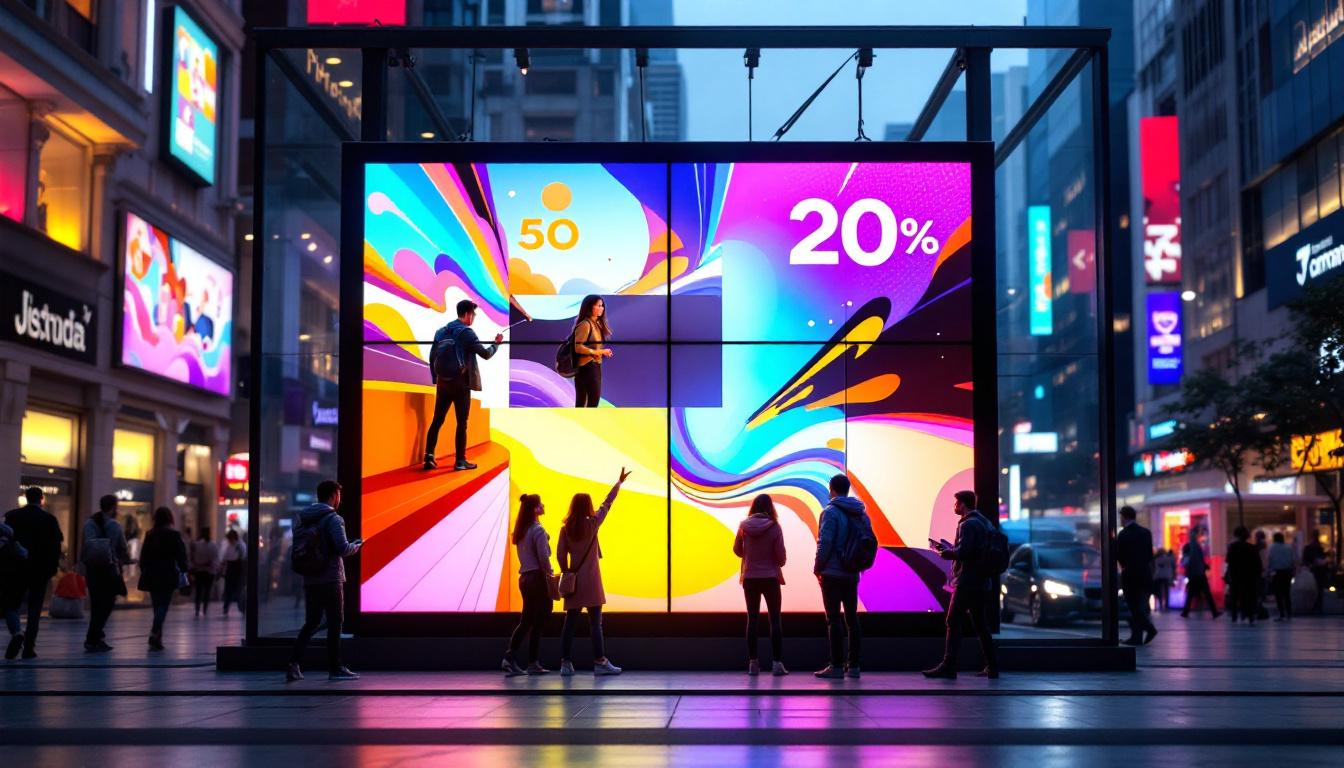
In today’s fast-paced world, grabbing attention quickly and effectively is crucial for businesses, public services, and event organizers alike. Electronic signage boards, particularly those utilizing LED display technology, have become a cornerstone in visual communication strategies worldwide. This article delves into the world of LED displays, explaining what they are, how they work, their benefits, and why they are increasingly preferred over traditional signage methods.
What is an Electronic Signage Board?
An electronic signage board is a digital display system used to present information, advertisements, or messages to an audience. Unlike static signs made from paper, vinyl, or painted surfaces, electronic signage boards use digital technology to display dynamic content that can be updated remotely and frequently. These boards are commonly found in retail stores, transportation hubs, stadiums, corporate offices, and outdoor advertising spaces.
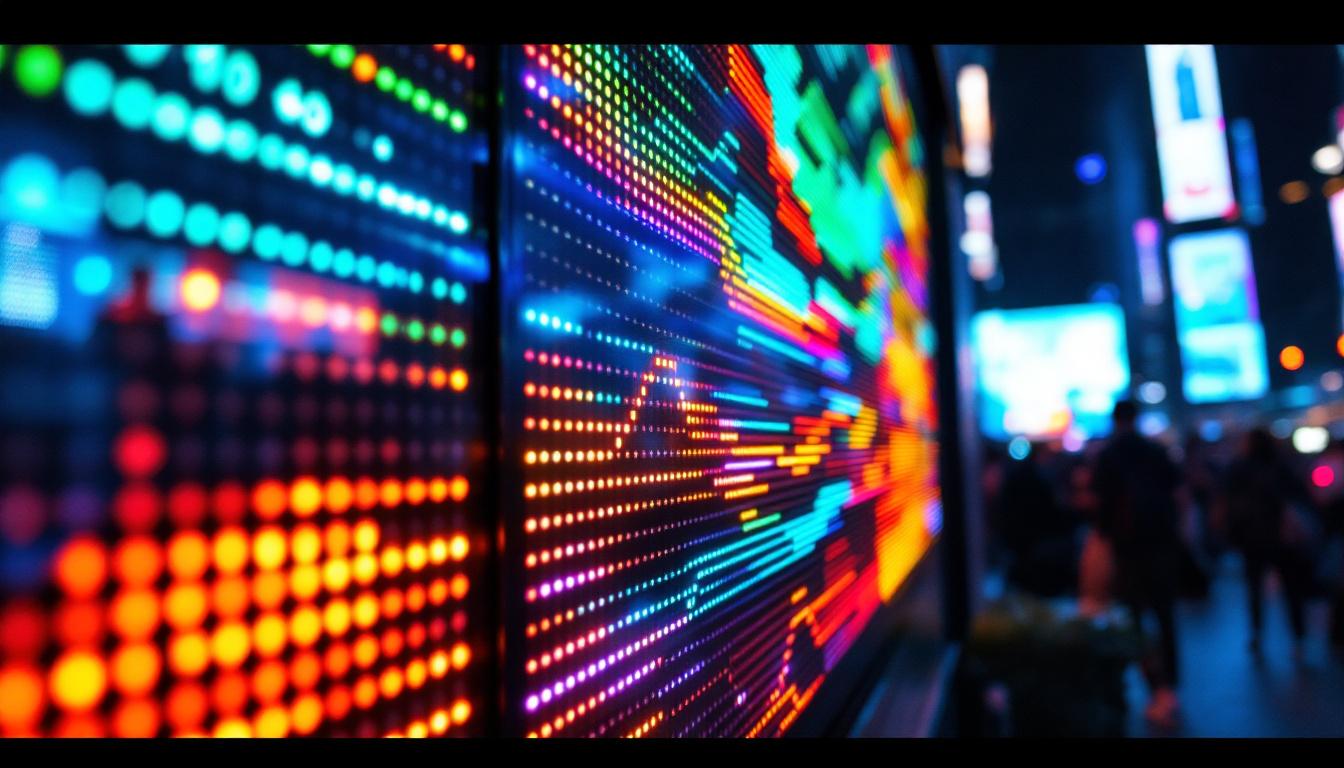
Among various types of electronic signage, LED (Light Emitting Diode) displays stand out due to their brightness, energy efficiency, and versatility. LED signage boards consist of numerous tiny LED modules arranged in a grid to form a screen capable of displaying text, images, videos, and animations.
One of the key advantages of electronic signage boards is their ability to capture attention in a crowded environment. The vibrant colors and moving images can significantly enhance visibility, making them ideal for marketing campaigns and public announcements. For instance, in busy shopping districts, retailers often use these boards to showcase promotions or new arrivals, drawing in foot traffic and increasing sales. Additionally, the flexibility of electronic signage allows businesses to tailor their messages in real-time, adapting to changing circumstances such as weather conditions or special events.
Furthermore, electronic signage boards can also play a pivotal role in enhancing communication within organizations. In corporate environments, these displays can be used to relay important information such as meeting schedules, employee announcements, or safety protocols. By utilizing electronic signage, companies can ensure that their messages are not only seen but also understood, as the engaging nature of digital content can help convey complex information more effectively than traditional methods. This adaptability makes electronic signage an invaluable tool in both commercial and corporate settings, bridging the gap between information dissemination and audience engagement.
How LED Displays Work
The Basics of LED Technology
LEDs are semiconductor devices that emit light when an electric current passes through them. Each LED emits light in a specific color depending on the materials used in its construction. In LED signage boards, red, green, and blue LEDs are combined in clusters called pixels. By adjusting the intensity of each color within a pixel, the display can produce a full spectrum of colors, allowing for vibrant and eye-catching visuals. This color mixing capability is crucial in applications ranging from advertising to artistic installations, where the right hues can significantly impact viewer engagement and emotional response.
Pixel Pitch and Resolution
One of the key factors determining the quality of an LED display is the pixel pitch — the distance between the centers of two adjacent pixels. A smaller pixel pitch means more pixels per unit area, which results in higher resolution and sharper images. For example, indoor LED displays typically have a pixel pitch ranging from 1mm to 4mm, providing crisp visuals at close viewing distances. Outdoor displays, on the other hand, often have larger pixel pitches (6mm to 20mm or more) to ensure visibility from a distance and withstand environmental factors. The choice of pixel pitch is vital for designers and advertisers, as it directly influences the effectiveness of the display in conveying messages and attracting attention from various distances.
Types of LED Displays
LED displays come in several forms, including:
- Indoor LED Displays: Designed for close-range viewing, these displays prioritize high resolution and color accuracy. They are commonly used in retail environments, conference rooms, and control centers. The ability to showcase detailed graphics and videos makes them ideal for presentations and promotional events, where clarity and impact are essential.
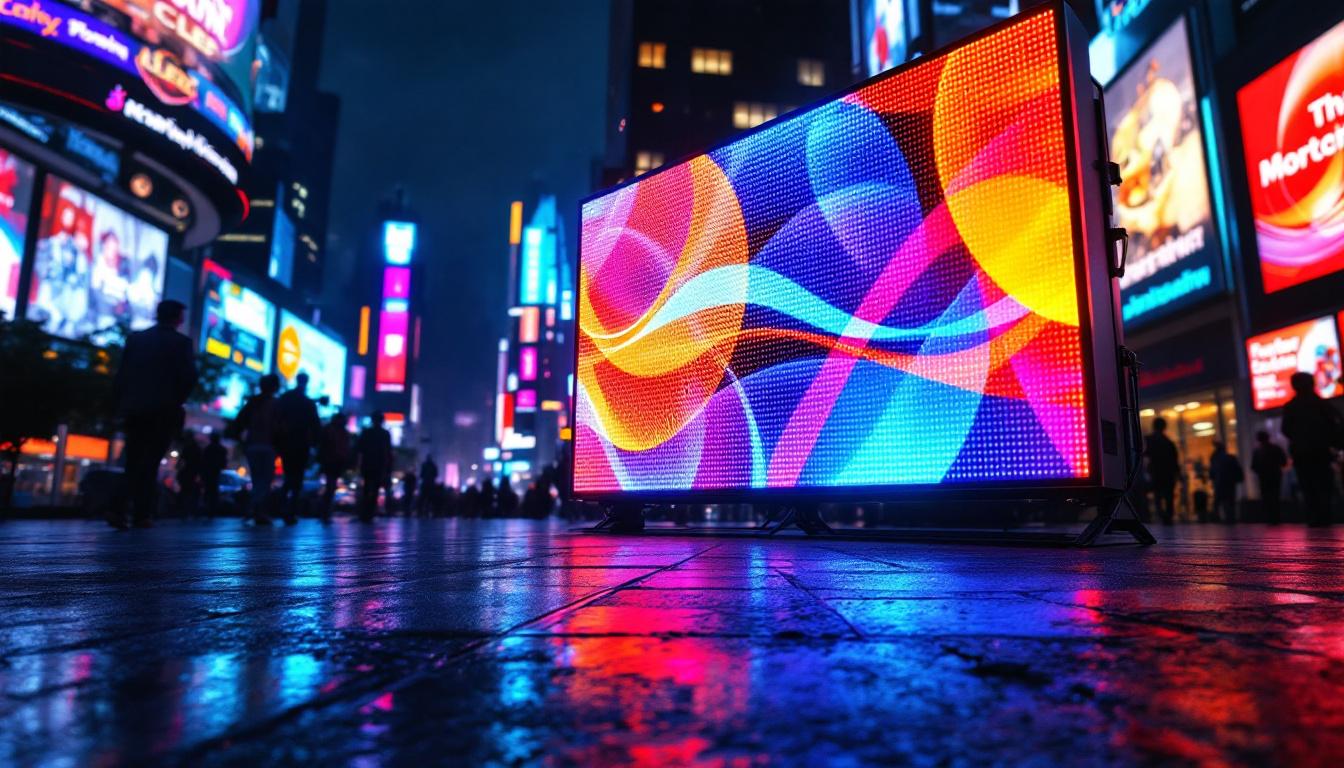
- Outdoor LED Displays: Built to endure weather conditions such as rain, wind, and sunlight, these displays are brighter and have larger pixel pitches. They are ideal for billboards, stadium screens, and public information boards. The brightness levels of outdoor displays can reach up to 10,000 nits, ensuring that content remains visible even in direct sunlight, which is crucial for effective advertising and public messaging.
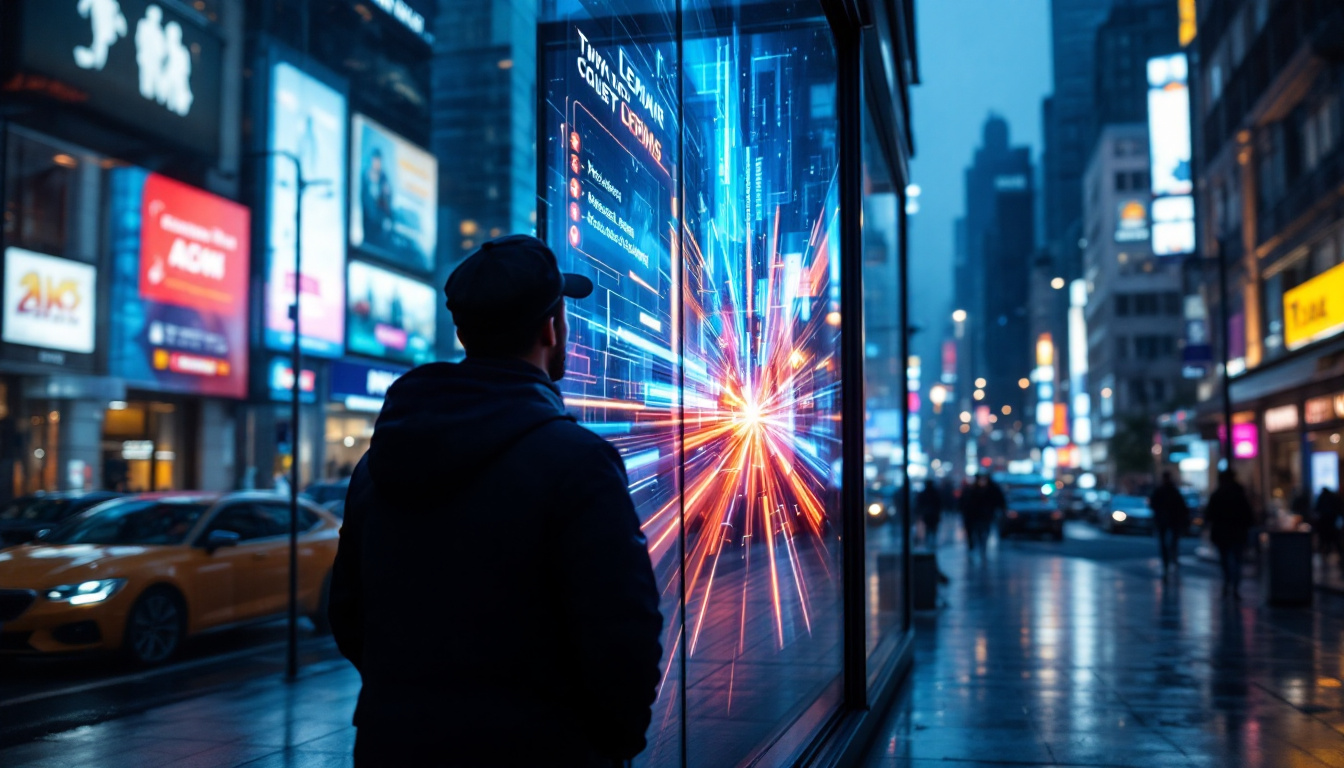
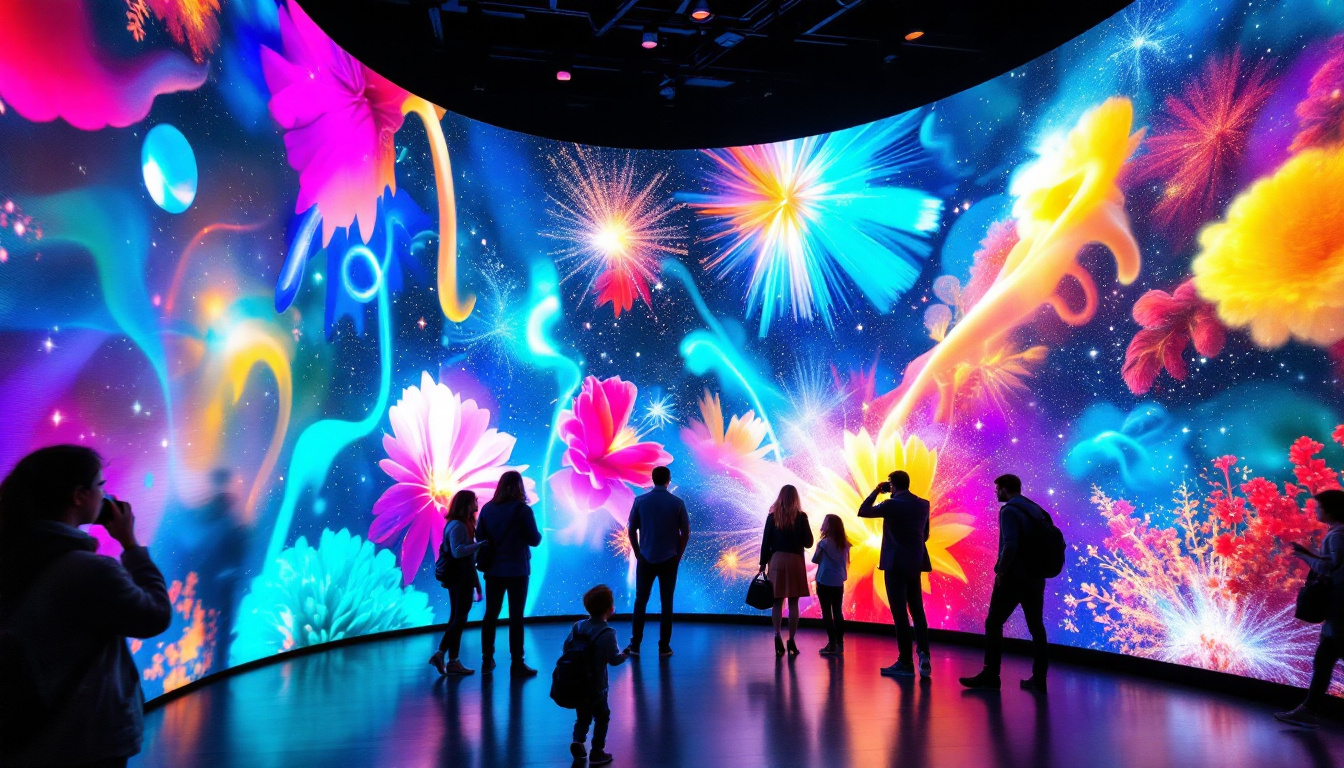
- Flexible and Transparent LED Displays: Innovations in LED technology have led to flexible panels that can curve around surfaces and transparent displays that allow light to pass through, expanding creative possibilities for signage. Flexible displays can be used in unique architectural designs, while transparent displays offer a futuristic look, enabling businesses to showcase products behind the screen without obstructing views.
Moreover, advancements in LED technology continue to push the boundaries of what is possible. For instance, the introduction of microLED technology promises even smaller pixel sizes and greater energy efficiency, potentially revolutionizing the industry. As manufacturers strive for thinner, lighter, and more versatile displays, we can expect to see an increase in applications across various sectors, from entertainment and advertising to transportation and smart cities. This evolution not only enhances visual experiences but also opens up new avenues for interactive and immersive content delivery, allowing brands to engage audiences in unprecedented ways.
Advantages of LED Electronic Signage Boards
High Visibility and Brightness
One of the most significant advantages of LED signage is its brightness. LED boards can achieve brightness levels up to 10,000 nits, making them visible even in direct sunlight. This high luminance ensures that messages are clear and legible regardless of ambient lighting conditions, a critical factor for outdoor advertising and traffic information systems.
Energy Efficiency and Longevity
Compared to traditional neon or incandescent lighting, LEDs consume significantly less power. This energy efficiency translates into lower operating costs, especially for large-scale or 24/7 installations. Additionally, LEDs have a long lifespan, often exceeding 100,000 hours of operation, reducing maintenance and replacement expenses.
Dynamic Content and Remote Management
LED signage boards can display a wide range of content formats, including scrolling text, images, videos, and animations. Content can be changed quickly and remotely via software platforms, allowing businesses to tailor messages in real time based on audience, time of day, or promotional campaigns. This flexibility enhances engagement and marketing effectiveness.
Durability and Weather Resistance
Outdoor LED signage is engineered to withstand harsh environmental conditions. They are typically rated with IP (Ingress Protection) standards indicating resistance to dust and water. This durability ensures reliable performance in rain, snow, or extreme temperatures, making them suitable for diverse geographic locations.
Applications of LED Electronic Signage Boards
Retail and Advertising
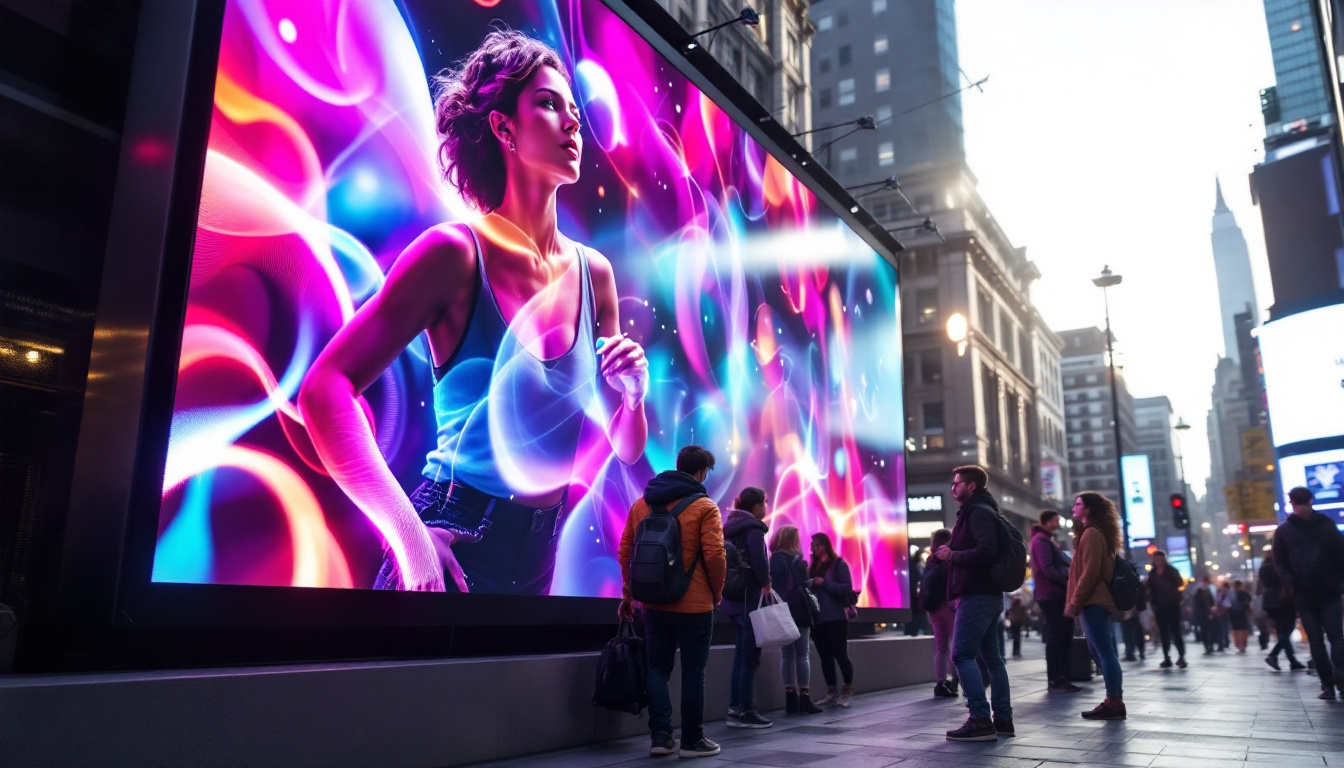
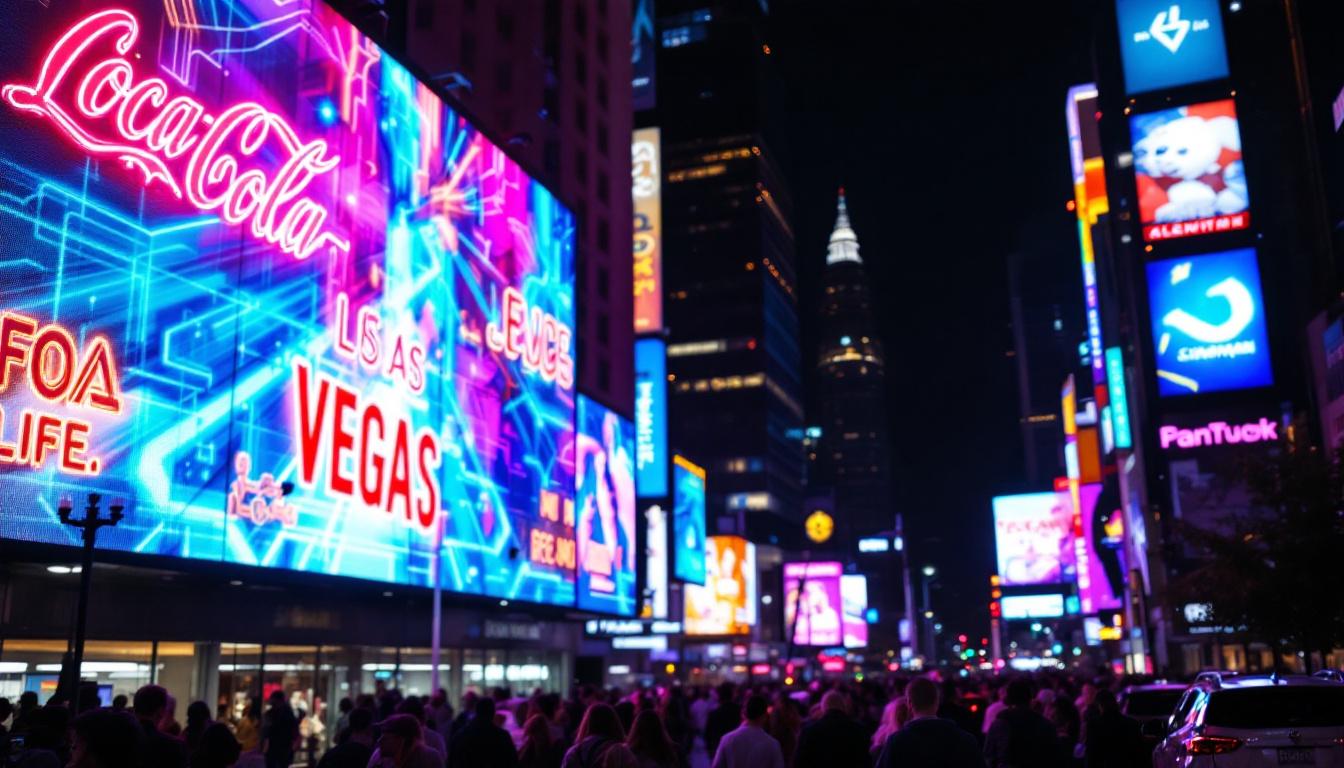
Retailers use LED signage to attract customers with vibrant promotions, product launches, and brand messaging. Digital billboards equipped with LED displays have revolutionized outdoor advertising, allowing advertisers to rotate multiple ads throughout the day and target specific demographics effectively.
Transportation and Public Information
Airports, train stations, and bus terminals rely on LED signage to provide real-time updates on schedules, delays, and safety information. The clarity and brightness of LED boards are essential for ensuring passengers receive timely and accurate information, improving overall travel experience and safety.
Sports and Entertainment Venues
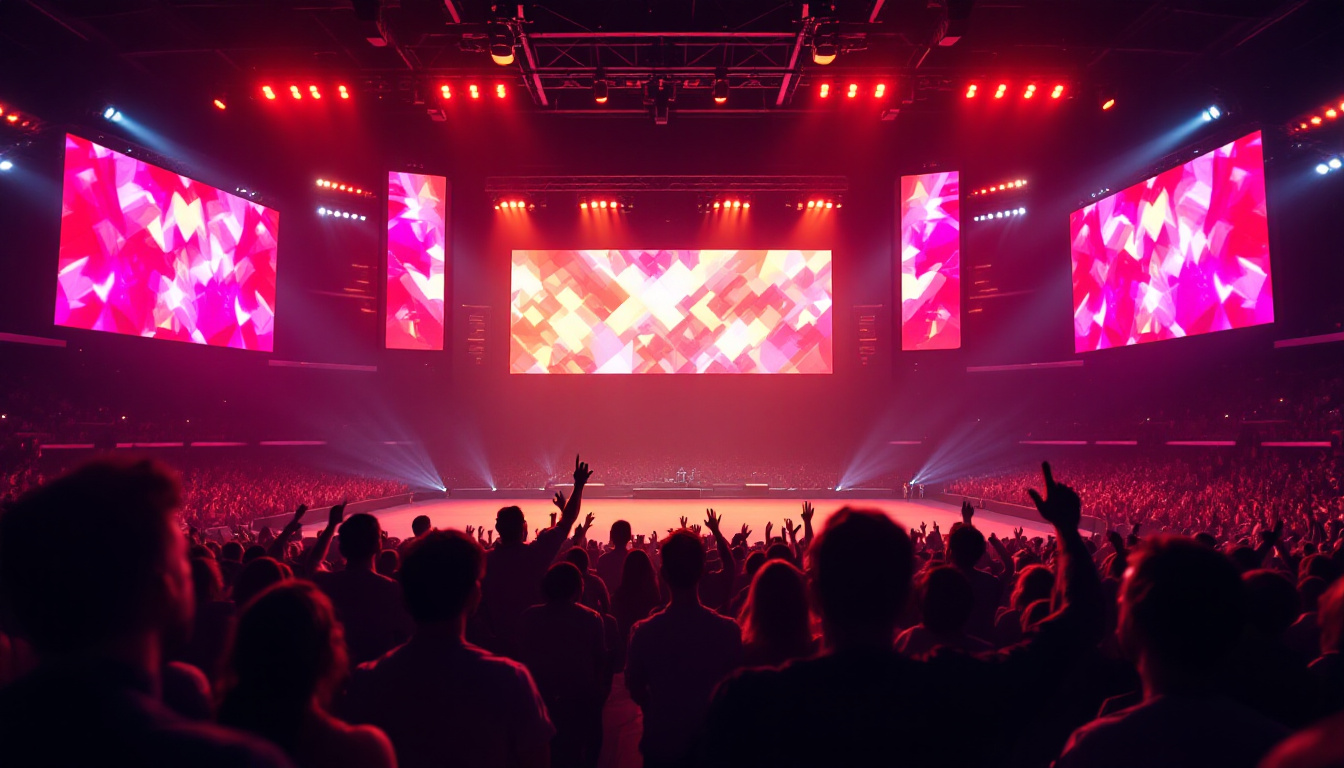
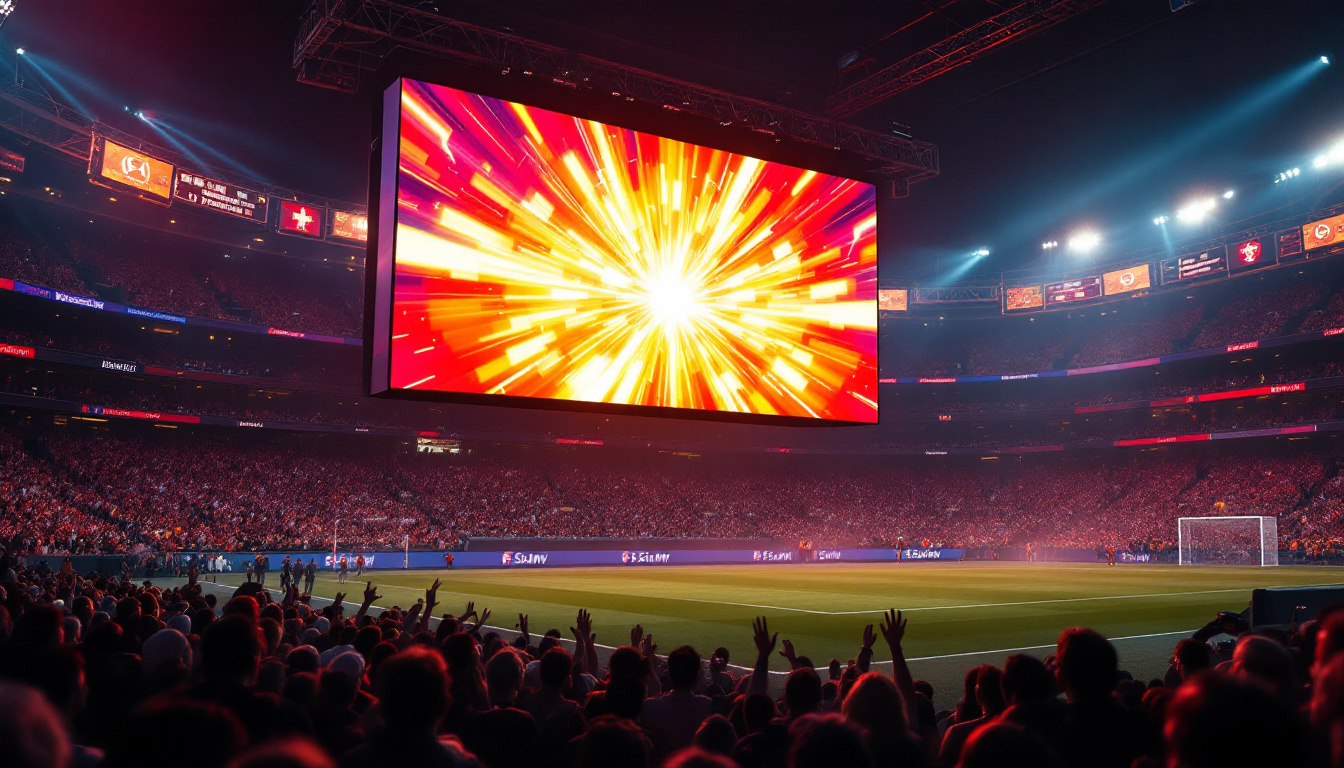
LED displays are a staple in stadiums and arenas, delivering live scores, instant replays, advertisements, and interactive content to large audiences. Their ability to cover vast areas with high visibility enhances the spectator experience and opens new revenue streams through advertising.
Corporate and Educational Environments
Companies and educational institutions use LED signage for internal communications, event announcements, and wayfinding. The dynamic nature of LED boards allows for engaging presentations and timely dissemination of important messages.
Considerations When Choosing an LED Signage Board
Viewing Distance and Location
Determining the appropriate pixel pitch and display size depends largely on the intended viewing distance. For example, a sign meant to be viewed from a highway at 100 meters requires a larger pixel pitch and higher brightness compared to one placed inside a retail store viewed from a few meters away.
Content Management System (CMS)
A robust CMS is vital for managing and scheduling content efficiently. Modern LED signage solutions often come with user-friendly software that supports multiple content formats, remote access, and analytics to measure audience engagement.
Budget and Total Cost of Ownership
While LED signage boards may have higher upfront costs than traditional signs, their durability, energy savings, and marketing impact often justify the investment. It is important to consider installation, maintenance, and software costs when budgeting for an LED signage project.
Compliance and Regulations
Some municipalities have regulations governing the brightness, size, and placement of electronic signage to prevent distractions or light pollution. Ensuring compliance with local laws is essential to avoid fines or forced removal.
The Future of LED Electronic Signage
Advancements in LED technology continue to push the boundaries of what electronic signage can achieve. MicroLEDs, which are smaller and more efficient than traditional LEDs, promise even higher resolution and energy savings. Integration with artificial intelligence and IoT (Internet of Things) enables signage to become interactive and context-aware, delivering personalized content based on audience demographics and behavior.
Moreover, sustainability is becoming a key focus, with manufacturers developing eco-friendly LED displays that use recyclable materials and consume less power. As cities evolve into smart urban environments, LED electronic signage boards will play an integral role in communication, advertising, and public safety.
Conclusion
Electronic signage boards featuring LED displays represent a powerful tool for communication in the modern era. Their brightness, versatility, and efficiency make them suitable for a wide range of applications, from advertising and retail to public information and entertainment. Understanding the technology behind LED displays, their benefits, and the factors to consider when selecting a signage solution can help businesses and organizations maximize their impact and engagement.
As LED technology continues to evolve, electronic signage boards will become even more dynamic, interactive, and sustainable, shaping the future of visual communication in both public and private sectors.
Discover LumenMatrix LED Display Solutions
Ready to elevate your visual communication strategy with the latest in LED display technology? LumenMatrix offers a comprehensive range of innovative solutions tailored to your needs. From Indoor and Outdoor LED Wall Displays to specialized options like Vehicle, Sports, and Floor LED Displays, our products are designed to captivate your audience and amplify your message. Experience the future of digital signage with our Custom, All-in-One, and Transparent LED Displays. Check out LumenMatrix LED Display Solutions today and transform the way you connect with your audience.