In today’s fast-evolving digital landscape, LED displays have become an integral part of communication, advertising, and entertainment. From towering billboards in urban centers to intricate digital signage in retail environments, LED technology shapes how information is presented and consumed. This article delves into the world of LED displays, exploring their technology, applications, benefits, and future trends, with a particular focus on the role of Ero Asme in advancing this dynamic field.
Understanding LED Display Technology
What is an LED Display?
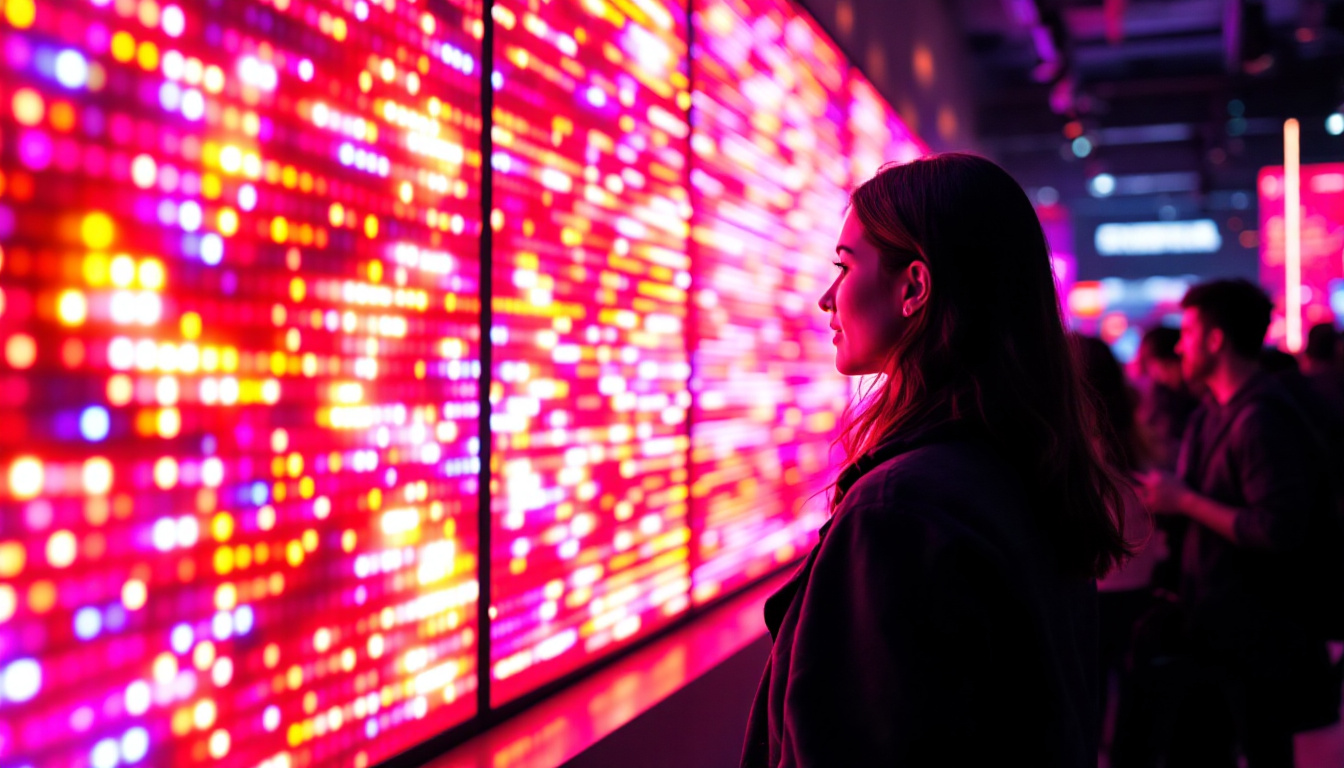
LED stands for Light Emitting Diode, a semiconductor device that emits light when an electric current passes through it. An LED display is a flat panel display that uses an array of LEDs as pixels to create images, videos, or text. Unlike traditional LCD or plasma screens, LED displays offer superior brightness, contrast, and energy efficiency, making them ideal for both indoor and outdoor use.
LED displays come in various forms, including single-color, dual-color, and full-color configurations. The most common type used in commercial applications is the full-color LED display, which combines red, green, and blue LEDs to produce a wide spectrum of colors through color mixing. This versatility allows for dynamic content that can be easily updated, making LED displays a popular choice for advertising, entertainment, and information dissemination in public spaces.
Furthermore, the longevity of LED technology contributes to its appeal. With a lifespan that can exceed 100,000 hours, LED displays require less frequent replacements compared to traditional display technologies. This durability not only reduces maintenance costs but also minimizes environmental impact, as fewer displays end up in landfills over time.
How Do LED Displays Work?
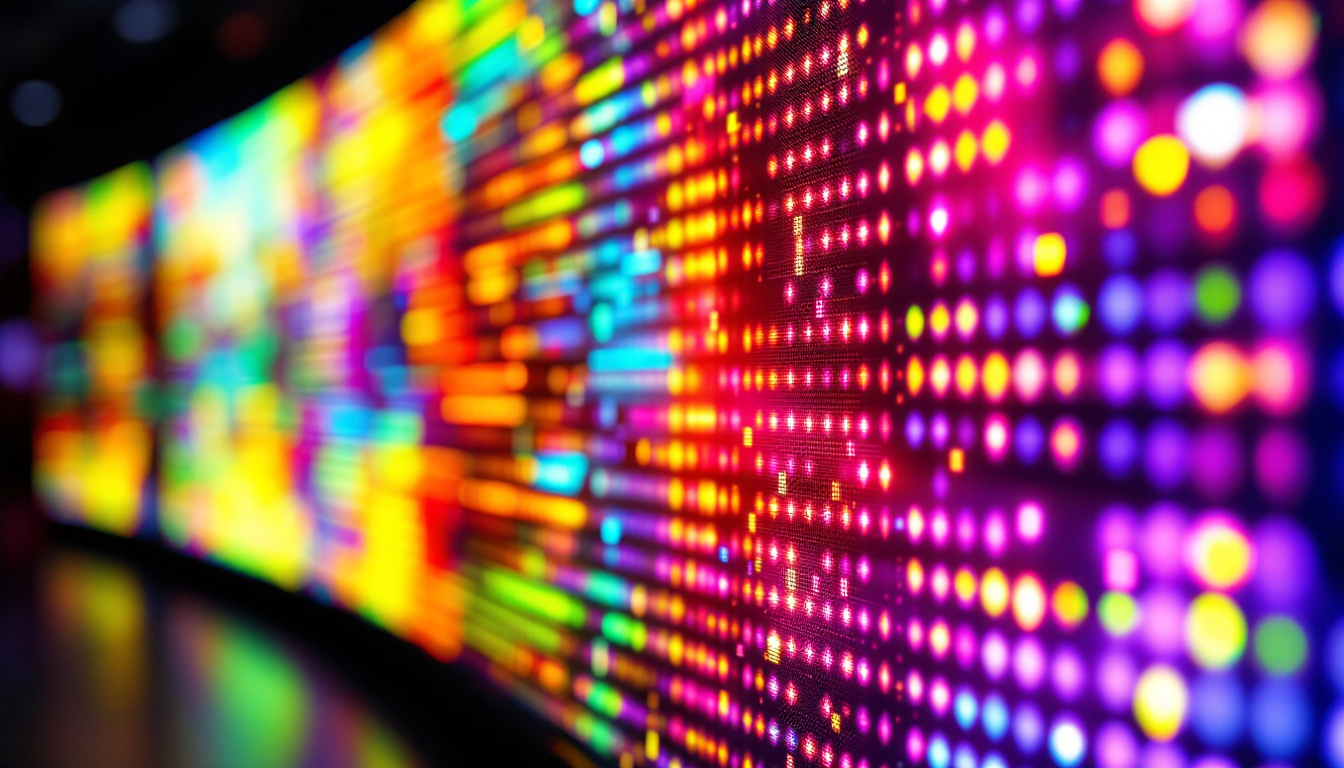
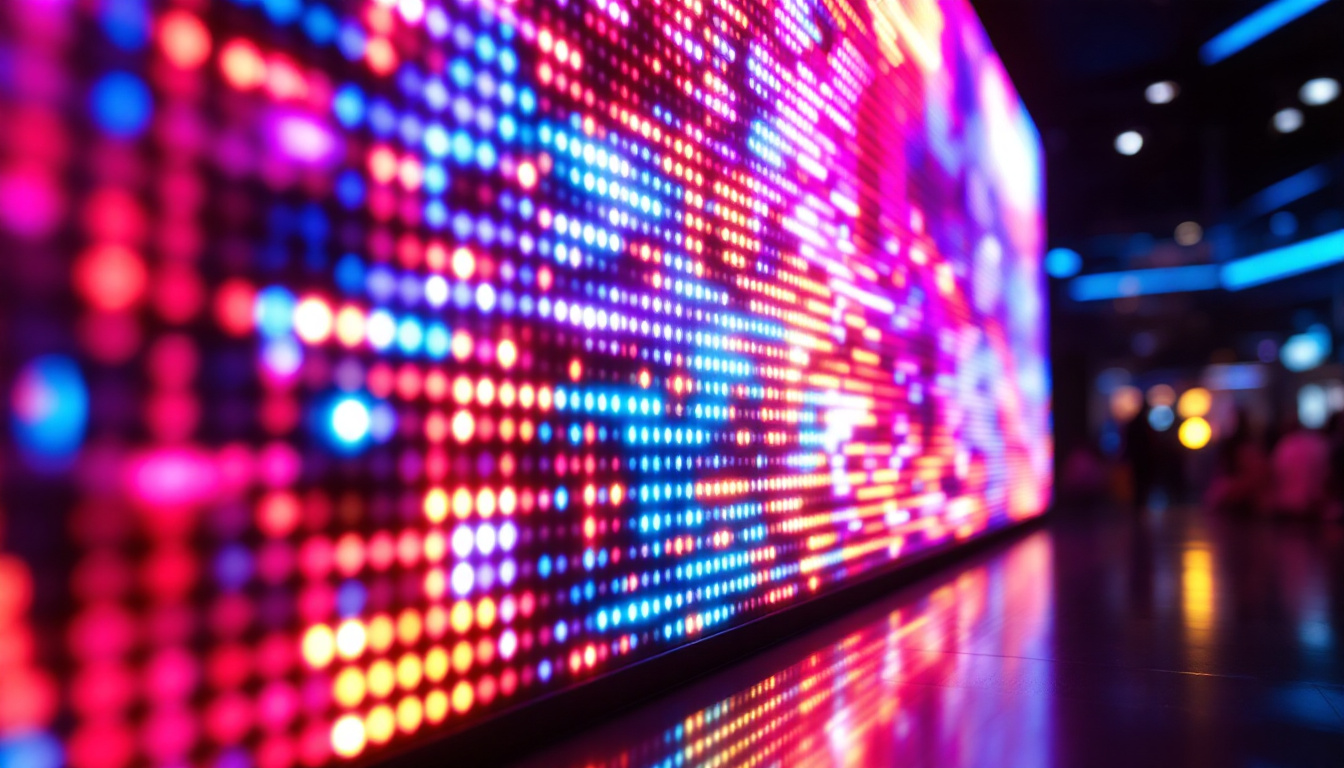
The fundamental principle behind LED displays is the control of individual LEDs to emit light at specific intensities and colors. Each pixel on the screen is made up of multiple LEDs, and by adjusting the brightness of each LED, the display can render detailed images and videos. This pixel-level control allows for impressive visual effects, such as smooth gradients and vibrant colors that can captivate an audience.
Modern LED displays often utilize surface-mount technology (SMT) to place LEDs on circuit boards with high precision. The displays are controlled by sophisticated driver ICs (integrated circuits) that manage the timing and intensity of each LED, ensuring smooth and vibrant visuals. Additionally, advanced calibration techniques help maintain color accuracy and uniform brightness across the entire display. These calibration processes can involve complex algorithms that adjust for variations in LED performance, ensuring that the final output remains consistent over time.
Moreover, the integration of smart technology into LED displays has opened up new possibilities. Features such as remote monitoring, automatic brightness adjustment based on ambient light, and even interactive capabilities are becoming standard. This not only enhances user experience but also allows for more engaging content that can respond to viewer interactions, making LED displays a powerful tool in modern communication.
Types of LED Displays
LED displays can be broadly categorized based on their pixel pitch, size, and application:
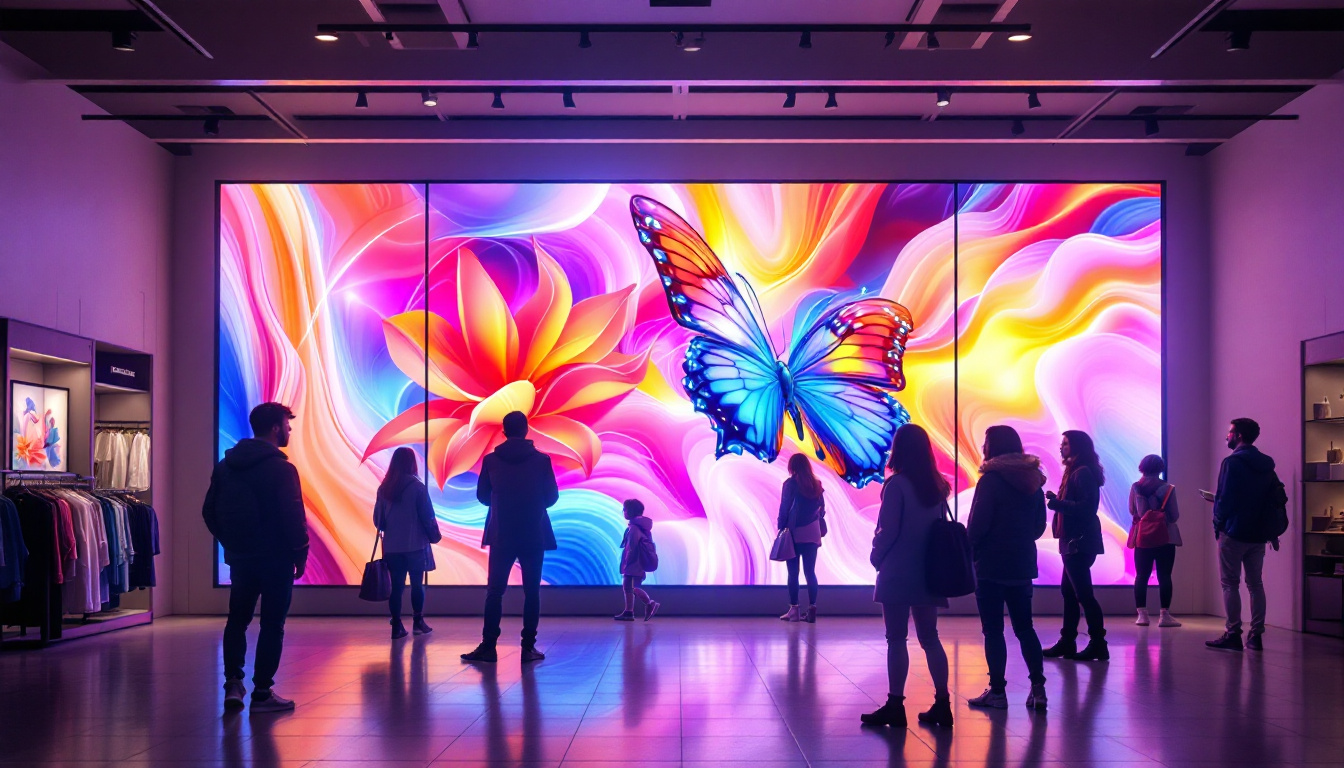
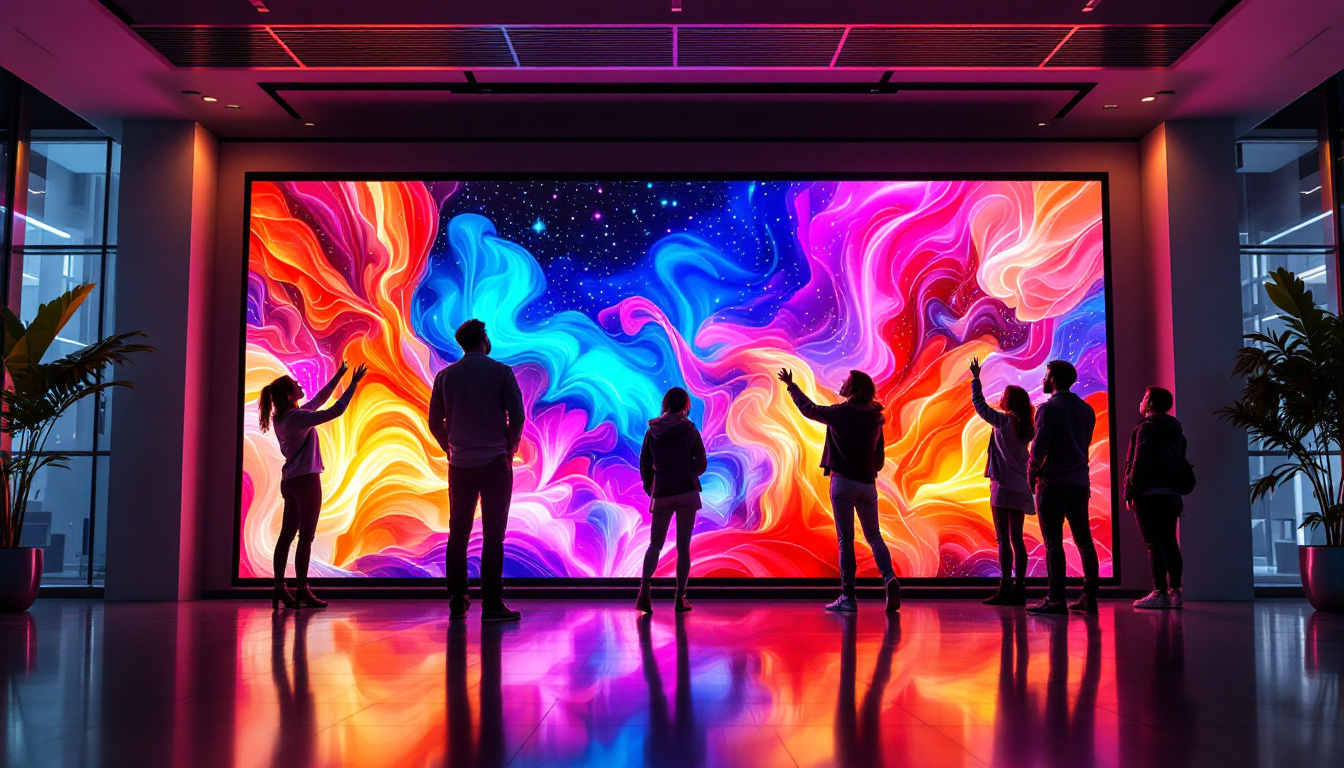
- Indoor LED Displays: Designed for close viewing distances, these displays have a small pixel pitch (typically 1.2mm to 4mm) to provide high resolution and clarity. They are commonly used in venues such as theaters, conference rooms, and retail environments where detailed visuals are essential.
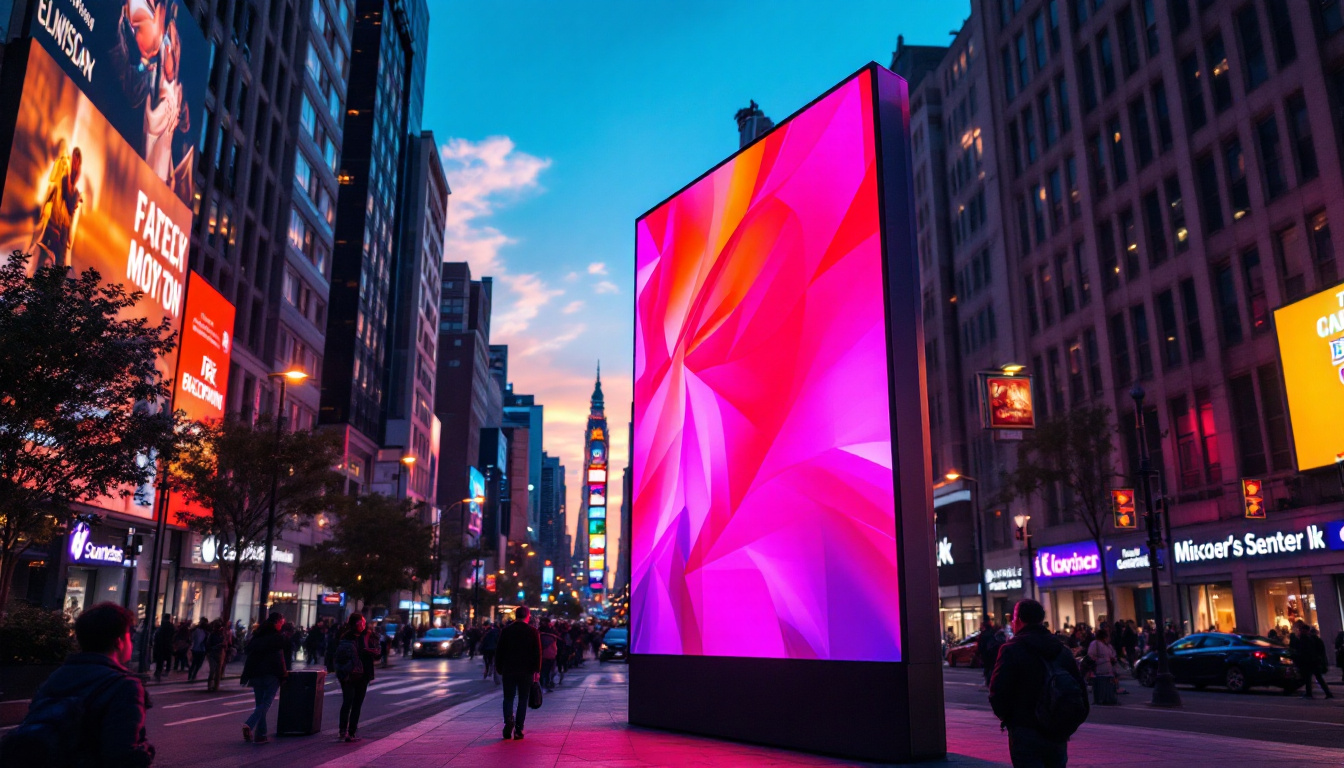
- Outdoor LED Displays: Built to withstand harsh weather conditions, these displays have larger pixel pitches (around 6mm to 20mm) and higher brightness levels to ensure visibility in direct sunlight. They are often found in stadiums, billboards, and transportation hubs, where they can reach a large audience.
- Flexible and Transparent LED Displays: Emerging technologies allow LED displays to be flexible or partially transparent, enabling creative installations on curved surfaces or glass walls. This innovation opens up new avenues for architectural design and advertising, allowing brands to integrate displays seamlessly into their environments.
- High-Definition and 4K LED Displays: With the demand for higher resolutions, many manufacturers are now producing high-definition and even 4K LED displays. These displays provide stunning detail and clarity, making them ideal for applications that require precise image reproduction, such as medical imaging or high-end video production.
The Role of Ero Asme in LED Display Innovation
Who is Ero Asme?
Ero Asme is a leading innovator and manufacturer in the LED display industry, known for pioneering advanced display solutions that combine cutting-edge technology with sustainable design principles. The company has established a reputation for delivering high-quality LED products tailored to diverse markets, including advertising, sports arenas, transportation hubs, and corporate environments.
With a strong focus on research and development, Ero Asme continuously pushes the boundaries of LED display capabilities, integrating smart features such as AI-driven content management, energy-efficient components, and modular designs that simplify installation and maintenance.
Innovations and Technologies Introduced by Ero Asme
Ero Asme’s portfolio includes several breakthrough technologies that have enhanced the performance and versatility of LED displays:
- Ultra-High Definition (UHD) LED Panels: Ero Asme has developed panels with pixel pitches as low as 0.9mm, enabling ultra-fine resolution suitable for close-up viewing in retail and broadcast environments.
- Adaptive Brightness Control: Their displays incorporate sensors that adjust brightness in real-time based on ambient light conditions, optimizing visibility while reducing energy consumption.
- Modular and Lightweight Designs: Ero Asme’s modular approach allows for scalable display sizes and easy maintenance, reducing downtime and installation costs.
- Eco-Friendly Materials and Manufacturing: The company emphasizes sustainability by using recyclable materials and minimizing hazardous substances in their production processes.
Case Studies: Ero Asme LED Displays in Action
Several high-profile projects showcase the impact of Ero Asme’s LED display technology:
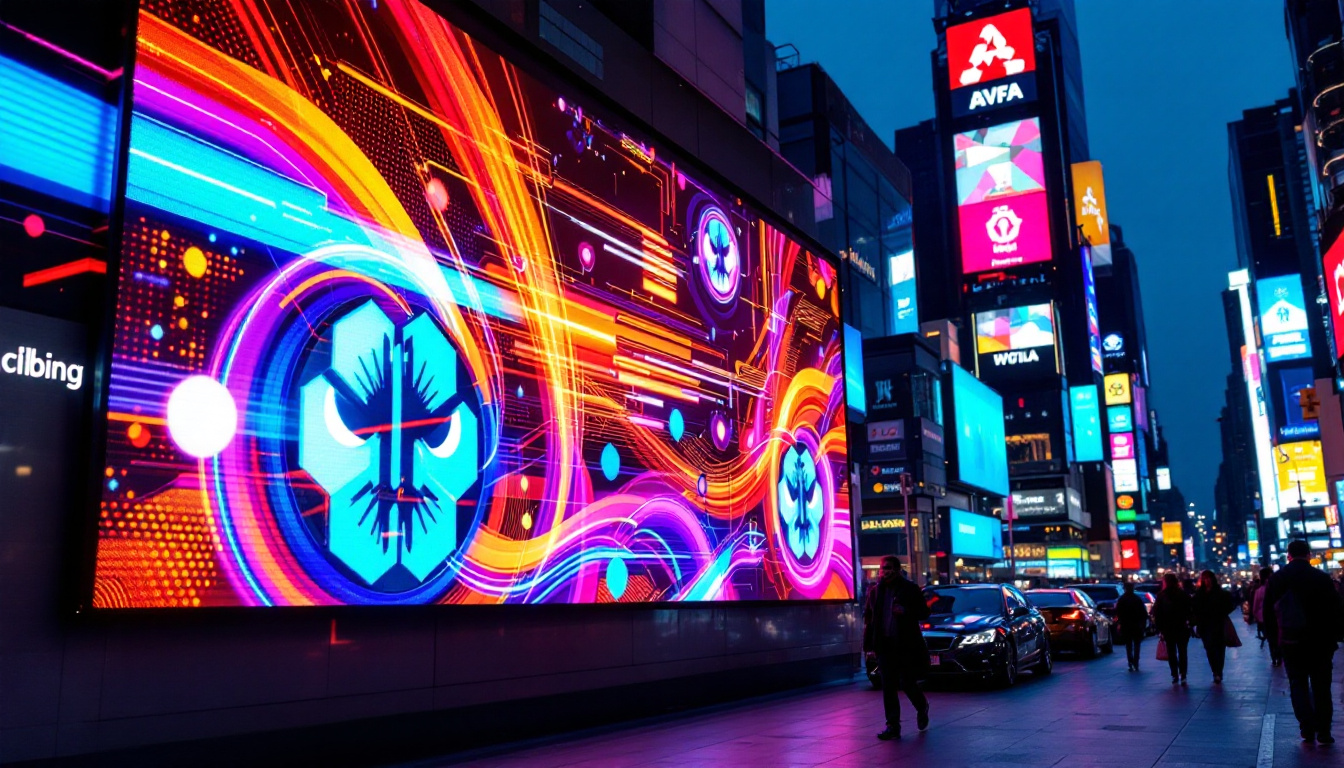
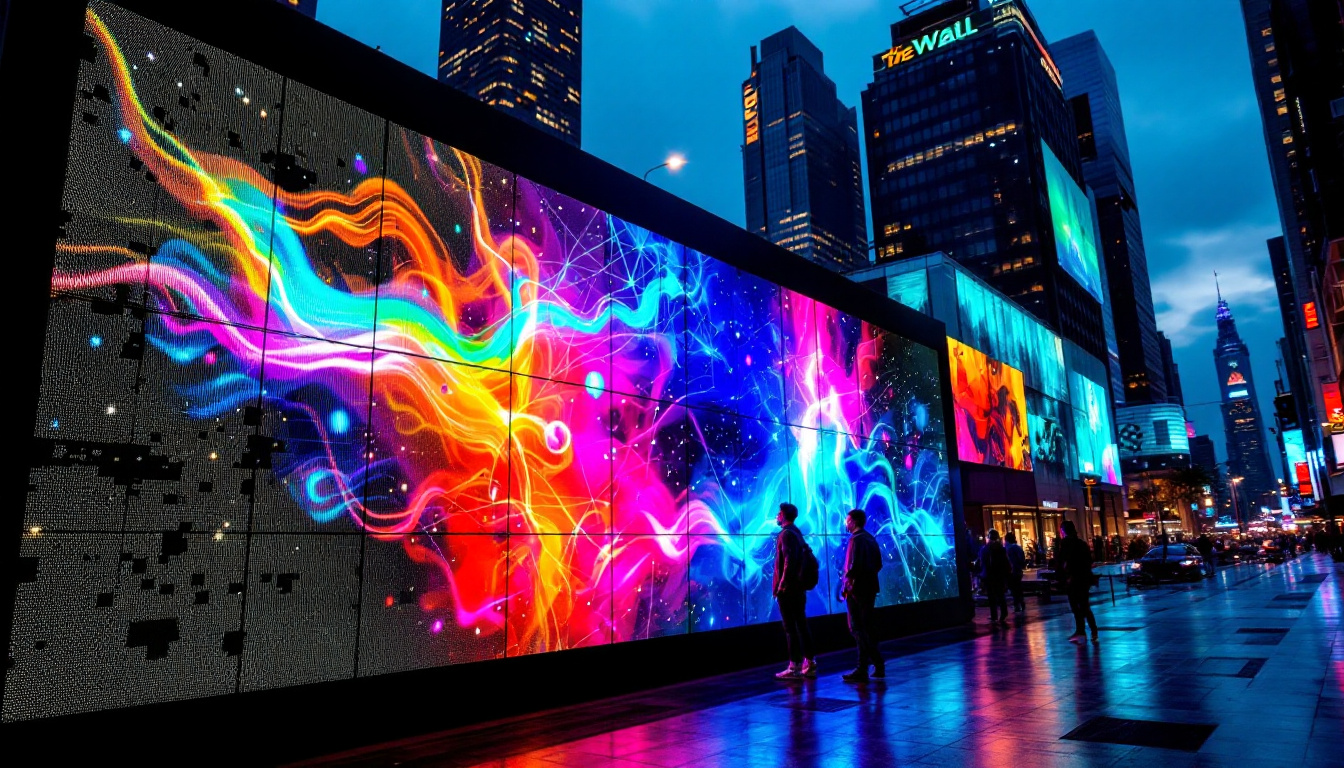
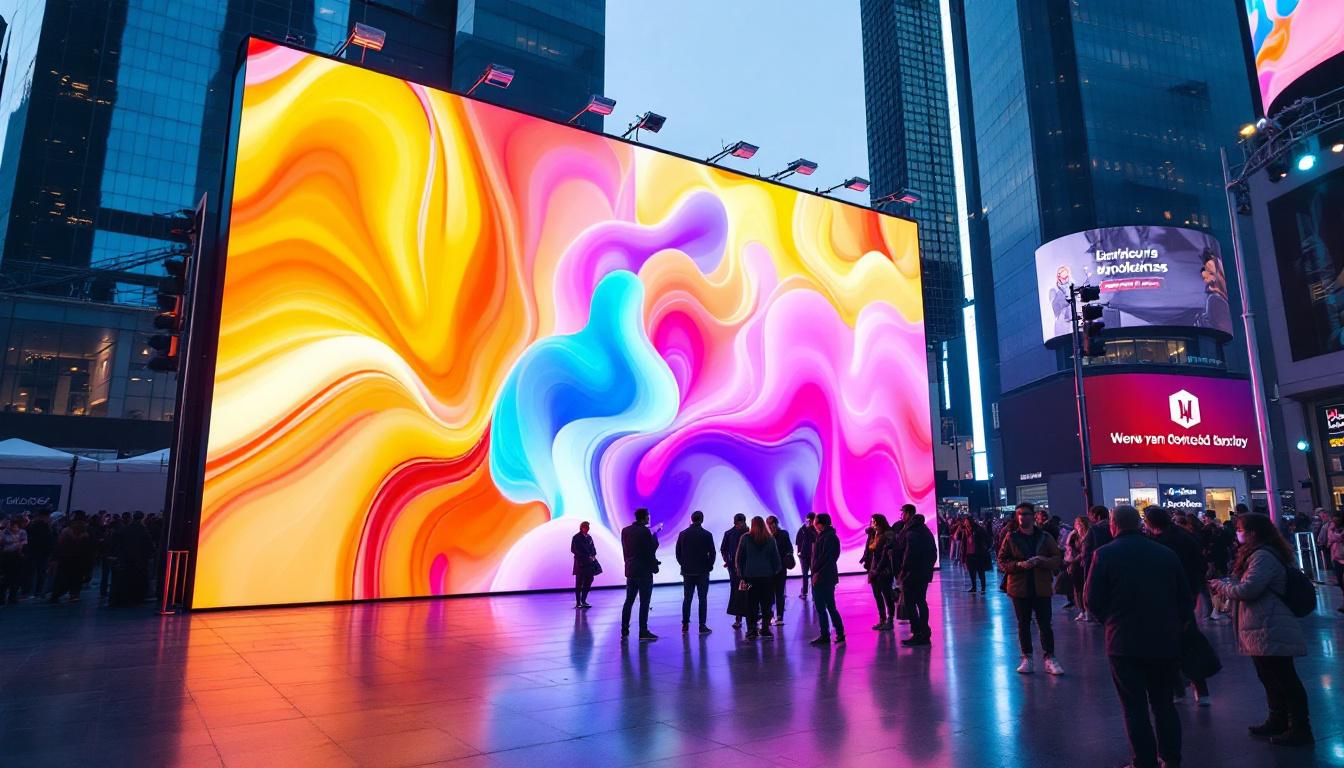
- Times Square Digital Billboard: Ero Asme supplied a massive 4K resolution LED billboard that delivers vibrant, eye-catching advertisements visible from hundreds of meters away, enhancing brand visibility for global companies.
- Smart Stadium Displays: Partnering with major sports venues, Ero Asme installed dynamic LED screens that provide real-time game statistics, replays, and interactive fan experiences, elevating spectator engagement.
- Airport Information Systems: Their weather-resistant LED displays are used in international airports to provide clear flight information and wayfinding assistance, improving passenger convenience and operational efficiency.
Applications and Benefits of LED Displays
Advertising and Marketing
LED displays have revolutionized outdoor advertising by offering dynamic, high-impact visuals that capture attention more effectively than static billboards. Their ability to display videos, animations, and real-time content updates allows marketers to tailor messages to specific audiences and time slots, increasing engagement and conversion rates.
According to a 2023 report by the Digital Signage Federation, LED digital signage can increase customer engagement by up to 30% compared to traditional signage. This statistic underscores the growing preference for LED displays in retail and public spaces.
Entertainment and Events
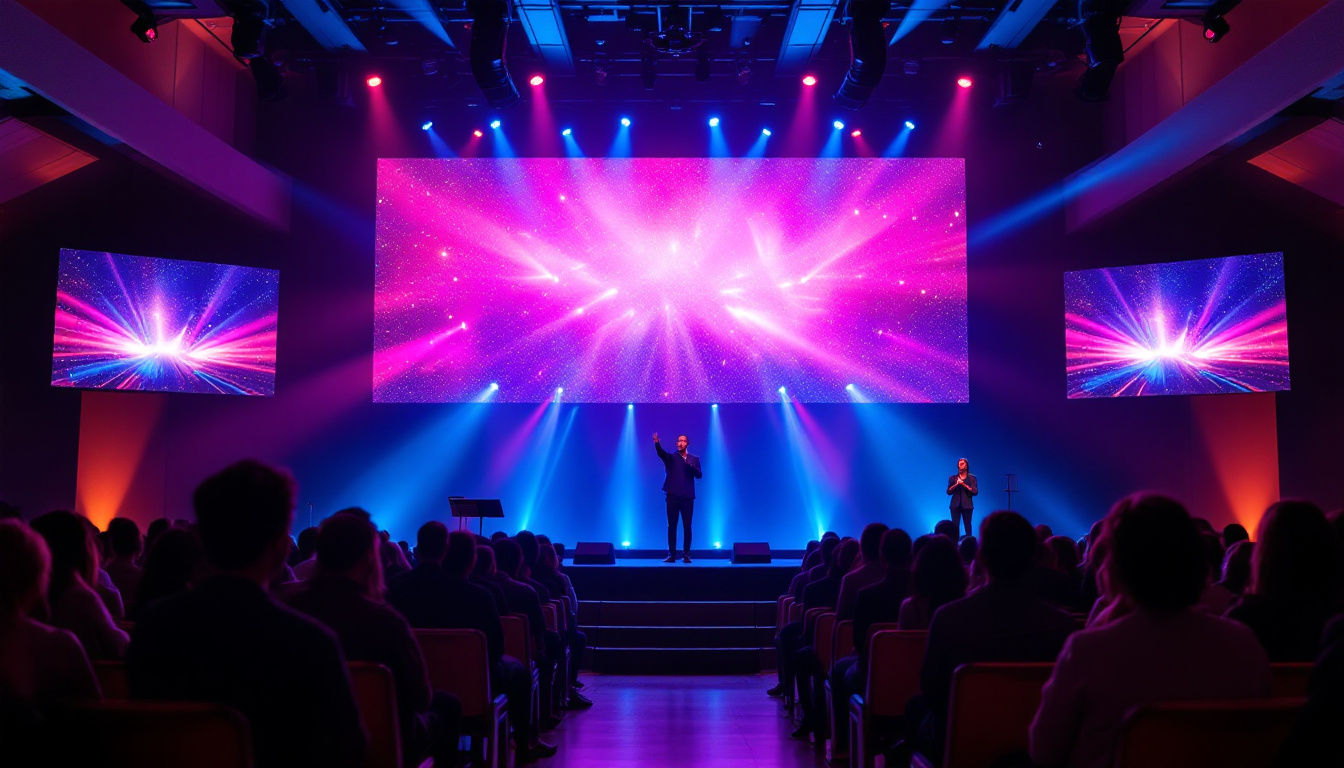
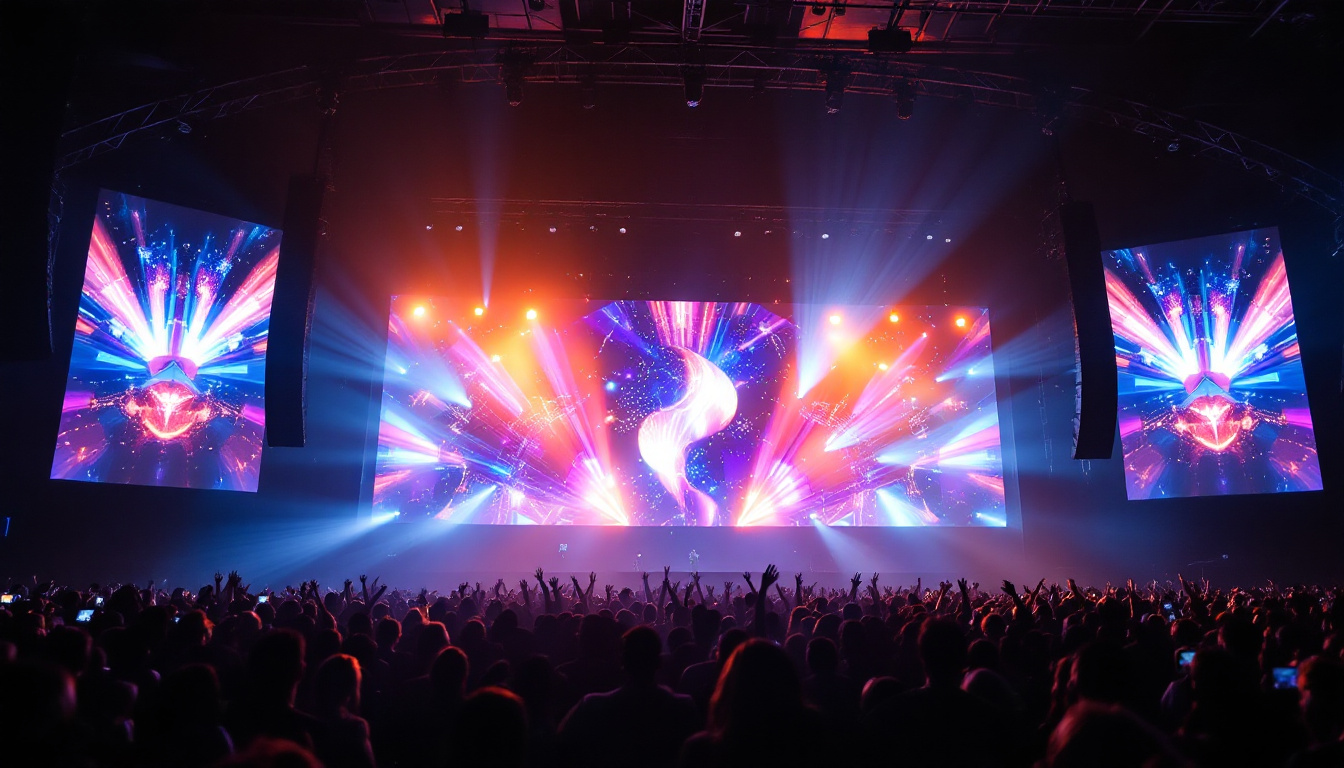
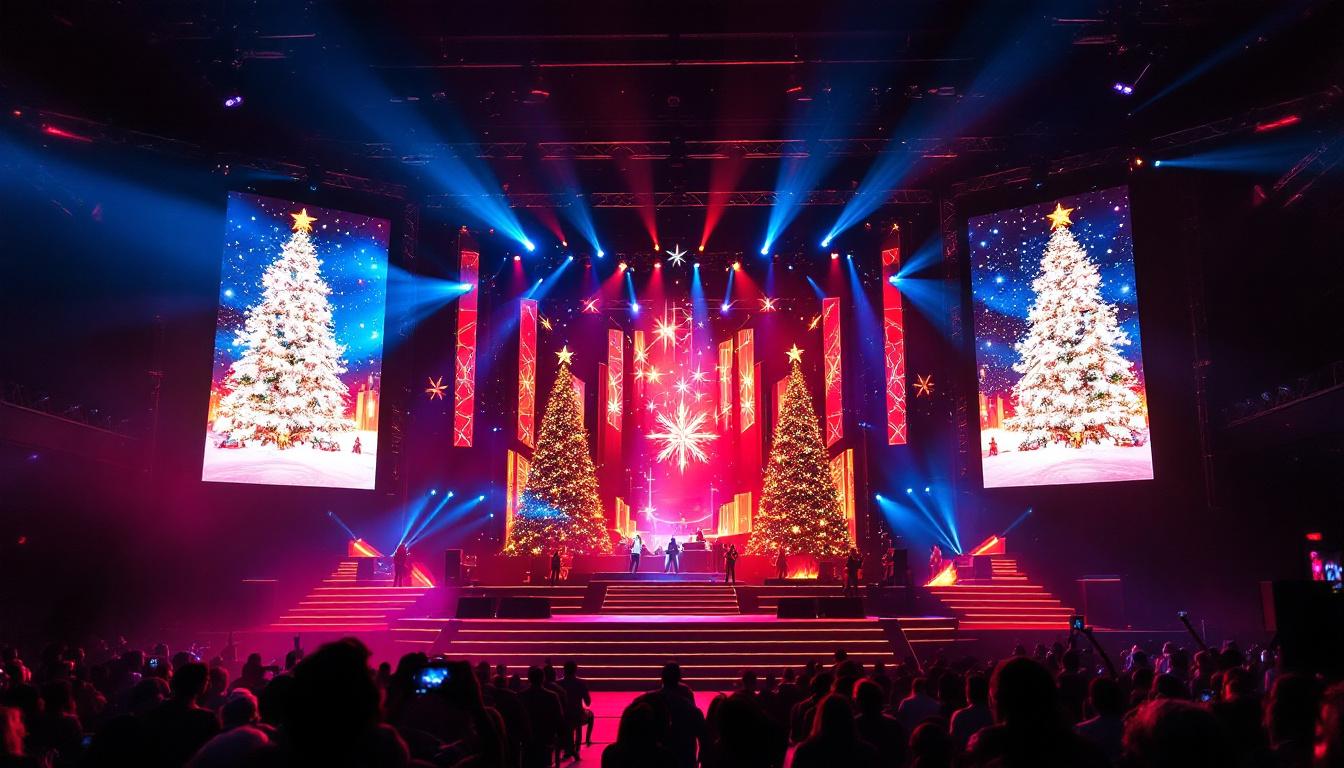
In concerts, festivals, and sporting events, LED displays create immersive experiences by projecting live feeds, special effects, and interactive content. Their scalability means they can cover entire stadium walls or serve as portable screens for temporary setups.
Furthermore, LED video walls enhance broadcast quality by providing crisp visuals that can be captured on camera without flicker or distortion, a critical factor for live television production.
Corporate and Educational Use
LED displays are increasingly used in corporate settings for presentations, video conferencing, and digital signage. Their clarity and brightness improve communication in large meeting rooms and auditoriums. Educational institutions also benefit from LED technology by integrating interactive displays that facilitate engaging learning experiences.
Transportation and Public Information
From bus stops to train stations and airports, LED displays provide real-time updates on schedules, delays, and safety information. Their high visibility and reliability ensure that critical information reaches commuters promptly, enhancing overall transit efficiency.
Advantages of LED Displays Over Other Technologies
Superior Brightness and Visibility
LED displays can achieve brightness levels exceeding 5,000 nits, significantly higher than LCD screens, which typically max out around 1,000 nits. This makes LEDs highly visible even in direct sunlight, a crucial advantage for outdoor applications.
Energy Efficiency and Longevity
LEDs consume less power than traditional display technologies, contributing to lower operational costs and reduced environmental impact. Additionally, LED displays have a long lifespan, often exceeding 100,000 hours of use, which translates to years of reliable performance with minimal maintenance.
Flexibility and Customization
The modular nature of LED displays allows for custom sizes and shapes, enabling creative installations that were previously impossible. This flexibility supports innovative architectural designs and unique advertising formats.
Enhanced Color Accuracy and Contrast
With precise control over individual pixels, LED displays deliver vibrant colors and deep blacks, enhancing image quality. This capability is particularly important for applications requiring high visual fidelity, such as digital art exhibitions and broadcast studios.
Challenges and Considerations in LED Display Deployment
Initial Investment and Cost Factors
While LED displays offer long-term benefits, their upfront costs can be substantial, especially for high-resolution or large-scale installations. Budget planning should consider not only the purchase price but also installation, calibration, and potential upgrades.
Maintenance and Technical Support
Proper maintenance is essential to preserve display quality and functionality. This includes regular cleaning, software updates, and timely repairs of any faulty modules. Partnering with reputable manufacturers like Ero Asme ensures access to reliable technical support and warranty services.
Environmental and Regulatory Compliance
Deploying LED displays in public spaces often requires adherence to local regulations concerning brightness levels, light pollution, and safety standards. Understanding and complying with these rules is critical to avoid legal issues and community complaints.
The Future of LED Displays
Emerging Trends
Advancements in micro-LED and mini-LED technologies promise even higher resolutions, improved energy efficiency, and thinner form factors. These innovations are expected to drive the next generation of displays for consumer electronics, automotive dashboards, and wearable devices.
Integration with artificial intelligence and Internet of Things (IoT) platforms is another exciting frontier. Smart LED displays can adapt content dynamically based on audience demographics, environmental conditions, or user interactions, creating personalized and context-aware experiences.
Sustainability and Environmental Impact
As sustainability becomes a global priority, manufacturers like Ero Asme are focusing on eco-friendly materials, energy-saving designs, and recycling programs. The goal is to reduce the carbon footprint of LED displays throughout their lifecycle, from production to disposal.
Expanding Applications
Beyond traditional advertising and entertainment, LED displays are finding new roles in healthcare for patient monitoring, in agriculture for controlled environment farming, and in urban planning for smart city initiatives. These diverse applications highlight the versatility and transformative potential of LED technology.
Conclusion
LED displays represent a cornerstone of modern visual communication, offering unparalleled brightness, flexibility, and efficiency. Companies like Ero Asme are at the forefront of this technology, driving innovation that meets the evolving demands of various industries. Whether for advertising, entertainment, corporate communication, or public information, understanding the capabilities and considerations of LED displays is essential for making informed decisions about their deployment.
As LED technology continues to advance, embracing these developments will unlock new opportunities for engagement, creativity, and sustainability in digital display solutions.
Discover LumenMatrix LED Display Solutions
As you consider the vast potential and innovative applications of LED displays outlined in this article, LumenMatrix stands ready to illuminate your path forward. Our commitment to excellence in LED display technology ensures that your message shines brightly, whether through an Indoor LED Wall Display, a vibrant Outdoor LED Wall Display, or any of our other versatile solutions. Embrace the future of visual communication with LumenMatrix and experience how our LED display modules can transform your space and captivate your audience. Check out LumenMatrix LED Display Solutions today and take the first step towards an unforgettable visual experience.