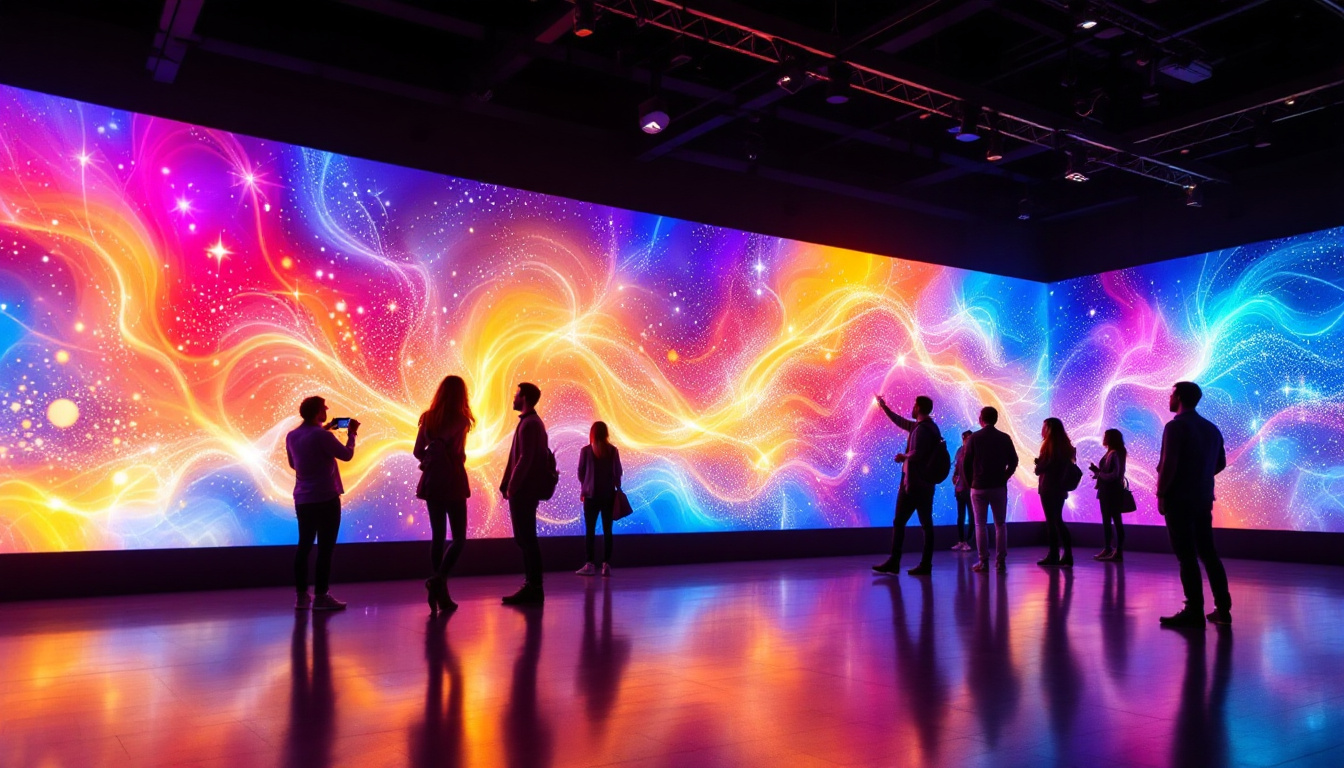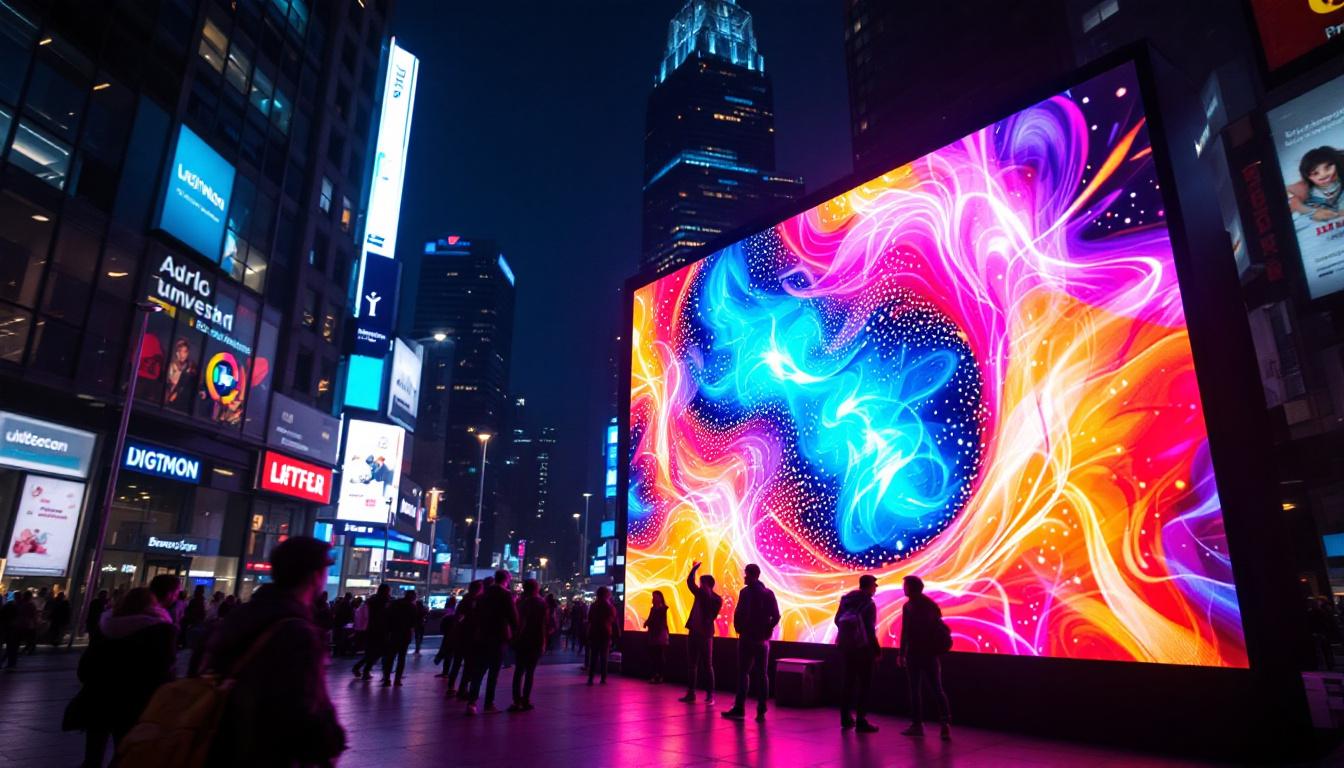
In today’s digital era, LED displays have become a cornerstone technology for advertising, entertainment, and information dissemination. From massive outdoor billboards to indoor video walls in corporate lobbies, LED displays offer unmatched brightness, versatility, and visual impact. This article delves into the fundamentals of LED displays, exploring their technology, applications, advantages, and the future trends shaping this dynamic industry.
Understanding LED Display Technology
At its core, an LED display is a flat panel that uses light-emitting diodes (LEDs) as pixels to create images and videos. Unlike traditional LCD or plasma screens, LED displays produce their own light, which results in higher brightness and better contrast ratios. This self-illumination makes LED displays particularly effective in environments with high ambient light, such as outdoor settings. The technology has evolved significantly over the years, leading to displays that not only enhance visibility but also contribute to energy efficiency, making them a popular choice for both commercial and residential applications.
How LEDs Work in Displays
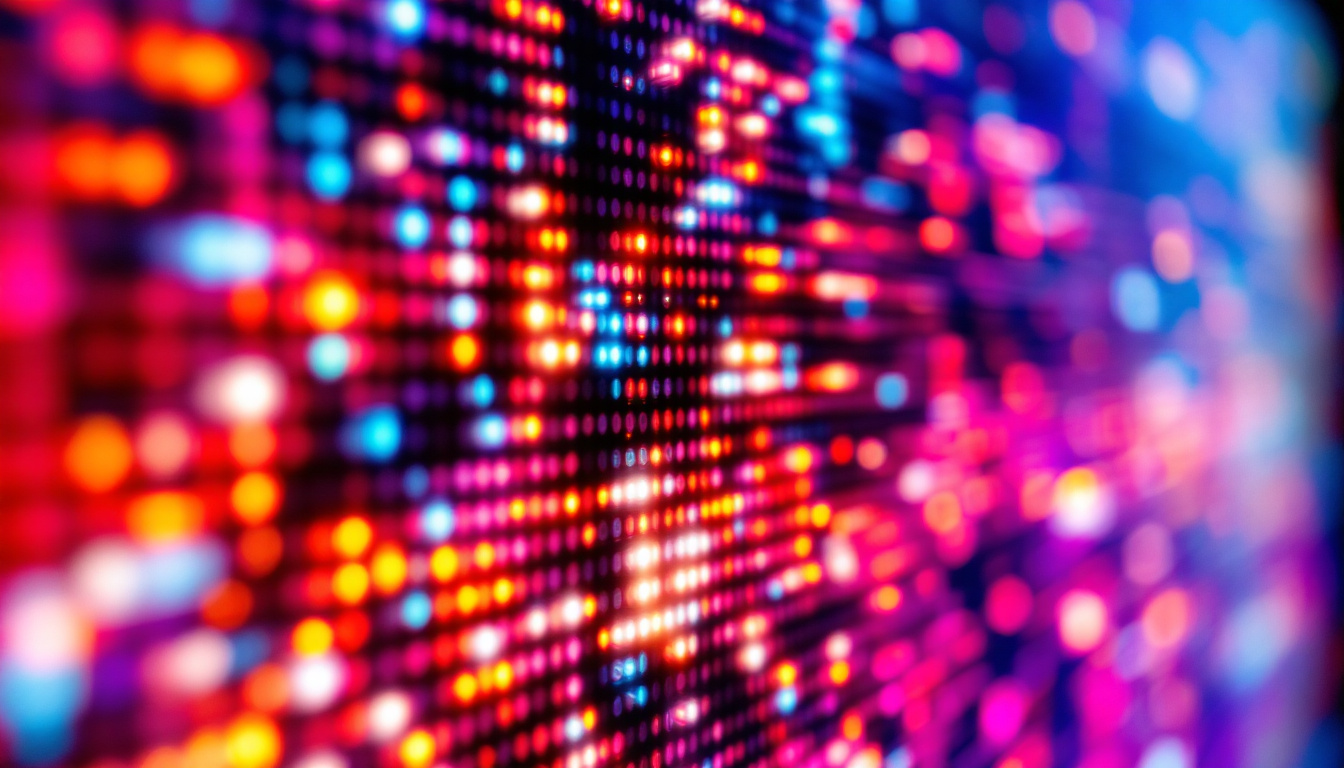
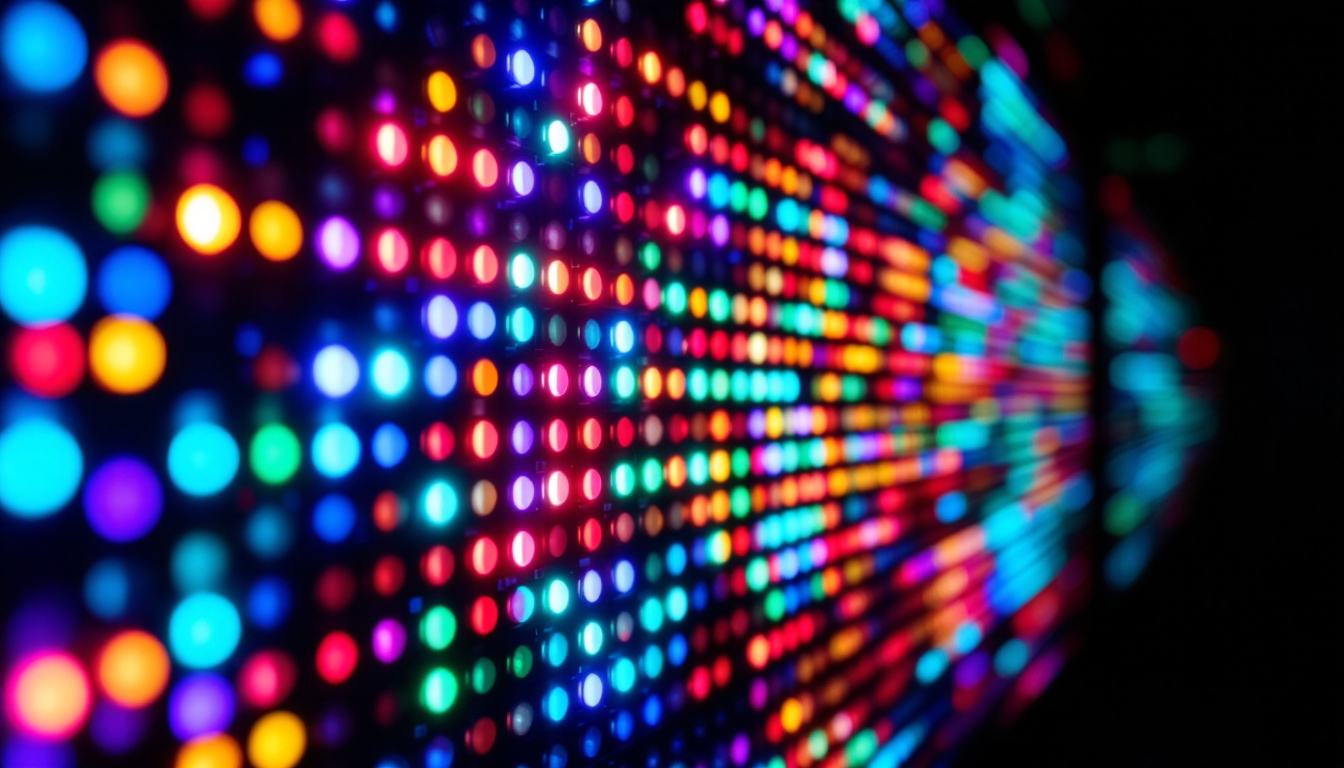
LEDs are semiconductor devices that emit light when an electric current passes through them. In LED displays, thousands or even millions of these tiny diodes are arranged in a grid pattern. Each LED can emit red, green, or blue light, and by varying the intensity of these three colors, the display can produce a full spectrum of colors. The ability to mix colors at the pixel level allows for a wide range of hues and shades, enabling the display to render images with remarkable fidelity.
The smallest unit of an LED display is called a pixel, typically composed of three LEDs (one red, one green, and one blue). By controlling the brightness of each LED within a pixel, the display can render detailed images and smooth video content. The precision and speed of this control allow LED displays to achieve vibrant colors and sharp images, even at close viewing distances. Additionally, advancements in technology have led to the development of high dynamic range (HDR) capabilities in LED displays, which further enhances the viewing experience by providing deeper blacks and brighter whites, thus allowing for more lifelike imagery.
Types of LED Displays
LED displays come in various forms, primarily categorized by their pixel pitch—the distance between the centers of two adjacent pixels. Pixel pitch determines the resolution and optimal viewing distance of the display:
- Indoor LED Displays: These have a small pixel pitch (usually between 1mm and 4mm), offering high resolution suited for close-range viewing. They are commonly used in retail stores, conference rooms, and indoor arenas. The clarity and detail provided by these displays make them ideal for showcasing products and presentations, ensuring that every detail is visible to the audience.
- Outdoor LED Displays: Featuring larger pixel pitches (often 6mm to 20mm or more), these displays are designed for viewing from greater distances. They are weather-resistant and built to withstand harsh environmental conditions, making them perfect for billboards, sports stadiums, and public events. Many outdoor displays also incorporate advanced cooling systems and protective coatings to ensure longevity and performance in varying weather conditions.
- Flexible and Transparent LED Displays: Innovations have led to flexible LED panels that can curve around surfaces, and transparent LED screens that allow light to pass through, ideal for creative architectural applications. These displays open up new possibilities for designers and advertisers, allowing for unique installations that blend technology with aesthetics. For instance, flexible displays can be used in retail environments to create dynamic, eye-catching displays that can adapt to different shapes and sizes.
Applications of LED Displays
LED displays have revolutionized how businesses and organizations communicate visually. Their adaptability and impact make them suitable for a wide range of applications.
Advertising and Digital Signage
One of the most prevalent uses of LED displays is in outdoor advertising. Digital billboards powered by LEDs offer dynamic content that can be updated remotely and frequently, unlike static printed signs. This flexibility enables advertisers to tailor messages based on time of day, audience demographics, or special events.
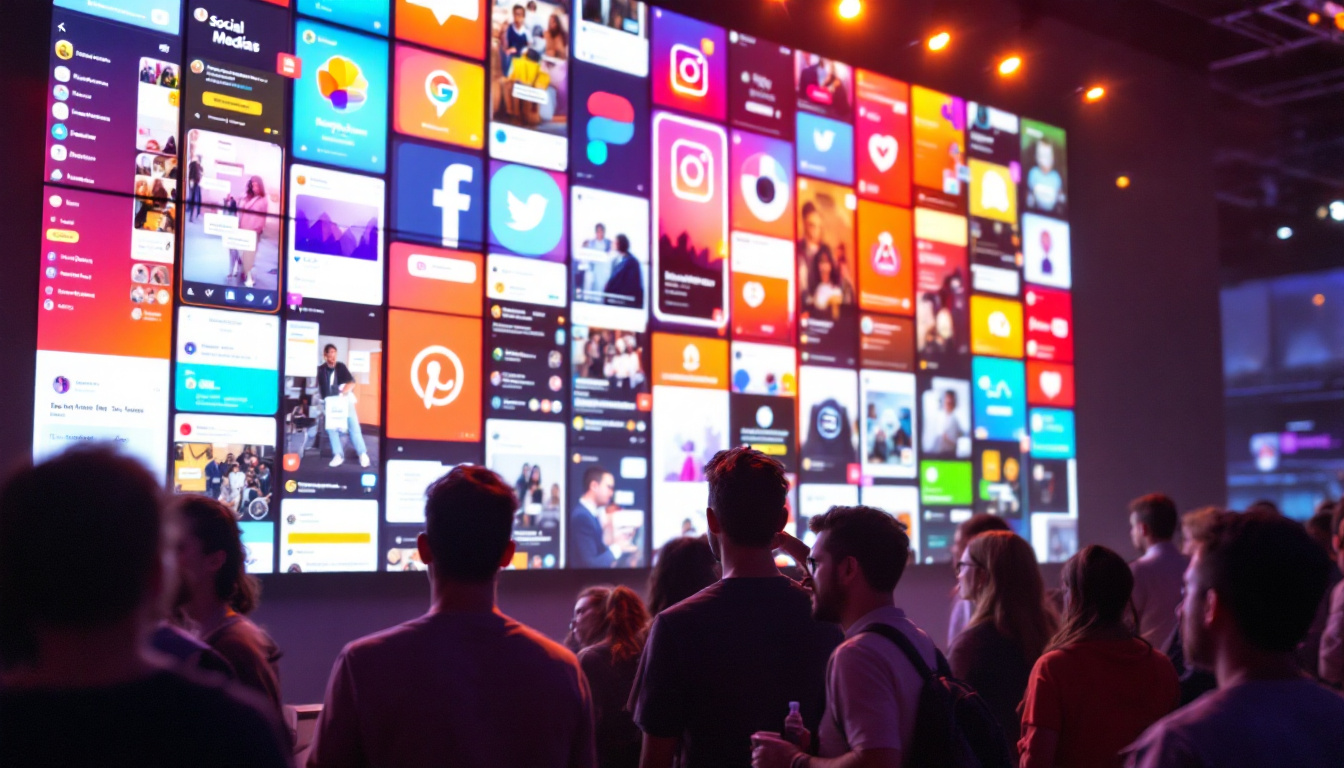
According to a report by Grand View Research, the global digital signage market is expected to reach $32.84 billion by 2028, growing at a CAGR of 7.5% from 2021. LED displays are a significant driver of this growth, thanks to their brightness, energy efficiency, and longevity. Furthermore, the ability to integrate social media feeds and real-time data into these displays allows brands to engage with their audience in innovative ways, creating a more interactive advertising experience.
Entertainment and Events
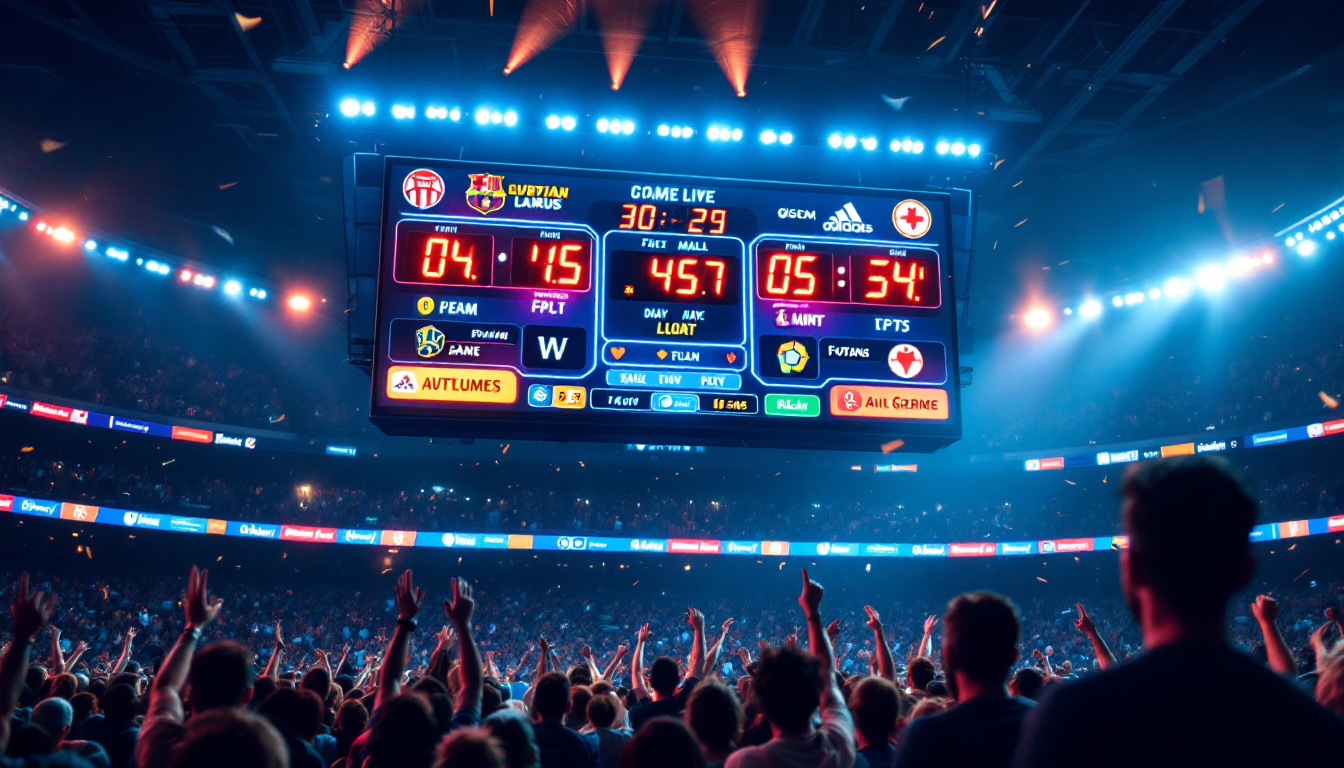
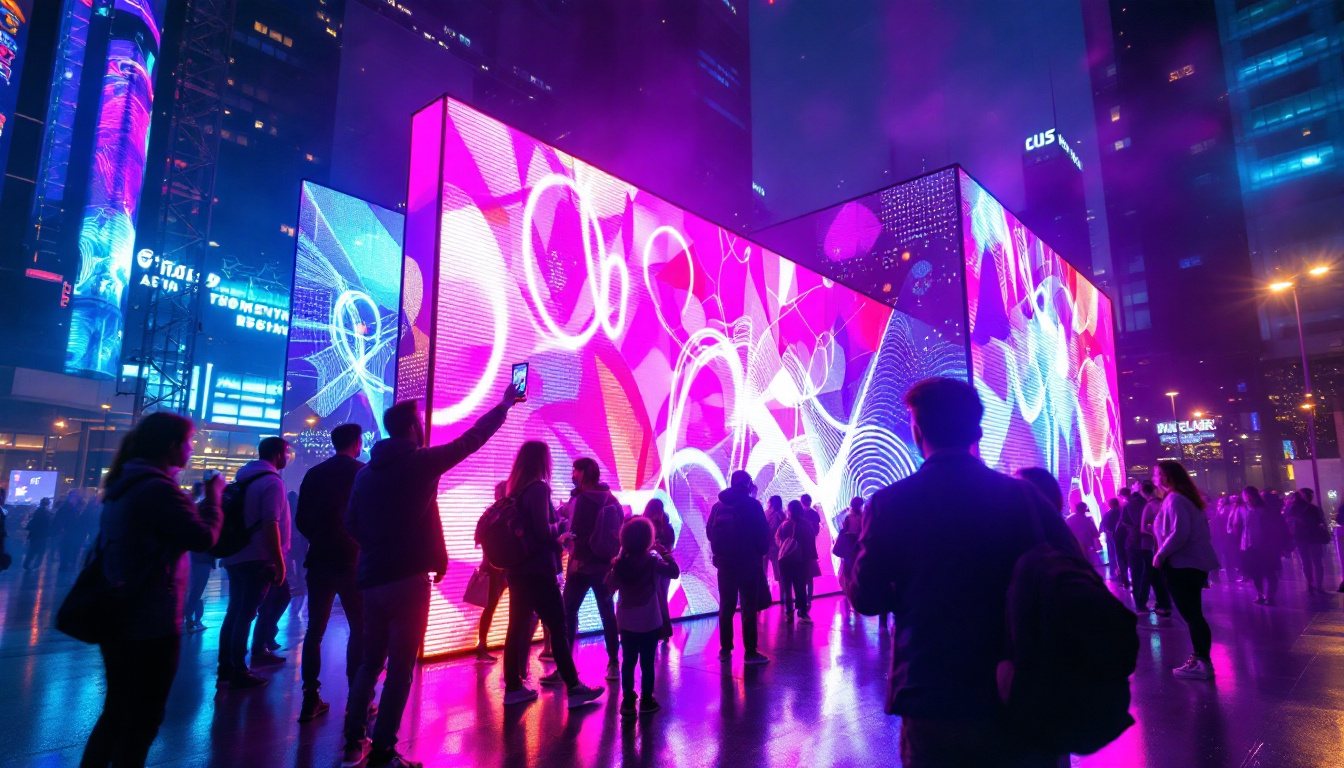
Concerts, sports arenas, and festivals rely heavily on LED displays to enhance the audience experience. Large-scale LED video walls provide clear visuals and live feeds, even in vast venues. The ability to display high-definition video content, animations, and real-time data makes LED displays indispensable in event production.
For example, the iconic Times Square in New York City features some of the largest and most advanced LED screens globally, captivating millions of visitors daily with vibrant advertisements and interactive content. These displays not only serve as a canvas for commercial messages but also contribute to the cultural fabric of the area, hosting art installations and public service announcements that resonate with the community.
Corporate and Control Rooms
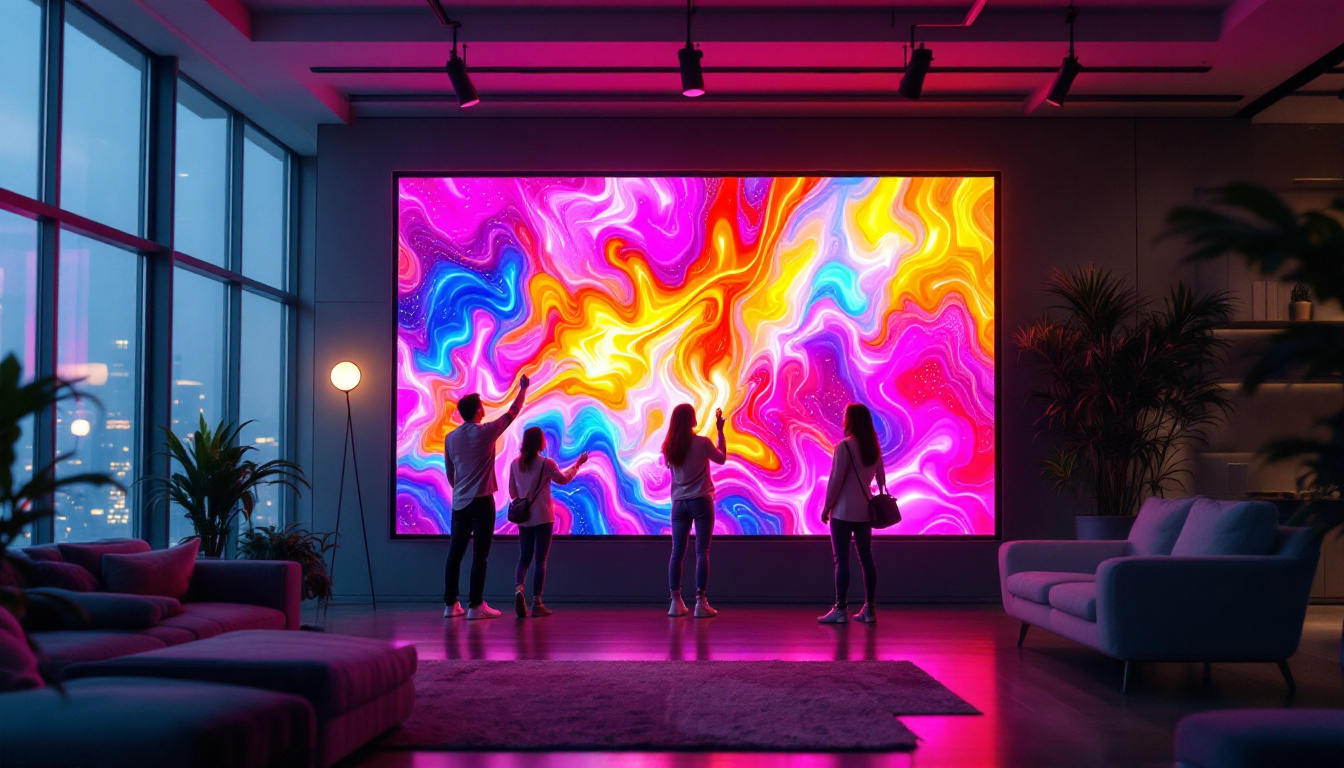
In corporate settings, LED video walls serve as powerful tools for presentations, video conferencing, and branding. Control rooms in industries like transportation, utilities, and emergency services use LED displays for monitoring critical data in real-time, enabling quick decision-making and response. The clarity and size of these displays allow teams to visualize complex data sets and coordinate effectively, ensuring that all stakeholders are informed and engaged.
Moreover, the integration of advanced software solutions with LED technology enhances the functionality of these displays, allowing for seamless data sharing and collaboration across departments. This capability is particularly beneficial in high-stakes environments, where every second counts and accurate information is crucial for operational success.
Retail and Hospitality
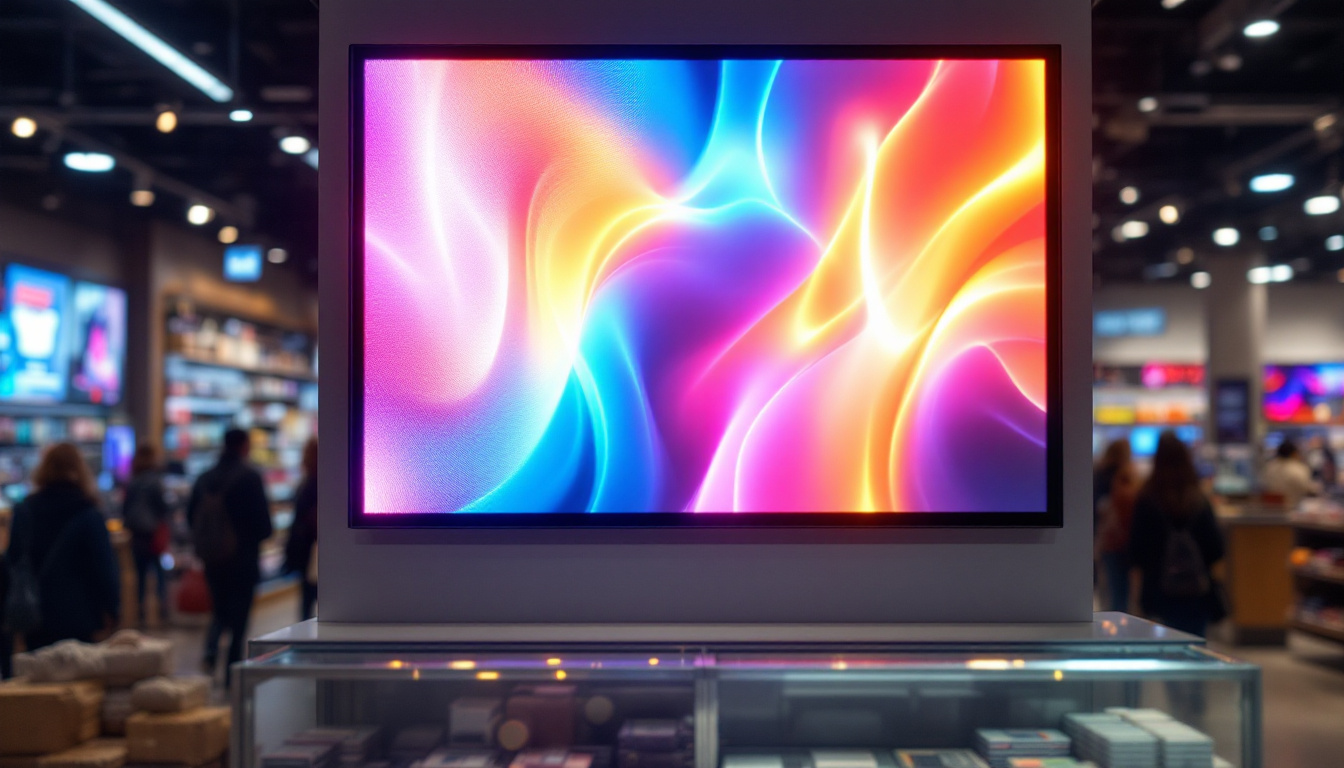
Retailers use LED displays to attract customers and enhance the shopping experience. Dynamic window displays and in-store video walls can showcase promotions, product information, and immersive content. Similarly, hotels and casinos employ LED screens for wayfinding, entertainment, and advertising within their premises.
In addition to traditional advertising, retailers are increasingly using LED technology to create immersive experiences that engage customers on a deeper level. Interactive displays that respond to customer movements or touch can provide personalized recommendations, while augmented reality features can allow shoppers to visualize products in their own environments. This innovative approach not only drives sales but also fosters brand loyalty by creating memorable shopping experiences that resonate with consumers long after they leave the store.
Advantages of LED Displays Over Other Technologies
LED displays offer several benefits that make them the preferred choice for many applications compared to LCD, plasma, or projection-based systems.
Brightness and Visibility
LED displays can achieve brightness levels exceeding 5,000 nits, far surpassing typical LCD screens. This high brightness ensures visibility even under direct sunlight, a crucial factor for outdoor advertising and public information displays.
Energy Efficiency and Longevity
LEDs consume less power than many other display technologies, reducing operational costs and environmental impact. Additionally, LED displays have a long lifespan, often rated for 50,000 to 100,000 hours of use, which translates to years of reliable performance with minimal maintenance.
Color Accuracy and Contrast
Because LEDs emit light directly, they provide superior contrast ratios and more vivid colors. This capability enhances the visual appeal and effectiveness of the displayed content, making images and videos more engaging and easier to interpret.
Scalability and Customization
LED displays are modular, allowing for large-scale installations that can be customized to fit various shapes and sizes. This flexibility supports creative architectural designs and large-format displays that would be difficult or impossible to achieve with other technologies.
Key Considerations When Choosing an LED Display
Selecting the right LED display involves evaluating several factors to ensure the investment meets specific needs and delivers the desired impact.
Pixel Pitch and Resolution
The pixel pitch should correspond to the intended viewing distance. For example, a retail store where customers view the display up close will require a smaller pixel pitch for sharper images, while a highway billboard can have a larger pitch since viewers are farther away.
Brightness and Environmental Durability
Outdoor displays must be bright enough to compete with sunlight and weatherproof to withstand rain, wind, and temperature extremes. Look for displays with high IP (Ingress Protection) ratings and built-in brightness sensors that adjust output based on ambient light.
Installation and Maintenance
Consider the ease of installation and accessibility for maintenance. Modular panels that can be quickly replaced or serviced reduce downtime and operational disruptions. Additionally, advanced LED displays often include remote monitoring capabilities to detect issues proactively.
Content Management Systems (CMS)
A robust CMS enables seamless content updates, scheduling, and integration with other digital platforms. This feature is essential for maximizing the flexibility and effectiveness of LED displays, especially in advertising and public information contexts.
The Future of LED Display Technology
LED display technology continues to evolve rapidly, driven by advancements in materials science, manufacturing techniques, and digital integration.
MicroLED and MiniLED Innovations
MicroLED technology, which uses even smaller LEDs than traditional displays, promises higher resolution, improved color accuracy, and lower power consumption. MiniLED backlighting, meanwhile, enhances LCD displays by providing more precise local dimming, improving contrast and brightness.
Interactive and Smart Displays
Integration with touch sensors, cameras, and AI-powered software is making LED displays more interactive and intelligent. This evolution enables personalized content delivery, gesture control, and real-time data analytics, expanding the potential applications across retail, education, and public services.
Sustainability and Energy Efficiency
Manufacturers are increasingly focusing on eco-friendly materials and energy-saving designs. Innovations such as recyclable LED components and solar-powered displays are emerging to reduce the environmental footprint of digital signage.
Conclusion
LED displays have transformed the landscape of visual communication, offering unparalleled brightness, flexibility, and durability. Whether used for advertising, entertainment, corporate communication, or public information, they provide a dynamic platform that captures attention and delivers messages effectively.
Understanding the technology behind LED displays, their applications, and key selection criteria is essential for businesses and organizations aiming to leverage this powerful medium. As innovations continue to push the boundaries of what LED displays can achieve, their role in shaping the future of digital interaction and visual storytelling will only grow stronger.
Discover LumenMatrix’s Innovative LED Solutions
Ready to elevate your visual communication strategy with cutting-edge LED technology? Look no further than LumenMatrix, a pioneer in crafting LED display modules that bring your brand to life. From the vibrant clarity of Indoor LED Wall Displays to the robust resilience of Outdoor LED Wall Displays, LumenMatrix offers a comprehensive suite of solutions tailored to your unique needs. Explore our diverse range, including Vehicle LED Displays, LED Poster Displays, and even Custom LED Displays, to create immersive and engaging experiences for your audience. Embrace the future of digital storytelling with LumenMatrix. Check out LumenMatrix LED Display Solutions and transform your space into a captivating visual journey.