In the evolving world of architectural design and urban aesthetics, exterior wall decor has transcended traditional materials and methods. Among the most innovative and impactful solutions today is the use of LED displays on building exteriors. These dynamic installations not only enhance the visual appeal of structures but also serve functional purposes such as advertising, information dissemination, and interactive experiences. This article delves into the technology, applications, benefits, and considerations surrounding exterior LED displays, providing a comprehensive understanding for architects, designers, business owners, and urban planners.
Understanding LED Displays for Exterior Walls
What Are Exterior LED Displays?
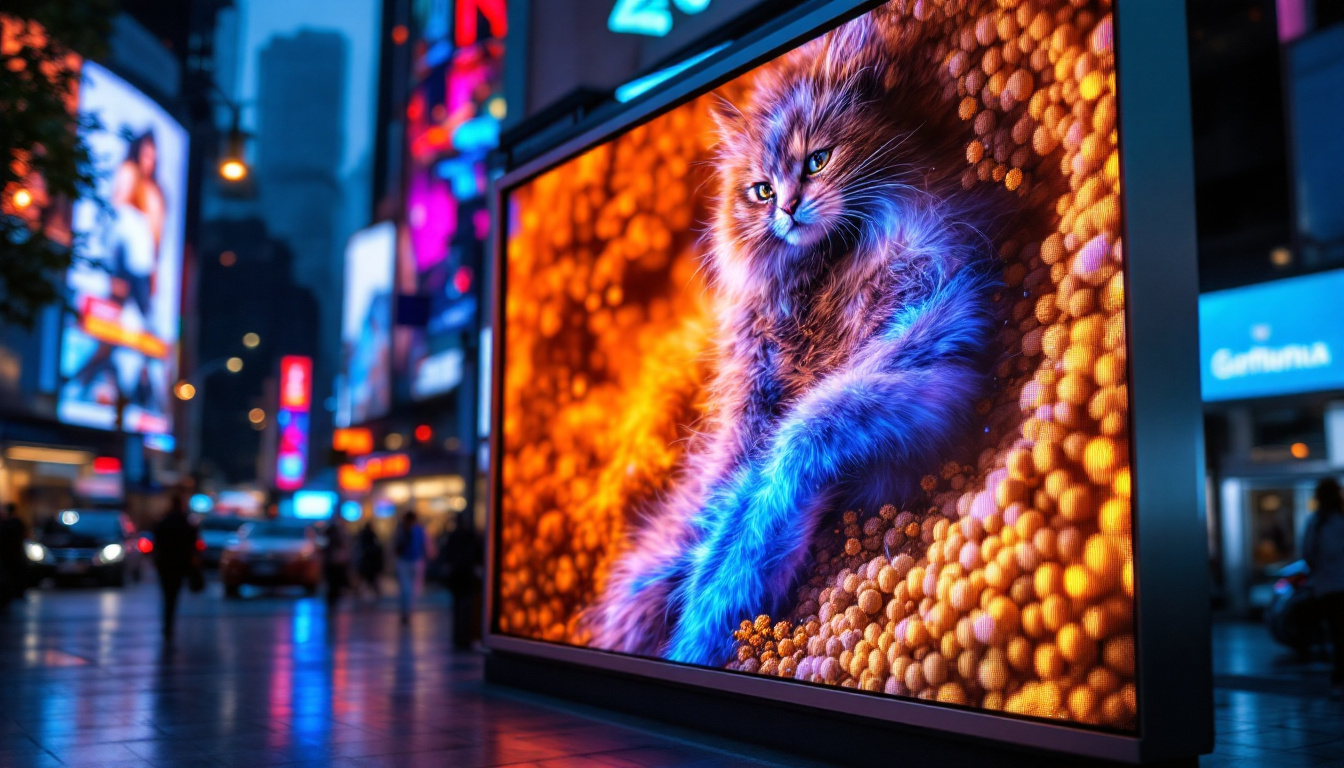
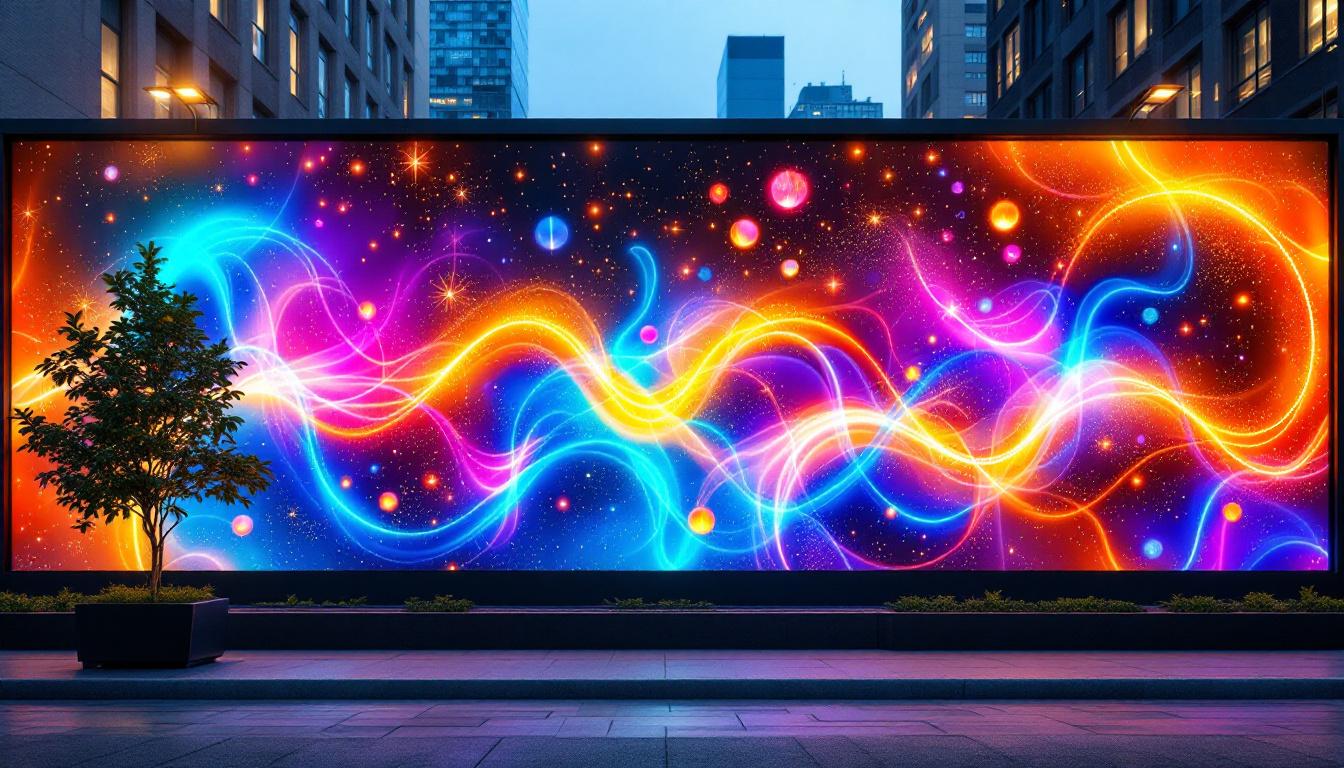
LED (Light Emitting Diode) displays are electronic screens composed of numerous tiny light sources that emit bright, vibrant colors. When installed on exterior walls, these displays can transform static facades into dynamic canvases capable of showing images, videos, animations, and text. Unlike traditional billboards or painted murals, LED displays offer flexibility in content and timing, allowing for real-time updates and interactive elements. This adaptability makes them ideal for advertising, public announcements, and artistic installations, enabling businesses and organizations to engage their audiences in innovative ways.
Exterior LED displays are designed specifically to withstand outdoor conditions, including exposure to sunlight, rain, wind, and temperature fluctuations. This durability is achieved through specialized materials, weatherproof enclosures, and protective coatings that ensure longevity and consistent performance. Furthermore, many LED displays incorporate advanced thermal management systems, which help dissipate heat generated during operation, thereby enhancing their reliability and lifespan. As a result, these displays can maintain optimal performance in a variety of climates, from scorching deserts to humid coastal regions.
Key Technical Features
Several technical aspects define the quality and suitability of an LED display for exterior use:
- Brightness: Outdoor LED displays typically offer brightness levels ranging from 5,000 to over 10,000 nits, ensuring visibility even in direct sunlight.
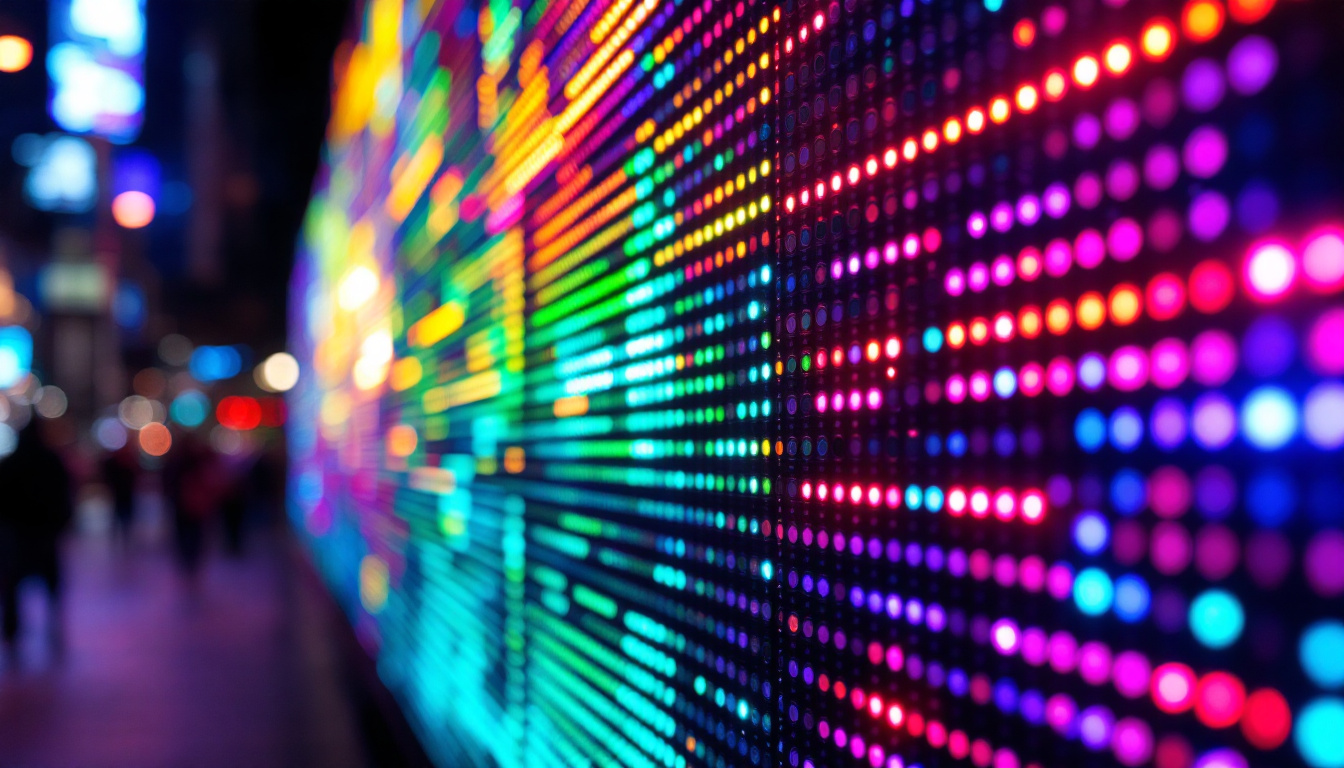
- Pixel Pitch: This is the distance between individual LEDs, measured in millimeters. Smaller pixel pitches provide higher resolution and clearer images at closer viewing distances, while larger pitches are suitable for larger displays viewed from afar.
- Weather Resistance: IP65 or higher ratings are common, indicating protection against dust and water ingress.
- Viewing Angle: Wide viewing angles (up to 160 degrees horizontally and vertically) allow the display to be seen clearly from multiple perspectives.
- Energy Efficiency: Modern LED displays consume less power compared to older technologies, making them more sustainable and cost-effective.
In addition to these features, many exterior LED displays now come equipped with smart technology that allows for remote monitoring and management. This capability enables operators to adjust settings, troubleshoot issues, and update content from anywhere in the world, enhancing operational efficiency. Moreover, some displays are integrated with sensors that can adapt brightness levels based on ambient light conditions, ensuring optimal visibility while conserving energy. These advancements not only improve user experience but also contribute to the growing trend of smart city initiatives, where technology is leveraged to create more responsive and interactive urban environments.
Another important consideration is the impact of exterior LED displays on urban aesthetics and community engagement. As cities evolve, the integration of digital displays into public spaces can foster a sense of vibrancy and modernity. They can serve as platforms for local artists, showcasing their work to a broader audience, or as mediums for community announcements and events. By facilitating communication and artistic expression, LED displays can play a significant role in enhancing the cultural fabric of a city, making them not just advertising tools but integral components of the urban landscape.
Applications of Exterior LED Displays
Advertising and Branding
One of the most prevalent uses of exterior LED displays is in advertising. Retailers, entertainment venues, and corporate headquarters leverage these vibrant screens to showcase promotional content, brand messages, and product launches. The ability to change content dynamically allows businesses to tailor their messaging to different times of day, events, or target audiences.
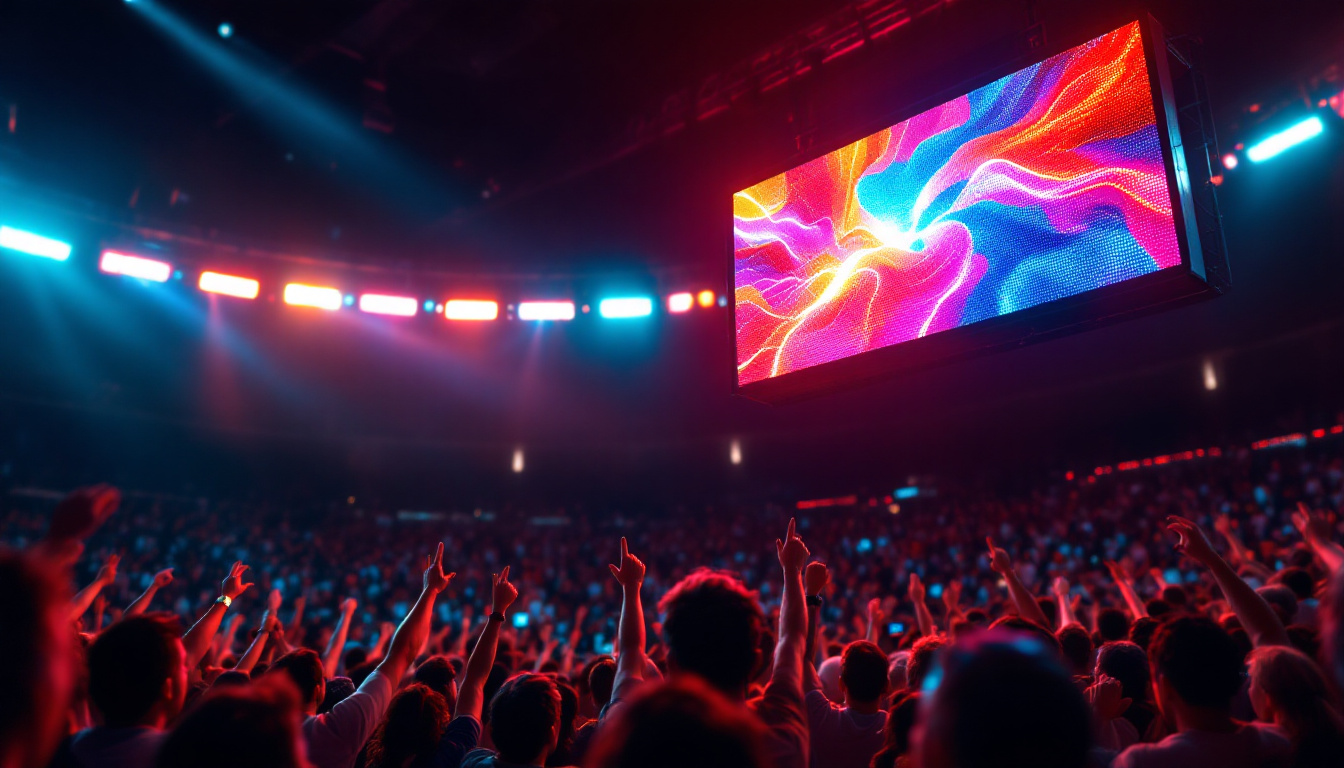
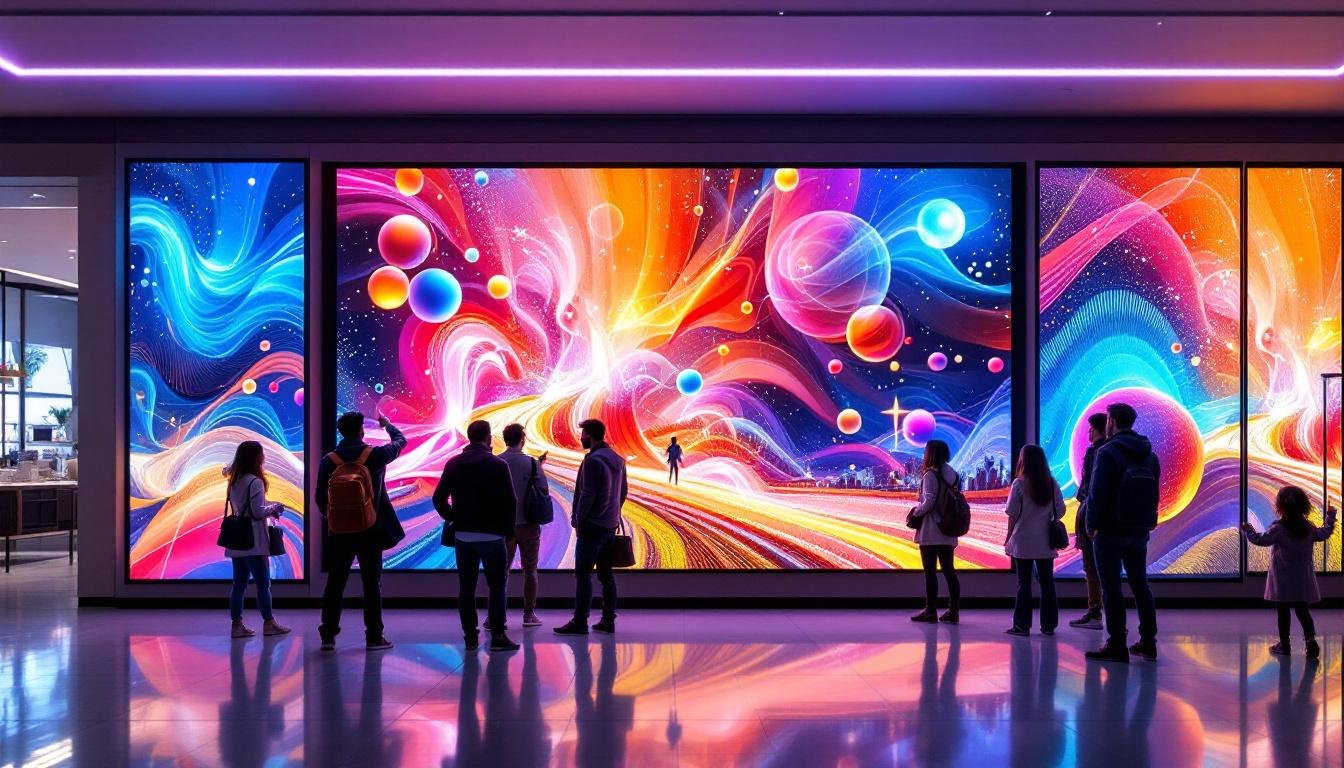
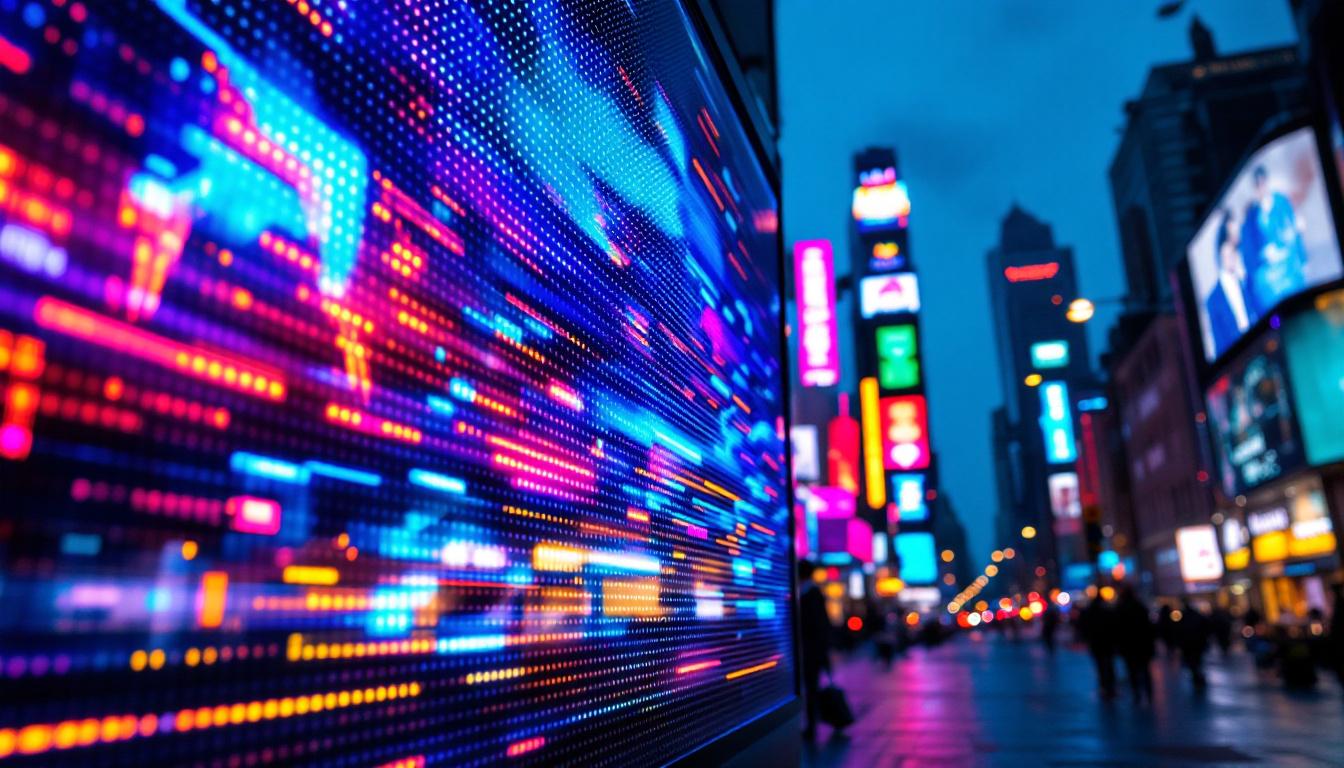
For example, Times Square in New York City is renowned for its massive LED billboards that create an immersive advertising environment. Similarly, shopping malls and sports arenas worldwide have adopted exterior LED displays to capture attention and drive engagement. These displays not only attract foot traffic but also enhance customer experiences by providing interactive elements, such as QR codes that lead to special offers or social media engagement opportunities. As technology advances, advertisers are also exploring augmented reality features, allowing viewers to interact with the content in real-time, further blurring the lines between physical and digital marketing.
Architectural Enhancement and Art Installations
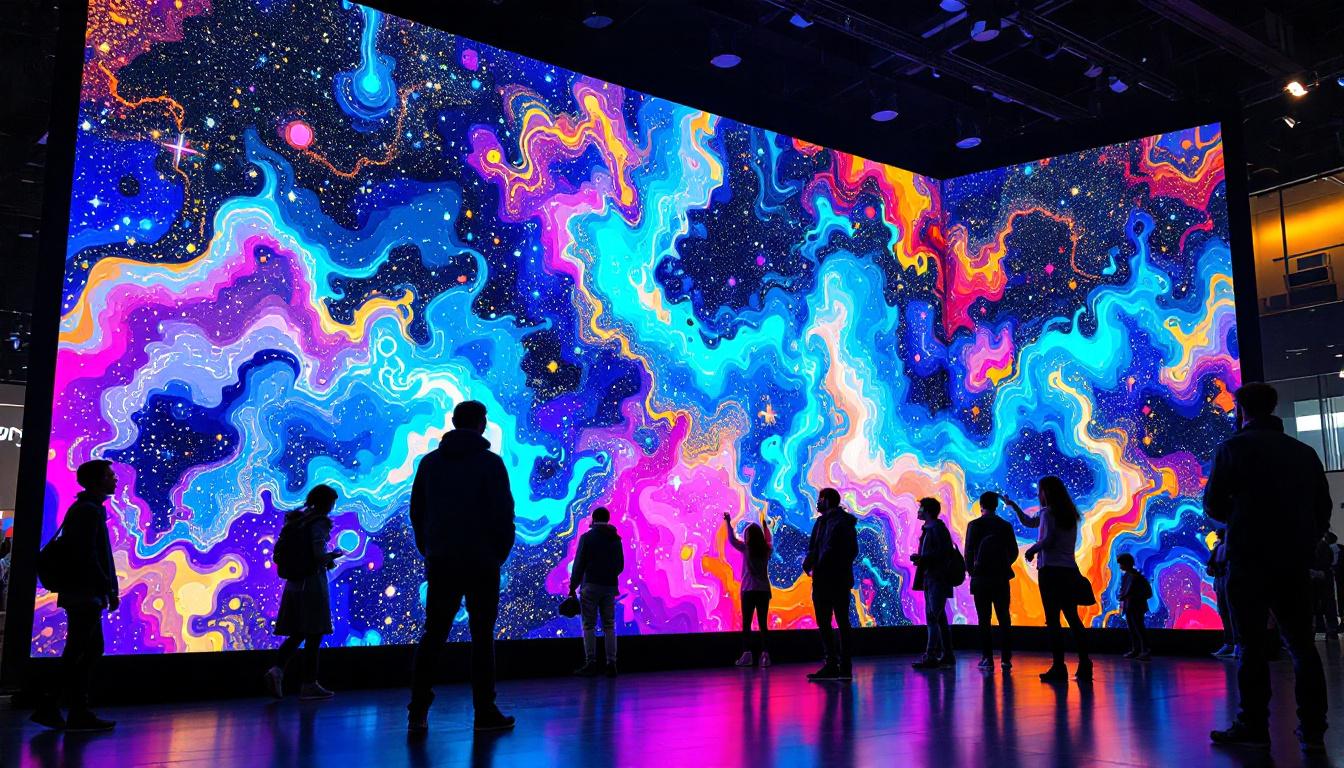
Beyond commercial use, LED displays are increasingly integrated into architectural designs as artistic elements. Designers use these displays to add texture, color, and motion to building facades, creating iconic landmarks and interactive public art. This trend aligns with the growing interest in “media facades,” where buildings become canvases for digital storytelling and cultural expression.
In cities like Seoul and Dubai, LED-lit buildings contribute to vibrant nightscapes, blending technology with urban identity. These installations often incorporate responsive elements, such as sensors that change visuals based on environmental conditions or pedestrian interaction. Additionally, artists and architects collaborate to create immersive experiences that engage the public, turning ordinary spaces into dynamic art galleries. For instance, during festivals, these displays can transform into platforms for light shows, showcasing local talent and fostering community engagement, while also promoting tourism and cultural appreciation.
Information and Public Service Displays
Municipalities and public institutions utilize exterior LED displays to communicate important information, including weather updates, emergency alerts, event schedules, and transportation data. These displays enhance public safety and convenience by providing real-time, easily visible updates in high-traffic areas.
For instance, transit authorities may install LED screens on station walls to display arrival times and service changes, while city centers might use them for public announcements during festivals or emergencies. Furthermore, these displays can serve as platforms for civic engagement, allowing local governments to share information about community initiatives, public meetings, and local events. By incorporating features like multilingual support, these displays can cater to diverse populations, ensuring that vital information reaches all community members effectively. This not only fosters a sense of inclusivity but also encourages active participation in civic life, making cities more connected and informed.
Benefits of Using LED Displays for Exterior Wall Decor
Dynamic and Flexible Content
Unlike static signage, LED displays allow for continuous content updates without physical replacements. This flexibility supports diverse programming, from advertising campaigns to community messages, enabling stakeholders to maximize the utility and relevance of their exterior walls.
High Visibility and Impact
LED technology offers exceptional brightness and color vibrancy, ensuring that messages stand out even in challenging lighting conditions. This high visibility translates into improved brand recognition and audience engagement, making LED displays a powerful marketing and communication tool.
Energy Efficiency and Sustainability
Modern LED displays are designed to be energy-efficient, consuming significantly less power than traditional neon or incandescent lighting. Additionally, many systems incorporate smart controls that adjust brightness based on ambient light, further reducing energy consumption and environmental impact.
Durability and Longevity
With robust weatherproofing and quality components, exterior LED displays can operate reliably for over 100,000 hours, equating to more than a decade of continuous use. This longevity reduces maintenance costs and ensures consistent performance over time.
Considerations for Installing Exterior LED Displays
Structural and Architectural Integration
Proper integration of LED displays into building exteriors requires careful planning. Structural support must accommodate the weight and wind loads of the display, while electrical and data connections need secure and weatherproof routing. Collaboration between architects, engineers, and installation specialists is essential to achieve seamless integration without compromising building integrity.
Regulatory and Zoning Compliance
Many municipalities have regulations governing the size, brightness, and content of exterior digital displays to prevent light pollution and distractions. It is crucial to consult local zoning laws and obtain necessary permits before installation. Compliance ensures legal operation and community acceptance.
Content Management and Security
Managing content on exterior LED displays involves software platforms that schedule, update, and monitor displayed material. Security measures must be in place to protect against unauthorized access or cyberattacks, especially for displays connected to networks.
Cost and Return on Investment
While the initial investment for exterior LED displays can be substantial, the long-term benefits often justify the expense. Factors influencing cost include display size, resolution, installation complexity, and content management systems. Businesses and organizations should evaluate potential revenue from advertising, enhanced branding, or public service benefits to assess ROI.
Future Trends in Exterior LED Wall Decor
Advancements in LED Technology
Emerging innovations such as microLED and miniLED promise even higher resolution, improved energy efficiency, and thinner, lighter displays. These advancements will expand design possibilities and reduce installation challenges.
Interactive and Smart Displays
The integration of sensors, cameras, and artificial intelligence enables exterior LED displays to become interactive platforms. These smart displays can respond to environmental cues, engage passersby with personalized content, and collect data to optimize messaging strategies.
Sustainability and Green Building Integration
As sustainability becomes a priority, LED displays are being incorporated into green building designs. Solar-powered LED walls and systems that recycle heat generated by LEDs are examples of eco-friendly innovations that align with environmental goals.
Conclusion
Exterior LED displays represent a transformative approach to wall decor, blending technology, art, and communication in ways that redefine urban landscapes. Their ability to deliver vibrant, dynamic content makes them invaluable for advertising, architectural enhancement, and public information. However, successful implementation requires careful consideration of technical, structural, regulatory, and financial factors.
As LED technology continues to evolve, the potential for exterior wall decor to engage, inform, and inspire will only grow. For stakeholders looking to make a lasting impact through building facades, LED displays offer a compelling and forward-thinking solution.
Illuminate Your Space with LumenMatrix
Ready to elevate your exterior wall decor and make a bold statement in the urban landscape? LumenMatrix is at the forefront of LED display innovation, offering a wide array of solutions tailored to your needs. From Outdoor LED Wall Displays that transform building facades to Interactive Floor LED Displays that captivate passersby, our technology is designed to bring your vision to life. Embrace the future of visual communication with LumenMatrix and create experiences that resonate. Check out LumenMatrix LED Display Solutions today and see how we can help you share your message with the world.