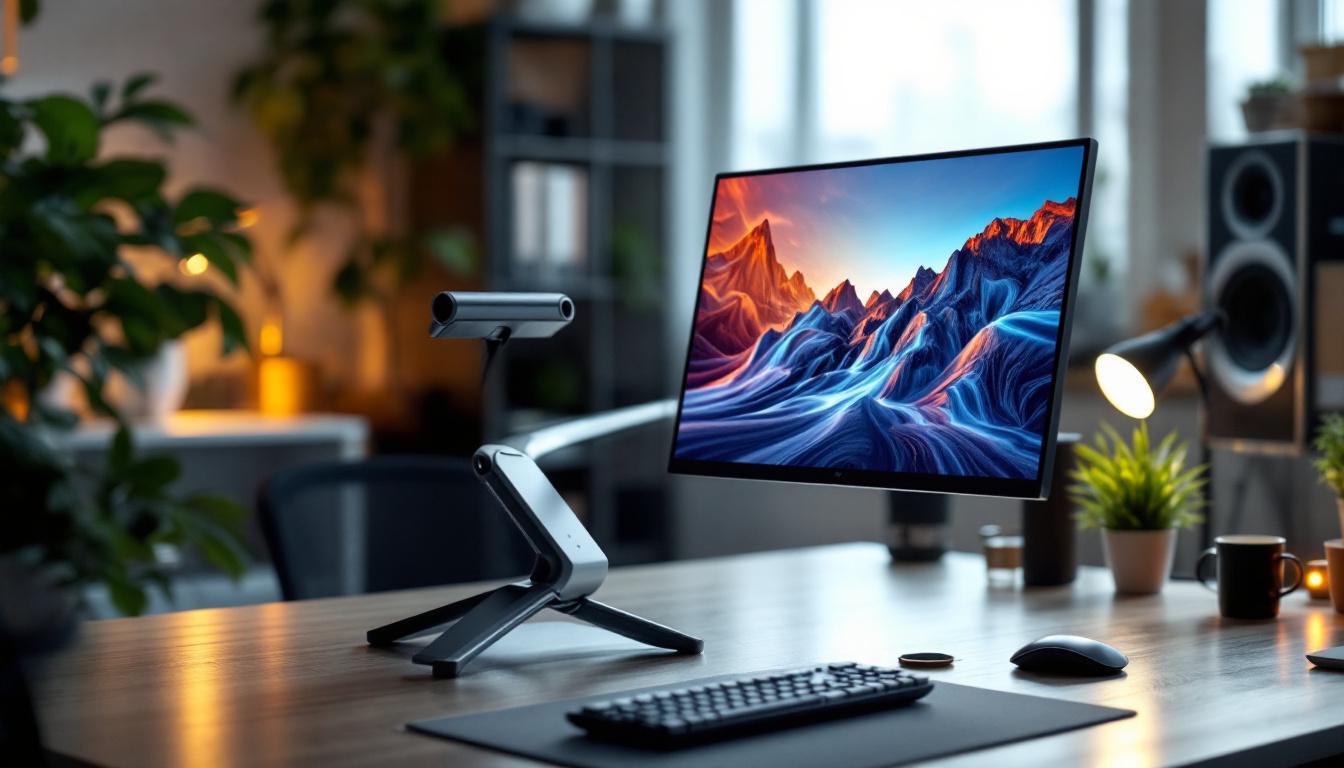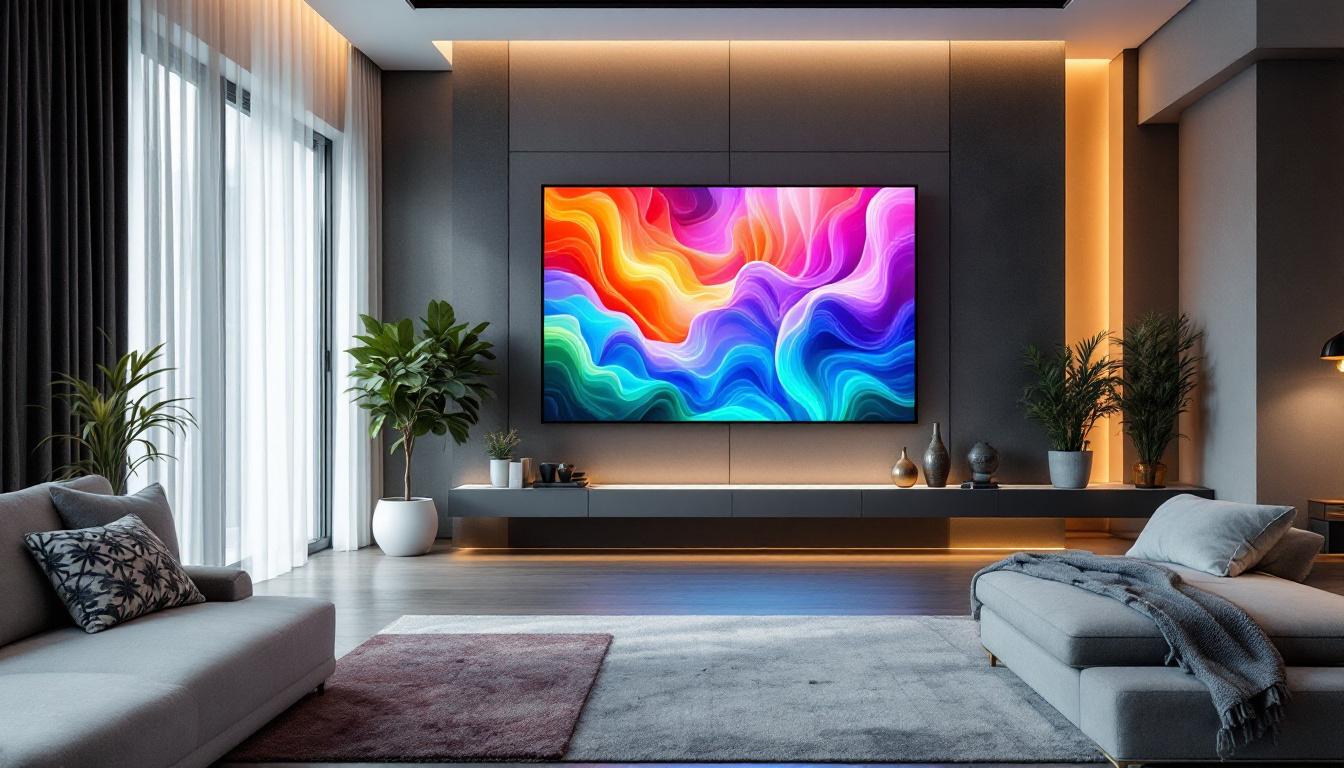
In the modern world of home design, technology plays an increasingly pivotal role in enhancing aesthetics, functionality, and user experience. Among the many technological innovations, LED displays have emerged as a versatile and impactful element in fine home designs. From dynamic art installations to smart home control panels, LED displays offer homeowners a unique blend of style and utility.
This article explores the fundamentals of LED displays, their applications in home design, and how they contribute to creating sophisticated, engaging living spaces. Whether you are an architect, interior designer, or a homeowner interested in integrating cutting-edge display technology, understanding LED displays will provide valuable insights into the future of home environments.
Understanding LED Displays: Technology and Types
What is an LED Display?
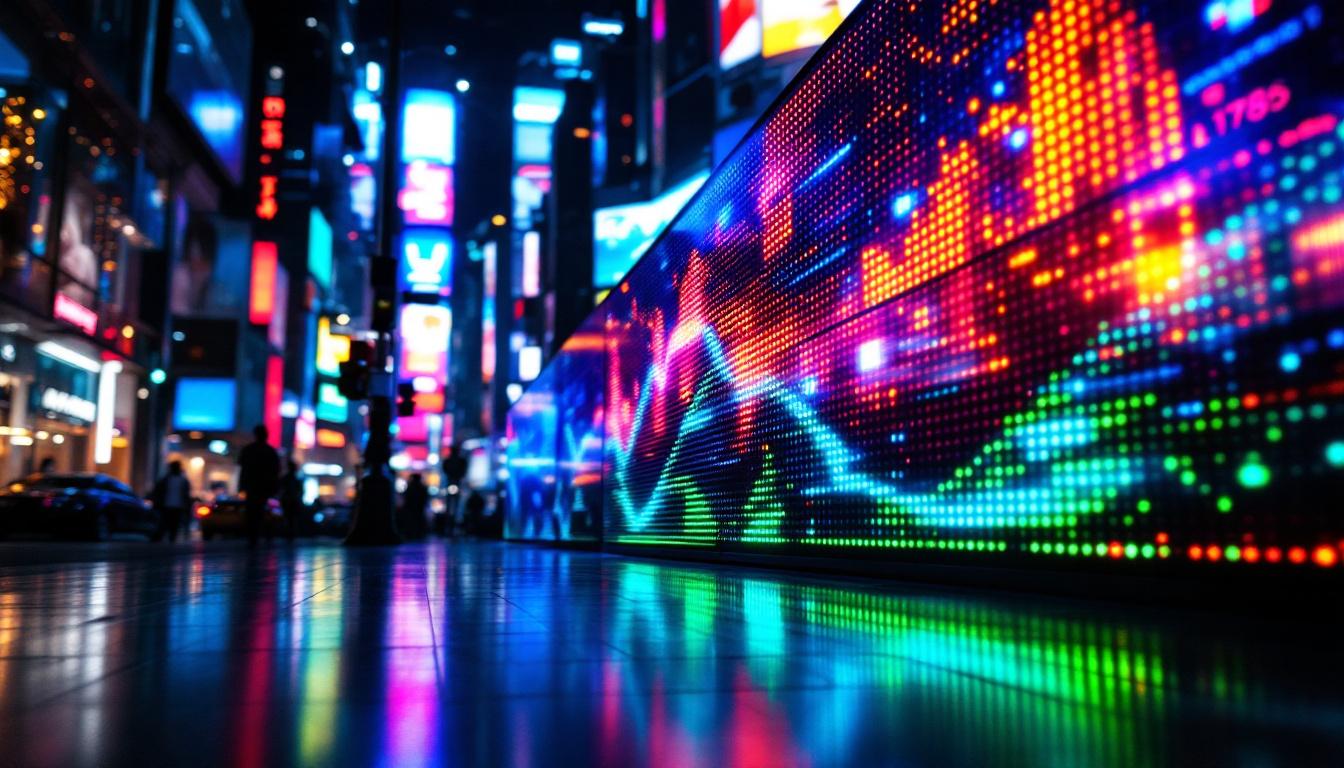
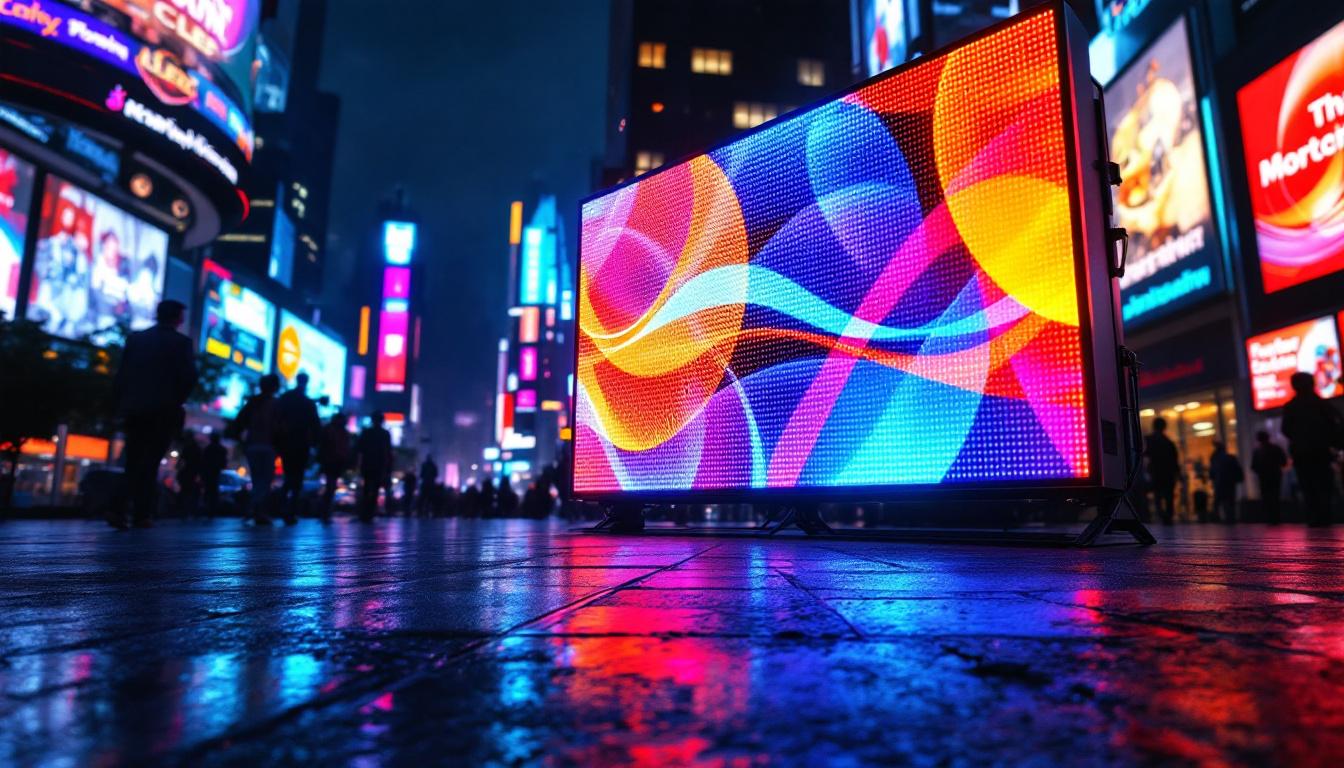
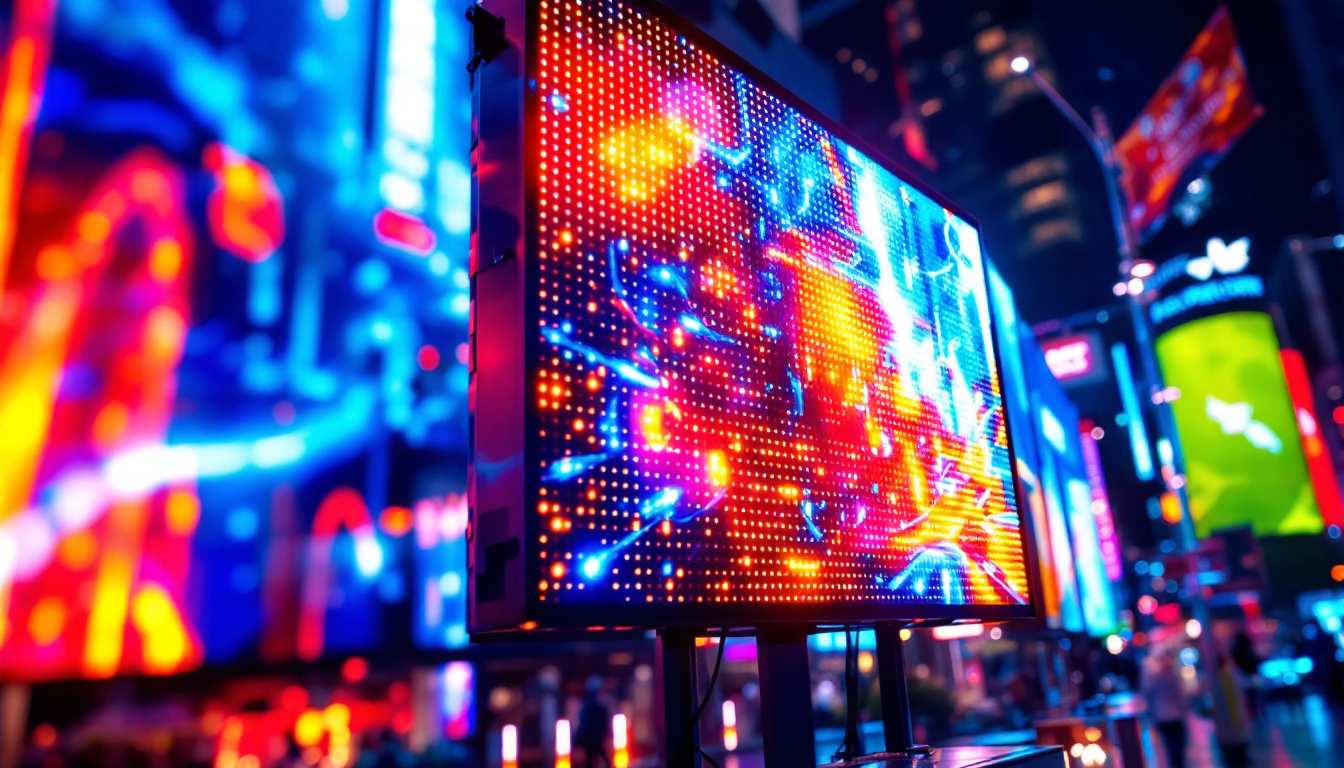
LED stands for Light Emitting Diode, a semiconductor device that emits light when an electric current passes through it. LED displays are screens composed of numerous tiny LEDs arranged in a matrix to form images, videos, or text. Unlike traditional LCD or plasma screens, LED displays use these diodes as individual pixels, allowing for bright, vibrant, and energy-efficient visuals.
The core advantage of LED technology lies in its ability to produce high brightness levels and excellent color accuracy while consuming less power. This makes LED displays particularly suitable for both indoor and outdoor applications, including home environments where lighting conditions vary. Additionally, LED displays have a longer lifespan compared to conventional display technologies, often lasting tens of thousands of hours, which translates to significant cost savings over time. Their durability also means they can withstand a range of environmental conditions, making them ideal for both residential and commercial use.
Types of LED Displays Used in Home Design
LED displays come in various forms, each suited to different design needs:
- Direct View LED Displays: These consist of LEDs arranged directly on the display surface, providing vivid colors and high brightness. They are often used for large-scale installations such as video walls or dynamic art pieces. Their modular nature allows for customization in size and shape, making them versatile for various applications.
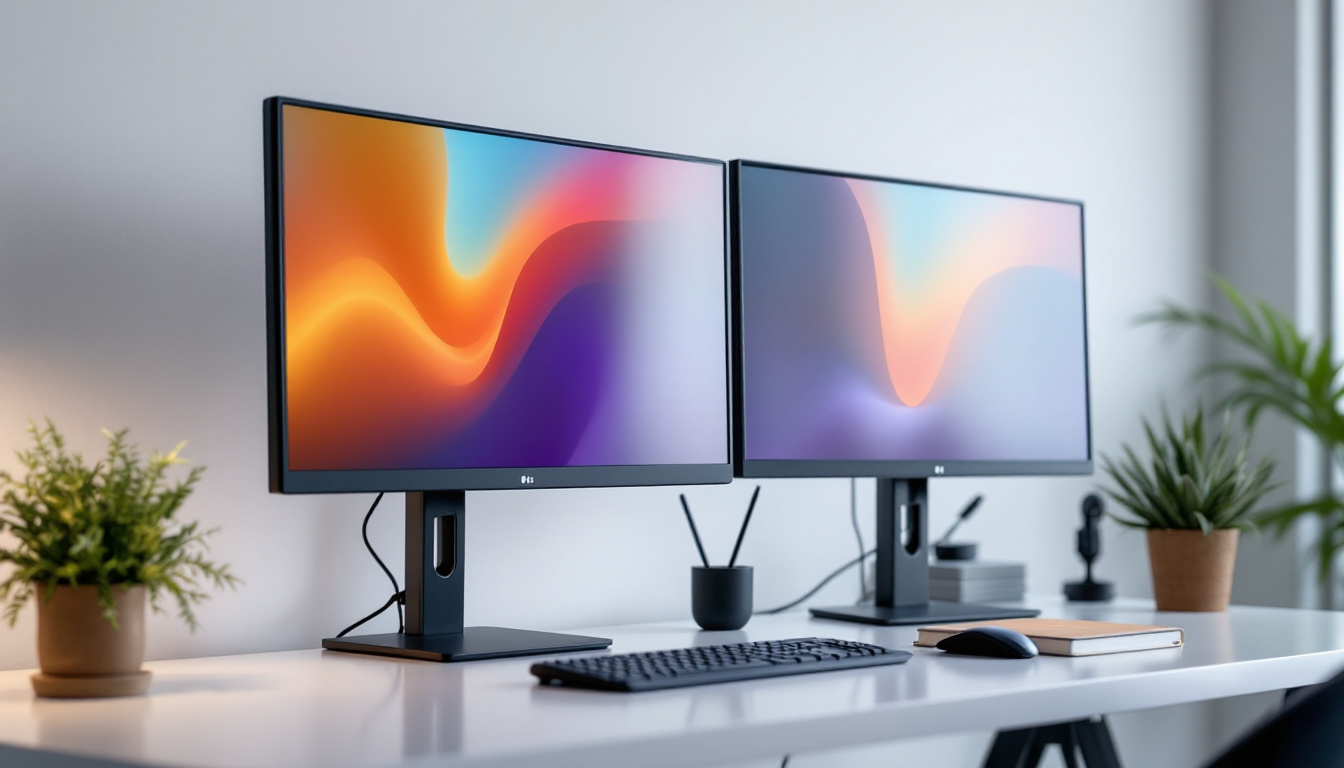
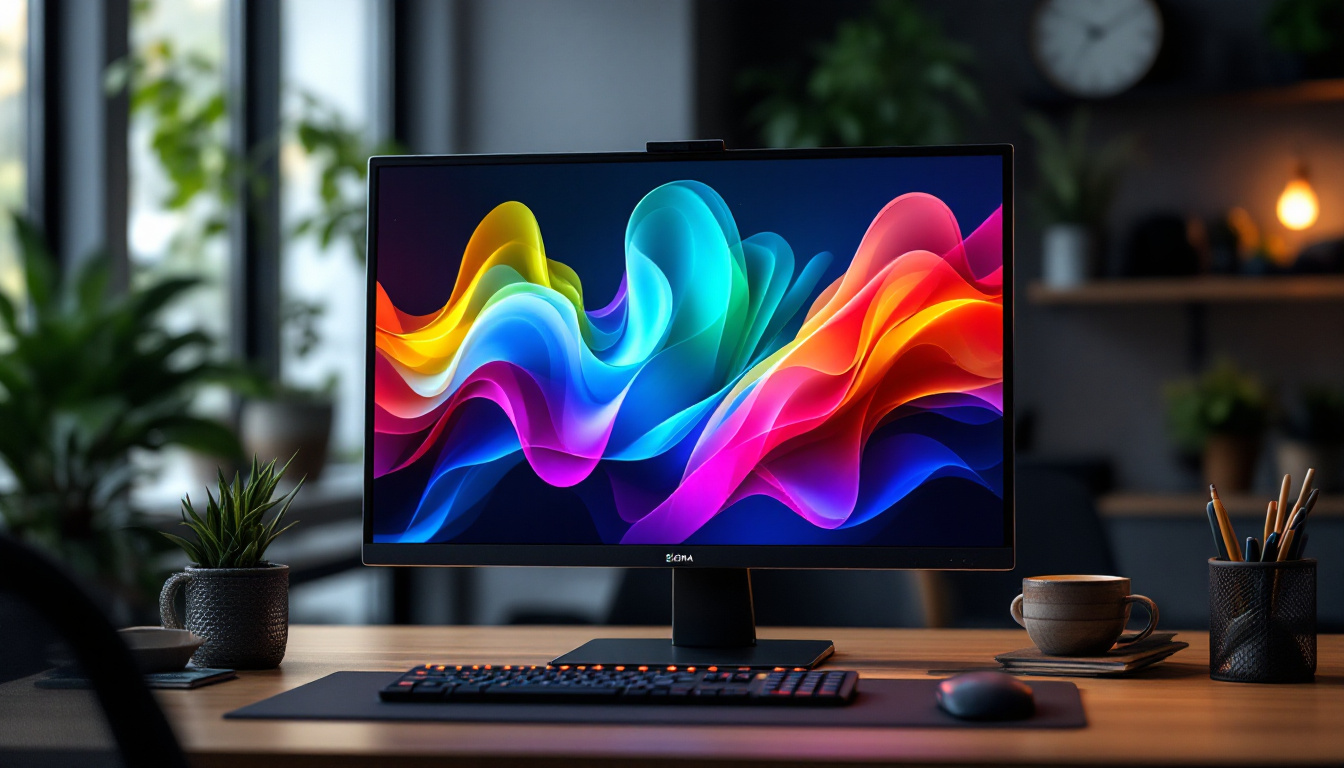
- LED Backlit LCD Displays: Common in televisions and monitors, these use LEDs as a backlight behind an LCD panel, enhancing contrast and color reproduction. This technology allows for thinner designs and improved energy efficiency, making them a popular choice for modern home entertainment systems.
- Flexible LED Panels: These panels can bend or curve, allowing for innovative design shapes and surfaces, ideal for custom home installations. Their adaptability opens up creative possibilities for architects and interior designers looking to integrate technology seamlessly into their spaces.
- Transparent LED Displays: These allow light to pass through, making them perfect for windows or glass walls where digital content can be displayed without obstructing natural light. This feature not only enhances aesthetic appeal but also provides functional advertising opportunities in commercial spaces.
Choosing the right type depends on the intended use, location, and desired visual effect within the home. For instance, a family room might benefit from a large Direct View LED display for movie nights, while a kitchen could utilize a Transparent LED display for recipe instructions without blocking the view outside. Moreover, the integration of smart technology with LED displays allows homeowners to control lighting, content, and even ambiance through mobile applications, further enhancing the interactive experience. As technology continues to evolve, the potential applications of LED displays in home design are virtually limitless, paving the way for more immersive and personalized living environments.
Applications of LED Displays in Fine Home Designs
Dynamic Art and Ambient Displays
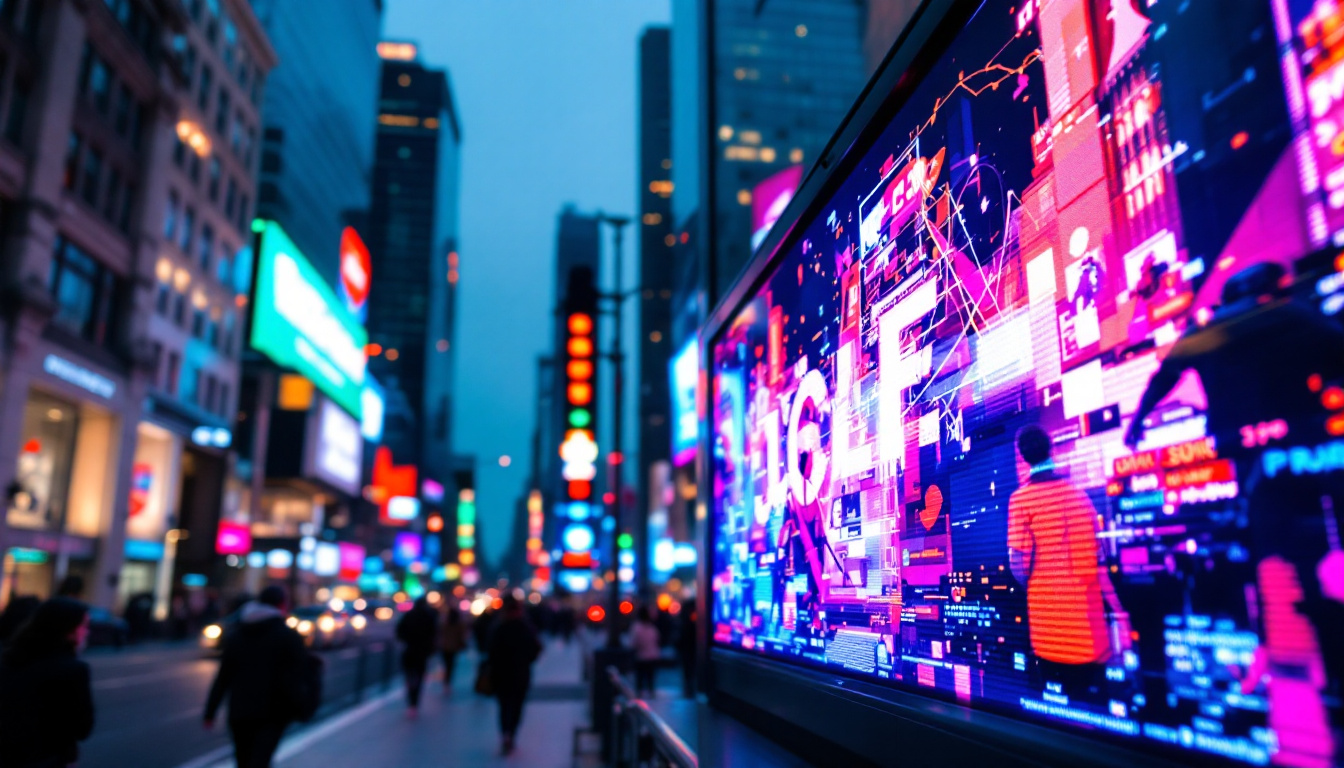
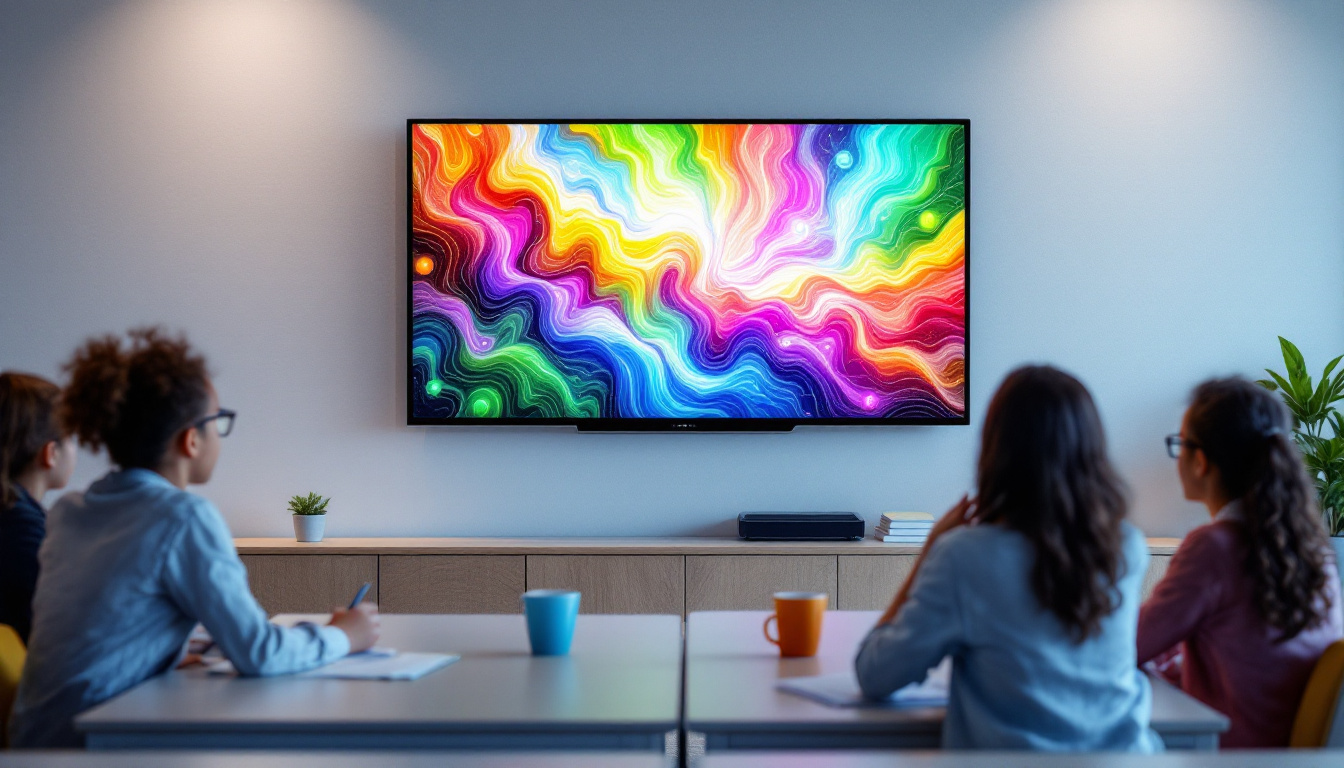
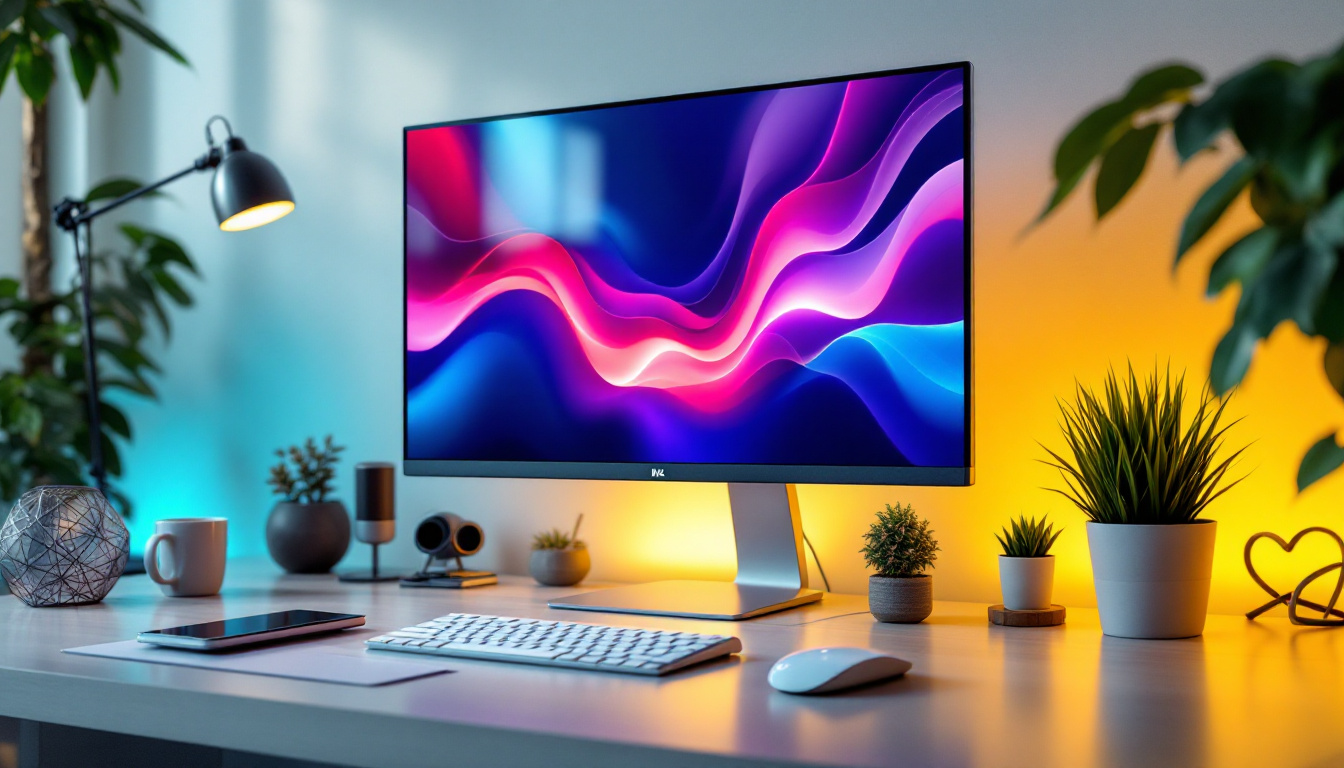
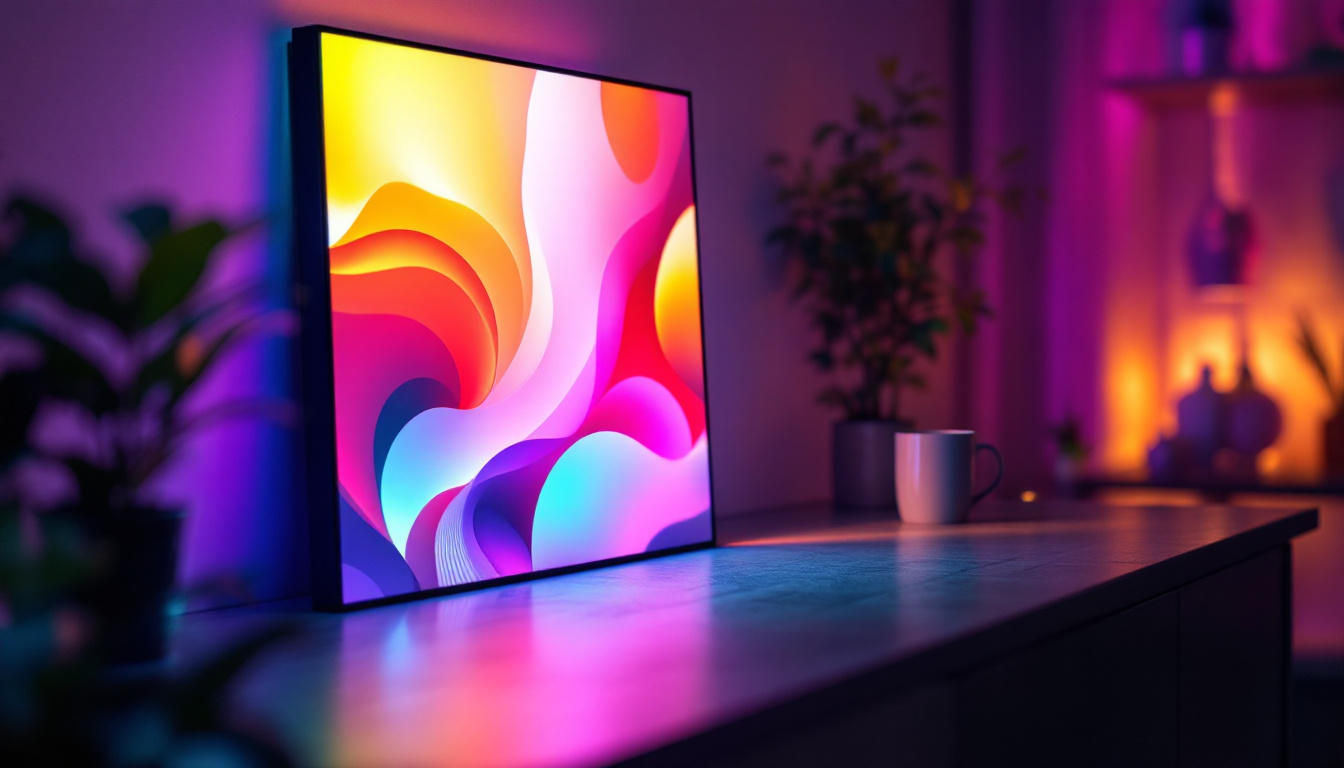
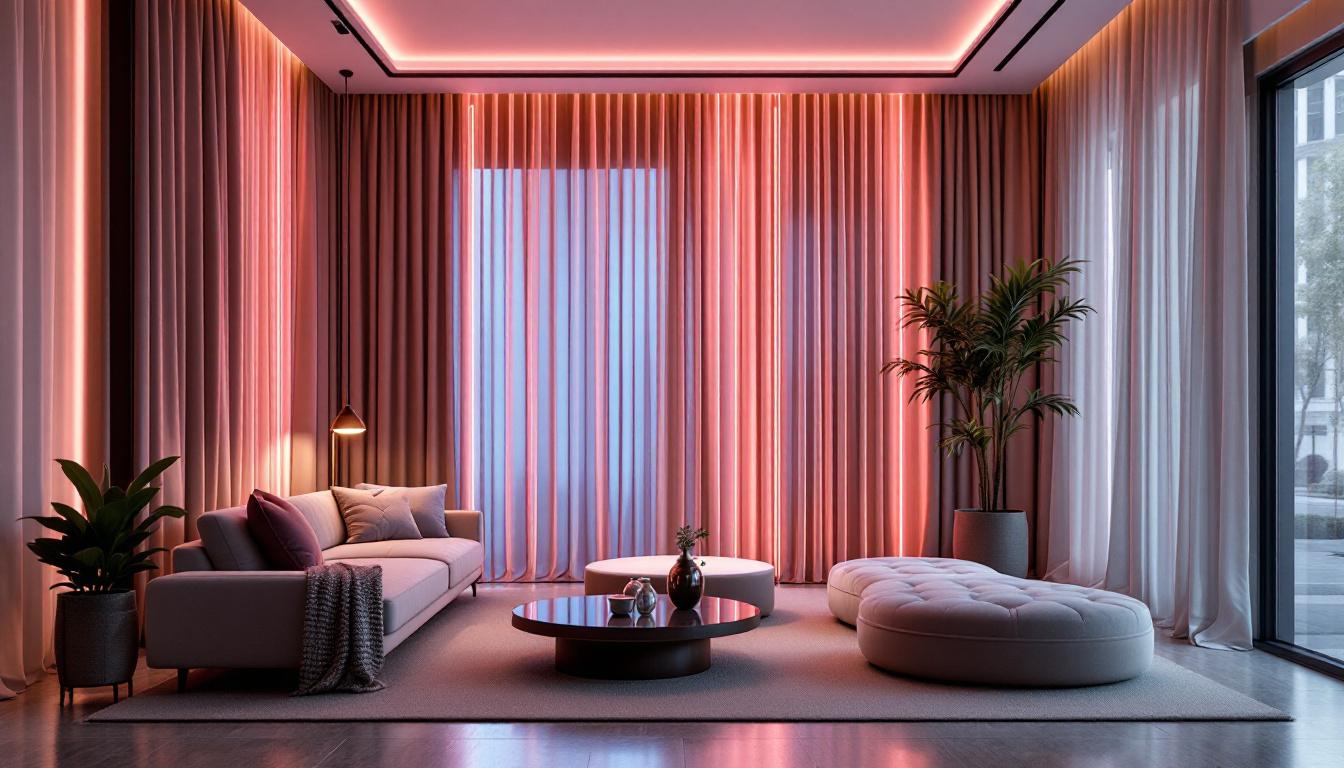
One of the most captivating uses of LED displays in home design is as dynamic art installations. Unlike static paintings or photographs, LED art can change in real-time, displaying animations, color gradients, or interactive visuals. This capability transforms living spaces into vibrant galleries that adapt to moods, seasons, or events.
For example, an LED wall panel in a living room can display calming ocean waves during the day and transition to a starry night sky in the evening. These ambient displays not only enhance aesthetic appeal but also influence the emotional atmosphere of a room.
Smart Home Integration and Control Interfaces
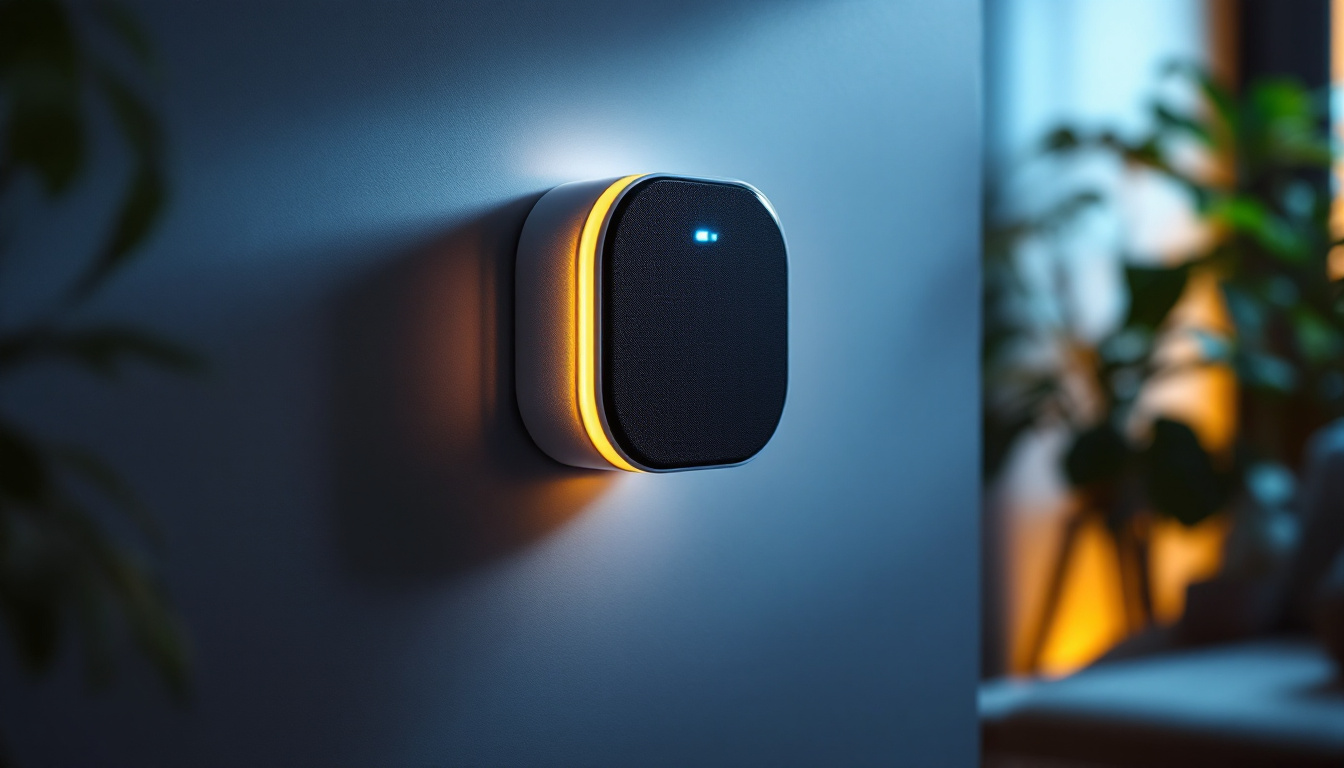
LED displays are increasingly integrated into smart home systems as interactive control panels. These displays provide homeowners with intuitive interfaces to manage lighting, climate, security, and entertainment systems. The high brightness and clarity of LED screens ensure usability in various lighting conditions, from bright daylight to dim evenings.
Moreover, touch-enabled LED panels can be embedded into walls or furniture, offering seamless access to smart home features without bulky devices. This integration exemplifies how LED technology contributes to both design elegance and functional convenience.
Home Theaters and Entertainment Spaces
In home theaters, LED displays are prized for their superior color accuracy, brightness, and contrast ratios. Direct view LED video walls can create immersive viewing experiences far beyond traditional projection systems. Their scalability allows for custom sizes and aspect ratios, fitting perfectly into bespoke home cinema designs.
Additionally, LED lighting can be synchronized with audio-visual content to create dynamic lighting effects that enhance movie watching or gaming sessions, elevating entertainment to a multisensory experience.
Benefits of LED Displays in Residential Settings
Energy Efficiency and Longevity
Energy efficiency is a significant consideration in modern home design, both for environmental impact and cost savings. LED displays consume considerably less power compared to older technologies like plasma or incandescent lighting. This efficiency is due to the low voltage operation and the ability to control brightness precisely.
Additionally, LEDs have a long operational lifespan, often exceeding 50,000 hours. This durability means less frequent replacements and maintenance, making LED displays a sustainable investment for homeowners.
Customization and Design Flexibility
LED technology offers unparalleled flexibility in size, shape, and color output. Designers can create custom installations that conform to unique architectural features or artistic visions. Whether it’s a curved LED panel wrapping around a staircase or a transparent display embedded in a glass partition, the possibilities are extensive.
This adaptability allows LED displays to blend seamlessly with various interior styles—from minimalist and modern to eclectic and avant-garde—enhancing the overall design narrative of the home.
Improved Visual Quality and User Experience
LED displays provide superior brightness and contrast, ensuring clear visibility even in well-lit rooms. Their fast refresh rates and high resolution contribute to smooth video playback and crisp images, essential for both entertainment and interactive applications.
Furthermore, the ability to adjust color temperature and brightness dynamically helps reduce eye strain, improving comfort for prolonged use. This is particularly beneficial in work-from-home setups or study areas where screen time is extensive.
Considerations When Incorporating LED Displays in Home Design
Cost and Budget Planning
While the prices of LED displays have decreased over the years, high-quality, custom installations can still represent a significant investment. Costs vary based on size, resolution, panel type, and installation complexity.
Homeowners and designers should balance the desired visual impact with budget constraints, considering long-term benefits such as energy savings and durability. Consulting with experienced professionals can help optimize both design and cost efficiency.
Installation and Maintenance
Proper installation is crucial to maximize the performance and lifespan of LED displays. This includes considerations for ventilation, electrical wiring, and structural support. Professional installation ensures that displays are securely mounted and integrated with home systems.
Maintenance requirements are generally low but may include periodic cleaning and software updates. Choosing reputable manufacturers and service providers can simplify ongoing care and support.
Environmental and Health Impacts
LED displays are environmentally friendly compared to older display technologies, as they contain no mercury and have lower energy consumption. However, it is essential to manage blue light emissions, which can affect sleep patterns and eye health if exposure is excessive, especially in bedrooms or relaxation areas.
Many modern LED displays offer blue light filtering options or adaptive brightness controls to mitigate these concerns, enhancing their suitability for residential use.
The Future of LED Displays in Home Design
Emerging Technologies and Trends
The LED display market continues to evolve rapidly, with innovations such as microLED and miniLED promising even higher resolution, improved color accuracy, and thinner form factors. These advancements will enable more seamless integration of displays into everyday home elements like windows, mirrors, and furniture.
Additionally, the rise of Internet of Things (IoT) and artificial intelligence (AI) will further enhance the interactivity and personalization of LED displays, allowing homes to respond intuitively to occupants’ preferences and behaviors.
Sustainability and Smart Living
As sustainability becomes a central theme in architecture and design, LED displays align well with green building practices. Their energy efficiency and long lifespan reduce environmental impact, while their ability to display real-time data can support smart energy management within homes.
Future homes may use LED displays not only for decoration and entertainment but also as integral components of energy-efficient, responsive living environments that promote wellness and sustainability.
Conclusion
LED displays represent a convergence of technology, art, and design that is reshaping the landscape of fine home environments. Their versatility, energy efficiency, and visual excellence make them an invaluable tool for creating dynamic, personalized, and functional living spaces.
By understanding the different types of LED displays, their applications, and key considerations for integration, homeowners and designers can harness this technology to elevate home aesthetics and enhance everyday living. As LED technology continues to advance, its role in fine home design is set to become even more prominent, offering exciting possibilities for the future of residential spaces.
Illuminate Your Space with LumenMatrix
Ready to transform your home with the vibrant, energy-efficient, and customizable lighting solutions described in this article? LumenMatrix is at the forefront of LED display innovation, offering a wide range of products from Indoor and Outdoor LED Wall Displays to specialized solutions like Vehicle and Sports LED Displays. Embrace the future of home design and create an environment that stands out. Check out LumenMatrix LED Display Solutions today and see how our technology can revolutionize your space.