In today’s digital age, flat panel displays have become ubiquitous, transforming the way we interact with information, entertainment, and communication. Among the various technologies available, LED displays stand out for their brightness, energy efficiency, and versatility. This article delves into the world of LED flat panel displays, explaining their technology, advantages, applications, and future trends.
Understanding LED Display Technology
What is an LED Display?
LED, or Light Emitting Diode, displays utilize tiny semiconductor devices that emit light when an electric current passes through them. Unlike traditional LCDs (Liquid Crystal Displays) that rely on backlighting, LED displays use these diodes as the primary source of light. This fundamental difference results in displays that are brighter, more energy-efficient, and capable of producing deeper blacks and more vibrant colors.
LED displays come in various forms, including direct LED, where each pixel is an individual LED, and edge-lit LED, where LEDs are positioned around the screen’s edges to illuminate an LCD panel. The most advanced LED displays use Organic LEDs (OLEDs), which are self-emissive, offering superior contrast and flexibility. OLED technology allows for ultra-thin screens that can be curved or even flexible, paving the way for innovative designs in consumer electronics and beyond.
Moreover, the color accuracy and response time of LED displays are remarkable, making them ideal for applications that require precise visual representation, such as graphic design and video editing. The ability to achieve true blacks and a wide color gamut enhances the viewing experience, whether for entertainment or professional use.
The Evolution from LCD to LED
For many years, LCD technology dominated the flat panel display market. However, LCDs require a backlight to illuminate the screen, traditionally using cold cathode fluorescent lamps (CCFLs). The introduction of LEDs as backlighting sources improved LCD performance significantly by enabling thinner designs, better color accuracy, and reduced power consumption.
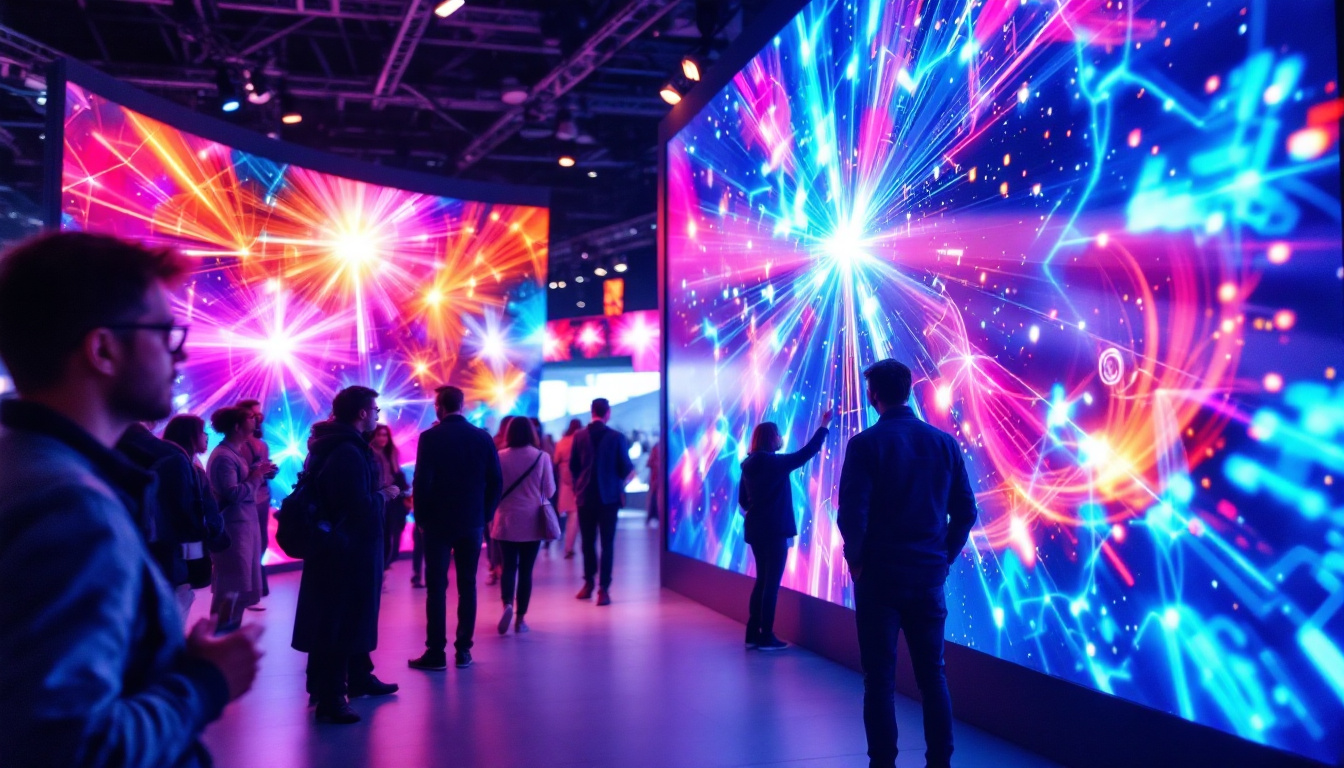
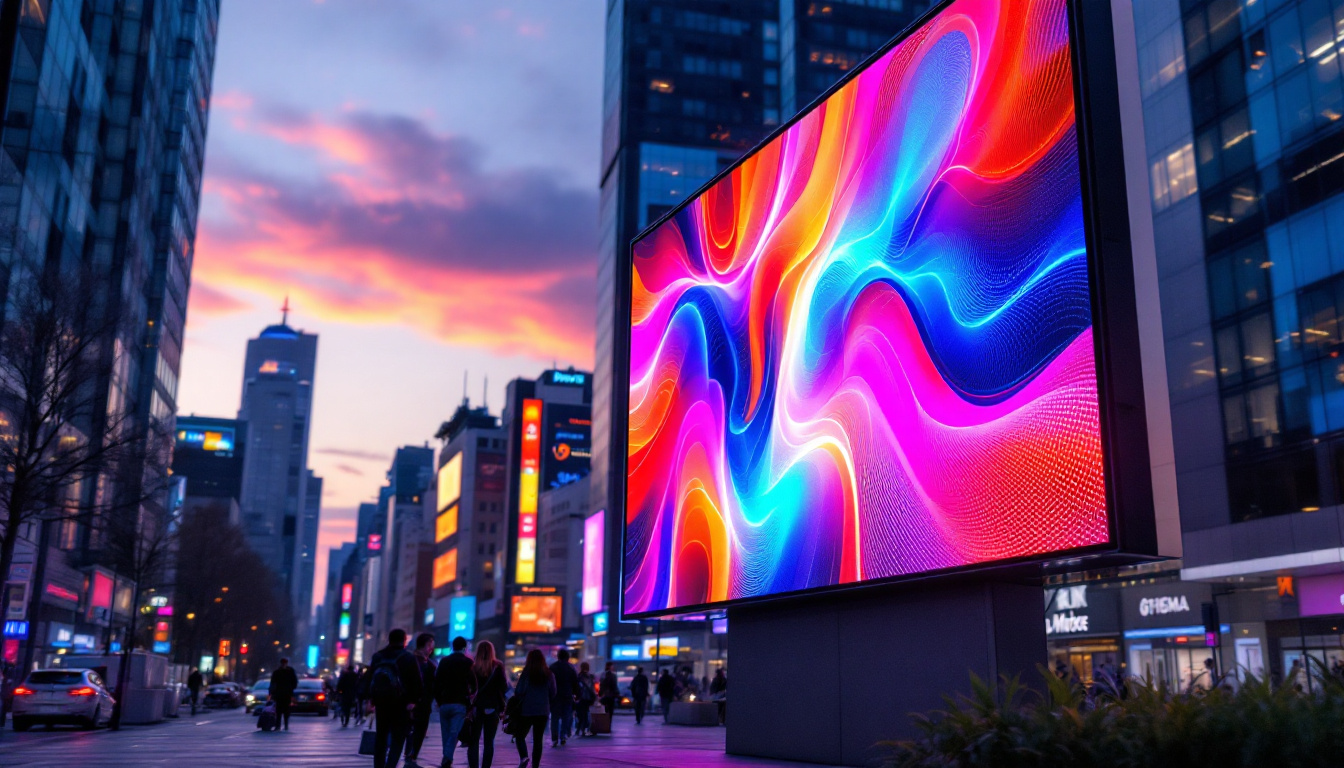
Today, LED displays have evolved beyond just backlighting. Direct-view LED panels, especially in large-format displays such as stadium screens and digital billboards, use LEDs as pixels themselves. This evolution has expanded the applications of LED technology far beyond conventional television and computer monitors. The ability to create large, seamless displays has transformed advertising, allowing brands to engage consumers with dynamic content in high-traffic areas.
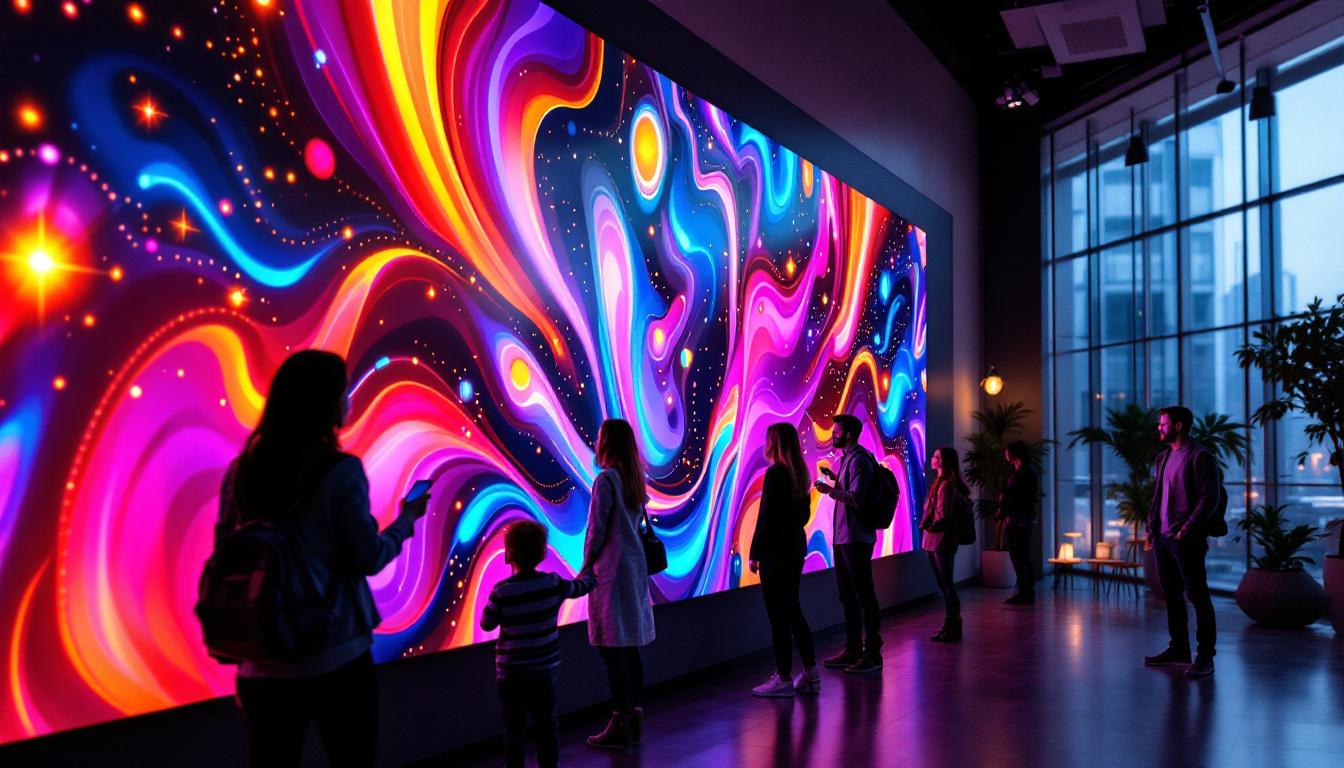
Furthermore, the transition to LED technology has also fostered advancements in smart display features. Many modern LED displays come equipped with integrated sensors and connectivity options, enabling interactive experiences that can respond to user input or environmental conditions. This interactivity is not only limited to consumer electronics but is also making waves in educational settings and public installations, where engaging visuals can enhance learning and information dissemination.
Advantages of LED Displays
Superior Brightness and Contrast
One of the most significant benefits of LED displays is their exceptional brightness. LEDs can achieve luminance levels far exceeding those of traditional LCDs, making them ideal for environments with high ambient light, such as outdoor advertising or retail spaces. Typical LED display brightness ranges from 600 to over 2,000 nits, compared to 250-350 nits for standard LCDs.
Moreover, LED displays offer superior contrast ratios. Because LEDs can be turned off completely at the pixel level, they produce true blacks, enhancing image depth and reducing eye strain. This capability is especially important for applications demanding high visual fidelity, such as medical imaging and professional video production. The ability to display vivid colors and intricate details makes LED technology a preferred choice for artists and designers who rely on accurate color representation in their work.
Energy Efficiency and Longevity
LED technology is inherently energy-efficient. LEDs consume less power than CCFL backlights and traditional display technologies, which translates into lower operating costs and reduced environmental impact. According to the U.S. Department of Energy, LED displays can use up to 30-50% less energy than comparable LCDs with CCFL backlighting.
Additionally, LEDs have a longer lifespan, often exceeding 50,000 hours of use. This durability reduces maintenance and replacement costs, especially in commercial and industrial settings where displays operate continuously. The longevity of LED displays also contributes to sustainability efforts, as fewer resources are needed for manufacturing replacements, thereby minimizing waste and carbon footprint over time.
Thin and Lightweight Design
The compact size of LEDs allows manufacturers to produce ultra-thin and lightweight displays. This design flexibility has led to innovations such as curved screens, transparent displays, and flexible panels, expanding the possibilities for creative installations in architecture, retail, and entertainment. Designers can now integrate screens seamlessly into their environments, whether it’s a stunning digital façade on a building or an interactive display embedded within furniture.
Furthermore, the lightweight nature of LED technology facilitates easier installation and transportation, making it a favored choice for events and exhibitions. This portability enables companies to create dynamic and engaging experiences for audiences, allowing for quick setup and breakdown without compromising on visual quality. As technology continues to evolve, we can expect even more groundbreaking applications of LED displays that push the boundaries of conventional design and functionality.
Applications of LED Flat Panel Displays
Consumer Electronics
LED technology has revolutionized consumer electronics, particularly in televisions, computer monitors, and smartphones. LED-backlit LCD TVs dominate the market due to their balance of image quality, cost, and energy efficiency. OLED TVs, a subset of LED technology, are gaining popularity for their unparalleled picture quality and thin form factors.
In smartphones, LED displays provide bright, vivid screens that remain visible even in direct sunlight. The use of micro-LEDs, an emerging technology, promises even greater energy efficiency and durability for mobile devices in the near future.
Commercial and Advertising Displays
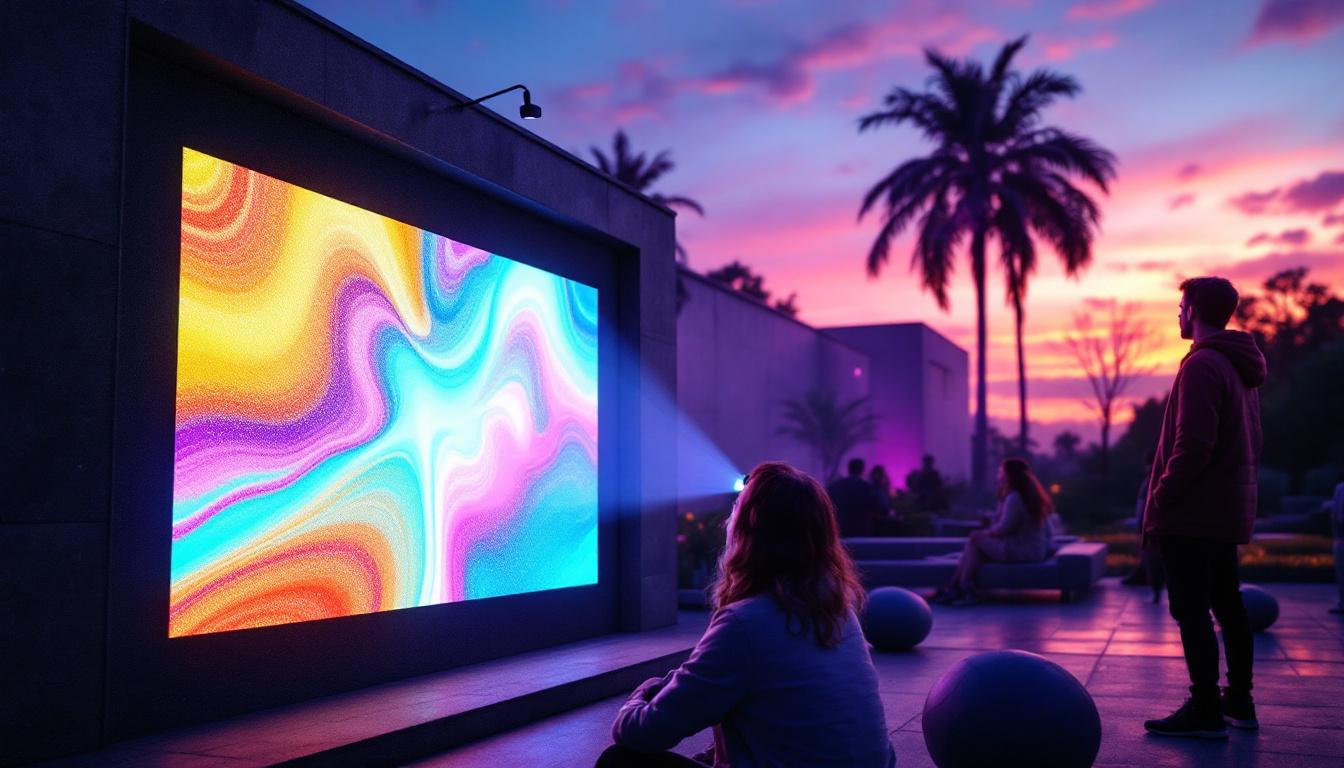
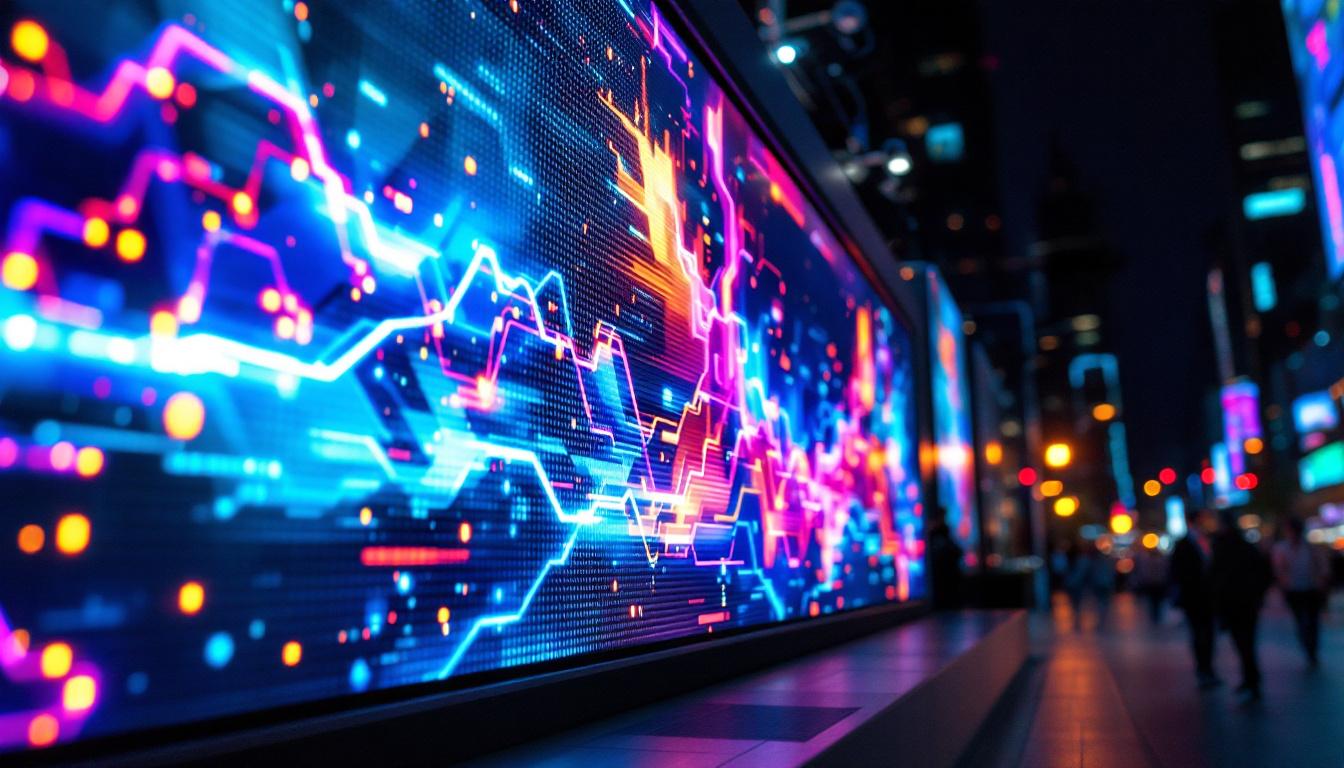
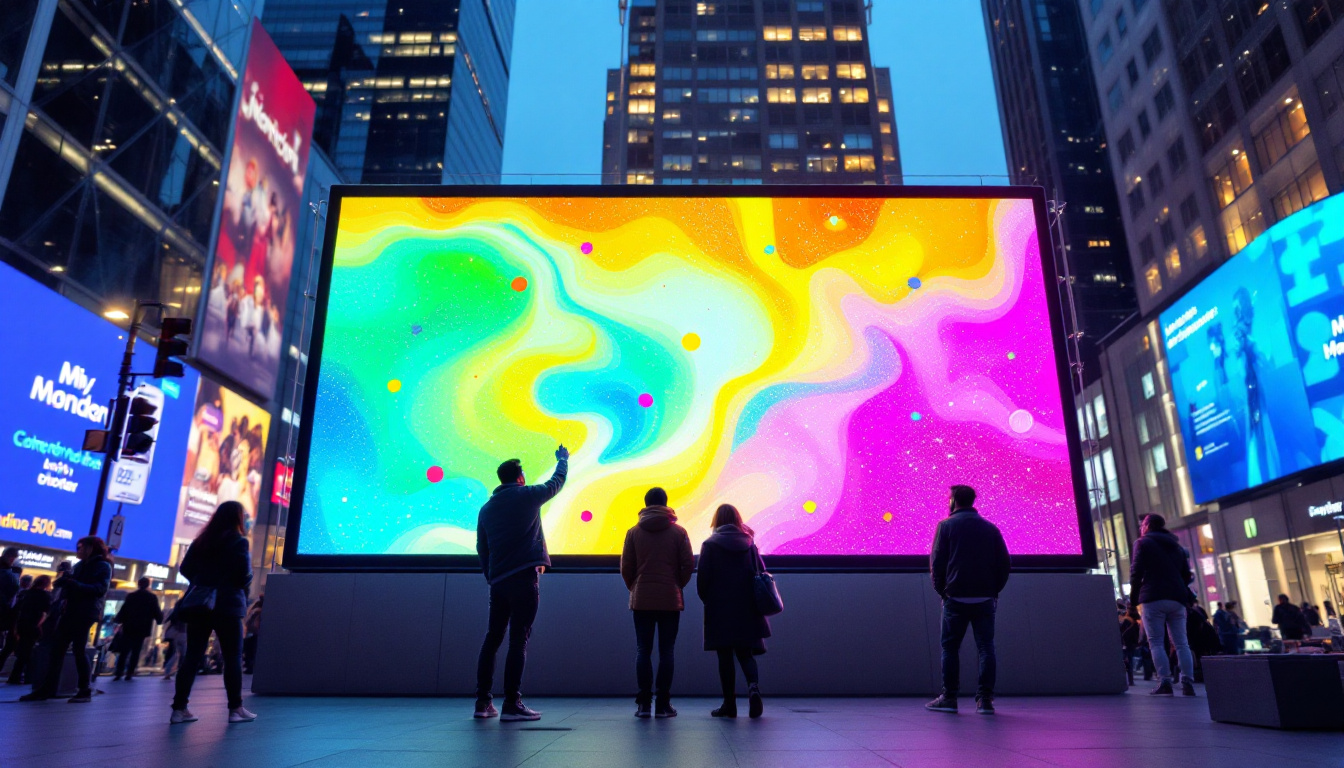
Large-format LED displays are widely used in commercial advertising, sports arenas, and public information systems. Their high brightness and scalability make them ideal for outdoor billboards, digital signage, and event displays. For example, Times Square in New York City features some of the world’s most iconic LED billboards, showcasing the technology’s impact on urban landscapes.
Retail environments also benefit from LED displays through dynamic product promotions and interactive kiosks, enhancing customer engagement and driving sales.
Industrial and Professional Use
In industrial settings, LED displays serve critical roles in control rooms, command centers, and manufacturing facilities. Their reliability, clarity, and ability to display real-time data make them indispensable for monitoring complex processes.
Professional video production and broadcasting rely on LED video walls for studio backdrops and live event coverage. The technology’s ability to deliver seamless, high-resolution images across large surfaces is unmatched by traditional projection systems.
Emerging Trends and Future of LED Displays
Micro-LED and Mini-LED Technologies
Micro-LED and mini-LED technologies represent the next frontier in LED displays. Micro-LEDs are microscopic LEDs that serve as individual pixels, offering the benefits of OLEDs—such as perfect blacks and high contrast—without the drawbacks like burn-in or limited lifespan. This technology is poised to revolutionize displays in TVs, wearables, and augmented reality devices.
Mini-LEDs, on the other hand, are smaller LEDs used as backlighting units for LCD panels. They enable better local dimming, resulting in improved contrast and brightness. Mini-LED displays have started appearing in premium laptops, tablets, and monitors, offering a significant upgrade over conventional LED-backlit LCDs.
Flexible and Transparent LED Displays
Advancements in materials science have led to the development of flexible and transparent LED displays. These innovations open new possibilities for integrating displays into everyday objects, such as smart windows, automotive windshields, and wearable devices.
Transparent LED displays can overlay information on glass surfaces without obstructing the view, making them ideal for retail storefronts and heads-up displays in vehicles. Flexible LED panels allow for curved or foldable screens, enhancing portability and design aesthetics.
Sustainability and Environmental Impact
As environmental concerns grow, the sustainability of display technologies becomes increasingly important. LED displays are generally more eco-friendly than their predecessors due to lower energy consumption and longer lifespans. Manufacturers are also focusing on recyclable materials and reducing hazardous substances in LED production.
Future innovations may further reduce the carbon footprint of LED displays, aligning with global efforts to combat climate change and promote sustainable technology adoption.
Choosing the Right LED Display
Factors to Consider
Selecting the appropriate LED display depends on several factors, including the intended application, viewing environment, resolution requirements, and budget. For instance, outdoor advertising demands high brightness and weather resistance, while indoor professional monitors prioritize color accuracy and resolution.
Pixel pitch—the distance between individual LEDs—is a critical specification. Smaller pixel pitches yield higher resolution and sharper images but come at a higher cost. Understanding these trade-offs helps businesses and consumers make informed decisions.
Installation and Maintenance
Proper installation is vital to maximize the performance and lifespan of LED displays. This includes considerations such as mounting, ventilation, and power supply. Maintenance routines, including cleaning and software updates, ensure consistent image quality and operational reliability.
Many manufacturers now offer modular LED panels that simplify installation and maintenance, allowing for easy replacement of damaged sections without dismantling the entire display.
Conclusion
LED flat panel displays have transformed the visual experience across multiple industries, offering unmatched brightness, energy efficiency, and design flexibility. From consumer electronics to large-scale commercial installations, LED technology continues to evolve, pushing the boundaries of what is possible in display technology.
With emerging innovations like micro-LEDs, flexible panels, and sustainable manufacturing practices, the future of LED displays looks brighter than ever. Understanding the technology and its applications empowers consumers and businesses to leverage these displays effectively, enhancing communication, entertainment, and productivity in an increasingly digital world.
Discover LumenMatrix’s Innovative LED Solutions
As you consider the vast potential and applications of LED technology, LumenMatrix invites you to explore our comprehensive range of LED display solutions. With our commitment to innovation and quality, we offer an array of products including Indoor and Outdoor LED Wall Displays, Vehicle LED Displays, LED Poster Displays, LED Sports Displays, Floor LED Displays, Custom LED Displays, All-in-One LED Displays, and LED Transparent Displays. Experience how LumenMatrix is redefining visual communication and take the first step towards transforming your space with captivating and efficient LED displays. Check out LumenMatrix LED Display Solutions and join the revolution in digital signage.