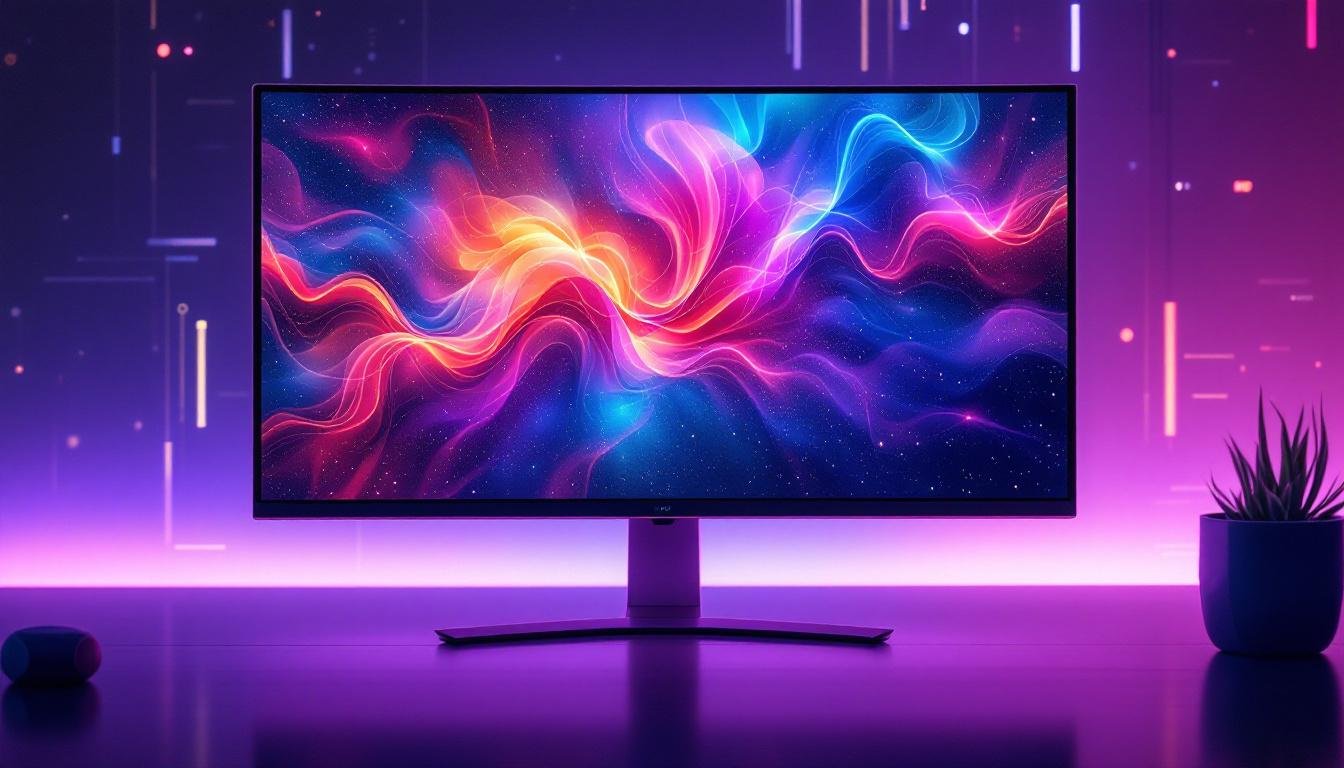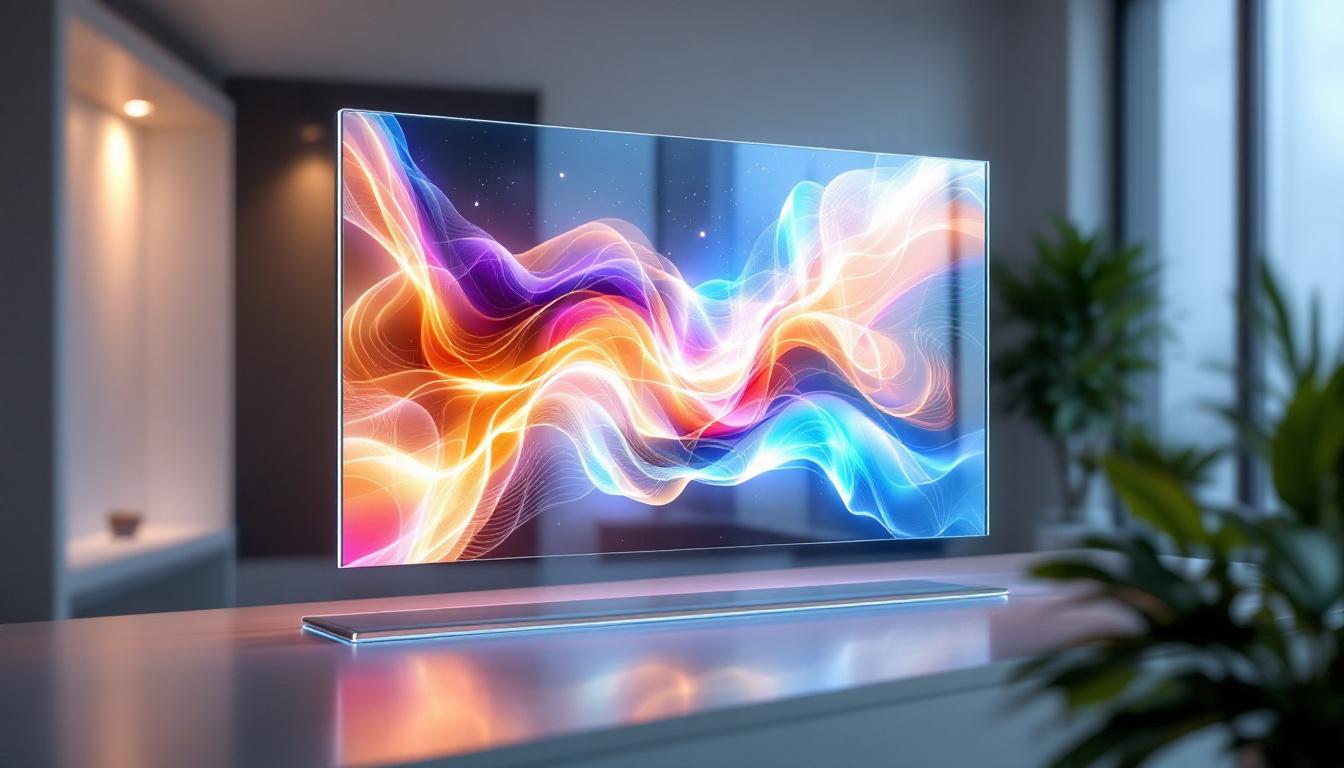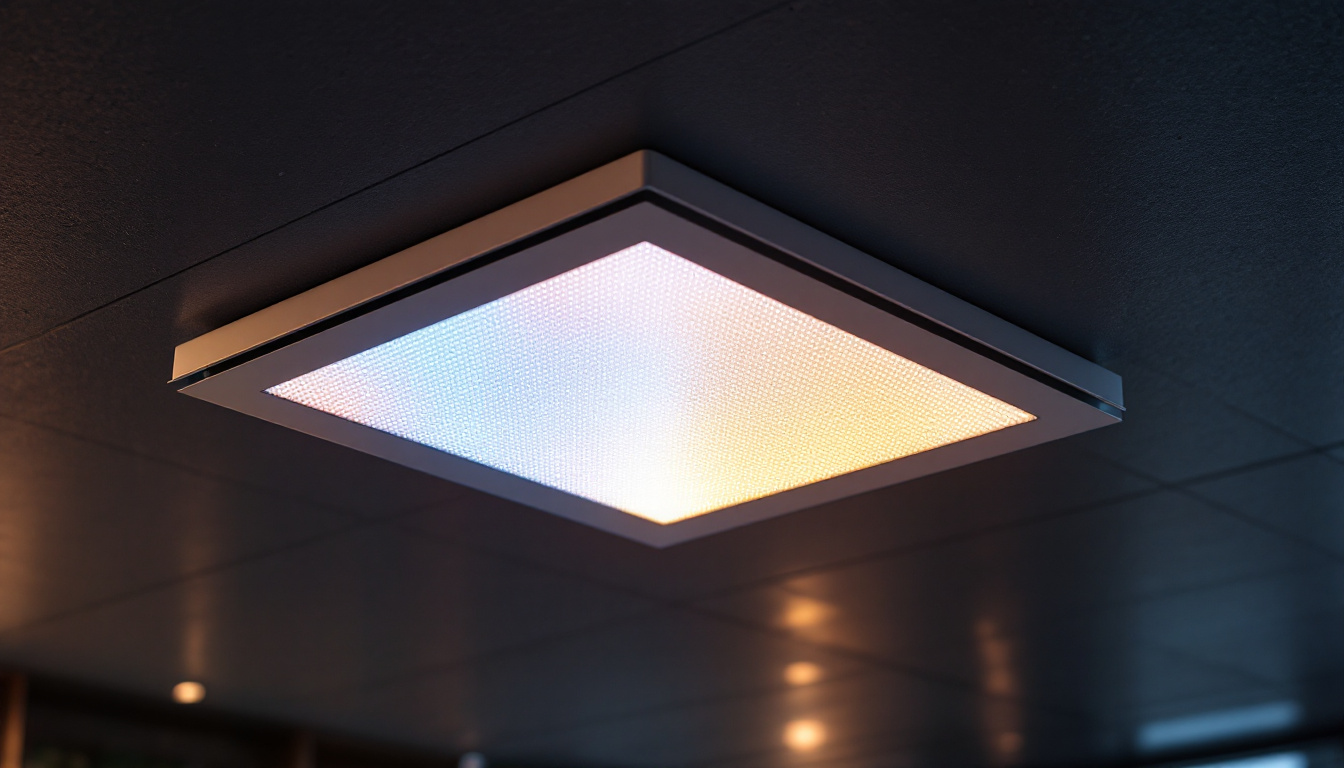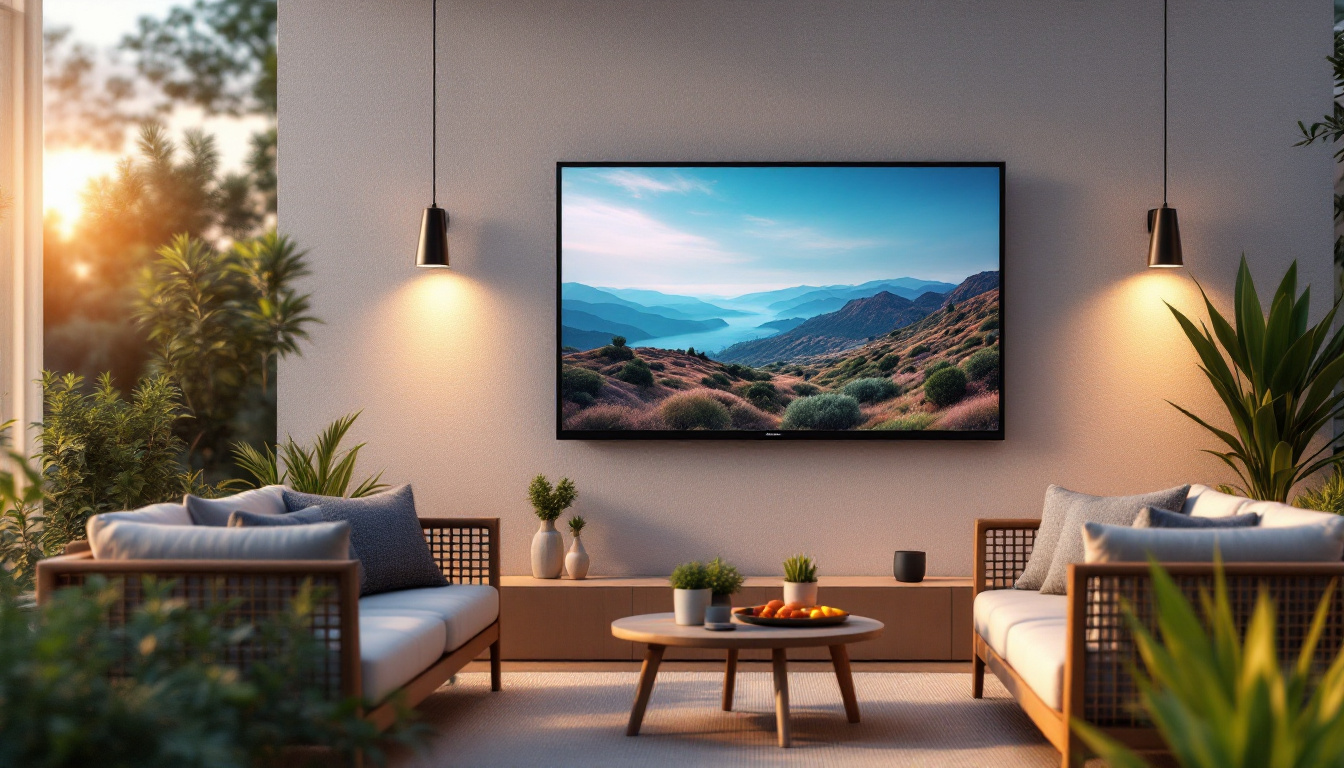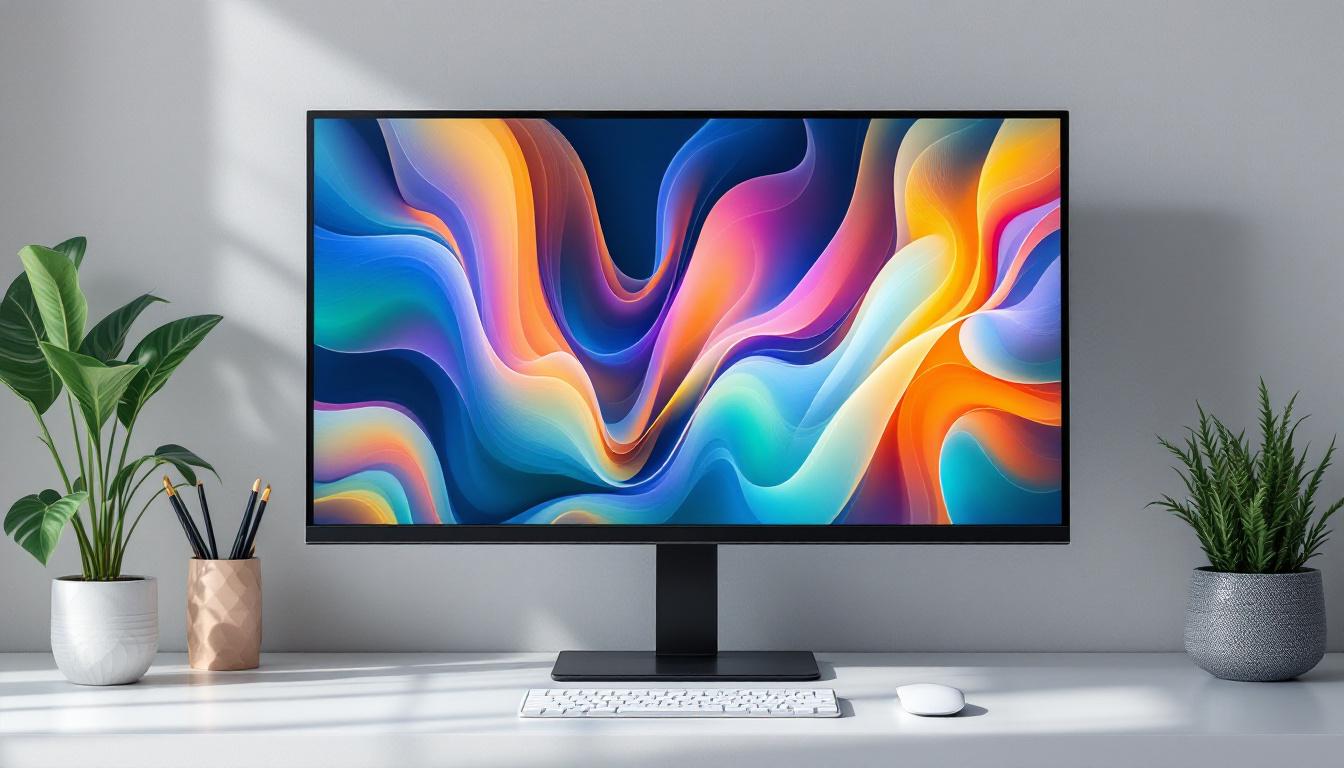
In the ever-evolving world of display technology, flat screen monitors have become a staple in homes, offices, and entertainment setups worldwide. Among the various types available, LED displays stand out for their vibrant colors, energy efficiency, and sleek designs. But what exactly is an LED display, and why has it become the preferred choice for so many users? This article delves deep into the technology behind LED flat screen monitors, exploring their benefits, types, and how they compare to other display technologies.
Understanding LED Display Technology
What Does LED Mean?
LED stands for Light Emitting Diode, a semiconductor device that emits light when an electric current passes through it. In the context of flat screen monitors, LEDs serve as the backlighting source that illuminates the pixels on the screen. Unlike older display technologies that used fluorescent tubes for backlighting, LEDs are smaller, more energy-efficient, and capable of producing brighter and more uniform light. This efficiency not only reduces electricity consumption but also contributes to a longer lifespan for the display, making LED technology a preferred choice for both consumers and manufacturers alike.
How LED Monitors Work
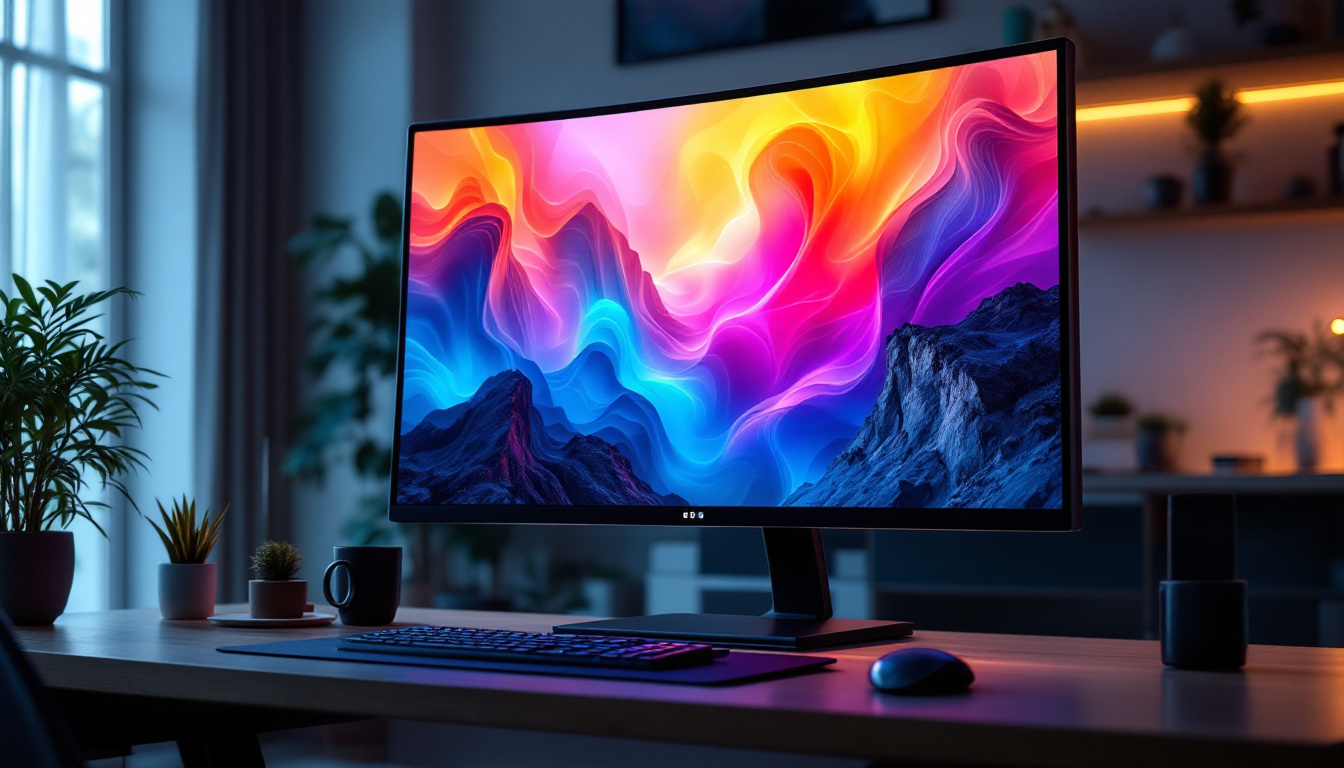
Flat screen monitors with LED displays typically use an LCD (Liquid Crystal Display) panel combined with LED backlighting. The LCD panel itself doesn’t emit light; instead, it manipulates light passing through it to create images. The LEDs behind or along the edges of the screen provide the necessary illumination. When electric signals activate the liquid crystals, they selectively block or allow light to pass through colored filters, forming the images we see. This intricate process allows for a wide range of colors and contrasts, enhancing the viewing experience significantly.
This combination of LCD and LED technology is often referred to as “LED LCD” to differentiate it from older LCD monitors that used CCFL (Cold Cathode Fluorescent Lamp) backlighting. True OLED (Organic LED) displays, which emit light from organic compounds themselves, are a different category and are generally more expensive. The advancements in LED technology have also led to the development of various types of displays, such as Full-Array and Edge-Lit LED, each offering unique benefits. Full-Array LED displays, for instance, utilize a grid of LEDs across the entire back of the screen, allowing for better local dimming and improved contrast ratios, which is particularly beneficial for watching movies or playing video games in darker environments.
Types of LED Backlighting in Flat Screen Monitors
Edge-Lit LED Displays
Edge-lit LED monitors position the LEDs along the edges of the screen. Light is then diffused across the display using light guides to ensure even illumination. This design allows for thinner and lighter monitors, making them popular for sleek, modern setups.
However, edge-lit displays can sometimes suffer from uneven brightness or “hot spots” where the light is more intense near the edges. Manufacturers have improved this over time with better diffusion layers and more LEDs, but it remains a consideration for those seeking perfect uniformity. Additionally, edge-lit displays are often more energy-efficient than their direct-lit counterparts, making them a favorable choice for users who prioritize sustainability. Their lightweight design also makes them easier to mount on walls, appealing to consumers looking to save space while maintaining a stylish aesthetic.
Direct-Lit and Full-Array LED Displays
Direct-lit LED monitors place LEDs directly behind the LCD panel, providing more uniform backlighting. Full-array LED displays take this a step further by incorporating an array of LEDs that can be individually dimmed or brightened, a feature known as local dimming.
Local dimming enhances contrast ratios by dimming LEDs in darker areas of the screen while keeping bright areas illuminated. This results in deeper blacks and more vibrant colors, significantly improving picture quality. Full-array LED monitors tend to be thicker and more expensive but offer superior image performance. Furthermore, these displays are often equipped with advanced processing technology that optimizes image quality in real time, ensuring that fast-moving scenes in movies or video games are rendered smoothly without motion blur. This makes them a popular choice among enthusiasts who demand the best visual experience, whether for entertainment or professional use.
Mini-LED Technology
Mini-LED is an emerging backlighting technology that uses thousands of tiny LEDs, much smaller than traditional ones, to provide even more precise local dimming and brightness control. This technology bridges the gap between conventional LED LCDs and OLED displays, offering high contrast and brightness without the risk of burn-in associated with OLEDs.
Mini-LED monitors are gaining traction in professional fields like video editing and gaming, where color accuracy and contrast are paramount. The increased number of dimming zones allows for more detailed gradation in shadows and highlights, making images appear more lifelike. Additionally, as this technology evolves, manufacturers are exploring ways to integrate it with HDR (High Dynamic Range) content, further enhancing the viewing experience by delivering a broader spectrum of colors and improved brightness levels. This combination of features positions Mini-LED as a compelling option for consumers looking for cutting-edge display technology that meets the demands of both casual viewing and professional applications.
Advantages of LED Flat Screen Monitors
Energy Efficiency
One of the most significant advantages of LED monitors over older CCFL-backlit LCDs is energy efficiency. LEDs consume less power, which translates to lower electricity bills and a reduced environmental footprint. According to the U.S. Department of Energy, LED backlighting can reduce power consumption by up to 40% compared to CCFLs.
This efficiency also means less heat generation, contributing to longer device lifespans and more comfortable usage environments.
Improved Image Quality
LED backlighting provides brighter displays with better color accuracy and contrast. Full-array and mini-LED technologies, in particular, offer enhanced local dimming capabilities, resulting in deeper blacks and more vibrant visuals. This makes LED monitors ideal for applications requiring precise color reproduction, such as graphic design, photography, and video production.
Thinner and Lighter Designs
LEDs are smaller and more flexible in placement than fluorescent tubes, enabling manufacturers to create thinner and lighter monitors. This design flexibility has led to ultra-slim profiles and curved screens that enhance aesthetic appeal and ergonomic comfort.
Longer Lifespan and Durability
LEDs have a longer operational life compared to CCFLs, often lasting over 50,000 hours. They are also more resistant to shock and vibration, making LED monitors more durable and reliable in various environments.
Comparing LED Monitors with Other Display Technologies
LED vs. OLED
While LED monitors use LED backlighting with an LCD panel, OLED displays emit light directly from organic compounds. OLEDs offer superior contrast ratios, true blacks, and faster refresh rates, making them popular for high-end smartphones, TVs, and some monitors.
However, OLEDs are generally more expensive and can suffer from burn-in issues where static images leave permanent marks on the screen. LED monitors, especially those with mini-LED backlighting, provide a balance of excellent image quality and longevity at a more affordable price point.
LED vs. LCD with CCFL Backlighting
Traditional LCD monitors used CCFL backlighting, which is bulkier, less energy-efficient, and offers lower brightness levels compared to LED backlighting. LED monitors have largely replaced CCFL LCDs in the market due to their advantages in power consumption, color performance, and design.
LED vs. Plasma Displays
Plasma displays, once popular for their deep blacks and wide viewing angles, have largely been phased out in favor of LED and OLED technologies. Plasma screens consume more power, generate more heat, and are heavier than LED monitors. Additionally, plasma displays are prone to screen burn-in and have shorter lifespans.
Choosing the Right LED Flat Screen Monitor
Consider Your Usage Needs
When selecting an LED monitor, understanding your primary use case is crucial. For general office work and browsing, a standard edge-lit LED monitor with Full HD resolution might suffice. However, for gaming, video editing, or professional graphic design, investing in a full-array or mini-LED monitor with higher resolution (such as 4K) and better color accuracy is advisable.
Screen Size and Resolution
Screen size and resolution go hand-in-hand. Larger monitors benefit from higher resolutions to maintain image sharpness. For example, a 27-inch monitor with 2560×1440 pixels (QHD) offers a clearer image than a 1080p display of the same size. For ultra-large screens (32 inches and above), 4K resolution is increasingly common.
Refresh Rate and Response Time
Gamers and video professionals should pay attention to refresh rates and response times. LED monitors can support refresh rates from 60Hz to 240Hz and beyond. Higher refresh rates provide smoother motion, while lower response times reduce motion blur and ghosting effects.
Connectivity and Additional Features
Modern LED monitors come equipped with various connectivity options such as HDMI, DisplayPort, USB-C, and built-in speakers. Features like adjustable stands, blue light filters, and flicker-free technology enhance comfort during prolonged use.
Future Trends in LED Monitor Technology
Advancements in Mini-LED and MicroLED
Mini-LED technology is expected to become more mainstream as production costs decrease, offering consumers access to displays with exceptional contrast and brightness. MicroLED, a newer technology that uses microscopic LEDs to create self-emissive displays, promises even better performance with higher brightness, energy efficiency, and lifespan, potentially revolutionizing the flat screen monitor market.
Integration with Smart Technologies
LED monitors are increasingly integrating smart features such as voice control, built-in AI for display calibration, and seamless connectivity with other smart devices. These advancements aim to enhance user experience and productivity.
Sustainability and Eco-Friendly Designs
As environmental concerns grow, manufacturers are focusing on sustainable materials and energy-efficient designs. LED monitors, with their lower power consumption and longer lifespans, align well with these goals, and future models are expected to emphasize recyclability and reduced environmental impact.
Conclusion
LED flat screen monitors represent a significant leap in display technology, combining energy efficiency, superior image quality, and sleek design. Understanding the nuances of LED backlighting—whether edge-lit, full-array, or mini-LED—can help consumers make informed decisions tailored to their specific needs.
As technology continues to advance, LED monitors will remain a versatile and reliable choice for a wide range of applications, from everyday computing to professional content creation and immersive gaming. Staying informed about the latest developments ensures users can select displays that not only meet but exceed their expectations.
Explore Cutting-Edge LED Displays with LumenMatrix
Ready to elevate your visual experience with the latest in LED display technology? LumenMatrix, a pioneer in the field, offers an extensive range of innovative LED display solutions tailored to your unique needs. From vibrant Indoor LED Wall Displays to dynamic Outdoor LED Wall Displays, and from sleek LED Poster Displays to immersive LED Sports and Floor Displays, LumenMatrix has the perfect solution to bring your vision to life. Embrace the future of visual communication with our Custom, All-in-One, and LED Transparent Displays designed to captivate and engage. Don’t miss out on the opportunity to transform your space. Check out LumenMatrix LED Display Solutions today and discover how you can create impactful and memorable visual experiences.