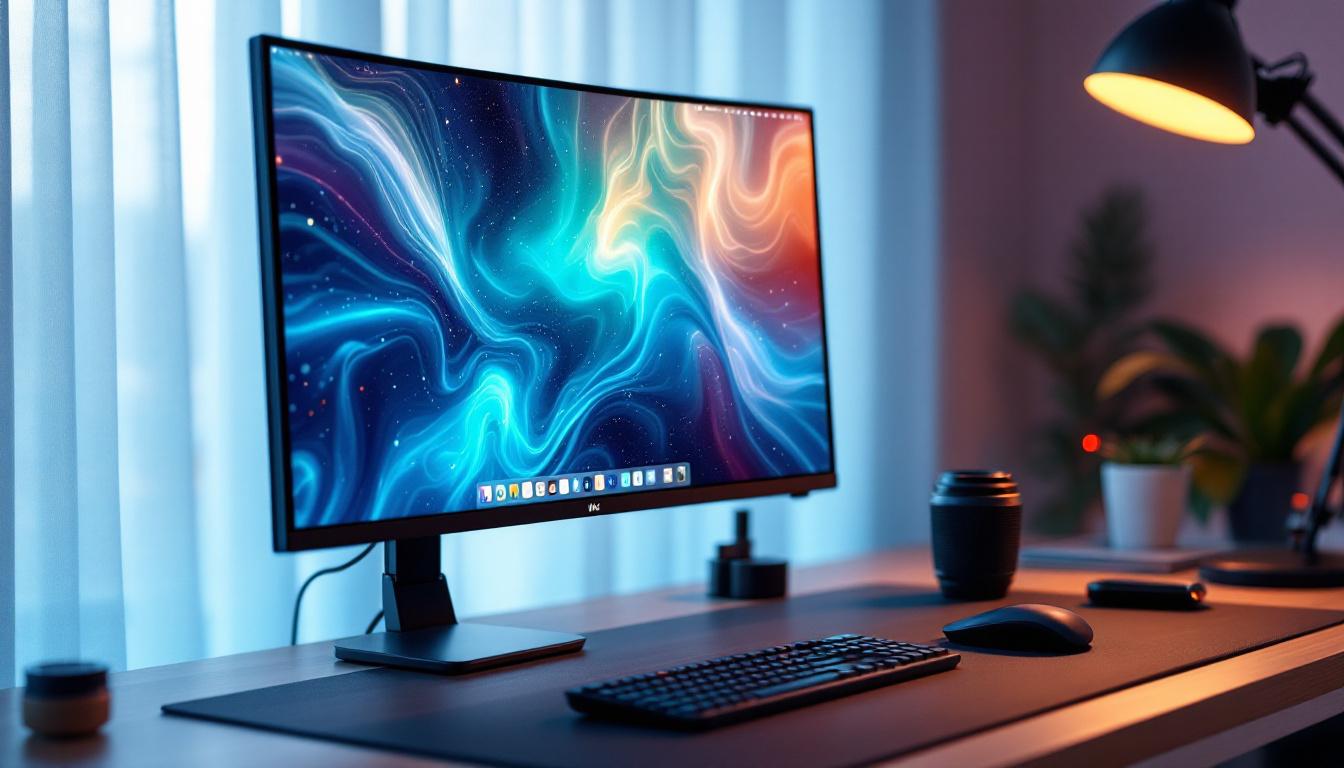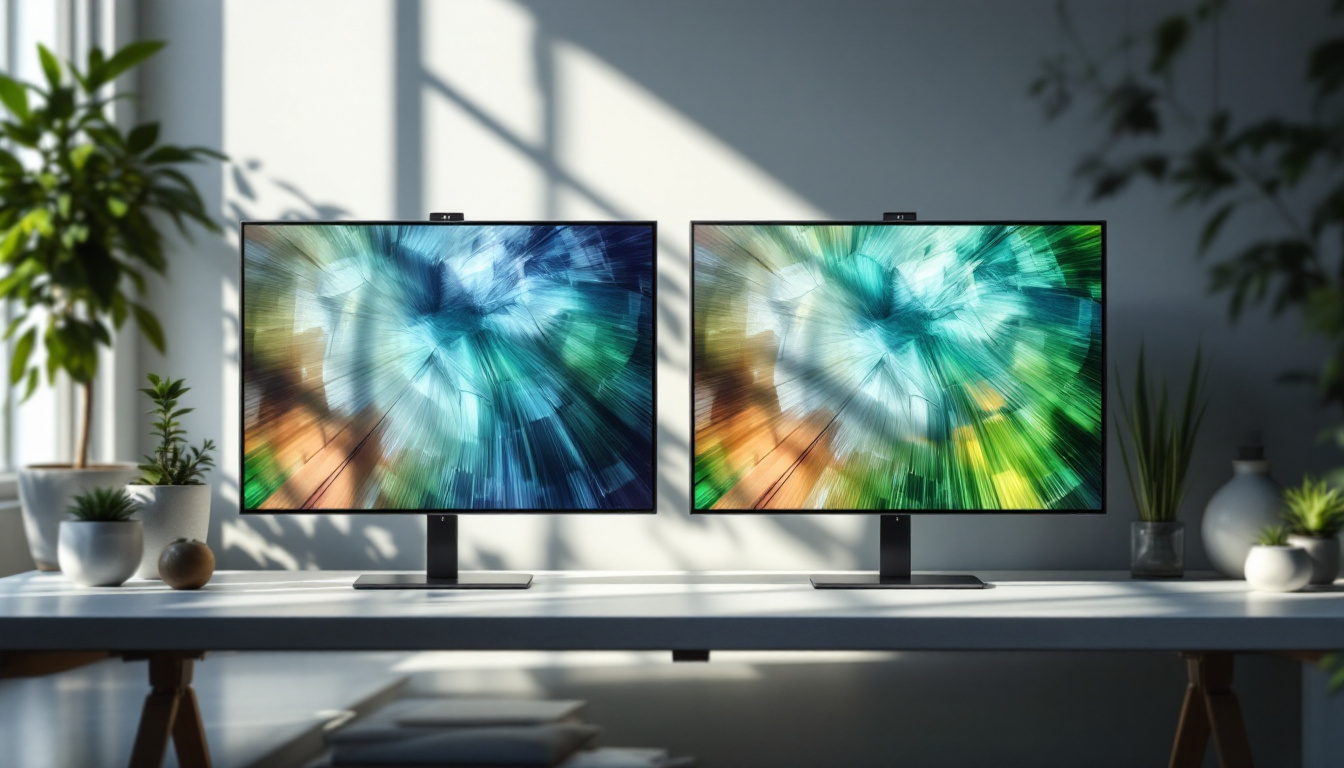
The evolution of television technology has transformed the way people consume media. Among the various types of displays available today, LED (Light Emitting Diode) technology stands out as one of the most popular choices for flatscreen TVs. This article delves into the intricacies of LED displays, exploring their advantages, how they work, and what to consider when purchasing a flatscreen TV.
Understanding LED Technology
LED technology has revolutionized the television industry, offering brighter images and improved energy efficiency compared to traditional LCD screens. At its core, an LED display utilizes semiconductor diodes that emit light when an electric current passes through them. This fundamental difference in how light is produced sets LED displays apart from their predecessors. As a result, consumers can enjoy a more immersive viewing experience, whether they’re watching their favorite movies, playing video games, or streaming content online.
How LED Displays Work
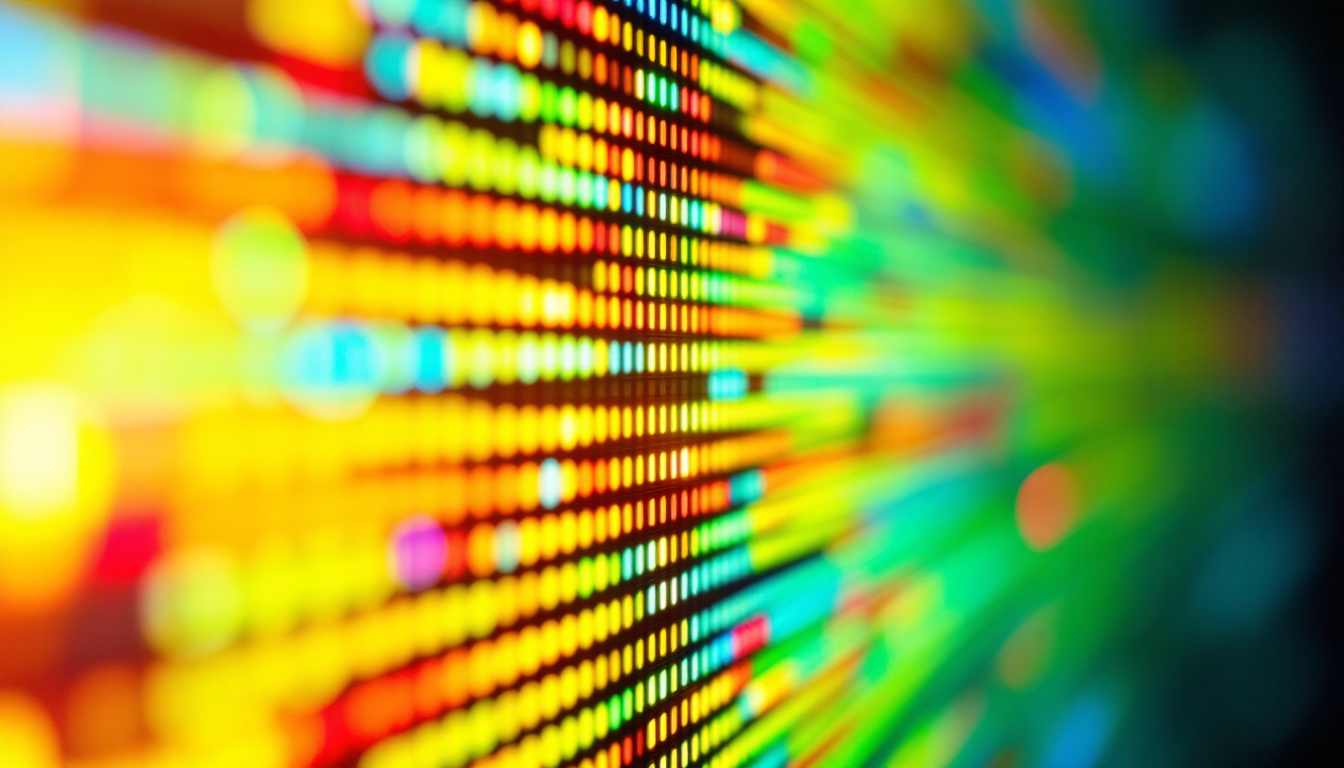
LED displays are essentially a type of LCD (Liquid Crystal Display) that uses LEDs as a backlight. In a typical LCD screen, fluorescent lights are used to illuminate the display. However, LED technology replaces these fluorescent lights with energy-efficient diodes. This change not only enhances the brightness and contrast of the images but also allows for thinner and lighter screens. The technology has evolved significantly over the years, with advancements such as local dimming and quantum dot technology further enhancing picture quality and color accuracy.
There are two main types of LED displays: edge-lit and backlit. Edge-lit LED TVs have LEDs positioned around the edges of the screen, while backlit LED TVs feature a grid of LEDs behind the entire screen. Backlit models generally provide better picture quality due to more uniform lighting across the display. Additionally, some high-end models utilize full-array local dimming, which allows specific zones of the screen to be dimmed or brightened independently, resulting in even greater contrast and detail in darker scenes.
The Benefits of LED Displays
LED displays offer a multitude of advantages that make them a preferred choice for consumers. One of the most significant benefits is their energy efficiency. Compared to traditional LCDs and plasma TVs, LED screens consume less power, which translates to lower electricity bills over time. This efficiency not only benefits the consumer’s wallet but also contributes to a reduced carbon footprint, making LED technology a more environmentally friendly option.
Additionally, LED displays provide superior brightness and contrast ratios. This means that colors appear more vibrant and blacks are deeper, enhancing the overall viewing experience. Furthermore, LED technology is known for its longevity, often lasting longer than other display types, which adds to its appeal. The durability of LED screens also means they are less prone to burn-in, a common issue with older plasma displays, allowing for a wider range of content to be enjoyed without fear of image retention. As technology continues to advance, features such as HDR (High Dynamic Range) are becoming standard, further elevating the visual experience by delivering a broader spectrum of colors and improved detail in both bright and dark scenes.
Comparing LED with Other Display Technologies
While LED technology is widely popular, it is essential to understand how it compares with other display technologies such as OLED (Organic Light Emitting Diode) and QLED (Quantum Dot LED). Each technology has its unique features and benefits, catering to different preferences and needs.
LED vs. OLED
OLED displays utilize organic compounds that emit light when an electric current is applied. Unlike LED displays, each pixel in an OLED screen can turn on and off independently, resulting in true blacks and exceptional color accuracy. This capability gives OLED an edge in terms of picture quality, especially in dark scenes.
However, OLED technology tends to be more expensive than LED, which can be a significant factor for budget-conscious consumers. Additionally, OLED screens may suffer from burn-in issues, where static images can leave a permanent mark on the display. In contrast, LED displays do not face this problem, making them a safer choice for varied content viewing.
LED vs. QLED
QLED is a technology developed by Samsung that enhances LED displays with quantum dot technology. This innovation allows for improved color accuracy and brightness levels, making QLED TVs particularly appealing for bright room environments. QLED screens can also achieve a higher peak brightness than standard LED displays, which is beneficial for HDR (High Dynamic Range) content.
Despite these advantages, QLED TVs still rely on LED backlighting, meaning they do not achieve the same level of contrast as OLED displays. However, they are generally more affordable than OLED options, providing a middle ground for consumers seeking high-quality visuals without breaking the bank.
Key Features to Consider When Buying a Flatscreen TV
When shopping for a flatscreen TV, particularly one with an LED display, several critical features should be taken into account to ensure the best viewing experience. Understanding these features can help consumers make informed decisions tailored to their needs.
Resolution
Resolution is one of the most crucial factors to consider when purchasing a TV. It refers to the number of pixels that make up the image on the screen. Higher resolution means a clearer and sharper picture. Common resolutions include Full HD (1920 x 1080), 4K UHD (3840 x 2160), and the emerging 8K UHD (7680 x 4320).
4K UHD has become the standard for new TVs, offering four times the pixel count of Full HD. This increase in resolution is particularly noticeable on larger screens, where the clarity and detail can significantly enhance the viewing experience. For those who want to future-proof their purchase, opting for a 4K or even 8K TV is advisable.
Refresh Rate
The refresh rate, measured in Hertz (Hz), indicates how many times per second the image on the screen is refreshed. A higher refresh rate can result in smoother motion, which is particularly beneficial for watching fast-paced content like sports or action movies. Common refresh rates include 60Hz, 120Hz, and even higher for premium models.
For most viewers, a 60Hz refresh rate is sufficient. However, for avid gamers or sports enthusiasts, a higher refresh rate can enhance the viewing experience by reducing motion blur and providing a more fluid image.
Smart Features
In today’s digital age, many consumers are looking for smart TVs that offer internet connectivity and access to streaming services. Smart features allow users to stream content from platforms like Netflix, Hulu, and Amazon Prime directly on their TV without the need for additional devices.
When evaluating smart features, consider the user interface, available apps, and compatibility with voice assistants. A user-friendly interface can significantly enhance the overall experience, making it easier to navigate and discover new content.
Installation and Setup
Once a flatscreen TV has been selected, the next step is installation and setup. Proper installation ensures optimal performance and longevity of the device. Here are some essential tips for setting up an LED TV.
Choosing the Right Location
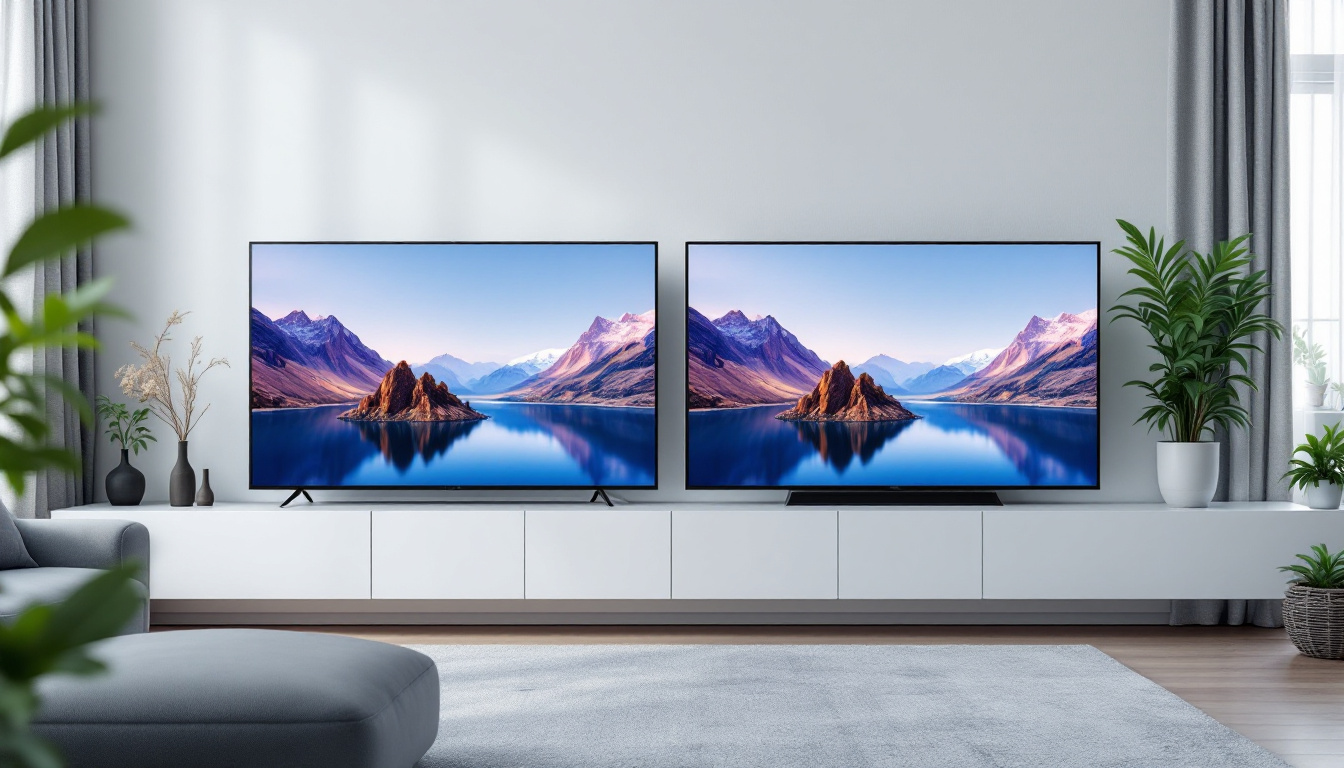
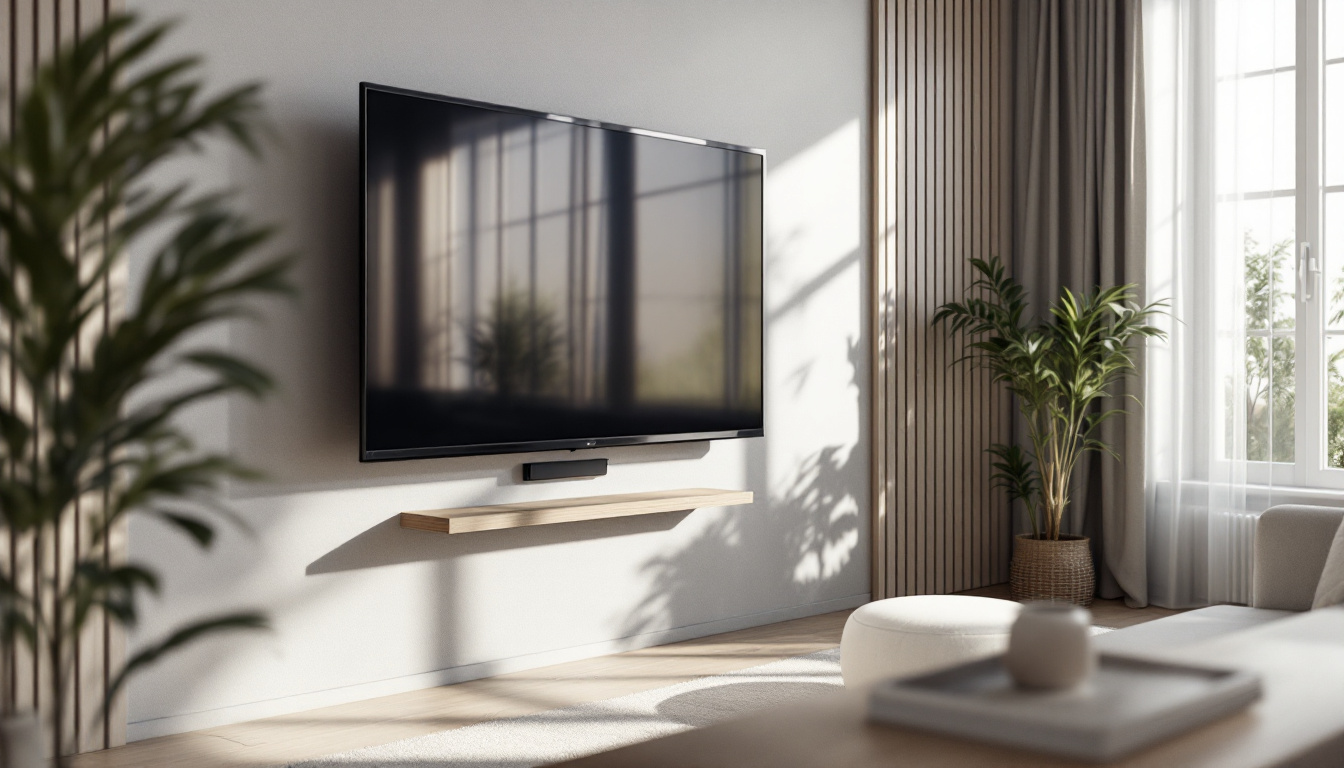
The placement of the TV can greatly affect the viewing experience. It is essential to choose a location that minimizes glare from windows and light sources. Ideally, the TV should be positioned at eye level when seated, which enhances comfort during extended viewing sessions.
Additionally, consider the distance between the TV and seating area. A general rule of thumb is to sit at a distance that is three times the height of the TV screen for optimal viewing. For example, if the TV is 55 inches, the ideal distance would be approximately 6.5 feet.
Connecting Devices
Modern flatscreen TVs come equipped with multiple ports for connecting devices such as gaming consoles, Blu-ray players, and sound systems. Ensure that the necessary cables are available and that devices are connected correctly to avoid any compatibility issues.
HDMI (High-Definition Multimedia Interface) is the standard connection for most devices, providing both audio and video signals through a single cable. For those using older devices, it may be necessary to use adapters or different connection types, such as component or composite cables.
Maintaining Your LED TV
To ensure the longevity and optimal performance of an LED TV, regular maintenance is essential. Simple care practices can prevent issues and keep the display looking its best.
Cleaning the Screen
Dust and fingerprints can accumulate on the screen, affecting picture quality. It is advisable to use a microfiber cloth to gently wipe the screen. Avoid using harsh chemicals or abrasive materials, as these can damage the display. Instead, a mixture of water and vinegar can be used for deeper cleaning, applied with a soft cloth.
Additionally, ensure that the TV is turned off and unplugged before cleaning to prevent any electrical issues or damage to the screen.
Software Updates
For smart TVs, keeping the software updated is crucial for performance and security. Manufacturers frequently release updates that improve functionality, fix bugs, and enhance security features. Regularly check for updates in the settings menu and install them as needed to ensure the TV operates smoothly.
Conclusion
LED displays have become a staple in modern flatscreen TVs, offering a combination of energy efficiency, superior picture quality, and longevity. Understanding the technology behind LED displays, comparing them with other options, and considering key features can help consumers make informed decisions when purchasing a new TV.
From resolution and refresh rates to smart features and maintenance, each aspect plays a vital role in enhancing the overall viewing experience. With the right knowledge and careful consideration, finding the perfect flatscreen TV can be a straightforward and rewarding process.
Discover the Future of Visual Experience with LumenMatrix
Ready to elevate your viewing experience with the latest in LED display technology? Look no further than LumenMatrix, a pioneer in crafting immersive visual solutions. Whether you’re in need of an Indoor LED Wall Display for your business, an Outdoor LED Wall Display for advertising, or any of our innovative products like Vehicle LED Displays, LED Posters, or Custom LED solutions, LumenMatrix is here to transform your space and captivate your audience. Dive into a world where clarity meets innovation and check out LumenMatrix LED Display Solutions today to see how we can enhance your brand visibility and create unforgettable visual experiences.