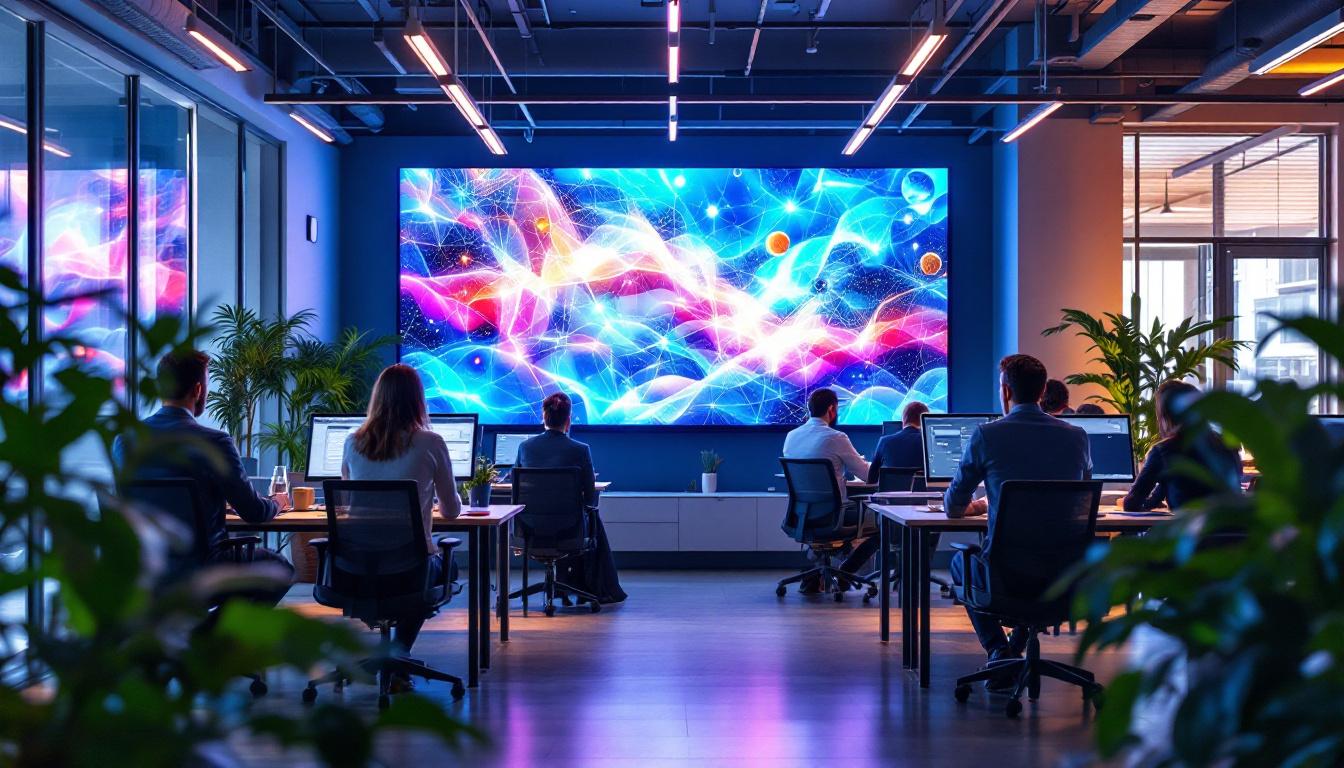
In today’s dynamic business environment, flexibility and technology are key drivers of success. The rise of flex office spaces has transformed how companies operate, offering adaptable work environments that cater to evolving needs. Integral to this transformation is the use of LED displays, which enhance communication, branding, and operational efficiency within these spaces.
This article explores the intersection of flex office spaces and LED display technology, explaining how LED displays function, their benefits, and why they are becoming an essential feature in modern flexible workspaces.
Understanding Flex Office Spaces
Flex office spaces, also known as flexible workspaces, are designed to offer businesses adaptable environments that can be scaled up or down depending on their requirements. Unlike traditional office leases, which often lock companies into long-term commitments, flex offices provide short-term rental options, shared amenities, and collaborative areas.
According to a 2023 report by JLL, the global flex office market is expected to grow at a compound annual growth rate (CAGR) of 14% through 2027. This surge is driven by increasing demand from startups, remote workers, and enterprises seeking agility in their real estate strategy. The rise of digital nomadism and the shift towards remote work have further accelerated this trend, as companies recognize the need for versatile spaces that can adapt to fluctuating team sizes and project demands.
Flex offices typically include coworking spaces, serviced offices, meeting rooms, and event areas. The design emphasizes openness, collaboration, and technology integration, making digital tools like LED displays critical for seamless operation. Furthermore, many flex office providers are incorporating wellness features such as natural lighting, ergonomic furniture, and relaxation zones to enhance employee satisfaction and productivity. This holistic approach to workspace design is becoming increasingly important as businesses prioritize the well-being of their teams.
Why Businesses Choose Flex Office Spaces
Flexibility is the primary appeal of these spaces. Companies can avoid the high costs and commitments of traditional leases while benefiting from fully equipped offices. This model supports hybrid work trends, allowing employees to work both remotely and on-site with ease. In addition, the ability to scale office space up or down in response to changing business needs means that companies can allocate resources more efficiently, adapting their physical footprint without the burden of lengthy lease negotiations.
Moreover, flex offices foster networking and collaboration by bringing together diverse professionals under one roof. This environment encourages innovation and knowledge sharing, which is invaluable for startups and growing businesses. The communal atmosphere often leads to spontaneous interactions and collaborations that can spark new ideas and partnerships. Many flex office providers also organize networking events, workshops, and social gatherings, further enhancing the community aspect and providing opportunities for professional growth. As a result, businesses not only gain a workspace but also access to a vibrant ecosystem that can support their growth and development.
What Are LED Displays? A Technical Overview
LED stands for Light Emitting Diode, a semiconductor device that emits light when an electric current passes through it. LED displays use an array of these diodes to create images, videos, and text that are bright, vivid, and energy-efficient. The technology behind LEDs allows for a wide color spectrum and rapid response times, making them suitable for a variety of applications, from entertainment to advertising.
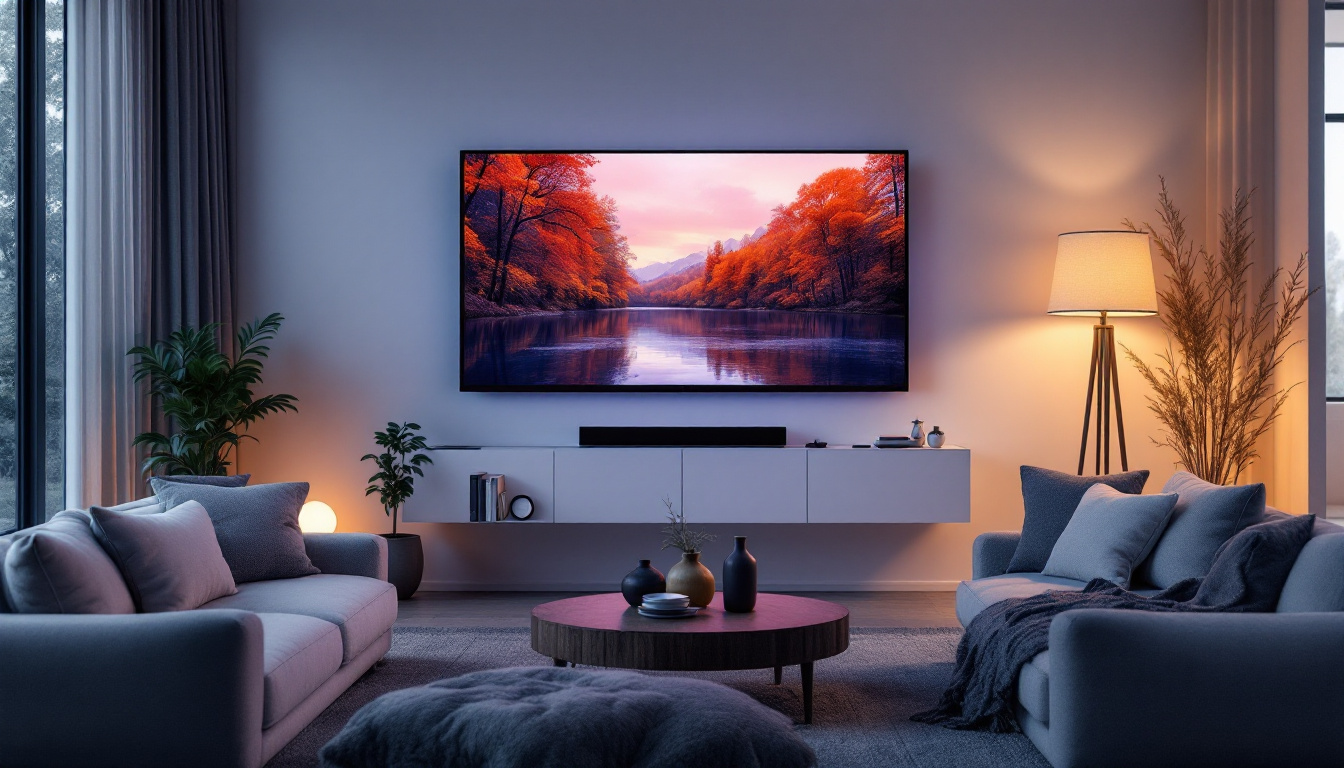
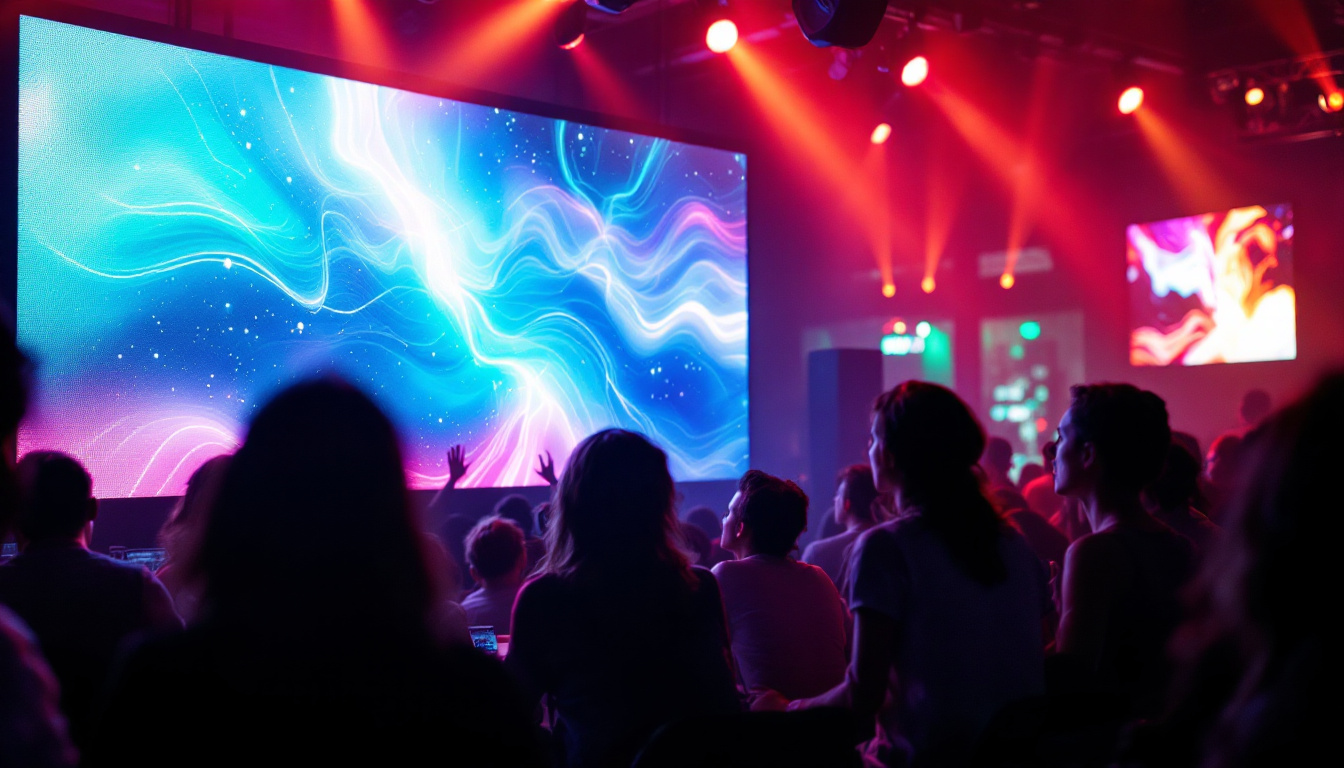
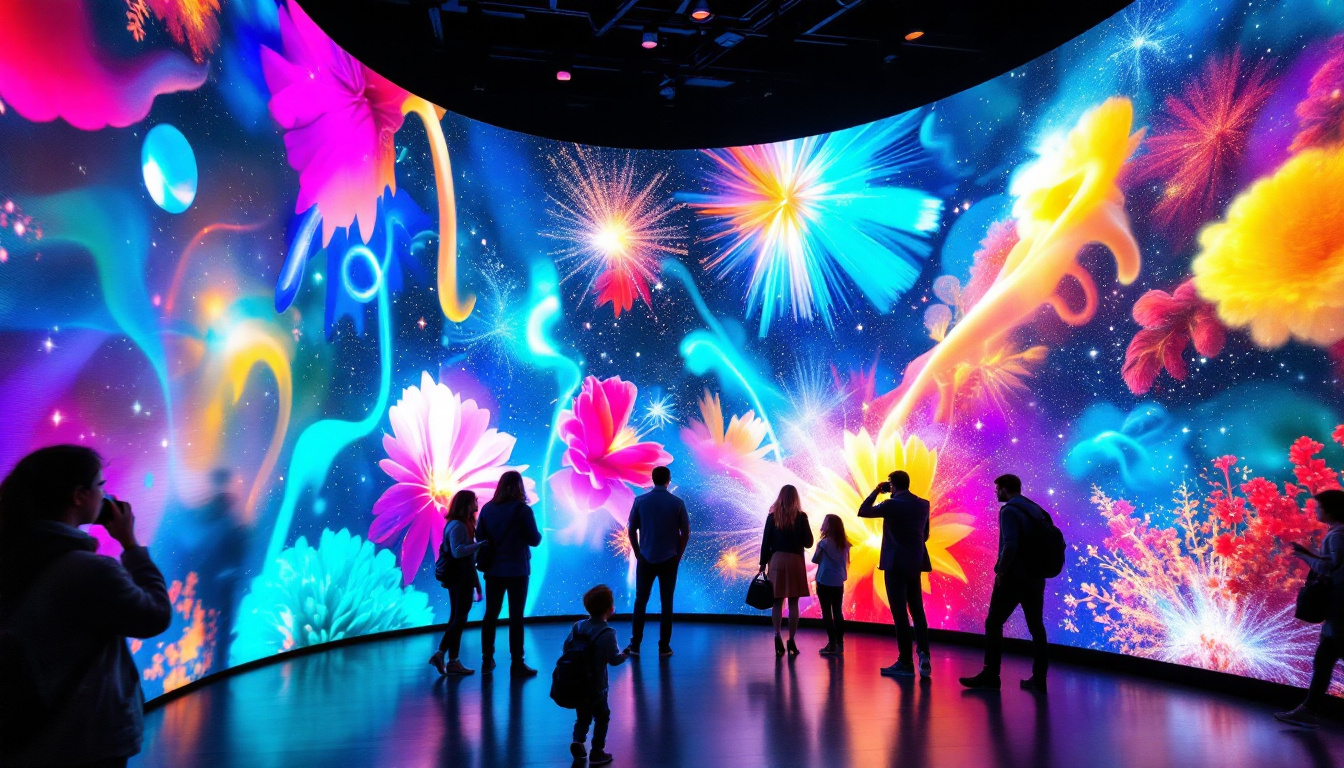
Unlike traditional LCD screens, LED displays offer superior brightness and contrast, making them ideal for both indoor and outdoor use. They can be configured in various sizes and shapes, from small digital signage to large video walls. The modular nature of LED technology also allows for seamless integration into architectural designs, enhancing the aesthetic appeal of spaces while providing functional displays.
Types of LED Displays Commonly Used in Office Spaces
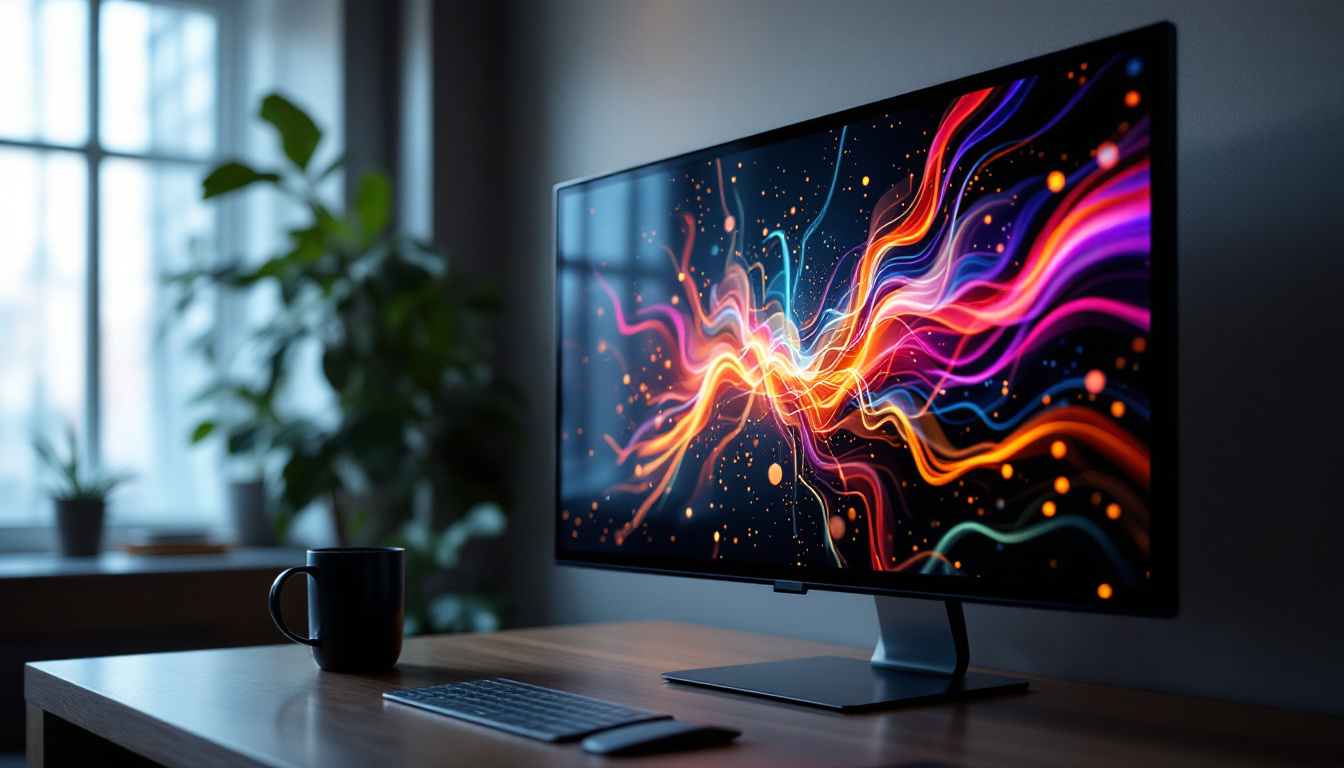
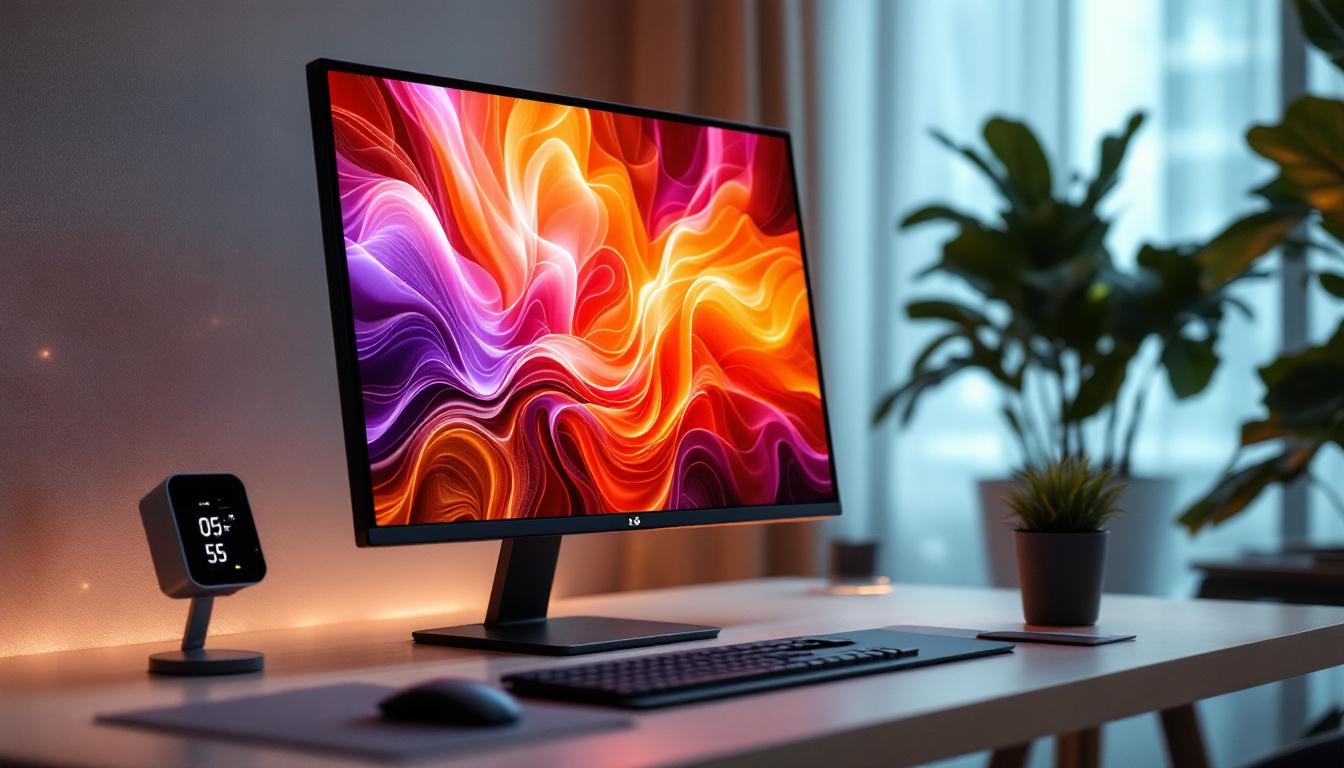
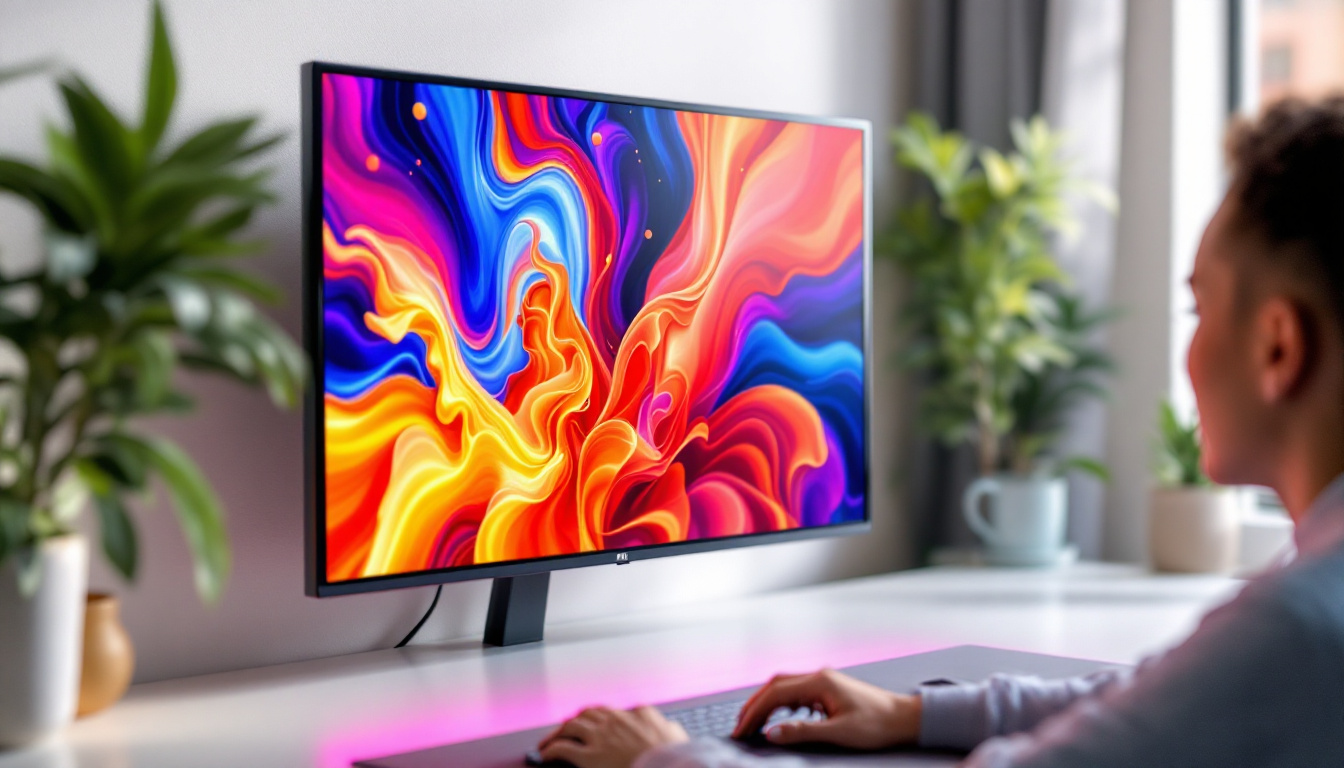
1. Indoor LED Displays: These are designed for controlled lighting environments such as conference rooms, lobbies, and meeting areas. They offer high resolution and color accuracy, perfect for presentations and digital signage. Indoor LED displays often feature advanced features like touch interactivity and can be easily synchronized with other devices, making them versatile tools for collaboration and communication.
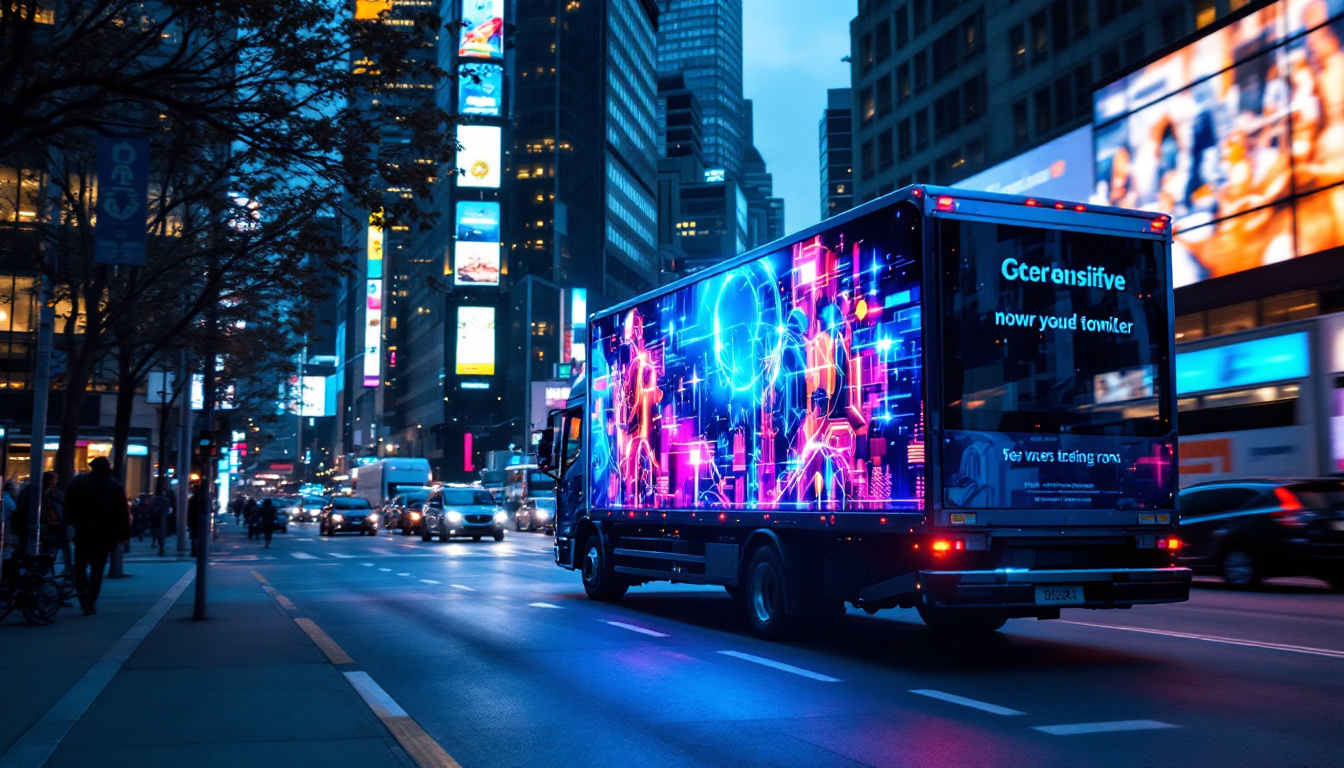
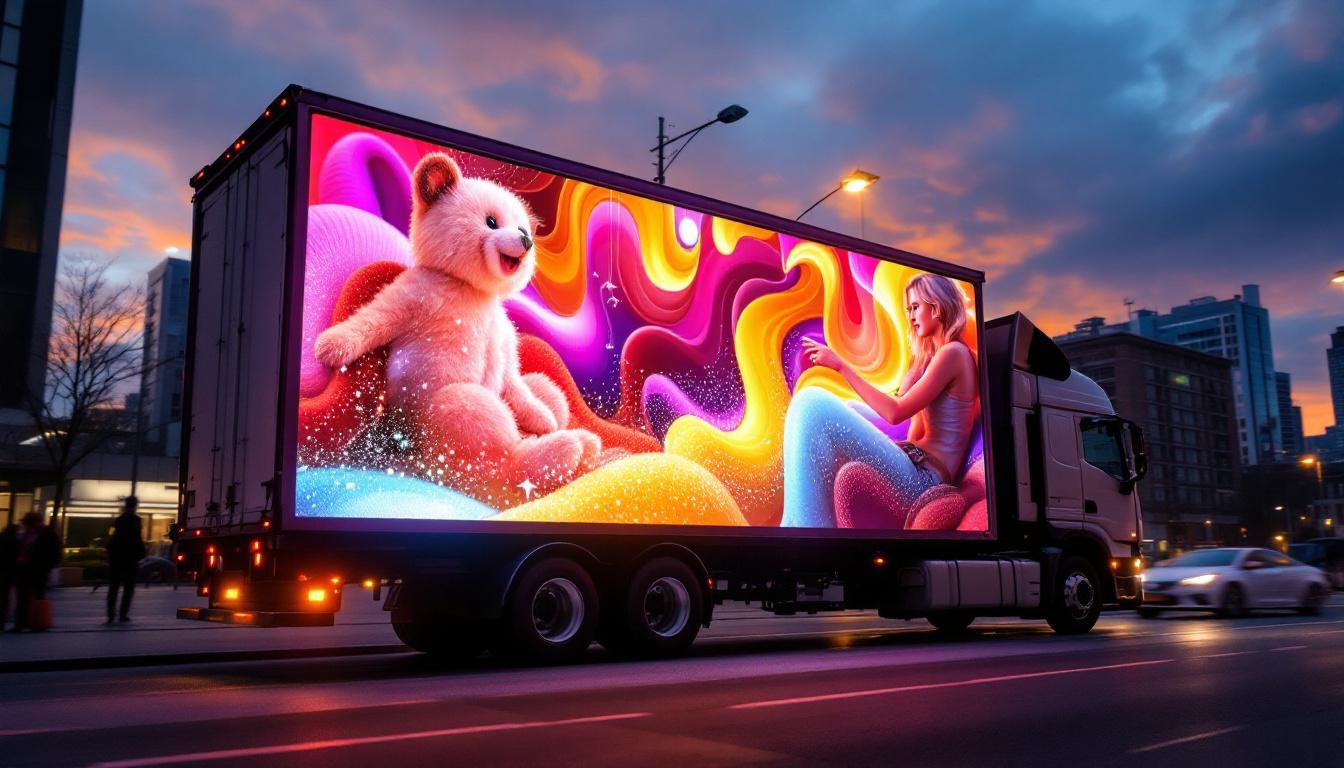
2. Outdoor LED Displays: Built to withstand weather conditions, these displays are used for external branding, wayfinding, and announcements. Their high brightness ensures visibility even in direct sunlight. Additionally, outdoor LED displays are often equipped with protective coatings to guard against dust, moisture, and UV rays, ensuring longevity and reliability in various environmental conditions. They are frequently used in stadiums, shopping centers, and public squares to capture attention and engage audiences.
3. Transparent LED Displays: A newer innovation, transparent LED panels can be integrated into glass walls or windows, allowing for dynamic content without obstructing natural light or visibility. This technology not only provides a modern aesthetic but also allows businesses to display advertisements or information without sacrificing the openness of their space. Transparent displays are becoming increasingly popular in retail environments, where they can showcase products while still allowing customers to see through the glass, creating an immersive shopping experience.
The Role of LED Displays in Flex Office Spaces
LED displays serve multiple functions within flex office environments, enhancing communication, branding, and user experience. Their versatility allows them to adapt to different business needs and spatial configurations.
Enhancing Communication and Collaboration
In flex offices, where teams may be transient or distributed, clear and immediate communication is essential. LED displays can be used to share real-time information such as meeting schedules, event announcements, and workspace availability.
Interactive LED screens also facilitate collaboration by enabling video conferencing, digital whiteboarding, and presentation sharing. This technology supports hybrid meetings, ensuring remote and in-person participants stay connected.
Boosting Branding and Marketing Efforts
For companies operating within flex spaces, LED displays offer a powerful branding tool. Digital signage can showcase company logos, promotional videos, and key messages, creating a professional and engaging environment.
Flex office providers themselves use LED displays to highlight amenities, upcoming events, and community news, fostering a sense of belonging among tenants.
Improving Operational Efficiency
LED displays integrated with building management systems can provide real-time updates on room occupancy, energy usage, and security alerts. This integration helps optimize resource allocation and enhances safety protocols.
Additionally, digital wayfinding via LED screens simplifies navigation within large flex office complexes, improving visitor experience and reducing administrative overhead.
Key Benefits of Using LED Displays in Flex Office Spaces
Incorporating LED displays into flex office spaces offers a range of advantages that align with the demands of modern workplaces.
1. Flexibility and Customization
LED displays can be easily reprogrammed to show different content as needed, making them ideal for dynamic environments. Whether updating meeting room schedules or promoting a new event, content can be changed instantly without additional printing costs.
2. Energy Efficiency and Longevity
Compared to traditional lighting and display technologies, LEDs consume less power and have a longer lifespan. This reduces operational costs and supports sustainability goals, which are increasingly important to tenants and building managers alike.
3. High Visibility and Impact
The brightness and clarity of LED displays ensure messages are seen clearly, even from a distance or in brightly lit areas. This visibility enhances communication effectiveness and leaves a strong impression on visitors and employees.
4. Integration with Smart Technologies
Modern LED displays can be integrated with IoT devices and smart building systems, enabling automated content updates and interactive features. This connectivity supports data-driven decision-making and enhances user engagement.
Considerations When Choosing LED Displays for Flex Office Spaces
To maximize the benefits of LED displays, it is important to consider several factors during the selection and installation process.
Resolution and Pixel Pitch
The resolution of an LED display determines the sharpness of the image. Pixel pitch, the distance between individual LEDs, affects clarity—smaller pixel pitches deliver higher resolution. For indoor office use, a pixel pitch of 1.5 to 2.5 mm is typically recommended to ensure crisp visuals at close viewing distances.
Size and Placement
The display size should be appropriate for the viewing distance and the space’s layout. Placement is equally important; displays should be positioned where they are easily visible without obstructing movement or natural light.
Content Management Systems (CMS)
Choosing a robust CMS allows for easy content scheduling, updating, and monitoring. A user-friendly interface ensures that office managers or tenants can manage displays without requiring technical expertise.
Budget and Maintenance
While LED displays can represent a significant upfront investment, their durability and energy savings often justify the cost. It is also essential to consider maintenance support and warranty options to minimize downtime and repair expenses.
Future Trends: The Evolution of LED Displays in Flex Offices
As technology advances, LED displays are becoming smarter, more interactive, and seamlessly integrated into the workspace ecosystem.
Interactive and Touch-Enabled Displays
Touchscreen LED panels are gaining popularity, allowing users to interact directly with content. This feature enhances meeting productivity and visitor engagement by enabling intuitive navigation and real-time collaboration.
Augmented Reality (AR) Integration
Emerging AR technologies combined with LED displays can create immersive experiences, such as virtual tours of office spaces or interactive product demonstrations, adding a futuristic touch to flex offices.
AI-Powered Content Personalization
Artificial intelligence can analyze user behavior and preferences to deliver personalized content on LED displays. This capability enhances communication relevance and tenant satisfaction.
Conclusion
Flex office spaces represent the future of work, emphasizing adaptability, community, and technology. LED displays play a crucial role in this ecosystem by enhancing communication, branding, and operational efficiency. Their versatility, energy efficiency, and high impact make them an indispensable asset for any flex office environment.
For businesses and workspace providers looking to stay competitive and responsive to tenant needs, investing in quality LED display technology is a strategic decision that delivers long-term value.
Discover LumenMatrix LED Display Solutions
Ready to elevate your flex office space with cutting-edge LED display technology? LumenMatrix offers a comprehensive range of LED display modules designed to transform your environment and enhance brand visibility. From captivating Indoor LED Wall Displays to dynamic Outdoor LED Wall Displays, and innovative solutions like LED Transparent Displays, our products are tailored to meet your unique needs. Experience the future of visual communication and create unforgettable visual experiences with LumenMatrix. Check out LumenMatrix LED Display Solutions today and empower your business to communicate with impact and clarity.