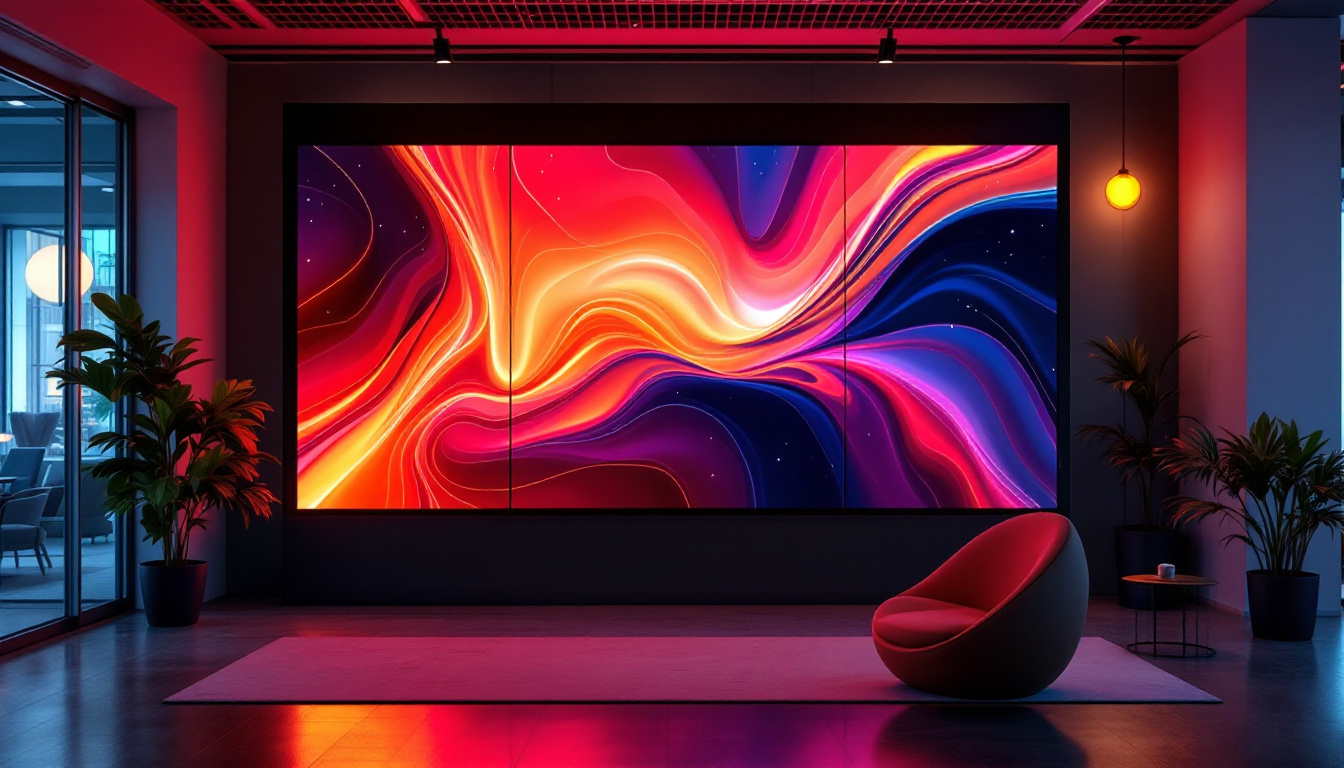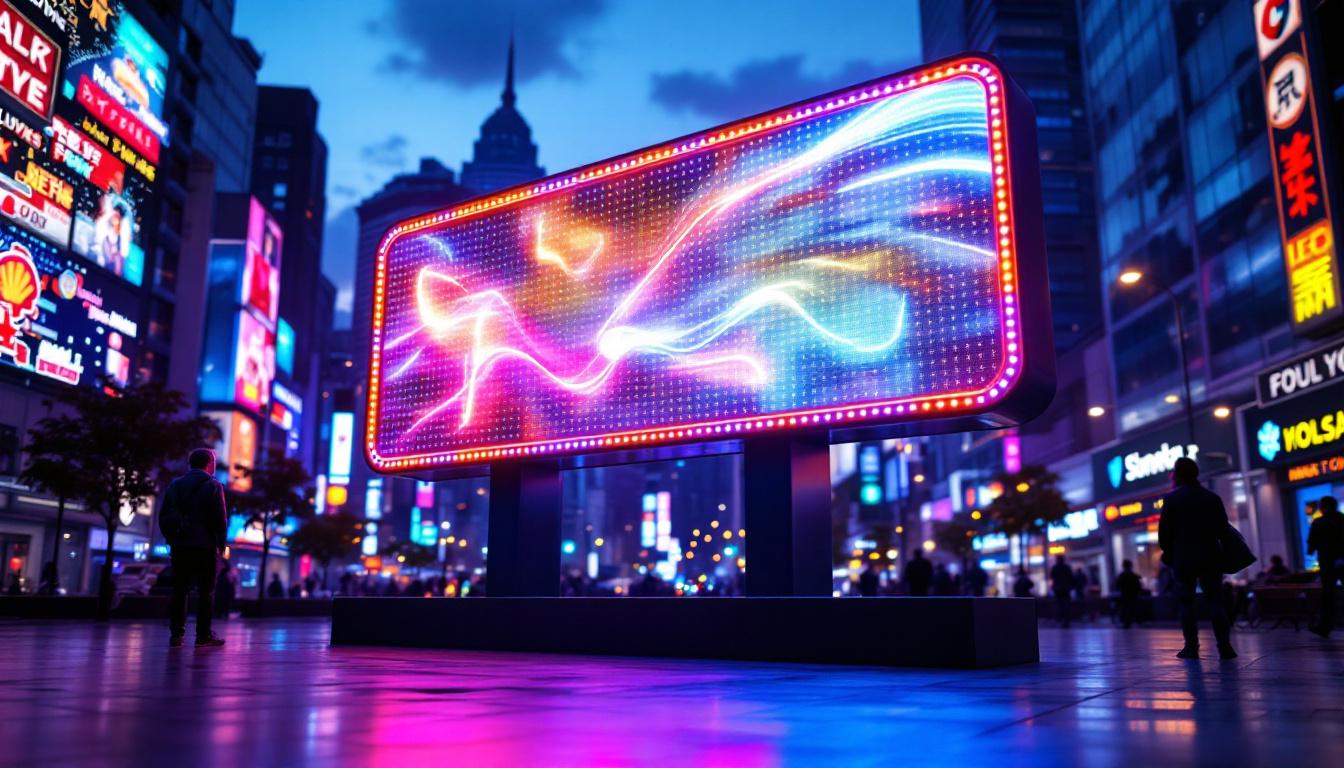
In today’s fast-paced world, capturing attention quickly and effectively is essential for businesses, event organizers, and public information providers alike. Full colour LED signs have become a dominant medium for visual communication, offering vibrant, dynamic displays that can be seen from great distances and in various lighting conditions. This article explores the technology behind full colour LED signs, their applications, benefits, and what to consider when choosing or designing an LED display.
Understanding Full Colour LED Signs
What Is a Full Colour LED Sign?
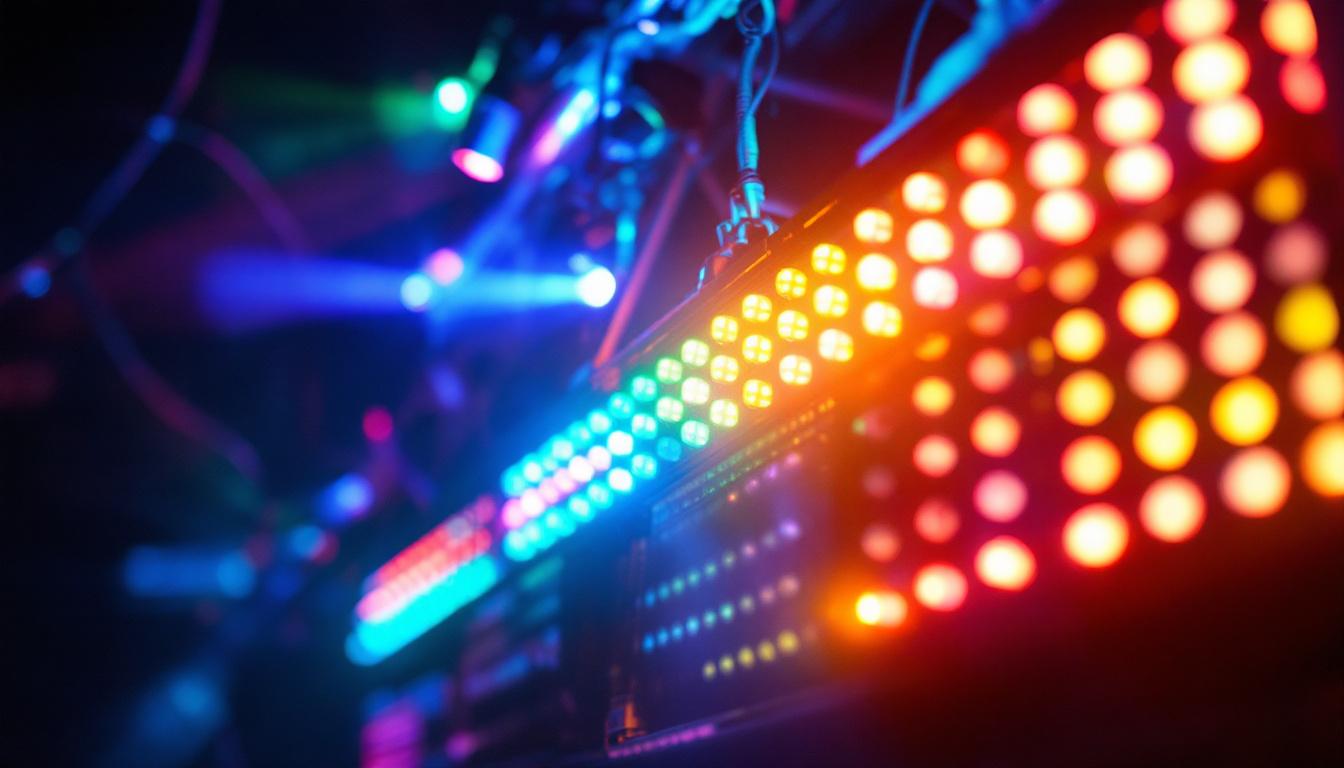
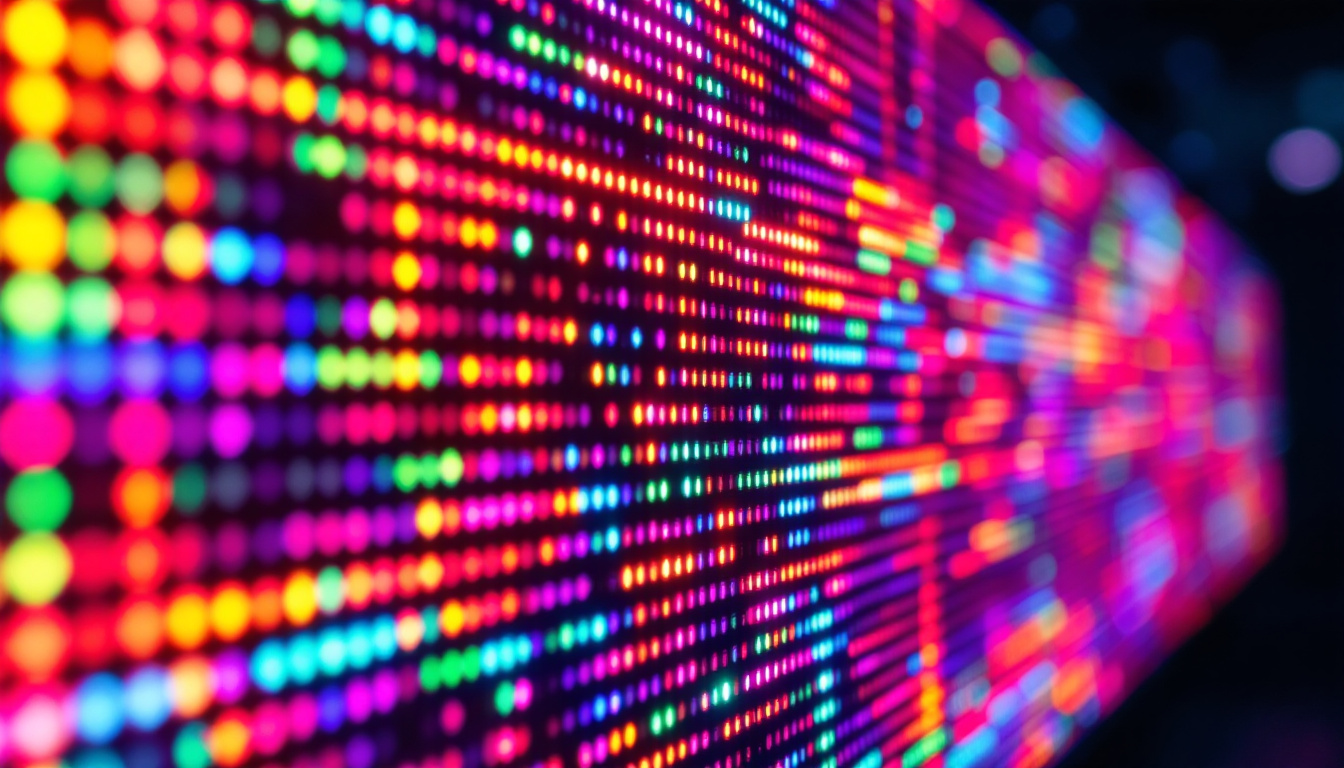
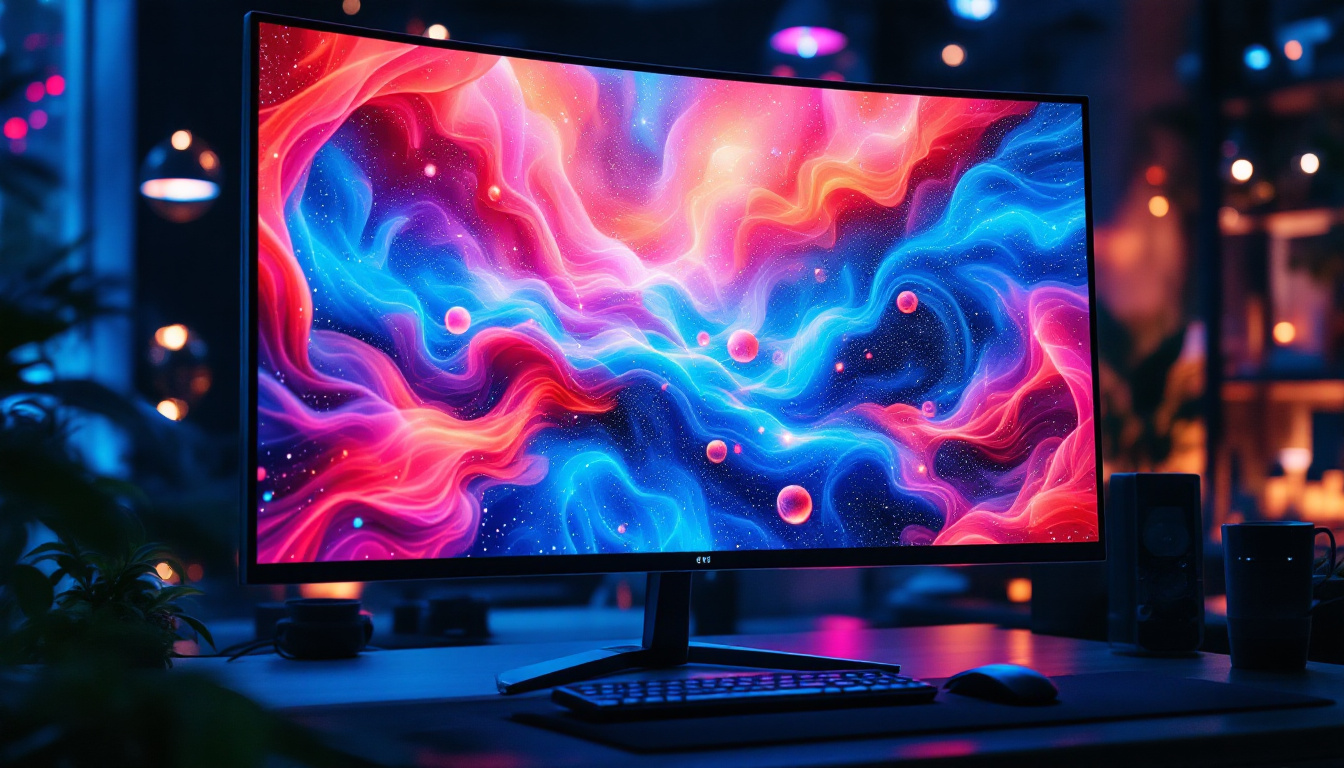
A full colour LED sign is a digital display composed of thousands of tiny light-emitting diodes (LEDs) that can produce a wide spectrum of colours by combining red, green, and blue light at varying intensities. Unlike monochrome or single-colour LED signs, full colour LED displays can show images, videos, animations, and text in vivid, eye-catching detail.
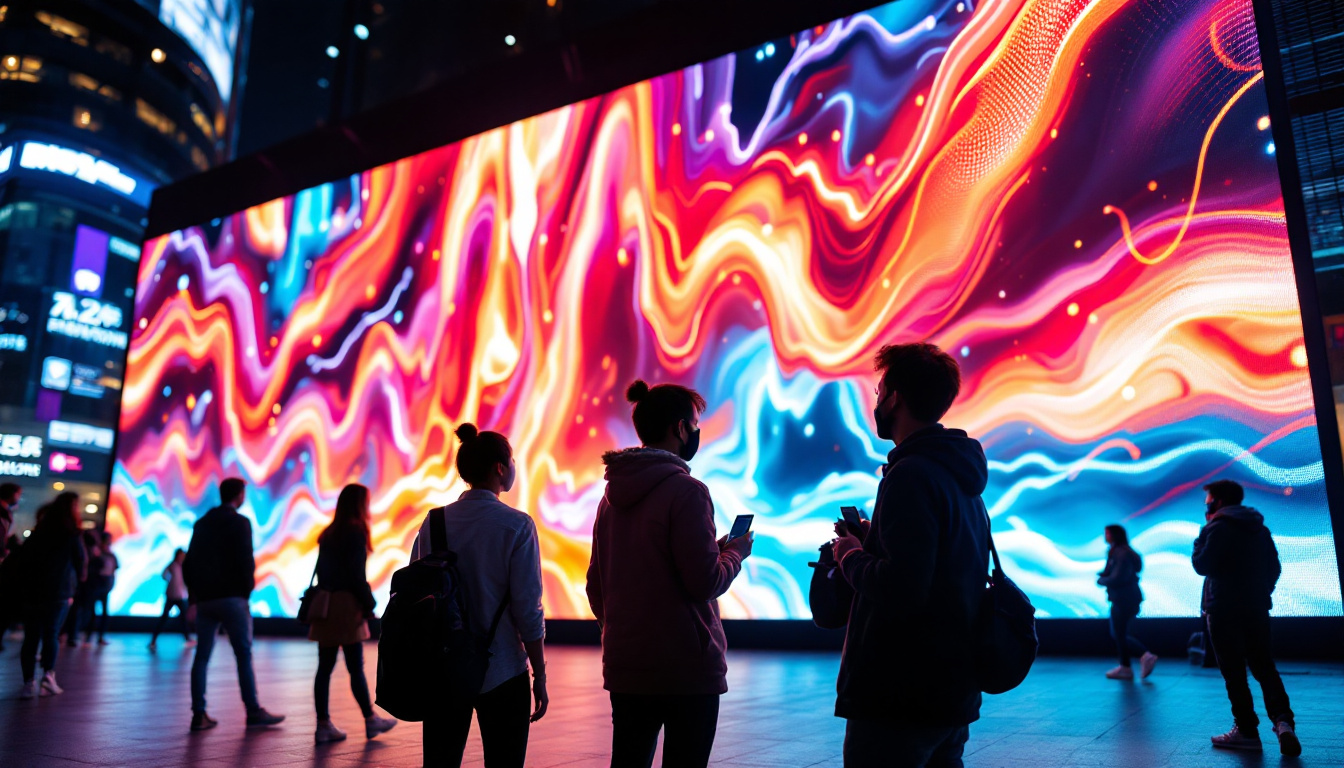
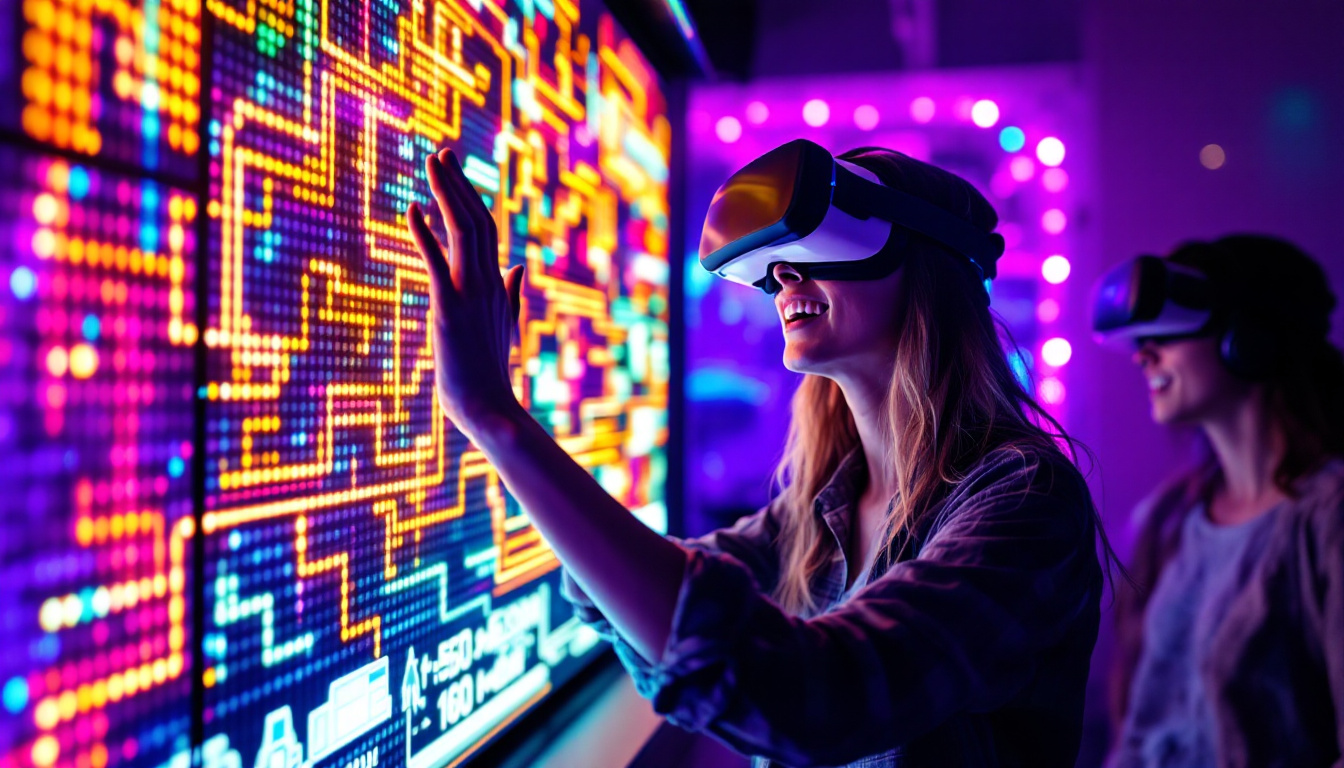
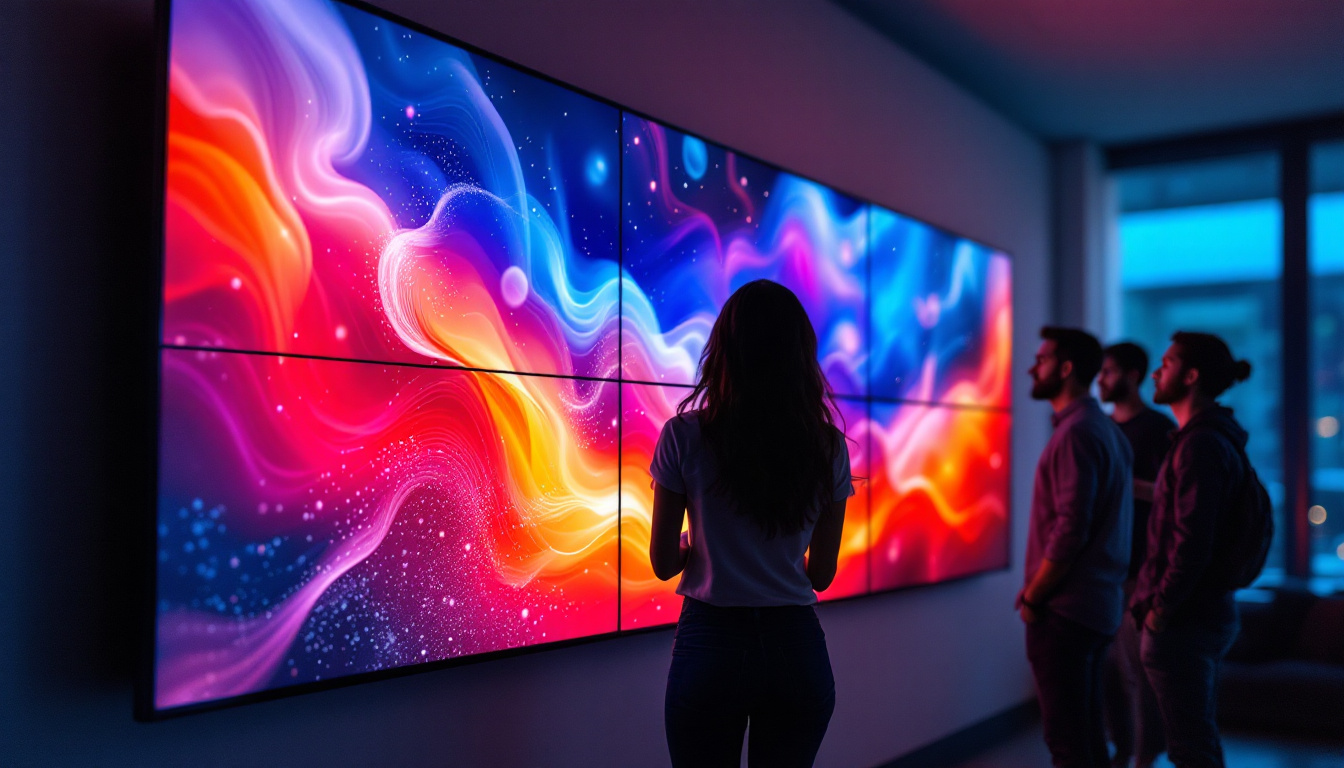
These signs are often modular, made up of smaller panels or “modules” that fit together seamlessly to create large-scale displays. The ability to control each LED individually allows for high-resolution images and smooth colour gradients, making full colour LED signs ideal for advertising, public messaging, entertainment, and more. Their versatility means they can be found in various settings, from bustling city streets and sports arenas to shopping malls and corporate offices, effectively capturing the attention of passersby and conveying information in an engaging manner.
How Do Full Colour LEDs Work?
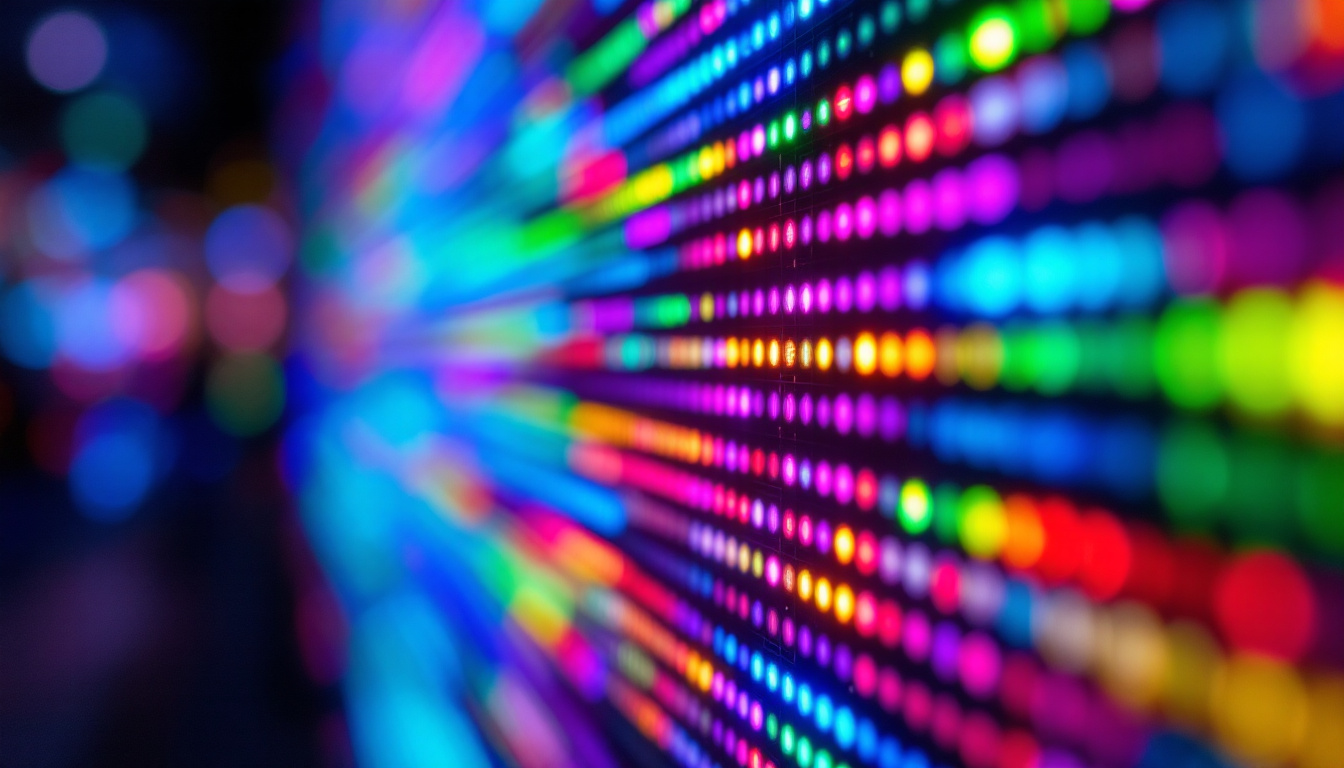
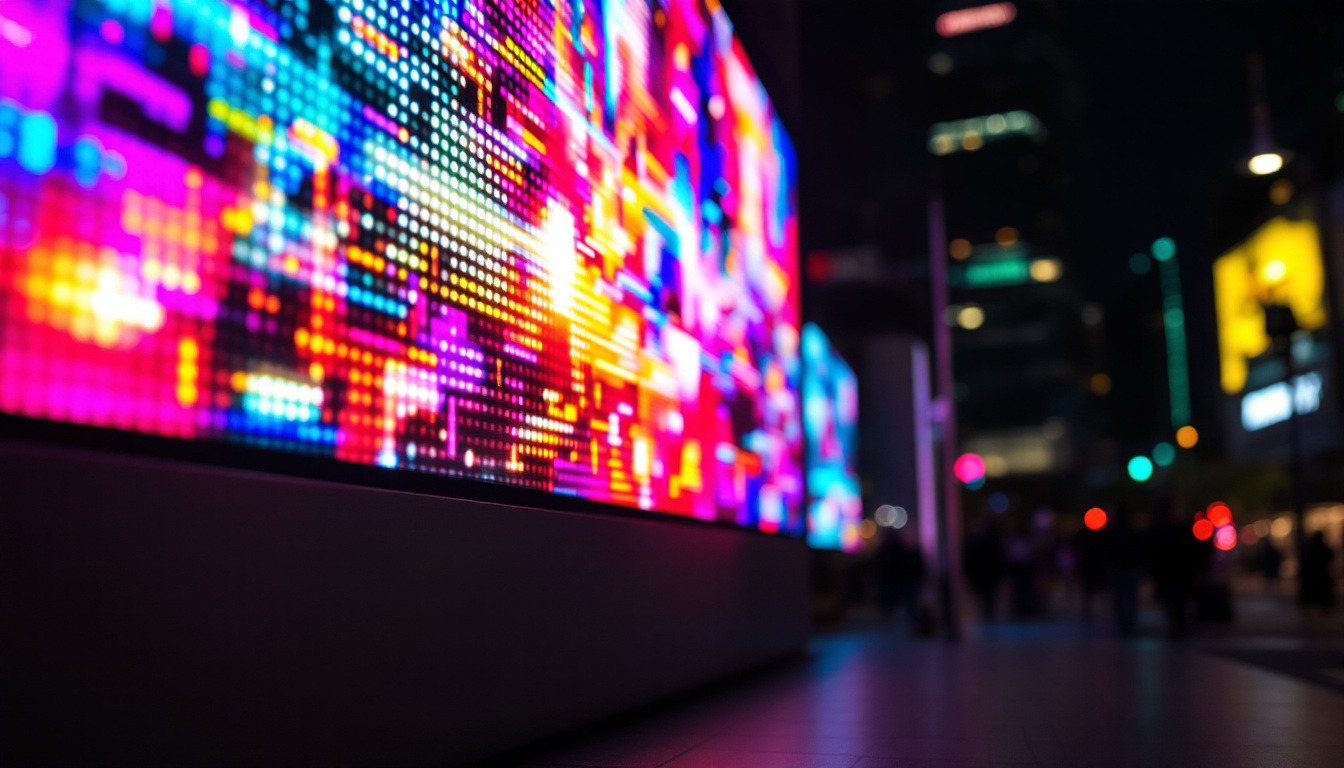
Each pixel on a full colour LED sign consists of three sub-pixels: one red, one green, and one blue LED. By adjusting the brightness of each sub-pixel, the display can create millions of different colours through a process called additive colour mixing. This is similar to how computer screens and televisions generate colour.
The control system behind the display sends signals to each LED to determine its brightness level, allowing the creation of complex images and videos. Modern LED displays use advanced driver ICs (integrated circuits) and processing units to ensure smooth colour transitions and high refresh rates, which reduce flicker and improve viewing comfort. Additionally, many full colour LED signs are equipped with sensors that adjust brightness based on ambient light conditions, ensuring optimal visibility both day and night. This adaptability not only enhances the user experience but also contributes to energy efficiency, making them a sustainable choice for businesses looking to minimize their environmental impact.
Key Components of Full Colour LED Displays
LED Modules and Pixels
The fundamental building blocks of an LED display are the LED modules, each containing a grid of pixels. The pixel pitch, or the distance between the centres of two adjacent pixels, is a critical specification that affects image clarity and viewing distance. Smaller pixel pitches mean higher resolution and sharper images, but also higher costs.
For example, a pixel pitch of 2.5mm is common for indoor displays where viewers are close to the screen, while outdoor signs often use pixel pitches ranging from 6mm to 20mm to balance visibility and cost.
Control Systems and Software
Behind the vibrant visuals is a sophisticated control system that manages the content displayed on the LED sign. This system typically includes a media player or computer that runs specialised software to schedule, edit, and transmit content to the display.
Many modern LED signs support remote management via the internet, allowing operators to update content instantly from anywhere in the world. This flexibility is invaluable for businesses that need to display timely promotions or public service announcements.
Power Supply and Cooling
LED displays require a stable power supply to maintain consistent brightness and colour accuracy. High-quality power units ensure that voltage fluctuations do not damage the LEDs or degrade image quality.
Additionally, LED modules generate heat during operation, especially in large outdoor displays. Effective cooling mechanisms, such as heat sinks, fans, or ventilation systems, are essential to prolong the lifespan of the LEDs and maintain optimal performance.
Applications of Full Colour LED Signs
Advertising and Marketing
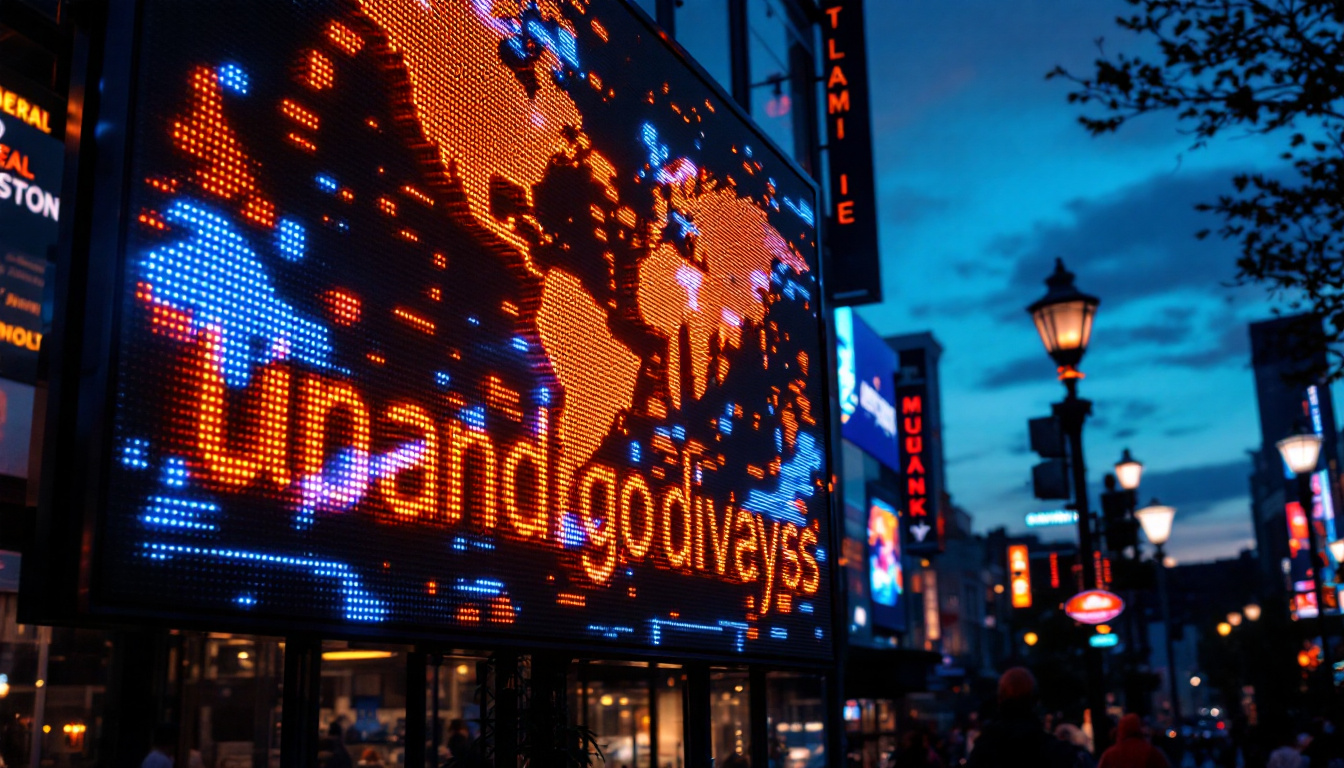
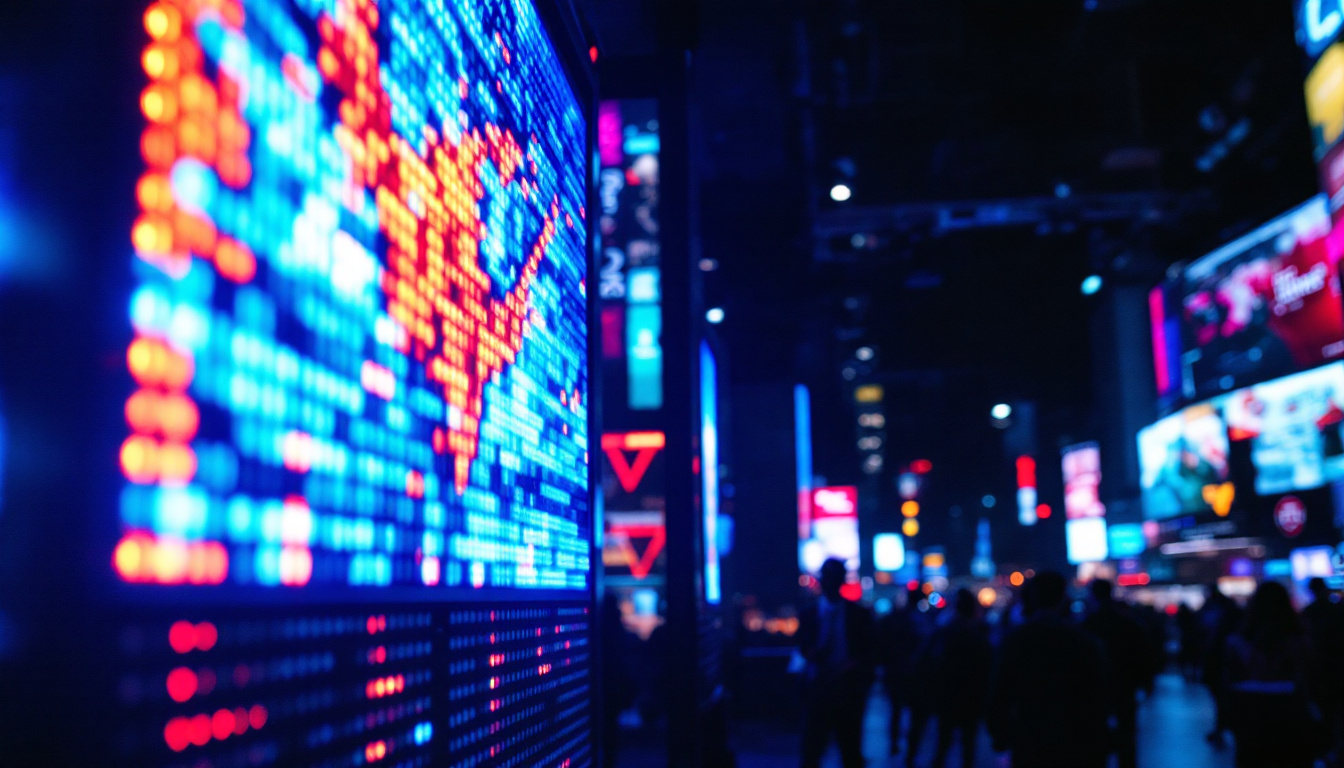
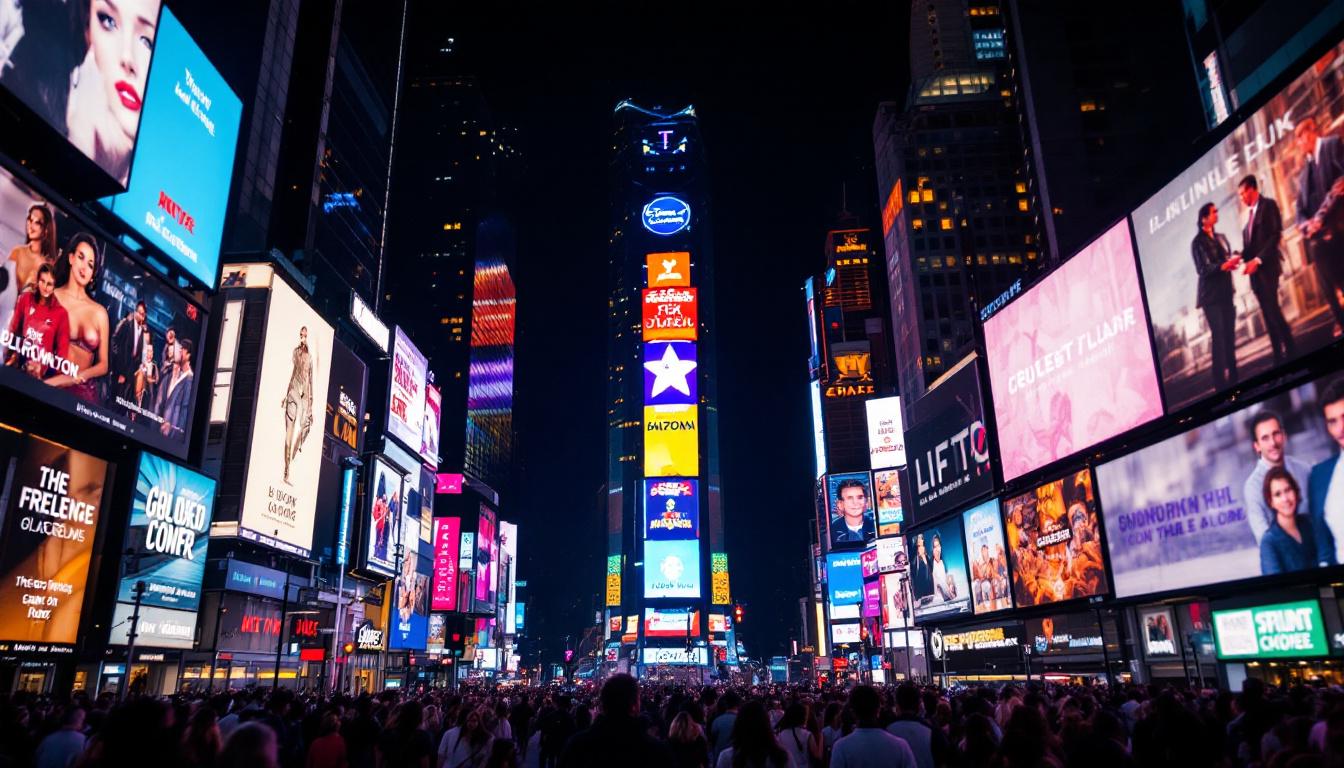
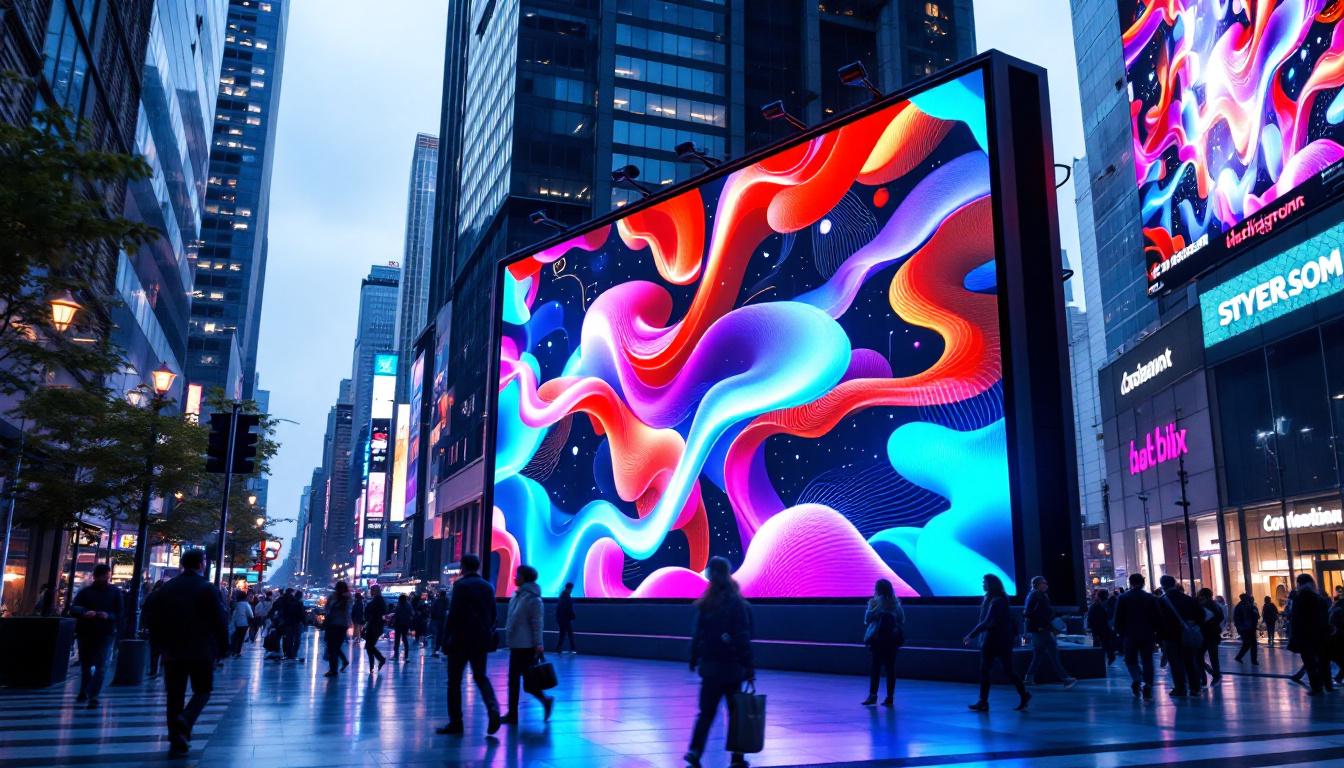
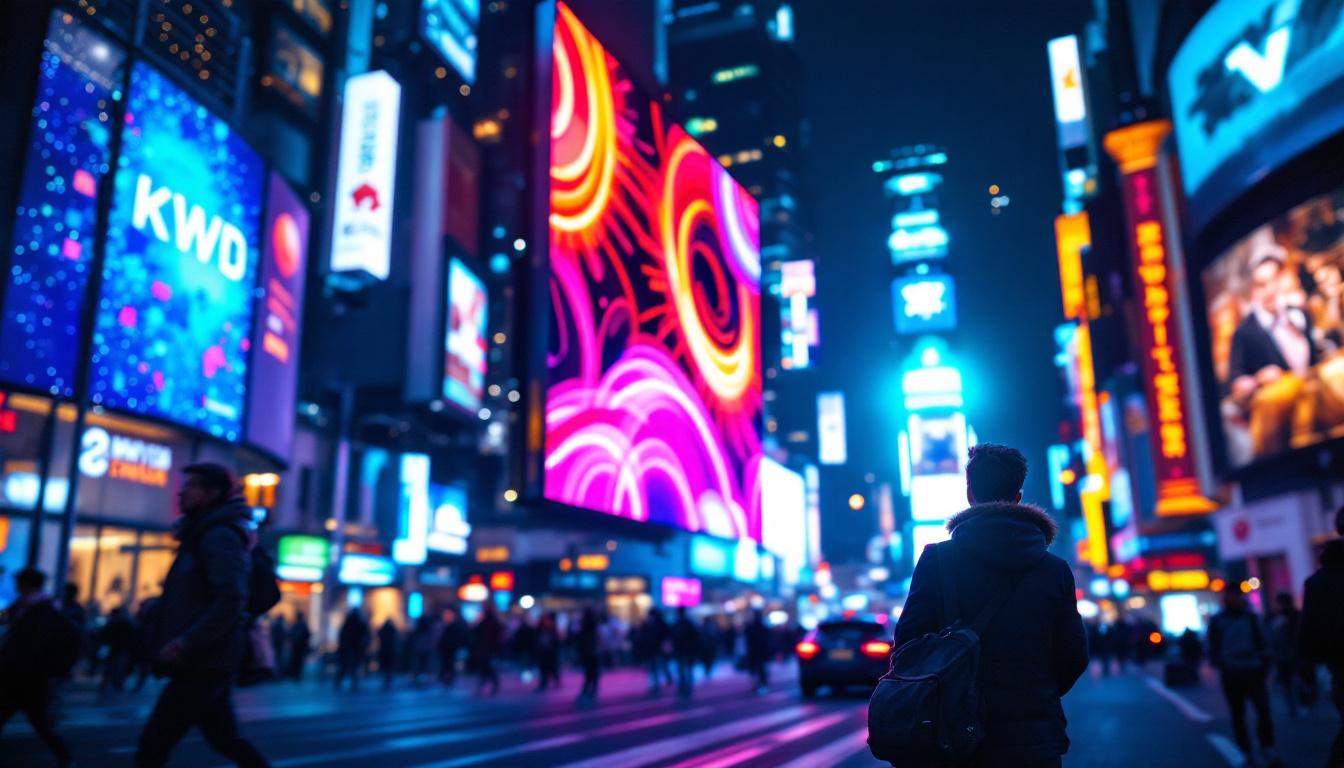
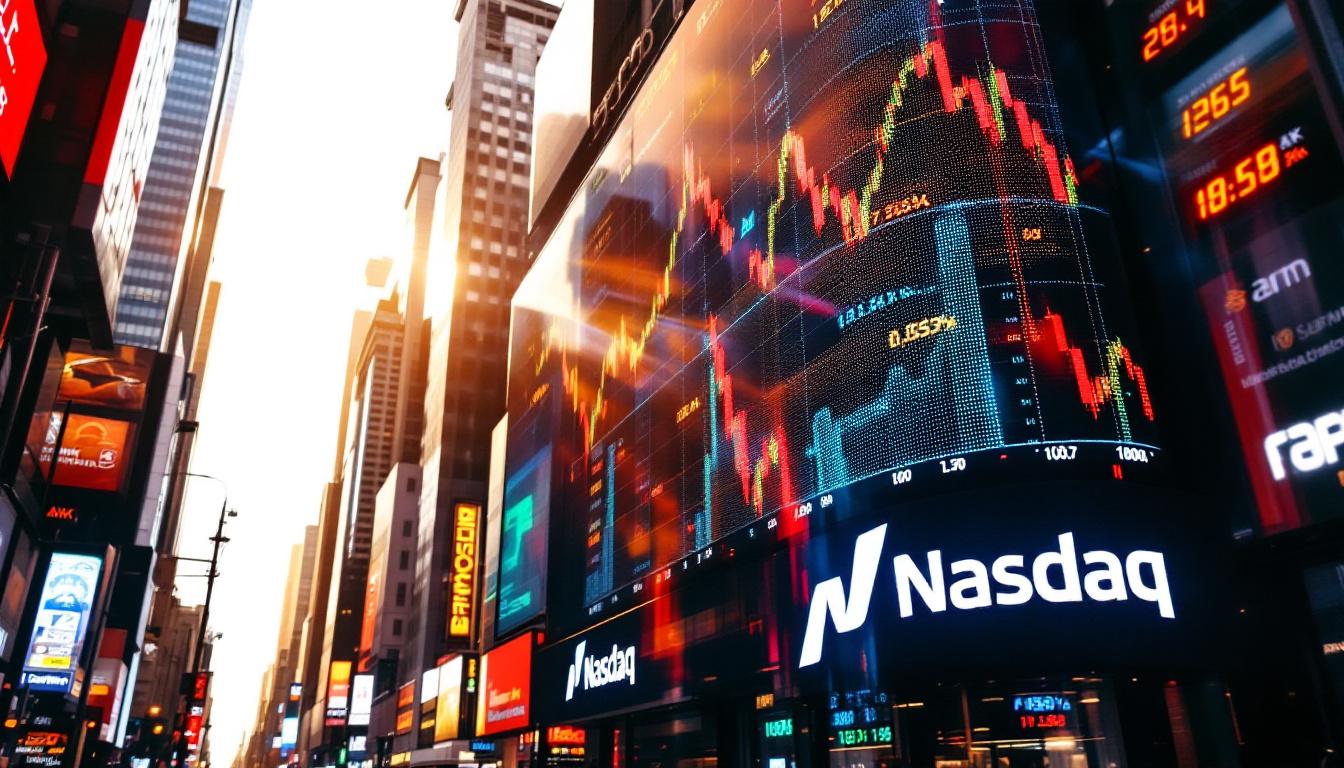
One of the most prevalent uses of full colour LED signs is in advertising. Their brightness and dynamic capabilities make them perfect for grabbing the attention of passersby, even in busy urban environments. According to a 2023 report by Grand View Research, the global digital signage market is expected to grow at a compound annual growth rate (CAGR) of over 7% through 2030, driven largely by the adoption of LED displays.
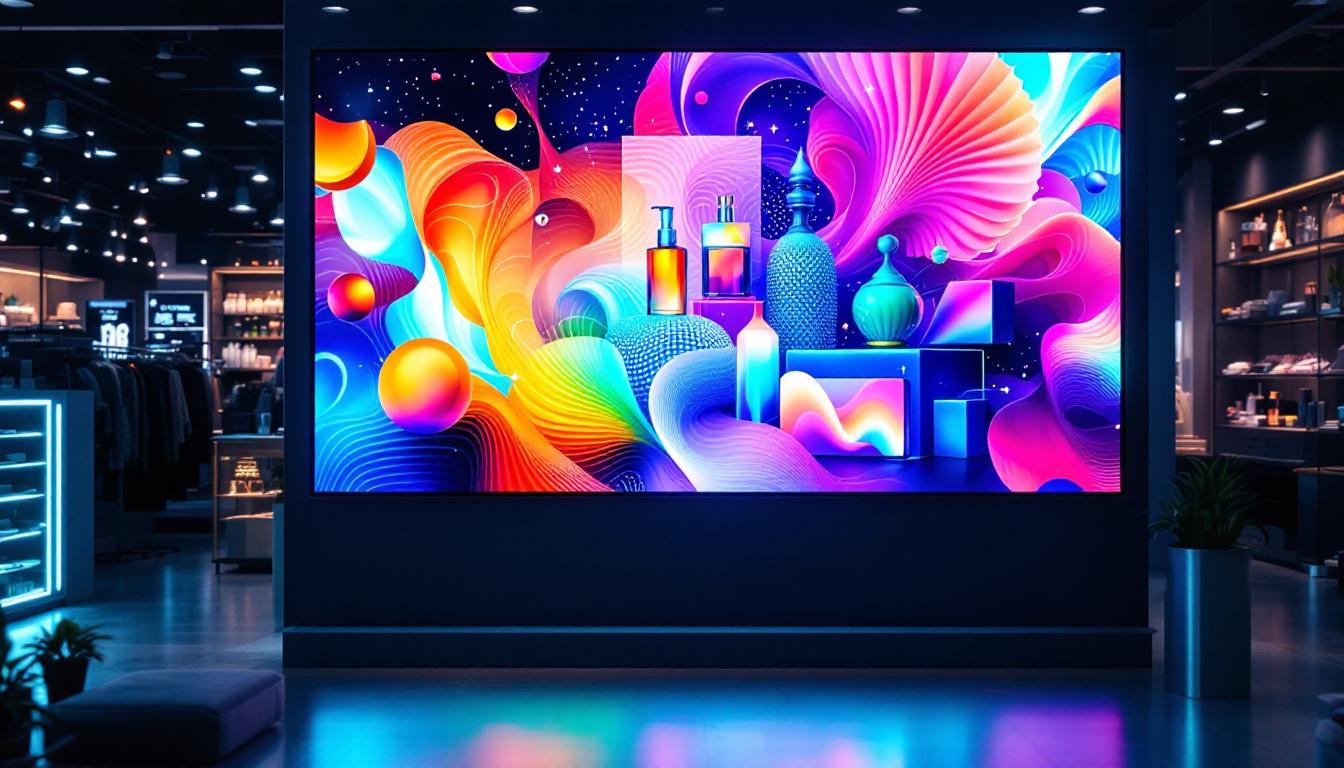
Retail stores, shopping malls, and transportation hubs use LED signs to promote products, announce sales, and enhance brand visibility. The ability to display video content and animations adds an engaging element that static signs cannot match.
Public Information and Safety
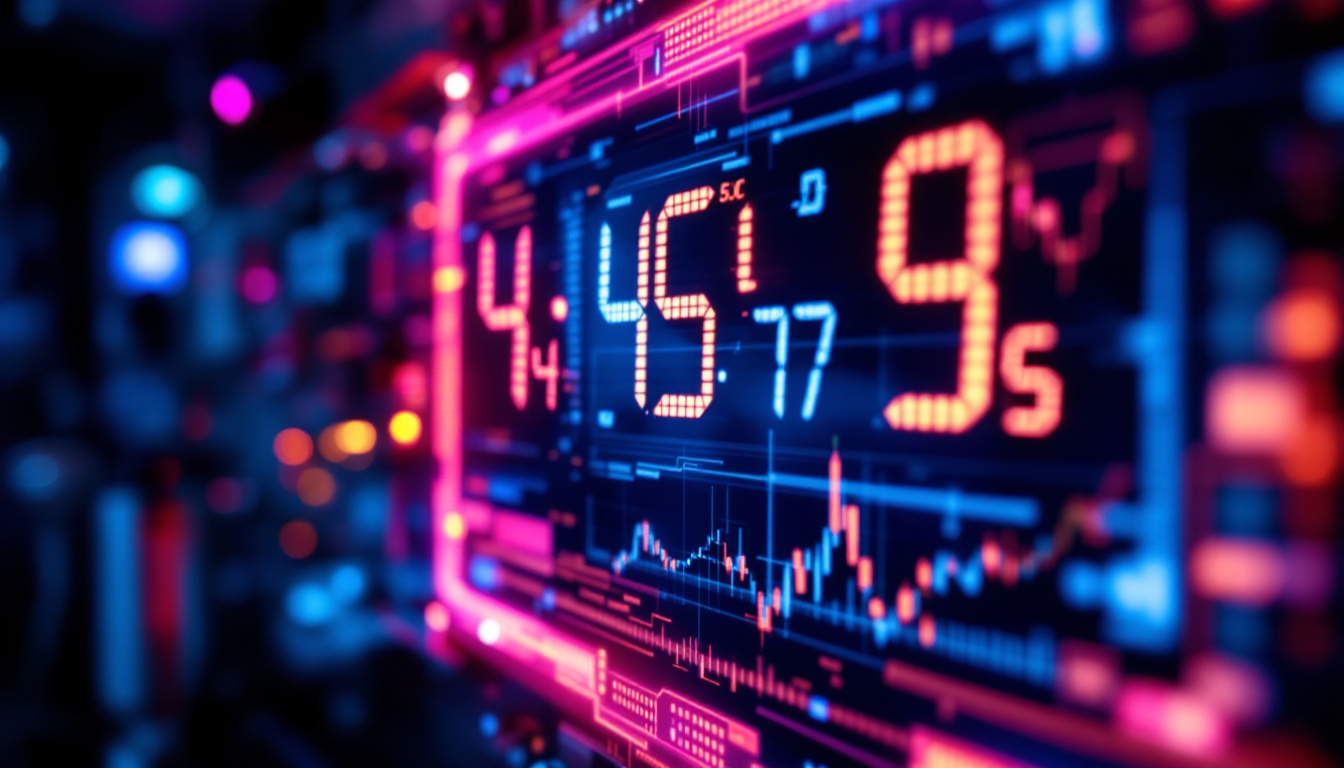
Municipalities and transportation authorities deploy full colour LED signs to communicate important information such as traffic updates, weather alerts, and emergency messages. These signs are often integrated with real-time data feeds to provide up-to-the-minute information.
For example, LED variable message signs (VMS) on highways can dynamically warn drivers about accidents, road closures, or hazardous conditions, improving safety and traffic flow.
Entertainment and Events
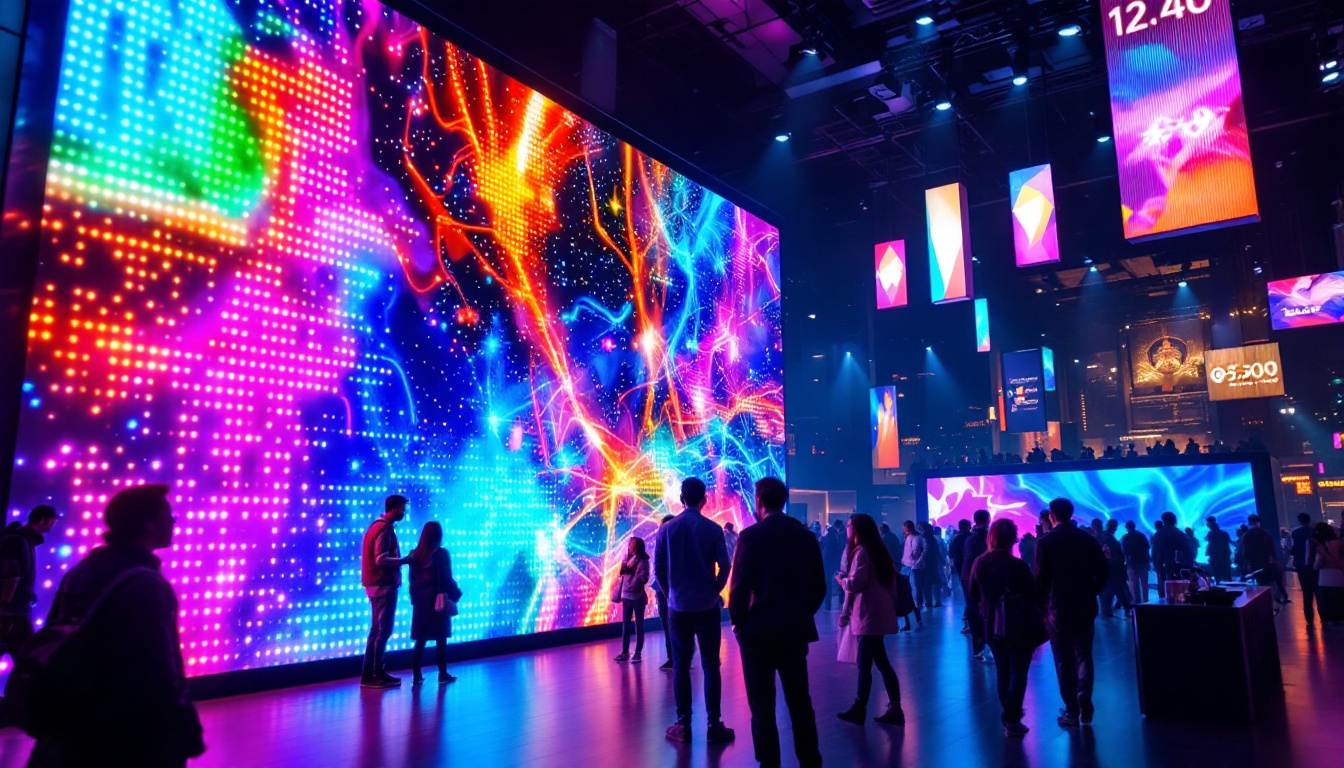
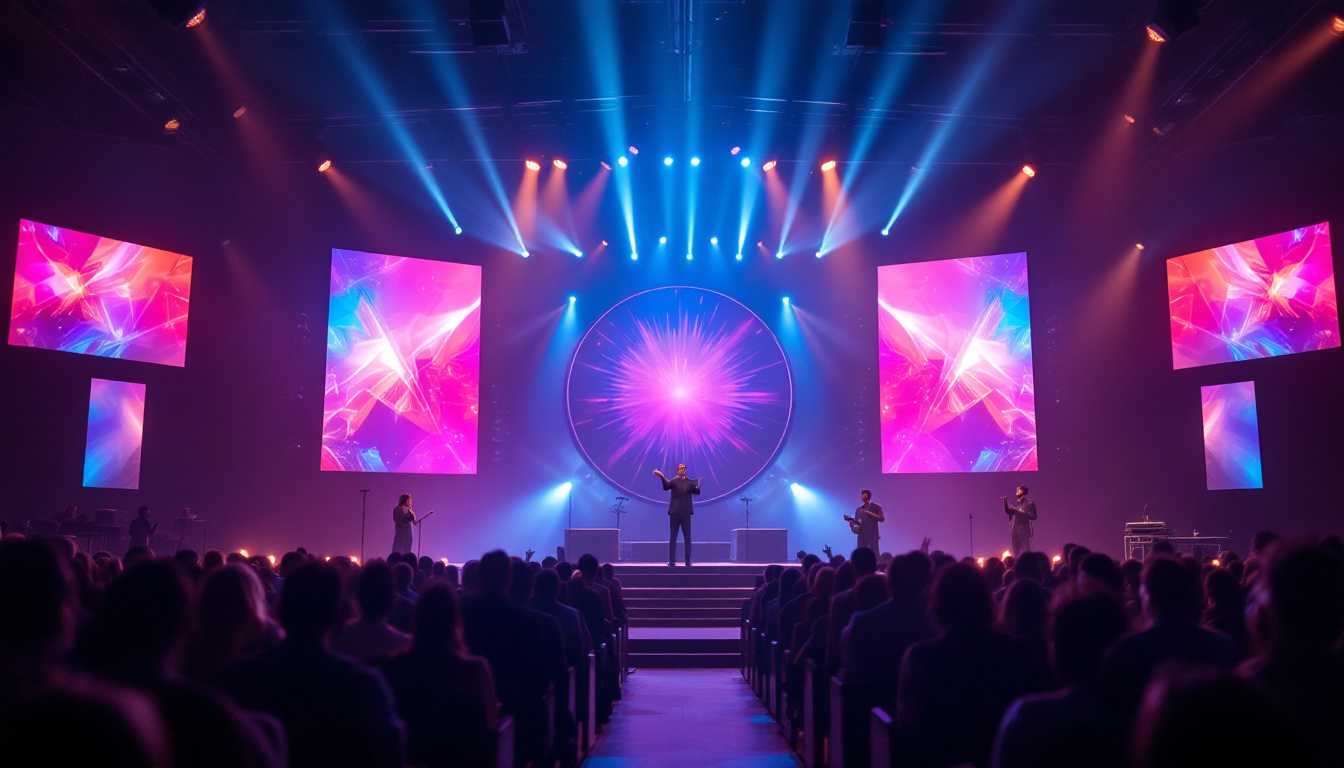
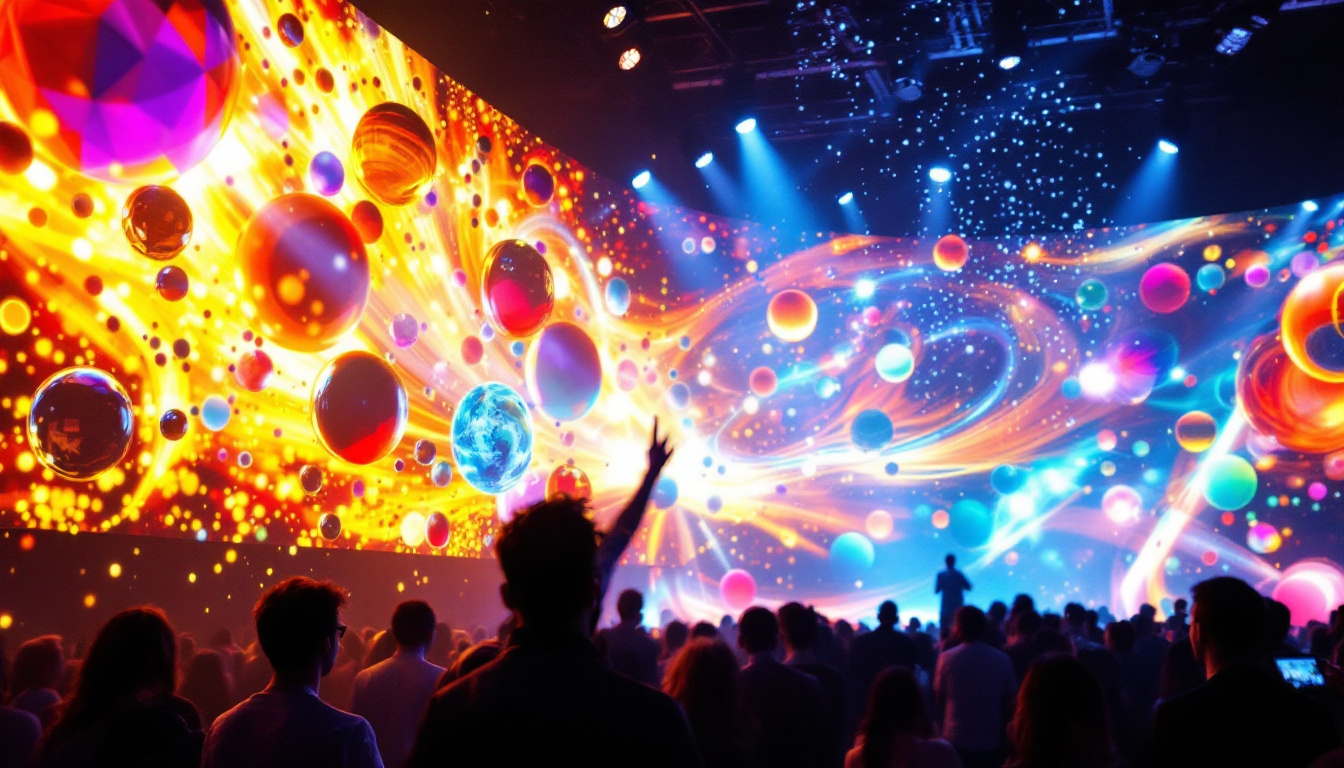
Concerts, sports arenas, and festivals frequently use large-scale LED video walls to enhance the audience experience. These displays can show live footage, replays, and interactive content, creating immersive environments that captivate attendees.
In recent years, the use of LED technology in stage design and architectural lighting has expanded, allowing creative professionals to craft visually stunning installations that blend light, colour, and motion.
Benefits of Full Colour LED Signs
High Visibility and Brightness
LEDs are known for their brightness and ability to perform well in various lighting conditions, including direct sunlight. Full colour LED signs can reach brightness levels of up to 6,000 nits or more, ensuring that content remains visible and vibrant even during the day.
This makes them superior to traditional signage methods such as printed banners or neon signs, which can fade or become difficult to see over time.
Energy Efficiency and Longevity
Compared to other lighting technologies, LEDs consume significantly less power while delivering higher brightness. This energy efficiency translates into lower operating costs, especially for large displays that run continuously.
Additionally, high-quality LEDs have a long lifespan, often exceeding 100,000 hours of operation. This durability reduces maintenance costs and downtime, making LED signs a cost-effective investment over the long term.
Flexibility and Customisation
Full colour LED signs can display a wide variety of content formats, from static images to complex animations and full-motion video. This versatility allows businesses and organizations to tailor their messaging to specific audiences or events.
Furthermore, LED displays can be custom-built to fit unique shapes and sizes, whether it’s a curved façade, a cylindrical column, or an irregular architectural feature, expanding creative possibilities.
Choosing the Right Full Colour LED Sign
Consider Viewing Distance and Pixel Pitch
One of the first considerations when selecting an LED sign is the typical viewing distance. A sign intended to be viewed from a few meters away, such as in a retail store, requires a much finer pixel pitch than one designed for highway visibility.
As a rule of thumb, the optimal viewing distance (in meters) is approximately 1,000 times the pixel pitch (in millimeters). For example, a 10mm pixel pitch is best viewed from about 10 meters or more.
Indoor vs Outdoor Use
Indoor LED signs generally have smaller pixel pitches and lower brightness requirements, as ambient lighting is controlled. Outdoor signs must be weatherproof, have higher brightness levels, and robust construction to withstand environmental factors such as rain, wind, and temperature fluctuations.
Ensuring that the LED sign is rated for the intended environment (IP rating for water and dust resistance) is crucial for durability and performance.
Content Management and Software Features
Evaluate the software ecosystem that comes with the LED sign. User-friendly content management systems (CMS) with scheduling, remote access, and multi-user support can greatly enhance operational efficiency.
Some advanced systems also support integration with social media feeds, live data streams, and interactive features, opening new avenues for audience engagement.
Budget and Total Cost of Ownership
While upfront costs for full colour LED signs can be significant, it is important to consider the total cost of ownership, including installation, maintenance, power consumption, and potential content creation expenses.
Investing in quality components and reputable manufacturers often results in better reliability and longer-term savings.
Future Trends in Full Colour LED Signage
Mini-LED and Micro-LED Technologies
Emerging LED technologies promise even higher resolution and improved energy efficiency. Mini-LED and micro-LED displays use smaller LEDs, enabling finer pixel pitches and better colour accuracy. These advances are expected to push the boundaries of LED signage, especially for indoor and close-range applications.
Integration with IoT and AI
The integration of LED signage with Internet of Things (IoT) devices and artificial intelligence (AI) is creating smarter, more responsive displays. For example, AI-powered analytics can tailor content based on audience demographics or environmental conditions, maximizing impact.
IoT connectivity also allows for predictive maintenance, reducing downtime by alerting operators to potential issues before failures occur.
Eco-Friendly Innovations
With growing emphasis on sustainability, manufacturers are developing LED signs with recyclable materials, lower energy consumption, and reduced environmental impact. Solar-powered LED displays and energy harvesting technologies are also gaining traction, particularly in remote or off-grid locations.
Conclusion
Full colour LED signs represent a powerful tool for communication in a variety of settings, combining technological sophistication with visual appeal. Their ability to deliver bright, dynamic content that can be updated in real time makes them indispensable in advertising, public safety, entertainment, and beyond.
When selecting or designing a full colour LED display, understanding the underlying technology, application requirements, and future trends ensures that the investment delivers maximum value and impact. As LED technology continues to evolve, the opportunities for creative and effective visual communication will only expand.
Illuminate Your Message with LumenMatrix
Ready to elevate your visual communication to the next level? LumenMatrix is at the forefront of LED display innovation, offering a wide array of solutions tailored to your needs. From Indoor and Outdoor LED Wall Displays to specialized options like Vehicle, Sports, and Floor LED Displays, we have the technology to bring your vision to life. Embrace the future with Custom, All-in-One, and Transparent LED Displays that captivate and engage. Don’t just share your message—make it unforgettable. Check out LumenMatrix LED Display Solutions today and transform the way you connect with your audience.