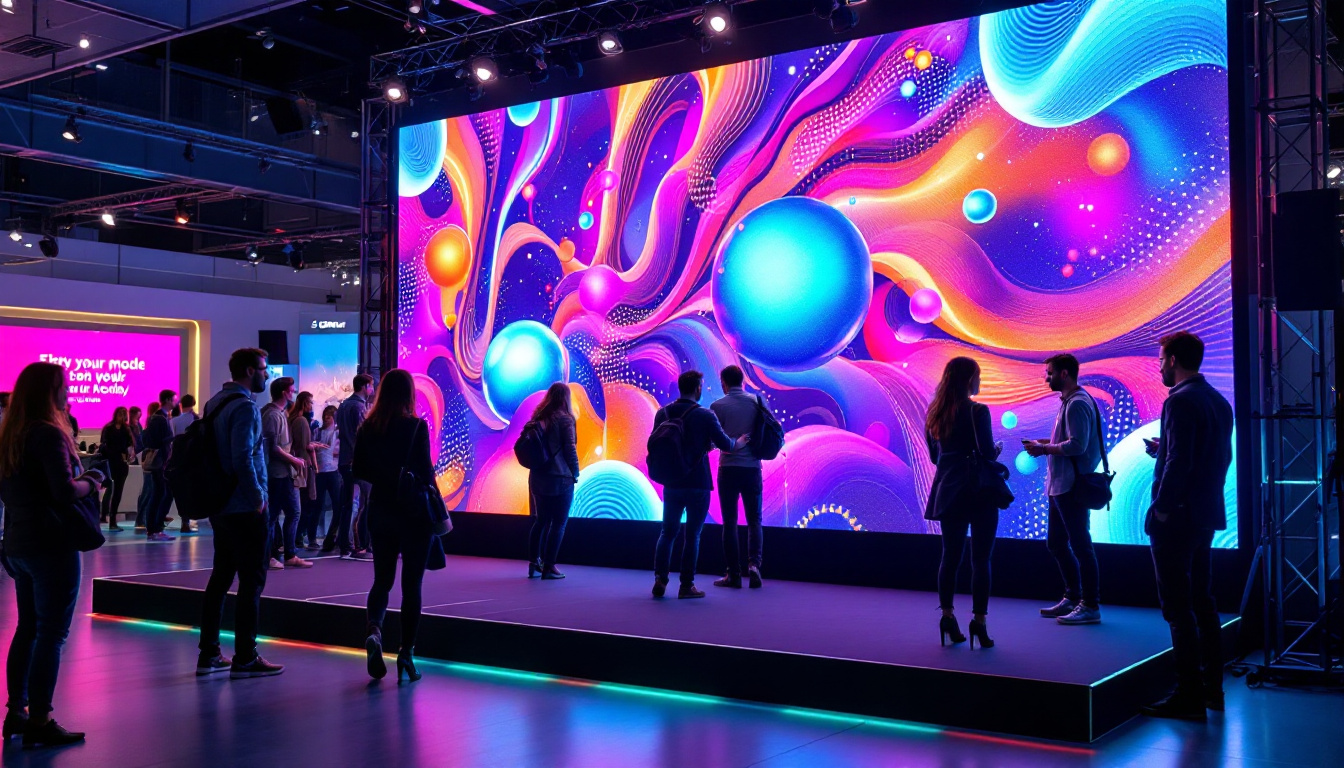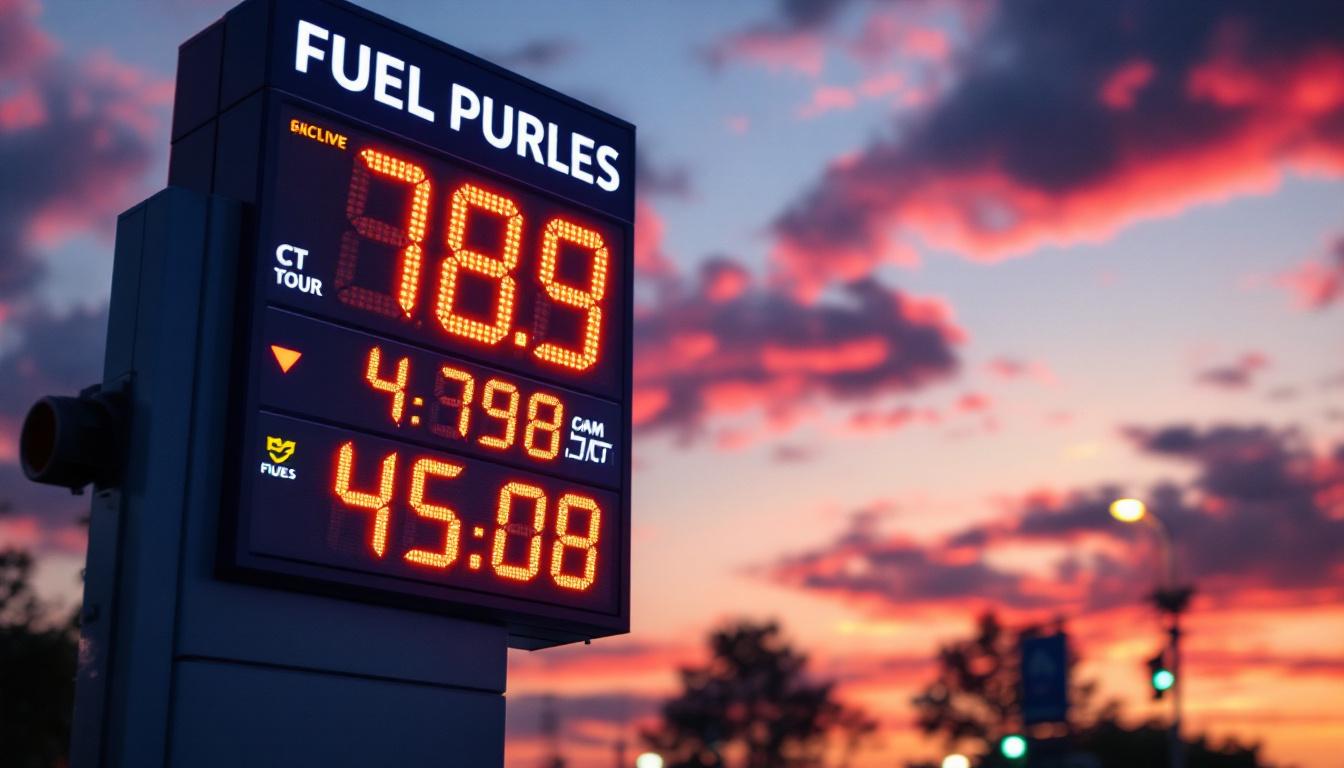
In the competitive world of fuel retail, visibility and clarity are paramount. Gas stations rely heavily on their price signs to attract customers, communicate pricing effectively, and maintain brand consistency. Over the past decade, LED technology has revolutionized the way gas stations display fuel prices, offering dynamic, energy-efficient, and highly visible solutions. This article delves into the world of gas station LED price signs, explaining their technology, benefits, and considerations for fuel retailers looking to upgrade or install new signage.
The Evolution of Gas Station Price Signs
Traditionally, gas station price signs used manual or mechanical flip-digit displays, which required station attendants to physically change prices. These signs were often limited in visibility, especially at night or in adverse weather conditions. The advent of electronic displays marked a significant shift, with LED technology emerging as the preferred choice.
LED (Light Emitting Diode) displays began replacing incandescent bulbs and neon lights due to their superior brightness, longevity, and energy efficiency. Modern LED price signs can be updated remotely, allowing for instant price changes that respond to market fluctuations or promotional offers. This evolution has not only improved operational efficiency but also enhanced customer experience by providing clear, readable pricing at all hours. Moreover, the vibrant colors and sharp contrast of LED displays make them more eye-catching, drawing in potential customers from a distance and increasing foot traffic to the station.
From Manual to Digital: A Brief Timeline
In the 1980s and 1990s, gas stations primarily used mechanical flip-digit signs or incandescent bulbs. The early 2000s saw the introduction of basic electronic numeric displays, but these were often dim and lacked flexibility. By the 2010s, LED technology matured, offering bright, full-color displays with remote connectivity. Today, many stations use high-resolution LED price signs integrated with digital management systems, enabling real-time updates and even dynamic advertising.
As technology continues to advance, gas station price signs are evolving beyond mere price displays. Some modern systems incorporate touch screens and interactive features, allowing customers to access additional information such as fuel types, loyalty programs, and even nearby amenities. These innovations not only serve to inform but also to engage customers, creating a more interactive experience at the pump. Furthermore, with the rise of mobile apps and digital wallets, many stations are exploring ways to integrate their signage with these platforms, allowing for seamless transactions and personalized offers based on customer preferences.
Understanding LED Display Technology in Gas Station Signs
LED displays consist of numerous tiny light-emitting diodes arranged in a matrix to form numbers and letters. For gas station price signs, these LEDs are typically configured to display fuel prices clearly and legibly from a distance.
Key Components of LED Price Signs
At the core, an LED price sign includes:
- LED Modules: These are the individual panels containing arrays of LEDs that form digits and symbols.
- Controller Unit: This device manages the display content, often allowing remote updates via wired or wireless connections.
- Power Supply: LED signs require stable power sources optimized for low energy consumption.
- Enclosure: Weatherproof and durable casing protects the electronics from environmental elements such as rain, dust, and UV exposure.
LEDs used in gas station signs are typically high-brightness types, capable of producing vivid colors and excellent contrast, which is essential for readability in direct sunlight and nighttime conditions.
Types of LED Displays Used
Gas station price signs commonly use numeric LED displays, but there are variations:
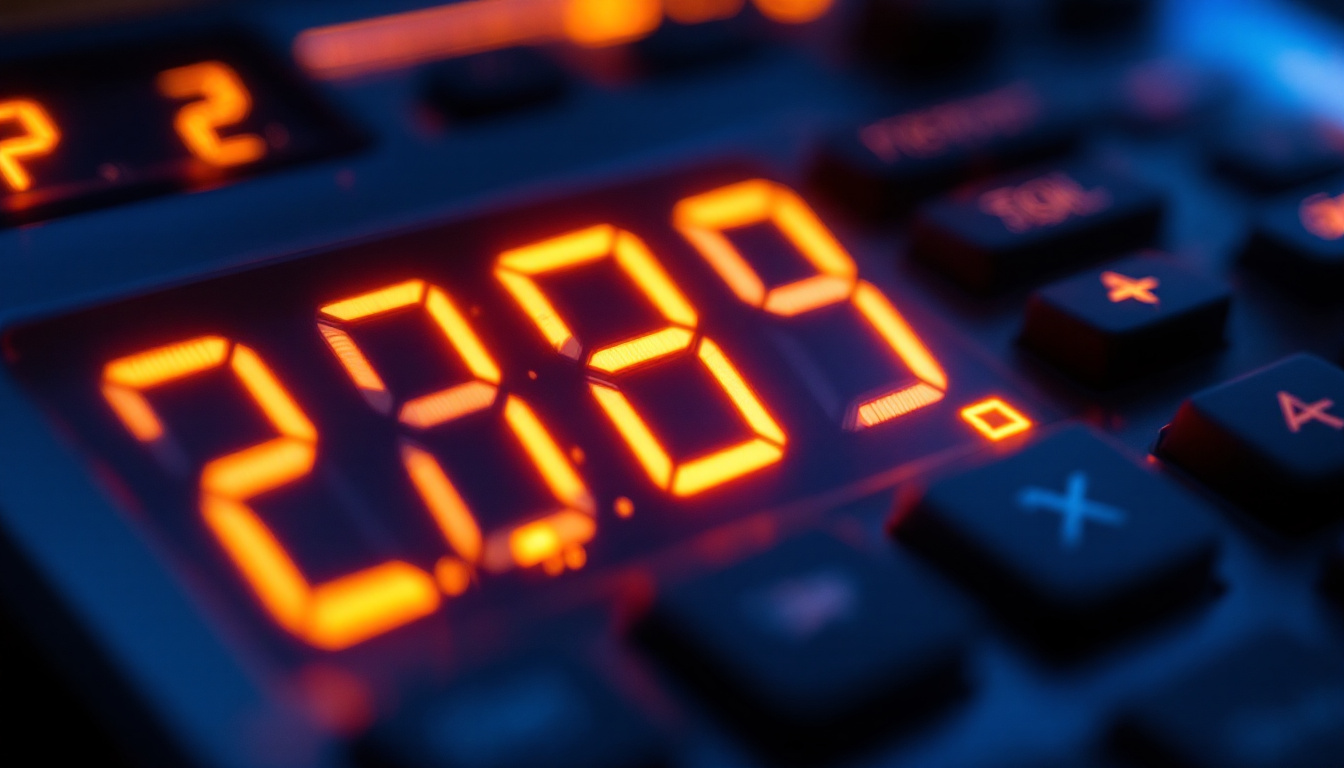
- 7-Segment Displays: Traditional numeric displays that use seven individual segments to form digits. These are energy-efficient and straightforward but limited to numbers and a few symbols.
- Dot Matrix Displays: Composed of a grid of LEDs, allowing for more flexible characters and symbols, including decimal points and fuel type indicators.
- Full-Color LED Displays: Advanced signs may incorporate RGB LEDs to display multi-color pricing or promotional messages, enhancing visual appeal.
Benefits of LED Price Signs for Gas Stations
LED price signs offer several advantages that make them the preferred choice for fuel retailers worldwide.
Enhanced Visibility and Readability
One of the primary benefits of LED price signs is their superior visibility. LEDs emit bright, consistent light that remains clear under direct sunlight and adverse weather. This ensures that customers can easily read fuel prices from a distance, which is critical for decision-making while driving.
Additionally, LED signs can be programmed to adjust brightness automatically based on ambient light conditions, reducing glare at night while maintaining visibility.
Energy Efficiency and Longevity
Compared to incandescent bulbs or neon lights, LEDs consume significantly less power—up to 80% less in some cases. This reduction in energy usage translates into lower operational costs for gas stations, which often run these signs 24/7.
Moreover, LEDs have an average lifespan of 50,000 to 100,000 hours, far exceeding traditional lighting technologies. This longevity reduces maintenance frequency and associated costs.
Remote and Instant Price Updates
Modern LED price signs are integrated with digital control systems that allow station operators to update prices remotely via software or mobile apps. This capability is particularly valuable in volatile fuel markets where prices can change multiple times per day.
Instant updates help stations remain competitive and compliant with pricing regulations, while eliminating the need for manual changes that can be time-consuming and error-prone.
Customization and Branding Opportunities
LED technology enables gas stations to customize their price signs beyond just numbers. Many signs incorporate brand logos, fuel grade indicators, and promotional messages. Full-color LED displays can cycle through different messages or highlight special offers, creating additional marketing opportunities.
Considerations When Choosing LED Price Signs
While LED price signs offer numerous advantages, fuel retailers should consider several factors before investing.
Size and Visibility Requirements
The size of the LED price sign should correspond to the station’s location and traffic patterns. Signs must be large enough to be seen clearly from the road but also comply with local zoning and signage regulations.
Visibility distance, font size, and color contrast are critical design elements. For example, a station located on a highway may require larger digits and higher brightness than one in a suburban neighborhood.
Durability and Weather Resistance
Gas station signs are exposed to harsh environmental conditions, including rain, snow, wind, and extreme temperatures. Selecting LED signs with robust enclosures rated for outdoor use (typically IP65 or higher) ensures longevity and reliable performance.
Installation and Maintenance Costs
While LED signs generally reduce maintenance costs over time, initial installation can be significant. Factors influencing cost include sign size, complexity, mounting requirements, and integration with existing systems.
It’s important to work with experienced manufacturers and installers who offer warranties and support services to minimize downtime and repair expenses.
Compliance with Regulations
Many municipalities have strict rules governing the size, brightness, and placement of gas station signs to prevent driver distraction and maintain community aesthetics. Before installation, operators should verify local regulations and obtain necessary permits.
Case Studies: Successful Implementation of LED Price Signs
Several gas stations across the United States and Europe have reported significant benefits after upgrading to LED price signs.
Case Study 1: Improved Sales Through Enhanced Visibility
A gas station located on a busy interstate in Texas replaced its aging mechanical price sign with a high-brightness LED display. Within three months, the station reported a 12% increase in fuel sales, attributed largely to improved price visibility from the highway.
The remote update feature also allowed the station to respond quickly to competitor price changes, maintaining competitive pricing without delay.
Case Study 2: Reduced Operational Costs and Maintenance
A chain of gas stations in the northeastern United States transitioned from neon-lit signs to LED displays. The upgrade resulted in a 65% reduction in energy costs related to signage and a 40% decrease in maintenance expenses due to fewer component failures.
The stations also benefited from the ability to centrally manage prices across multiple locations, streamlining operations.
Future Trends in Gas Station LED Price Signage
The future of gas station LED price signs is evolving with advances in technology and changing consumer expectations.
Integration with Digital and Smart Technologies
Emerging trends include integrating LED price signs with real-time data feeds, such as fuel inventory levels, weather conditions, and traffic patterns. This integration can enable dynamic pricing strategies and personalized promotions.
Smart signage systems may also incorporate sensors and cameras to monitor customer behavior and optimize advertising content accordingly.
Eco-Friendly and Sustainable Solutions
As sustainability becomes a priority, LED price signs are increasingly designed with recyclable materials and energy-saving features. Solar-powered LED signs are gaining traction, especially in remote locations without easy access to power grids.
Enhanced Interactivity and Customer Engagement
Future LED displays may include interactive elements, such as QR codes or NFC tags, enabling customers to access loyalty programs, discounts, or payment options directly from the sign.
Such innovations could transform gas station price signs from simple informational tools into engaging marketing platforms.
Conclusion
Gas station LED price signs represent a critical investment for fuel retailers seeking to enhance visibility, reduce costs, and improve operational efficiency. The technology’s evolution from simple numeric displays to sophisticated, remotely managed systems offers numerous benefits, including energy savings, increased sales potential, and branding opportunities.
When selecting LED price signs, it is essential to consider factors such as size, durability, regulatory compliance, and integration capabilities. By doing so, gas stations can ensure their signage remains effective and future-proof in an increasingly competitive market.
As LED technology continues to advance, gas stations that embrace these innovations will be better positioned to attract customers, optimize pricing strategies, and create engaging brand experiences.
Discover LumenMatrix’s Advanced LED Solutions
Ready to elevate your gas station’s visibility and customer engagement? LumenMatrix offers a comprehensive range of LED display solutions tailored to the unique needs of the fuel retail industry. From vibrant outdoor LED wall displays that capture the attention of passersby to interactive vehicle LED displays that enhance the customer experience, our products are designed to make your brand stand out. Embrace the future of visual communication with LumenMatrix’s innovative LED technology. Check out LumenMatrix LED Display Solutions and transform your gas station signage today.