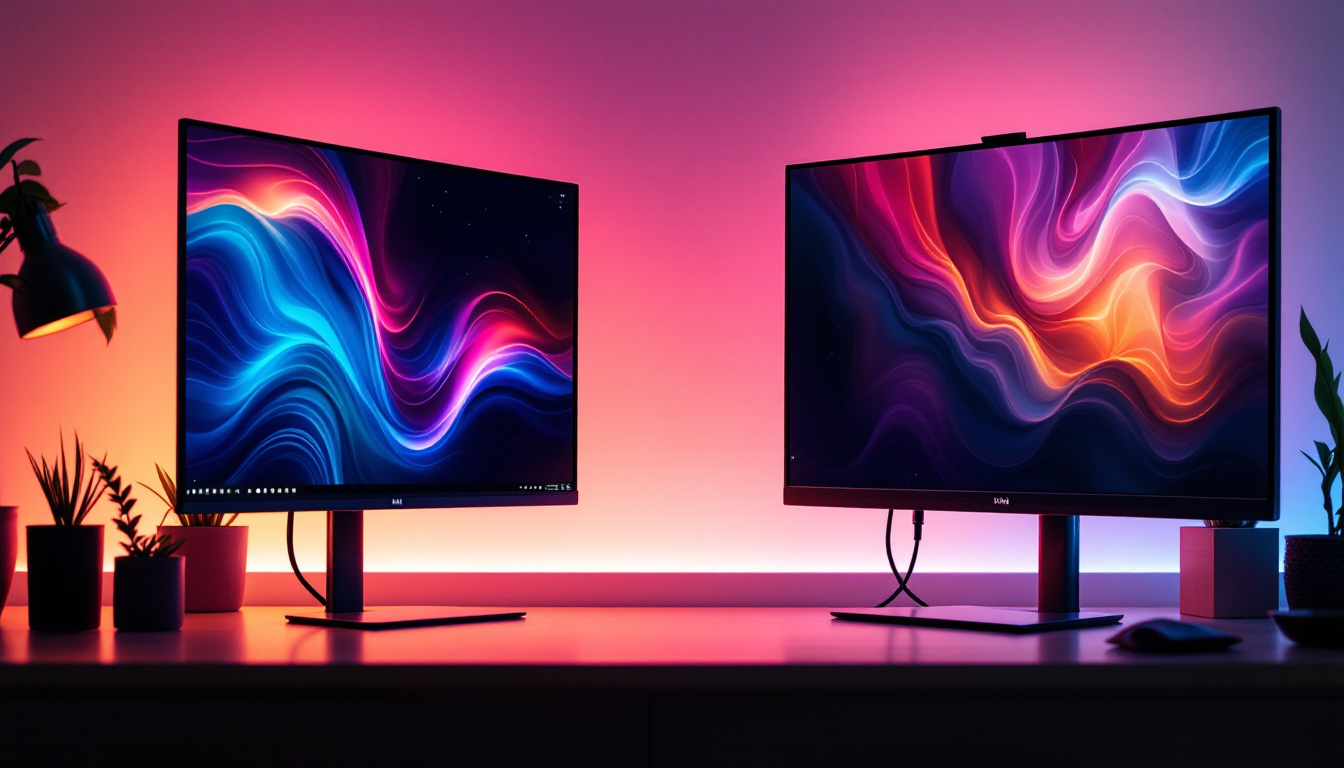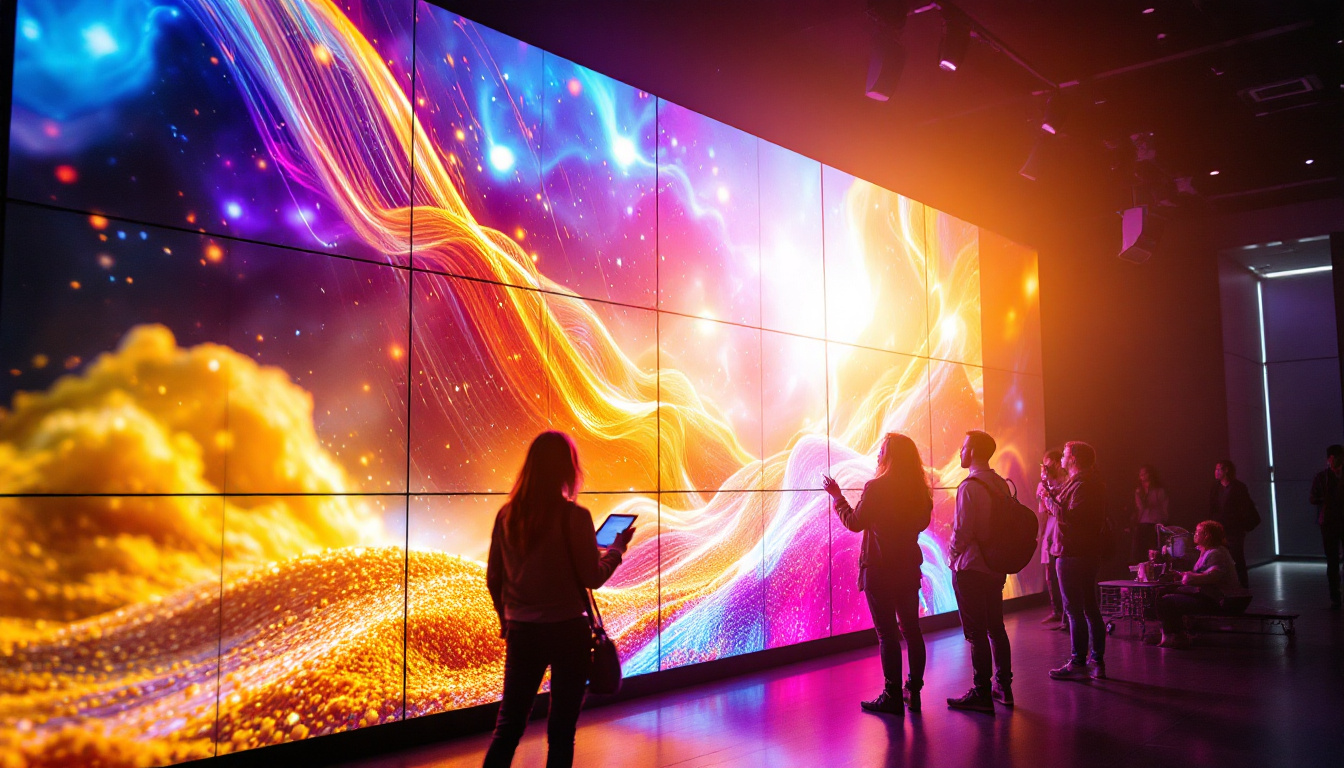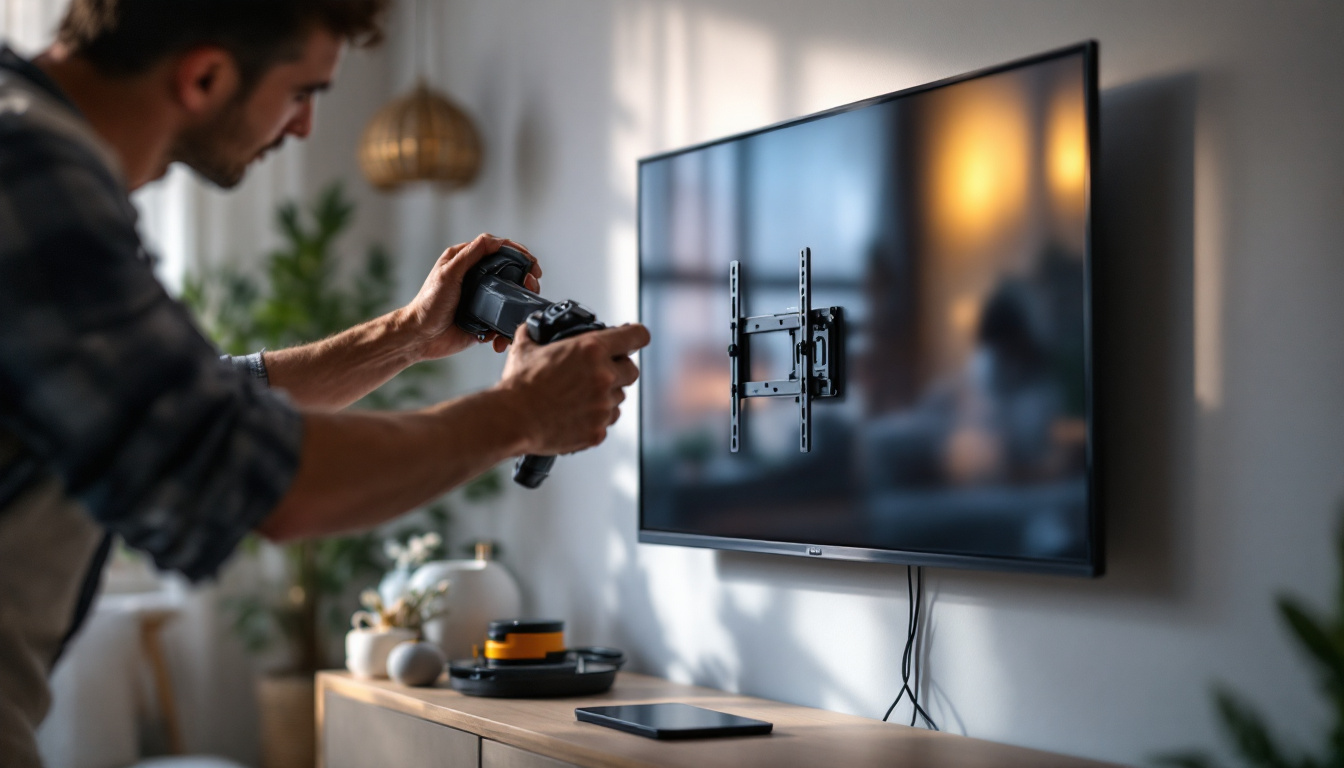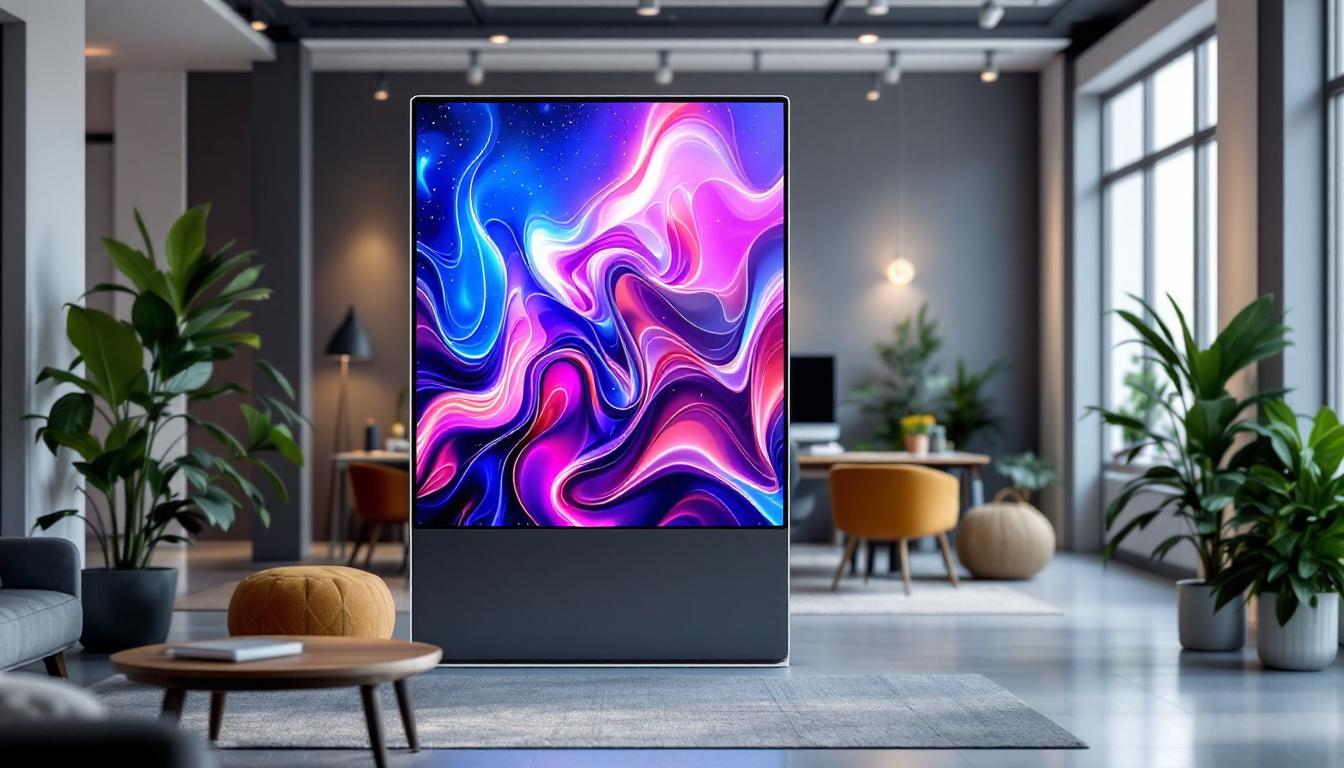
In an era where interactive technology is reshaping the way we communicate, work, and entertain, giant touch screen monitors have emerged as a pivotal innovation. These expansive displays, often powered by advanced LED technology, offer vibrant visuals combined with intuitive touch capabilities. Whether used in corporate boardrooms, educational institutions, retail environments, or public spaces, giant touch screen monitors are transforming user experience and engagement on a large scale.
This article delves into the fundamentals of giant touch screen monitors, with a particular focus on LED displays. It explores the technology behind these impressive screens, their practical applications, and the factors that businesses and consumers should consider when investing in one.
Understanding Giant Touch Screen Monitors
What Defines a Giant Touch Screen Monitor?
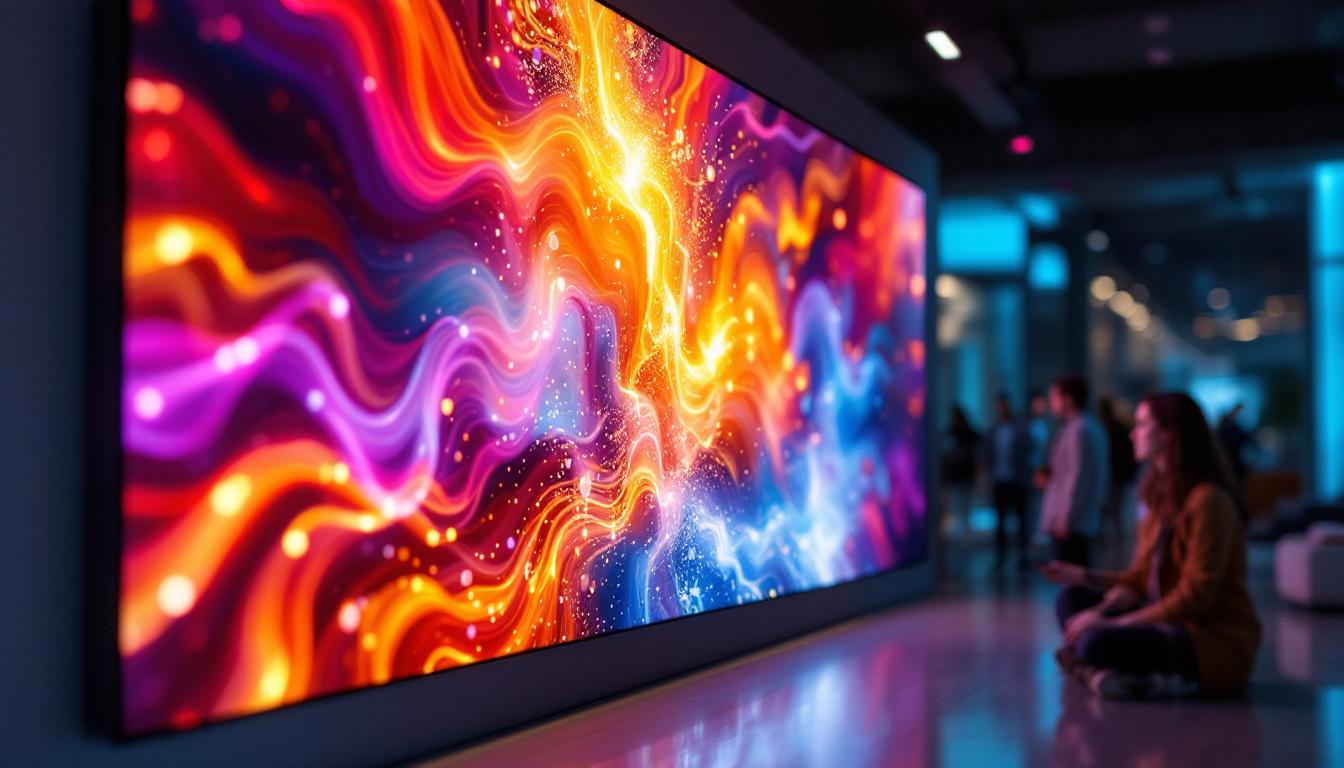
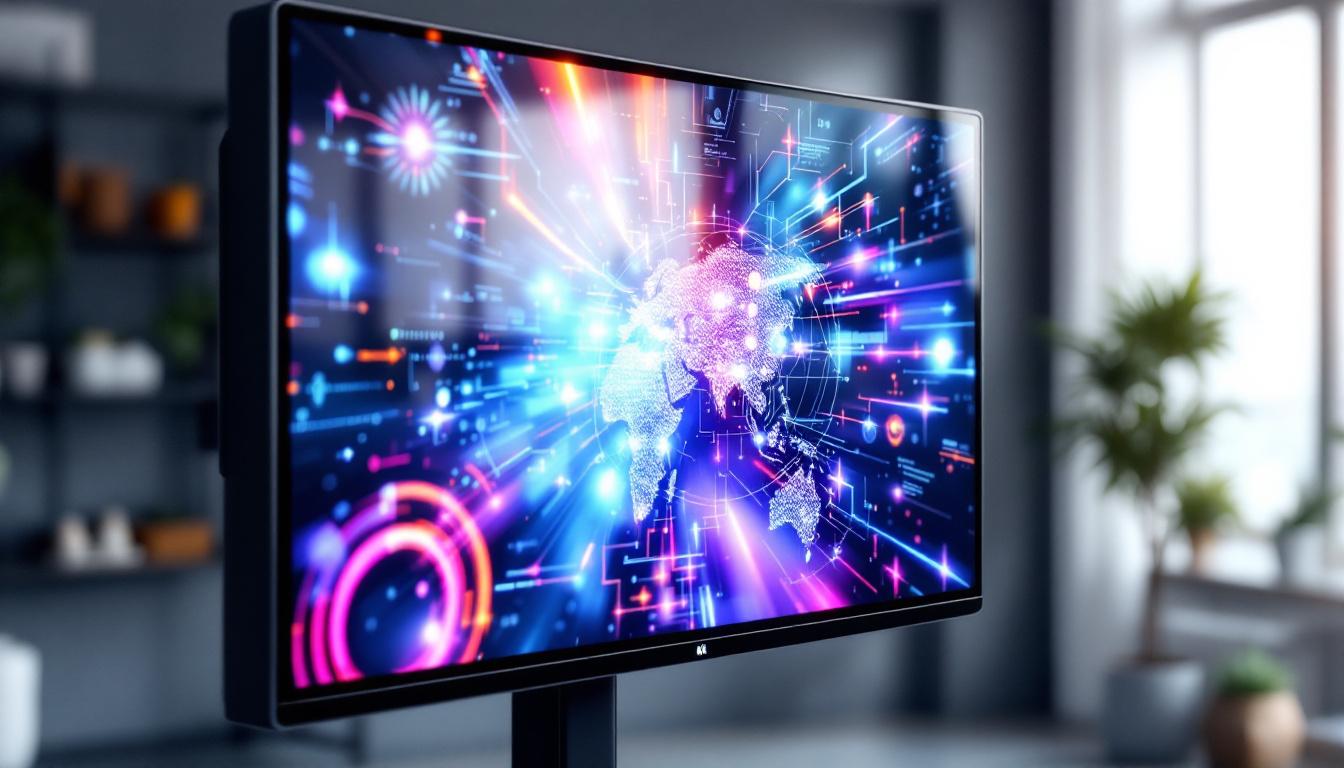
A giant touch screen monitor typically refers to a display that exceeds the size of conventional computer monitors, often starting at 55 inches and scaling up to 100 inches or more. These monitors combine large-format LED panels with touch-sensitive surfaces, allowing multiple users to interact with the screen simultaneously.
The size and interactive capabilities of these monitors make them ideal for environments where collaboration and visual clarity are paramount. Unlike traditional monitors, these giant touch screens support multi-touch gestures, enabling natural interaction methods such as pinch-to-zoom, swipe, and drag-and-drop. This functionality is particularly beneficial in educational settings, where teachers and students can engage with content in a hands-on manner, fostering a more dynamic learning environment.
Moreover, the versatility of giant touch screen monitors extends beyond classrooms. They are increasingly being utilized in corporate boardrooms for presentations, allowing teams to brainstorm and visualize ideas in real-time. The ability to annotate directly on the screen during meetings enhances communication and ensures that all participants can contribute effectively, regardless of their physical location.
LED Technology: The Backbone of Modern Giant Displays
LED (Light Emitting Diode) technology has revolutionized display screens over the past decade. Unlike older LCDs that rely on fluorescent backlighting, LED displays use an array of light-emitting diodes to illuminate the screen. This results in brighter images, higher contrast ratios, and better energy efficiency.
For giant touch screen monitors, LED technology is especially advantageous. The uniform brightness and vivid color reproduction enhance the visual experience on large surfaces, ensuring that content is clear and engaging even from a distance. Additionally, LED panels tend to have longer lifespans and lower maintenance costs compared to other display technologies. This durability is crucial for environments that require constant use, such as retail spaces where these monitors can serve as interactive kiosks, providing customers with information and enhancing their shopping experience.
Furthermore, the advancements in LED technology have led to the development of ultra-thin bezels, allowing for a more immersive viewing experience. This is particularly important in video wall setups, where multiple monitors are tiled together to create a larger display. The seamless integration of these panels not only enhances aesthetics but also improves functionality, making it easier for users to engage with content across a broader canvas. As a result, giant touch screen monitors equipped with cutting-edge LED technology are becoming essential tools in various industries, from entertainment to healthcare, where clear and impactful visual communication is critical.
How LED Displays Work in Giant Touch Screen Monitors
LED Panel Structure and Function
At the core of an LED display is a matrix of tiny diodes that emit light when an electric current passes through them. These diodes are arranged in pixels, each consisting of red, green, and blue subpixels. By varying the intensity of each subpixel, the display can produce a wide spectrum of colors.
In giant monitors, millions of these pixels work together to create high-resolution images. The LED panel’s design ensures consistent brightness and color accuracy across the entire screen, which is critical for applications like digital signage and detailed presentations. Additionally, advancements in LED technology have led to the development of high dynamic range (HDR) displays, which can produce deeper blacks and brighter whites, enhancing the overall visual experience. This is particularly beneficial in environments where lighting conditions can vary significantly, such as in conference rooms or public spaces.
Types of LED Displays: Direct LED vs. Edge-lit LED
There are two primary types of LED backlighting used in giant touch screen monitors: direct LED and edge-lit LED. Direct LED involves placing LEDs directly behind the screen, offering superior brightness and uniformity. This type is often preferred for larger displays where image quality is paramount.
Edge-lit LED, on the other hand, positions LEDs along the edges of the panel, using light guides to distribute illumination. While this allows for thinner and lighter screens, it may result in less uniform brightness, especially on very large monitors. Understanding this distinction helps users select the right display based on their needs and budget. Furthermore, the choice between these two types can also impact energy consumption; direct LED displays tend to consume more power due to their increased number of LEDs, while edge-lit displays can be more energy-efficient, making them a popular choice for businesses looking to reduce operational costs.
Integration of Touch Technology with LED Displays
Touch functionality in giant monitors is typically achieved through capacitive or infrared touch technologies. Capacitive touch screens detect changes in the electrical field caused by a finger’s conductive properties, providing precise and responsive interaction.
Infrared touch technology uses an array of IR sensors around the screen’s edges to detect touch points. This method is highly durable and works well with gloves or styluses, making it suitable for industrial or outdoor settings. Both technologies can be seamlessly integrated with LED panels, ensuring that touch responsiveness does not compromise display quality. Moreover, the integration of advanced software solutions enhances the user experience by allowing for multi-touch capabilities, gesture recognition, and even handwriting recognition. This opens up a world of possibilities for interactive applications, from educational tools to collaborative workspaces, where users can engage with content in dynamic and innovative ways.
Applications and Benefits of Giant LED Touch Screen Monitors
Corporate and Educational Environments
In corporate settings, giant touch screen monitors facilitate dynamic presentations, video conferencing, and collaborative brainstorming sessions. Their large size allows multiple participants to engage simultaneously, fostering creativity and teamwork.
Educational institutions leverage these displays to create interactive learning experiences. Teachers can annotate digital content in real-time, access multimedia resources, and encourage student participation through touch-based activities. Studies have shown that interactive displays can improve student engagement and retention rates.
Retail and Advertising
Retailers use giant LED touch screens for digital signage, product showcases, and interactive catalogs. These displays attract customers’ attention with vivid visuals and allow shoppers to explore product details or customize options through touch interaction.
In advertising, large-format touch screens enable immersive brand experiences. For example, interactive billboards in urban centers can engage passersby with games, information, or social media integration, increasing brand visibility and consumer interaction.
Public Spaces and Wayfinding
Airports, museums, and shopping malls utilize giant touch screen monitors for wayfinding and information kiosks. These displays provide intuitive navigation assistance, event schedules, and emergency alerts, enhancing visitor experience and safety.
The durability and brightness of LED displays ensure visibility even in brightly lit environments, while touch interactivity allows users to quickly access personalized information without the need for staff assistance.
Key Considerations When Choosing a Giant Touch Screen LED Monitor
Resolution and Image Quality
Resolution is a critical factor in selecting a giant touch screen monitor. Higher resolutions, such as 4K (3840 x 2160 pixels), provide sharper images and finer detail, which is essential for design work, video playback, and detailed data visualization.
However, higher resolution displays may come at a premium price. It is important to balance resolution needs with budget constraints and intended use cases.
Touch Responsiveness and Multi-Touch Support
The quality of touch interaction can vary significantly between models. Look for monitors that support multi-touch with low latency to ensure smooth and natural user experiences. Some displays support up to 20 simultaneous touch points, which is beneficial for collaborative environments.
Additionally, consider the type of touch technology used, especially if the monitor will be used with gloves or styluses.
Brightness and Contrast Ratio
Brightness, measured in nits, affects the screen’s visibility in various lighting conditions. For public or brightly lit spaces, displays with brightness levels of 700 nits or higher are recommended to maintain image clarity.
Contrast ratio determines the difference between the darkest black and the brightest white on the screen. Higher contrast ratios enhance image depth and color vibrancy, improving overall viewing experience.
Durability and Maintenance
Given their size and usage, giant touch screen monitors must be durable. Look for features like tempered glass surfaces, anti-glare coatings, and robust housings to protect against damage.
Maintenance considerations include ease of cleaning, availability of replacement parts, and manufacturer support. LED technology’s long lifespan generally reduces maintenance frequency compared to other display types.
The Future of Giant Touch Screen LED Displays
Emerging Technologies and Innovations
Advancements in LED technology continue to push the boundaries of giant touch screen monitors. MicroLED displays, for example, promise even higher brightness, better color accuracy, and improved energy efficiency by using microscopic LEDs as individual pixels.
Flexible and transparent LED displays are also gaining traction, enabling new form factors and applications such as curved interactive walls or augmented reality windows.
Integration with AI and IoT
Future giant touch screen monitors are expected to integrate more deeply with artificial intelligence (AI) and the Internet of Things (IoT). AI-powered interfaces could personalize content based on user behavior, while IoT connectivity allows seamless interaction with other smart devices in a workspace or public area.
Such integration will enhance user engagement, streamline workflows, and open new possibilities for interactive digital environments.
Conclusion
Giant touch screen monitors powered by LED technology represent a significant leap forward in display innovation. Their combination of large, bright, and colorful visuals with responsive touch capabilities makes them invaluable tools across diverse industries.
Understanding the underlying LED technology, the types of touch integration, and the practical considerations for deployment helps organizations and consumers make informed decisions. As technology evolves, these giant interactive displays will continue to redefine how people interact with digital content on a grand scale, fostering collaboration, engagement, and immersive experiences.
Discover LumenMatrix’s Innovative LED Solutions
Ready to elevate your space with the latest in LED display technology? LumenMatrix is at the forefront of creating immersive visual experiences that captivate and engage. From dynamic Indoor and Outdoor LED Wall Displays to specialized solutions like Vehicle LED Displays and LED Sports Displays, our extensive range caters to every need. Experience the transformative power of our LED Poster Displays, Floor LED Displays, and revolutionary Custom and All-in-One LED Display options. Embrace the future of visual communication with LumenMatrix’s LED Transparent Display, designed to make your brand stand out. Check out LumenMatrix LED Display Solutions and join the visual revolution today.