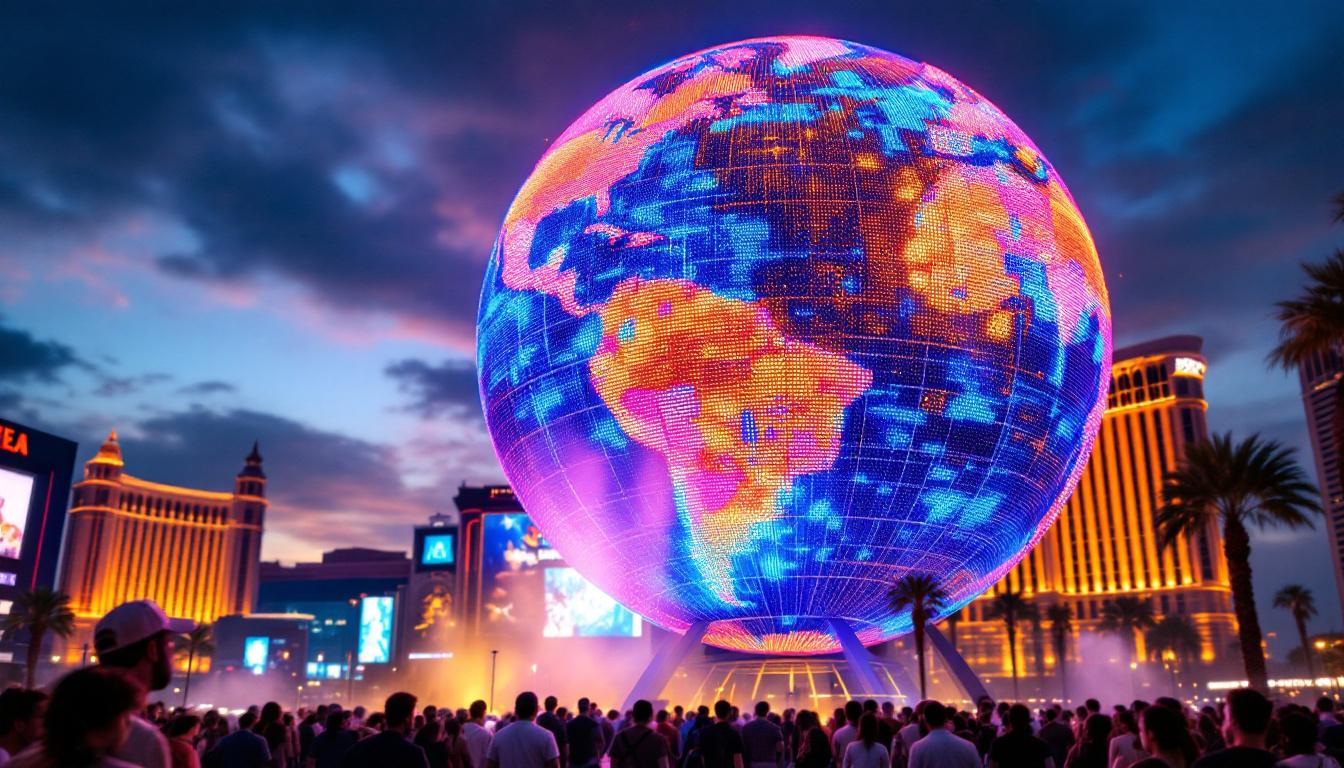
Las Vegas is renowned for its dazzling lights and cutting-edge visual displays, but few installations capture the imagination quite like the iconic globe-shaped LED display. This spherical marvel, prominently featured on the Las Vegas Strip, represents a pinnacle of modern LED technology and creative engineering. Understanding how this globe works not only highlights the technological sophistication behind it but also reveals why it has become a symbol of innovation and entertainment in one of the world’s most vibrant cities.
The Evolution of LED Displays in Las Vegas
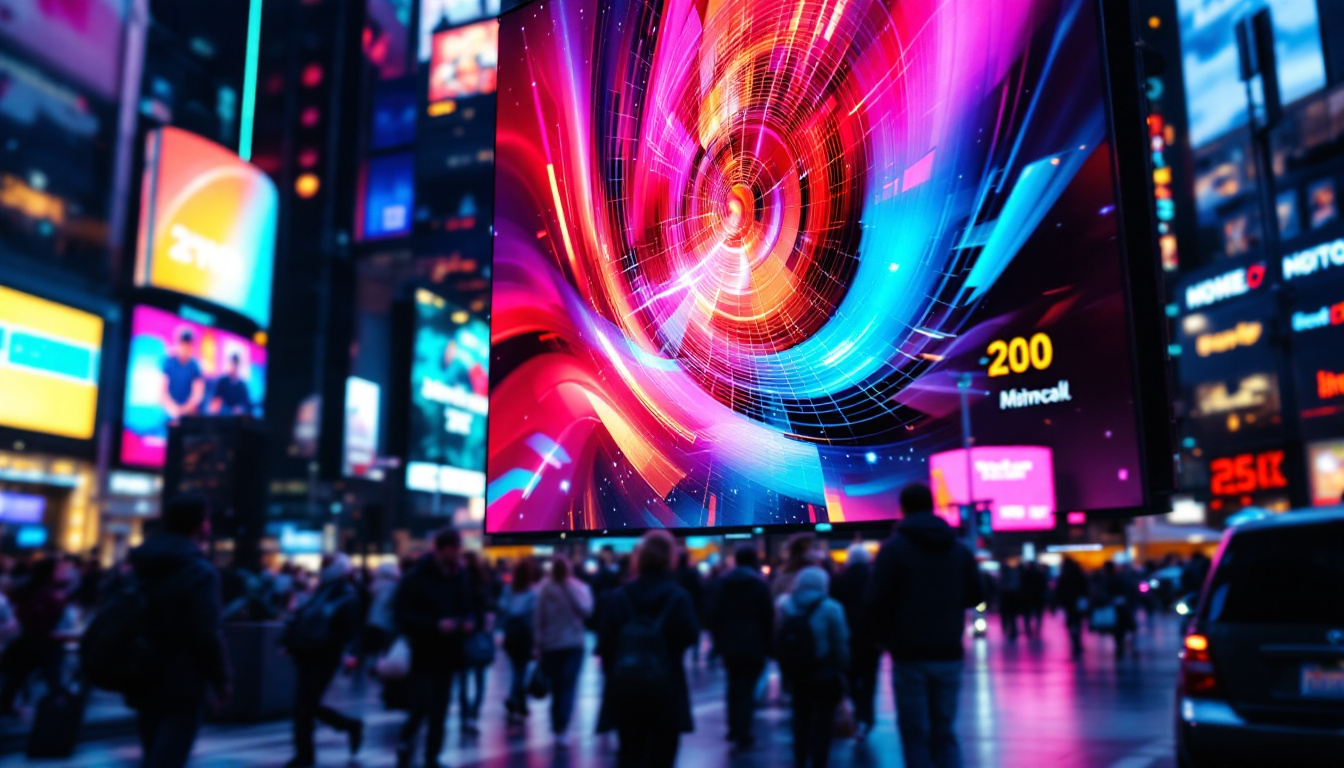
Las Vegas has long been a city that embraces technology to enhance visitor experiences. From neon signs in the mid-20th century to massive LED billboards today, the city’s visual landscape has continuously evolved. The introduction of LED (Light Emitting Diode) technology marked a significant shift, offering brighter, more energy-efficient, and versatile displays compared to traditional lighting methods.
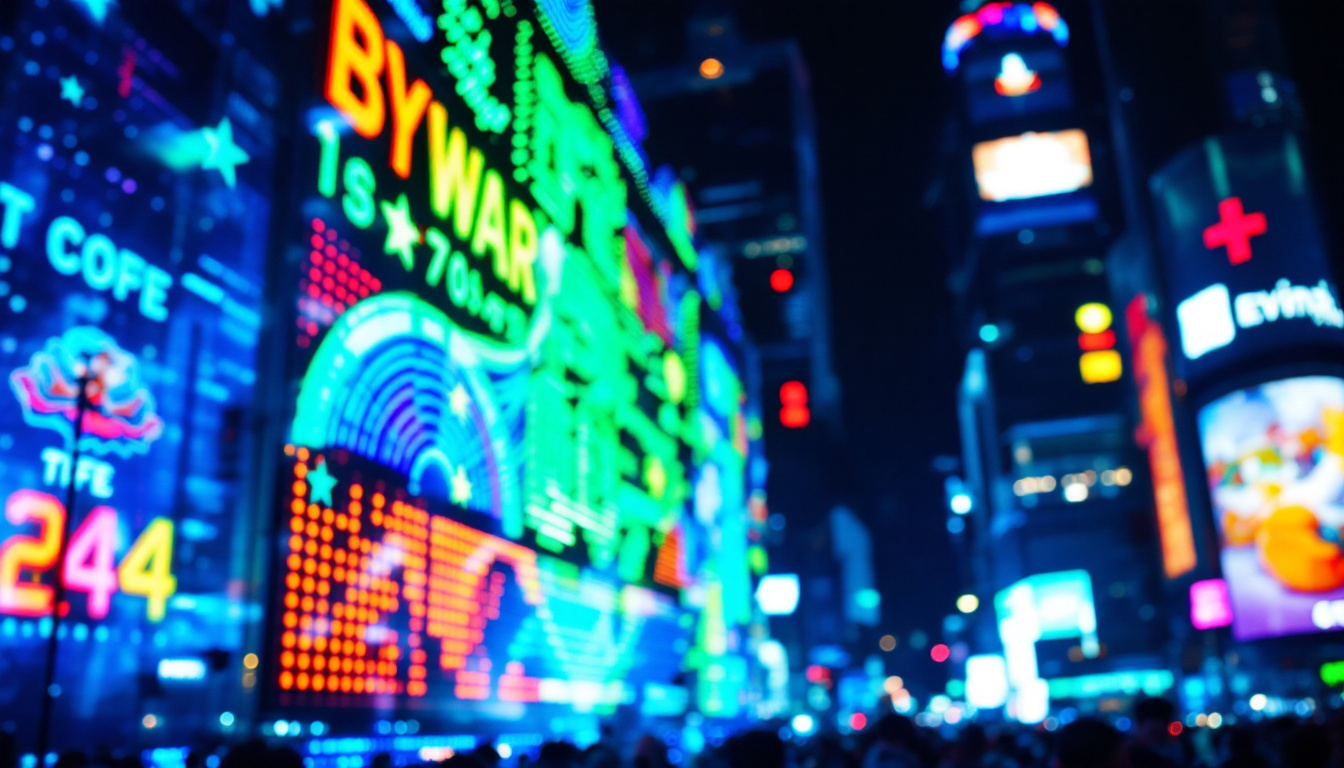
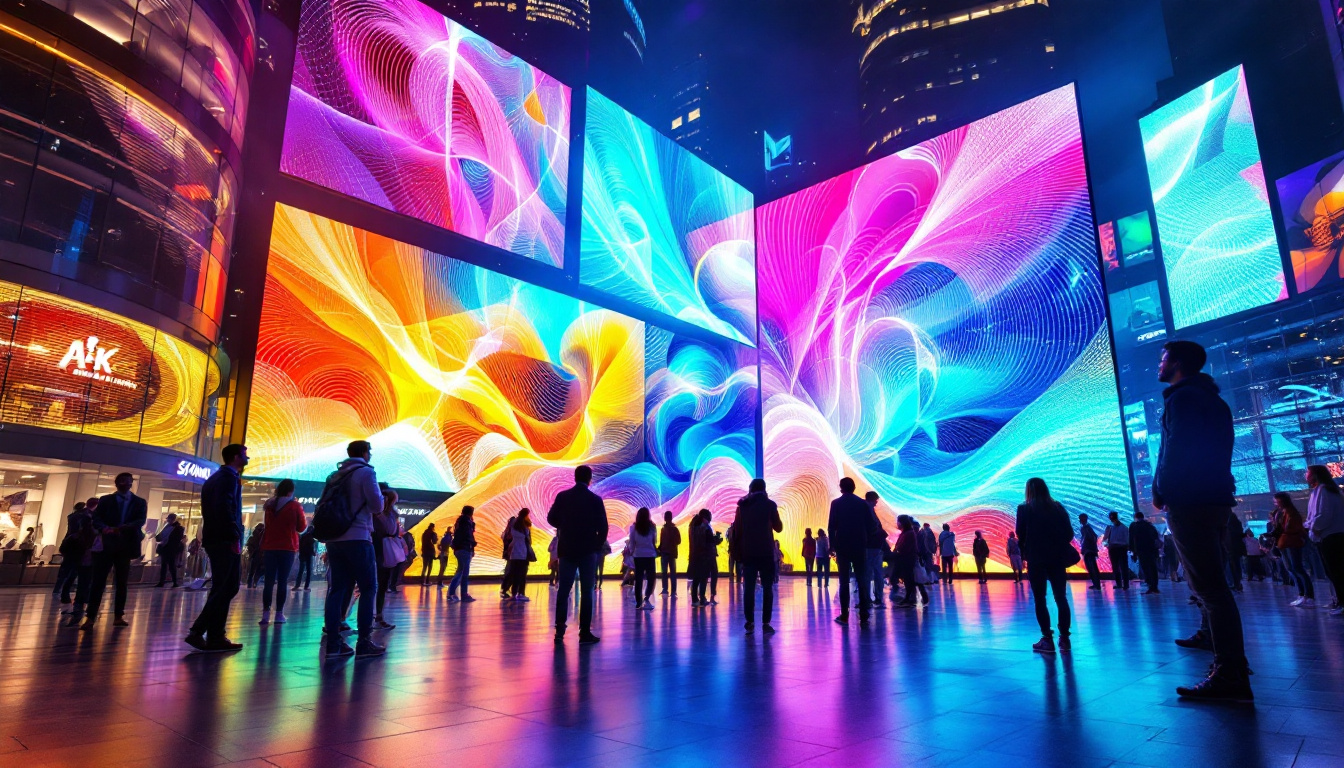
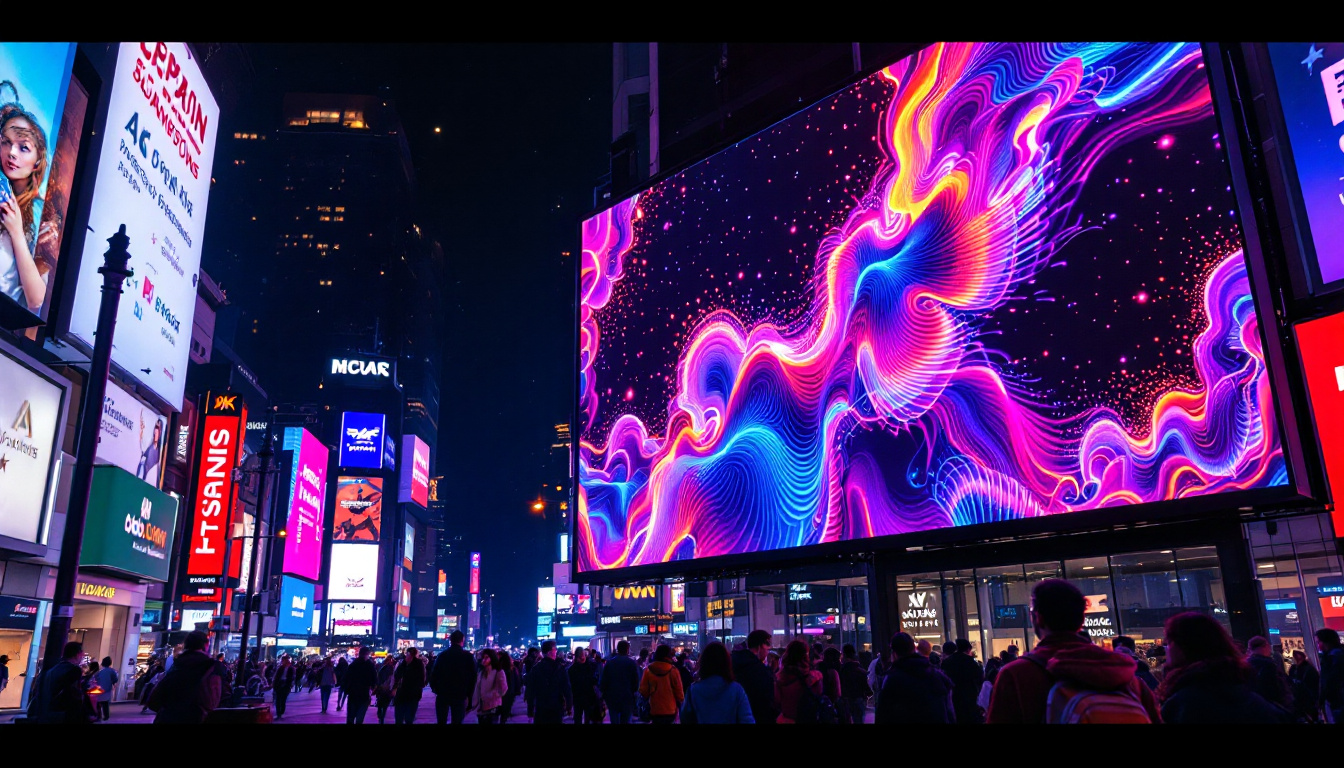
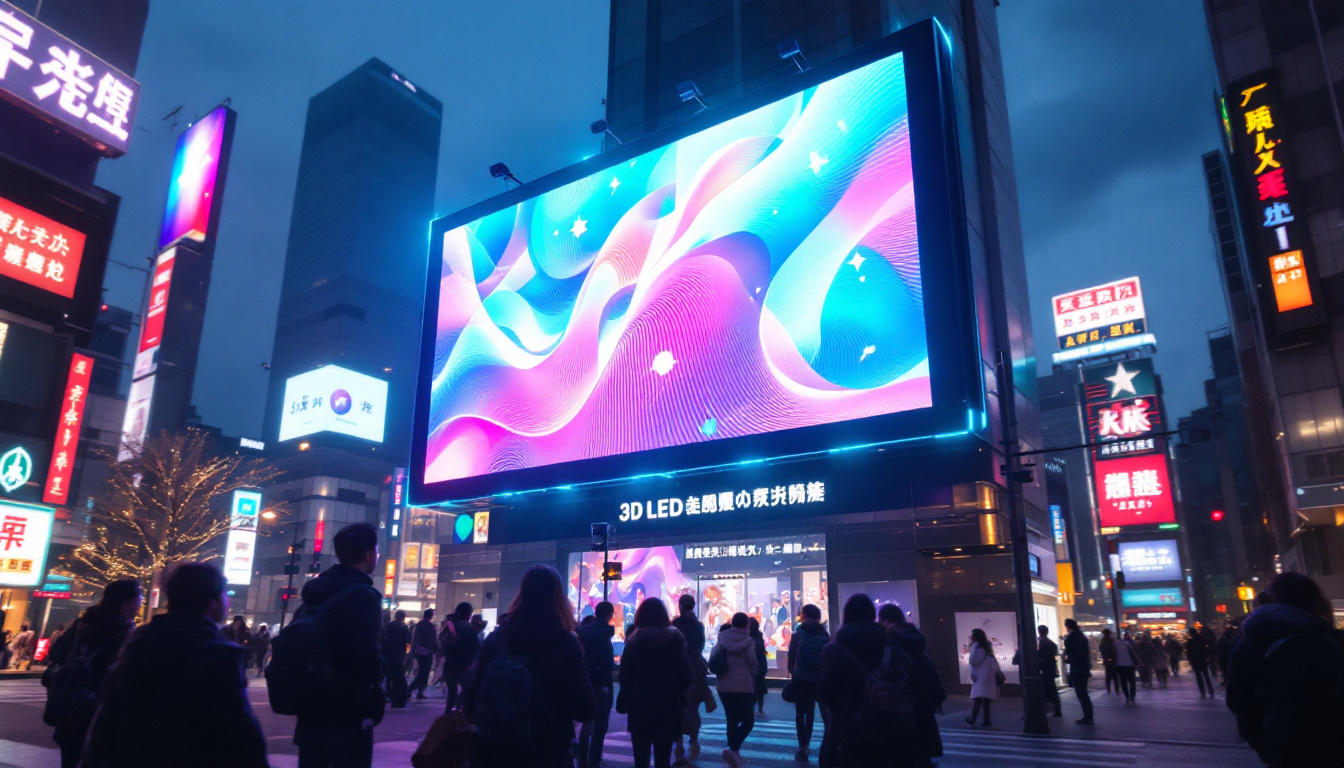
LED displays first began appearing on the Strip in the early 2000s, gradually replacing older neon and incandescent signage. Their ability to display dynamic content—videos, animations, and vibrant colors—made them ideal for the entertainment capital of the world. The globe-shaped LED display in Las Vegas is a culmination of this evolution, combining advanced technology with artistic design to create a captivating 360-degree visual experience.
Why LEDs Became the Standard
LED technology offers several advantages that made it the preferred choice for Las Vegas signage. LEDs consume up to 80% less energy than incandescent bulbs, which is a crucial factor given the scale of lighting required on the Strip. Additionally, LEDs have a longer lifespan, often exceeding 50,000 hours, reducing maintenance costs and downtime.
Another critical benefit is the ability to produce a wide range of colors without the need for filters, enabling vibrant and sharp images. This versatility allows for intricate animations and real-time content changes, making LED displays not just signs but dynamic storytelling tools.
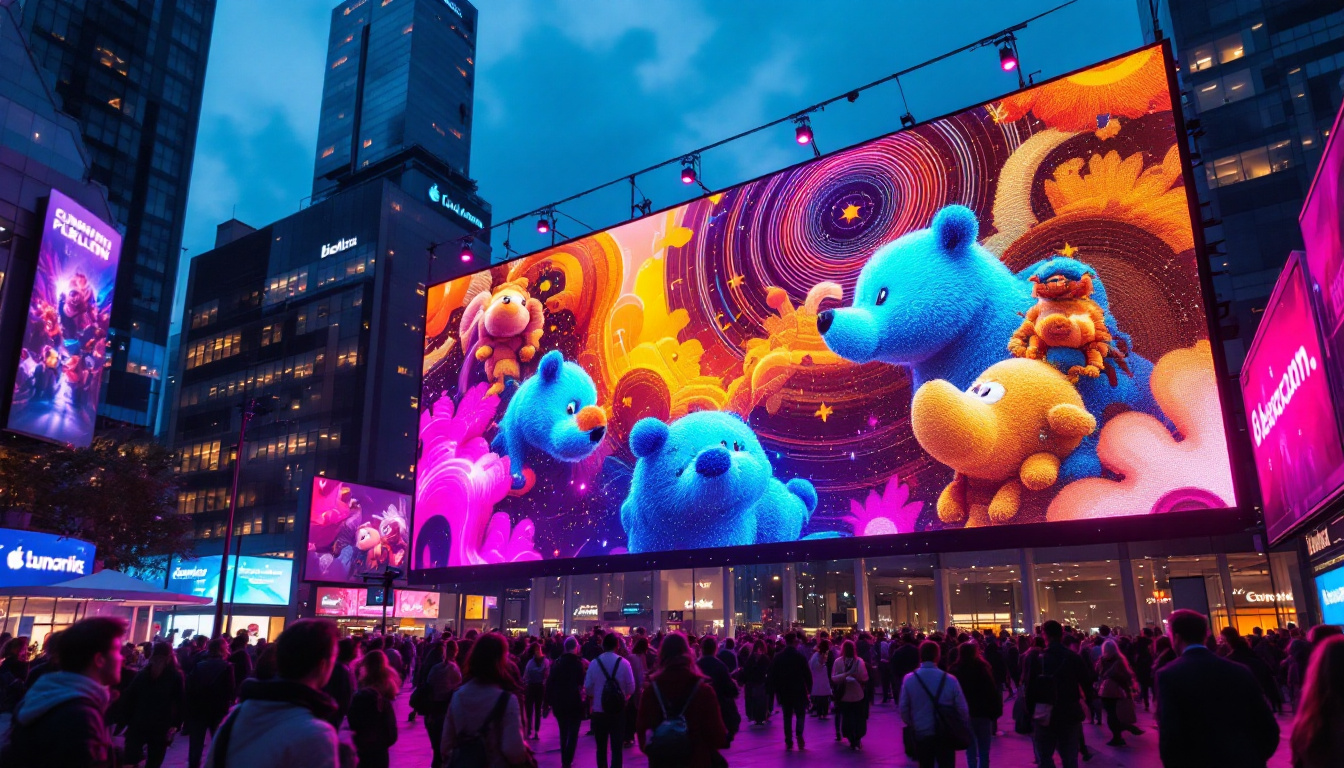
Moreover, the adaptability of LED technology has encouraged creative experimentation among artists and advertisers alike. Many displays now incorporate interactive elements, allowing passersby to engage with the content in real-time. For instance, some installations feature touch-sensitive screens or motion sensors that respond to viewer movements, creating a personalized experience that further draws in crowds. This interactivity not only enhances the visual appeal but also fosters a deeper connection between the audience and the message being conveyed.
As the technology continues to advance, we are also witnessing the integration of smart technology into LED displays. These displays can now be programmed to change based on various factors such as time of day, weather conditions, or even audience demographics. This level of customization ensures that the content remains relevant and engaging, providing a fresh experience for both locals and tourists alike. The future of LED displays in Las Vegas is not just about illumination; it’s about creating a vibrant, responsive environment that reflects the city’s ever-evolving identity.
Understanding the Globe LED Display Structure
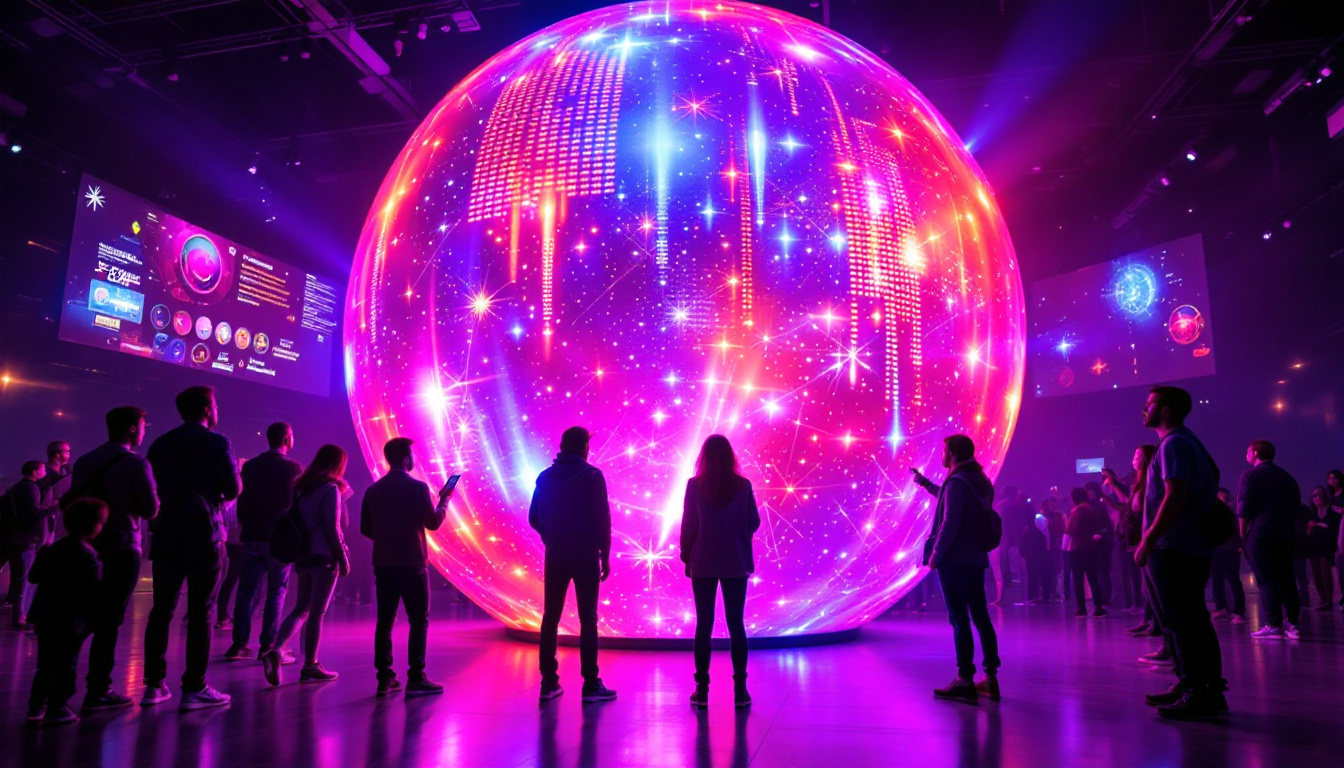
The globe LED display in Las Vegas is a feat of engineering. Unlike traditional flat LED billboards, this display is spherical, presenting unique challenges and opportunities in design and functionality.
Design and Construction
The globe is constructed from thousands of individual LED modules arranged meticulously to form a seamless sphere. Each module contains multiple LEDs capable of producing millions of colors through precise control of red, green, and blue diodes. The spherical shape requires careful calibration to ensure uniform brightness and color consistency across the curved surface.
Supporting this intricate LED matrix is a robust frame and mounting system designed to withstand the harsh desert climate, including intense heat, dust, and occasional high winds. The globe’s structure also incorporates cooling systems to maintain optimal operating temperatures for the LEDs, ensuring longevity and performance. Additionally, the choice of materials for the frame is critical; lightweight yet durable materials like aluminum and high-strength composites are often utilized to minimize structural load while maximizing resilience against environmental factors.
Moreover, the design process involved extensive simulations and modeling to predict how light would interact with the spherical surface. This allowed engineers to fine-tune the placement of each LED module, ensuring that the display would not only be visually stunning but also functional from various angles and distances. The result is a captivating visual experience that transforms the skyline of Las Vegas, drawing in crowds and creating a landmark that is both a technological marvel and a work of art.
Pixel Density and Resolution
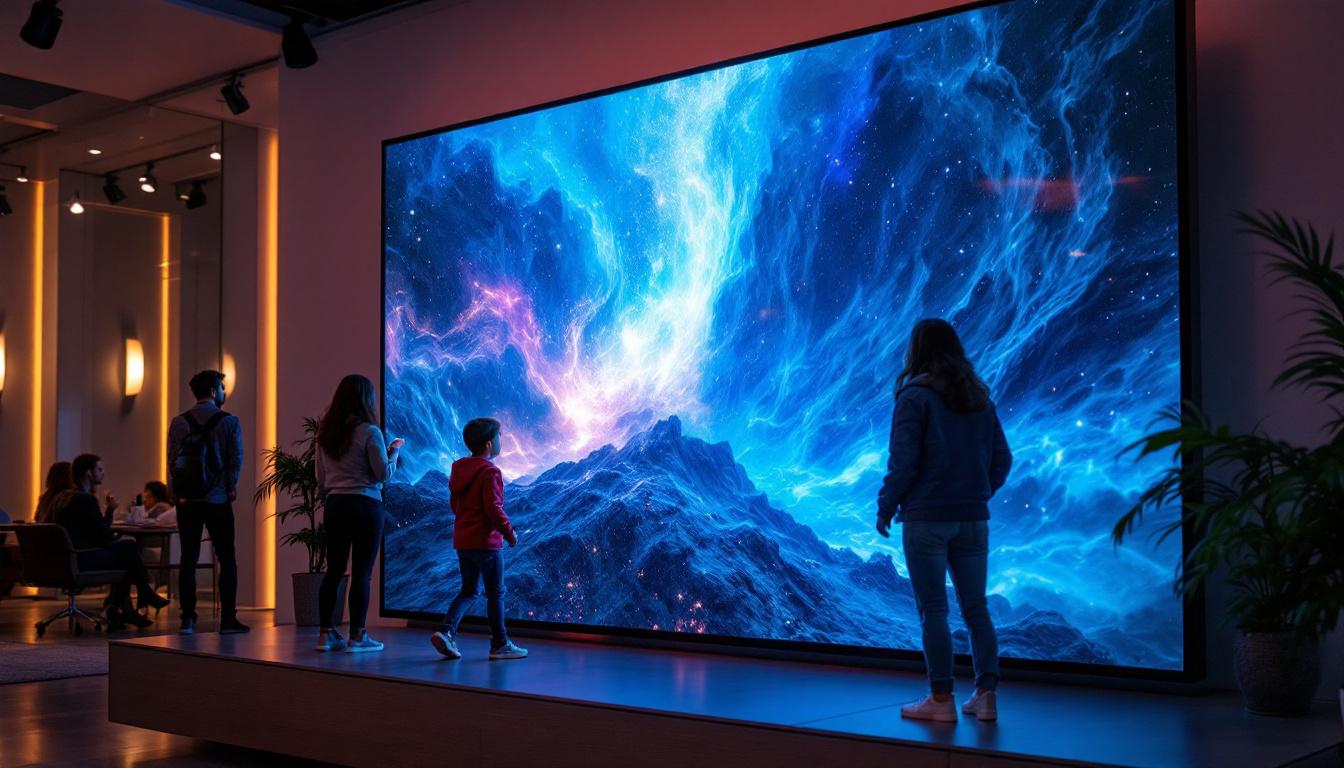
Pixel density is a key factor in the globe’s visual clarity. Measured in pixels per square meter, higher pixel density means sharper images and more detailed animations. The Las Vegas globe boasts a high pixel density that allows it to display complex graphics and smooth video content visible from considerable distances.
Given the globe’s size—often several stories tall—the resolution must balance clarity with visibility. Too high a resolution could be wasted on viewers far away, while too low would result in pixelation. Engineers optimize this balance to deliver stunning visuals that captivate audiences both up close and from afar. Furthermore, the display is capable of real-time content updates, allowing for dynamic advertising and interactive experiences that engage viewers in a way that static displays cannot. This adaptability not only enhances the visual impact but also allows for creative storytelling through animations that can change throughout the day or in response to specific events, making the globe a central feature of the Las Vegas entertainment landscape.
Technology Behind the Globe’s Visuals
The globe LED display integrates several advanced technologies to create its mesmerizing visuals. This section explores the core components that make the display function seamlessly.
LED Modules and Control Systems
Each LED module within the globe is individually addressable, meaning the control system can turn on or off specific LEDs and adjust their brightness and color in real-time. This granular control is essential for producing detailed images and animations that wrap around the globe’s surface without distortion.
The control system uses sophisticated software that maps digital content onto the spherical geometry, correcting for curvature and perspective. This ensures that videos and animations appear natural and immersive, regardless of the viewer’s angle.
Content Management and Synchronization
Behind the scenes, a powerful content management system (CMS) schedules and delivers the visuals displayed on the globe. This system allows operators to update content remotely and schedule different shows throughout the day, catering to various themes and events.
Synchronization is critical when the globe’s display is part of a larger visual spectacle involving nearby screens or lighting installations. Advanced timing protocols ensure that animations and lighting effects are perfectly coordinated, enhancing the overall impact.
Energy Efficiency and Sustainability
Given the scale and brightness of the globe, energy consumption is a significant consideration. Modern LED technology inherently reduces power usage, but additional measures are often implemented to optimize efficiency. These include adaptive brightness controls that adjust intensity based on ambient light conditions and energy-efficient power supplies.
Las Vegas has increasingly prioritized sustainability in its infrastructure, and the globe LED display reflects this trend by minimizing environmental impact while maintaining spectacular visual performance.
The Globe’s Role in Las Vegas Culture and Tourism
Beyond its technical marvels, the globe LED display has become a cultural icon and an integral part of the Las Vegas experience.
A Landmark Attraction
The globe’s unique design and dynamic visuals make it a popular photo opportunity and meeting point for visitors. It stands out among the myriad of signs and lights on the Strip, drawing attention and adding to the city’s vibrant atmosphere.
Its presence also enhances the branding of the surrounding resorts and entertainment venues, providing a visually striking canvas for promotions, celebrations, and special events.
Interactive and Event-Driven Displays
Innovations in LED technology have allowed the globe to become more interactive. For example, during major events like New Year’s Eve or the Consumer Electronics Show (CES), the globe often features custom animations and messages that engage audiences and build excitement.
Some installations incorporate live data feeds or social media integration, allowing real-time interaction and participation from visitors, further deepening the connection between the display and its audience.
Future Trends in LED Globe Displays
The Las Vegas globe LED display is a glimpse into the future of digital signage and public art. As technology advances, several trends are poised to shape the next generation of such installations.
Higher Resolution and 3D Effects
Emerging LED technology promises even higher pixel densities and improved color accuracy, enabling displays that rival traditional screens in clarity. Combined with advanced mapping software, these improvements will allow for more realistic 3D effects and immersive visuals on spherical surfaces.
Integration of Augmented Reality (AR)
Augmented reality could enhance the interaction between physical LED displays and digital content. Visitors might use smartphones or AR glasses to see additional layers of information or animations synchronized with the globe’s visuals, creating a richer experience.
Smart and Adaptive Displays
Future globes may incorporate sensors to adapt content based on environmental conditions, crowd behavior, or time of day. This intelligence would enable more personalized and context-aware displays, increasing engagement and relevance.
Conclusion
The globe LED display in Las Vegas is more than an impressive piece of technology; it is a symbol of the city’s commitment to innovation, entertainment, and sustainability. By combining advanced LED technology, creative design, and dynamic content management, this spherical display captivates millions of visitors each year and sets a high standard for digital signage worldwide.
As LED technology continues to evolve, the potential for even more spectacular and interactive globe displays grows, promising exciting developments for Las Vegas and cities around the globe that seek to blend technology with public art and entertainment.
Illuminate Your Space with LumenMatrix
As you marvel at the innovation and creativity behind Las Vegas’s globe LED display, imagine the possibilities for your own space. LumenMatrix, a leader in LED display technology, is at the forefront of this revolution, offering a wide array of solutions to bring your vision to life. From Indoor and Outdoor LED Wall Displays to Custom and All-in-One LED Displays, LumenMatrix empowers you to create immersive environments that captivate and engage. Check out LumenMatrix LED Display Solutions today and transform your brand’s visibility with unparalleled clarity and impact.