In the rapidly evolving world of display technology, LED displays have become a cornerstone for visual communication. Whether used in advertising billboards, stadium screens, or digital art installations, these displays captivate audiences with their vibrant colors and dynamic content. Among the many configurations, a grid of 100 squares—often arranged as a 10×10 matrix—serves as a fundamental example to understand the principles behind LED displays. This article delves into the technical, practical, and design aspects of such LED grids, providing a comprehensive explanation suitable for enthusiasts, students, and professionals alike.
Understanding the Basics of LED Displays
LED, or Light Emitting Diode, technology relies on semiconductors that emit light when an electric current passes through them. Unlike traditional display technologies such as LCD or plasma, LEDs generate their own light, resulting in higher brightness, better contrast, and energy efficiency. This self-illuminating property allows for thinner display designs, which is particularly advantageous in modern applications where space is at a premium.
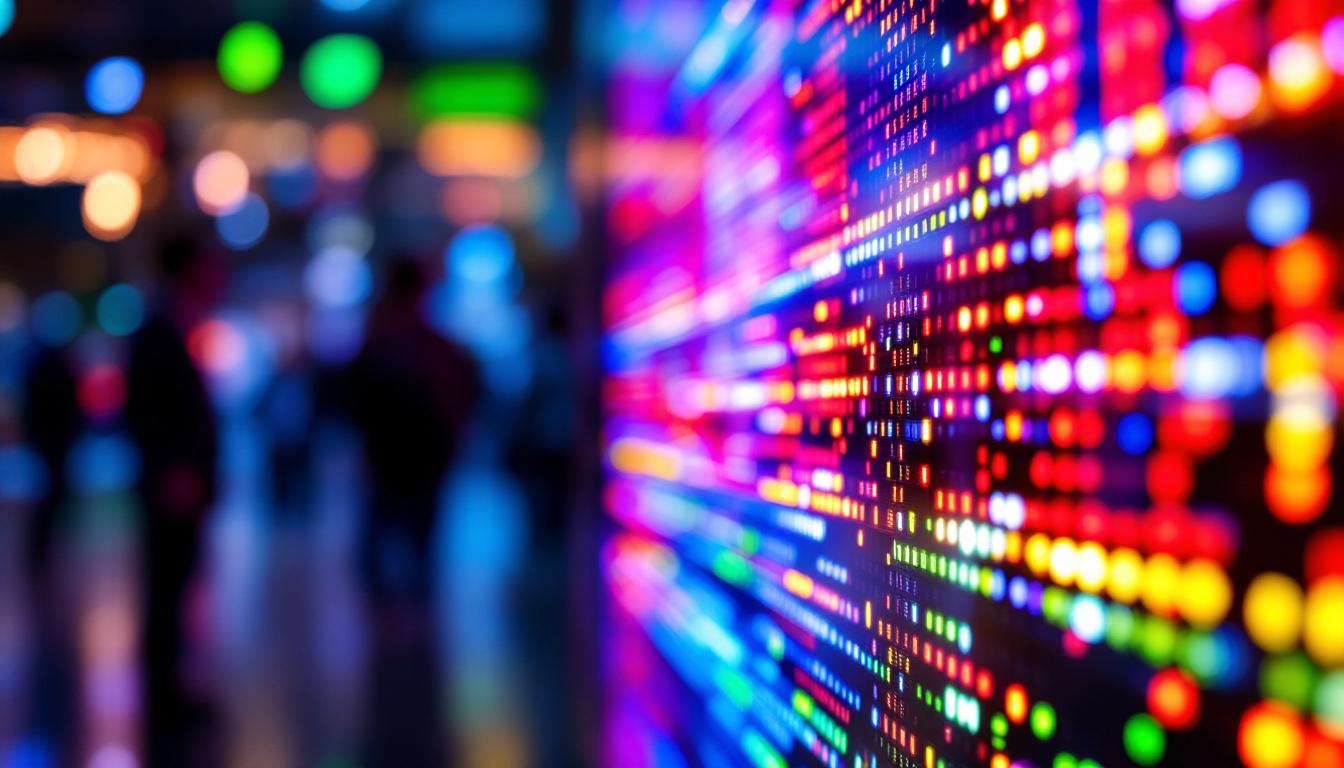
When these LEDs are arranged in a matrix or grid, they form the basis of LED displays. Each individual LED acts as a pixel, and by controlling the intensity and color of each pixel, complex images and animations can be rendered. A grid of 100 squares is a simple yet effective way to visualize how these pixels work together to form a complete display. Furthermore, advancements in LED technology, such as the introduction of organic LEDs (OLEDs), have further enhanced display capabilities, allowing for deeper blacks and a wider color gamut.
The Structure of a 10×10 LED Grid
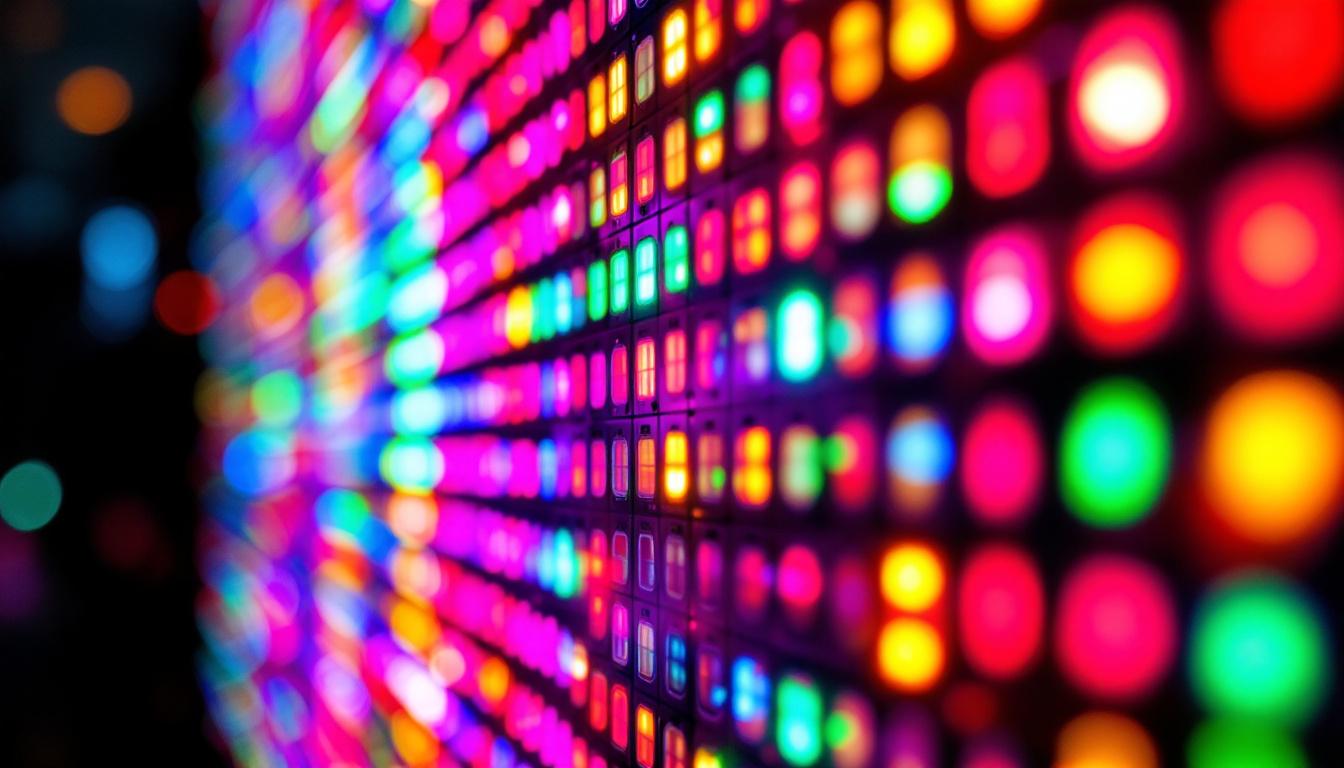
A grid of 100 squares typically consists of 10 rows and 10 columns, where each square represents a single LED or a cluster of LEDs acting as one pixel. This arrangement allows for 100 individual points of light that can be controlled independently. The simplicity of this structure makes it an excellent tool for teaching the fundamentals of digital displays, as students can easily grasp how each LED contributes to the overall image.
Such a grid is often used in educational kits and small-scale projects to demonstrate how images and patterns can be created through pixel manipulation. Each square can be turned on or off, or set to different colors depending on the type of LED used (monochrome, RGB, or full-color LEDs). Additionally, the programming aspect of controlling these LEDs introduces learners to coding concepts, as they can write scripts to create animations or respond to user inputs, thereby bridging the gap between hardware and software.
Pixel Density and Resolution
While a 10×10 grid is relatively low in resolution compared to modern high-definition displays, it provides a clear example of pixel density and resolution concepts. Pixel density refers to the number of pixels per unit area, which directly impacts image clarity and detail. In the context of LED displays, higher pixel density can lead to smoother gradients and more lifelike images, making it crucial for applications such as digital signage and television displays.
In practical applications, LED displays often feature thousands or millions of pixels. For instance, a 4K LED screen contains over 8 million pixels. However, understanding the control and arrangement of a small 100-pixel grid is essential before scaling up to more complex displays. Moreover, as technology continues to evolve, innovations such as microLED and miniLED are pushing the boundaries of pixel density even further, promising brighter displays with improved energy efficiency and longevity. These advancements not only enhance visual experiences but also open up new possibilities for interactive and immersive environments, such as augmented and virtual reality applications.
Technical Components of an LED Grid Display
Creating a functional LED grid involves several technical components that work in harmony. From the LEDs themselves to the control circuitry, each part plays a crucial role in the display’s performance and capabilities.
LED Types and Characteristics
LEDs come in various types, including single-color, bi-color, and RGB LEDs. In a 10×10 grid, the choice of LED type affects the display’s versatility:
- Single-color LEDs: Emit light in one color, typically red, green, or blue. These are simpler and cheaper but limited in display capability.
- Bi-color LEDs: Combine two colors, allowing for limited color mixing.
- RGB LEDs: Contain red, green, and blue diodes in one package, enabling millions of color combinations through intensity control.
For a grid of 100 squares intended to display colorful images or animations, RGB LEDs are the preferred choice despite their higher cost and complexity.
Driving the LEDs: Circuitry and Control
Each LED in the grid requires electrical current to light up. Controlling 100 individual LEDs demands an efficient driving mechanism to manage power consumption and signal routing.
Common methods include:
- Multiplexing: This technique reduces the number of control lines by scanning through rows and columns rapidly. Although only one row or column is powered at a time, the switching happens so quickly that the human eye perceives a continuous image.
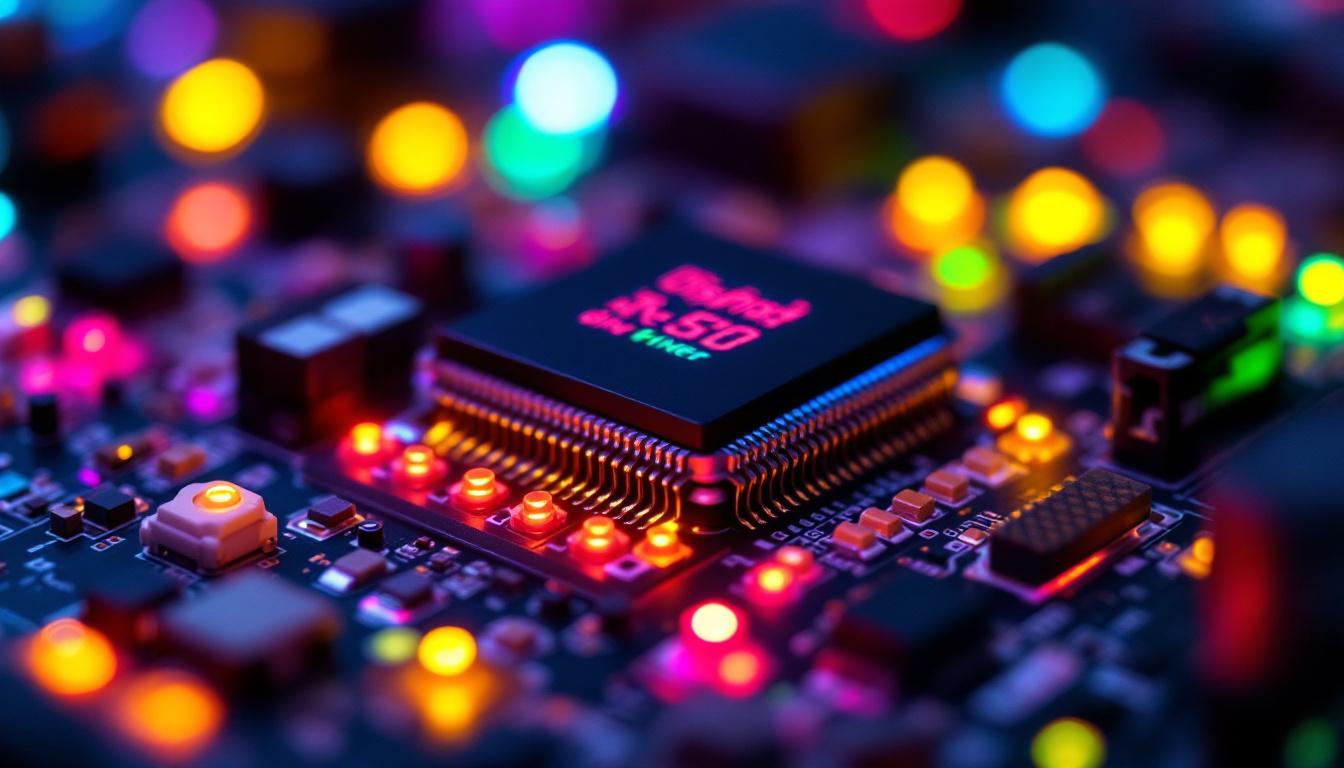
- Shift Registers and Drivers: Integrated circuits such as shift registers and LED driver ICs help manage the data signals and current flow to each LED, simplifying wiring and control logic.
- Microcontrollers: Devices like Arduino or Raspberry Pi are often used to program and control the LED grid, sending signals to the driver circuits based on the desired display pattern.
Power Considerations
Power management is critical in LED grids. Each LED consumes a small amount of current, but collectively, the 100 LEDs can draw significant power, especially if all are lit simultaneously at high brightness.
Designers must calculate the total current draw and ensure the power supply can handle the load without overheating or voltage drops. Additionally, resistors or constant current drivers are used to protect LEDs from excessive current, prolonging their lifespan.
Applications of a 100-Square LED Grid
While a 10×10 LED grid might appear simplistic, it has a variety of practical applications across different fields. Its manageable size and straightforward control make it an excellent tool for both educational and functional purposes.
Educational Tools and Prototyping
In academic settings, 100-square LED grids serve as introductory platforms for students learning about electronics, programming, and display technologies. They provide a hands-on experience for understanding pixel-based displays, binary data representation, and hardware-software integration.
Many electronics kits include such grids, allowing users to experiment with creating patterns, animations, and even simple games like Snake or Pong. This practical exposure lays the foundation for working with more advanced display systems.
Wearable and Interactive Displays
Small LED grids are increasingly used in wearable technology and interactive art installations. For example, a 10×10 LED matrix can be integrated into clothing or accessories to display customizable messages or animations.
Artists and designers leverage these grids to create dynamic visual effects that respond to environmental stimuli or user input, blending technology with creativity. The compact size and low power requirements make them ideal for portable and battery-operated applications.
Informational and Status Indicators
In industrial and commercial environments, LED grids are often employed as status indicators or simple informational displays. A 100-square grid can show numerical data, progress bars, or alert signals in a compact form factor.
For instance, manufacturing equipment might use such grids to display operational status or error codes, providing quick visual feedback to operators without the need for complex screens.
Design Considerations for Effective LED Grids
Creating an effective LED grid display involves more than just wiring LEDs together. Thoughtful design ensures optimal visibility, user experience, and longevity.
Viewing Distance and Pixel Pitch
Pixel pitch—the distance between the centers of adjacent LEDs—directly influences the display’s clarity at various viewing distances. For a 10×10 grid, designers must balance pixel size and spacing to ensure the image is discernible from the intended viewing range.
For close-up applications, smaller pixel pitch with tightly packed LEDs provides sharper images. Conversely, for displays viewed from a distance, larger pixels spaced further apart are acceptable and often more cost-effective.
Color Calibration and Brightness Control
Uniform color and brightness across the grid are essential for a visually pleasing display. Variations can cause distracting inconsistencies and reduce the perceived quality.
Calibration involves adjusting the current supplied to each LED or using software algorithms to compensate for manufacturing differences. Additionally, brightness control through pulse-width modulation (PWM) allows for smooth dimming and color blending, enhancing the display’s dynamic range.
Durability and Environmental Protection
Depending on the application, LED grids may need protection against dust, moisture, and mechanical impact. Encapsulation in resin or mounting behind protective glass can extend the lifespan and reliability of the display, especially in outdoor or industrial settings.
Thermal management is also a key consideration. LEDs generate heat during operation, and adequate ventilation or heat sinks prevent overheating, which can degrade performance and cause premature failure.
Future Trends and Innovations in LED Grid Displays
The LED display industry continues to innovate, pushing the boundaries of resolution, color accuracy, and interactivity. Even small grids like the 100-square matrix benefit from these advancements.
MicroLED and MiniLED Technologies
Emerging technologies such as MicroLED and MiniLED promise significant improvements in brightness, energy efficiency, and pixel density. MicroLEDs, in particular, are tiny LEDs measured in micrometers, enabling ultra-high-resolution displays with exceptional color fidelity.
While currently more expensive and complex to manufacture, these technologies are gradually becoming accessible for smaller-scale projects, including compact LED grids used in wearables and portable devices.
Integration with IoT and Smart Systems
Integration of LED grids with the Internet of Things (IoT) allows for real-time data display and remote control. Smart LED grids can update content dynamically based on sensor inputs, user commands, or cloud-based information.
This capability opens new possibilities for interactive signage, personalized messaging, and responsive environments, enhancing user engagement and functionality.
Enhanced Interactivity and User Experience
Advancements in touch-sensitive and gesture-controlled interfaces are making LED grids more interactive. Incorporating sensors that detect user proximity or movement can transform a simple 100-square grid into a responsive display that reacts to its audience.
Such interactivity is particularly valuable in educational tools, retail environments, and art installations, where engagement is key to effectiveness.
Conclusion
A grid of 100 squares offers a clear and accessible window into the world of LED display technology. By understanding the fundamental components, design principles, and applications of such a grid, one gains valuable insight into how modern LED displays function and evolve.
From educational projects to wearable tech and industrial indicators, the versatility of a 10×10 LED matrix demonstrates the power of pixel-based visualization. As technology advances, these grids will continue to serve as foundational tools and innovative platforms, illuminating the future of digital displays.
Explore Cutting-Edge LED Displays with LumenMatrix
Ready to experience the future of visual communication? LumenMatrix is at the forefront of LED display innovation, offering a wide range of solutions that bring your brand to life. From captivating Indoor and Outdoor LED Wall Displays to dynamic Vehicle and Sports LED Displays, our technology is designed to captivate and engage. Discover the possibilities with our LED Poster Displays, Floor Displays, Custom Solutions, and more. Elevate your visual impact with our All-in-One and Transparent LED Displays. Check out LumenMatrix LED Display Solutions today and transform your space into a vibrant canvas of light and color.