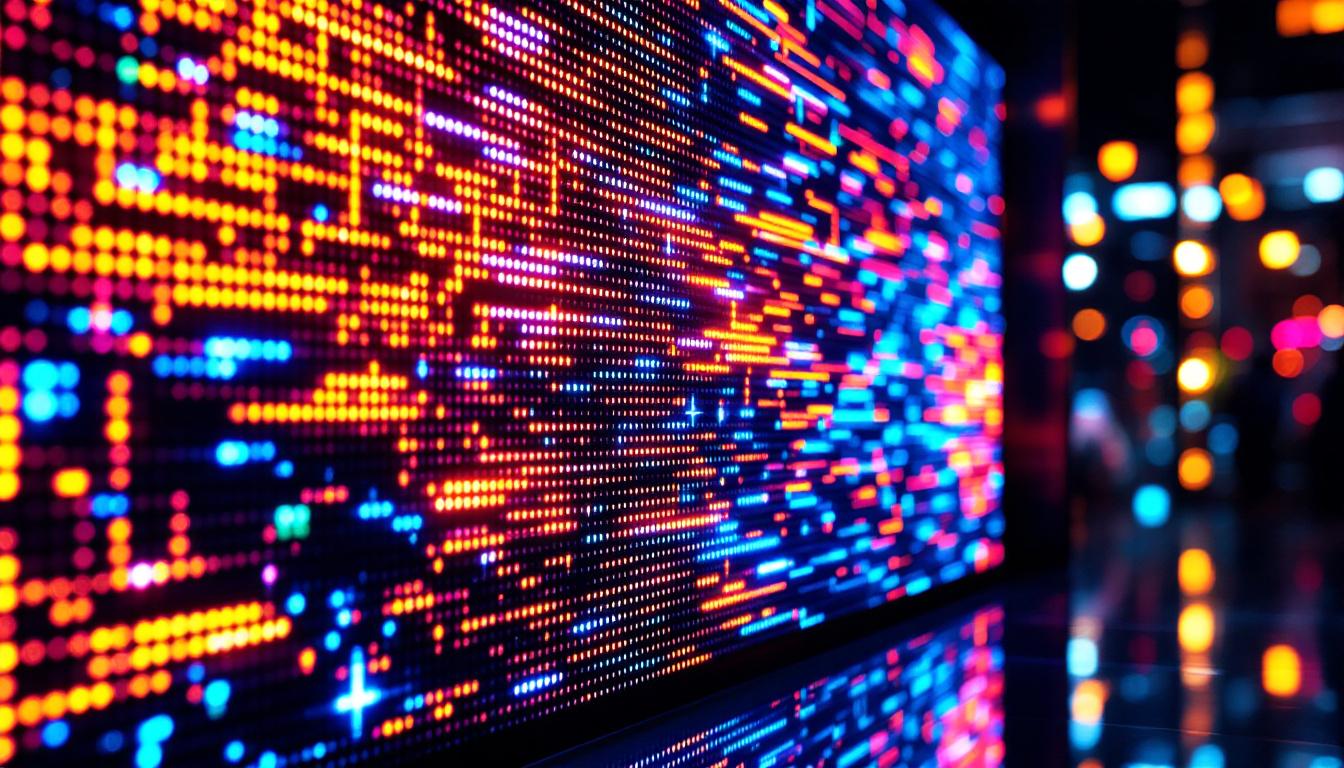
In the rapidly evolving world of digital displays, high resolution matrix wallpaper LED displays have emerged as a revolutionary technology. Combining the flexibility of wallpaper-thin designs with the vibrant, dynamic capabilities of LED technology, these displays are transforming spaces from commercial venues to residential interiors. This article delves into the technology behind high resolution matrix wallpaper LED displays, exploring their construction, advantages, applications, and future trends.
Understanding High Resolution Matrix Wallpaper LED Displays
What Is a Matrix Wallpaper LED Display?
A matrix wallpaper LED display is an ultra-thin, flexible digital screen composed of a grid (or matrix) of tiny LED modules. Unlike traditional rigid LED panels, these displays are designed to be lightweight and bendable, allowing them to be installed on curved surfaces, walls, and even ceilings without the need for heavy mounting structures. This innovative design not only enhances aesthetic appeal but also opens up new possibilities for creative installations in various environments, from retail spaces to corporate offices.
The term “high resolution” refers to the density of LEDs per unit area, which directly impacts the clarity and detail of the images or videos displayed. Modern high resolution matrix wallpaper displays can achieve pixel pitches as low as 0.9mm, delivering crisp visuals suitable for close viewing distances. This level of detail is essential for applications where visual impact is paramount, such as in art galleries, museums, and high-end event venues, where every pixel contributes to the overall experience.
How Does the Matrix Structure Work?
The matrix structure is essentially a grid layout where each LED acts as an individual pixel. These pixels are arranged in rows and columns, allowing for precise control of color and brightness on a per-pixel basis. This granular control is what enables the display to render detailed images, videos, and animations with high fidelity. Furthermore, the modular nature of these displays allows for easy maintenance and scalability, as individual modules can be replaced or upgraded without needing to overhaul the entire system.
Each LED in the matrix can emit red, green, and blue light, which combine to produce a full spectrum of colors. By adjusting the intensity of each LED, the display can create millions of color variations, making it suitable for vivid and dynamic content presentation. This capability is particularly advantageous for advertising and branding, where eye-catching visuals can significantly enhance customer engagement. Additionally, the flexibility of the display allows for creative applications such as immersive environments, where the walls and ceilings can become part of the visual storytelling, transforming ordinary spaces into extraordinary experiences.
Technical Composition and Features
Materials and Construction
High resolution matrix wallpaper LED displays are constructed using flexible printed circuit boards (FPCBs) that host the LED modules. These FPCBs are typically made from polyimide or other flexible substrates that can bend without breaking. The LEDs themselves are surface-mounted devices (SMDs), known for their compact size and high brightness. This innovative construction allows for seamless integration into various environments, from retail spaces to corporate offices, providing an aesthetic appeal that traditional displays lack.
To protect the delicate electronics, the entire assembly is often encapsulated in a thin layer of transparent, durable material such as silicone or polyurethane. This protective layer not only shields the LEDs from dust and moisture but also enhances the display’s durability and lifespan. Additionally, the encapsulation process helps to diffuse light evenly across the surface, minimizing hotspots and ensuring a uniform appearance. The flexibility of the FPCBs allows for creative applications, such as curved or irregularly shaped installations, which can transform any space into an immersive visual experience.
Key Technical Specifications
- Pixel Pitch: The distance between the centers of two adjacent LEDs, typically ranging from 0.9mm to 2.5mm for high resolution wallpaper displays. A smaller pixel pitch results in higher resolution images, making these displays ideal for close viewing distances, such as in lobbies or exhibition spaces.
- Brightness: Measured in nits (cd/m²), brightness levels can exceed 800 nits, ensuring visibility even in well-lit environments. This high brightness capability is particularly beneficial for outdoor applications or brightly lit indoor settings, where competing light sources could otherwise diminish the display’s effectiveness.
- Refresh Rate: High refresh rates (above 1920Hz) reduce flicker and improve visual comfort, especially for video content. This feature is crucial for applications involving motion graphics or video playback, as it ensures smooth transitions and reduces eye strain for viewers.
- Viewing Angle: Wide viewing angles (up to 160° horizontally and vertically) ensure consistent image quality from various perspectives. This characteristic is essential in environments where multiple viewers may be positioned at different angles, such as in auditoriums or public spaces.
- Power Consumption: Energy-efficient designs optimize power usage, with many models incorporating dynamic brightness control to reduce consumption. This not only lowers operational costs but also contributes to a more sustainable approach to display technology, appealing to environmentally conscious businesses.
Furthermore, many high-resolution wallpaper LED displays are equipped with advanced calibration technologies that ensure color accuracy and consistency across the entire screen. This is particularly important for applications where precise color representation is critical, such as in art galleries or fashion retail. The integration of smart technology allows for remote monitoring and management, enabling users to adjust settings and troubleshoot issues without needing to be physically present at the installation site. As a result, these displays are not only visually stunning but also highly functional and adaptable to the evolving needs of modern environments.
Advantages of High Resolution Matrix Wallpaper LED Displays
Seamless Integration with Interior Design
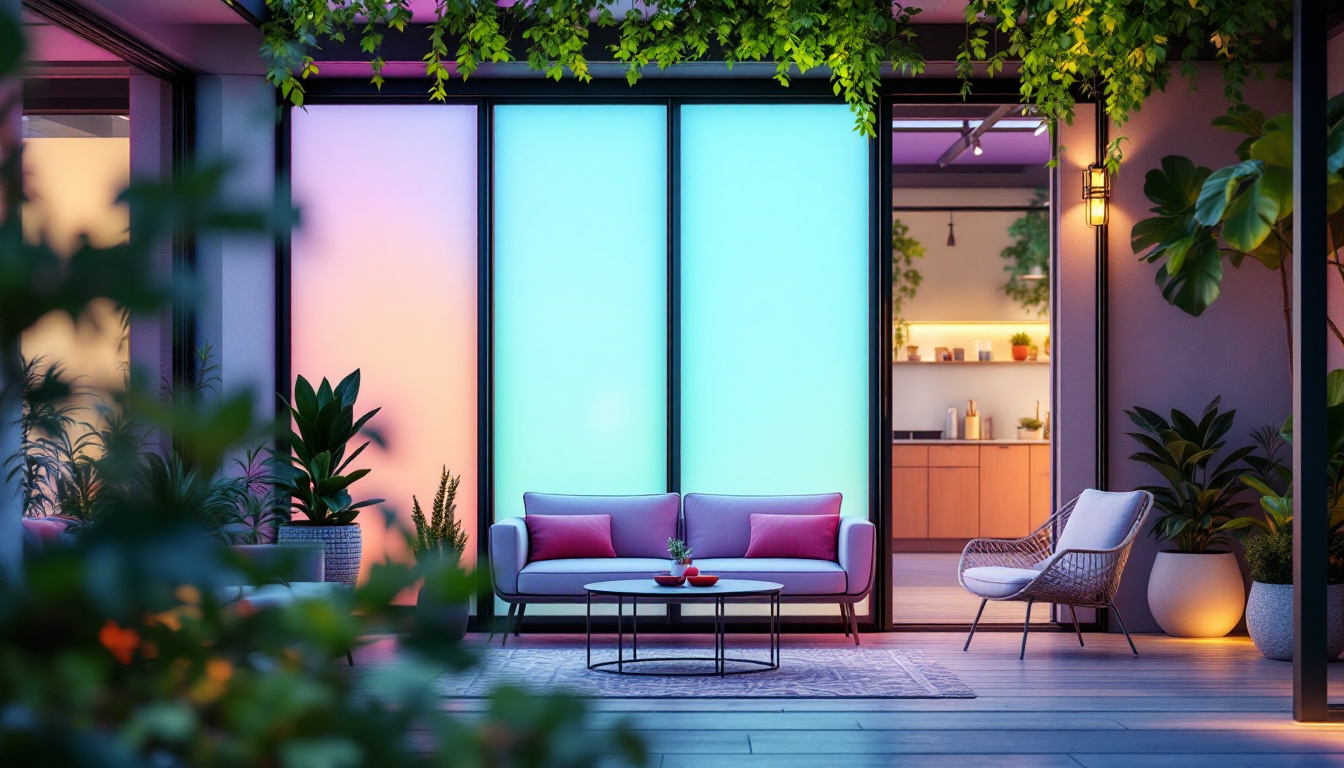
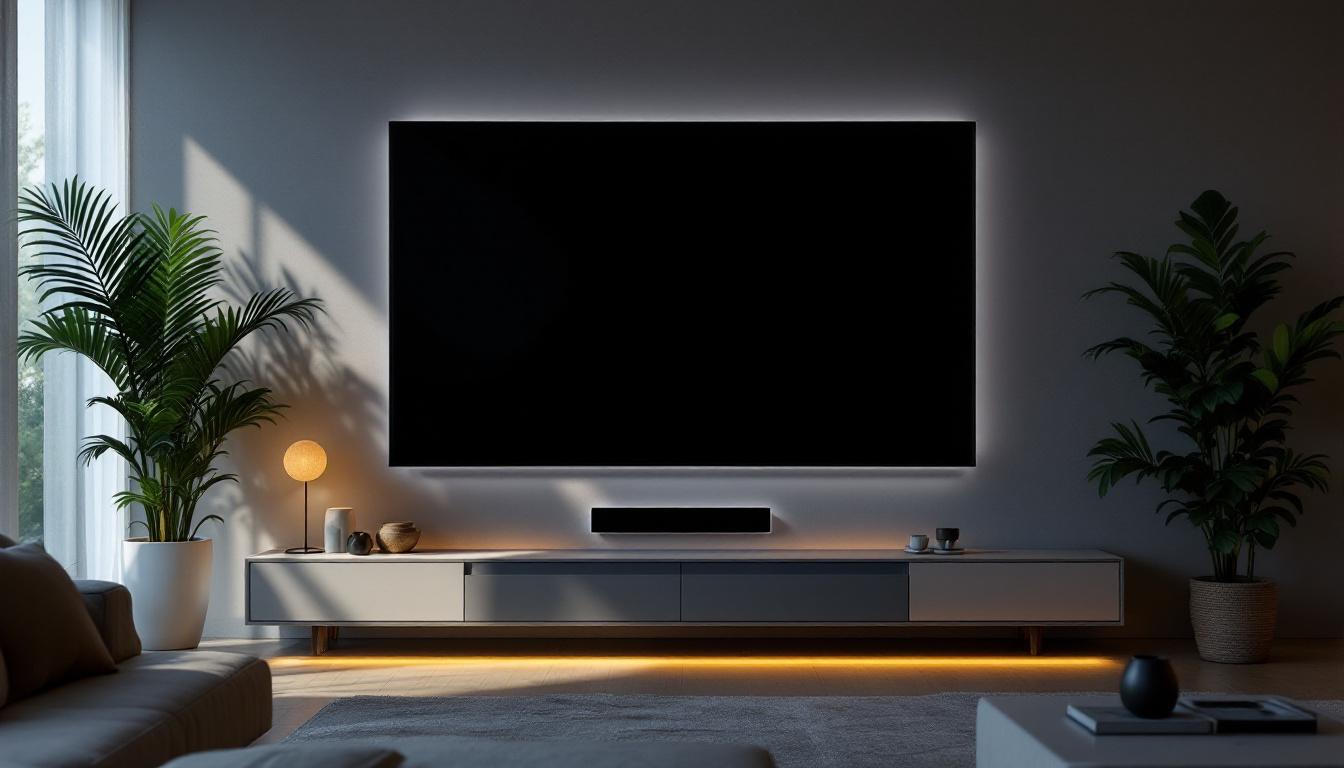
One of the most compelling benefits of matrix wallpaper LED displays is their ability to blend seamlessly into architectural environments. Their ultra-thin profile and flexibility allow designers to create immersive visual experiences without bulky hardware disrupting the aesthetic flow of a space.
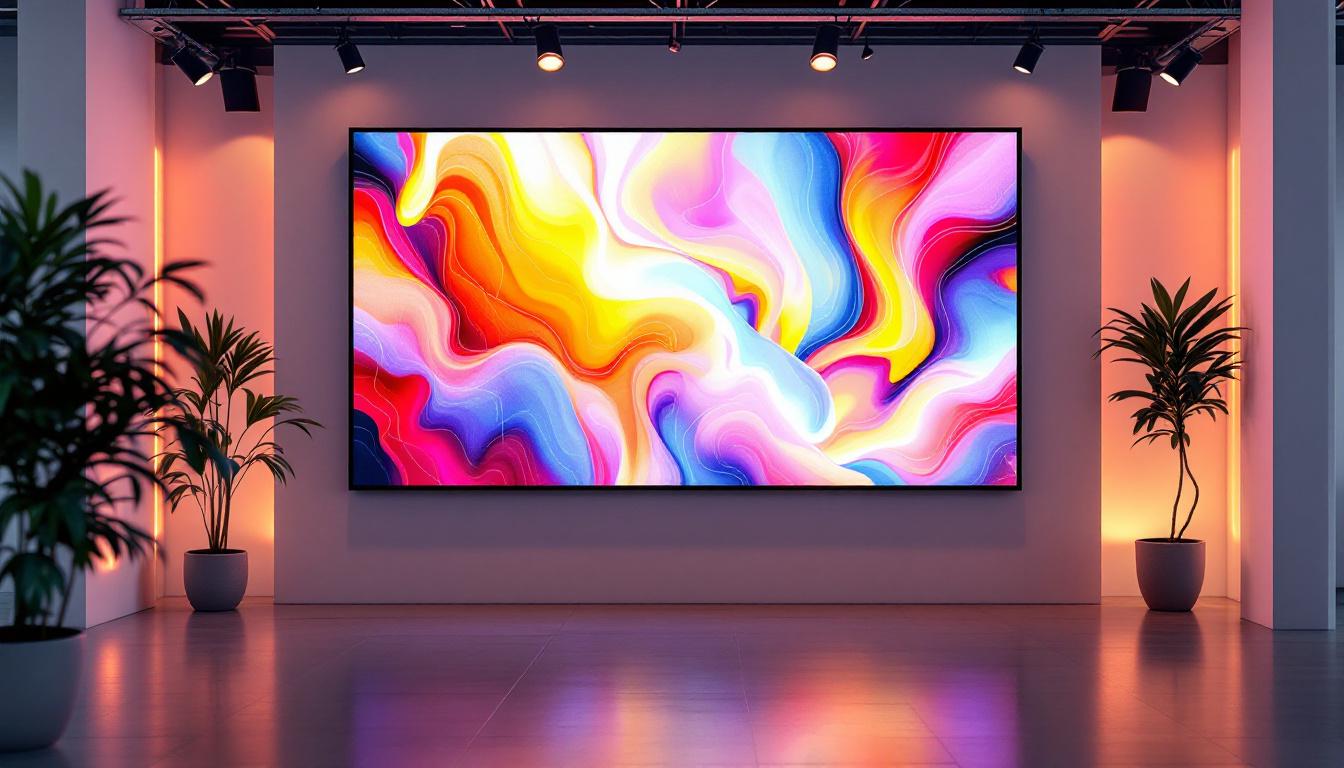
This capability opens new possibilities for creative expression in retail stores, corporate offices, hotels, museums, and even private homes. Walls can transform into dynamic canvases that display art, branding, or interactive content, enhancing ambiance and engagement.
Superior Image Quality and Versatility
Thanks to their high pixel density, these displays deliver exceptional image sharpness and color accuracy. This makes them ideal for applications requiring detailed visuals, such as digital signage, video walls, and interactive installations.
Moreover, the modular nature of matrix wallpaper LEDs allows for custom sizing and shapes, accommodating irregular surfaces and unique design requirements. This versatility sets them apart from traditional display technologies that are often limited by rigid form factors.
Durability and Maintenance Benefits
Unlike LCD or OLED panels, LED displays are less prone to burn-in and typically have longer operational lifespans. The protective encapsulation used in wallpaper displays enhances their resistance to environmental factors like humidity and dust, making them suitable for a range of indoor environments.
Maintenance is simplified as well; individual LED modules can be replaced without dismantling the entire display, reducing downtime and service costs.
Applications Across Industries
Retail and Advertising
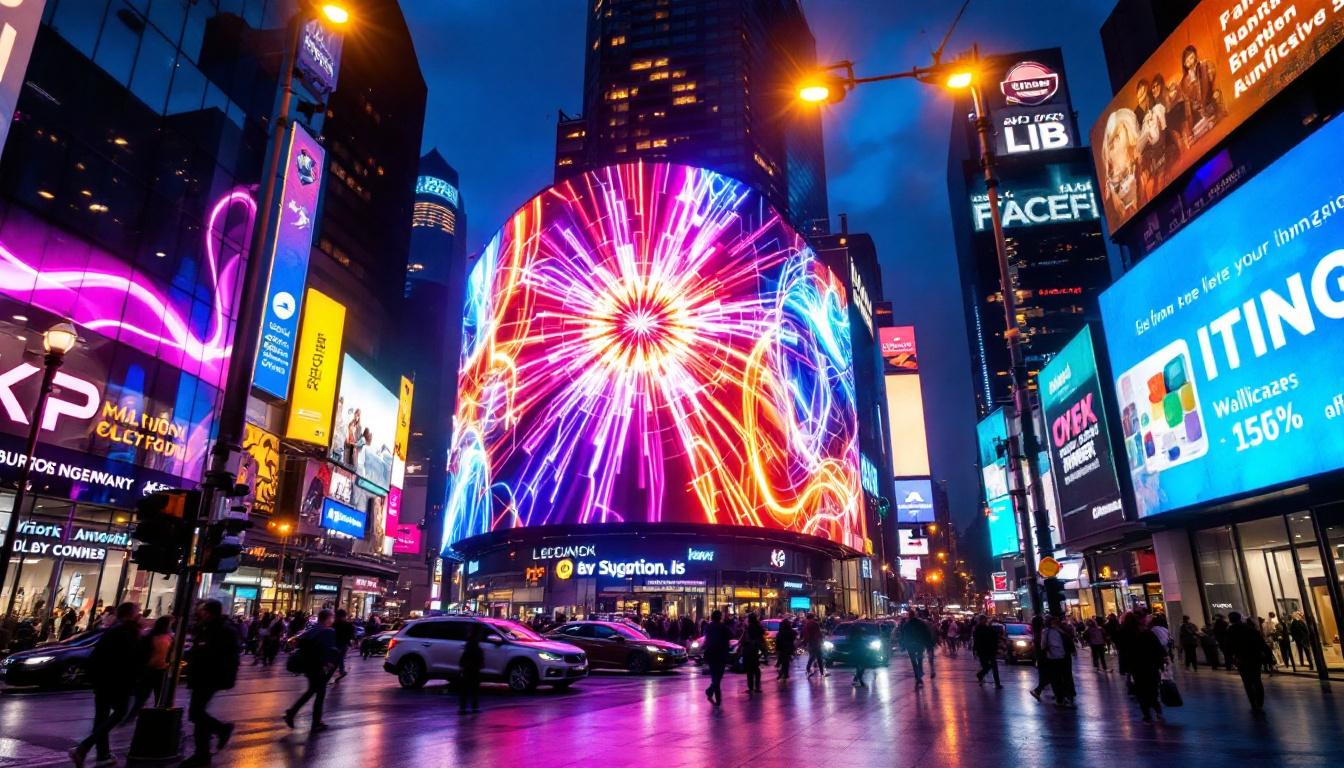
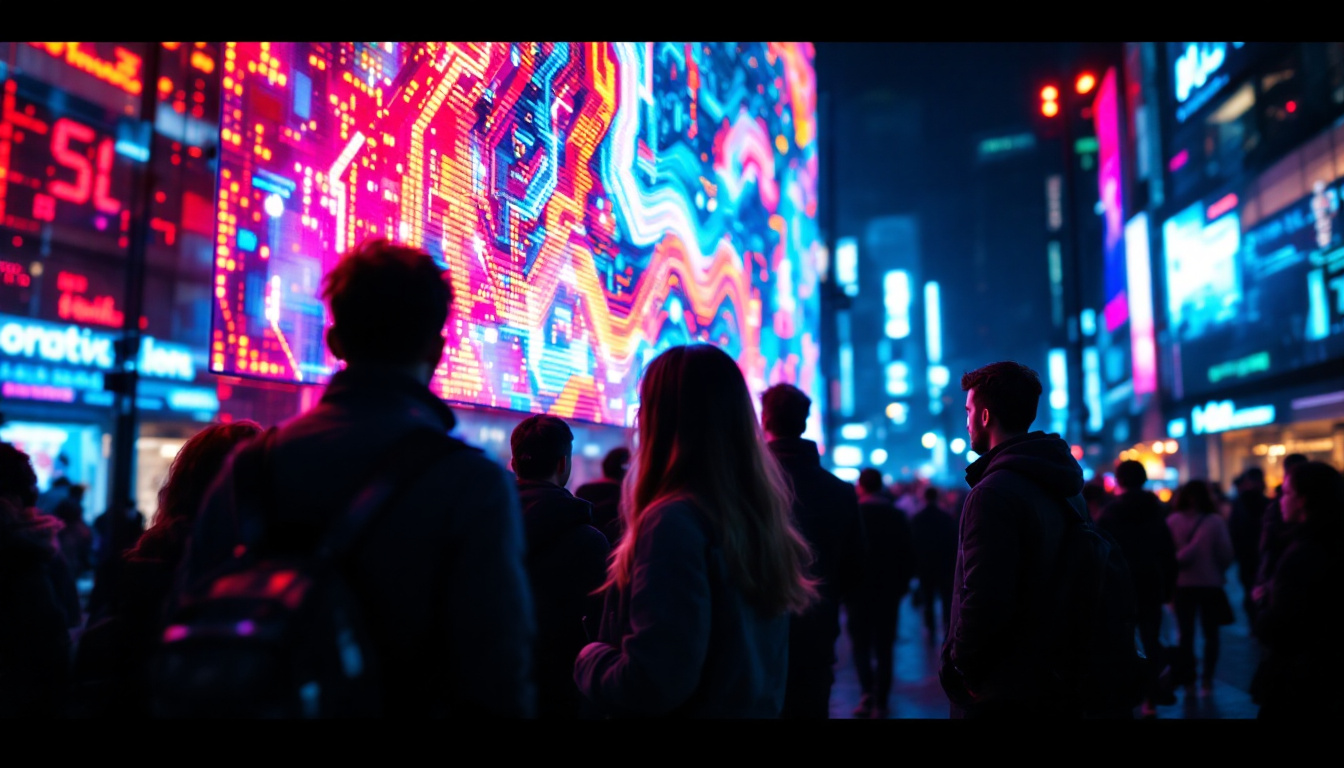
Retailers leverage high resolution matrix wallpaper LED displays to create eye-catching storefronts and in-store experiences. Dynamic content can be updated in real-time, allowing for targeted promotions and seasonal campaigns that capture customer attention.
Brands also use these displays for immersive advertising, combining motion graphics and interactive elements to enhance consumer engagement and drive sales.
Corporate and Hospitality Environments
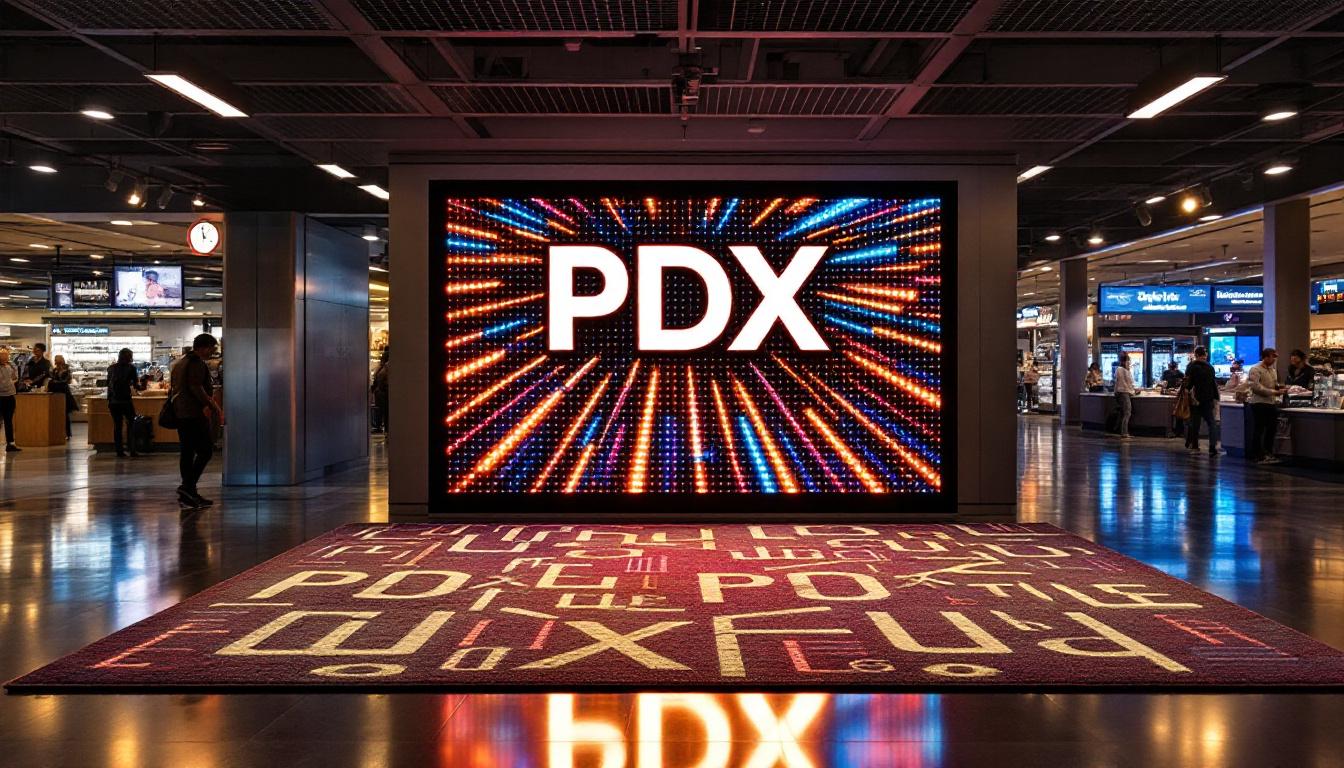
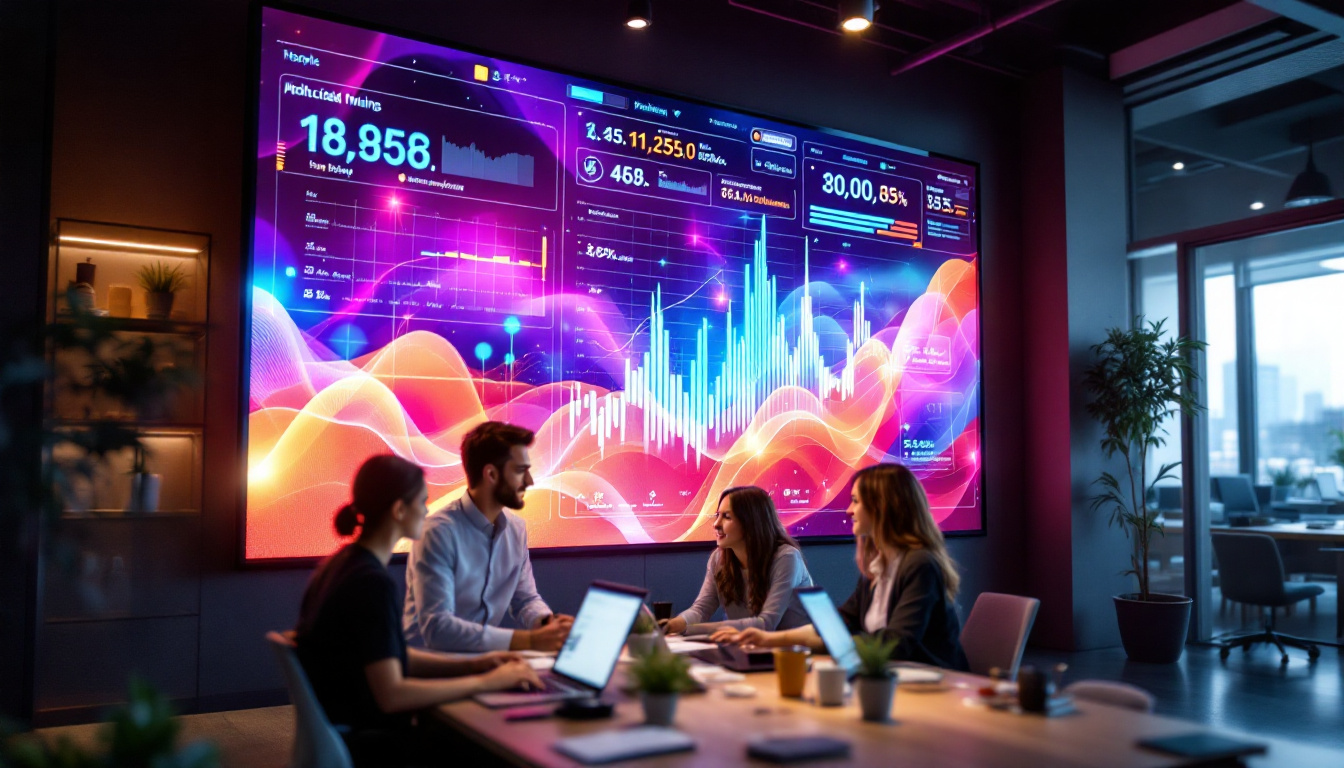
In corporate settings, these displays serve as digital backdrops for conference rooms, lobbies, and event spaces, projecting company branding, live data, or multimedia presentations. Their sleek design complements modern office aesthetics and supports a professional atmosphere.
Hotels and restaurants use matrix wallpaper LEDs to create mood lighting, display menus, or showcase local attractions, enriching guest experiences with dynamic visual storytelling.
Art and Entertainment
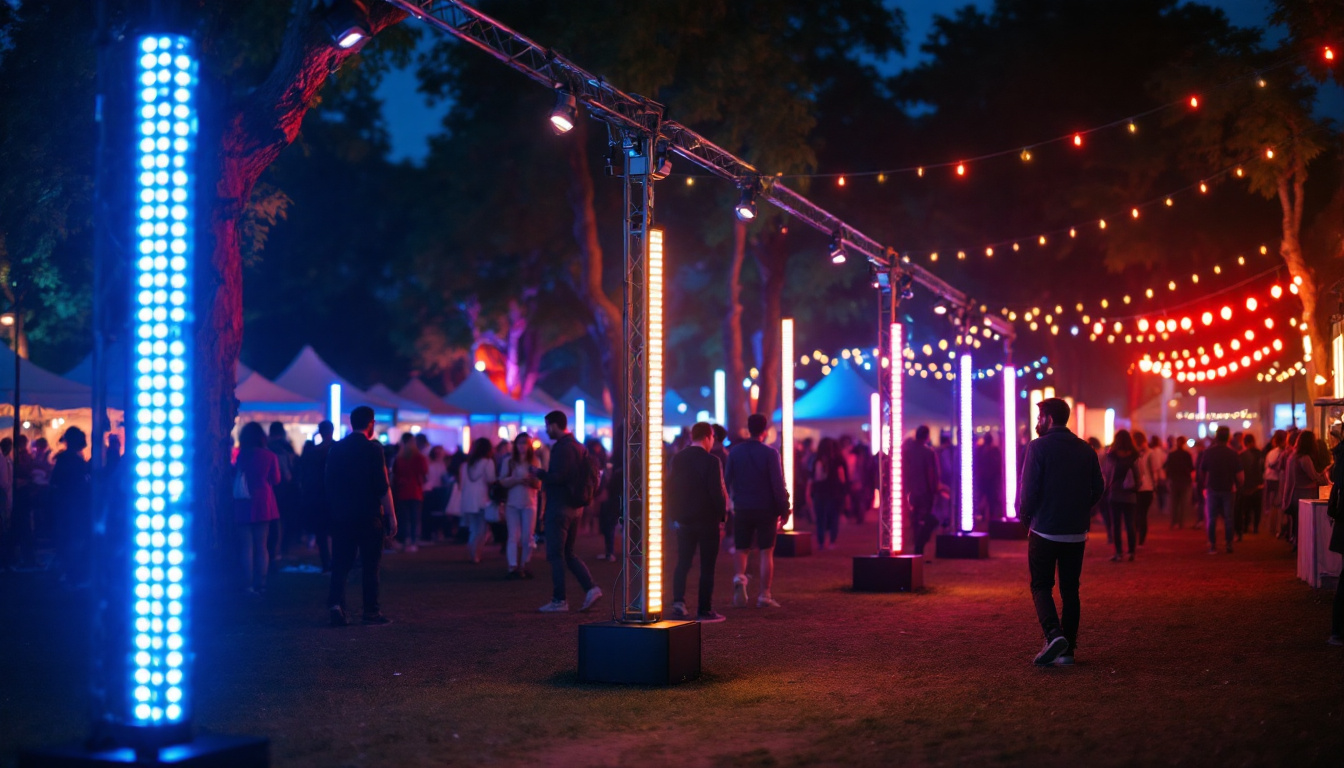
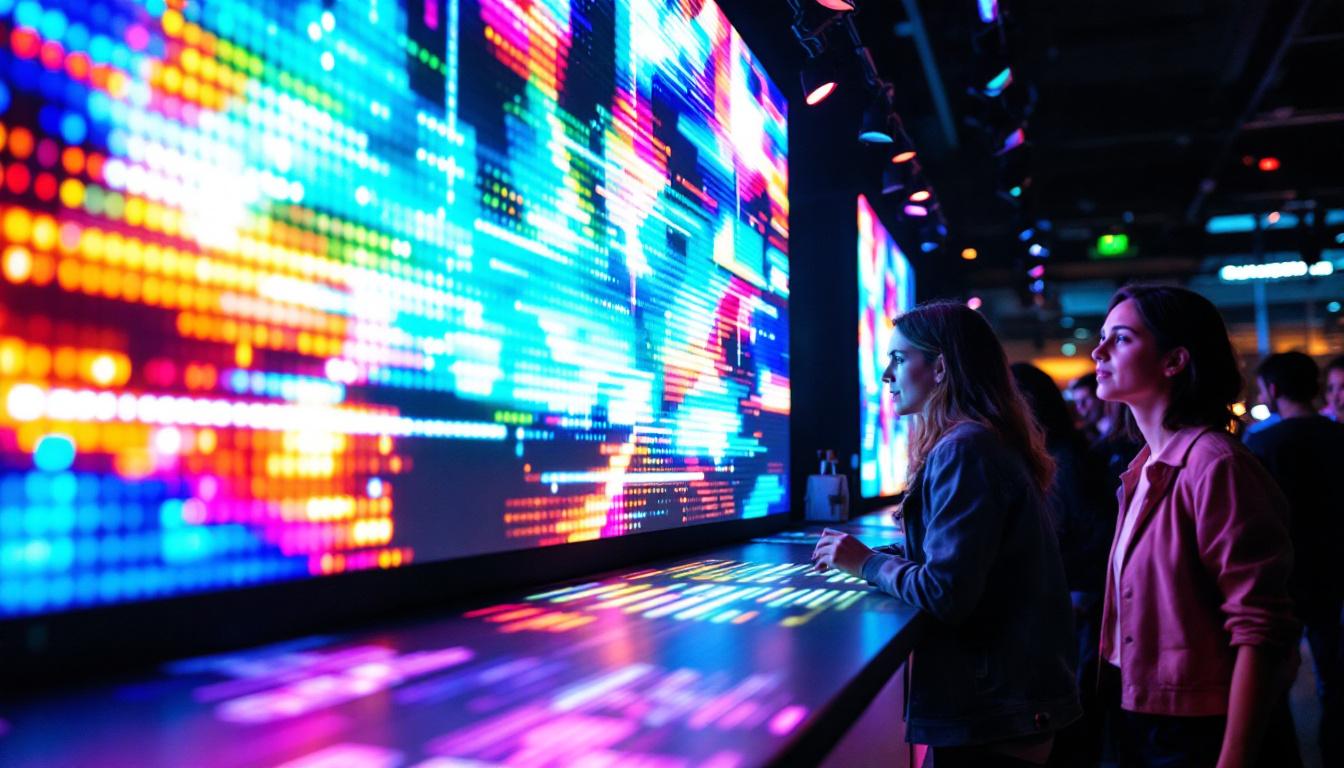
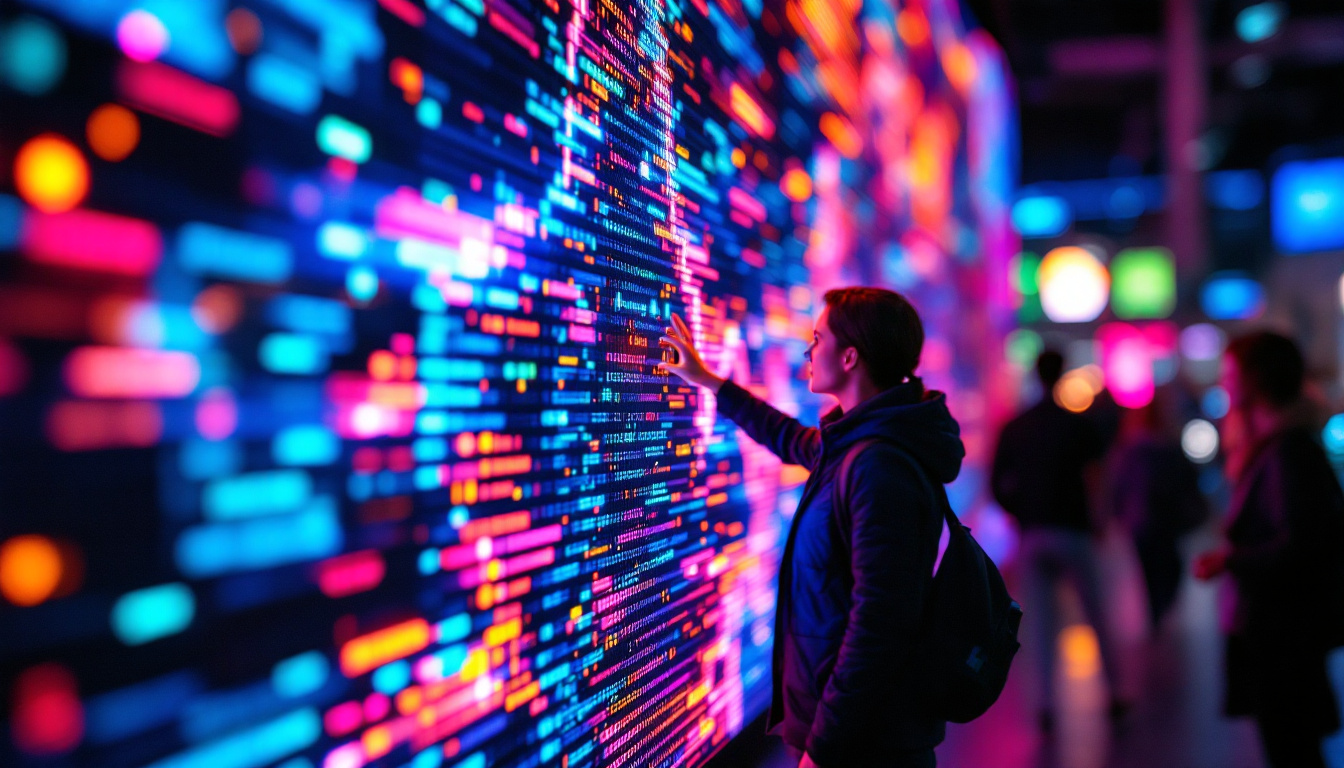
Artists and performers incorporate high resolution matrix wallpaper LED displays into installations and stage designs, pushing creative boundaries with interactive and immersive visuals. Museums and galleries utilize these displays to present digital art and informational content in engaging formats.
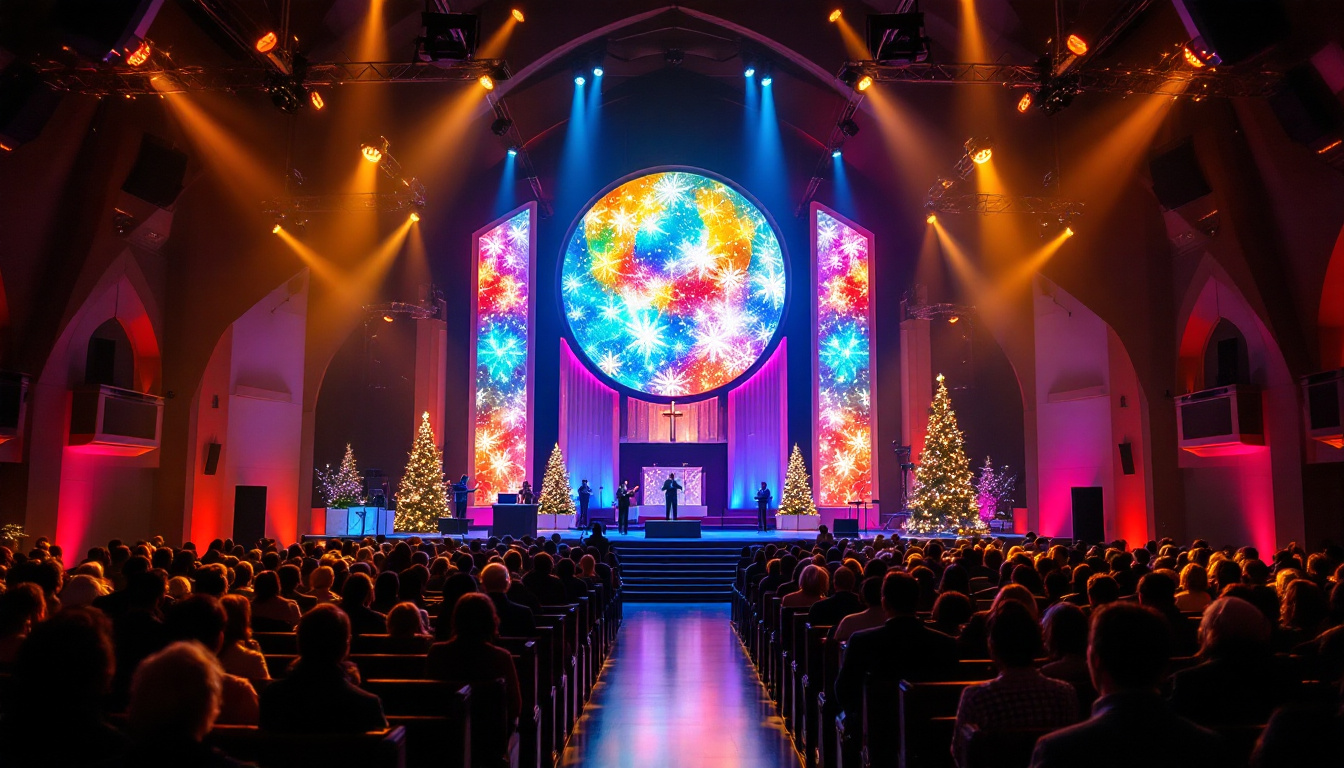
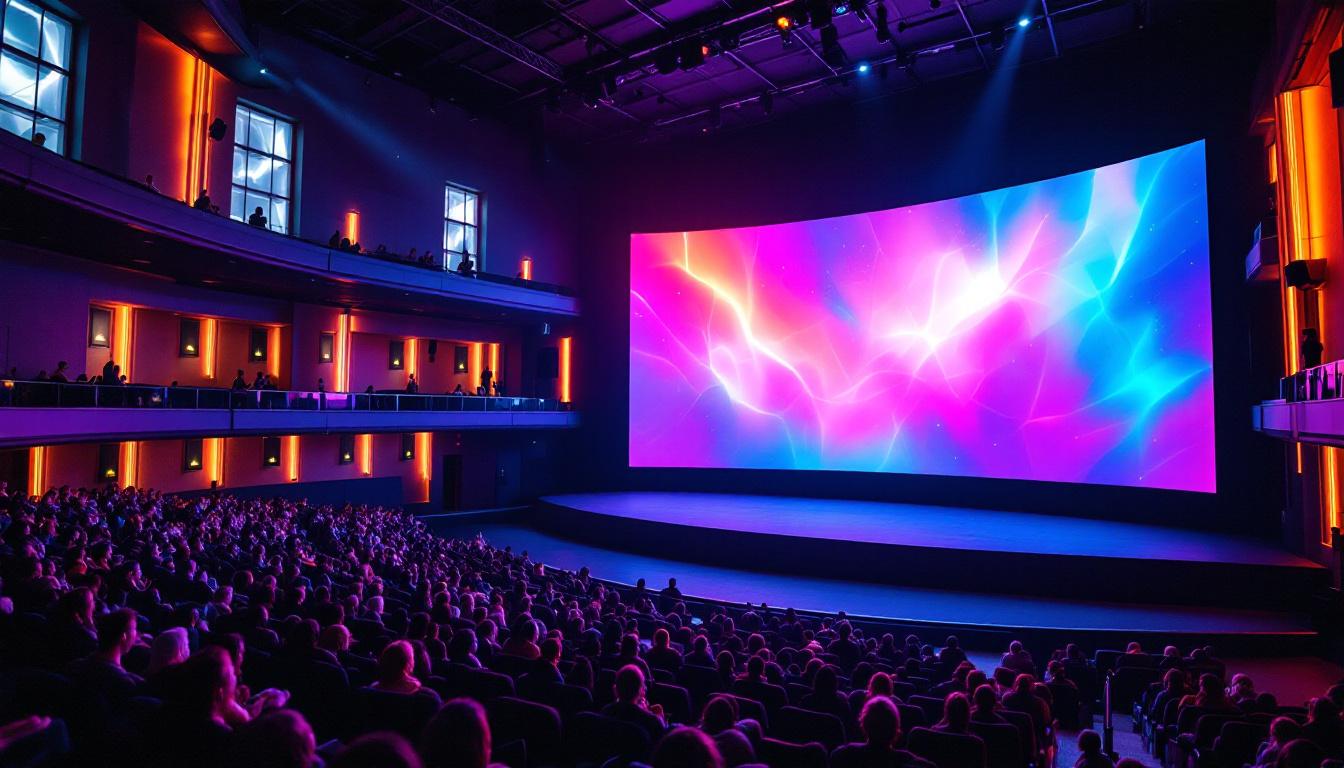
The entertainment industry benefits from the lightweight and flexible nature of these displays, enabling innovative set designs and live event backdrops that captivate audiences.
Installation and Technical Considerations
Surface Preparation and Mounting
Successful installation begins with proper surface preparation. Walls or ceilings must be smooth, clean, and structurally sound to support the flexible display. Adhesive backing or magnetic mounting systems are commonly used to affix the wallpaper display securely.
Because the displays are lightweight, installation is generally less labor-intensive than traditional LED panels. However, care must be taken to avoid sharp bends or folds that could damage the circuitry.
Connectivity and Control Systems
Matrix wallpaper LED displays connect to control systems via high-speed data interfaces such as HDMI, DVI, or proprietary protocols optimized for LED communication. Control software allows operators to manage content scheduling, brightness, color calibration, and diagnostics remotely.
Integration with networked systems enables real-time content updates and synchronization across multiple displays, which is particularly valuable for large-scale installations.
Power Supply and Heat Management
Despite their thin design, these displays require stable power sources capable of delivering consistent voltage and current. Power supplies are often distributed along the display to ensure uniform performance.
Heat dissipation is managed through the flexible substrate and encapsulation materials, which are engineered to conduct heat away from the LEDs. Proper ventilation and ambient temperature control further enhance reliability and longevity.
Future Trends and Innovations
Increasing Resolution and Pixel Density
Advancements in LED miniaturization continue to push pixel pitches below 0.9mm, enabling even higher resolution displays suitable for ultra-close viewing scenarios. This trend will expand the range of applications, including augmented reality environments and wearable displays.
Integration with Smart Technologies
Future matrix wallpaper LED displays are expected to incorporate sensors and AI-driven content management systems. This will enable adaptive brightness, personalized content delivery, and interactive experiences that respond to viewer presence and preferences.
Eco-Friendly Materials and Energy Efficiency
As sustainability becomes a priority, manufacturers are exploring biodegradable substrates and low-power LEDs to reduce environmental impact. Energy harvesting technologies, such as integrating solar cells, may also complement these displays in the near future.
Conclusion
High resolution matrix wallpaper LED displays represent a significant leap forward in digital display technology. Their combination of flexibility, high image quality, and seamless integration into architectural spaces unlocks new creative and functional possibilities across numerous industries. As technology continues to advance, these displays will become even more versatile, intelligent, and sustainable, shaping the future of visual communication and design.
For businesses and designers looking to create impactful visual environments, understanding the capabilities and considerations of high resolution matrix wallpaper LED displays is essential. With their unique blend of aesthetics and performance, these displays are poised to redefine how we experience digital content in our everyday surroundings.
Discover the Future of Visual Experience with LumenMatrix
Ready to elevate your space with the latest in high resolution matrix wallpaper LED display technology? LumenMatrix is at the forefront of creating immersive and dynamic visual experiences that captivate and engage. From Indoor and Outdoor LED Wall Displays to innovative solutions like Vehicle LED Displays and LED Transparent Displays, our range of products is designed to meet the diverse needs of any business. Embrace the future of digital signage with LumenMatrix and transform your visual communication. Check out LumenMatrix LED Display Solutions today and see the difference cutting-edge technology can make.