When it comes to LED displays, one of the most commonly referenced specifications is the pixel pitch, often measured in millimeters (mm). Among various pixel pitches, 1.5 mm is a popular choice for indoor LED screens, offering a fine balance between resolution and viewing distance. But what does 1.5 mm really mean in terms of size, clarity, and application? This article delves deep into understanding the significance of a 1.5 mm pixel pitch, its practical implications, and how it compares to other pixel pitches in the LED display industry.
Understanding Pixel Pitch: What Does 1.5 mm Represent?
Pixel pitch is the distance from the center of one LED pixel to the center of the adjacent pixel, measured in millimeters. In the context of LED displays, this measurement determines the density of pixels on the screen, which directly impacts the resolution and image quality.
A pixel pitch of 1.5 mm means that each LED pixel is spaced 1.5 millimeters apart from its neighbor. To put this into perspective, 1.5 mm is roughly the thickness of a standard credit card. This seemingly small measurement has a significant effect on the display’s sharpness and clarity. Displays with a 1.5 mm pixel pitch are often utilized in high-end applications, such as broadcast studios, control rooms, and high-resolution digital signage, where image fidelity is paramount.
Why Pixel Pitch Matters
The smaller the pixel pitch, the higher the pixel density, resulting in a crisper and more detailed image. Conversely, a larger pixel pitch means fewer pixels per square meter, which can make the image appear grainy or pixelated when viewed up close.
For example, a display with a 1.5 mm pixel pitch contains approximately 444,444 pixels per square meter (calculated as (1000 / 1.5)²). This high pixel density allows for detailed visuals, making it suitable for environments where viewers are relatively close to the screen. Additionally, such displays are often equipped with advanced color calibration technologies that ensure vibrant and accurate color reproduction, enhancing the overall viewing experience. The ability to maintain image quality even at close distances makes 1.5 mm pixel pitch displays ideal for interactive applications, such as trade shows and exhibitions, where engagement is key.
Moreover, the choice of pixel pitch can also influence the overall design and layout of a space. In environments like retail stores or museums, a 1.5 mm pixel pitch display can be seamlessly integrated into the architecture, providing an immersive experience without detracting from the aesthetic appeal. The compact nature of these displays allows for creative installations, such as curved or multi-faceted screens, which can captivate audiences and draw them into the content being presented. As technology continues to advance, the versatility and performance of displays with smaller pixel pitches will likely expand, opening up new possibilities for visual communication across various industries.
Visualizing 1.5 mm: How Big Is It Really?
To fully grasp what 1.5 mm means in real-world terms, it helps to compare it to everyday objects and measurements.
Everyday Comparisons
- Thickness of a Credit Card: A standard credit card is about 0.76 mm thick, so 1.5 mm is roughly twice that thickness.
- Diameter of a Pencil Lead: Typical pencil leads range from 0.5 mm to 2 mm, placing 1.5 mm comfortably in the middle.
- Width of a Grain of Rice: A grain of rice is approximately 5 to 7 mm wide, making 1.5 mm about a quarter of that size.
These comparisons help illustrate how tightly packed the pixels are on a 1.5 mm LED display, which is key to achieving high-resolution images.
Pixel Pitch and Viewing Distance
The size of the pixel pitch also dictates the optimal viewing distance for an LED screen. A general rule of thumb is that the minimum viewing distance (in meters) should be roughly equal to the pixel pitch (in millimeters) multiplied by 1.5 to 2.
For a 1.5 mm pixel pitch, this translates to an ideal viewing distance of approximately 2.25 to 3 meters (7.4 to 9.8 feet). At this distance, the human eye perceives the image as smooth and continuous without visible pixelation.
If viewers stand closer than this minimum distance, individual pixels may become discernible, reducing the perceived image quality. Conversely, at greater distances, the image remains sharp, but the benefits of such a fine pixel pitch become less noticeable.
Applications of 1.5 mm Pixel Pitch LED Displays
Thanks to their high resolution and sharp image quality, 1.5 mm pixel pitch LED displays are widely used in various indoor settings where viewers are relatively close to the screen. Understanding these applications can help businesses and event organizers choose the right display for their needs.
Corporate and Conference Rooms
In corporate environments, LED displays with a 1.5 mm pixel pitch are ideal for conference rooms, boardrooms, and presentation areas. These displays deliver crystal-clear visuals, ensuring that text, charts, and videos are easily readable even from a few meters away.
Compared to traditional LCD panels, LED displays offer superior brightness and color uniformity, making them suitable for well-lit rooms and long-duration presentations.
Broadcast Studios and Control Rooms
Broadcast studios and control rooms demand high-resolution displays to monitor multiple video feeds and data streams simultaneously. The 1.5 mm pixel pitch provides the clarity necessary for operators to discern fine details, which is critical for decision-making and quality control.
Retail and Showrooms
Retail environments benefit from 1.5 mm pixel pitch LED displays by showcasing high-definition promotional content, product videos, and interactive advertisements. The sharp visuals attract customer attention and enhance the overall shopping experience.
Event Venues and Auditoriums
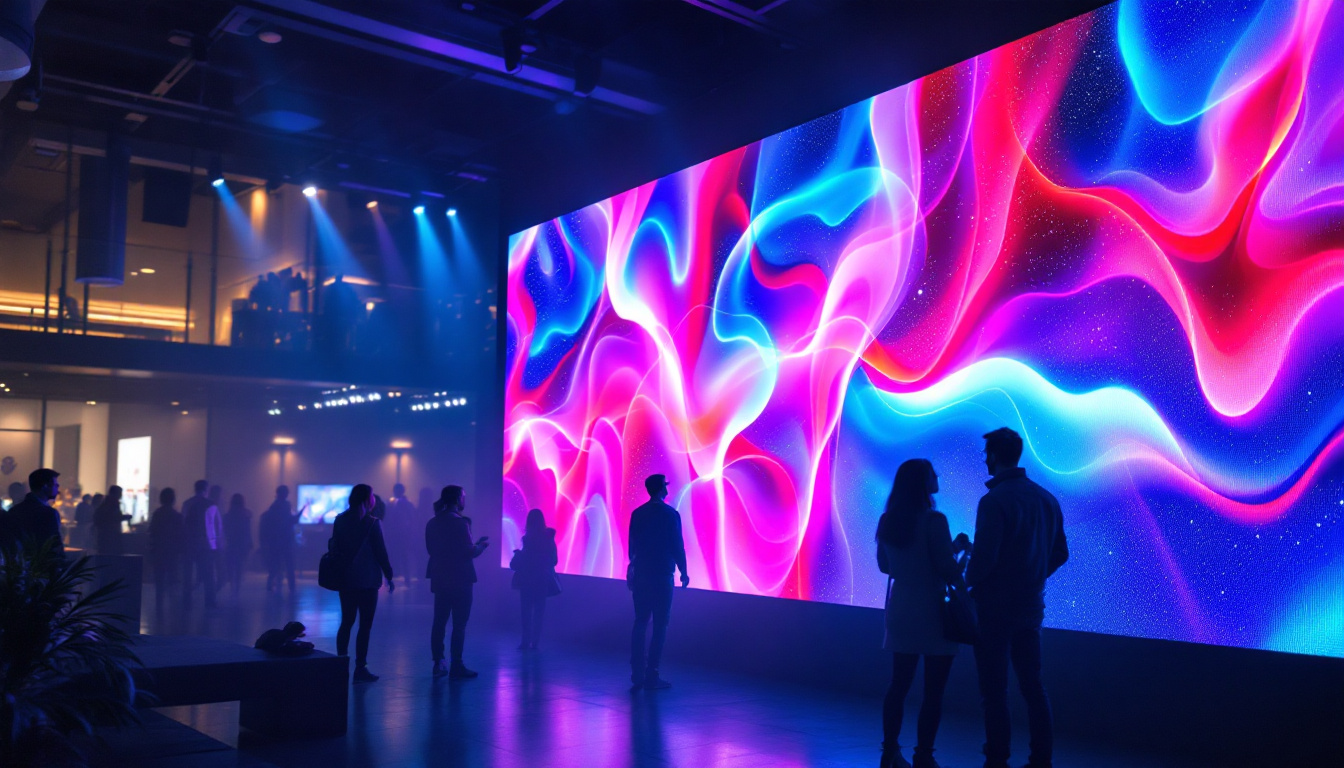
For indoor events such as concerts, conferences, and exhibitions, 1.5 mm pixel pitch LED screens offer a premium viewing experience. Their high resolution ensures that even attendees seated close to the stage can enjoy clear visuals without pixelation.
Comparing 1.5 mm Pixel Pitch to Other Common Pixel Pitches
Understanding where 1.5 mm fits within the spectrum of available pixel pitches helps in making informed decisions when selecting LED displays.
Smaller Pixel Pitches: 0.9 mm and 1.2 mm
Pixel pitches below 1.5 mm, such as 0.9 mm and 1.2 mm, offer even higher pixel densities and sharper images. These are often used in premium applications like broadcast studios, medical imaging, and high-end retail displays where the highest resolution is critical.
However, smaller pixel pitches come with increased costs, higher power consumption, and more complex installation requirements. They are also generally limited to smaller screen sizes due to manufacturing constraints.
Larger Pixel Pitches: 2 mm and Above
Pixel pitches of 2 mm and larger are typically used for larger indoor or outdoor displays where viewers are farther away. These displays are more cost-effective and easier to install but sacrifice some image sharpness at close distances.
For example, a 2 mm pixel pitch screen is ideal for viewing distances of 3 to 4 meters or more, making it suitable for large conference halls, shopping malls, and outdoor advertising.
Choosing the Right Pixel Pitch
The choice of pixel pitch depends largely on the intended viewing distance, budget, and application requirements. While 1.5 mm offers a great balance for many indoor uses, it’s important to consider whether the display will be viewed primarily up close or from a distance.
For instance, if the display is meant for a small meeting room where viewers are seated within 1.5 to 2 meters, a smaller pixel pitch like 1.2 mm might be preferable. Conversely, for larger venues with viewers sitting farther away, a 2 mm or 2.5 mm pixel pitch might be more cost-effective without compromising perceived image quality.
Technical Considerations and Installation Insights
Beyond pixel pitch, several technical factors influence the overall performance and suitability of a 1.5 mm LED display.
Resolution and Screen Size
Because pixel pitch determines pixel density, it also affects the maximum resolution achievable for a given screen size. For example, a 1.5 mm pitch LED display measuring 3 meters wide by 2 meters high would have a resolution of approximately 2000 pixels (width) by 1333 pixels (height).
This high resolution supports detailed content such as high-definition videos, fine text, and complex graphics, making it ideal for professional applications.
Brightness and Color Accuracy
Indoor LED displays with 1.5 mm pixel pitch typically offer brightness levels ranging from 800 to 1500 nits, which is sufficient for most indoor lighting conditions. High color accuracy and uniformity are also critical, especially in environments like broadcast studios or retail spaces where visual fidelity impacts viewer experience.
Installation and Maintenance
Due to the fine pixel pitch, 1.5 mm LED displays require precise installation and calibration to ensure uniformity and avoid dead pixels. Modular panels are commonly used, allowing for easier assembly, maintenance, and future upgrades.
Maintenance considerations include ensuring proper ventilation, dust protection, and regular calibration to maintain optimal performance over time.
The Future of LED Displays and Pixel Pitch Trends
As LED technology continues to evolve, pixel pitches are becoming smaller, enabling even higher resolutions and more immersive viewing experiences. MicroLED technology, for example, is pushing pixel pitches below 1 mm, opening new possibilities for ultra-high-definition displays in various sectors.
However, the cost and complexity of manufacturing ultra-fine pixel pitch displays mean that 1.5 mm remains a sweet spot for many commercial and professional applications today.
Emerging Technologies Impacting Pixel Pitch
Advancements in LED chip design, driver ICs, and manufacturing processes are gradually reducing costs and improving the performance of fine-pitch LED displays. Additionally, innovations in calibration software and AI-driven image processing enhance display quality without necessarily requiring smaller pixel pitches.
These trends suggest that while smaller pixel pitches will become more common, the 1.5 mm pixel pitch will continue to be a reliable and cost-effective choice for a wide range of indoor display applications.
Conclusion: Why 1.5 mm Pixel Pitch Matters
The 1.5 mm pixel pitch represents a critical benchmark in the LED display industry, balancing high resolution, viewing comfort, and cost-effectiveness. Its size—just 1.5 millimeters between pixels—enables detailed, vibrant images that are ideal for indoor environments where viewers are close to the screen.
From corporate boardrooms to retail showrooms and event venues, 1.5 mm LED displays deliver sharp visuals that enhance communication and engagement. Understanding the implications of pixel pitch helps businesses and event organizers select the right display technology to meet their specific needs.
As LED technology advances, the 1.5 mm pixel pitch will remain a cornerstone of high-quality indoor displays, offering a proven solution that combines clarity, versatility, and value.
Discover the Perfect LED Display Solution with LumenMatrix
Ready to elevate your visual communication with a high-quality LED display that offers the perfect blend of clarity and value? LumenMatrix is at the forefront of LED display innovation, providing a wide array of solutions tailored to your unique needs. From captivating Indoor LED Wall Displays to dynamic Outdoor LED Wall Displays, and from versatile Vehicle LED Displays to sleek LED Poster Displays, our products are designed to make your brand shine. Experience the revolution in digital signage with LumenMatrix’s cutting-edge technology. Check out LumenMatrix LED Display Solutions today and transform your space into a visual masterpiece.