How Do LCD Screens Work: LED Display Explained
In today’s digital world, LCD screens are everywhere—from smartphones and laptops to televisions and digital signage. Despite their ubiquity, many people remain curious about how these screens actually work, especially when paired with LED technology. Understanding the fundamentals of LCD and LED displays not only enhances appreciation for modern devices but also helps consumers make informed choices when purchasing screens.
This article delves into the mechanics behind LCD screens, the role of LED backlighting, and how these technologies combine to deliver the vibrant, sharp images we see daily.
Understanding the Basics: What is an LCD Screen?
The Core Technology: Liquid Crystals
LCD stands for Liquid Crystal Display. Unlike traditional CRT (Cathode Ray Tube) screens that use electron beams to illuminate phosphors, LCDs rely on liquid crystals to control light passage. These liquid crystals are unique substances that flow like liquids but have molecular properties similar to solids, allowing them to manipulate light when subjected to electric currents.
At the heart of an LCD screen lies a layer of these liquid crystals sandwiched between two polarizing filters and glass substrates. When an electric current passes through the crystals, they align in a way that either blocks or allows light to pass through, creating images pixel by pixel. This innovative design not only enables thinner screens but also contributes to energy efficiency, making LCDs a popular choice in a wide range of devices, from smartphones to large television displays.
How Pixels Work in an LCD
Each pixel on an LCD screen consists of three subpixels—red, green, and blue. By adjusting the voltage applied to each subpixel, the liquid crystals twist to varying degrees, controlling the intensity of light that passes through the color filters. The combination of these three colors at different intensities produces the full spectrum of colors that make up the images on the screen. This intricate interplay of colors allows for the reproduction of vibrant images and sharp text, making LCDs suitable for everything from gaming to professional graphic design.
This process requires a backlight source because liquid crystals do not emit light themselves. Instead, they act as shutters that modulate the light passing through them. Typically, this backlight is provided by LED (Light Emitting Diode) technology, which has largely replaced older fluorescent backlighting methods due to its superior energy efficiency and longer lifespan. The use of LEDs not only enhances brightness and contrast but also allows for thinner designs, contributing to the sleek aesthetics of modern devices.
Moreover, advancements in LCD technology have led to the development of various types of displays, such as IPS (In-Plane Switching) and TN (Twisted Nematic) panels, each offering different advantages in terms of color accuracy, viewing angles, and response times. For instance, IPS panels are favored for their superior color reproduction and wider viewing angles, making them ideal for professional applications where color fidelity is crucial. On the other hand, TN panels are often chosen for gaming due to their faster response times, ensuring smoother motion during fast-paced action.
The Role of LED Backlighting in LCD Screens
From CCFL to LED: The Evolution of Backlighting
Early LCD screens used Cold Cathode Fluorescent Lamps (CCFLs) as their backlight source. While effective, CCFLs had limitations, including higher power consumption, bulkier designs, and less precise control over brightness and color.
LED (Light Emitting Diode) backlighting revolutionized LCD technology by offering a more energy-efficient, compact, and versatile light source. Unlike CCFLs, LEDs can be arranged in various configurations and controlled with greater precision, enabling thinner displays and improved image quality. This transition not only enhanced the aesthetic appeal of devices but also contributed to a significant reduction in energy consumption, making modern displays more environmentally friendly.
Types of LED Backlighting
There are primarily two types of LED backlighting used in LCD screens:
- Edge-Lit LED: LEDs are placed along the edges of the screen, and light is distributed across the display using light guides. This design allows for ultra-thin screens but can sometimes result in uneven brightness or contrast.
- Direct-Lit or Full-Array LED: LEDs are positioned directly behind the LCD panel in a grid. This setup provides better control over local dimming, enhancing contrast ratios and black levels.
Some high-end displays use Mini-LED or Micro-LED backlighting, which involves thousands of tiny LEDs for even finer control over brightness and contrast, pushing image quality closer to OLED standards. Mini-LED technology, in particular, has gained traction for its ability to deliver deeper blacks and brighter highlights, making it a popular choice among gamers and filmmakers who demand the highest fidelity in visual representation.
Furthermore, the advancements in LED backlighting have also led to improvements in color accuracy. With the ability to control individual zones of light, manufacturers can achieve a wider color gamut, resulting in more vibrant and true-to-life images. This is particularly important in professional settings, such as graphic design and video editing, where precise color reproduction is crucial. As technology continues to evolve, we can expect even more innovations in backlighting techniques that will further enhance the viewing experience across various devices.
How LCD and LED Work Together to Produce Images
The Backlight and Liquid Crystal Interaction
In an LCD screen with LED backlighting, the LEDs serve as the light source shining through the liquid crystal layer. The liquid crystals, controlled by electric currents, determine how much of this light passes through each pixel’s color filters.
The polarizing filters on either side of the liquid crystal layer ensure that only light with a specific orientation passes through, effectively controlling the brightness and color of each pixel. By rapidly adjusting the voltage across millions of pixels, the screen can display dynamic images with smooth transitions and vibrant colors.
Local Dimming and Contrast Enhancement
One of the key advantages of LED backlighting is the ability to implement local dimming. In full-array LED systems, the backlight is divided into zones that can be dimmed or brightened independently. This allows for deeper blacks in dark areas of the image while maintaining brightness in lighter areas, significantly improving contrast ratios.
Local dimming is especially important for watching movies or playing games, where high contrast enhances the viewing experience by making images appear more lifelike and immersive.
Advantages and Limitations of LCD with LED Backlighting
Benefits of LCD LED Displays
LCD screens with LED backlighting offer several advantages that have made them the dominant display technology in recent years:
- Energy Efficiency: LEDs consume less power than CCFLs and other older backlighting methods, contributing to longer battery life in portable devices.
- Thin and Lightweight Designs: LED backlighting enables slimmer screens, which are lighter and more aesthetically pleasing.
- Improved Brightness and Color Accuracy: LED backlights provide brighter displays with better color reproduction, enhancing overall image quality.
- Longer Lifespan: LEDs have a longer operational life compared to CCFLs, reducing maintenance and replacement costs.
Challenges and Limitations
Despite their many advantages, LCD screens with LED backlighting have some inherent limitations:
- Viewing Angles: Traditional LCDs can suffer from color shifting and reduced contrast when viewed from extreme angles, although advancements like IPS (In-Plane Switching) panels have mitigated this issue.
- Black Levels: Because the backlight is always on, achieving true black is challenging. Even with local dimming, some light leakage can occur, resulting in grayer blacks compared to OLED displays.
- Response Time: LCDs generally have slower response times than OLEDs, which can affect motion clarity in fast-paced content like gaming or sports.
Recent Innovations and the Future of LCD and LED Displays
Mini-LED and Micro-LED Technologies
To address some of the limitations of traditional LED backlighting, manufacturers have developed Mini-LED and Micro-LED technologies. Mini-LEDs are significantly smaller than conventional LEDs, allowing thousands of dimming zones for more precise control over brightness and contrast.
Micro-LED goes a step further by using microscopic LEDs as individual pixels, which can emit their own light without the need for liquid crystals or backlighting. This technology promises the perfect combination of brightness, contrast, and energy efficiency, though it is still in the early stages of commercial adoption due to high manufacturing costs.
Quantum Dot Enhancement
Another innovation enhancing LCD screen performance is the integration of quantum dots—nanoparticles that emit precise colors when illuminated by LED backlights. Quantum dot technology improves color accuracy and brightness, offering a wider color gamut that rivals OLED displays.
Many premium LCD TVs and monitors now feature quantum dot layers, marketed as QLED displays, which stand for Quantum Dot LED.
Practical Implications for Consumers
Choosing the Right Display
Understanding how LCD and LED technologies work can help consumers make better purchasing decisions. For everyday use such as office work, streaming, and casual gaming, LCD screens with LED backlighting provide excellent performance at competitive prices.
For users prioritizing deep blacks, wide viewing angles, and faster response times—such as professional photographers, videographers, or hardcore gamers—OLED or emerging Micro-LED displays might be worth considering despite their higher cost.
Energy Consumption and Environmental Impact
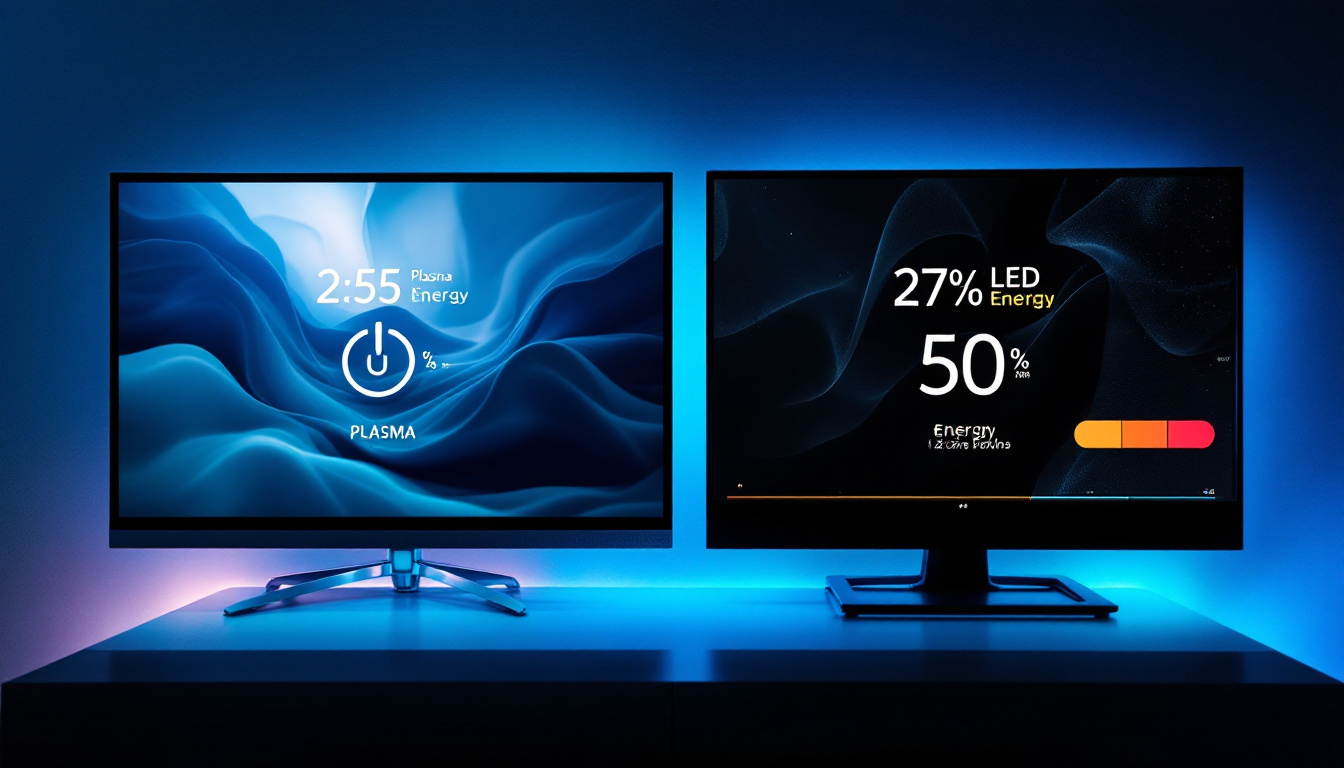
LED-backlit LCDs are generally more energy-efficient than older display technologies, contributing to lower electricity bills and reduced environmental impact. When buying a new screen, looking for Energy Star ratings and other efficiency certifications can ensure a greener choice.
Conclusion
LCD screens with LED backlighting represent a remarkable blend of physics, engineering, and materials science. By harnessing the unique properties of liquid crystals and the efficiency of LED technology, these displays deliver the bright, colorful, and sharp images that define modern digital experiences.
While newer technologies like OLED and Micro-LED continue to push the boundaries of display quality, LCD LED screens remain a versatile, cost-effective, and energy-efficient choice for millions of users worldwide. Understanding how these technologies work not only demystifies the devices we use daily but also empowers consumers to select displays that best meet their needs.
Discover Cutting-Edge LED Displays with LumenMatrix
As you consider the advanced technology behind LCD screens with LED backlighting, why not experience the pinnacle of display innovation with LumenMatrix? Our commitment to excellence in LED display technology ensures that whether you need an Indoor LED Wall Display, an Outdoor LED Wall Display, or any of our other dynamic solutions, you’re equipped with the most captivating visual experiences. Embrace the future of visual communication and check out LumenMatrix LED Display Solutions today to see how we can enhance your brand visibility and audience engagement.