In the modern world, screens are everywhere—from smartphones and laptops to televisions and digital billboards. Among the most common display technologies, LCD (Liquid Crystal Display) screens paired with LED (Light Emitting Diode) backlighting have become the standard. But what exactly makes these screens work? Understanding how an LCD screen functions, especially when combined with LED technology, can provide valuable insight into the devices we use daily.
The Basics of LCD Technology
What is an LCD?
Liquid Crystal Display, or LCD, is a flat-panel display technology that uses liquid crystals to modulate light and create images. Unlike traditional cathode-ray tube (CRT) displays, LCDs are thin, lightweight, and energy-efficient. The liquid crystals themselves do not emit light; instead, they manipulate light passing through them to form images.
LCDs have revolutionized display technology since their commercial introduction in the 1970s. Today, they dominate the market for everything from small digital watches to large television screens. Their versatility has also made them a popular choice for smartphones, tablets, and computer monitors, where high-resolution displays are essential for an immersive user experience. The evolution of LCD technology has led to various enhancements, including the development of LED-backlit LCDs, which offer improved brightness and color accuracy, making them a staple in modern electronics.
How Liquid Crystals Work
Liquid crystals are substances that exhibit properties between those of conventional liquids and solid crystals. In an LCD, these crystals are sandwiched between two polarized glass panels. When an electric current passes through the liquid crystals, they align in such a way that they either block or allow light to pass through.
This alignment controls the brightness and color of each pixel on the screen. The liquid crystals themselves don’t emit light but act as shutters that control the passage of light from a backlight source. The backlight, typically composed of LEDs, provides the necessary illumination, allowing the liquid crystals to create vivid images. Additionally, advancements in technology have led to the introduction of various types of LCDs, such as IPS (In-Plane Switching) and TN (Twisted Nematic) panels, each offering distinct advantages in terms of viewing angles and response times, catering to different consumer needs and preferences.
The Role of LED in LCD Displays
What Does LED Mean in LCD Screens?
LED stands for Light Emitting Diode. In the context of LCD screens, LEDs are used as a backlight source. This is why many LCD screens are often called LED displays, which can be confusing. The screen is still an LCD, but it uses LED backlighting instead of older technologies like cold cathode fluorescent lamps (CCFLs).
LED backlighting offers several advantages: it is more energy-efficient, provides better brightness and contrast, and allows for thinner screen designs. This combination has become the industry standard for most modern displays. Furthermore, the shift to LED technology has not only enhanced the viewing experience but has also contributed to a significant reduction in energy consumption, making it an environmentally friendly choice for consumers and manufacturers alike. As a result, many consumers are now more inclined to choose LED-backlit LCDs over older models, knowing they are making a more sustainable choice.
Types of LED Backlighting
There are primarily two types of LED backlighting used in LCD screens:
- Edge-Lit LED: LEDs are placed along the edges of the screen, and light is distributed across the display using light guides. This design allows for ultra-thin screens but may suffer from uneven brightness in some cases. While edge-lit displays are often more affordable and lighter, they may not deliver the same level of contrast as their full-array counterparts, which can be a consideration for users who prioritize image quality.
- Direct-Lit or Full-Array LED: LEDs are placed directly behind the LCD panel in a grid. This allows for better uniformity and local dimming, which enhances contrast by dimming parts of the screen that should be darker. Full-array LED technology has gained popularity due to its ability to produce deeper blacks and more vibrant colors, making it an ideal choice for movie enthusiasts and gamers who seek an immersive viewing experience.
Local dimming, in particular, has improved the picture quality of LCD screens, bringing them closer to the deep blacks and vibrant colors traditionally associated with OLED displays. This technology allows for specific areas of the screen to be dimmed or brightened independently, resulting in a more dynamic range of colors and improved detail in darker scenes. As manufacturers continue to innovate, we can expect further advancements in LED backlighting techniques that will continue to bridge the gap between LCD and OLED technologies, providing consumers with even more options for high-quality displays.
How an LCD Screen Creates an Image
Pixel Structure and Color Generation
Each pixel on an LCD screen is composed of three sub-pixels: red, green, and blue. By varying the intensity of light passing through each sub-pixel, the screen can produce a wide range of colors. This process is known as additive color mixing.
The liquid crystals control whether light from the LED backlight passes through each sub-pixel. When electric current adjusts the orientation of the liquid crystals, it changes the amount of light that reaches the viewer, effectively creating different shades and colors.
Polarization and Light Control
Polarization is a key concept in LCD technology. The two glass panels that sandwich the liquid crystals are coated with polarizing filters oriented perpendicular to each other. Without the liquid crystals, light polarized by the first filter would be blocked by the second.
When the liquid crystals are aligned in a certain way by an electric field, they rotate the plane of polarization of the light, allowing it to pass through the second filter. By controlling this rotation, the LCD can regulate how much light each pixel emits, thus creating images.
Advantages and Limitations of LCD with LED Backlighting
Advantages
LCD screens with LED backlighting offer several benefits:
- Energy Efficiency: LEDs consume less power compared to older CCFL backlights, making devices more energy-efficient and extending battery life in portable electronics.
- Thin and Lightweight: LED backlighting enables thinner screen designs, which is crucial for modern smartphones, laptops, and ultra-slim TVs.
- Improved Brightness and Color: LED backlights provide higher brightness levels and better color accuracy, enhancing the viewing experience.
- Longevity: LEDs have a longer lifespan than traditional backlighting methods, reducing the need for replacements.
Limitations
Despite their many advantages, LCD screens with LED backlighting have some limitations:
- Viewing Angles: LCDs can have narrower viewing angles compared to OLED displays, leading to color and contrast shifts when viewed from the side.
- Black Levels: Because the backlight is always on, LCDs struggle to produce true blacks. Local dimming improves this but cannot match the perfect blacks of self-emissive displays like OLED.
- Response Time: Some LCDs have slower response times, which can cause motion blur in fast-moving images, though this has improved significantly with modern panels.
Emerging Technologies and the Future of LCD Displays
Mini-LED and Micro-LED Innovations
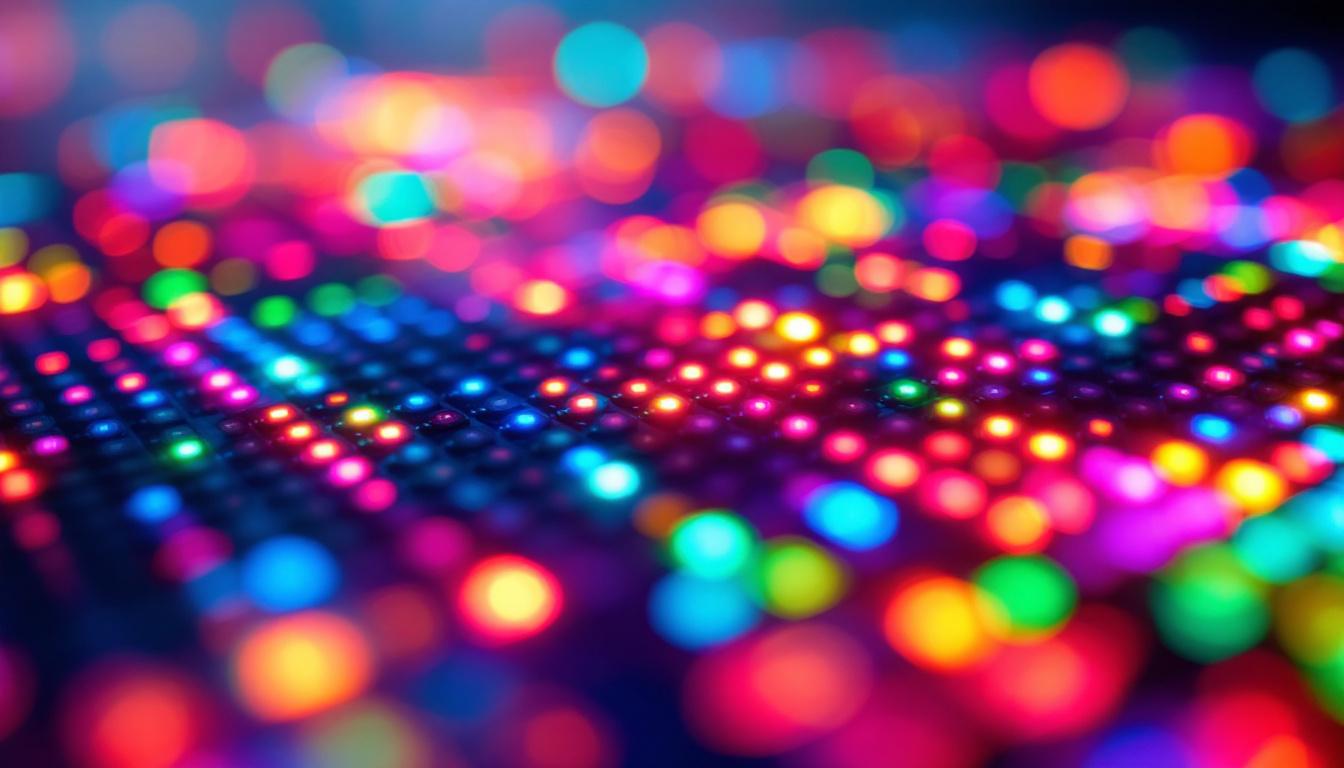
Recent advancements have introduced Mini-LED and Micro-LED technologies, which enhance traditional LED backlighting for LCDs. Mini-LED uses thousands of tiny LEDs as backlights, allowing for even more precise local dimming and improved contrast ratios.
Micro-LED, on the other hand, represents a shift toward self-emissive technology, where each pixel emits its own light without the need for a backlight. While still emerging, Micro-LED promises the brightness and longevity of LEDs with the contrast and color benefits of OLED.
Quantum Dot Enhancement
Quantum Dot technology is often combined with LED-backlit LCDs to improve color accuracy and brightness. Quantum dots are tiny semiconductor particles that emit precise colors when illuminated by the LED backlight. This results in richer, more vibrant displays, especially beneficial for HDR (High Dynamic Range) content.
Practical Applications and Why Understanding LCD Technology Matters
Consumer Electronics
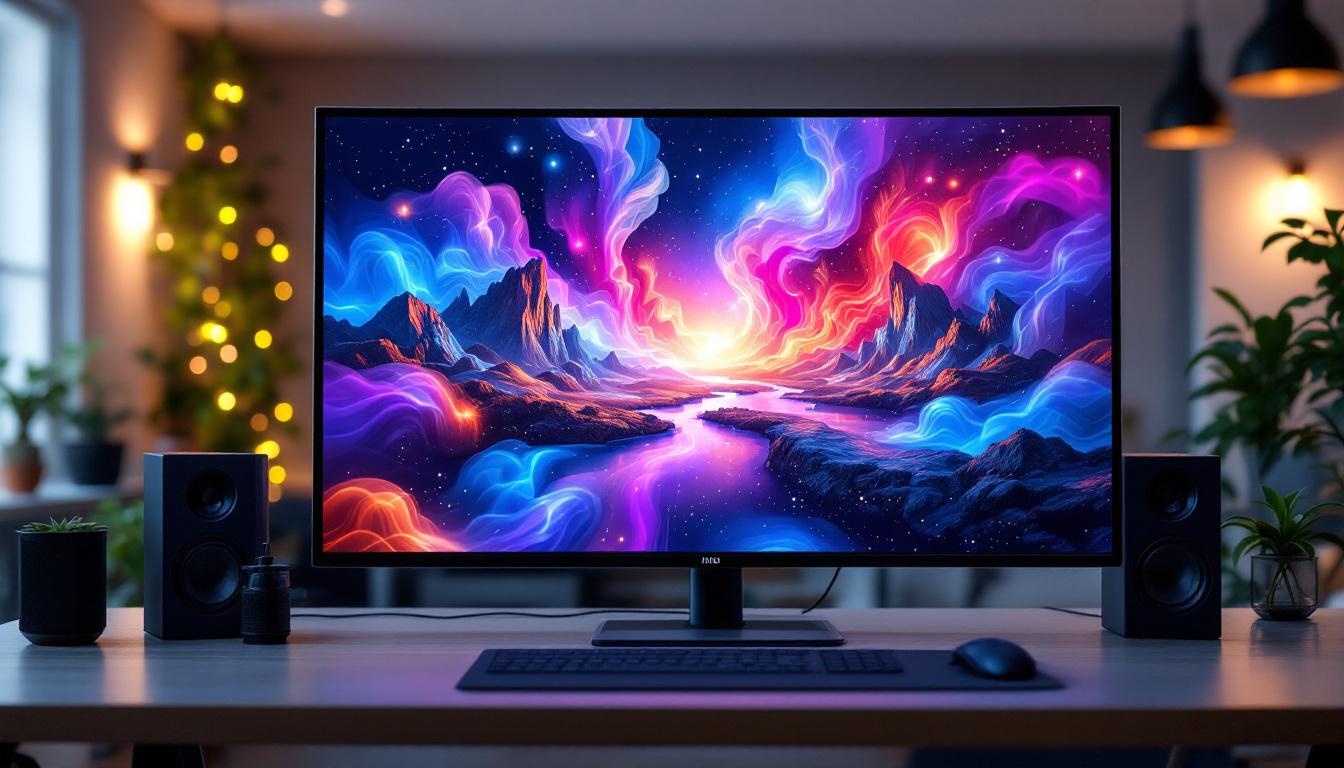
LCD screens with LED backlighting are found in virtually all modern consumer electronics. From smartphones and tablets to televisions and computer monitors, understanding how these displays work can help consumers make informed decisions when purchasing devices.
For example, knowing the difference between edge-lit and full-array LED backlighting can explain why some TVs have better contrast and uniformity. Similarly, understanding response times and viewing angles can influence the choice of monitors for gaming or professional work.
Industrial and Medical Uses
Beyond consumer devices, LCD technology plays a critical role in industrial and medical applications. High-resolution LCD screens are used in diagnostic imaging, control panels, and instrumentation. The precision and reliability of LCD displays make them indispensable in environments where accurate visual representation is crucial.
Environmental Impact and Energy Considerations
With growing awareness of environmental sustainability, the energy efficiency of LED-backlit LCDs is a significant advantage. Devices with these screens consume less power, contributing to reduced carbon footprints. Additionally, the longer lifespan of LEDs reduces electronic waste by extending the usable life of devices.
Conclusion
LCD screens paired with LED backlighting represent a mature and widely adopted display technology that balances performance, efficiency, and cost. By using liquid crystals to control light from energy-efficient LEDs, these displays deliver vibrant images in a slim, durable form factor.
While newer technologies like OLED and Micro-LED are gaining traction, LCD with LED backlighting remains a cornerstone of modern visual technology. Understanding how these screens work not only demystifies the devices that are integral to daily life but also empowers consumers and professionals to make better-informed choices in a rapidly evolving technological landscape.
Discover Cutting-Edge LED Displays with LumenMatrix
As you’ve explored the intricacies of LCD screens with LED backlighting, it’s clear that the future of display technology is bright and constantly advancing. If you’re captivated by the potential of high-quality LED displays to transform your visual experience, look no further than LumenMatrix. With a commitment to innovation and excellence, LumenMatrix offers a comprehensive range of LED display solutions, from Indoor and Outdoor LED Walls to specialized displays for vehicles, sports, and custom applications. Elevate your brand’s presence and engage your audience like never before. Check out LumenMatrix LED Display Solutions today and step into the future of visual communication.