The Great Wall of China stands as one of the most iconic and enduring symbols of human ingenuity and perseverance. Spanning thousands of miles across varied terrain, it has fascinated historians, travelers, and scholars for centuries. However, questions about its exact length, construction, and modern-day significance continue to spark curiosity and debate. In recent years, technological advancements, particularly in LED display technology, have offered innovative ways to visualize and understand the Great Wall’s massive scale and historical context.
This article delves into the true length of the Great Wall of China, explores the challenges in measuring it, and explains how LED displays are being used to bring this ancient marvel to life for contemporary audiences. By combining historical facts with modern technology, we aim to provide a comprehensive understanding of the Great Wall’s grandeur and its place in both history and today’s digital age.
The True Length of the Great Wall of China
Historical Context and Construction Phases
The Great Wall is not a single continuous wall but rather a series of fortifications built, rebuilt, and expanded by various Chinese dynasties over more than two millennia. Construction began as early as the 7th century BC, with the most famous sections built during the Ming Dynasty (1368–1644 AD). The wall was primarily constructed to protect against invasions from nomadic tribes in the north, particularly the Mongols, and to control trade along the Silk Road. The labor force consisted of soldiers, peasants, and prisoners, many of whom faced grueling conditions and perilous tasks, leading to a significant loss of life during its construction.
Because of this fragmented construction history, the wall’s length varies depending on which sections are included. Earlier estimates, often cited in tourism brochures, suggested the wall was about 5,500 miles (8,850 kilometers) long. However, this figure was based on partial measurements and did not consider all the branches, trenches, and natural barriers that were part of the defensive system. The wall’s design evolved over time, with early versions made of tamped earth and later sections constructed from bricks and stone, showcasing advancements in engineering and materials that reflected the dynasties’ growing power and resources.
Modern Measurements and Discoveries
In 2012, a comprehensive archaeological survey by China’s State Administration of Cultural Heritage revealed that the total length of the Great Wall and its various branches is approximately 13,170 miles (21,196 kilometers). This measurement includes walls, trenches, and natural barriers like cliffs and rivers that were integrated into the defense system. The survey utilized advanced technology, including satellite imagery and geographic information systems (GIS), to accurately map the wall and its remnants, providing a clearer picture of its extensive reach across northern China.
This updated figure underscores the immense scale of the wall and the complexity of its structure. It also highlights the challenges in defining what constitutes the “Great Wall,” since many sections are in ruins or have been overtaken by natural landscapes. Some portions have been preserved as UNESCO World Heritage Sites, attracting millions of visitors each year, while others remain hidden in remote areas, offering a glimpse into the past for adventurous explorers. The Great Wall stands not only as a testament to ancient engineering prowess but also as a symbol of China’s historical resilience and cultural identity, continuing to inspire awe and curiosity around the world.
Challenges in Measuring the Great Wall
Fragmentation and Terrain Variability
The Great Wall traverses a vast range of landscapes, including mountains, deserts, and plains. Its construction adapted to these diverse terrains, resulting in sections of varying height, width, and durability. Some parts are well-preserved stone walls, while others are earthen ramparts or trenches.
Because many sections have deteriorated or been destroyed over centuries, archaeologists face difficulties in accurately mapping the entire structure. Satellite imaging, ground surveys, and historical records must be combined to create a comprehensive picture.
Defining the Wall’s Boundaries
Another challenge lies in deciding which structures should be counted as part of the Great Wall. The defensive system included watchtowers, beacon towers, fortresses, and natural barriers. Some of these features extend far beyond the main walls, complicating efforts to establish a definitive length.
Moreover, earlier walls built by different states before China’s unification were often disconnected, raising questions about whether they should be included in the total length. The 2012 survey took a broad approach, including all relevant defensive structures, which explains the significant increase in the estimated length.
LED Display Technology: Bringing the Great Wall to Life
Why Use LED Displays for Historical Visualization?
LED displays have revolutionized the way historical and cultural heritage is presented to the public. Their brightness, color accuracy, and flexibility make them ideal for creating immersive educational experiences. For the Great Wall, LED technology offers a dynamic platform to showcase its scale, architectural details, and historical evolution.
Unlike static exhibits or printed maps, LED displays can present interactive content, animations, and real-time data. This capability helps visitors and scholars alike to visualize the wall’s construction phases, strategic importance, and geographical context in an engaging and accessible manner.
Examples of LED Displays Featuring the Great Wall
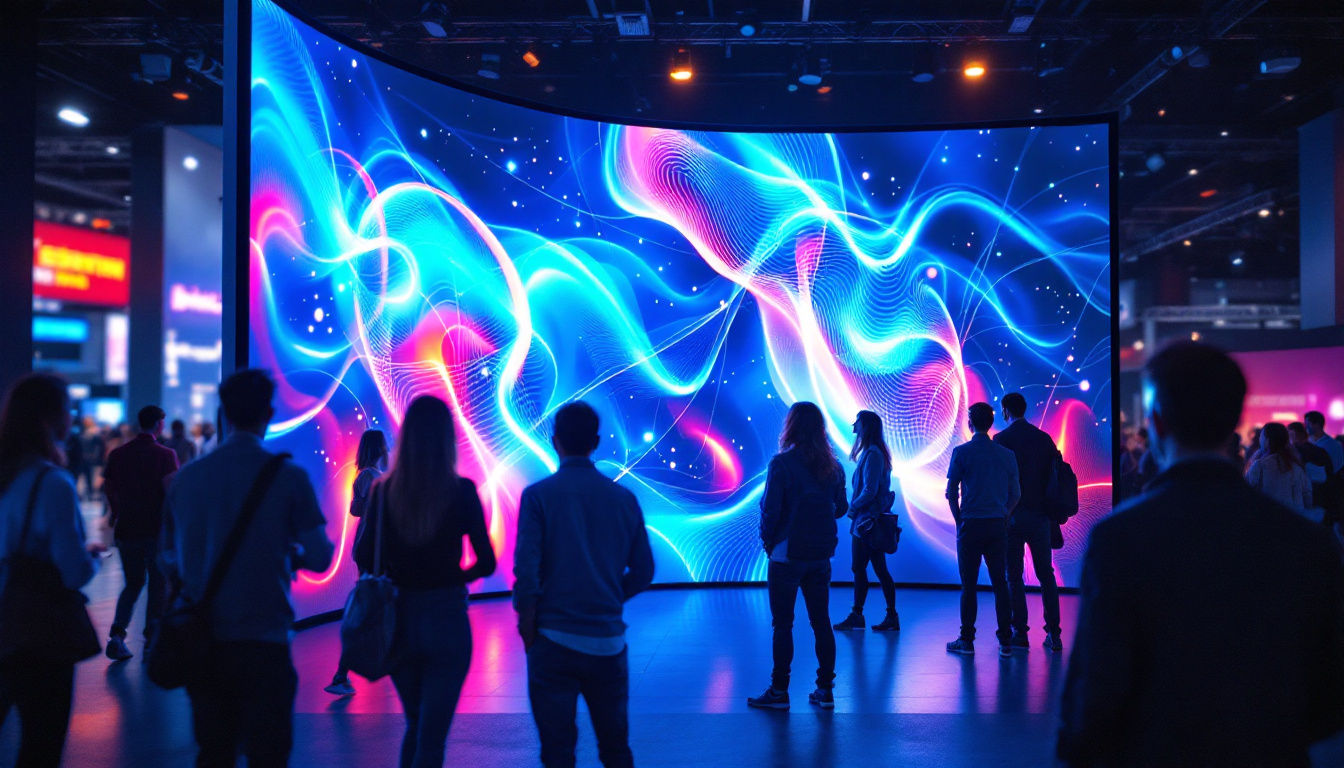
Several museums and cultural centers in China have incorporated large-scale LED installations to illustrate the Great Wall’s history. For instance, the Great Wall Museum in Beijing features a panoramic LED display that simulates a journey along the wall, highlighting key sections and historical events.
Additionally, outdoor LED installations near popular tourist spots use high-resolution screens to project detailed images and videos of the wall, enhancing visitor experience especially during nighttime tours. These displays often include multilingual content, making the history of the Great Wall accessible to international audiences.
Technical Considerations for Large-Scale Displays
Creating LED displays that effectively represent the Great Wall requires careful planning and advanced technology. The sheer scale of the wall means that displays must balance detail with overall perspective. High pixel density is essential to capture intricate architectural features, while wide viewing angles ensure visibility for large audiences.
Moreover, LED displays used in outdoor settings must be weather-resistant and energy-efficient to operate reliably in various climates. Innovations such as modular panels and smart control systems have made it possible to build scalable displays that can be customized for different venues and purposes.
The Educational and Cultural Impact of LED Displays on the Great Wall
Enhancing Public Understanding
LED displays serve as powerful educational tools by making complex historical information more digestible. Through interactive maps, timelines, and 3D reconstructions, visitors gain a deeper appreciation of the Great Wall’s construction techniques, military significance, and cultural symbolism.
These visualizations also help dispel common myths, such as the idea that the wall is a single continuous structure or that it is visible from space with the naked eye. By presenting accurate, up-to-date data, LED displays promote informed understanding and respect for this UNESCO World Heritage site.
Supporting Conservation Efforts
Beyond education, LED technology contributes to conservation by raising awareness about the wall’s fragile condition. Many sections face threats from natural erosion, human activity, and urban development. Interactive displays often include messages about preservation and responsible tourism, encouraging visitors to support protection initiatives.
Furthermore, digital reconstructions can serve as virtual archives, preserving the wall’s appearance for future generations even as physical sections deteriorate. This digital preservation is invaluable for researchers and policymakers working to safeguard the site.
Fostering Cultural Pride and Tourism
The Great Wall is a potent symbol of Chinese heritage and national pride. LED displays that celebrate its history and grandeur help reinforce this identity both domestically and internationally. By integrating modern technology with ancient history, these displays create a bridge between past and present, attracting tourists and scholars alike.
Tourism boosted by engaging LED exhibits generates economic benefits for local communities and funds for ongoing maintenance and research. This synergy between technology, culture, and economy exemplifies how heritage sites can thrive in the digital era.
Future Trends: Integrating LED Displays with Emerging Technologies
Augmented Reality (AR) and Virtual Reality (VR) Integration
Looking ahead, LED displays are increasingly being combined with AR and VR technologies to offer even more immersive experiences of the Great Wall. Visitors can use AR-enabled devices to see historical reconstructions overlaid on the actual landscape, while VR simulations allow virtual tours of inaccessible or ruined sections.
This integration enhances storytelling by providing multi-sensory engagement, enabling users to explore different time periods and scenarios related to the wall’s history. Such innovations promise to transform heritage education and tourism profoundly.
Smart LED Displays with AI-Driven Content
Artificial intelligence is also playing a role in advancing LED display applications. Smart systems can tailor content based on audience demographics, language preferences, and interaction patterns. For example, AI can adjust the display’s narrative complexity for children versus experts or provide real-time translations for international visitors.
This personalized approach improves accessibility and engagement, ensuring that the Great Wall’s story resonates with diverse audiences worldwide.
Environmental Sustainability in Display Technology
As environmental concerns grow, the development of energy-efficient and eco-friendly LED displays is becoming a priority. Innovations such as low-power LEDs, solar-powered installations, and recyclable materials help minimize the ecological footprint of large-scale displays.
Implementing sustainable technologies aligns well with conservation goals for the Great Wall, promoting responsible stewardship of both cultural and natural resources.
Conclusion
The Great Wall of China, with its staggering length of over 13,000 miles, remains a testament to human determination and strategic brilliance. Understanding its true scale and complexity requires not only historical research but also modern technological tools. LED display technology has emerged as a vital medium for visualizing, educating, and preserving this monumental heritage.
By leveraging high-resolution, interactive LED displays, museums and cultural sites can bring the Great Wall’s story to life in vivid detail, fostering greater appreciation and support for its conservation. As technology continues to evolve, the fusion of LED displays with AR, VR, and AI promises even richer experiences, ensuring that the legacy of the Great Wall endures for generations to come.
Illuminate Your Heritage with LumenMatrix
As the Great Wall of China continues to inspire and educate, LumenMatrix stands at the forefront of LED display innovation, ready to transform your cultural and historical exhibits into immersive visual narratives. Our extensive range of LED display solutions, from Indoor and Outdoor LED Walls to Custom and Transparent Displays, are designed to captivate audiences and bring stories like that of the Great Wall to life with unparalleled vibrancy and detail. Check out LumenMatrix LED Display Solutions and discover how we can help you share your message with the world in a way that is both impactful and unforgettable.