LED lighting has revolutionized the way people illuminate and decorate their living spaces, especially bedrooms. With energy efficiency, versatility, and a wide range of colors and brightness levels, LED lights have become a popular choice for creating ambiance, enhancing aesthetics, and even improving sleep quality. However, one common question that arises when planning an LED lighting setup for a bedroom is: how many feet of LED lights are needed? This article delves into the factors that influence this decision, offers practical guidelines, and explains the nuances of LED displays in bedroom settings.
Understanding LED Lighting for Bedrooms
Before determining the length of LED lights required, it’s essential to understand the types of LED lighting available and their typical uses in bedrooms. LED lighting can serve multiple purposes, from general illumination to accent lighting and mood enhancement. The versatility of LED technology allows homeowners to create a tailored lighting experience that complements their personal style and enhances the overall ambiance of the room.
Types of LED Lights Commonly Used in Bedrooms
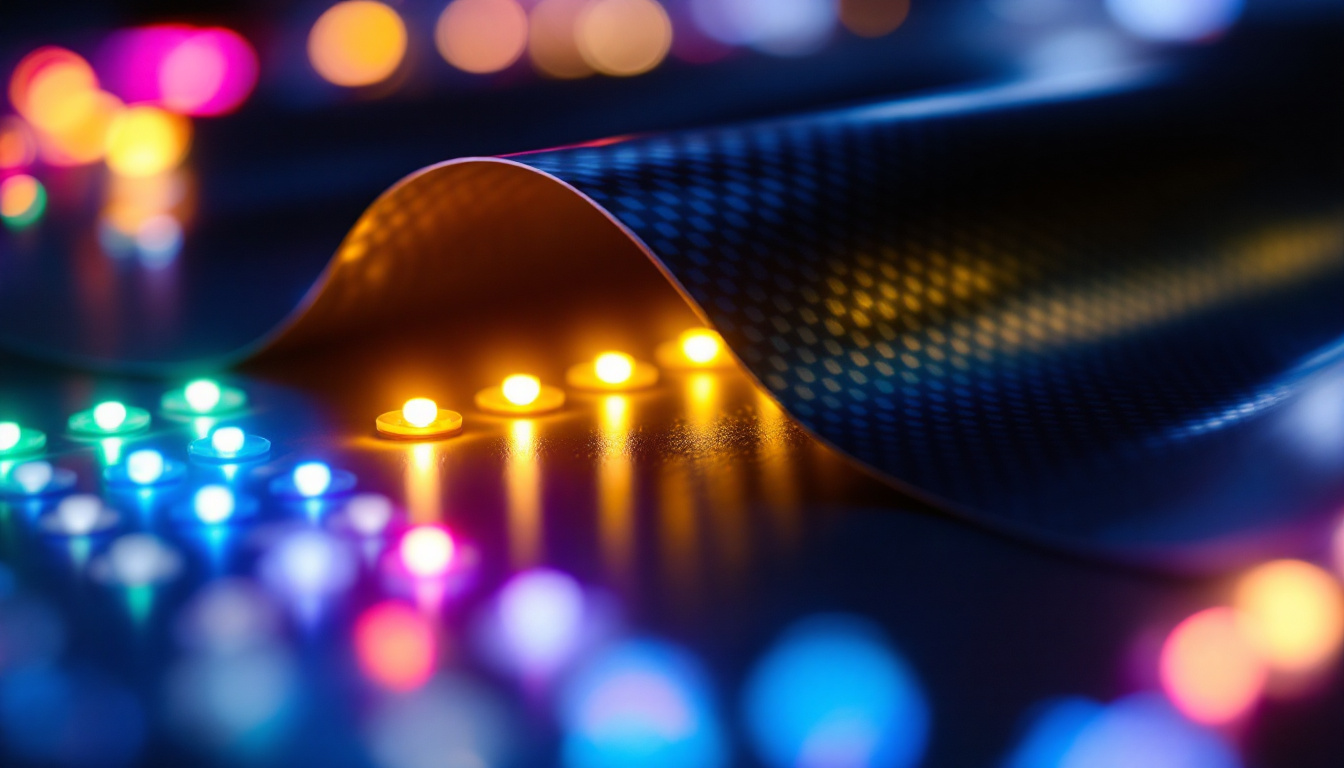
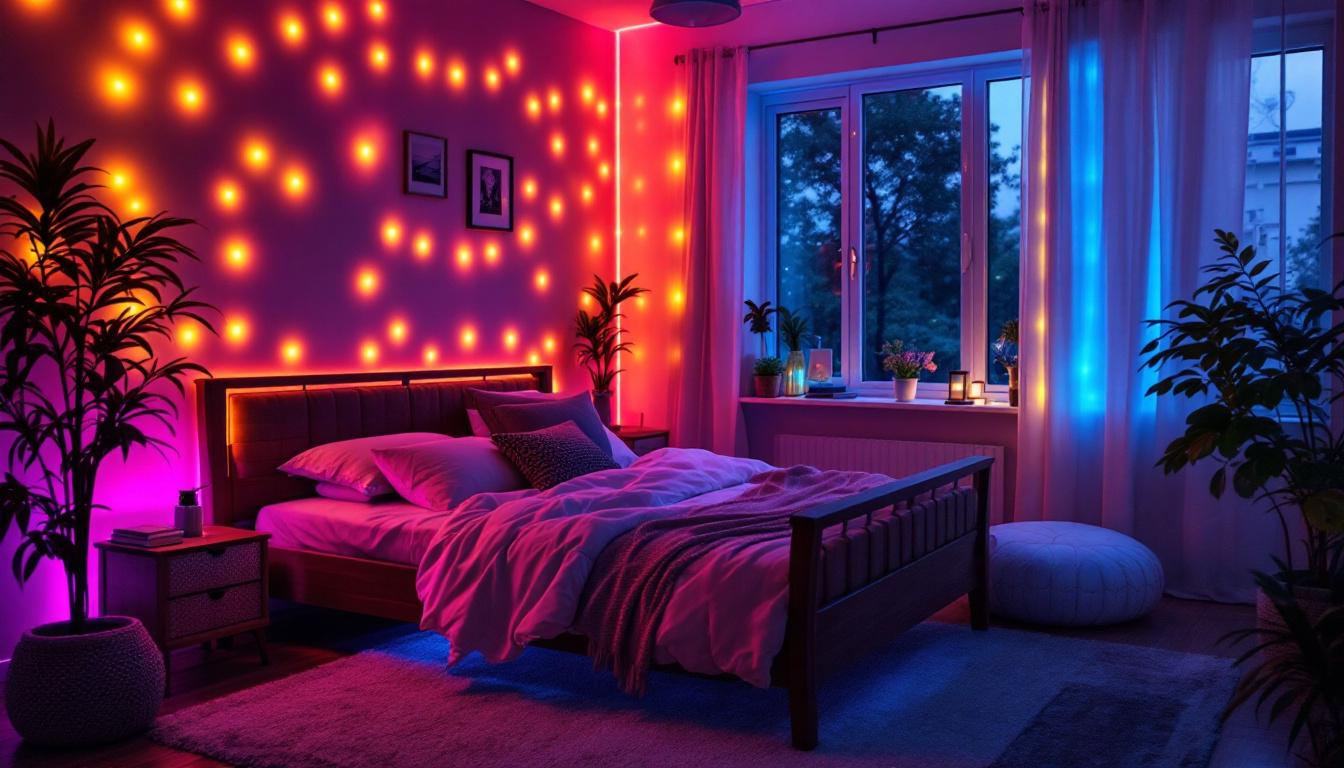
LED strip lights are among the most popular choices for bedroom lighting due to their flexibility and ease of installation. These strips come in various lengths and can be cut to size, making them ideal for custom applications such as under-bed lighting, behind headboards, or along ceiling coves. The ability to install these strips in creative ways allows for unique design elements, such as highlighting architectural features or creating a cozy nook for reading.
Other LED options include LED bulbs for ceiling fixtures, LED panels, and smart LED bulbs that can change colors and be controlled via apps or voice commands. Each type serves different lighting needs, but for the purpose of calculating feet of LED strip lights, the focus will remain on LED strips. Smart LED bulbs, in particular, can enhance the bedroom experience by allowing users to adjust the color temperature to suit different times of day, promoting relaxation in the evening and energizing brightness in the morning.
Why LED Lighting is Ideal for Bedrooms
LED lights offer several advantages that make them particularly suitable for bedrooms:
- Energy Efficiency: LEDs consume significantly less power than incandescent or fluorescent bulbs, reducing electricity bills.
- Longevity: LED strips can last up to 50,000 hours, meaning fewer replacements and maintenance.
- Customization: LEDs come in various colors and brightness levels, allowing for personalized lighting schemes.
- Low Heat Emission: Unlike traditional bulbs, LEDs emit very little heat, making them safe for enclosed or tight spaces.
Furthermore, the low heat emission of LED lights contributes to a more comfortable sleeping environment, as it helps maintain a stable room temperature. This is particularly beneficial for those who are sensitive to heat or who live in warmer climates. The customizable nature of LED lighting also extends to the use of dimmers, which can create a soft, relaxing atmosphere perfect for winding down at the end of the day. By adjusting the brightness, you can easily transition from bright, functional lighting during the day to a warm, inviting glow at night, enhancing the overall tranquility of your bedroom space.
Factors Influencing the Length of LED Lights Needed
Determining how many feet of LED lights are needed for a bedroom depends on several factors, including room dimensions, desired lighting effect, and installation locations.
1. Room Size and Layout
The most straightforward factor is the size of the bedroom. A larger room naturally requires more lighting to achieve adequate illumination or desired accent effects.
For example, a standard bedroom measuring 12 feet by 14 feet (168 square feet) will require fewer feet of LED strip lights than a master bedroom measuring 18 feet by 20 feet (360 square feet). However, the total footage also depends on where the lights are installed—whether around the perimeter, under furniture, or in coves.
2. Purpose of the LED Lighting
LED lights can be used for ambient lighting, task lighting, or accent lighting, and each purpose demands different lengths and intensities.
- Ambient Lighting: This is the general lighting that illuminates the entire room. For ambient purposes, LED strips might be installed along the ceiling perimeter or behind a false ceiling. In this case, the length needed roughly equals the room’s perimeter. For a 12×14 foot room, that’s about 52 feet (12+14+12+14).
- Accent Lighting: Used to highlight specific features such as a headboard, shelves, or artwork. The length depends on the size of the feature. For example, a headboard might require 6 to 12 feet of LED strips.
- Task Lighting: Focused lighting for activities like reading or working. This usually involves shorter lengths, such as 2 to 4 feet near a desk or bedside.
3. Brightness and LED Density
The brightness of LED strips is measured in lumens per foot, and LED density is the number of LED chips per meter or foot. Higher density strips provide more light but consume more power and may require additional power supplies.
For bedrooms, a moderate brightness of around 300 to 500 lumens per foot is typically sufficient. If using high-density LED strips, fewer feet may be needed to achieve the desired brightness.
4. Installation Location and Style
The installation method affects the length required. For example, installing LED strips along the ceiling perimeter requires measuring the entire room’s perimeter. If installing under the bed or along shelves, measure those specific areas.
Additionally, some prefer continuous strips, while others use segmented strips or multiple shorter strips in different locations, which affects total footage.
Calculating the Ideal Length of LED Strip Lights for Your Bedroom
With the above factors in mind, the following steps can help calculate the appropriate length of LED strip lights for a bedroom.
Step 1: Measure the Room Dimensions
Measure the length and width of the bedroom. For example, a bedroom might be 12 feet wide and 14 feet long.
Step 2: Decide on Installation Areas
Determine where the LED strips will be installed. Common locations include:
- Along the ceiling perimeter
- Behind the headboard
- Under the bed frame
- Inside shelves or closets
Step 3: Calculate Lengths for Each Area
Calculate the length needed for each area. For ceiling perimeter lighting, add all four sides:
Perimeter = 2 × (Length + Width)
For a 12×14 foot room: 2 × (12 + 14) = 52 feet
For accent lighting, measure the feature’s length. For example, a headboard might be 8 feet wide.
Step 4: Add Lengths and Include Extra for Cuts and Corners
Sum the lengths for all areas. It’s advisable to add 10-15% extra length to account for cuts, corners, and potential errors.
For example:
- Ceiling perimeter: 52 feet
- Headboard accent: 8 feet
- Under-bed lighting: 12 feet (assuming bed length)
Total = 52 + 8 + 12 = 72 feet
Adding 15% extra: 72 × 1.15 = 82.8 feet (rounded to 83 feet)
Additional Considerations When Choosing LED Strip Lights
Power Supply and Voltage Drop
LED strips typically operate on 12V or 24V DC power. When using long runs of LED strips, voltage drop can cause the LEDs at the far end to dim or change color. To avoid this, it’s important to:
- Use multiple power injection points along the strip
- Limit the length of continuous runs (usually no more than 16-32 feet per run)
- Choose higher voltage strips (24V) for longer runs
For a bedroom setup requiring over 50 feet of LED strips, plan the power supply layout carefully to maintain consistent brightness.
Color Temperature and Lighting Effects
Choosing the right color temperature affects the bedroom’s mood and functionality. Warm white (2700K-3000K) creates a cozy, relaxing atmosphere, while cool white (4000K-5000K) is more energizing and suitable for task areas.
RGB or RGBW LED strips offer color-changing capabilities, allowing users to customize lighting scenes. These typically require a compatible controller and may consume more power.
Installation Tips
LED strips usually come with adhesive backing for easy installation. For better adhesion, clean the surface thoroughly before applying. Use corner connectors for neat turns and avoid bending strips sharply to prevent damage.
Consider using aluminum channels or diffusers to protect the strips and soften the light output, enhancing the overall look.
Practical Examples and Recommendations
Example 1: Small Bedroom Ambient Lighting
For a 10×12 foot bedroom, installing LED strips along the ceiling perimeter provides soft ambient lighting. The perimeter is 44 feet. Adding 10% extra results in approximately 48 feet of LED strips.
Using 300 lumens per foot LED strips, this setup provides around 13,200 lumens, enough for general bedroom lighting.
Example 2: Master Bedroom with Multiple Zones
A 16×20 foot master bedroom with ambient ceiling lighting, headboard accent, and under-bed lighting might require:
- Ceiling perimeter: 72 feet
- Headboard: 10 feet
- Under bed: 16 feet
Total: 98 feet, plus 15% extra = approximately 113 feet of LED strips.
Example 3: Accent Lighting Only
If the goal is to highlight a bookshelf or artwork, measure the length of those features. For a 6-foot bookshelf, 6 to 8 feet of LED strips are sufficient.
Conclusion: Tailoring LED Lighting Length to Your Bedroom Needs
Determining how many feet of LED lights are needed for a bedroom depends on multiple factors including room size, lighting purpose, and installation style. By carefully measuring the room, deciding on lighting zones, and considering brightness and power requirements, homeowners can create a lighting setup that is both functional and visually appealing.
LED strip lights offer unmatched flexibility and efficiency, making them an excellent choice for bedroom lighting. Whether aiming for subtle ambient glow or vibrant accent lighting, understanding how to calculate the required length ensures a successful installation that enhances the comfort and style of the bedroom.
When planning your LED lighting project, always account for extra length for adjustments, consider power supply limitations, and choose color temperatures that suit your lifestyle and preferences. With these considerations, the perfect bedroom lighting solution is within reach.
Illuminate Your Bedroom with LumenMatrix
Ready to transform your bedroom with the perfect LED lighting setup? LumenMatrix offers a wide array of innovative LED display solutions that cater to your unique needs. From ambient glow to vibrant accent lighting, our Indoor LED Wall Display, Custom LED Display, and Floor LED Display options are designed to bring your vision to life. Elevate your space and experience the difference with LumenMatrix’s cutting-edge technology. Check out LumenMatrix LED Display Solutions today and take the first step towards a brighter, more engaging bedroom environment.