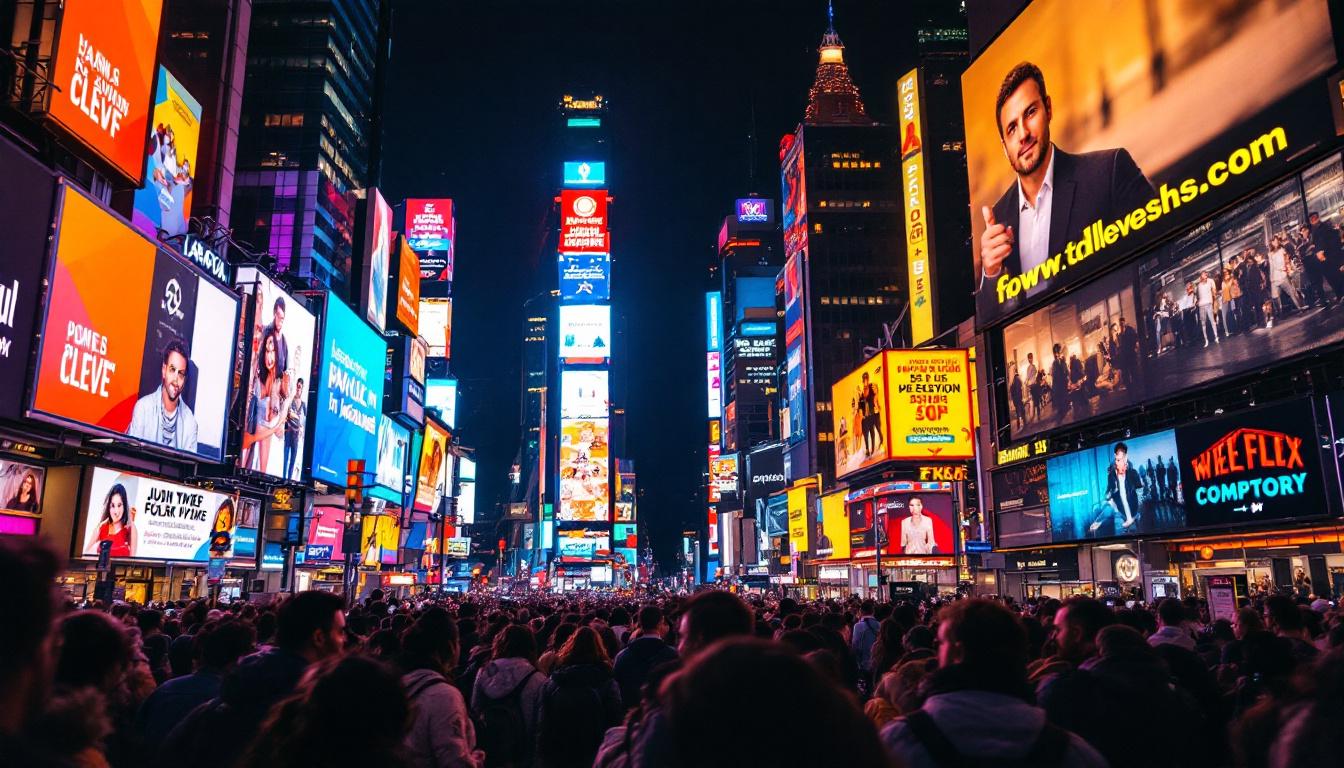
Times Square in New York City is often described as “The Crossroads of the World,” a bustling hub renowned for its dazzling LED billboards and vibrant advertising displays. For brands seeking maximum visibility and cultural cachet, securing an ad spot on a Times Square LED display represents a coveted opportunity. However, the cost of advertising in this iconic location varies widely depending on numerous factors, from billboard size and location to duration and time of year.
This article delves into the intricacies of Times Square advertising, breaking down how much an ad costs on these LED displays and explaining the variables that influence pricing. Whether you’re a marketer, business owner, or simply curious about the economics behind one of the world’s most famous advertising spaces, this comprehensive guide will shed light on the subject.
Why Advertise in Times Square?
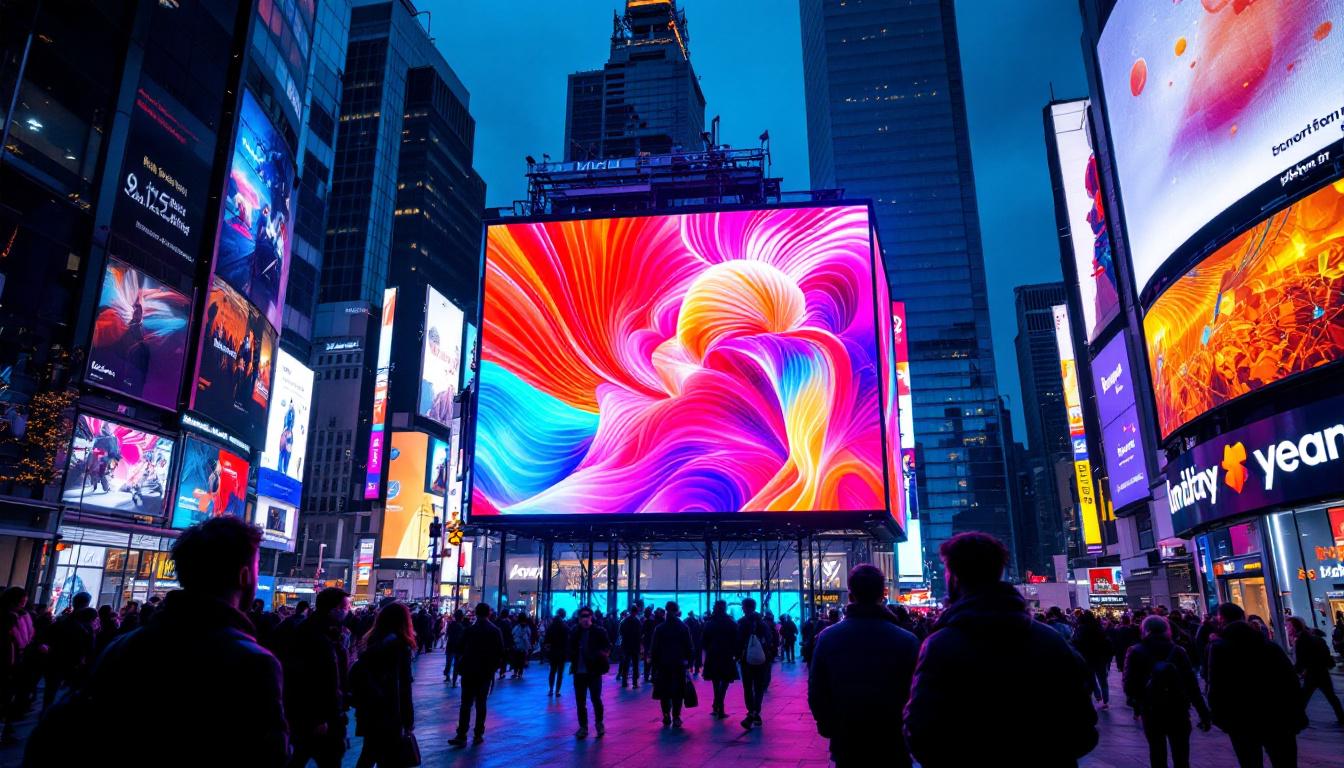
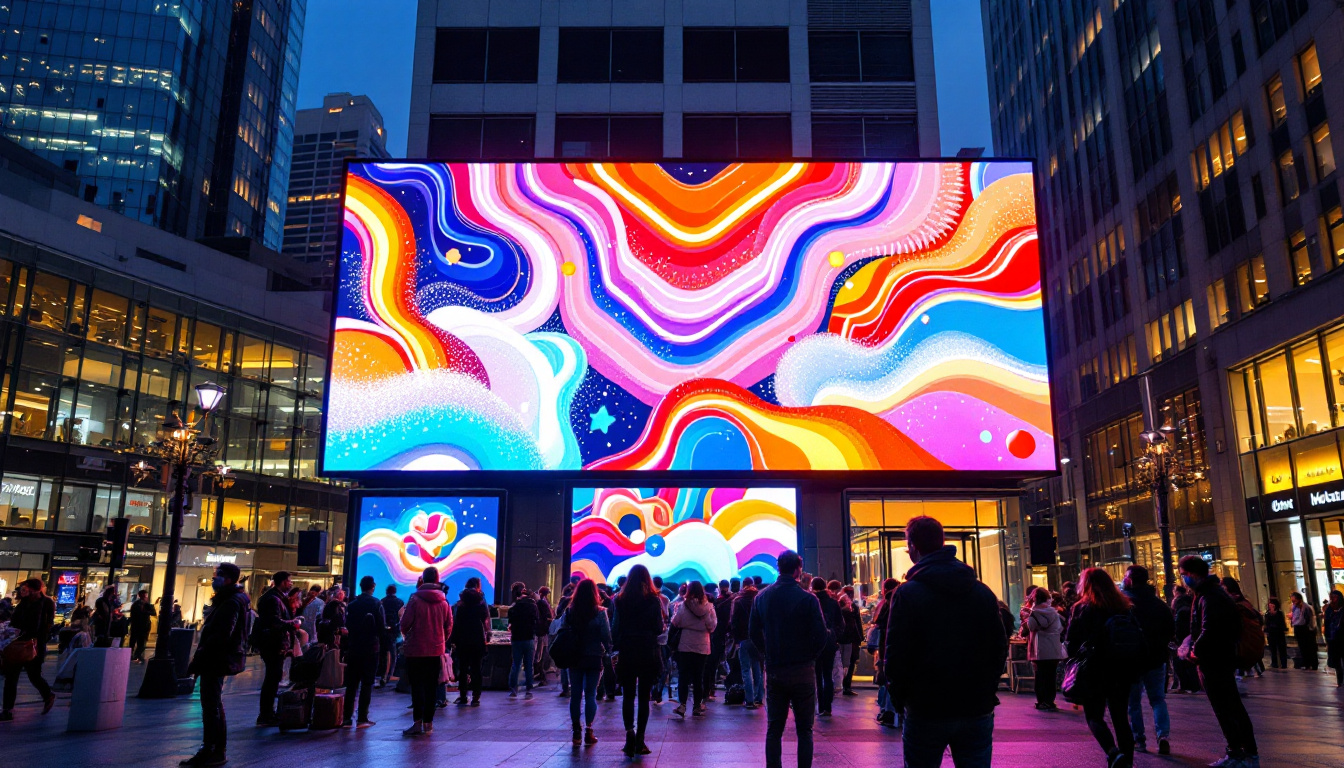
Times Square is more than just a tourist hotspot; it’s a global advertising powerhouse. With an estimated 330,000 pedestrians passing through daily and millions of tourists annually, the area offers unparalleled exposure. The LED billboards here are visible 24/7, creating a dynamic and immersive environment that captures attention from locals, tourists, and commuters alike. The sheer scale of the advertising space allows brands to showcase their messages in a way that is both eye-catching and unforgettable, making it an ideal location for impactful marketing campaigns.
Advertising in Times Square is not just about visibility; it’s about brand prestige. Being featured on a Times Square billboard signals that a brand is significant and influential. This association can enhance brand perception and create buzz in both traditional and social media channels. The iconic status of Times Square means that brands can leverage the location’s reputation to elevate their own, often resulting in increased consumer trust and loyalty. The atmosphere of excitement and energy in Times Square further amplifies the effectiveness of advertisements, making them part of the vibrant tapestry of New York City.
Audience Reach and Demographics
The audience in Times Square is diverse and international, ranging from young professionals and tourists to locals and business travelers. This diversity allows advertisers to reach a broad spectrum of consumers. Additionally, the area’s high foot traffic combined with the constant media coverage means that campaigns often extend their reach far beyond the physical location. Visitors come from all over the world, bringing with them different cultural backgrounds and preferences, which can be a goldmine for brands looking to tailor their messages for various demographics. The bustling atmosphere also fosters spontaneous interactions, with many people stopping to take photos of the billboards, further amplifying brand visibility through social sharing.
Impact on Brand Awareness
Studies have shown that outdoor advertising in high-traffic areas like Times Square can significantly boost brand recall and engagement. The combination of large-scale visuals, vibrant colors, and strategic placement creates a memorable experience that resonates with viewers. For brands launching new products or campaigns, Times Square offers a powerful platform to make a statement. The psychological impact of seeing a brand in such a prestigious location can lead to increased interest and curiosity, prompting consumers to seek out more information. Moreover, the ability to integrate interactive elements into digital displays allows brands to engage consumers in real-time, encouraging participation and further enhancing brand recognition. This level of engagement is particularly effective in a city that thrives on innovation and creativity, making Times Square a hotbed for cutting-edge advertising strategies.
Understanding Times Square LED Billboards
Times Square’s advertising landscape is dominated by LED billboards, which offer bright, high-resolution displays capable of showing dynamic and animated content. These digital displays have largely replaced traditional static billboards, providing advertisers with greater flexibility and creative possibilities.
Types of LED Displays
LED billboards in Times Square vary in size, shape, and resolution. Some are massive vertical screens covering entire building facades, while others are smaller, strategically placed displays. The most prominent billboards are often found on the north and south sides of the square, including locations like One Times Square, the Reuters Building, and the NASDAQ MarketSite.
Each billboard has unique specifications, such as pixel pitch (which affects image clarity), brightness levels, and aspect ratios. These technical factors influence the cost and effectiveness of the advertisement.
Advertising Formats and Content Options
Advertisers can choose from a range of formats, including static images, video loops, animations, and interactive content. Some billboards support real-time updates, allowing brands to tailor their messages based on time of day, weather, or live events.
This versatility enables campaigns to be highly engaging and relevant, which can increase viewer interaction and social sharing.
Factors Influencing the Cost of a Times Square LED Ad
Determining the cost of advertising on a Times Square LED display involves several key factors. Understanding these variables helps advertisers budget effectively and optimize their campaign strategies.
Location and Billboard Size
The location of the billboard within Times Square is one of the most significant cost drivers. Prime spots, such as those on One Times Square (famous for the New Year’s Eve ball drop), command premium prices due to their high visibility and iconic status.
Billboard size also plays a crucial role. Larger displays require more LED panels and greater energy consumption, leading to higher rental fees. For example, a billboard measuring 20,000 square feet will cost substantially more than a 1,000 square foot display.
Duration and Timing
The length of the advertising campaign directly affects cost. Advertisers can book time slots ranging from a few seconds to several months. Longer campaigns typically benefit from discounted rates per day, but the overall investment is higher.
Timing is another critical factor. Rates tend to spike during peak seasons such as the holiday period (November to January), when foot traffic and consumer spending are at their highest. Special events like New Year’s Eve or major sports games also drive up prices due to increased demand.
Content Complexity and Production Costs
Creating content for LED billboards involves production expenses, especially for high-quality video or interactive ads. While these costs are separate from billboard rental fees, they contribute to the overall budget.
Additionally, some billboard operators charge extra fees for content management, scheduling, or technical support.
Advertising Agency and Broker Fees
Many advertisers work with specialized agencies or brokers who facilitate billboard bookings in Times Square. These intermediaries charge commissions or service fees, which can add to the total cost but also provide valuable expertise in navigating the complex advertising landscape.
Typical Cost Ranges for Times Square LED Ads
While exact pricing is often confidential and negotiated on a case-by-case basis, industry data and reported figures provide useful benchmarks.
Short-Term Ads (Seconds to Minutes)
For brief advertisements, such as a 10 to 30-second spot displayed multiple times per hour over a few days, costs can range from $5,000 to $50,000 depending on the billboard’s prominence and time slot.
For example, a 15-second ad on a mid-tier billboard during off-peak hours might cost around $10,000 for a one-week run, whereas the same spot during prime evening hours could be double or triple that amount.
Long-Term Campaigns (Weeks to Months)
Longer campaigns that occupy a billboard for several weeks or months can cost anywhere from $100,000 to over $1 million. The most iconic locations, such as the NASDAQ MarketSite or One Times Square, often command prices at the higher end of this spectrum.
Brands like Coca-Cola, Samsung, and Disney have reportedly spent millions annually to maintain a continuous presence in Times Square, leveraging the area’s global visibility.
Special Event and Custom Installations
During high-profile events like New Year’s Eve or major product launches, advertisers may invest in custom installations or interactive experiences that go beyond standard LED ads. These projects can cost several million dollars, factoring in design, production, and operational expenses.
For instance, the New Year’s Eve ball drop sponsorships, which include LED advertising and event branding, have been valued at $5 million or more.
How to Maximize ROI on Times Square Advertising
Given the high costs, it’s essential for advertisers to strategize carefully to ensure a strong return on investment (ROI). Here are some best practices:
Targeted Scheduling
Choosing the right times to run ads can optimize exposure and reduce costs. For example, scheduling ads during weekday rush hours or weekends when foot traffic peaks can increase impressions without necessarily paying peak holiday rates.
Creative Content
Engaging and visually striking content is critical to capturing attention in a crowded environment. Brands that use bold colors, animations, and storytelling tend to perform better.
Interactive or real-time content can also boost engagement and social media sharing, amplifying the campaign’s impact.
Integrated Campaigns
Times Square advertising is most effective when integrated with broader marketing efforts. Combining billboard ads with social media campaigns, influencer partnerships, and PR can create a cohesive brand message and extend reach.
Measurement and Analytics
Utilizing tools to track foot traffic, engagement, and social media mentions helps advertisers assess campaign effectiveness and refine future strategies.
Conclusion
Advertising on Times Square’s LED displays offers unparalleled visibility and brand prestige, but it comes with a significant price tag. Costs vary widely based on location, size, duration, and timing, ranging from thousands to millions of dollars. Understanding these factors and planning strategically can help brands maximize the impact of their investment.
For businesses aiming to make a bold statement on one of the world’s most famous advertising stages, Times Square remains a compelling choice. By combining creative content, targeted scheduling, and integrated marketing, advertisers can leverage the power of Times Square to elevate their brand to new heights.
Illuminate Your Brand with LumenMatrix
Ready to make your mark in the heart of New York City? LumenMatrix is at the forefront of LED display innovation, offering a wide array of solutions to bring your brand’s message to life in Times Square. From dazzling Indoor LED Walls to dynamic Outdoor LED Displays, and even specialized options like Vehicle and Sports LED Displays, we have the technology to captivate and engage your audience. Embrace the future of visual communication with our Custom, All-in-One, and Transparent LED Displays, designed to deliver your content with unparalleled clarity and impact. Check out LumenMatrix LED Display Solutions today and transform the way your brand connects with the world.