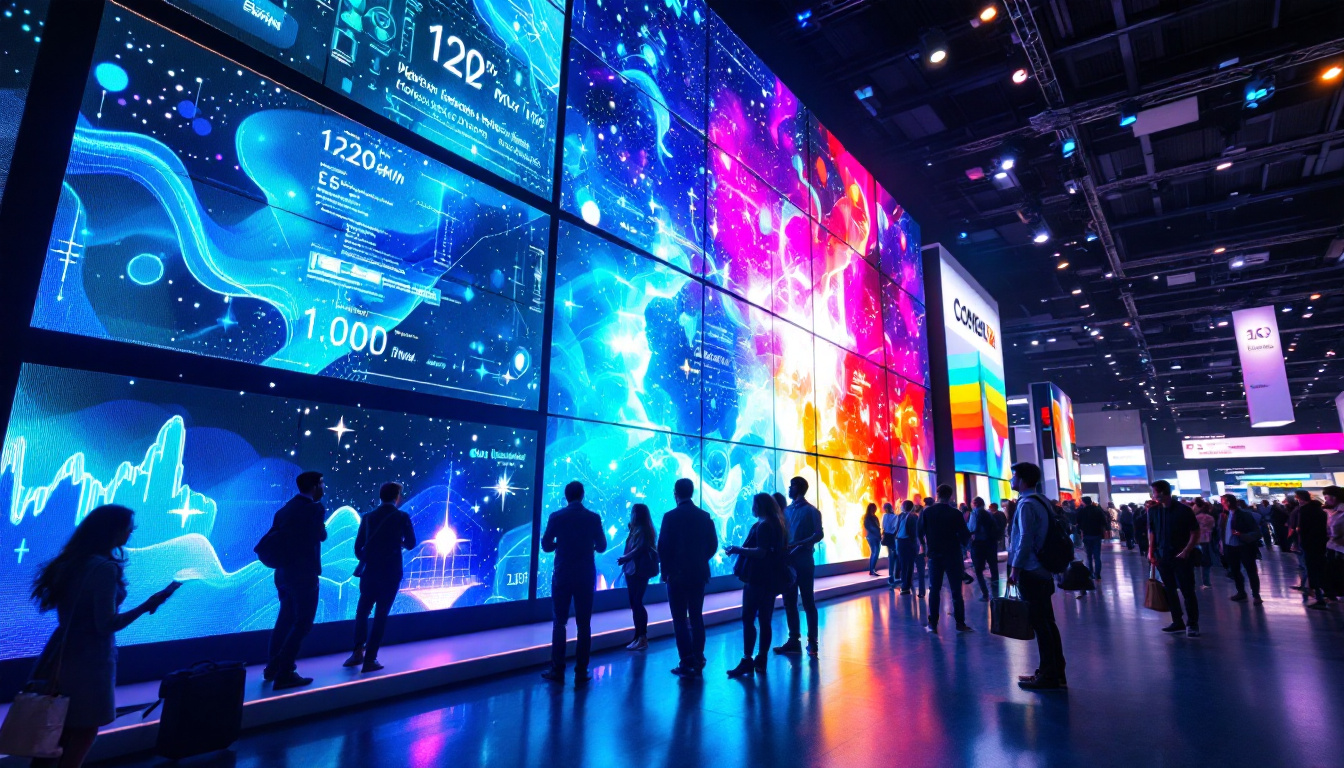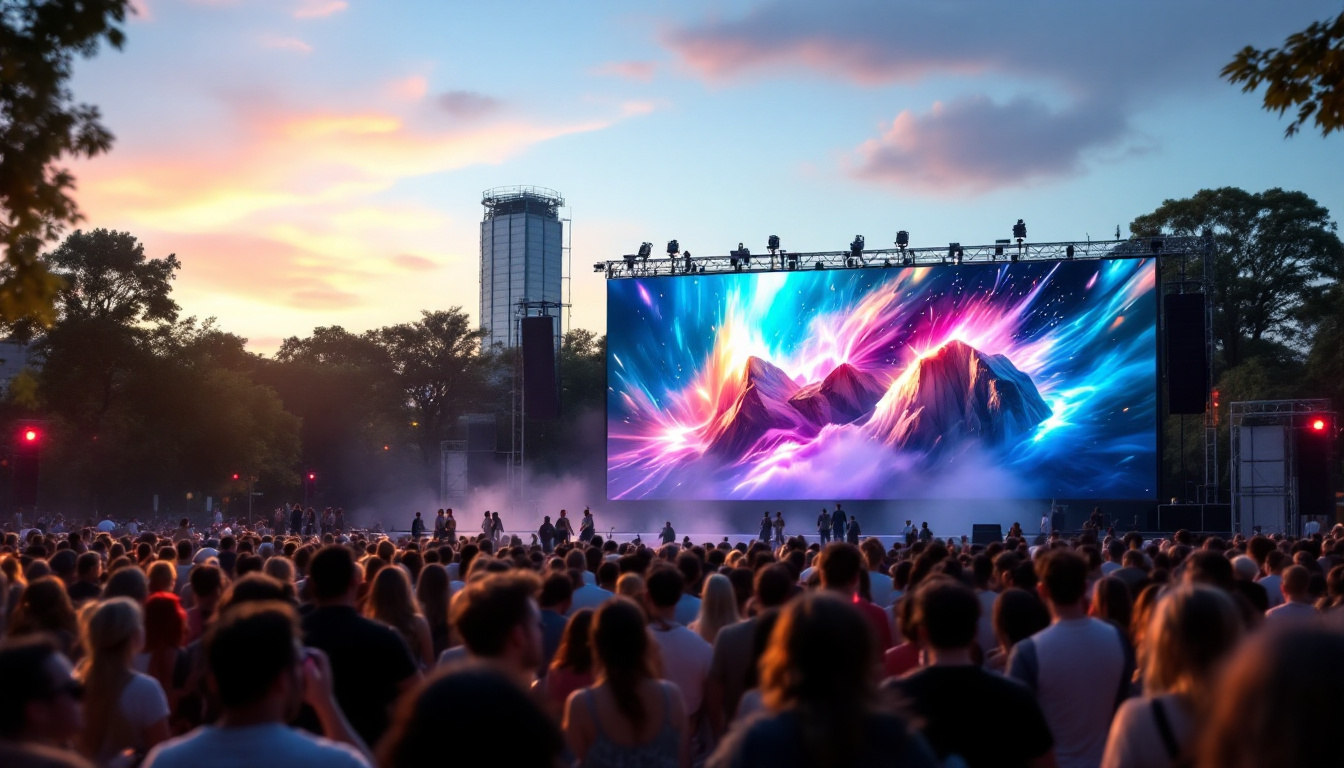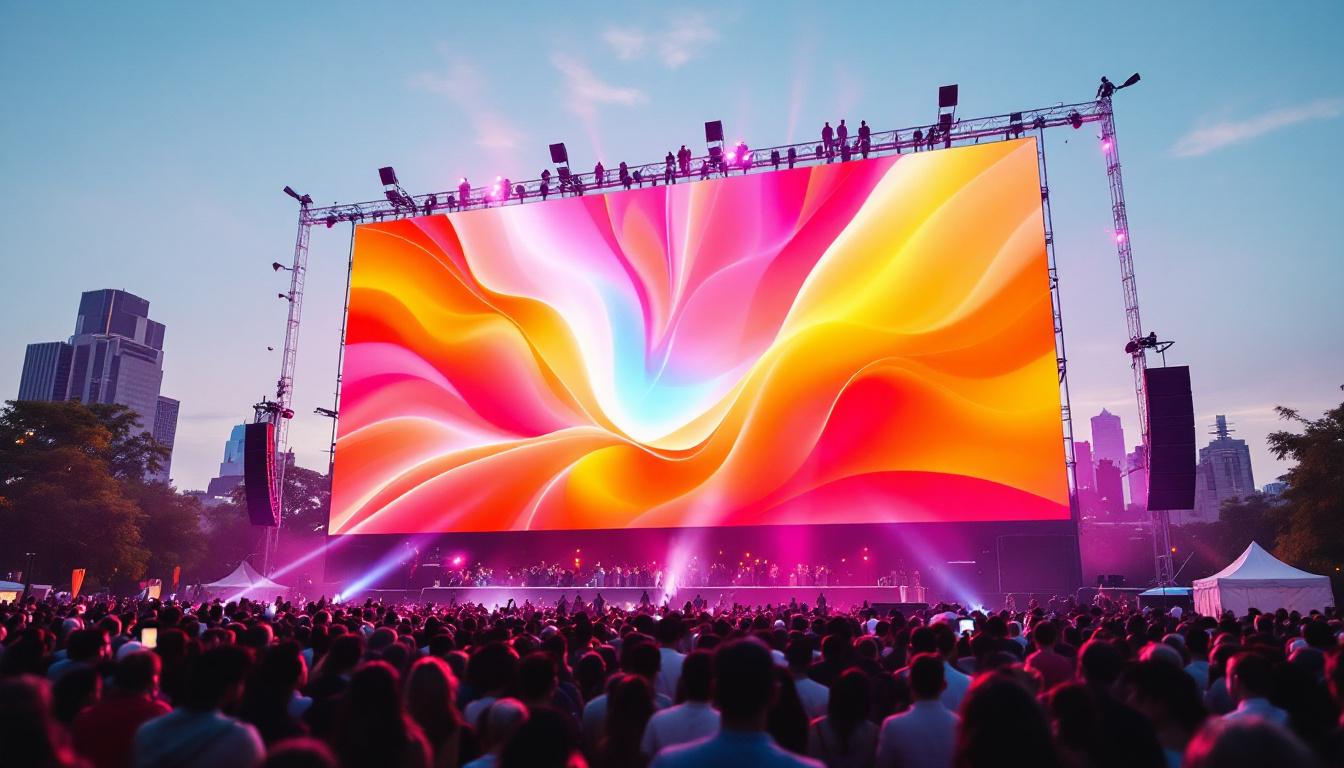
In today’s digital age, large-scale LED displays—commonly known as Jumbotrons—have become a staple at sports arenas, concerts, public events, and advertising spaces worldwide. These massive screens captivate audiences with vivid visuals and dynamic content, transforming ordinary venues into immersive experiences. But for businesses, event organizers, or municipalities considering investing in a Jumbotron, one of the first questions is: How much does a Jumbotron cost?
This article dives deep into the world of Jumbotrons, explaining what they are, how they work, and the factors that influence their price. By understanding the technology and market variables, readers can make informed decisions about whether a Jumbotron fits their needs and budget.
What Is a Jumbotron? Understanding LED Display Technology
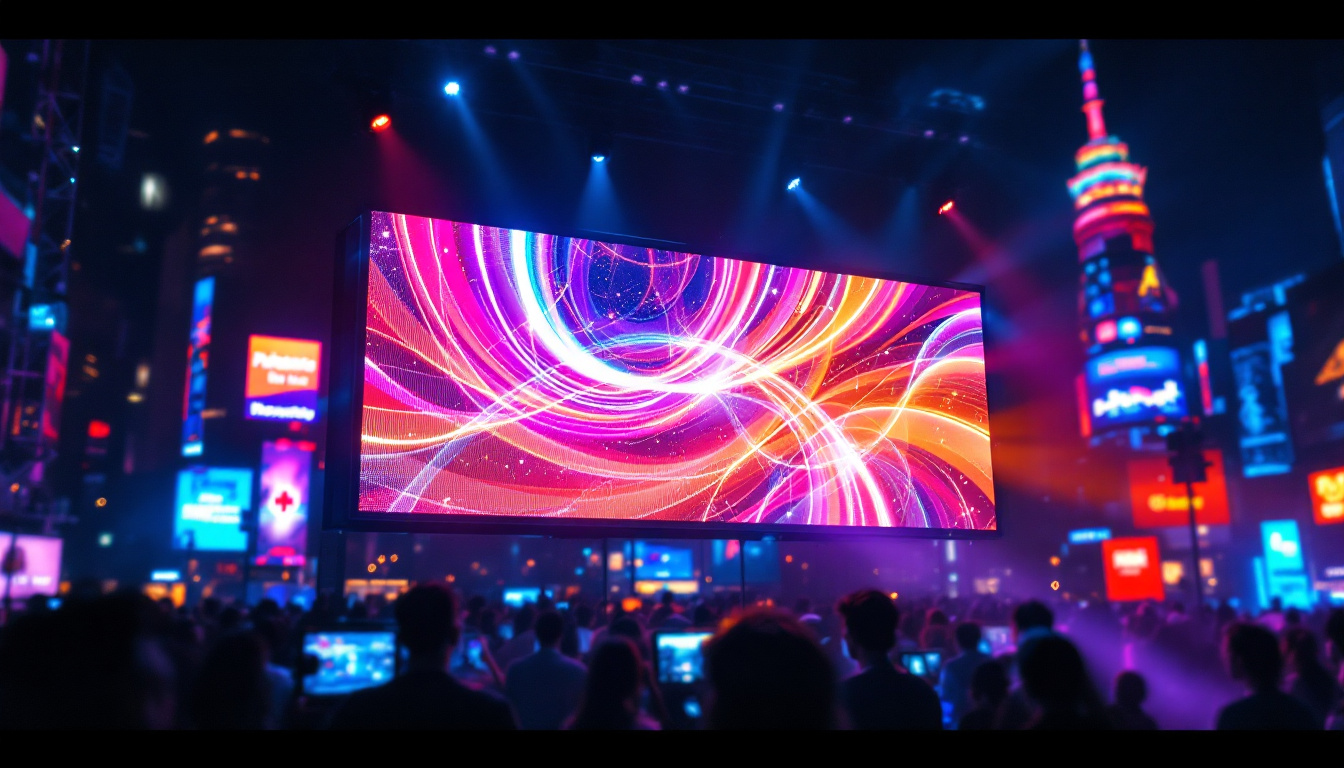
The term “Jumbotron” originally referred to a specific brand of large-screen video displays developed by Sony in the 1980s. Over time, it has become a generic term for any large-scale LED video screen used to broadcast live video, advertisements, or other multimedia content to large audiences.
Modern Jumbotrons are primarily made from LED (Light Emitting Diode) technology. Unlike older projection or LCD-based systems, LED displays offer superior brightness, contrast, and durability, making them ideal for outdoor and large venue use.
How Do LED Displays Work?
LED screens consist of thousands or even millions of tiny light-emitting diodes arranged in a grid. Each diode acts as a pixel, capable of producing a wide range of colors by combining red, green, and blue LEDs. The resolution and image quality depend on the density of these pixels, often measured as pixel pitch—the distance between the centers of two adjacent pixels.
Smaller pixel pitch means higher resolution and sharper images, but it also increases the cost. For example, a pixel pitch of 2mm is suitable for close viewing distances, while a 10mm pitch might suffice for large stadium screens viewed from far away.
Common Uses of Jumbotrons
Jumbotrons are versatile and can be found in various settings:
- Sports Stadiums: To display live game footage, replays, scores, and advertisements.
- Concerts and Festivals: To provide close-up views of performers and dynamic visual effects.
- Public Spaces: For announcements, advertisements, and community information.
- Retail and Advertising: As eye-catching digital billboards in high-traffic areas.
In addition to these common applications, Jumbotrons are increasingly being used in corporate environments for presentations and live events. Companies utilize these large displays to enhance their branding and engage audiences during conferences or product launches. The ability to showcase high-definition visuals and real-time data makes Jumbotrons an invaluable tool for creating memorable experiences that resonate with attendees.
Moreover, technological advancements have led to the development of interactive Jumbotrons, which allow viewers to engage directly with the content displayed. These screens can incorporate touch technology or be synced with mobile devices, enabling audiences to participate in polls, games, or social media interactions in real-time. This level of interactivity not only captivates viewers but also fosters a sense of community and involvement, making events more dynamic and enjoyable.
Factors Influencing the Cost of a Jumbotron
Determining the price of a Jumbotron is not straightforward because many variables come into play. The cost can range from tens of thousands to several million dollars depending on specifications and installation requirements.
1. Screen Size
The most obvious factor is the physical size of the screen, typically measured in square feet or meters. Larger screens require more LED modules and supporting infrastructure, which drives up costs. For instance, a 20-foot by 10-foot screen will be significantly less expensive than a 60-foot by 30-foot display.
However, bigger is not always better. The intended viewing distance and venue size should guide the screen dimensions to optimize both cost and visual impact. Additionally, the aspect ratio of the screen can also play a crucial role in determining the best fit for the event or venue. A wide-screen format may be ideal for cinematic presentations, while a more square format might be better suited for sports events where action occurs across the entire field of view.
2. Pixel Pitch and Resolution
Pixel pitch directly affects resolution and image clarity. High-resolution screens with small pixel pitches (e.g., 2-4mm) are ideal for venues where viewers are close to the screen, such as indoor arenas or retail environments. These displays are more costly due to the increased number of LEDs and more complex manufacturing.
Lower resolution screens with larger pixel pitches (e.g., 10-20mm) are common for outdoor stadiums or billboards where viewers are farther away. These are more affordable but less detailed. It’s also worth noting that advancements in technology are continually improving the capabilities of LED displays, allowing for better performance at various pixel pitches, thus providing more options for buyers looking to balance cost and quality.
3. Brightness and Weatherproofing
Outdoor Jumbotrons must be extremely bright—often exceeding 5,000 nits—to remain visible under direct sunlight. Achieving this level of brightness requires higher quality LEDs and advanced cooling systems, increasing costs.
Additionally, outdoor displays need to be weatherproof, with protection against rain, dust, and temperature extremes. This necessitates rugged enclosures and specialized coatings, further adding to the price. Some manufacturers even offer additional features like anti-glare coatings and enhanced UV protection to prolong the life of the display and maintain image quality, which can also contribute to the overall investment.
4. Installation and Infrastructure
The cost of the display itself is only part of the total investment. Installation expenses can be substantial, including:
- Structural support frameworks or mounting systems
- Electrical wiring and power supply setup
- Data cabling and control systems
- Permitting and compliance with local regulations
Complex or remote locations may require cranes, scaffolding, or custom engineering, all of which increase installation costs. Furthermore, the integration of the Jumbotron with existing infrastructure, such as sound systems and lighting, can add another layer of complexity and expense, necessitating skilled technicians to ensure seamless operation.
5. Content Management and Software
A Jumbotron is only as effective as the content it displays. Many providers include or offer content management systems (CMS) that allow users to schedule, update, and control the visuals remotely. Advanced software with features like real-time data integration, interactive capabilities, or multi-screen synchronization can add to the overall cost.
Moreover, the quality of the content being displayed can significantly influence viewer engagement. Investing in professional content creation services or high-quality graphics can enhance the overall experience, making it essential to consider these additional costs when budgeting for a Jumbotron project.
6. Maintenance and Operating Costs
Long-term maintenance is another consideration. LED displays require periodic servicing to replace faulty modules, clean surfaces, and update software. Power consumption can also be significant, especially for large, bright screens running many hours daily.
Some companies offer maintenance contracts or warranties that can be factored into the total cost of ownership. Additionally, it’s important to factor in the potential costs associated with downtime during maintenance, as this can impact revenue for venues that rely on the Jumbotron for advertising or event presentations. Regular maintenance not only ensures optimal performance but can also extend the lifespan of the display, making it a wise investment in the long run.
Price Ranges: How Much Does a Jumbotron Cost?
Given the variables discussed, here are some general price estimates to provide a sense of scale:
Small to Medium-Sized Indoor LED Displays
For indoor venues such as conference halls, retail stores, or small arenas, a Jumbotron might measure between 10 to 30 feet diagonally with a pixel pitch of 2-6mm. Prices typically range from:
- $30,000 to $150,000 depending on size and resolution
These displays are more affordable due to lower brightness requirements and simpler installation.
Large Outdoor Stadium Screens
Outdoor stadium Jumbotrons are massive, often exceeding 50 feet in width and 20 feet in height, with pixel pitches between 8-20mm. They require high brightness and weatherproofing, pushing prices higher:
- $500,000 to $2 million+ depending on exact size, resolution, and installation complexity
For example, a 60-foot by 30-foot LED screen with a 10mm pixel pitch might cost around $1 million, including installation.
Digital Billboards and Advertising Displays
Digital billboards in urban areas vary widely but typically fall in the range of:
- $100,000 to $500,000 for a 14-foot by 48-foot display
These displays balance size, resolution, and brightness to maximize visibility and advertising impact.
Additional Considerations When Purchasing a Jumbotron
Customization and Features
Many Jumbotron manufacturers offer customization options such as curved screens, transparent LED panels, or modular designs that can be expanded later. These features can enhance the visual experience but usually come at a premium.
Energy Efficiency
Newer LED technologies focus on reducing power consumption without sacrificing brightness. Investing in energy-efficient displays can save significant operating costs over time, especially for screens that run continuously.
Vendor Reputation and Support
Choosing a reputable manufacturer with strong customer support is crucial. Installation, calibration, and ongoing maintenance require expertise, and reliable service can prevent costly downtime.
Financing and Leasing Options
Given the high upfront costs, many organizations explore financing or leasing options. These arrangements can spread payments over time and include maintenance packages, making Jumbotrons more accessible.
Case Studies: Real-World Examples of Jumbotron Costs
Example 1: Mid-Sized Sports Arena Upgrade
A regional sports arena upgraded its main scoreboard with a 40-foot by 20-foot LED display featuring a 6mm pixel pitch. The total project cost, including installation and software, was approximately $750,000. The arena reported increased fan engagement and new advertising revenue streams within the first year.
Example 2: Outdoor Advertising Billboard
A city installed a 14-foot by 48-foot digital billboard with a 10mm pitch along a busy highway. The project cost $350,000, including permits and electrical work. The billboard quickly attracted premium advertisers, offsetting the investment within two years.
Example 3: Concert Venue Visual Upgrade
A concert hall installed a 25-foot by 15-foot indoor LED screen with a 3mm pixel pitch to enhance live performances. The cost was around $200,000, including content management software. The venue noted improved audience experience and increased bookings.
Conclusion: Is Investing in a Jumbotron Worth It?
Jumbotrons are powerful tools for communication, entertainment, and advertising, capable of transforming spaces and engaging audiences like few other mediums. However, they represent a significant investment that requires careful planning and budgeting.
Understanding the factors that influence cost—from size and resolution to installation and maintenance—helps stakeholders make informed choices aligned with their goals. Whether for a sports stadium, concert venue, or advertising campaign, selecting the right Jumbotron involves balancing quality, functionality, and price.
For organizations considering a Jumbotron purchase, consulting with experienced LED display providers and conducting a thorough cost-benefit analysis is essential. With the right approach, a Jumbotron can deliver long-term value and elevate any event or venue to new heights.
Discover LumenMatrix’s Innovative LED Solutions
Ready to take your visual engagement to the next level? Explore LumenMatrix’s comprehensive range of LED display solutions, tailored to meet the diverse needs of any space or event. From vibrant Indoor and Outdoor LED Wall Displays to dynamic Vehicle and Sports LED Displays, our cutting-edge technology is designed to captivate your audience and amplify your message. Experience the future of visual communication with LumenMatrix and transform your venue into an unforgettable spectacle. Check out LumenMatrix LED Display Solutions today and see the difference innovation can make.