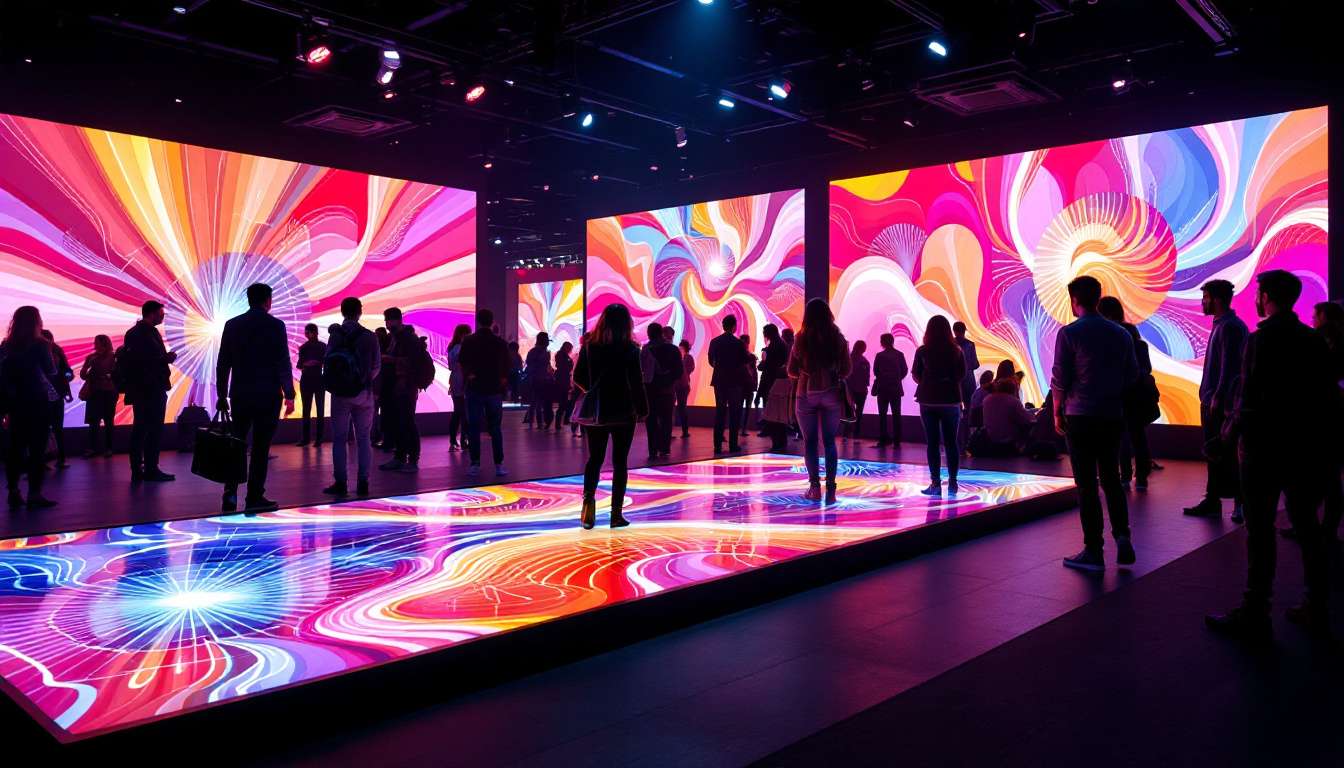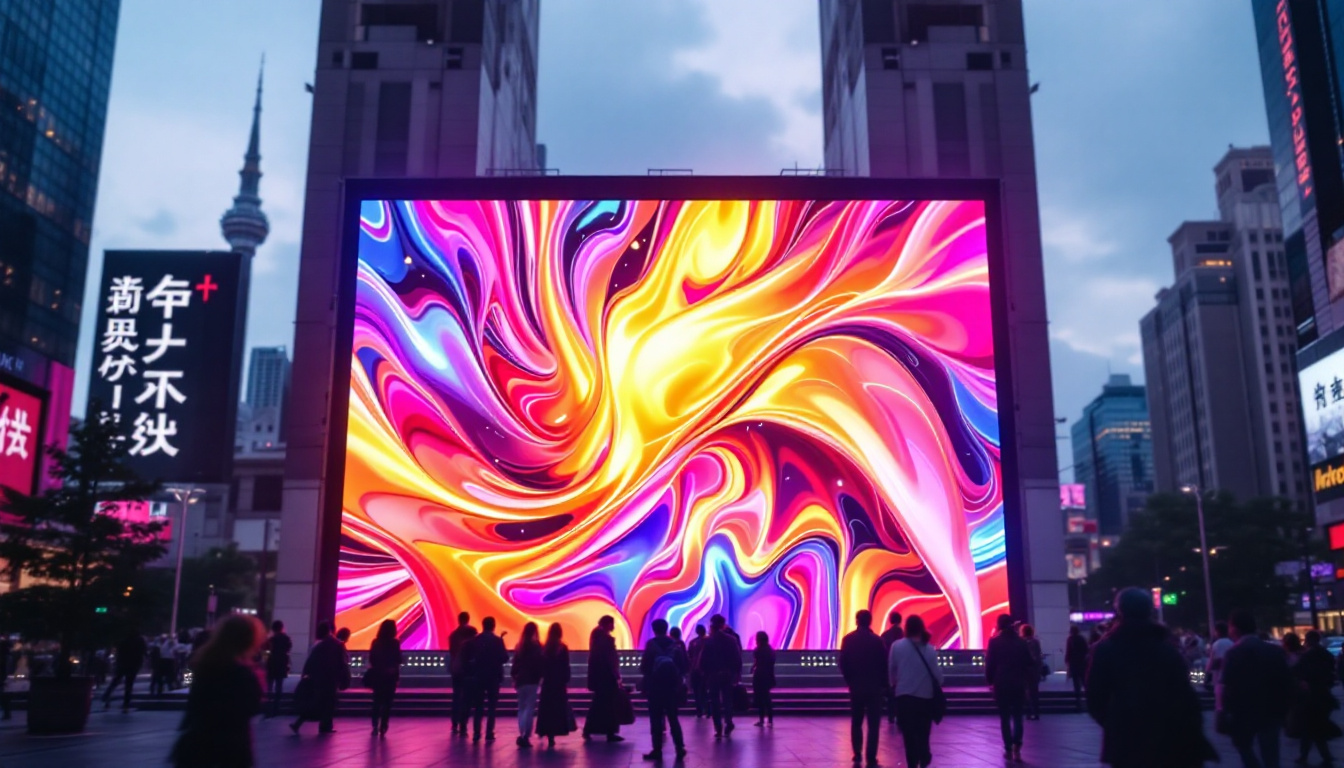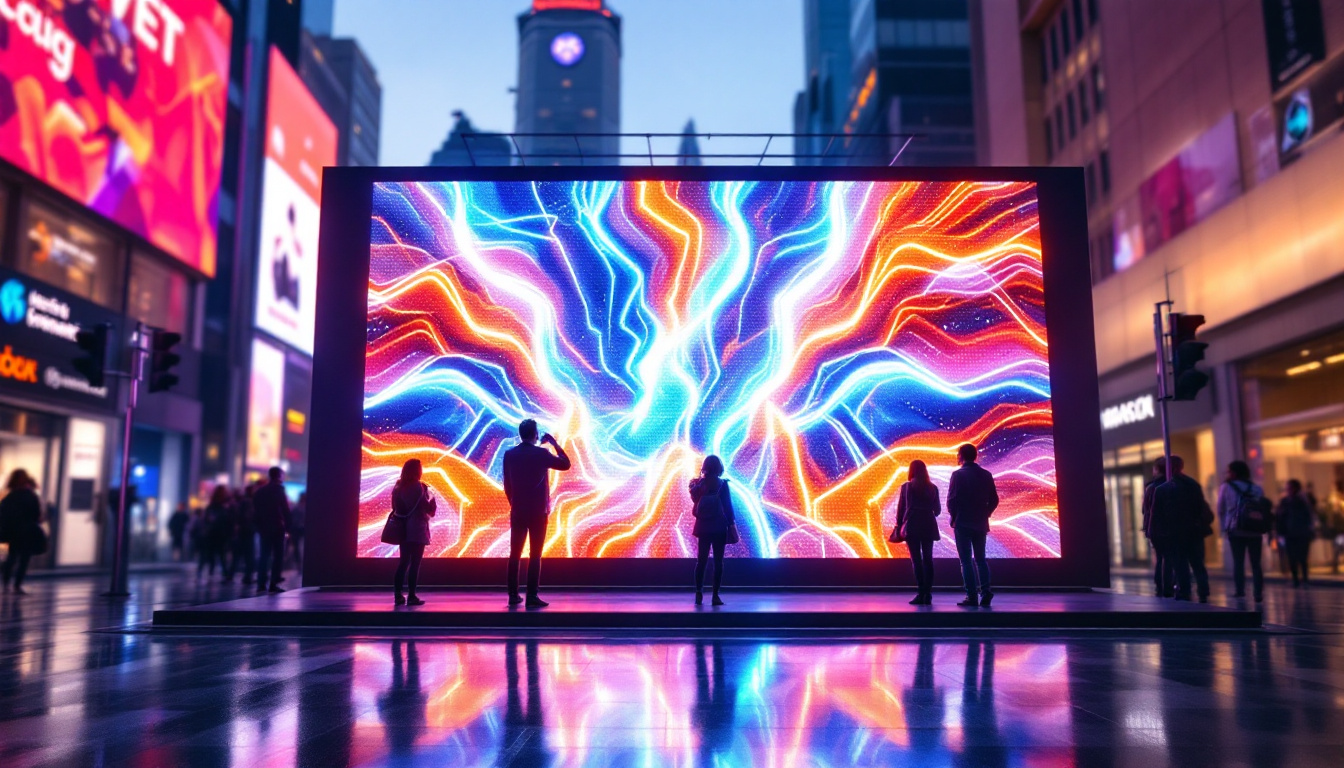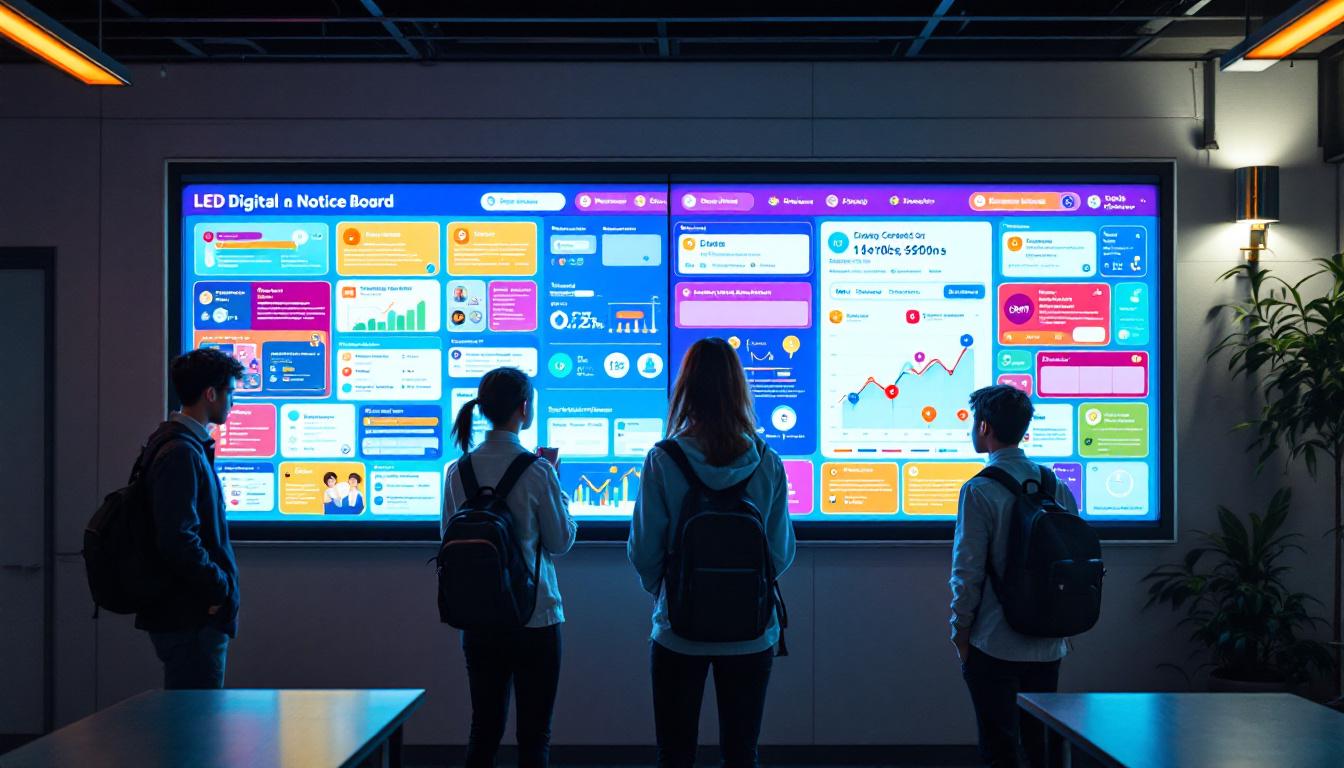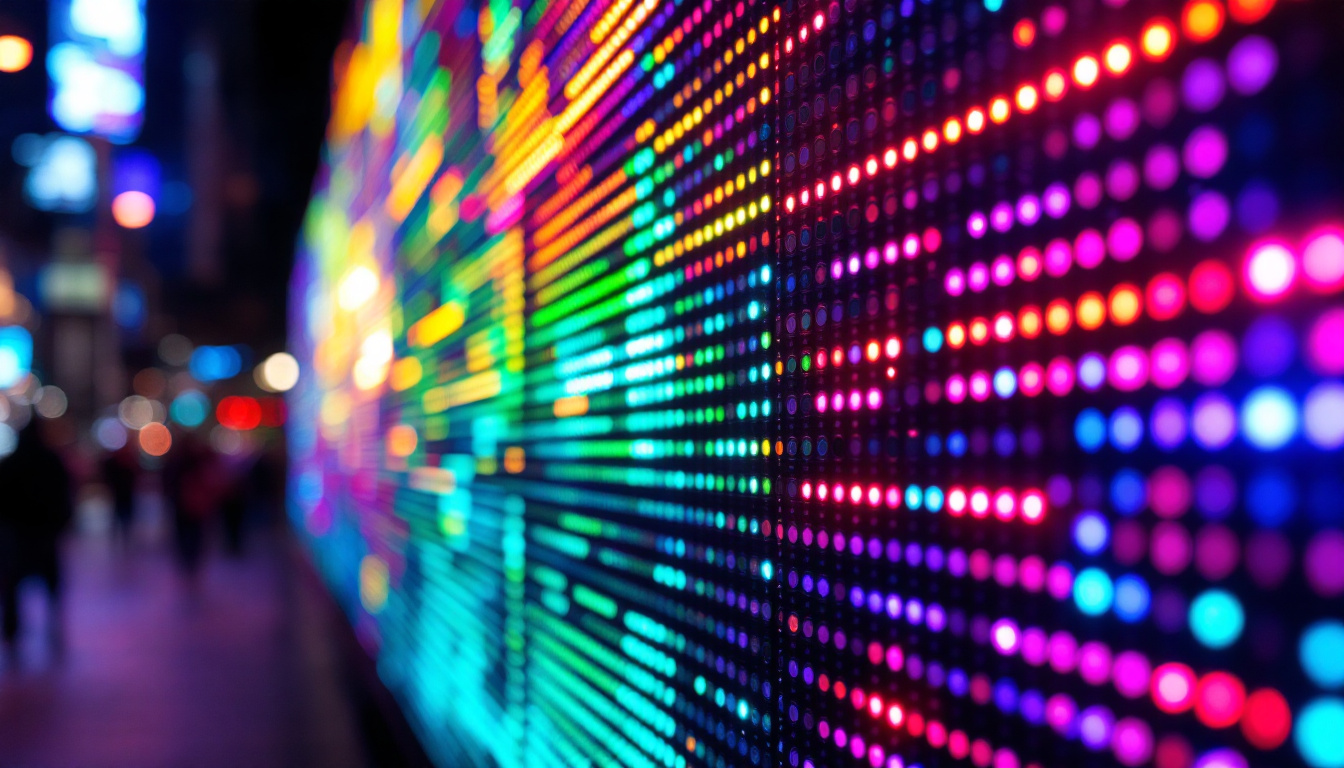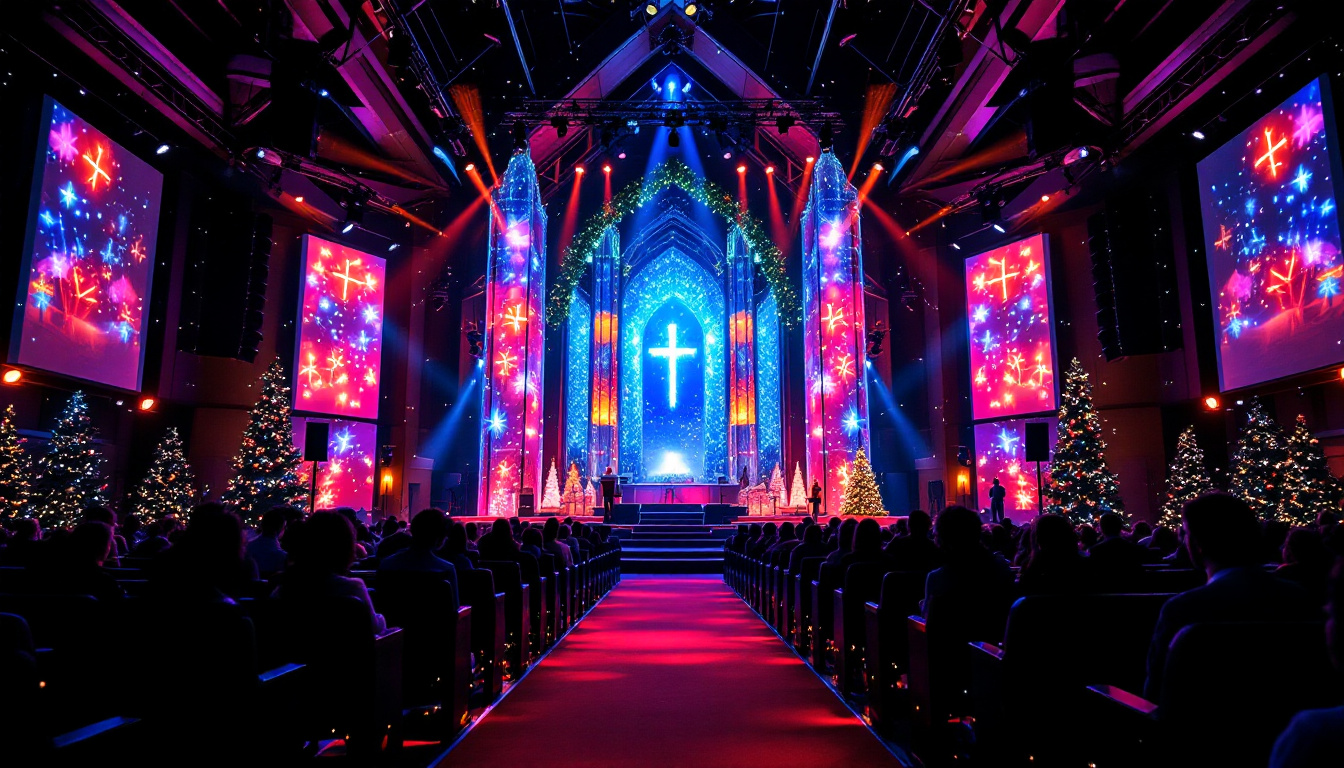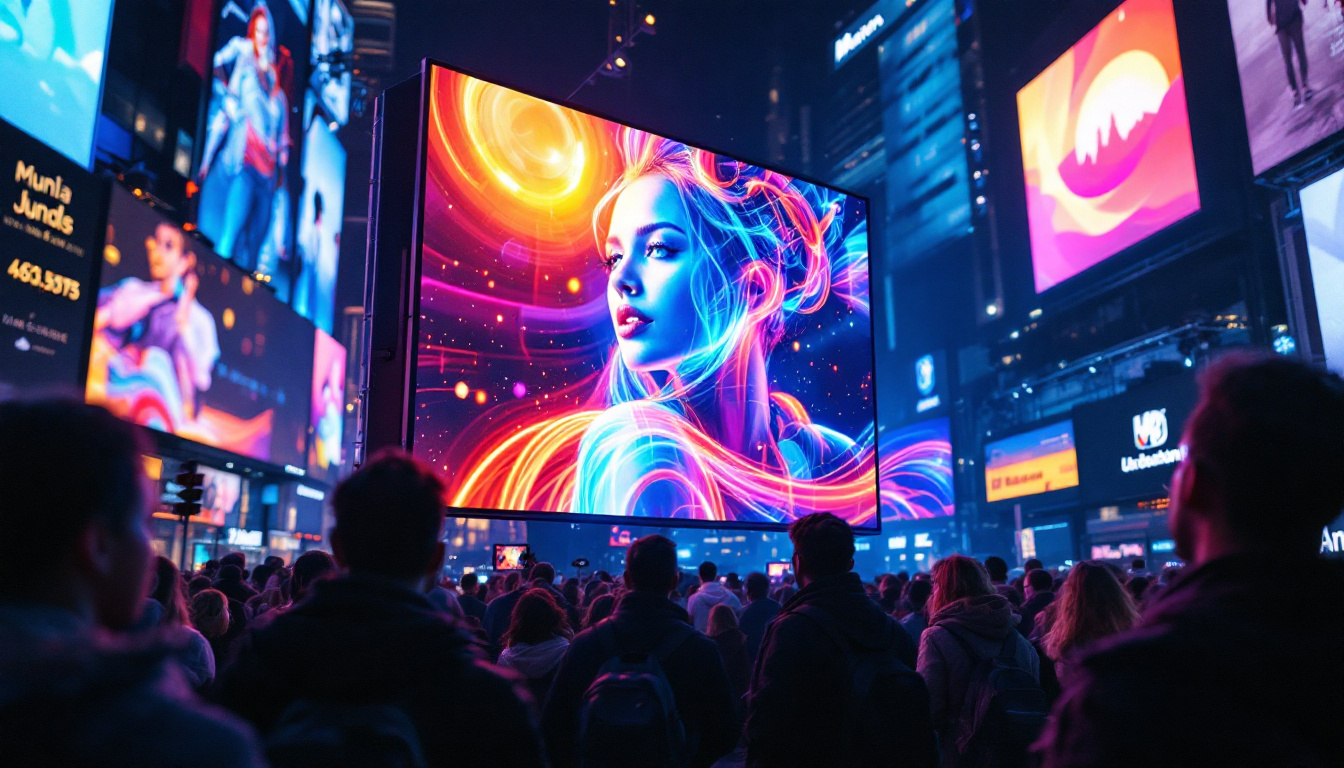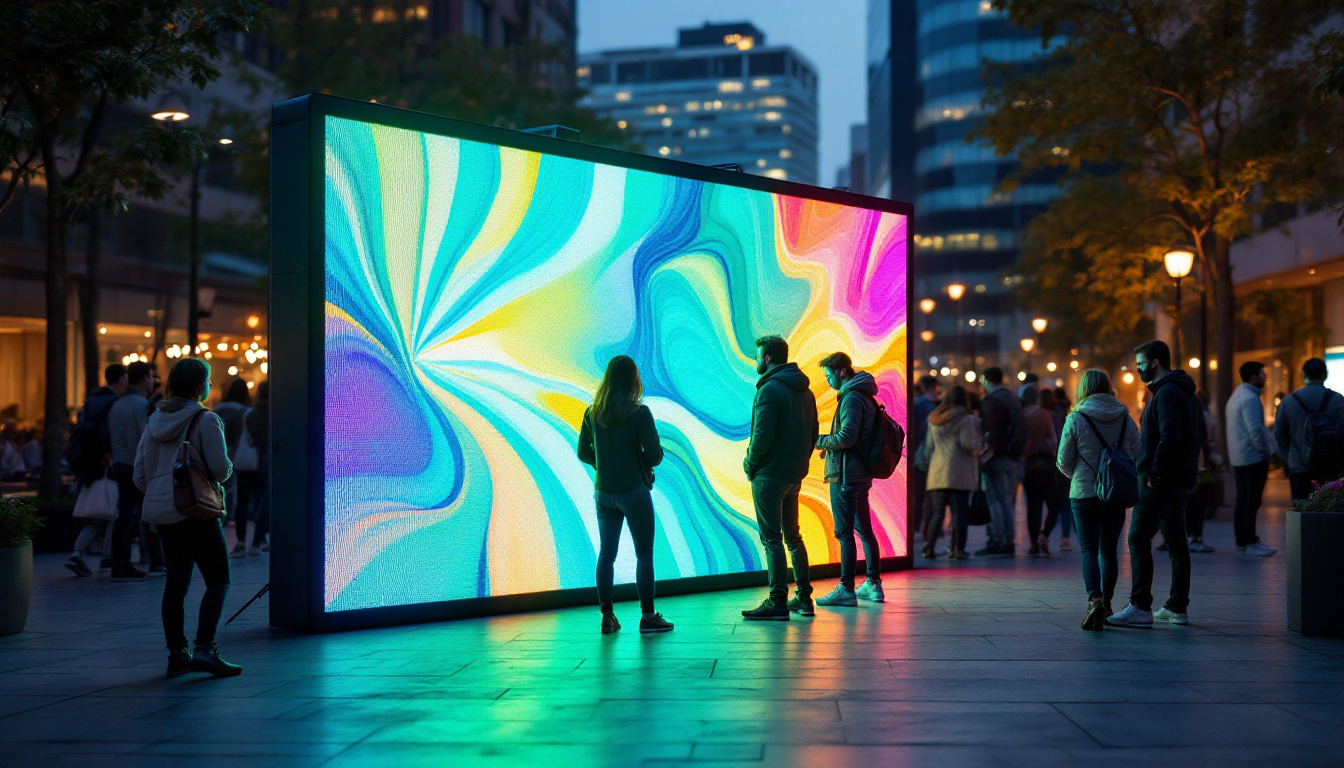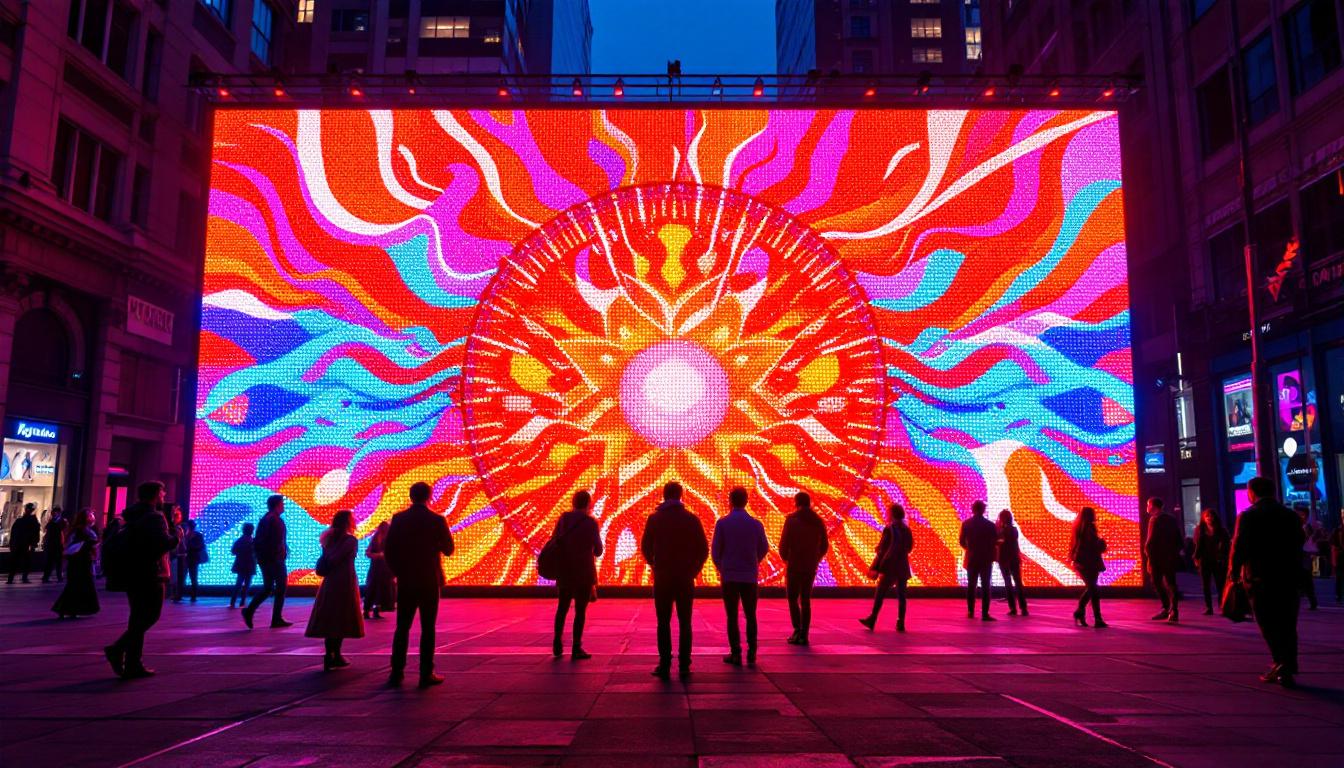
In today’s visually-driven world, video walls have become a powerful tool for communication, advertising, and immersive experiences. From bustling retail stores and corporate lobbies to control rooms and sports arenas, LED video walls captivate audiences with their vibrant, large-scale displays. But building a video wall is more than just assembling screens; it requires careful planning, technical knowledge, and an understanding of LED technology.
This comprehensive guide will walk you through the essentials of building a video wall, focusing on LED displays—the most popular and versatile option on the market. Whether you’re a business owner, AV professional, or technology enthusiast, this article will equip you with the knowledge to design, select, and install a video wall that meets your needs.
Understanding LED Video Walls: Technology and Benefits
What Is an LED Video Wall?
An LED video wall is a large display made up of multiple LED panels tiled together to form one seamless screen. Unlike traditional LCD video walls, which use backlit liquid crystal displays, LED walls utilize light-emitting diodes (LEDs) as their light source. This fundamental difference offers several advantages in brightness, color accuracy, and scalability.
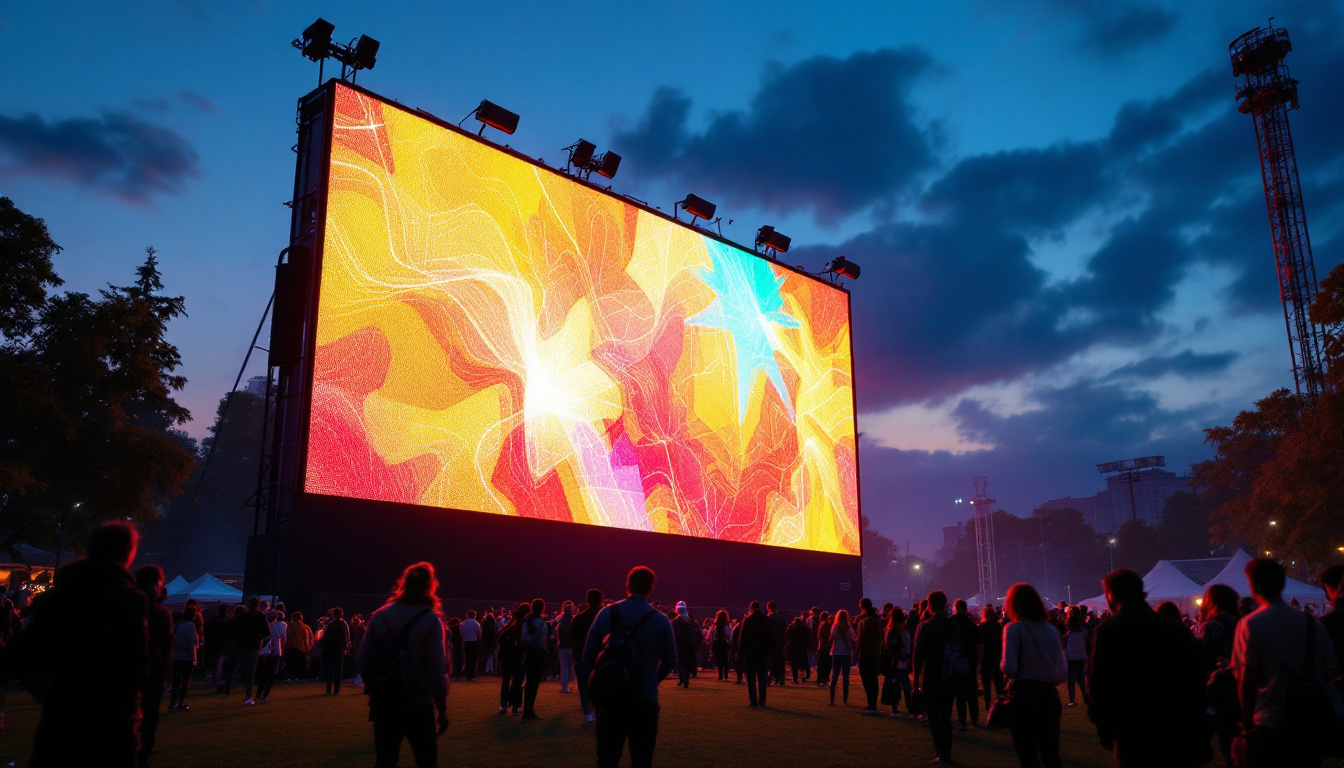
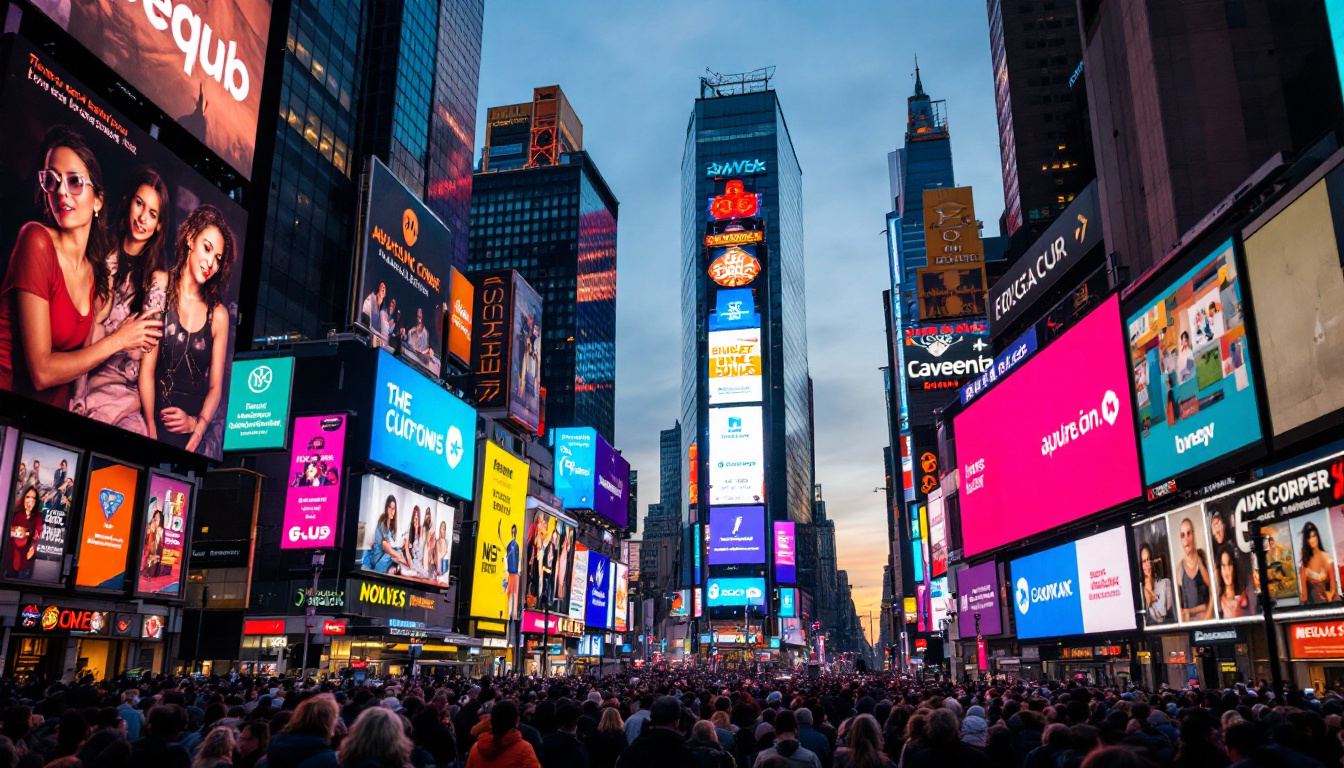
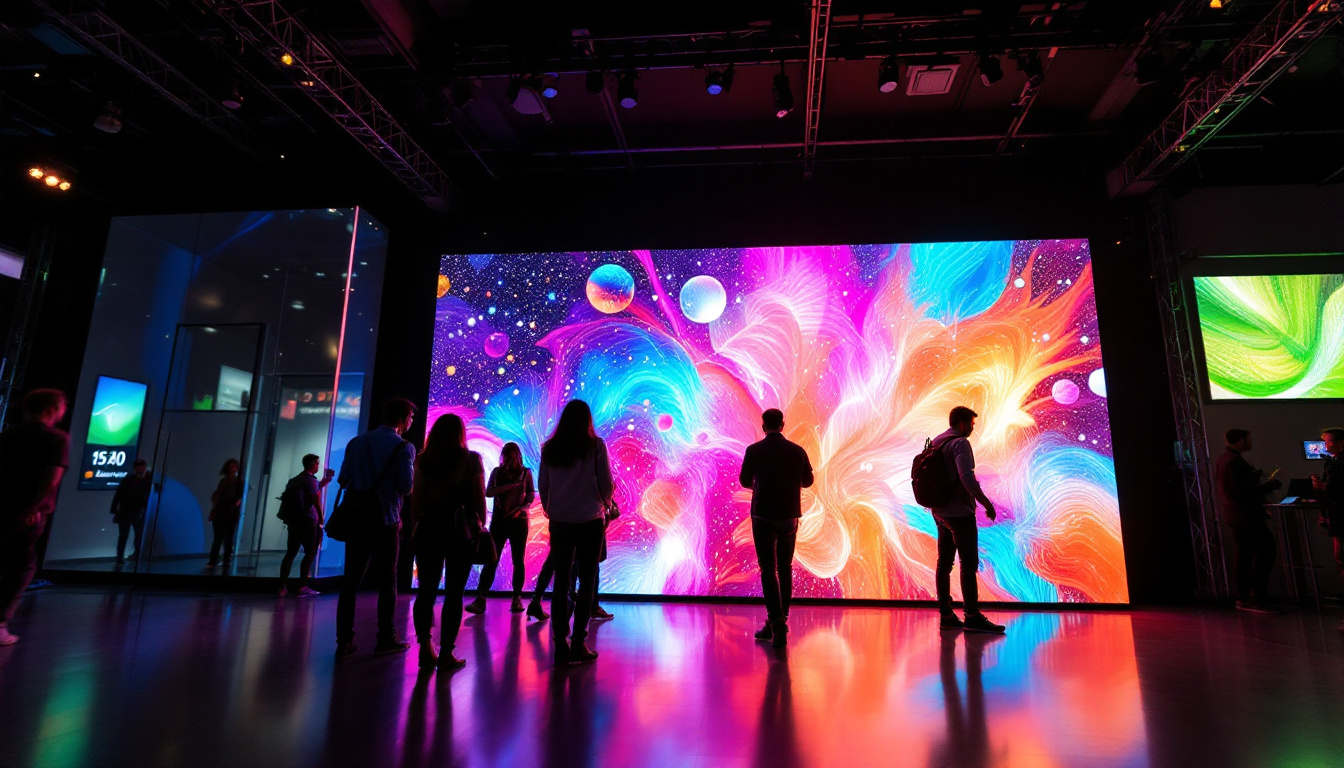
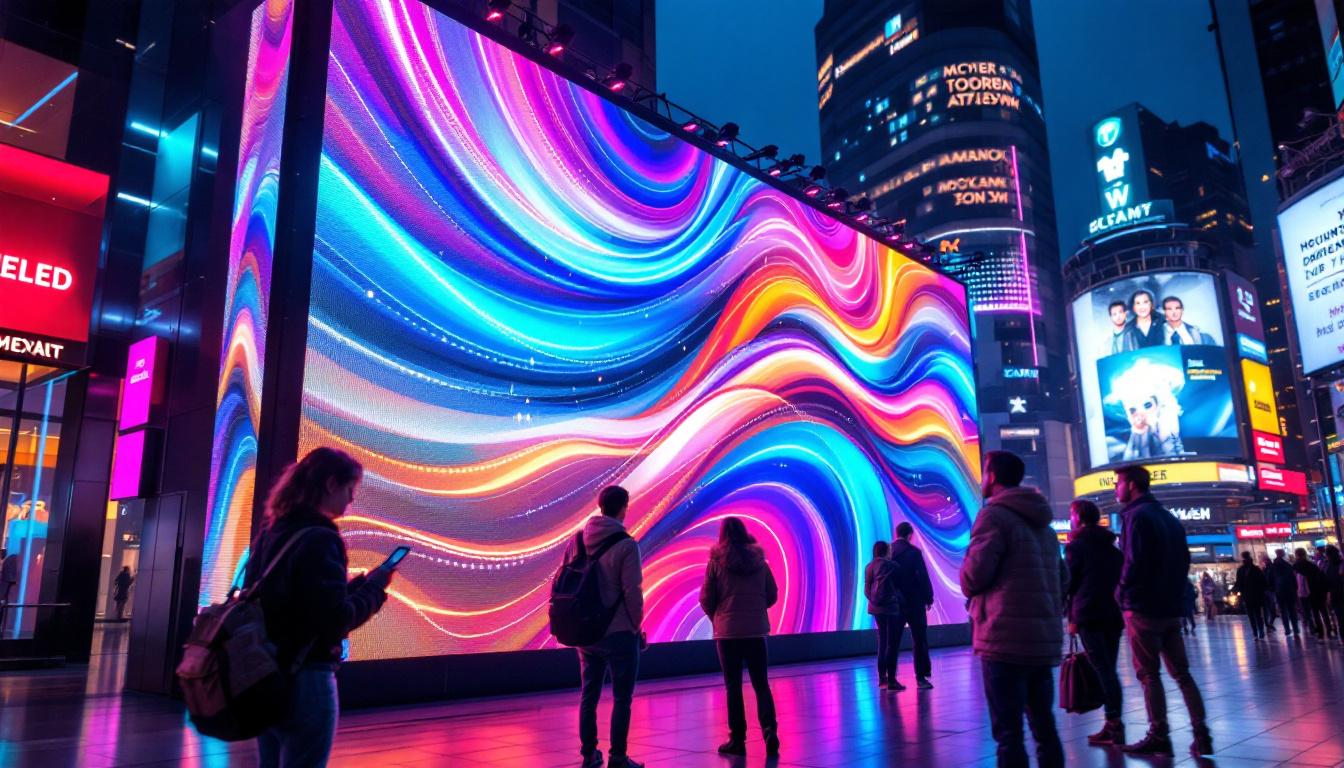
LED video walls can range from small indoor installations to massive outdoor displays spanning hundreds of square meters. They are commonly used for digital signage, live event backdrops, command centers, and more. The versatility of LED video walls allows them to be adapted for various applications, from corporate presentations and advertising to artistic installations and immersive environments. As technology continues to evolve, these displays are becoming increasingly sophisticated, incorporating features like high dynamic range (HDR) and advanced processing capabilities that enhance the viewing experience.
Key Advantages of LED Displays
LED technology offers several benefits that make video walls highly effective:
- Brightness and Visibility: LEDs provide superior brightness levels, often exceeding 1,000 nits indoors and up to 5,000 nits or more outdoors, ensuring visibility even in direct sunlight.
- Color Accuracy and Contrast: LED panels deliver vibrant colors and deep blacks, resulting in high contrast ratios and lifelike images.
- Scalability and Flexibility: LED modules can be configured in virtually any size or shape, allowing for custom video wall designs.
- Durability and Longevity: LEDs have a long lifespan (typically 50,000 to 100,000 hours) and are resistant to burn-in, unlike some other display technologies.
- Energy Efficiency: Modern LED panels consume less power compared to older display types, reducing operational costs.
These advantages make LED video walls a preferred choice in environments demanding high performance and reliability. Moreover, the modular nature of LED panels allows for easy maintenance and upgrades, ensuring that the display can evolve with changing technological standards or user needs. This adaptability is particularly beneficial for businesses that require frequent content updates or those that wish to repurpose their installations for different events. Additionally, the integration of smart technology into LED video walls enables features such as remote monitoring and control, further enhancing their functionality and user experience.
Planning Your Video Wall: Key Considerations
Define the Purpose and Location
Before diving into technical specifications, clearly define the purpose of your video wall. Is it for advertising, information display, entertainment, or control room monitoring? The intended use will influence size, resolution, and content requirements.
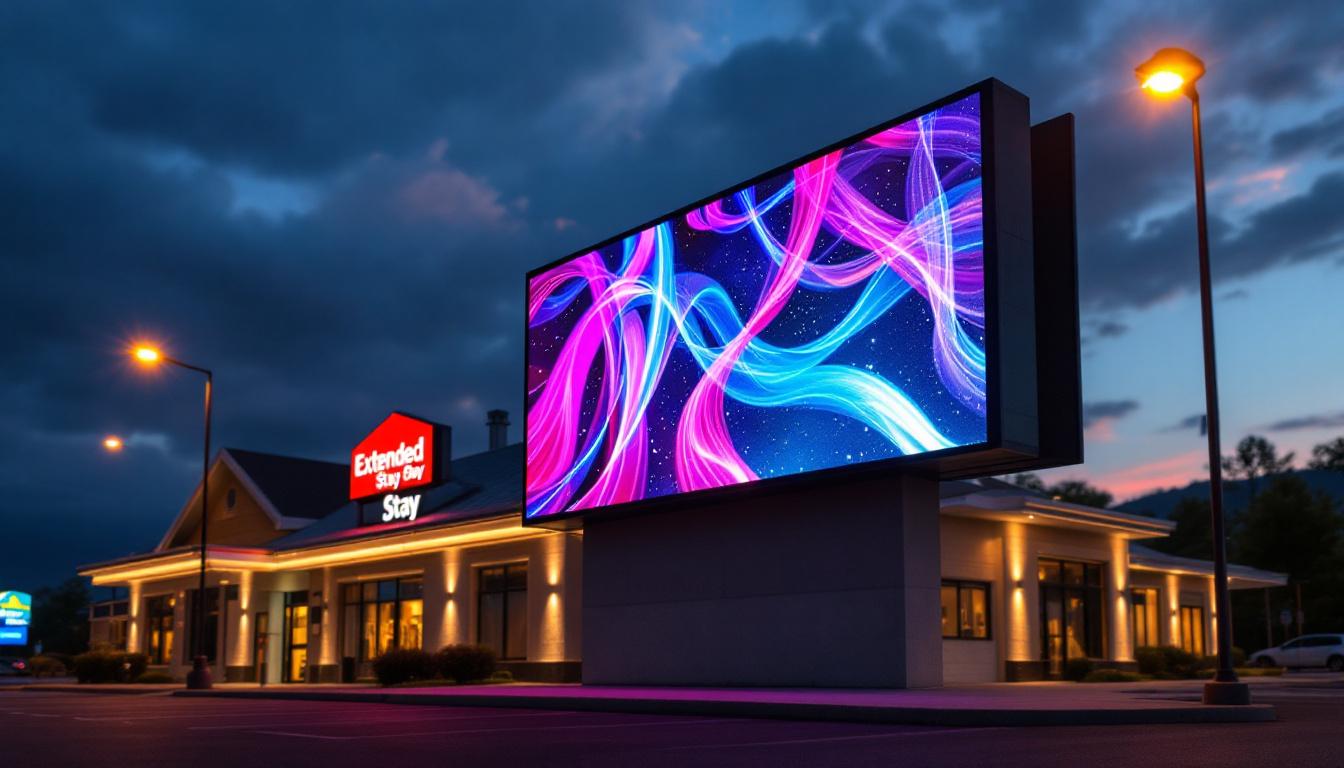
Location is equally critical. Indoor video walls differ significantly from outdoor ones in terms of brightness, weatherproofing, and viewing distance. For example, a retail store might require a high-resolution, close-viewing indoor LED wall, whereas a stadium display demands ultra-bright, weather-resistant panels visible from hundreds of meters away.
Determine Viewing Distance and Resolution
Viewing distance directly impacts the pixel pitch—the distance between individual LEDs on a panel. The general rule is that pixel pitch should be small enough to ensure images appear sharp at the closest expected viewing distance.
For instance, a pixel pitch of 1.5mm to 2.5mm is suitable for indoor video walls viewed from 1 to 3 meters, while outdoor walls visible from 10 meters or more might use pixel pitches of 6mm to 10mm or greater. Smaller pixel pitch means higher resolution but also higher cost.
Calculate Size and Aspect Ratio
Video walls come in various sizes and aspect ratios. The total size is determined by the number of LED modules tiled horizontally and vertically. Common aspect ratios include 16:9 (widescreen), 4:3, or custom ratios based on content needs.
Consider the physical space available and the desired impact. Larger walls create more visual impact but require more investment and infrastructure support.
Budgeting and ROI
Building an LED video wall is a significant investment. Costs include LED panels, mounting hardware, control systems, installation labor, and ongoing maintenance. Prices vary widely depending on pixel pitch, size, and additional features like curved panels or interactive capabilities.
While upfront costs can be high, the return on investment (ROI) often comes from increased customer engagement, enhanced brand visibility, or improved operational efficiency. Careful budgeting and clear objectives will help justify the expenditure.
Choosing the Right LED Panels and Components
Types of LED Modules
LED modules are the building blocks of a video wall. They consist of an array of LEDs mounted on a circuit board, enclosed in a protective casing. Modules vary by pixel pitch, brightness, refresh rate, and color calibration.
There are two main types of LEDs used in video walls:
- SMD (Surface-Mounted Device) LEDs: These are small LEDs mounted directly on the module surface, offering high resolution and wide viewing angles. SMD is the standard for indoor and fine-pitch video walls.
- DIP (Dual In-line Package) LEDs: These are larger LEDs used primarily in outdoor video walls due to their high brightness and durability, though they have lower resolution compared to SMD.
Panel Size and Weight
LED panels come in standard sizes, often 500mm x 500mm or 640mm x 640mm, but custom sizes are also available. The weight of each panel affects mounting solutions and structural requirements. Lighter panels are easier to install and reduce strain on supporting structures.
Refresh Rate and Color Depth
Refresh rate, measured in Hertz (Hz), indicates how often the image updates per second. Higher refresh rates (above 3,000 Hz) are crucial for smooth video playback and reduce flickering, especially important for broadcast and live event applications.
Color depth affects the range of colors a panel can display. Most modern LED panels support 16-bit color depth or higher, enabling millions of colors and smooth gradients.
Control Systems and Processors
The control system manages the video wall’s content, ensuring synchronization across all panels. Video processors handle input signals, scaling, and image correction. Advanced processors support multiple inputs, 4K or higher resolutions, and real-time content management.
Choosing a reliable control system is vital for seamless operation and ease of use.
Installation and Calibration: Bringing Your Video Wall to Life
Mounting and Structural Support
Proper mounting is essential for safety and visual quality. Video walls can be mounted on walls, suspended from ceilings, or built as freestanding structures. The mounting system must support the combined weight of all panels and allow for fine adjustments to align modules perfectly.
Professional installation teams typically use laser leveling tools and specialized rigs to ensure precision.
Electrical and Data Cabling
LED video walls require power and data connections for each panel. Power distribution must be planned to avoid overloads and ensure consistent voltage. Data cabling, often using Ethernet or proprietary connections, must be neatly organized to maintain signal integrity and ease maintenance.
Calibration and Testing
Once installed, the video wall undergoes calibration to balance brightness, color, and uniformity across all modules. Calibration tools and software measure color temperature, gamma, and luminance to create a consistent, high-quality image.
Testing includes checking for dead pixels, synchronization issues, and ensuring the control system operates correctly with the content sources.
Maintaining and Upgrading Your Video Wall
Routine Maintenance
Regular maintenance prolongs the life of your LED video wall. This includes cleaning panels to remove dust and grime, inspecting cables and connections, and monitoring software updates for control systems.
Many LED panels are designed for front or rear serviceability, allowing technicians to replace modules without dismantling the entire wall.
Troubleshooting Common Issues
Common issues include dead or stuck pixels, color inconsistencies, flickering, and synchronization problems. Most can be resolved through recalibration, firmware updates, or module replacement.
Future-Proofing and Upgrades
Technology evolves quickly, and video walls can become outdated. Planning for modular upgrades, such as swapping out panels for higher resolution or adding interactive touch capabilities, can extend the usefulness of your investment.
Choosing open-standard control systems and scalable hardware facilitates easier upgrades.
Case Studies: Successful LED Video Wall Implementations
Retail Environment: Enhancing Customer Engagement
A global retail brand installed a 4K resolution LED video wall in their flagship store to showcase dynamic advertisements and interactive product demos. The wall’s brightness and color accuracy attracted more foot traffic and increased dwell time, resulting in a 20% boost in sales during the first quarter post-installation.
Control Room: Improving Operational Efficiency
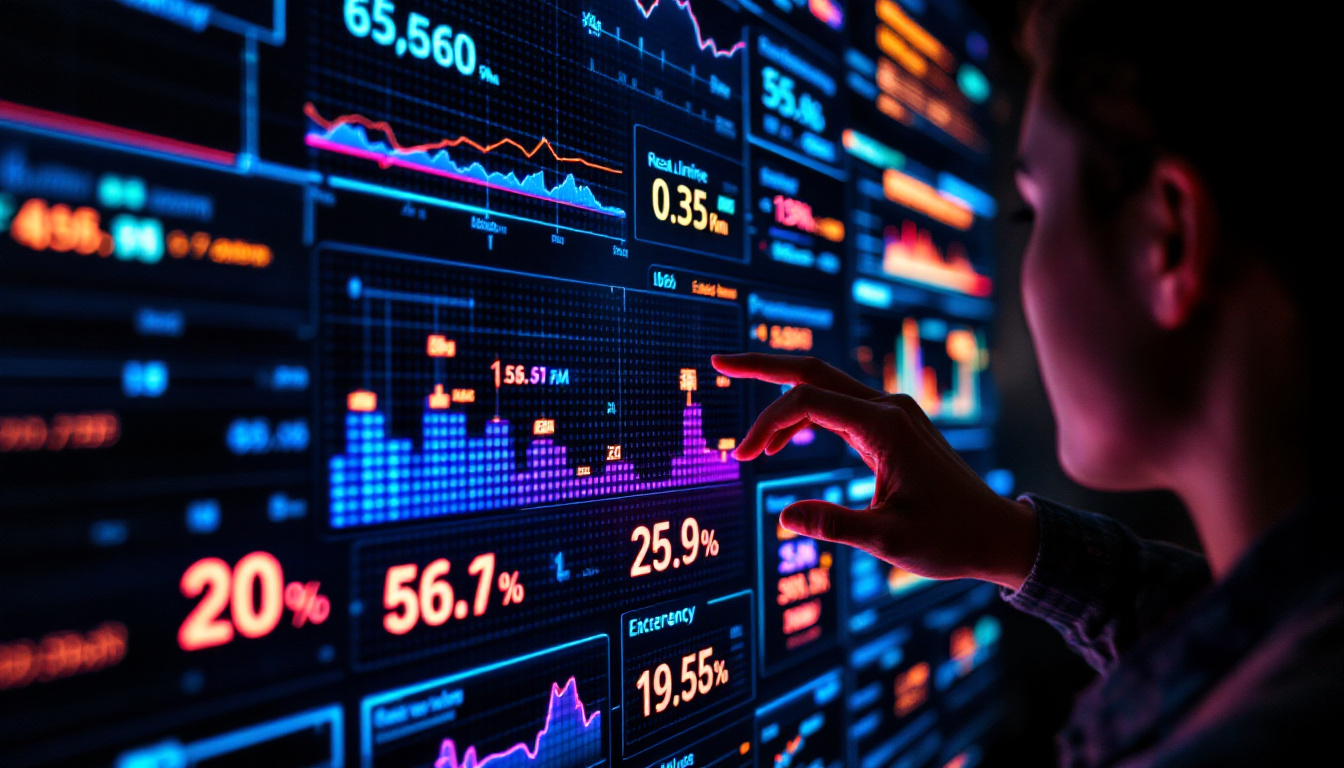
A transportation authority deployed a large LED video wall in their control center, displaying real-time traffic data, surveillance feeds, and weather updates. The high refresh rate and seamless image quality enabled operators to make faster, more informed decisions, reducing incident response times by 15%.
Entertainment Venue: Creating Immersive Experiences
A concert arena utilized a curved LED video wall as a stage backdrop, delivering stunning visuals synchronized with live performances. The modular design allowed quick setup and teardown, supporting multiple events per week and enhancing audience engagement.
Conclusion
Building an LED video wall is a multifaceted project that blends technology, design, and strategic planning. Understanding the capabilities and limitations of LED technology, carefully defining your goals, and selecting the right components are critical steps toward a successful installation.
With proper installation, calibration, and maintenance, LED video walls can deliver vibrant, impactful visuals that transform spaces and captivate audiences. Whether for advertising, control rooms, or entertainment, investing in a well-designed LED video wall can yield significant returns and elevate your visual communication to the next level.
Discover LumenMatrix LED Display Solutions
Ready to take the next step in building your custom LED video wall? Explore LumenMatrix’s innovative LED display technology and find the perfect solution to meet your needs. Whether you’re looking to enhance brand visibility, create captivating visual experiences, or revolutionize your visual communication, LumenMatrix has a diverse range of products including Indoor, Outdoor, Vehicle, Poster, Sports, Floor, Custom, All-in-One, and Transparent LED Displays. Check out LumenMatrix LED Display Solutions today and start creating impactful and engaging displays that truly stand out.