In today’s digital landscape, vertical video has become a dominant format, especially with the rise of mobile-first content consumption. From social media platforms like Instagram Stories and TikTok to digital advertising and live events, vertical video offers a unique way to engage audiences. However, when it comes to displaying vertical video on LED screens — commonly used in advertising, concerts, and public spaces — the process requires careful planning and technical understanding.
This article explores how to create vertical video optimized for LED displays, explaining the technical considerations, best practices, and the evolving role of LED technology in vertical content presentation.
Understanding Vertical Video and Its Growing Popularity
Vertical video is any video recorded or displayed in a portrait orientation, typically with an aspect ratio of 9:16. This contrasts with traditional horizontal (landscape) video, which usually has a 16:9 aspect ratio. The shift toward vertical video has been driven primarily by smartphone usage, as users naturally hold their devices upright.
Statistics from recent years highlight this trend: over 70% of all video content consumed on mobile devices is viewed vertically. Platforms like TikTok, Instagram Reels, and Snapchat have capitalized on this, making vertical video the preferred format for short-form, engaging content. Marketers and content creators have followed suit, adapting their strategies to fit vertical screens.
Despite its popularity on mobile, vertical video presents unique challenges when displayed on large LED screens, which have traditionally been designed for horizontal content. Understanding these challenges is essential for anyone looking to leverage vertical video on LED displays effectively.
What Is an LED Display and How Does It Work?
LED (Light Emitting Diode) displays are large screens made up of thousands of tiny LEDs that emit light when an electric current passes through them. These displays are widely used for outdoor advertising, concerts, sports arenas, and public information boards due to their brightness, durability, and scalability.
LED displays can be configured in various sizes and shapes, including custom dimensions that accommodate vertical or square formats. The modular nature of LED panels allows for flexible design, but the content must be formatted correctly to match the physical layout of the screen.
Each LED module typically consists of red, green, and blue diodes that combine to create full-color images and videos. The resolution of an LED screen depends on the pixel pitch—the distance between each LED cluster—with smaller pitches providing higher resolution and better image clarity.
LED Screens and Aspect Ratios
Most traditional LED displays are designed with a horizontal orientation and aspect ratios such as 16:9 or 4:3. However, with the increasing demand for vertical content, manufacturers now offer LED panels that can be rotated or arranged vertically to create tall, narrow screens.
When planning vertical video content for LED displays, it’s crucial to know the exact resolution and aspect ratio of the screen. For example, a vertical LED screen might have a resolution of 1080 x 1920 pixels, the inverse of a common horizontal HD screen. Content must be created or adapted to these dimensions to avoid distortion or black bars.
How to Create Vertical Video for LED Displays
Creating vertical video for LED displays involves a combination of technical preparation and creative adaptation. The goal is to ensure the video looks crisp, vibrant, and engaging while fitting perfectly within the vertical screen’s dimensions.
Step 1: Know Your Display Specifications
Before starting production, gather detailed information about the LED screen:
- Resolution: The pixel dimensions of the display (e.g., 1080 x 1920 pixels).
- Pixel Pitch: The distance between pixels, which affects image sharpness.
- Aspect Ratio: The width-to-height ratio of the screen.
- Brightness and Color Calibration: Important for ensuring your video looks good under different lighting conditions.
Understanding these specs ensures the video is created at the correct resolution and aspect ratio, preventing quality loss or display issues.
Step 2: Shoot or Format Video in Vertical Orientation
If filming new content, use a camera or smartphone set to portrait mode. Many professional cameras now support vertical video capture natively. Ensure that framing and composition take advantage of the vertical space, focusing on subjects that benefit from a taller frame.
For existing horizontal footage, video editing software can crop and reposition the content to fit vertical dimensions, but this often results in loss of important visual information. Whenever possible, create content specifically for vertical display.
Step 3: Edit and Export for LED Display
Use professional video editing tools such as Adobe Premiere Pro, Final Cut Pro, or DaVinci Resolve to edit your vertical video. Set your project settings to match the LED screen’s resolution and aspect ratio from the start.
When exporting, choose high-quality codecs like H.264 or H.265 to balance file size and image quality. Additionally, consider the playback system’s compatibility and requirements—some LED processors may require specific file formats or encoding settings.
Step 4: Optimize for Brightness and Contrast
LED displays are extremely bright, often exceeding 1,000 nits, which can wash out poorly optimized video. Adjust brightness, contrast, and color grading to ensure your video looks vibrant on the LED screen without appearing overexposed.
Test your video on similar LED hardware or use simulation software to preview how it will appear in real-world conditions.
Technical Considerations for Vertical Video on LED Displays
Displaying vertical video on LED screens involves more than just creating the right content. Several technical factors influence the final output quality and viewer experience.
LED Controller and Media Player Compatibility
The LED controller and media player are responsible for decoding and sending video signals to the LED panels. Not all controllers support vertical orientation natively, so it’s important to verify that your playback hardware can handle vertical resolutions and aspect ratios.
Some LED processors allow rotation of the video signal, which can simplify content preparation. However, this may introduce latency or reduce image quality, so native vertical playback is preferable when possible.
Screen Orientation and Physical Setup
Physically rotating LED panels to create a vertical display is common but requires careful installation. Cabling, mounting, and cooling systems must accommodate the vertical layout. Additionally, the viewing distance and angle should be considered to maximize impact.
For example, a vertical LED screen used in a retail window needs to be tall enough to catch attention but not so narrow that it limits content creativity.
Resolution and Pixel Density
Higher resolution and smaller pixel pitch provide sharper images, which is especially important for vertical video that often features detailed text or graphics. However, higher resolution LED screens are more expensive and require more powerful processing hardware.
Balancing cost and quality is key, especially for long-term installations or campaigns.
Creative Strategies for Vertical Video on LED Displays
Beyond the technical aspects, creative approaches can enhance the effectiveness of vertical video on LED screens.
Leverage the Vertical Space
Vertical video offers a unique canvas that can highlight tall subjects, such as people, buildings, or products. Use this space to tell stories that unfold from top to bottom or to create immersive experiences that guide the viewer’s eye vertically.
For example, fashion brands have used vertical LED displays to showcase models walking down a virtual runway, emphasizing height and movement.
Incorporate Dynamic Motion and Transitions
Vertical video on LED screens benefits from dynamic motion graphics and smooth transitions that keep viewers engaged. Use animation techniques that take advantage of vertical scrolling, sliding, or revealing effects.
These effects can create a sense of depth and movement that is visually captivating on large LED surfaces.
Use Bold Typography and Clear Messaging
Text on vertical LED screens should be large, bold, and easy to read from a distance. Avoid clutter and keep messaging concise to ensure maximum impact.
High contrast between text and background improves readability, especially in outdoor or brightly lit environments.
Case Studies: Successful Vertical Video LED Displays
Several brands and events have successfully integrated vertical video with LED displays, demonstrating the format’s potential.
Times Square Digital Billboards
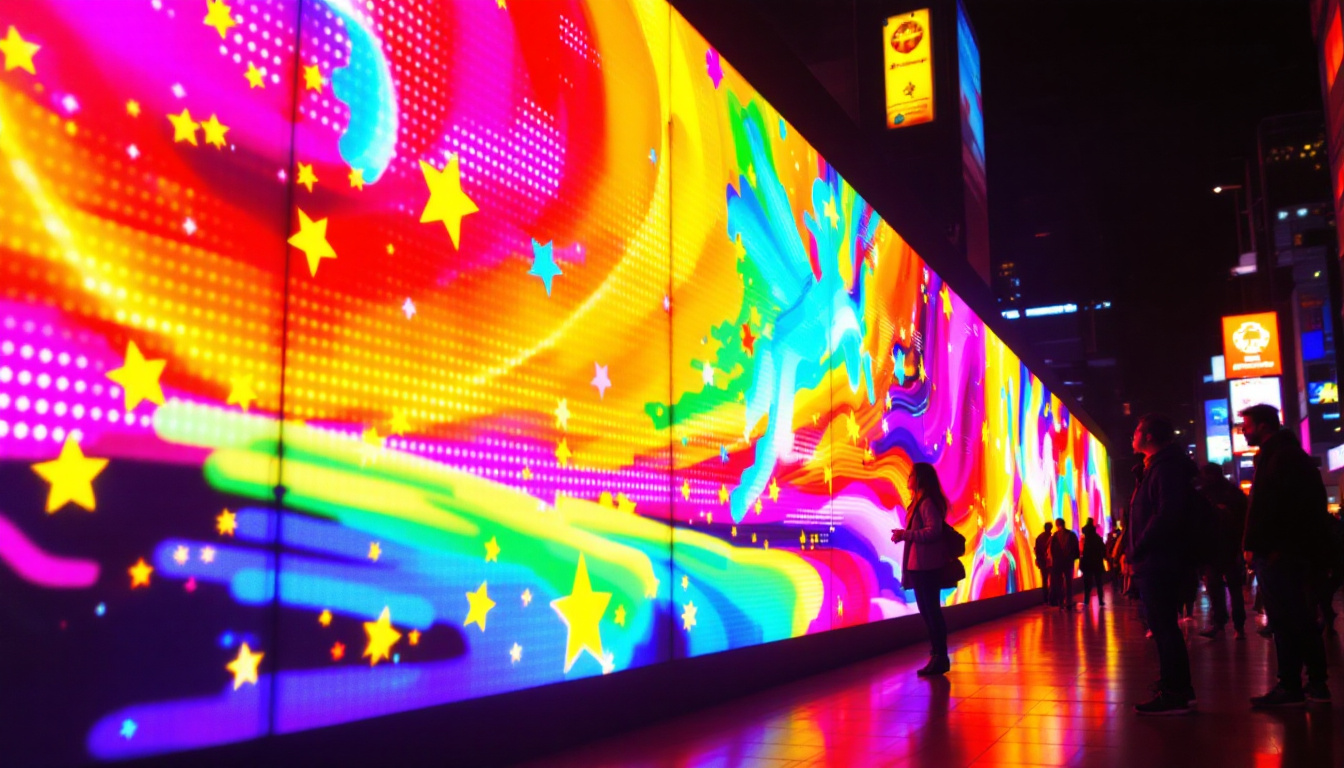
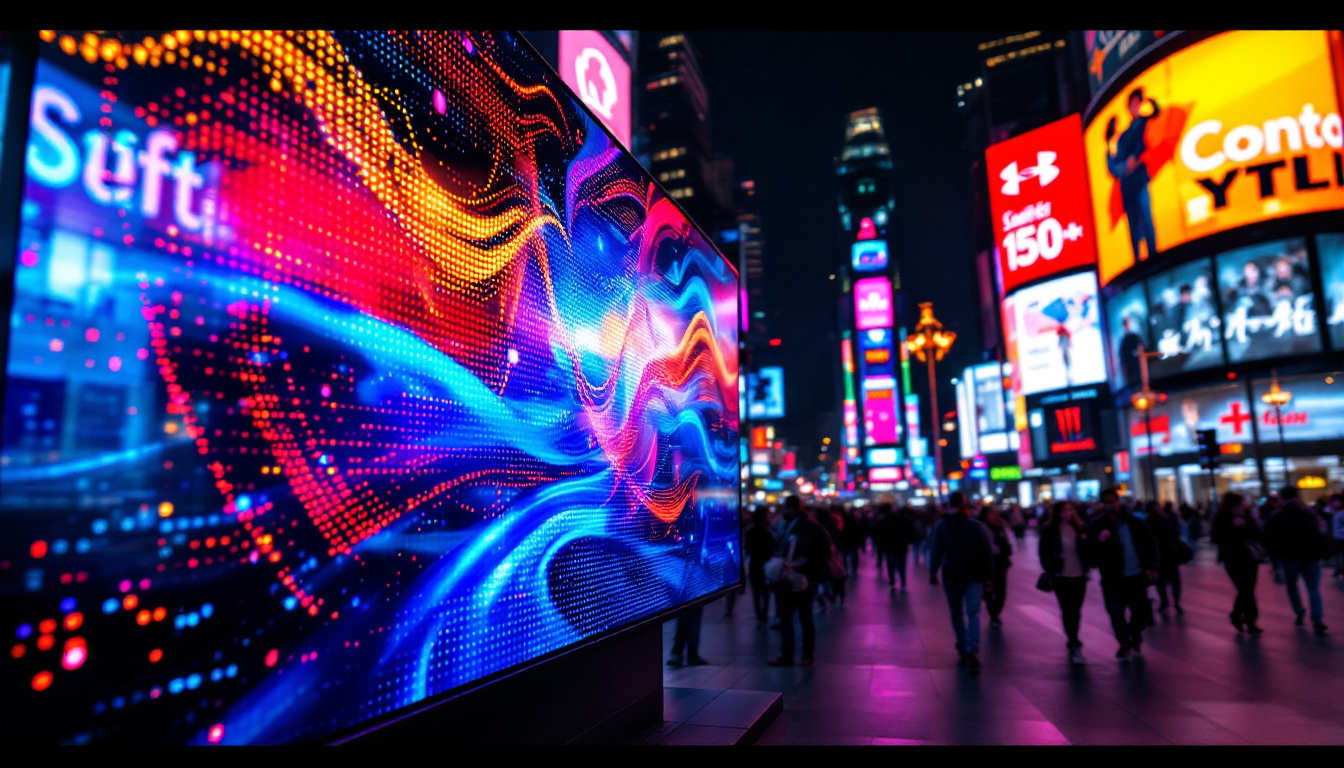
New York City’s Times Square features some of the world’s most iconic LED billboards, many of which have adopted vertical orientations to maximize advertising space. Brands like Nike and Apple have used vertical video ads here to create immersive storytelling that captures the attention of millions of passersby.
Music Festivals and Live Events
At major music festivals, vertical LED screens are often used alongside traditional horizontal displays to provide close-up shots of performers and dynamic visual effects. This multi-orientation approach enhances the audience’s experience by offering diverse perspectives.
Retail Window Displays
Retailers have embraced vertical LED video walls in storefront windows to showcase products and promotions in a format that aligns with the vertical architecture of windows. This approach has increased foot traffic and engagement, especially in urban shopping districts.
Future Trends in Vertical Video and LED Technology
The intersection of vertical video and LED display technology is evolving rapidly, driven by advancements in hardware and changing consumer habits.
Flexible and Curved LED Panels
Flexible LED panels allow for curved and irregular shapes, opening new creative possibilities for vertical video. Brands can now create immersive vertical installations that wrap around corners or form cylindrical shapes, enhancing visual impact.
Higher Resolutions and HDR Support
As LED technology advances, higher resolutions and High Dynamic Range (HDR) support will become standard, enabling vertical videos to display richer colors and greater detail. This will be especially important for premium advertising and live event experiences.
Integration with Augmented Reality (AR)
Combining vertical LED displays with AR technology can create interactive experiences where viewers engage with content in real-time. This fusion will likely redefine how vertical video is used in public spaces and retail environments.
Conclusion
Vertical video is no longer just a mobile phenomenon; it has firmly established itself as a powerful format for large-scale LED displays in advertising, entertainment, and public communication. Successfully creating and displaying vertical video on LED screens requires a blend of technical knowledge and creative vision.
By understanding LED display specifications, optimizing video content for vertical orientation, and leveraging the unique creative opportunities this format offers, brands and content creators can deliver compelling visual experiences that captivate audiences in any environment.
As LED technology continues to advance, the potential for vertical video will only grow, making it an essential skill for professionals in digital media, marketing, and event production.
Explore Cutting-Edge Vertical Video Solutions with LumenMatrix
Ready to elevate your brand’s presence and captivate your audience with stunning vertical video displays? LumenMatrix is at the forefront of LED display innovation, offering a diverse range of solutions tailored to your unique needs. From Indoor and Outdoor LED Wall Displays to specialized options like Vehicle, Sports, and Floor LED Displays, our technology is designed to make your message resonate with clarity and impact. Discover how our Custom, All-in-One, and Transparent LED Displays can transform your visual communication. Check out LumenMatrix LED Display Solutions today and step into the future of digital signage.