How Wide Is 100 Inch TV: LED Display Explained
When it comes to upgrading your home entertainment system, a 100-inch TV is often the dream for many. The sheer size promises an immersive viewing experience that rivals the cinema. But before making such a significant investment, understanding the dimensions, technology, and practical considerations of a 100-inch LED TV is crucial. This article explores how wide a 100-inch TV really is, delves into LED display technology, and offers guidance on placement, viewing distance, and other essential factors.
Understanding TV Size: What Does 100 Inches Mean?
The size of a TV is typically measured diagonally from one corner of the screen to the opposite corner. So, when a TV is labeled as 100 inches, it means the screen measures 100 inches diagonally. However, this measurement alone doesn’t tell the full story about the TV’s width or height, which are critical for fitting the TV into your space. It’s also essential to consider the viewing distance, as larger screens may require you to sit further back to fully appreciate the picture quality without straining your eyes.
To determine the width and height of a 100-inch TV, the aspect ratio must be considered. Most modern TVs, including LED displays, use a 16:9 aspect ratio, which means the width is 16 units for every 9 units of height. This aspect ratio is particularly well-suited for widescreen movies and television shows, enhancing the viewing experience by providing a more immersive field of vision. Additionally, the 16:9 format is the standard for high-definition content, ensuring that you can enjoy your favorite shows and films in their intended format.
Calculating Width and Height of a 100-Inch TV
Using the Pythagorean theorem, the width (W) and height (H) can be calculated as follows:
- Diagonal (D) = 100 inches
- Aspect ratio = 16:9 (W:H)
First, find the width and height in terms of a common unit:
Let the width = 16x and height = 9x.
Using the diagonal formula:
D² = W² + H²
100² = (16x)² + (9x)²
10,000 = 256x² + 81x² = 337x²
x² = 10,000 / 337 ≈ 29.67
x ≈ 5.45 inches
Therefore:
- Width = 16x ≈ 16 × 5.45 = 87.2 inches
- Height = 9x ≈ 9 × 5.45 = 49.05 inches
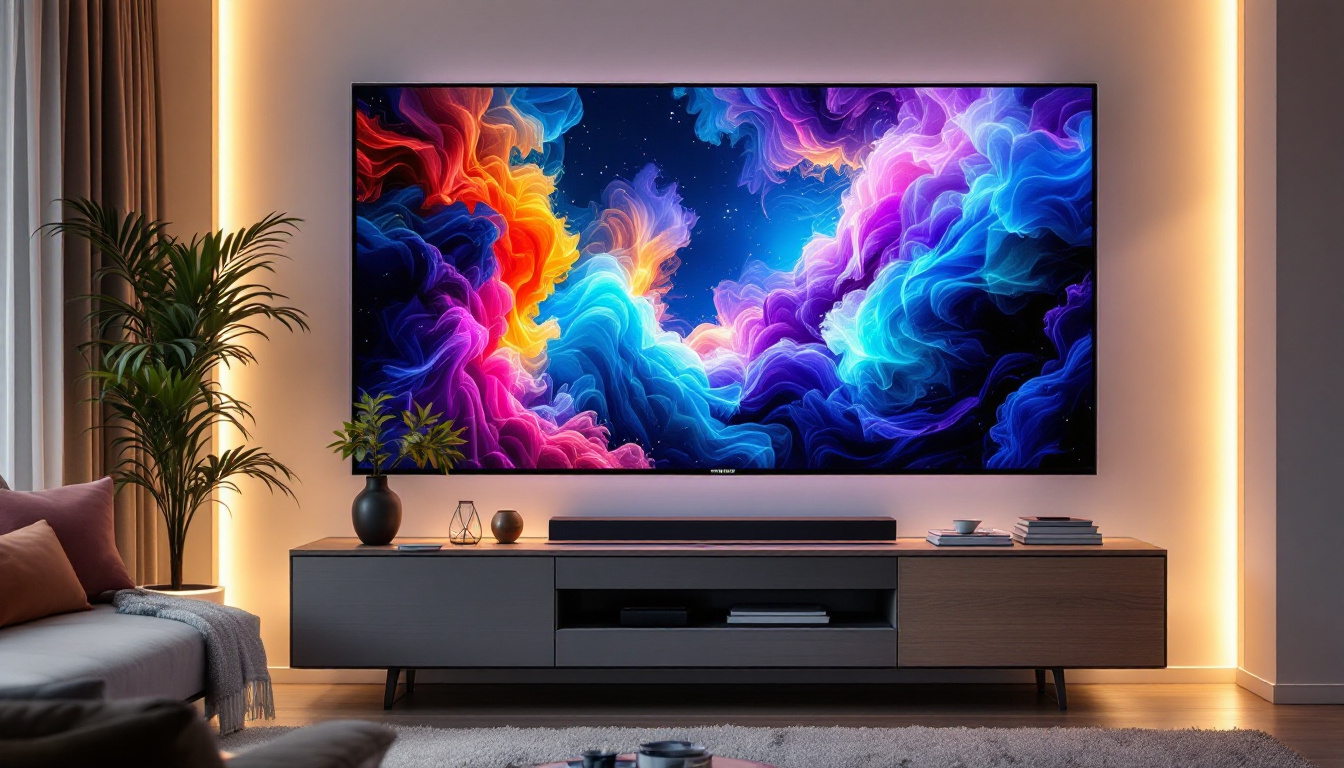
So, a 100-inch TV screen is approximately 87.2 inches wide and 49.05 inches tall. This size can significantly enhance your viewing experience, especially when watching movies or playing video games, as it allows for a more cinematic feel. However, it’s important to ensure that your room can accommodate such a large screen. Consider factors like wall space, furniture arrangement, and even the distance from seating to the screen, which should ideally be between 10 to 12 feet for optimal viewing comfort.
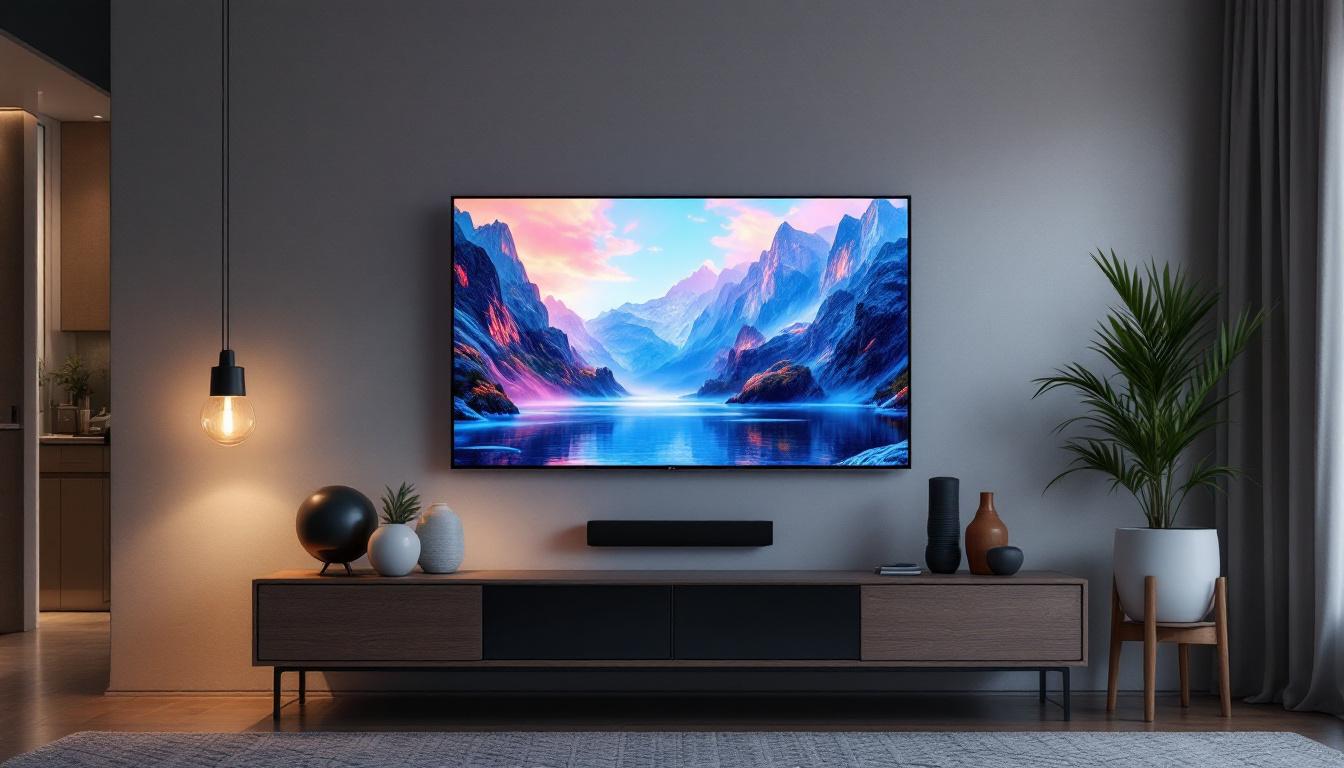
Moreover, the installation of a 100-inch TV may require additional considerations such as wall mounting or a sturdy TV stand. Wall mounting can save space and create a sleek look, but it’s crucial to ensure that the wall can support the weight of the TV. Additionally, cable management becomes a key factor to consider, as you’ll want to keep wires organized and out of sight for a clean aesthetic. With the right setup, a 100-inch TV can transform your living room into a personal theater, providing an unparalleled viewing experience for family and friends alike.
LED Display Technology: What Makes It Popular?
LED TVs have become the standard in the television market due to their superior picture quality, energy efficiency, and slim designs. But what exactly is an LED TV, and how does it differ from other types of displays?
What is an LED TV?
LED stands for Light Emitting Diode. An LED TV is essentially an LCD (Liquid Crystal Display) TV that uses LEDs as a backlight instead of the older cold cathode fluorescent lamps (CCFLs). This shift in backlighting technology has brought several advantages:
- Improved Brightness and Contrast: LEDs can be controlled more precisely, enabling higher contrast ratios and better brightness levels.
- Energy Efficiency: LEDs consume less power than CCFLs, making LED TVs more environmentally friendly and cost-effective to operate.
- Thinner Panels: LEDs are smaller and more flexible, allowing manufacturers to create ultra-thin TV designs.
Types of LED Backlighting
There are two primary types of LED backlighting used in TVs:
- Edge-Lit LED: LEDs are placed along the edges of the screen, and light is spread across the panel using light guides. This design allows for very thin TVs but may result in uneven brightness in some cases.
- Full-Array LED: LEDs are placed directly behind the screen in a grid pattern. This setup enables local dimming, where specific zones can be dimmed or brightened independently, improving contrast and black levels.
For a 100-inch LED TV, full-array backlighting is often preferred to maintain uniform brightness and superior picture quality across the large screen.
Practical Considerations for a 100-Inch LED TV
Owning a 100-inch TV is an exciting prospect, but it also comes with practical challenges. From room size to viewing distance and installation logistics, several factors must be considered to get the most out of such a large display.
Room Size and TV Placement
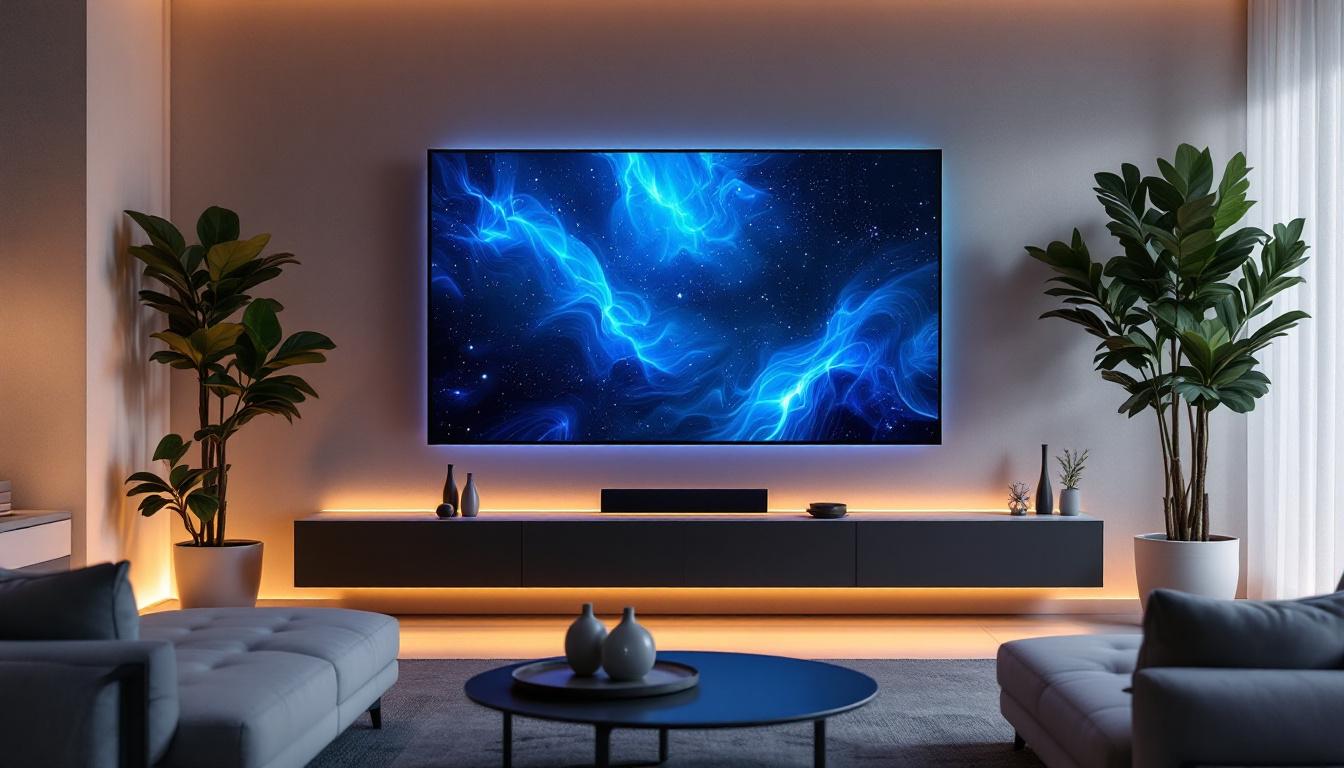
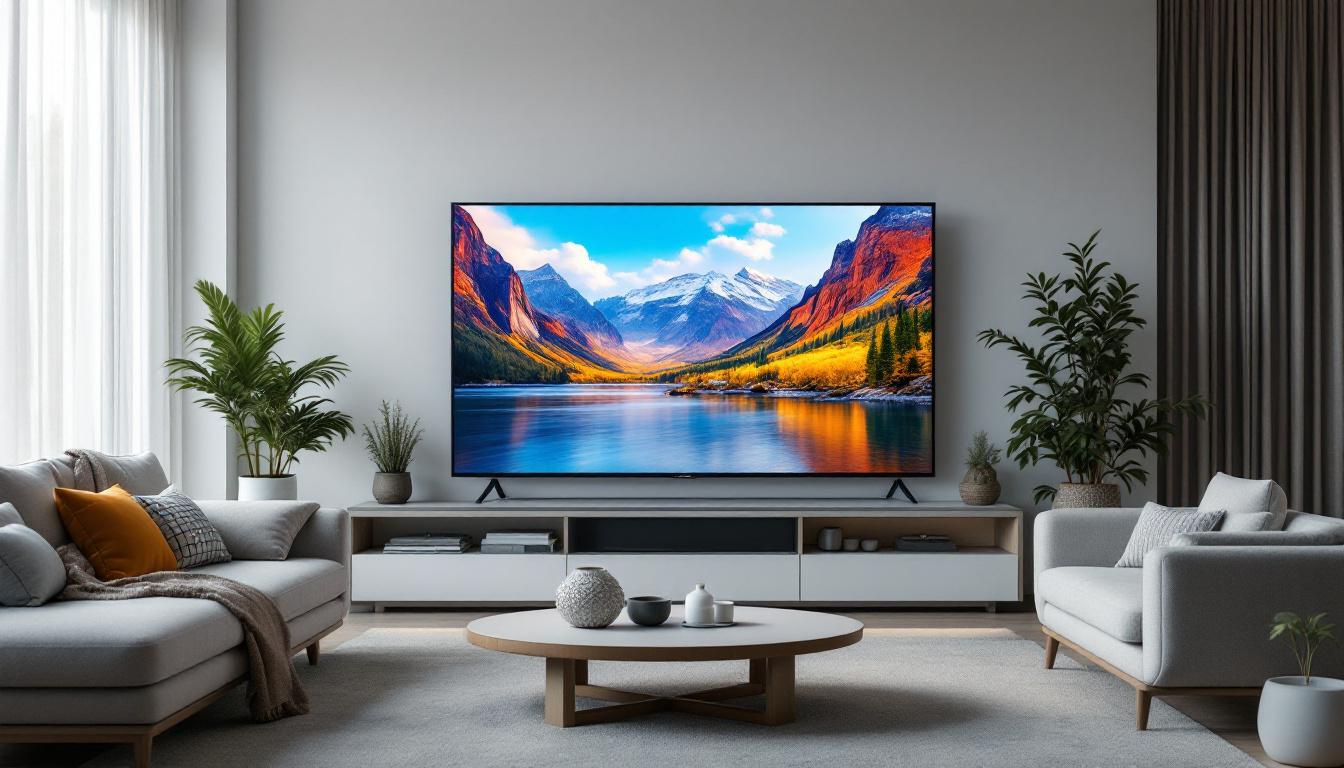
A TV that is approximately 87 inches wide and 49 inches tall requires a substantial amount of wall or floor space. Ideally, the room should be spacious enough to accommodate the TV without overwhelming the space or causing discomfort.
When selecting a location, ensure the wall or stand can support the weight and dimensions of the TV. Additionally, consider ambient lighting conditions to avoid glare, which can be more noticeable on larger screens.
Optimal Viewing Distance
To enjoy the best picture quality and avoid eye strain, the distance between the viewer and the TV is critical. The Society of Motion Picture and Television Engineers (SMPTE) recommends a viewing angle of about 30 degrees for an immersive experience.
For a 100-inch TV, the ideal viewing distance can be calculated as follows:
Viewing Distance ≈ 1.5 to 2.5 times the diagonal size
- Minimum distance: 100 inches × 1.5 = 150 inches (12.5 feet)
- Maximum distance: 100 inches × 2.5 = 250 inches (20.8 feet)
This means that sitting between 12.5 and 21 feet away from the TV will provide a comfortable and immersive viewing experience. Sitting too close can cause pixelation to be noticeable, while sitting too far diminishes the impact of the large screen.
Resolution and Picture Quality
With a screen as large as 100 inches, resolution becomes especially important. A lower resolution on a large display can result in a pixelated or blurry image. Most 100-inch TVs come with 4K Ultra HD resolution (3840 × 2160 pixels), which offers sharp and detailed images even at close viewing distances.
Some premium models also support 8K resolution, which doubles the pixel count of 4K TVs. While 8K content is still limited, this technology future-proofs the investment and provides unmatched clarity.
Installation and Setup Tips for Large LED TVs
Installing a 100-inch LED TV is a significant undertaking that requires careful planning and execution. Here are some tips to ensure a smooth setup process:
Mounting Options
Wall mounting is a popular choice for large TVs to save floor space and create a sleek look. However, it requires a sturdy wall and proper mounting hardware rated for the TV’s weight and size.
If wall mounting is not feasible, a robust TV stand designed for large screens is essential. Look for stands with wide bases and strong construction to prevent tipping.
Professional Installation
Given the size and weight of a 100-inch TV, professional installation is highly recommended. Experts can ensure the TV is mounted securely, cables are managed neatly, and the screen is calibrated for optimal picture quality.
Calibration and Settings
After installation, calibrating the TV’s picture settings can greatly enhance the viewing experience. Adjust brightness, contrast, color temperature, and sharpness according to the room’s lighting and personal preferences.
Many TVs also offer preset modes such as Cinema, Sports, or Game, which optimize settings for different types of content.
Cost and Value Considerations
100-inch LED TVs are premium products that come with a premium price tag. Prices can vary widely depending on brand, resolution, backlighting technology, and additional features such as smart TV capabilities and sound systems.
As of 2024, a 100-inch 4K LED TV typically ranges from $7,000 to over $20,000. 8K models and those with advanced features like OLED or QLED panels can cost significantly more.
While the upfront cost is high, the value lies in the immersive viewing experience, future-proofing with high resolution, and the aesthetic impact of a large, modern display in your living space.
Alternatives to a 100-Inch LED TV
For those who desire a large screen experience but find a 100-inch LED TV impractical or too expensive, several alternatives exist:
- Projectors: Modern 4K projectors can produce images well over 100 inches diagonally at a fraction of the cost. However, they require a dark room and a suitable projection surface.
- Smaller LED TVs: A 75- or 85-inch TV might fit better in smaller rooms and still provide an excellent viewing experience.
- MicroLED and OLED Displays: These newer technologies offer superior contrast and color but are currently limited in size and come at a high cost.
Conclusion
A 100-inch LED TV is an impressive centerpiece for any home theater, delivering a wide screen approximately 87 inches across and nearly 49 inches tall. Understanding the dimensions, LED technology, and practical considerations such as room size, viewing distance, and installation requirements is essential before making a purchase.
With the right setup, a 100-inch LED TV can provide an unparalleled cinematic experience, bringing movies, sports, and games to life with stunning clarity and scale. Whether opting for a cutting-edge 4K or 8K model, or exploring alternatives like projectors, the key is to balance size, quality, and space to create the ultimate viewing environment.
Discover the Future of Home Entertainment with LumenMatrix
Ready to transform your home theater into a breathtaking cinematic oasis? LumenMatrix is at the forefront of LED display innovation, offering a wide array of solutions tailored to your entertainment needs. From immersive Indoor LED Wall Displays to dynamic Outdoor LED Wall Displays, and from sleek LED Poster Displays to engaging LED Sports Displays, LumenMatrix has the technology to elevate your viewing experience. Embrace the revolution in visual communication and check out LumenMatrix LED Display Solutions today to find the perfect match for your 100-inch TV aspirations.