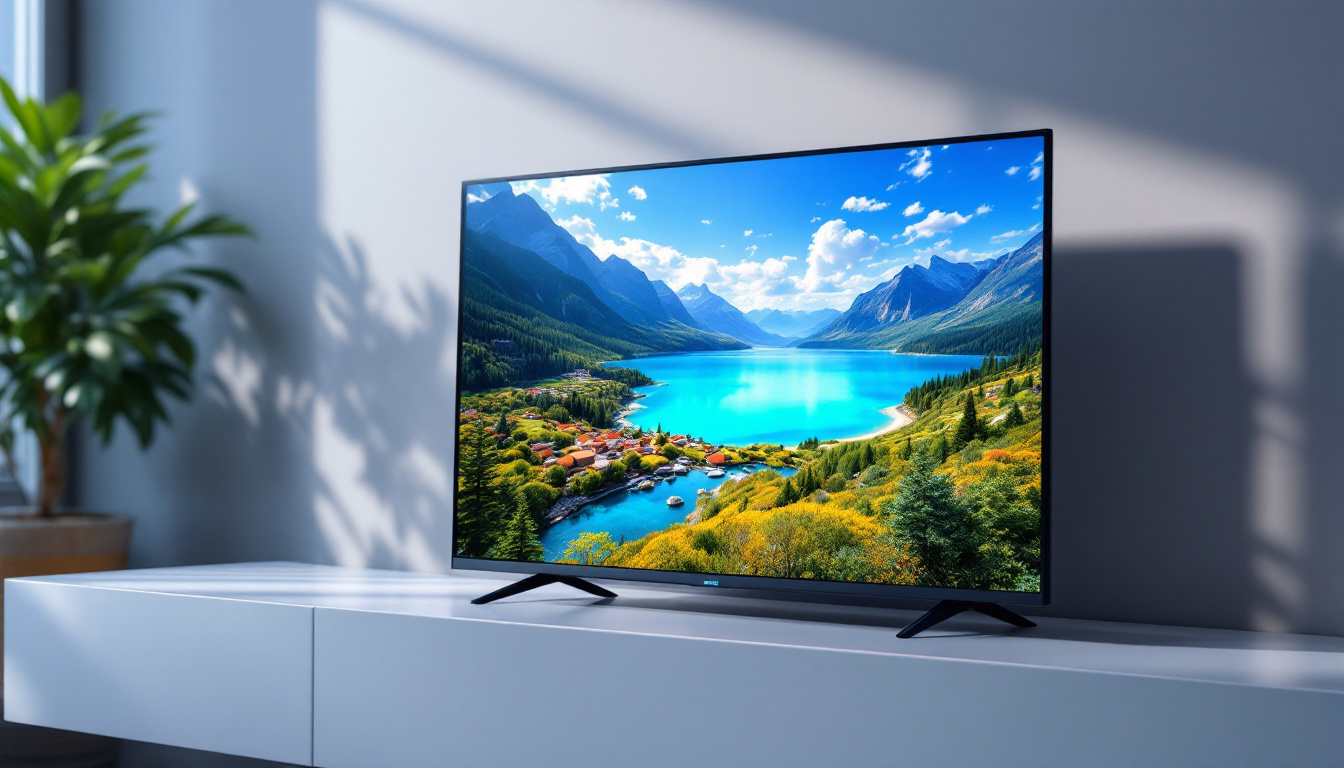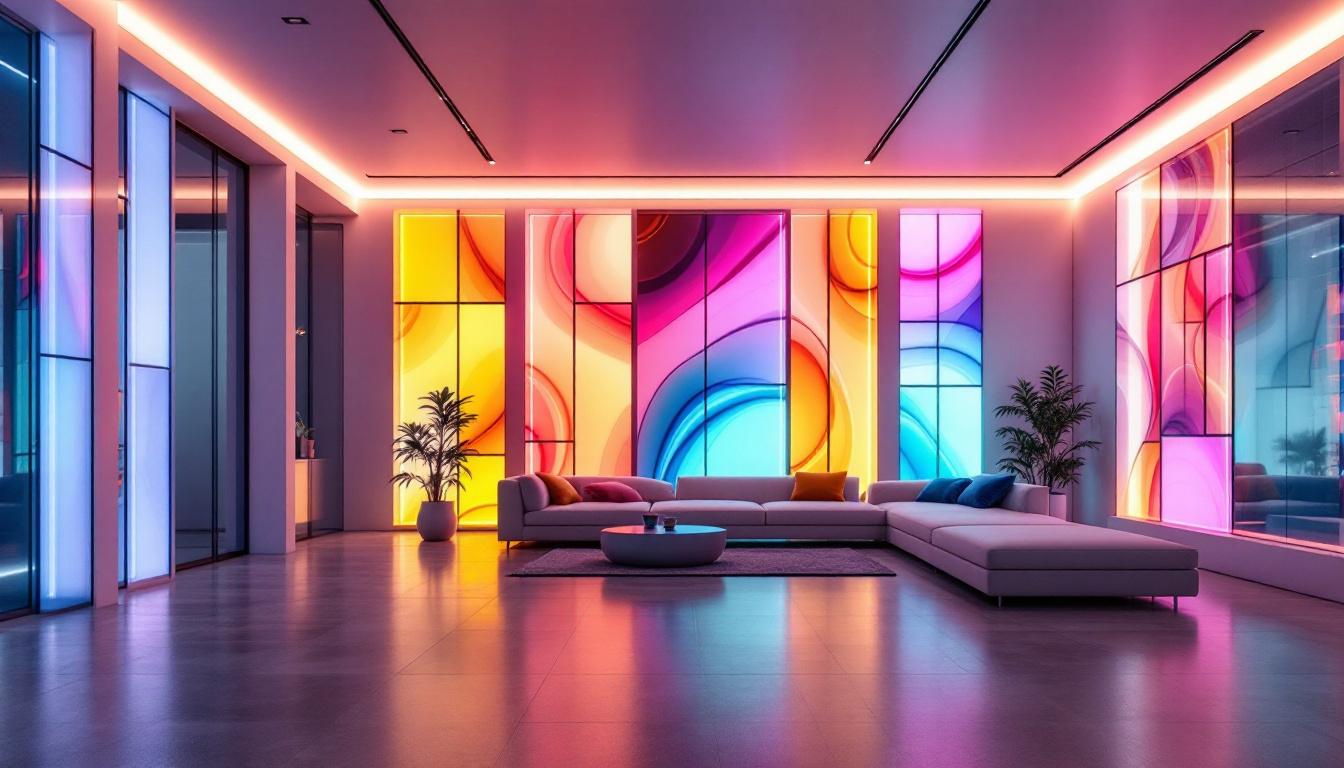
In today’s fast-paced digital world, illuminated wall panels featuring LED displays have become an essential element in both commercial and residential spaces. These panels not only enhance aesthetic appeal but also serve functional purposes such as advertising, information dissemination, and ambient lighting. Understanding the technology behind LED illuminated wall panels and their applications can help businesses and homeowners make informed decisions when integrating these dynamic displays into their environments.
What Are Illuminated Wall Panels?
Illuminated wall panels are flat surfaces embedded with lighting technology, typically LED (Light Emitting Diode) modules, designed to emit light uniformly across their surface. Unlike traditional light fixtures, these panels offer a sleek, modern look and can be customized to display various colors, patterns, or even dynamic content. The ability to change colors and patterns allows for an adaptable ambiance, making them ideal for different settings and occasions, from vibrant retail displays to calming environments in healthcare facilities.
LED illuminated wall panels are often used as backlit decorative elements, signage, or interactive displays. Their versatility and energy efficiency have made them increasingly popular in retail stores, corporate offices, hospitality venues, and private homes. In addition to their aesthetic appeal, these panels can also serve functional purposes, such as providing ambient lighting in spaces that require a soft glow, enhancing the overall atmosphere without overwhelming the senses.
Key Features of LED Illuminated Wall Panels
LED illuminated wall panels stand out due to several important characteristics:
- Energy Efficiency: LEDs consume significantly less power compared to traditional incandescent or fluorescent lighting, reducing operational costs.
- Longevity: LEDs typically last between 30,000 to 50,000 hours, minimizing the need for frequent replacements.
- Customization: Panels can be tailored in size, shape, brightness, and color temperature to suit specific design requirements.
- Thin Profile: Their slim design allows seamless integration into walls without protruding elements.
- Low Heat Emission: LEDs emit minimal heat, making them safer and more comfortable in enclosed spaces.
Furthermore, the installation process for illuminated wall panels is often straightforward, which can be a significant advantage for both residential and commercial applications. Many panels come with mounting options that allow for easy setup, whether they are being installed in a new build or retrofitted into an existing space. This ease of installation, combined with the aesthetic flexibility they offer, makes illuminated wall panels a favored choice among interior designers and architects looking to create innovative environments.
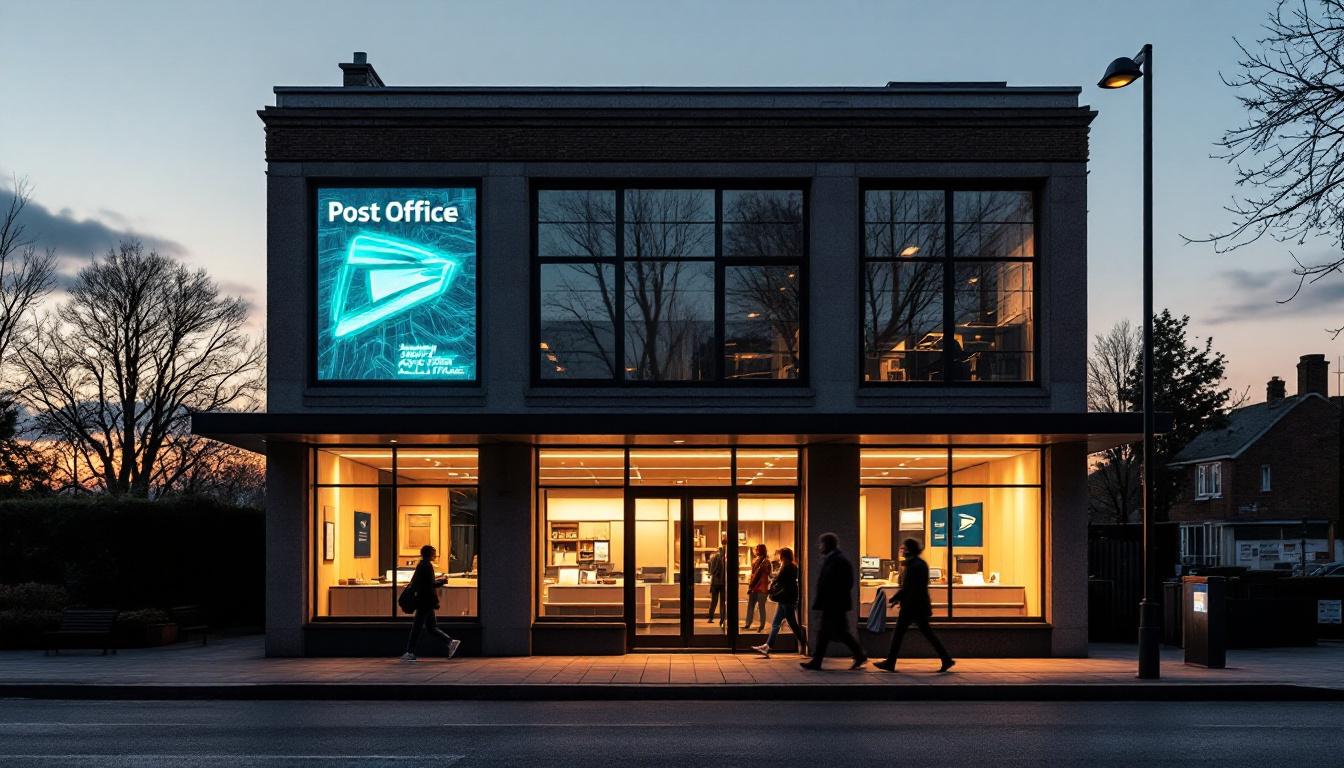
In addition to their practical benefits, illuminated wall panels can also enhance the visual storytelling of a brand or space. For instance, in retail environments, these panels can be programmed to change colors or display promotional messages, drawing customers’ attention and creating an engaging shopping experience. Similarly, in corporate settings, they can be used to reinforce brand identity through customized graphics and logos, contributing to a cohesive and professional atmosphere that resonates with clients and employees alike.
How LED Display Technology Works in Wall Panels
At the core of illuminated wall panels is the LED technology itself. Understanding how LEDs function within these panels helps clarify their advantages and limitations.
Basic Principles of LED Illumination
LEDs are semiconductor devices that emit light when an electrical current passes through them. Unlike traditional bulbs that rely on heating a filament or gas discharge, LEDs produce light through electroluminescence, a process that is highly efficient and generates very little heat.
In wall panels, multiple LEDs are arranged in arrays or strips behind a diffuser panel. This diffuser ensures that the light emitted is spread evenly across the surface, eliminating hotspots and creating a smooth, glowing effect.
Types of LED Displays Used in Wall Panels
Illuminated wall panels may incorporate different types of LED displays depending on their intended function:
- Static Backlit Panels: These panels use fixed LEDs to provide consistent illumination, often used for decorative or ambient lighting.
- Dynamic LED Displays: Incorporate programmable LEDs capable of changing colors, patterns, or displaying text and images. These are common in advertising and interactive installations.
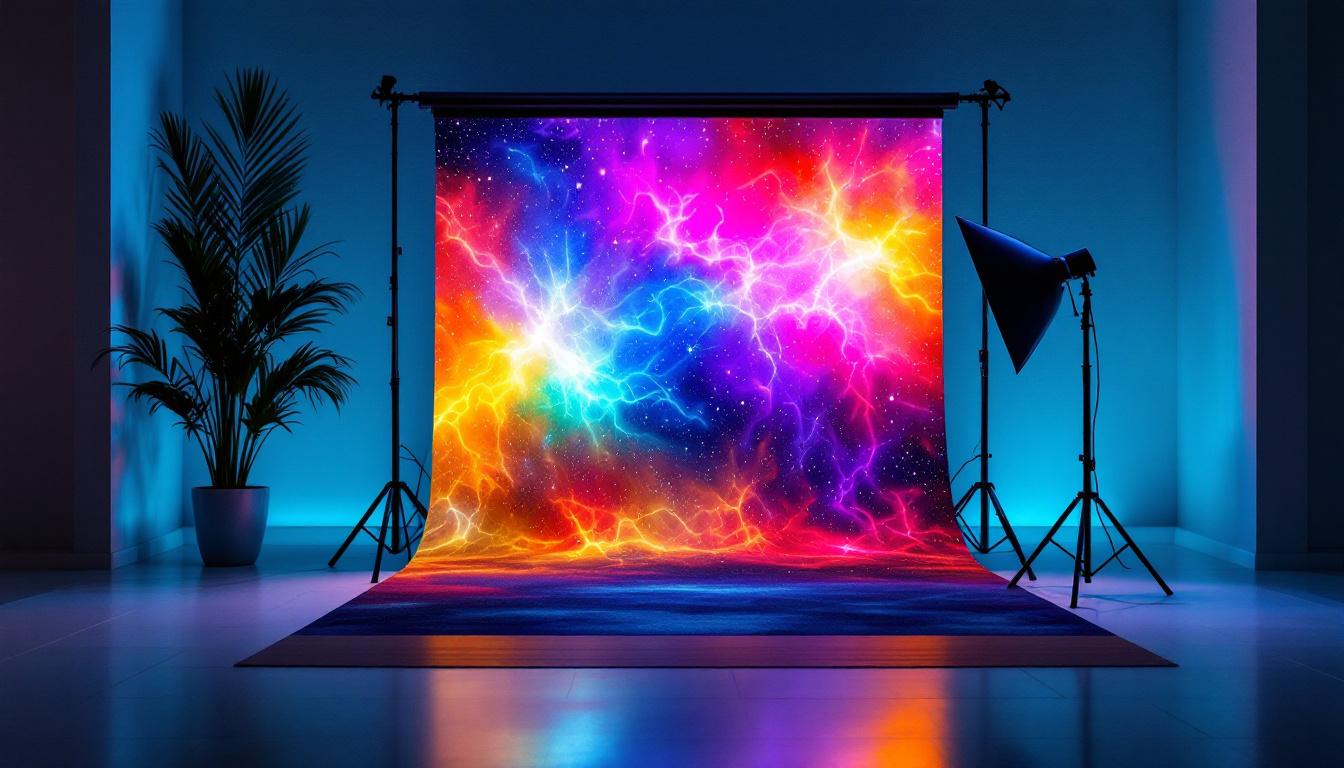
- RGB LED Panels: Utilize red, green, and blue LEDs to create a full spectrum of colors, allowing for customizable lighting effects.
- Micro-LED and Mini-LED Panels: Emerging technologies offering higher resolution and brightness, suitable for high-end digital signage and detailed displays.
Applications of Illuminated LED Wall Panels
The versatility of LED illuminated wall panels makes them suitable for a wide range of applications across various industries.
Commercial and Retail Spaces
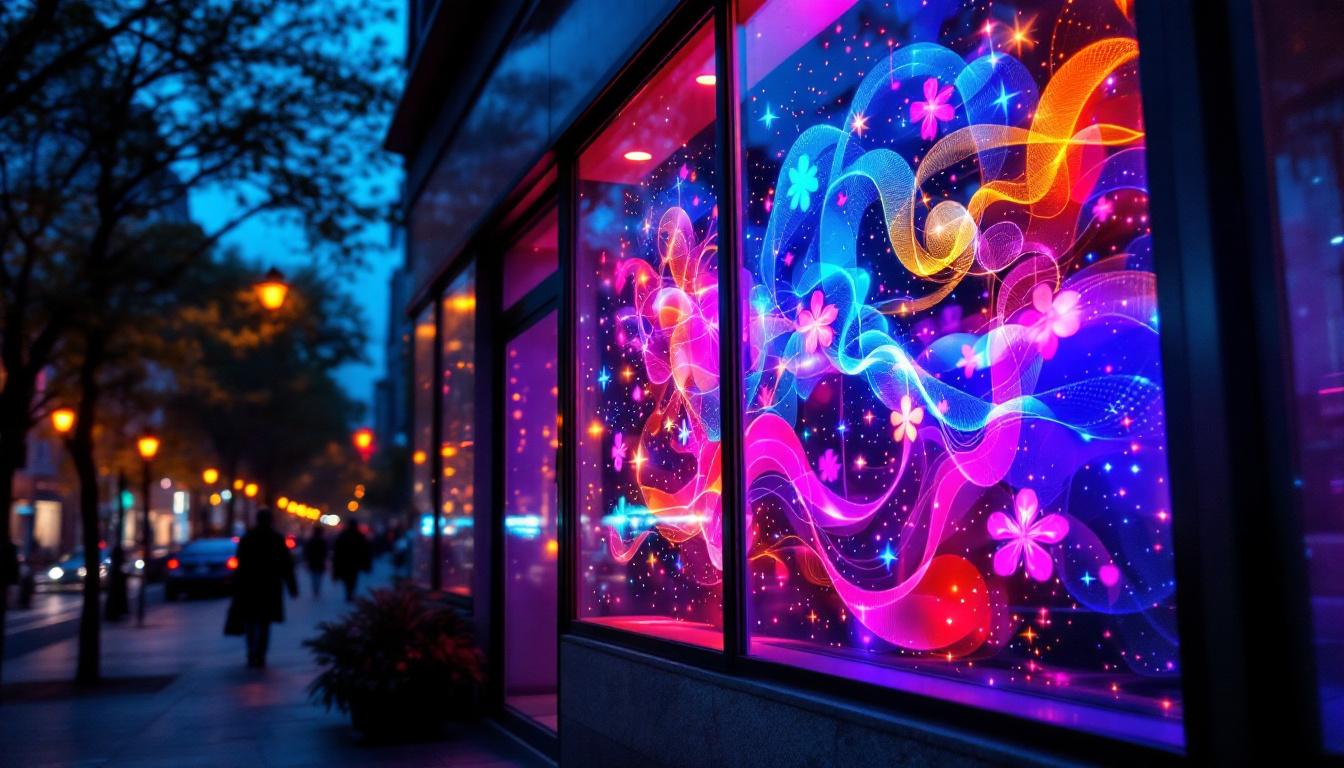
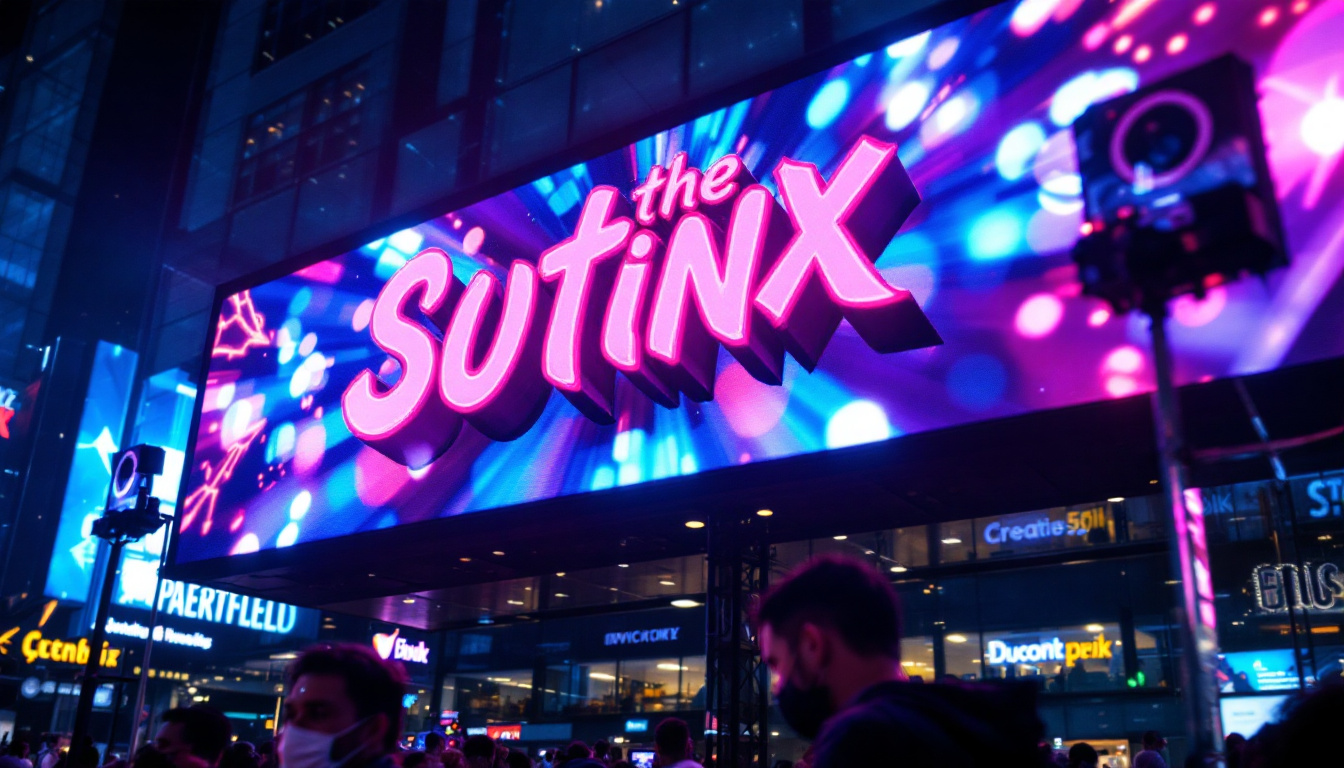
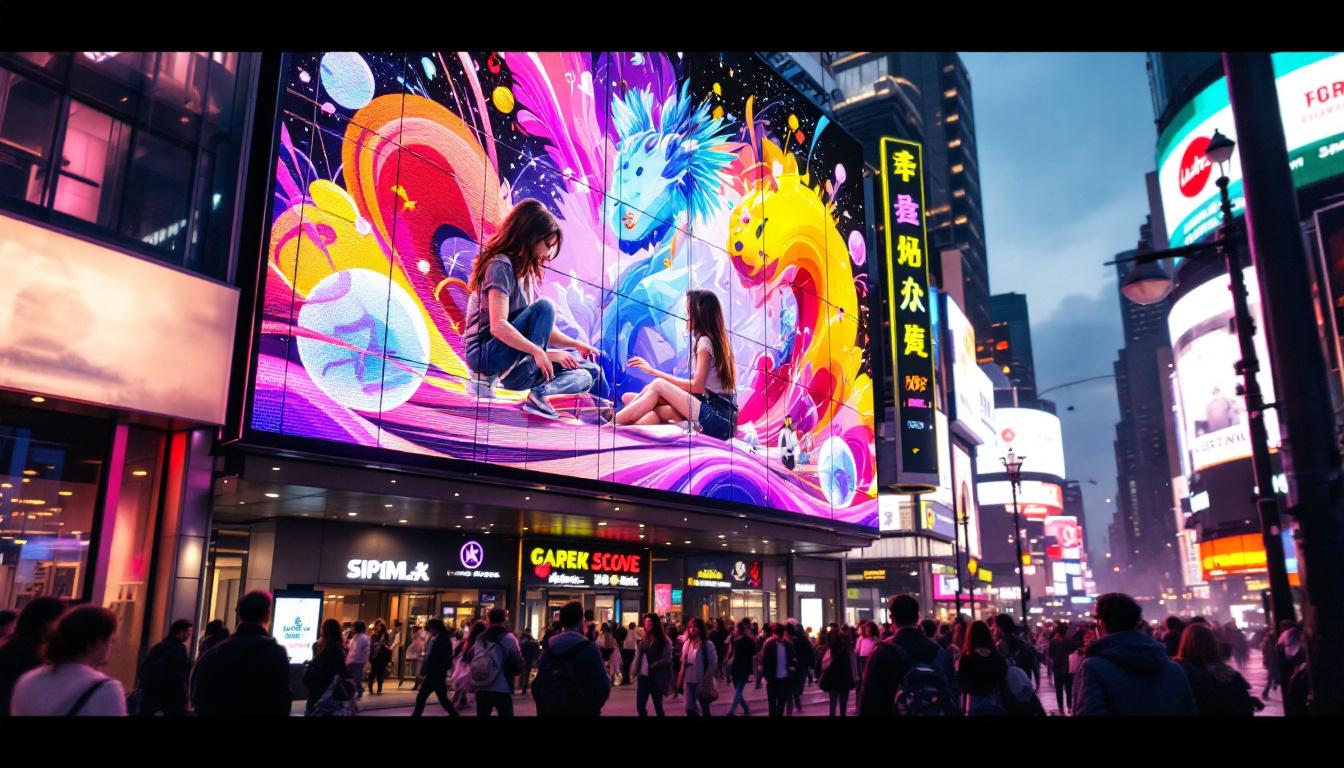
Retailers use illuminated wall panels to attract customers and enhance brand visibility. Backlit signage with vibrant LED displays can highlight logos, promotional messages, or product information. For example, fashion boutiques often integrate LED panels to create dynamic window displays that change according to seasons or marketing campaigns.
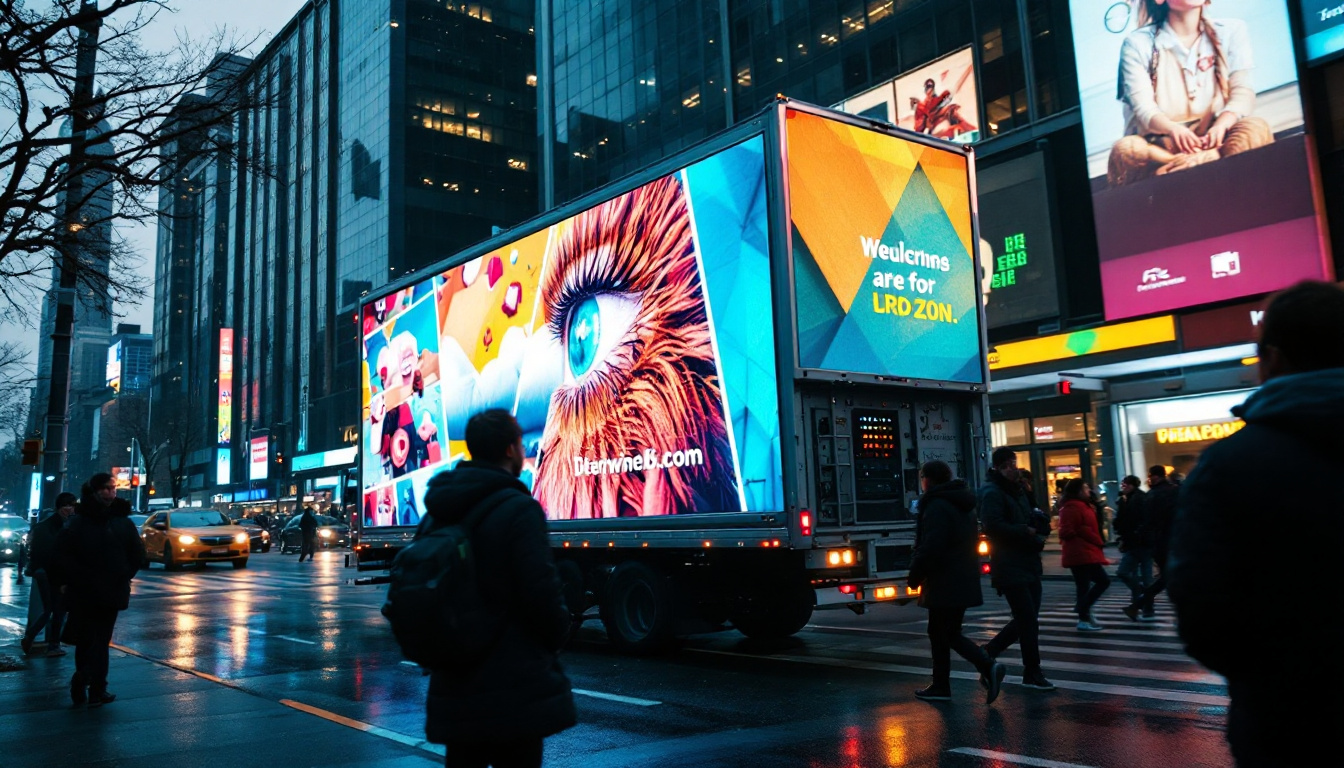
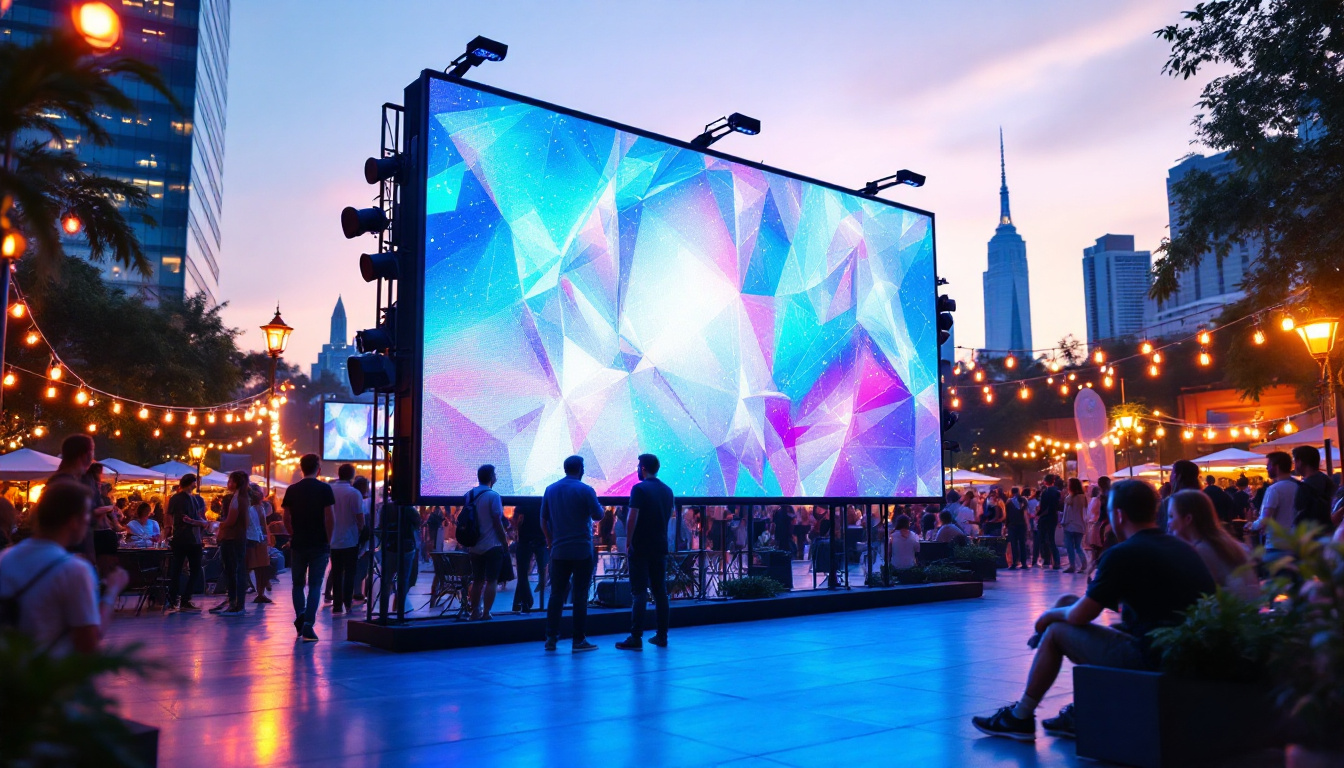
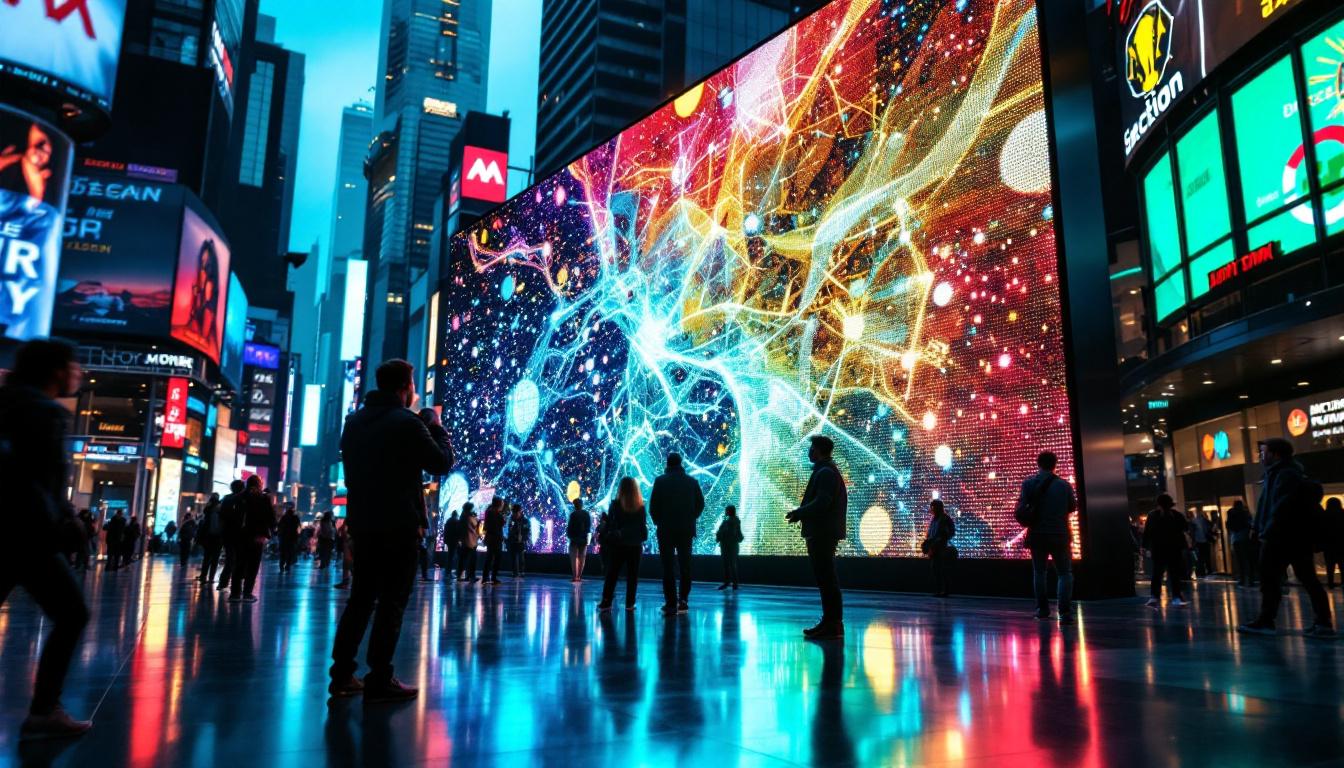
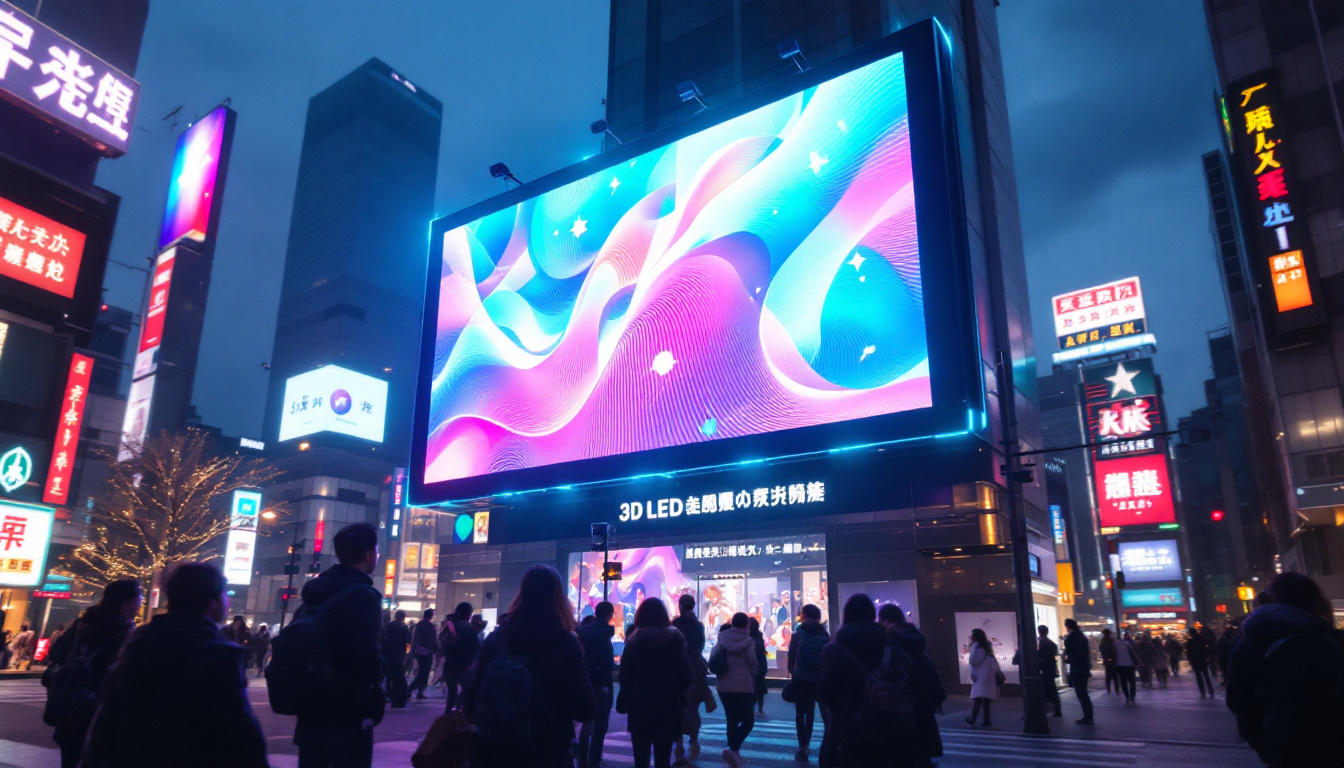
In shopping malls and airports, large-scale LED wall panels serve as digital billboards, providing real-time information and advertisements. The ability to update content remotely and instantly is a significant advantage over traditional printed signage.
Corporate and Office Environments
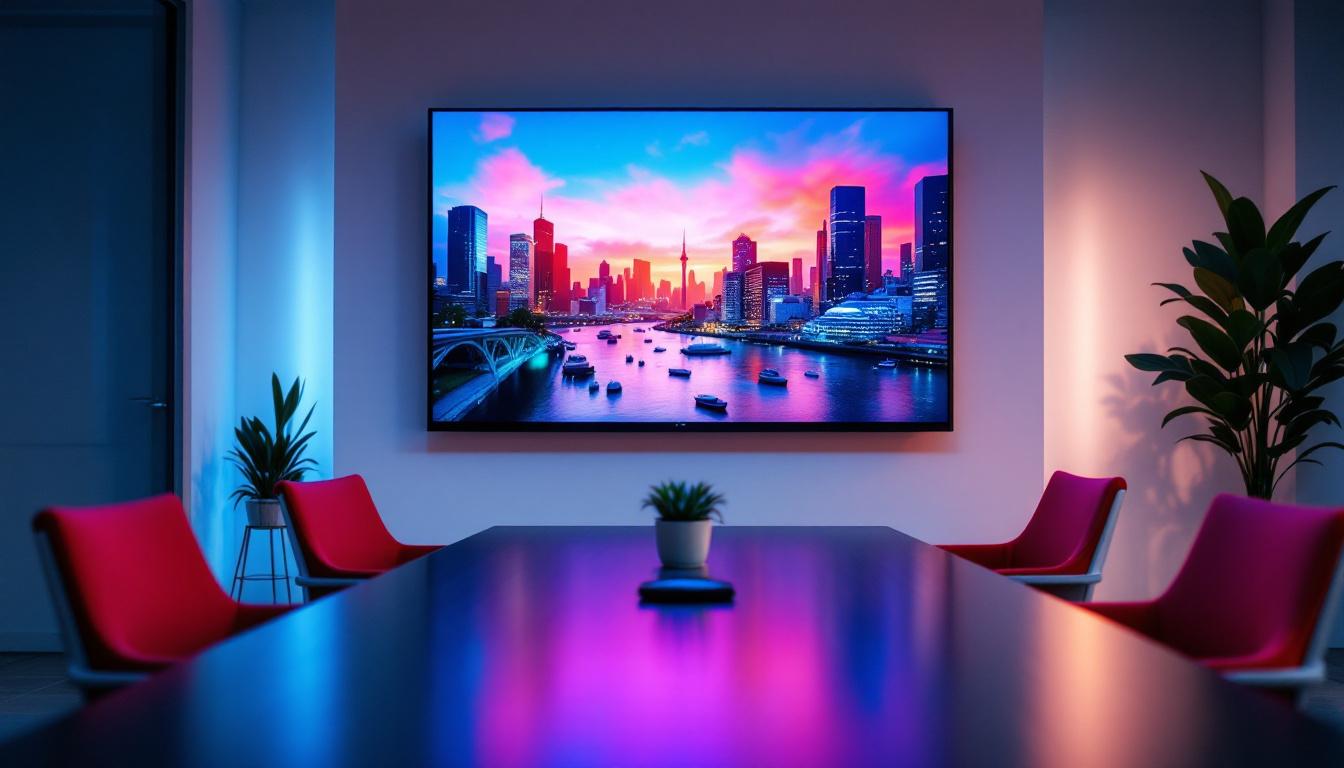
In corporate settings, illuminated wall panels contribute to creating modern, engaging workspaces. LED panels can display company branding, mission statements, or interactive directories in lobbies and conference rooms. Additionally, ambient lighting from LED panels improves employee comfort and productivity by reducing eye strain and enhancing mood.
Hospitality and Entertainment Venues
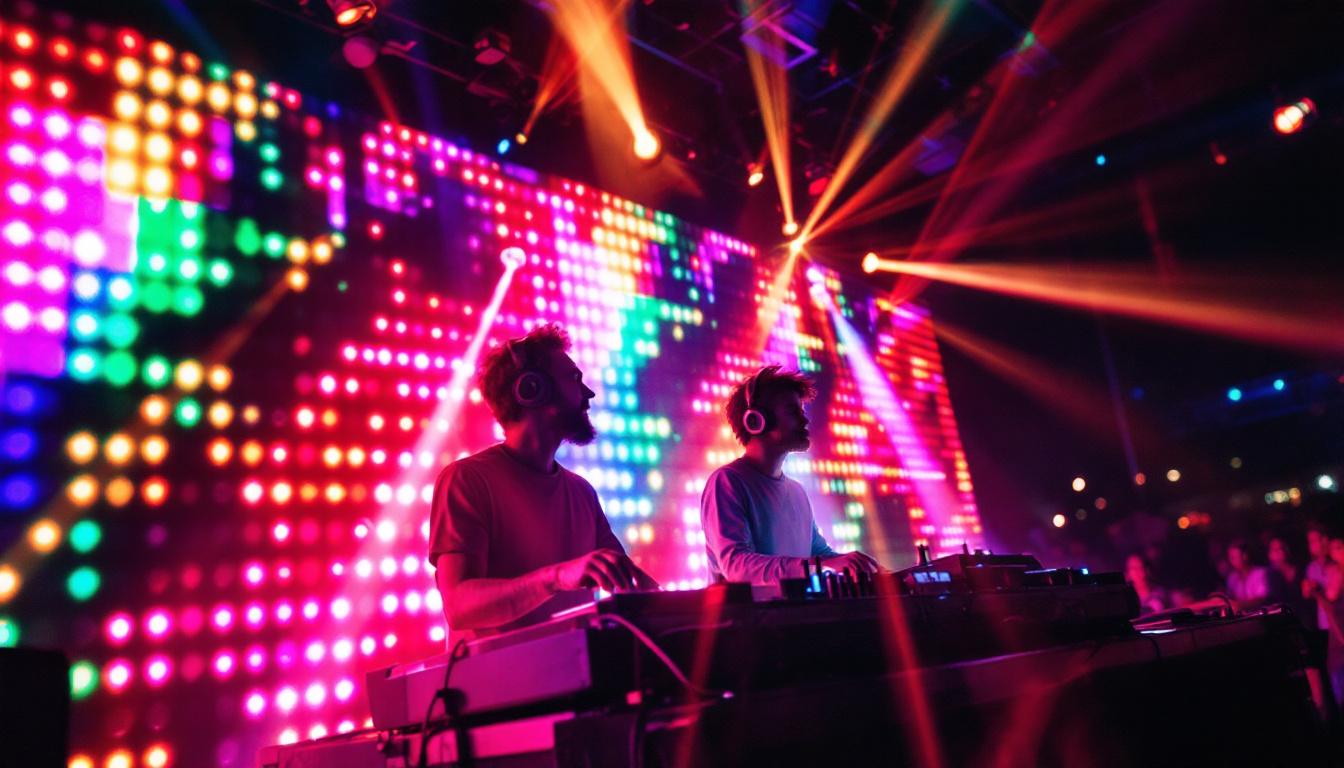
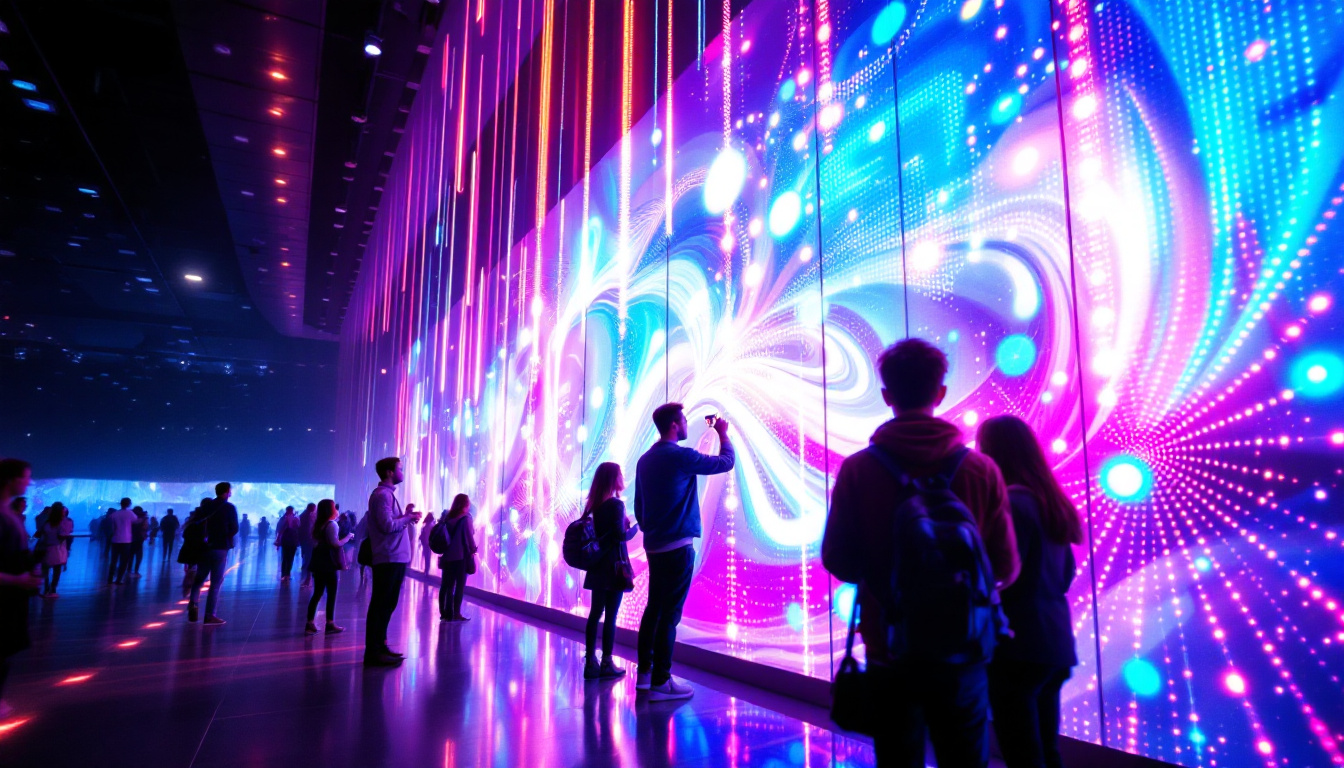
Hotels, restaurants, and entertainment venues leverage LED illuminated wall panels to create immersive atmospheres. Dynamic lighting effects can be synchronized with music or events, enhancing guest experiences. For example, a hotel lobby might feature a large LED wall panel that changes colors throughout the day to reflect different moods or themes.
Residential Use
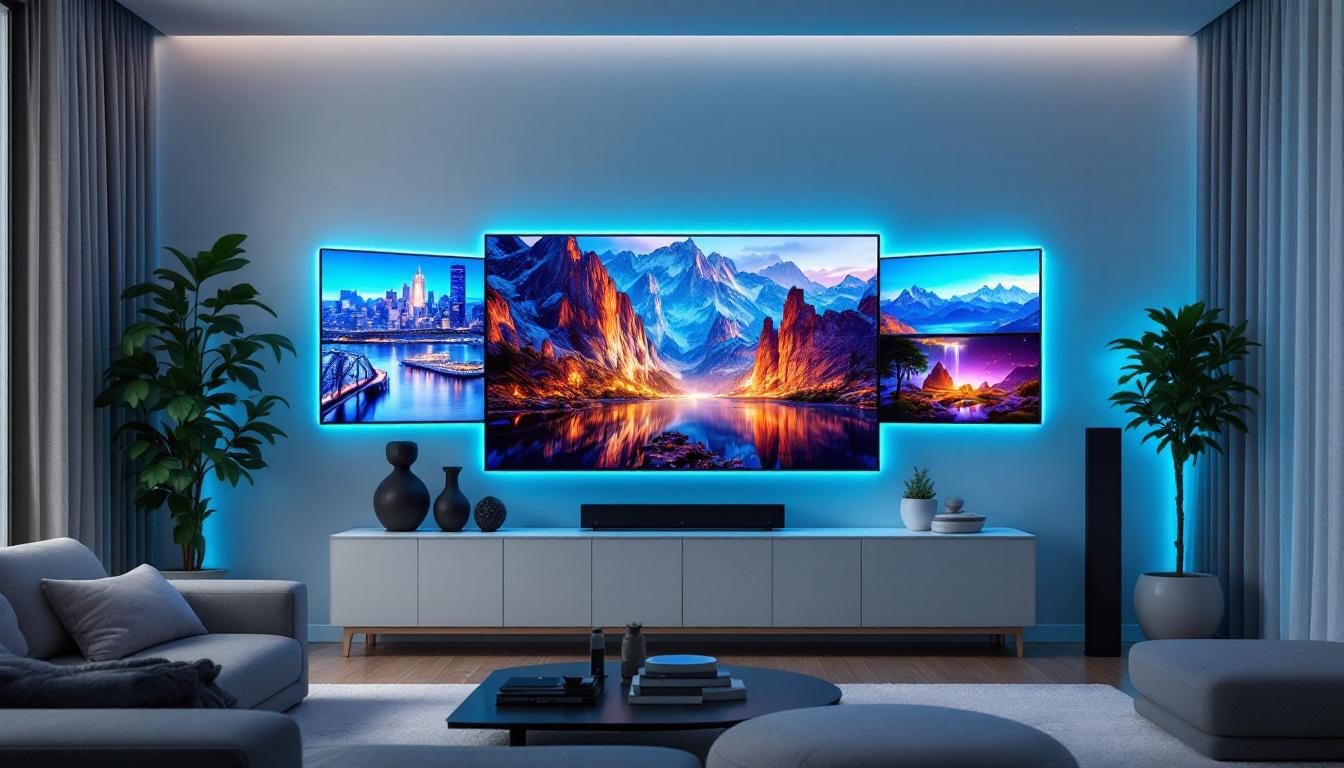
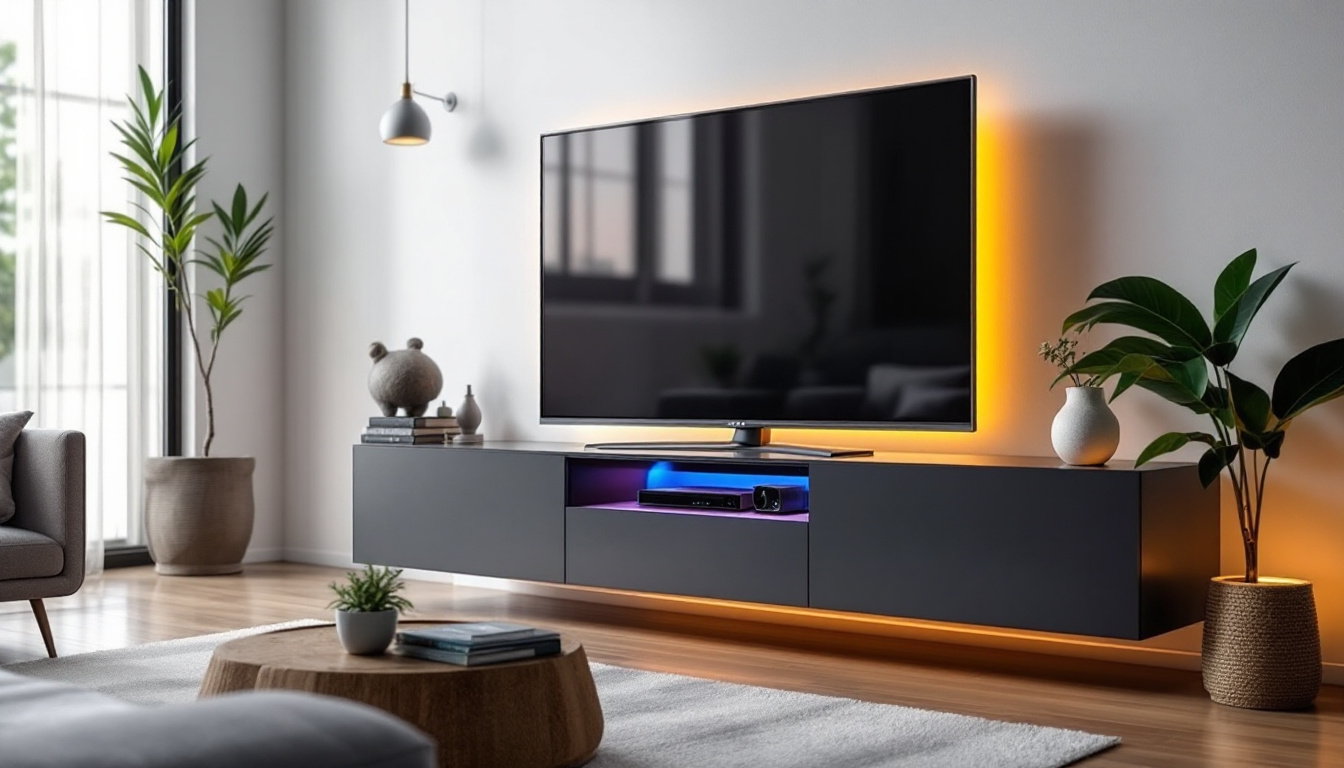
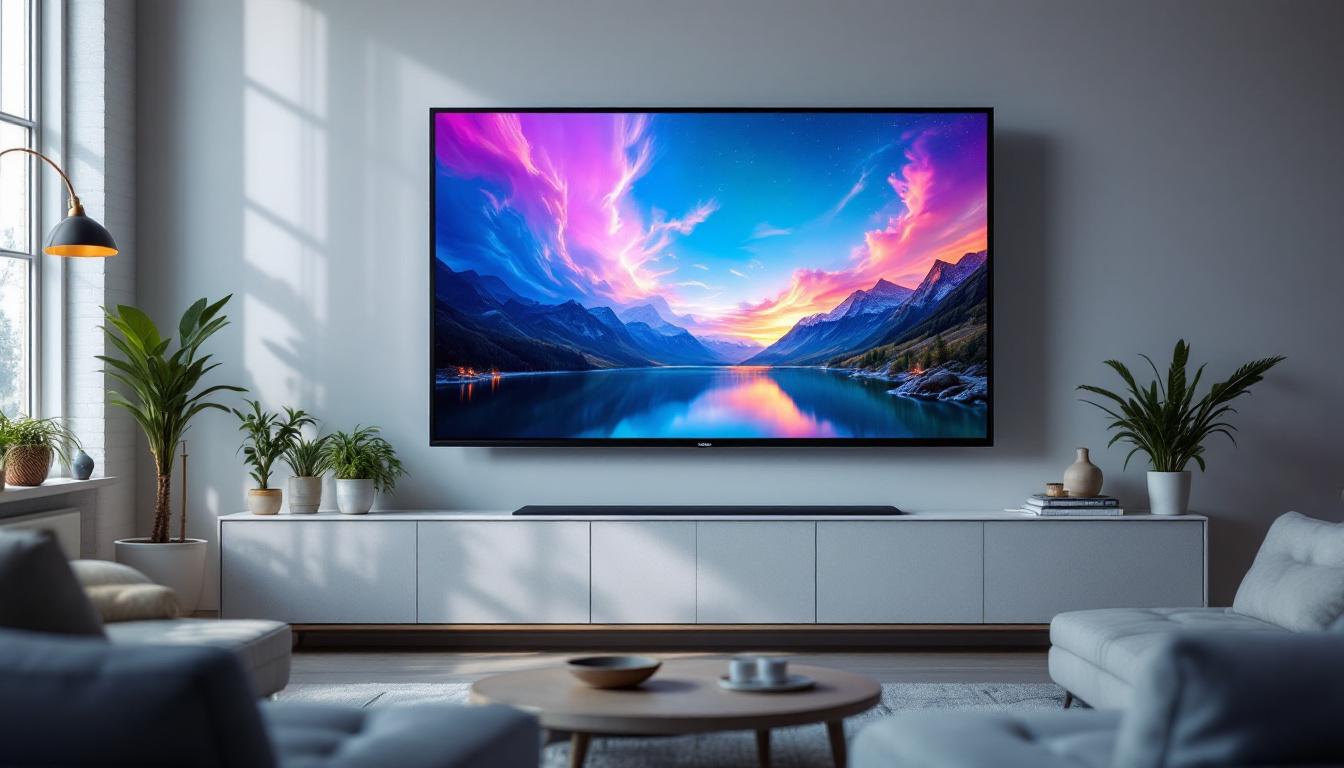
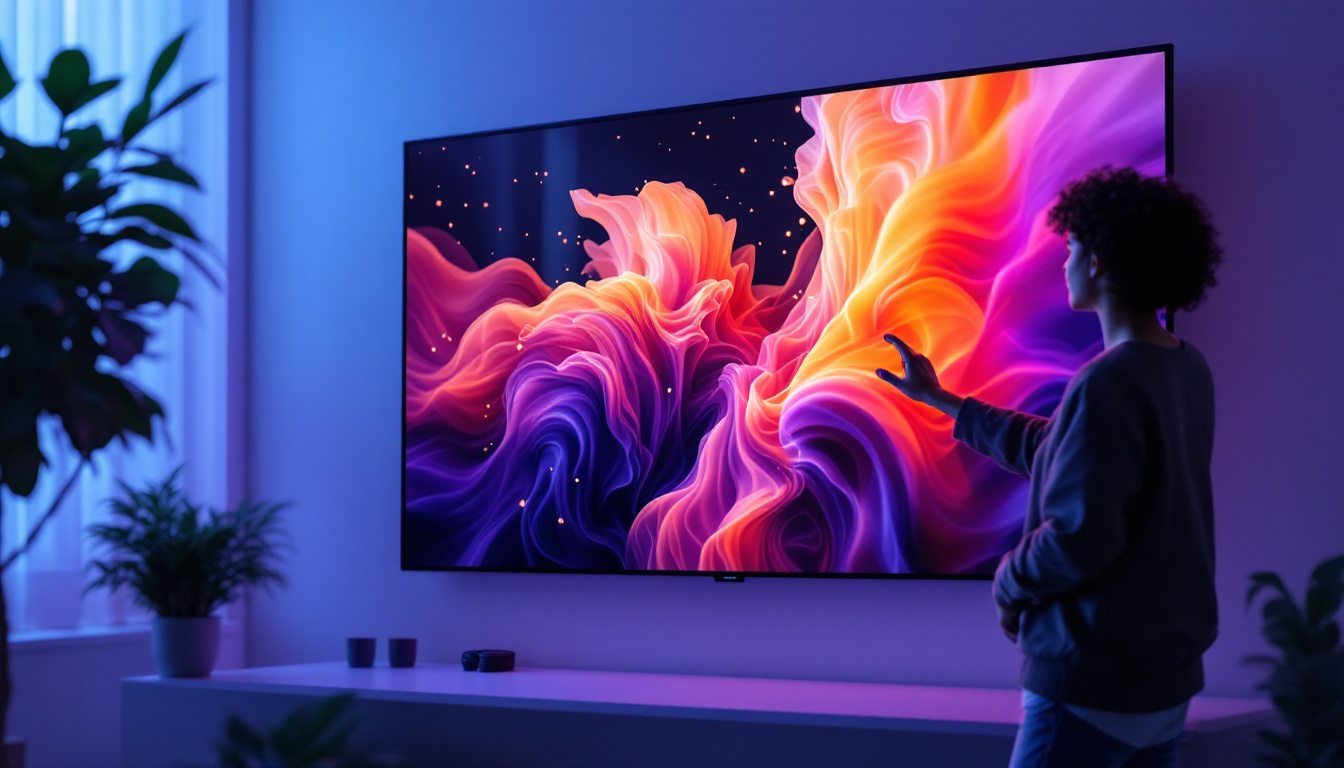
In homes, LED illuminated wall panels are gaining popularity as decorative elements that combine art and lighting. Homeowners use them to create accent walls, display digital artwork, or add functional lighting in living rooms and bedrooms. Smart home integration allows control over color and brightness via mobile devices, adding convenience and personalization.
Benefits of Using LED Illuminated Wall Panels
Choosing LED illuminated wall panels offers numerous advantages beyond their visual appeal.
Energy Savings and Sustainability
LED technology is renowned for its energy efficiency. According to the U.S. Department of Energy, LEDs use at least 75% less energy than incandescent lighting and last 25 times longer. This translates into substantial cost savings and reduced environmental impact, making LED panels a sustainable choice for lighting solutions.
Design Flexibility and Customization
LED illuminated wall panels can be fabricated in virtually any size, shape, or color scheme. This flexibility allows architects and designers to incorporate these panels seamlessly into their projects, whether as subtle ambient lighting or bold visual statements.
Moreover, programmable LED panels enable dynamic content changes, which is invaluable for businesses needing to update messaging frequently without incurring printing or installation costs.
Improved Visual Communication
LED displays offer high brightness and excellent color rendering, ensuring that content is visible even in well-lit environments. This is particularly important for signage and informational displays where clarity and readability are paramount.
Durability and Low Maintenance
LED illuminated wall panels are robust and resistant to shocks, vibrations, and external impacts compared to traditional lighting. Their long lifespan reduces maintenance requirements, making them cost-effective over time.
Installation and Maintenance Considerations
Proper installation and maintenance are crucial to maximize the performance and longevity of LED illuminated wall panels.
Installation Best Practices
Installation should be carried out by professionals familiar with electrical systems and LED technology. Key considerations include:
- Power Supply: Ensuring appropriate voltage and current specifications to prevent damage to LEDs.
- Heat Management: Although LEDs emit less heat than other light sources, adequate ventilation or heat sinks are necessary to avoid overheating.
- Mounting Surface: The wall or structure must support the panel’s weight and allow for secure attachment.
- Accessibility: Panels should be installed in locations that allow easy access for maintenance or repairs.
Maintenance Tips
Routine maintenance involves cleaning the diffuser surface to remove dust and debris that can diminish light output. It is also important to periodically check electrical connections and LED modules for signs of wear or failure.
Many modern LED panels come with diagnostic features and remote monitoring capabilities, enabling timely detection of issues and minimizing downtime.
Emerging Trends and Future Outlook
The LED illuminated wall panel market continues to evolve with advancements in technology and design.
Integration with Smart Technologies
Smart home and building automation systems increasingly incorporate LED panels that can be controlled via smartphones, voice assistants, or centralized management platforms. This integration allows for dynamic lighting scenes, energy optimization, and enhanced user interaction.
Higher Resolution and Enhanced Visual Effects
Developments in micro-LED and mini-LED technologies promise higher pixel densities and improved brightness, enabling LED wall panels to function as high-definition digital canvases. This opens new possibilities for advertising, art installations, and immersive environments.
Sustainability and Eco-Friendly Materials
Manufacturers are focusing on reducing the environmental footprint of LED panels by using recyclable materials, improving energy efficiency, and designing for easier disassembly and recycling.
Conclusion
Illuminated wall panels utilizing LED display technology represent a fusion of functionality, design, and sustainability. Their energy efficiency, longevity, and versatility make them an attractive choice for a broad spectrum of applications, from commercial signage to residential décor.
As LED technology continues to advance, these panels will offer even greater customization, interactivity, and integration with smart systems, shaping the future of illuminated environments. For businesses and homeowners alike, investing in LED illuminated wall panels is a forward-thinking decision that enhances visual communication and ambiance while supporting sustainable practices.
Discover the Future of Lighting with LumenMatrix
Ready to elevate your space with the latest in LED display technology? LumenMatrix offers a wide array of innovative solutions tailored to your needs, from captivating Indoor and Outdoor LED Wall Displays to dynamic Vehicle and Sports LED Displays. Our mission is to transform your visual communication, ensuring your message resonates with brilliance and precision. Don’t miss out on the opportunity to create unforgettable visual experiences. Check out LumenMatrix LED Display Solutions today and join the revolution in illuminated design.