In the rapidly evolving world of broadcast and digital signage, the role of LED displays has become increasingly prominent. Incorporated Television Company (ITC), a pioneer in television production and broadcasting, has embraced LED display technology to enhance viewer engagement and deliver superior visual experiences. This article delves into the fundamentals of LED displays, their applications within ITC, and the technological advancements shaping the future of television broadcasting.
Understanding LED Display Technology
What is an LED Display?
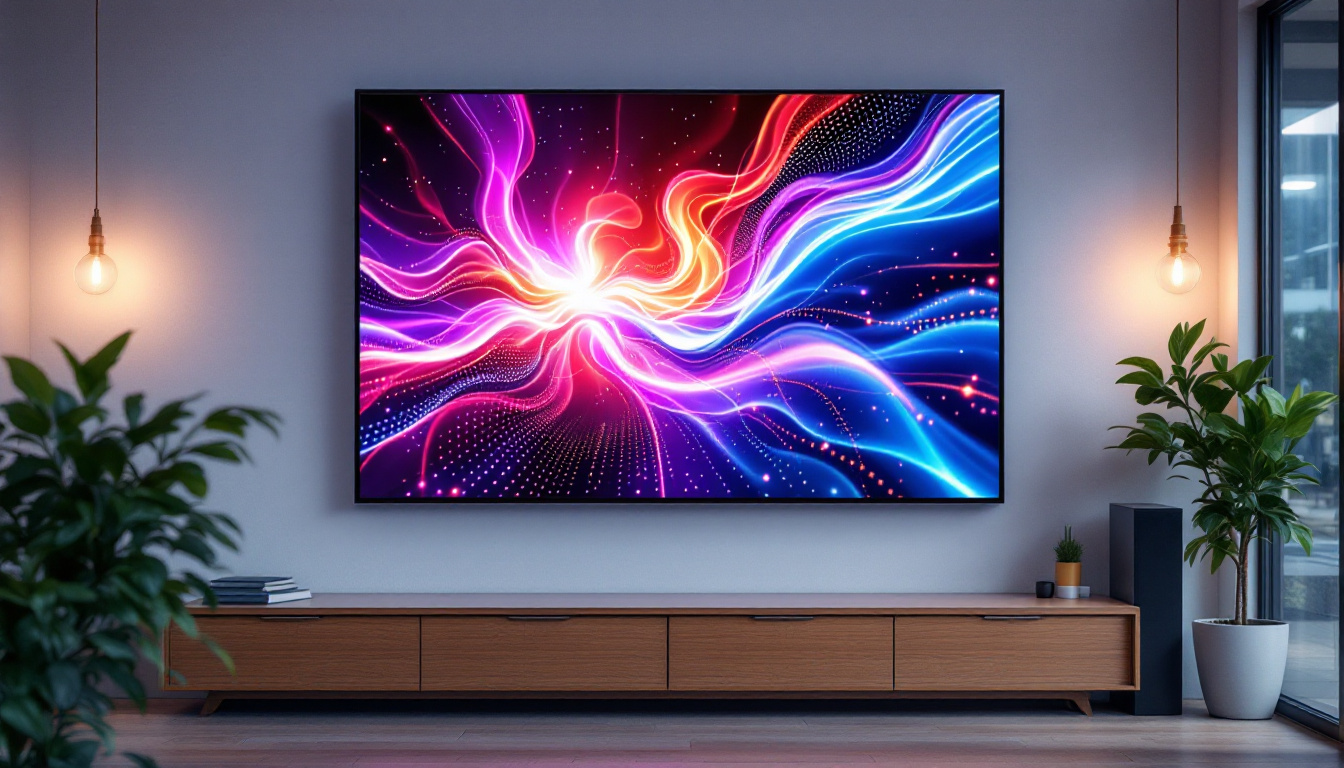
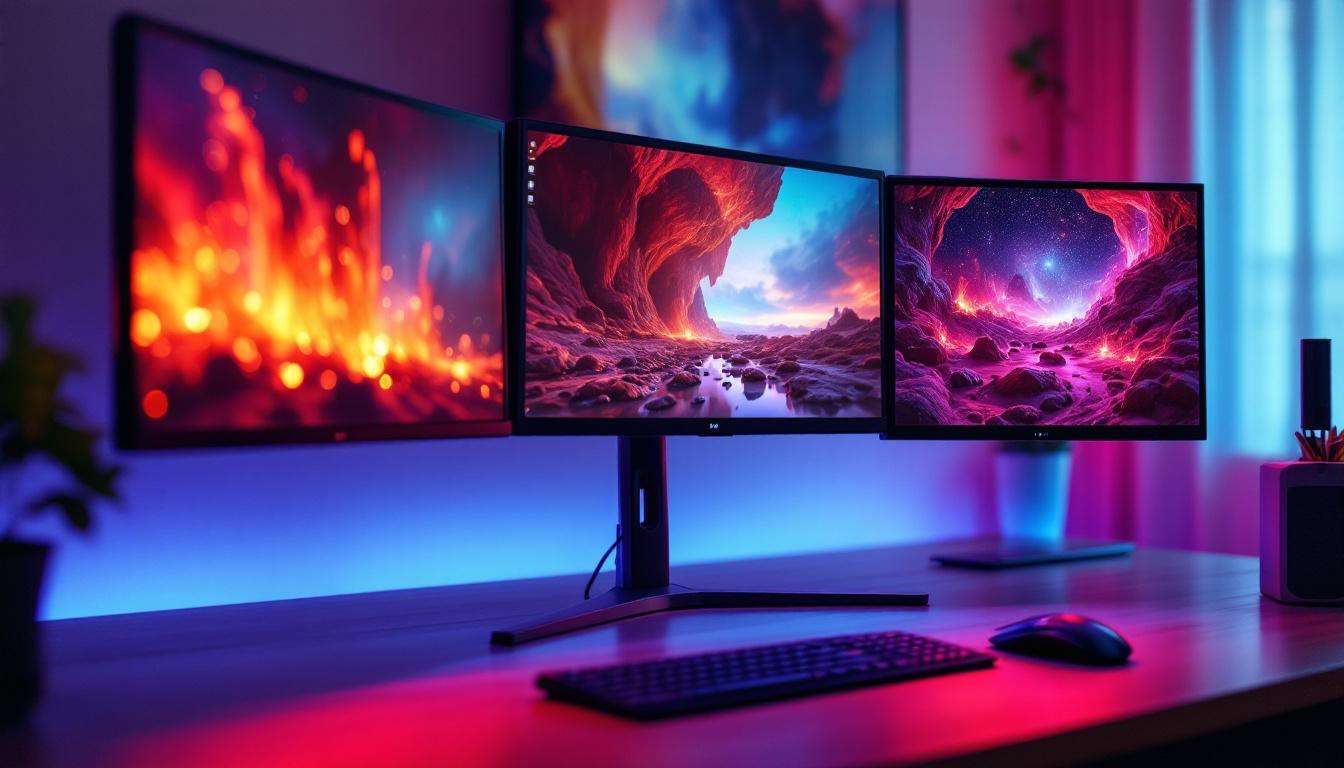
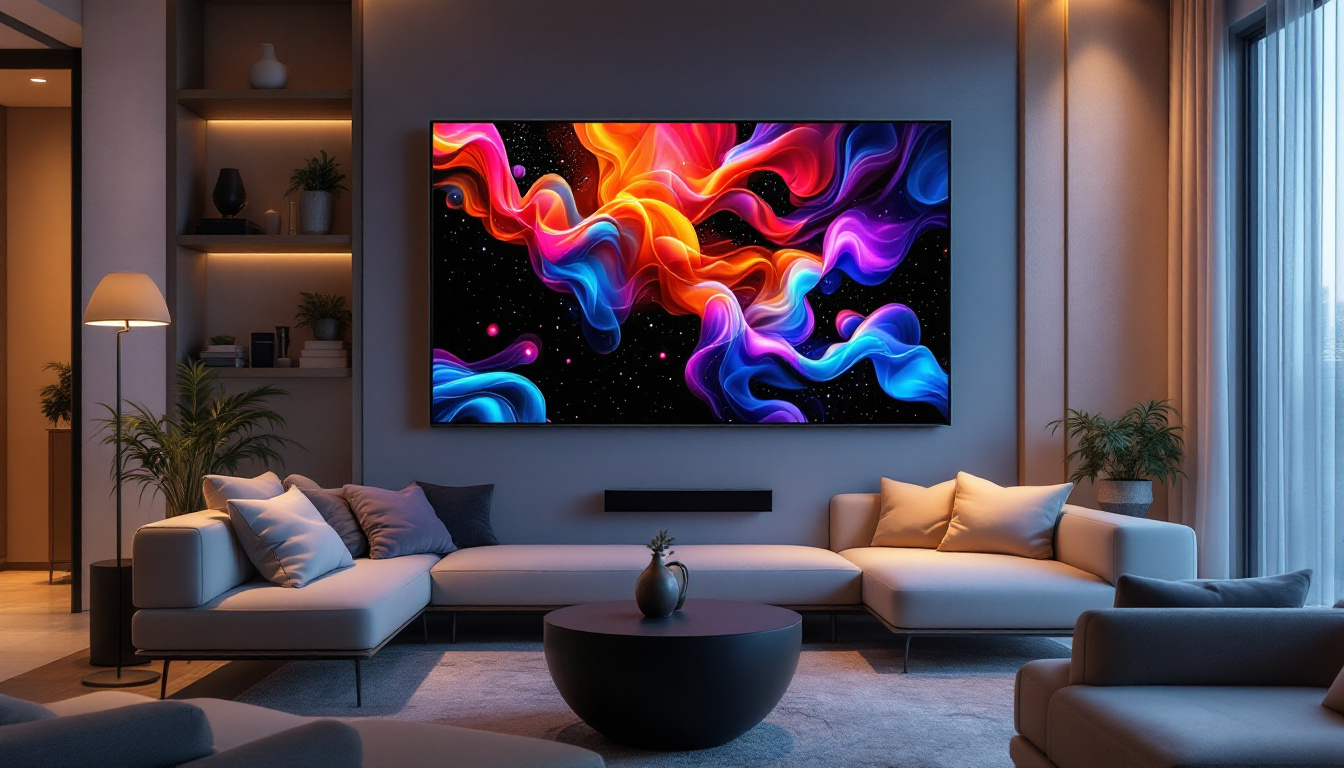
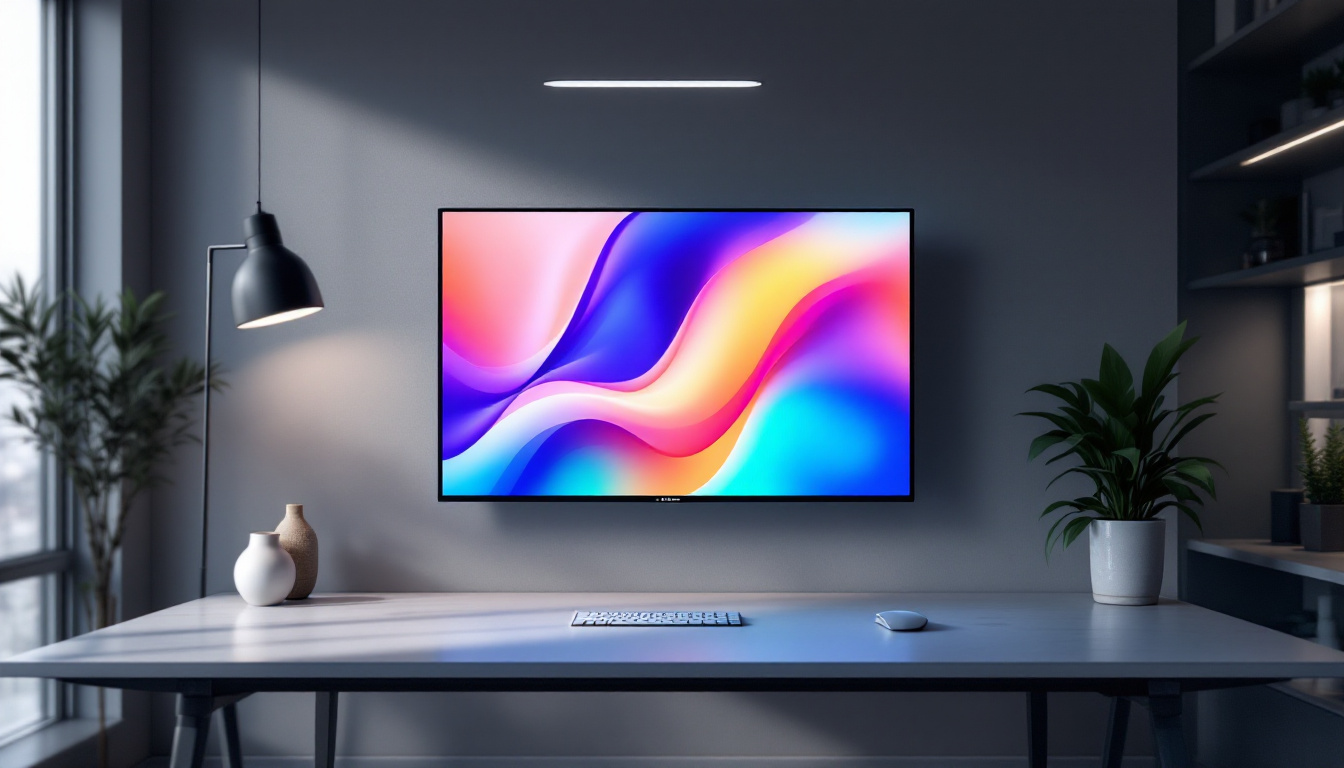
LED, or Light Emitting Diode, displays are screens composed of numerous tiny light sources that emit light when an electric current passes through them. Unlike traditional LCD or plasma screens, LED displays use these diodes to produce bright, vibrant images with high contrast ratios and energy efficiency. The technology can be configured in various forms, including direct-view LED panels and LED-backlit LCDs.
Direct-view LED displays consist of individual LEDs arranged in a matrix, each acting as a pixel. This structure allows for exceptional brightness and color accuracy, making them ideal for large-format screens used in stadiums, billboards, and television studios. LED-backlit LCDs, on the other hand, use LEDs as a backlight source behind an LCD panel, improving image quality and reducing power consumption compared to older CCFL backlights. The versatility of LED technology has led to its widespread adoption in various applications, from consumer electronics like televisions and smartphones to large-scale installations in public spaces, where they serve as dynamic advertising platforms.
Key Components and How They Work
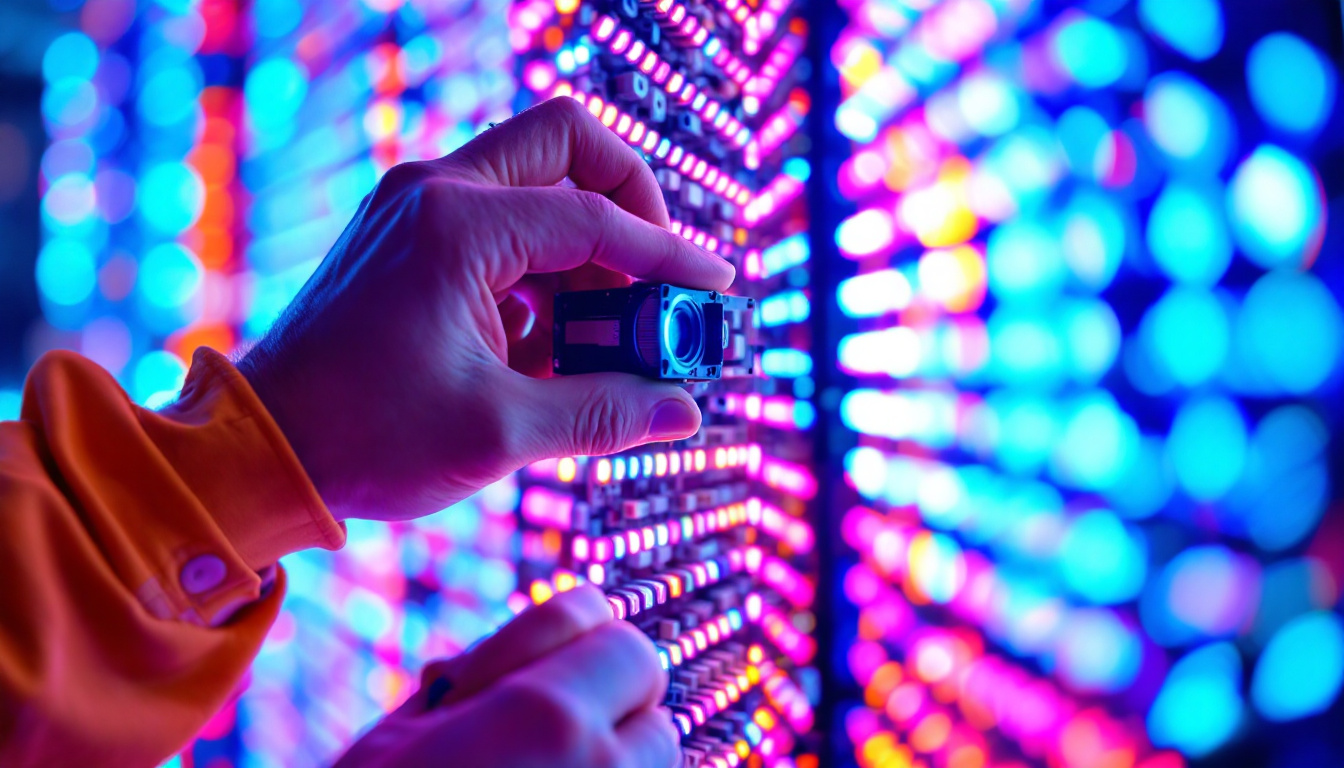
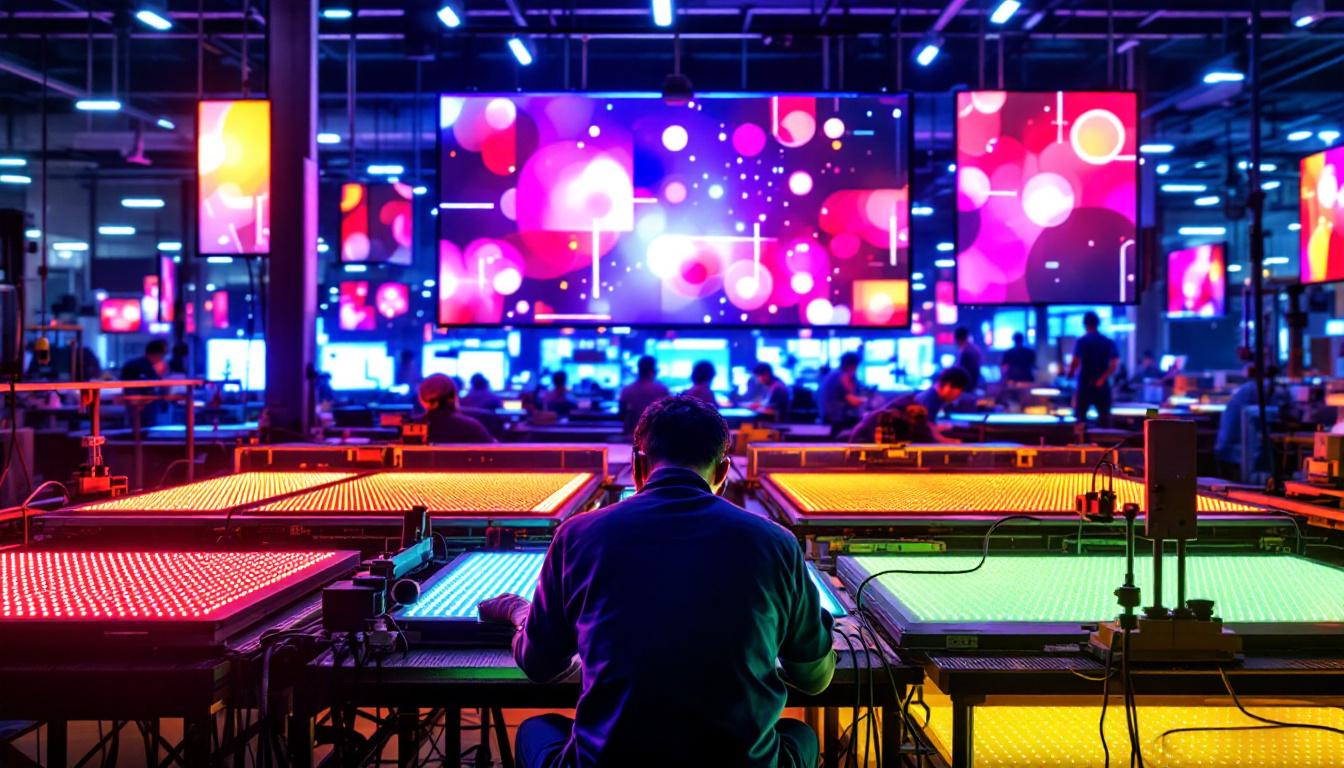
At the heart of an LED display are the diodes themselves, which come in red, green, and blue variants. These primary colors combine at varying intensities to create the full spectrum of colors visible on the screen. The precision control of each LED’s brightness enables the display to render images with remarkable detail and dynamic range. This capability is particularly beneficial in environments where lighting conditions can vary, as LED displays can adapt to maintain visibility and clarity.
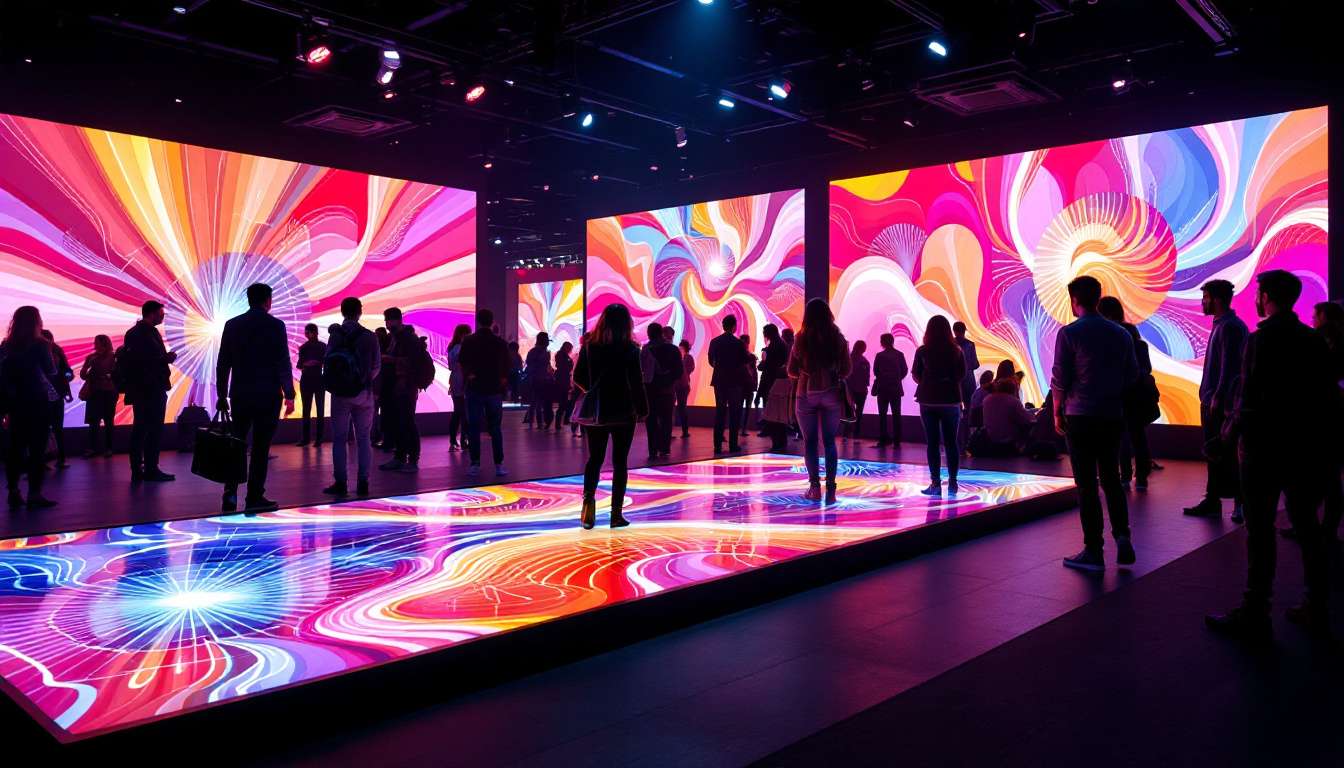
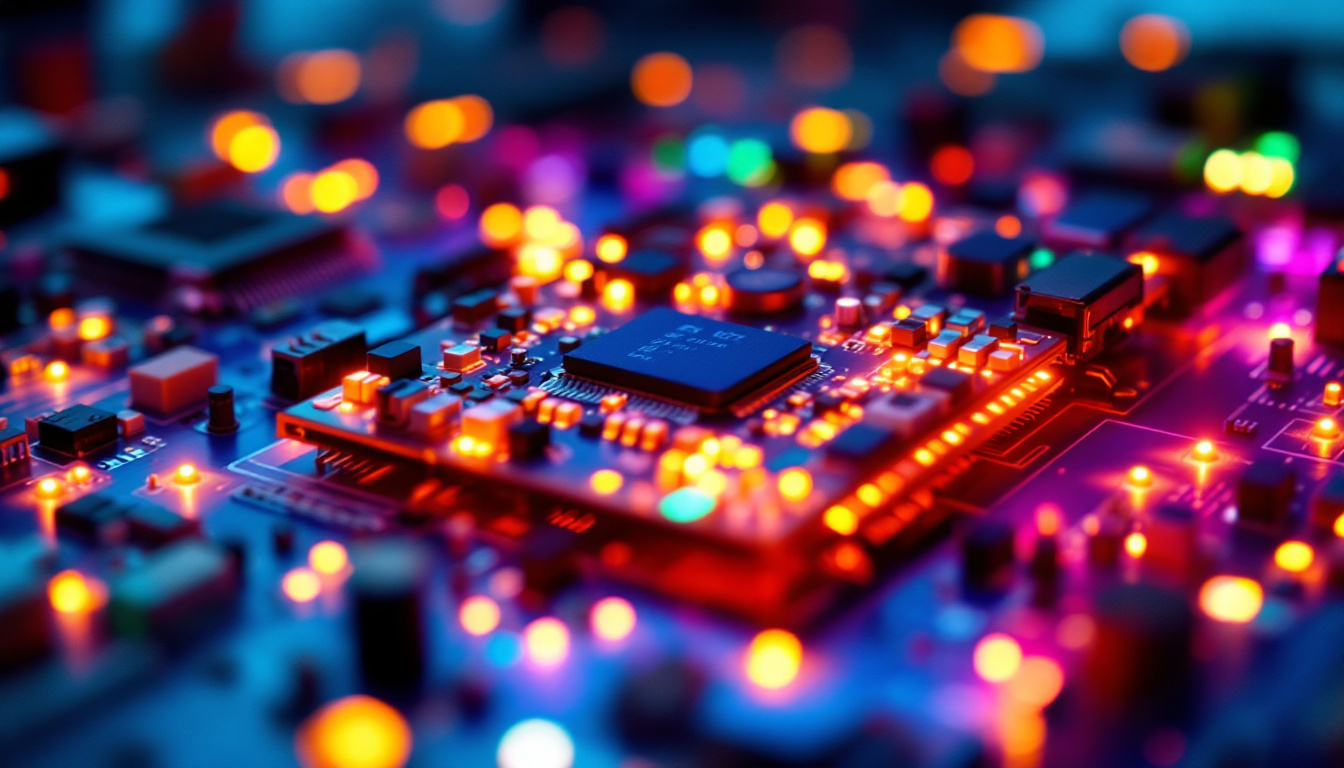
Modern LED displays also incorporate advanced driver ICs (Integrated Circuits) that manage the timing and power supplied to each diode, ensuring smooth image transitions and reducing flicker. Additionally, sophisticated calibration systems maintain color consistency and brightness uniformity across the entire display, which is critical in professional broadcasting environments. Beyond these components, LED displays often feature robust cooling systems to dissipate heat generated during operation, ensuring longevity and reliability. Furthermore, as technology progresses, innovations such as flexible LED displays are emerging, allowing for creative installations that can bend and conform to various shapes, expanding the possibilities for visual storytelling in both commercial and artistic contexts.
Applications of LED Displays in Incorporated Television Company
Enhancing Studio Production Quality
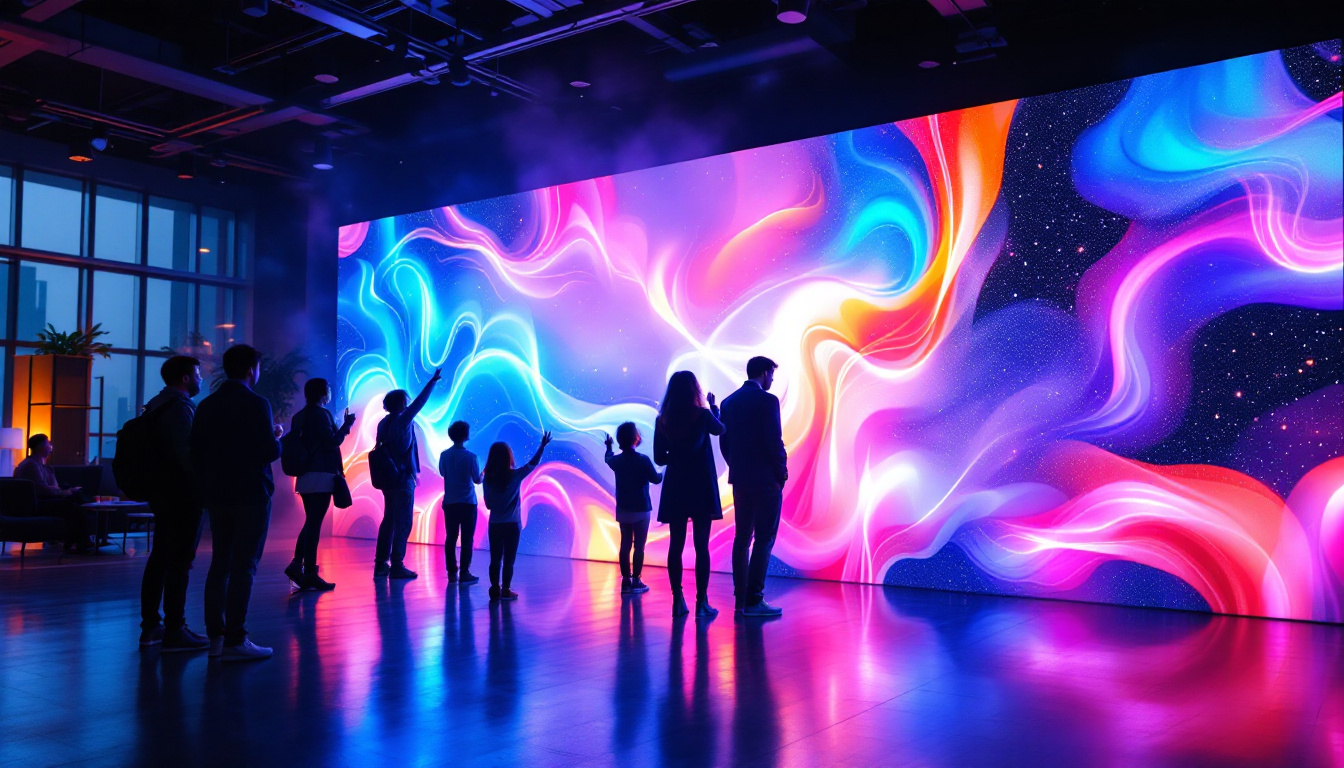
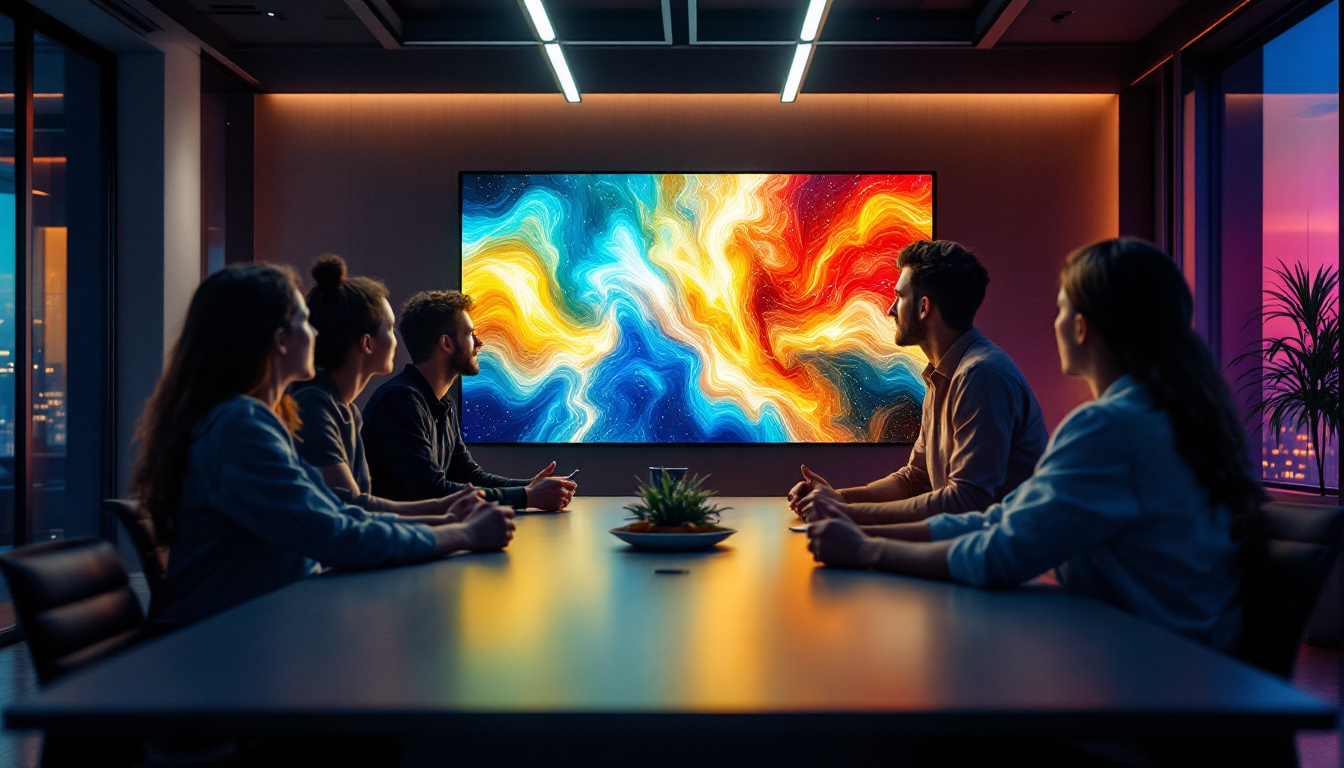
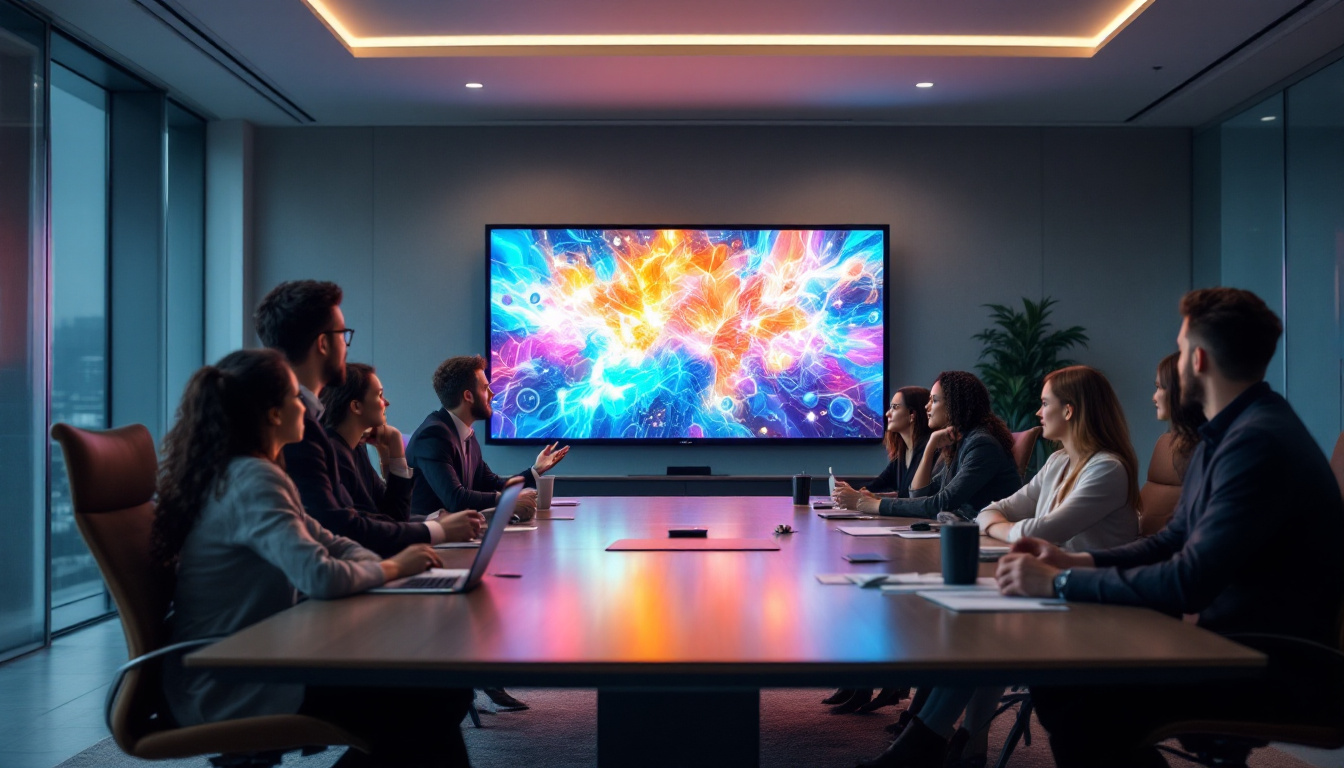
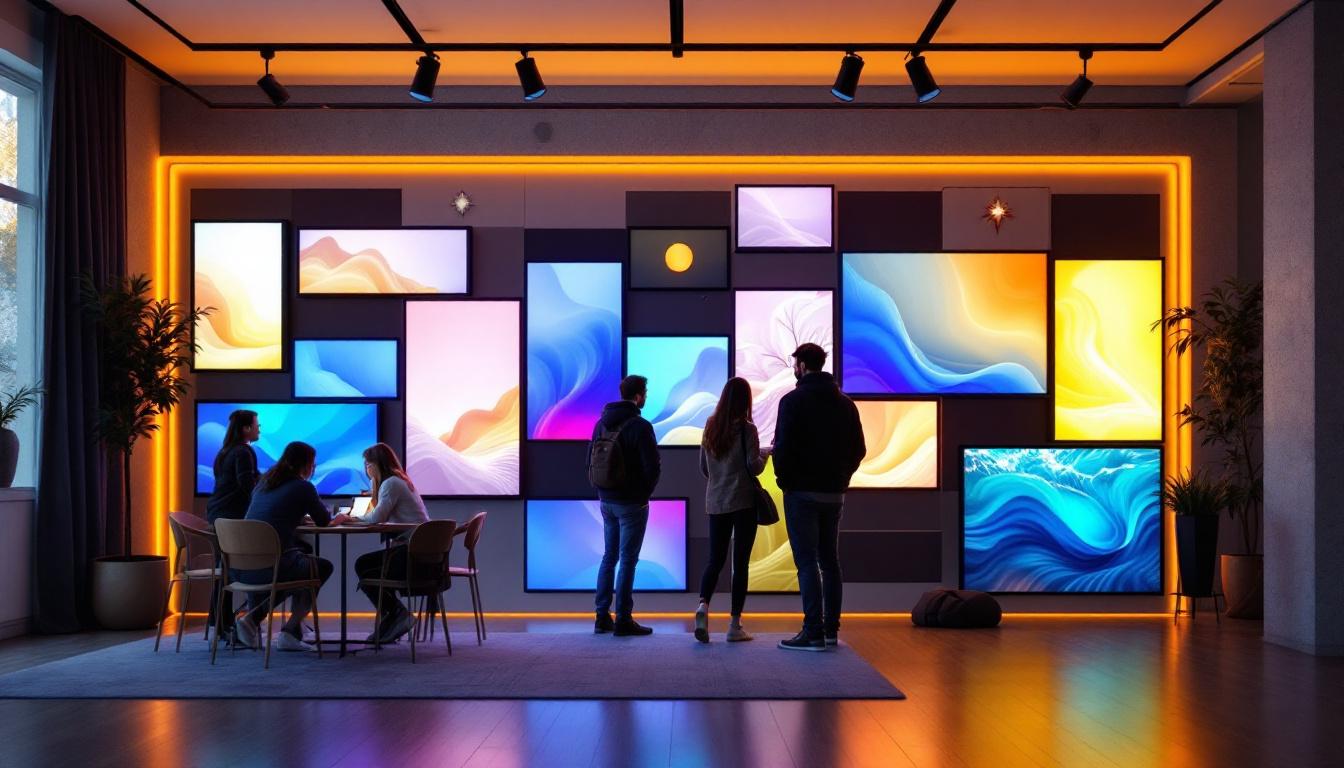
Incorporated Television Company has integrated LED display technology extensively within its studio environments. Large LED video walls serve as dynamic backdrops during live broadcasts, enabling producers to change scenery instantly and create immersive atmospheres without the need for physical set changes. This flexibility not only reduces production costs but also enhances storytelling by providing visually compelling contexts.
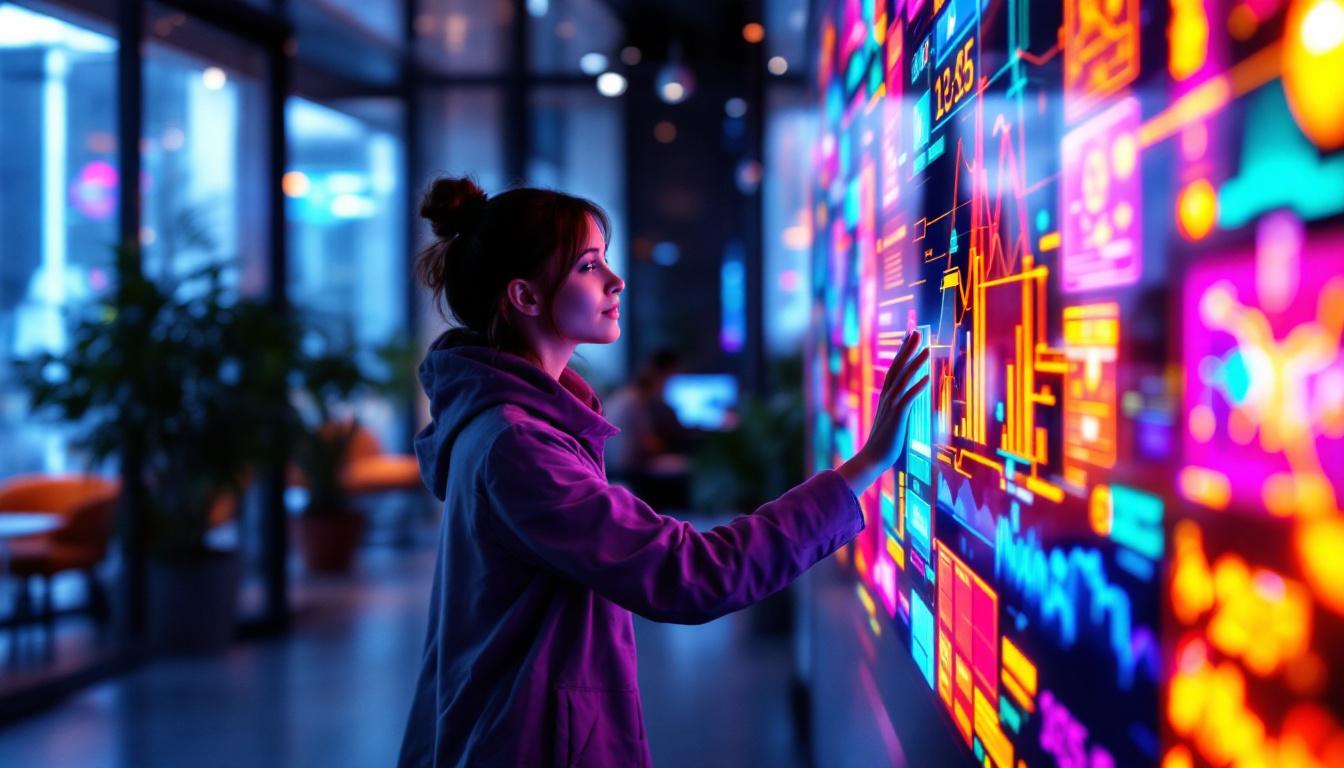
For example, during news broadcasts, LED walls can display real-time data feeds, maps, or interactive graphics that complement the anchors’ narratives. This integration of LED technology helps maintain viewer attention and facilitates clearer communication of complex information. Additionally, the vivid colors and high resolution of LED displays allow for a more engaging visual experience, making it easier for viewers to connect with the content being presented. The ability to incorporate augmented reality elements into these displays further enhances the storytelling capabilities, allowing for a seamless blend of digital and physical environments that captivates the audience.
Outdoor and Public Broadcast Displays
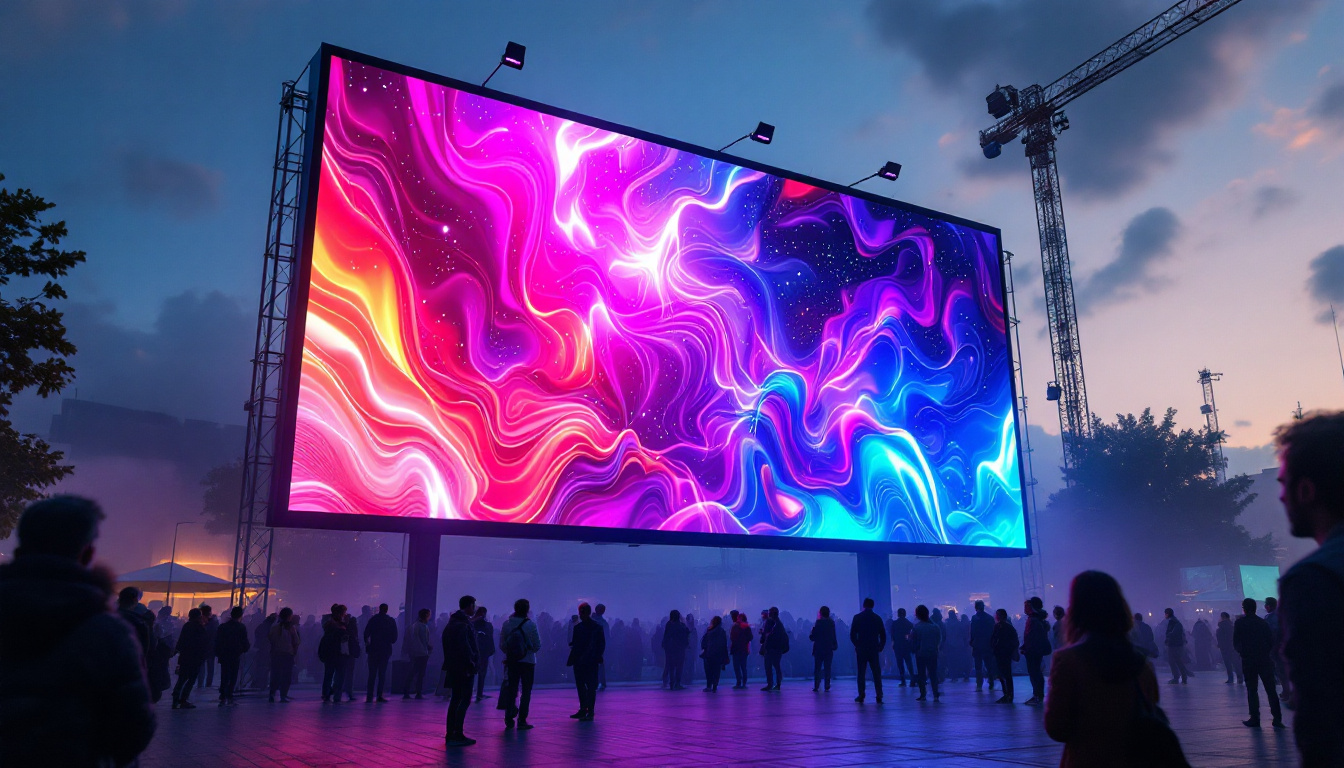
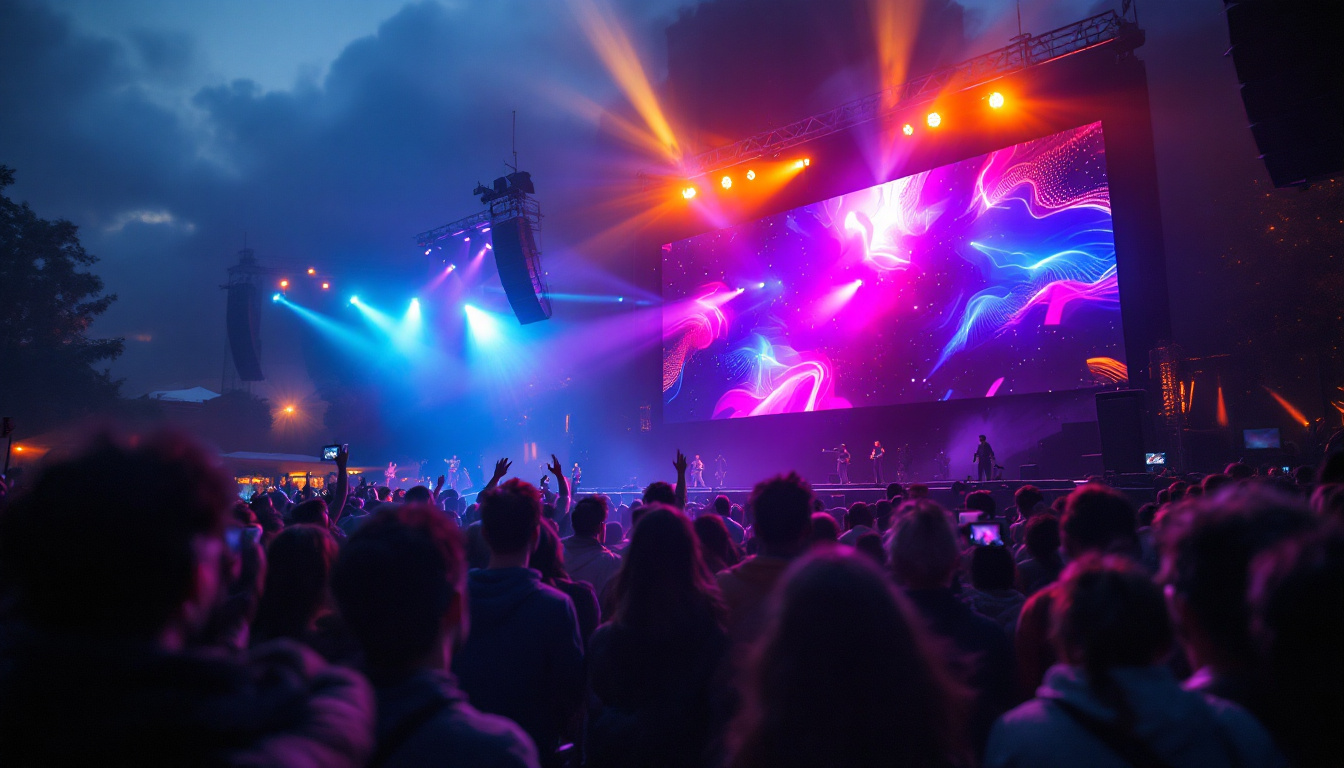
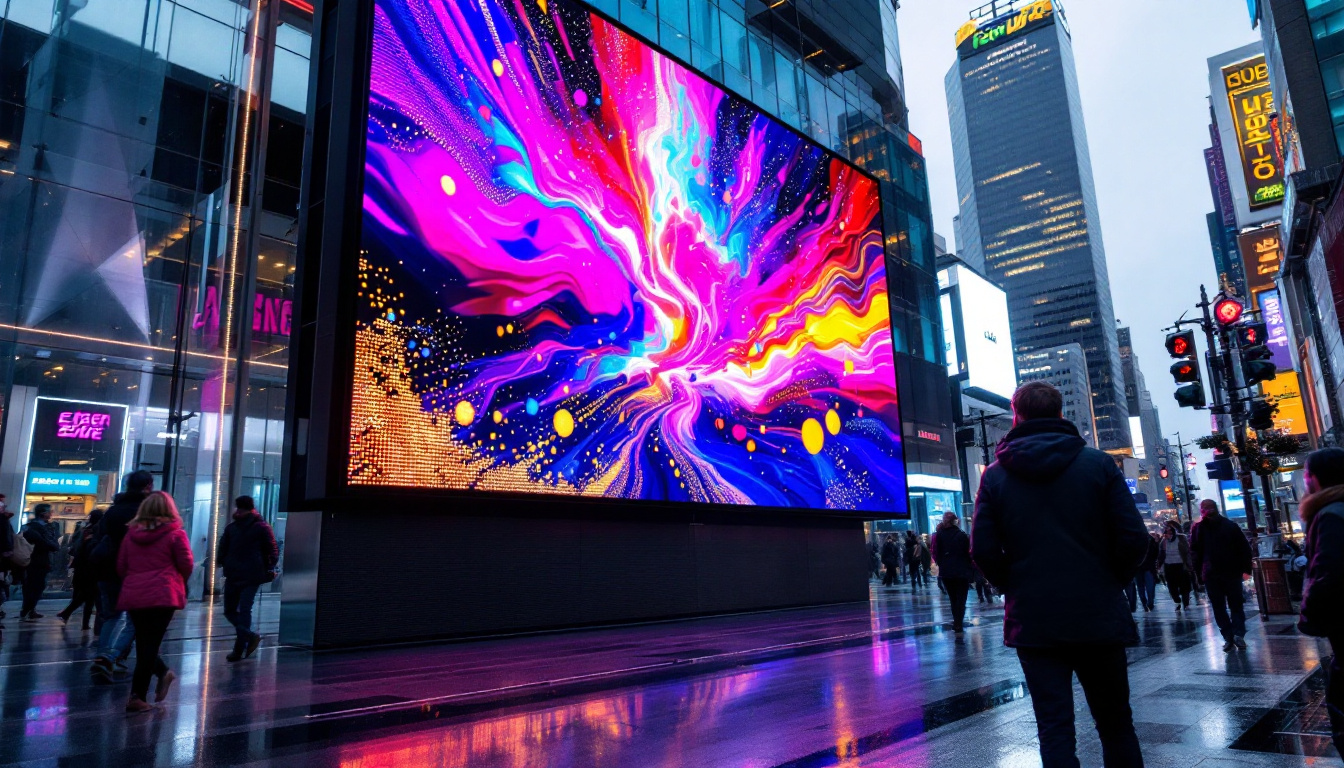
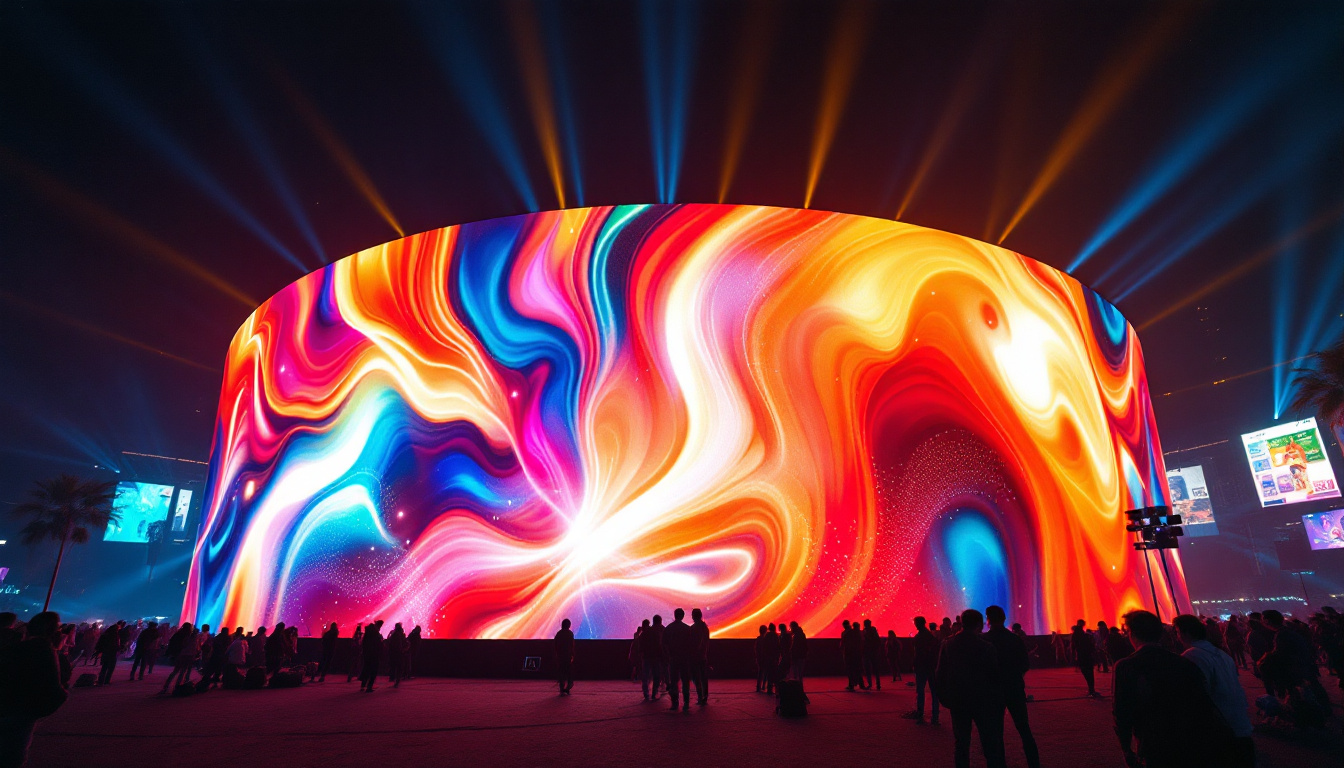
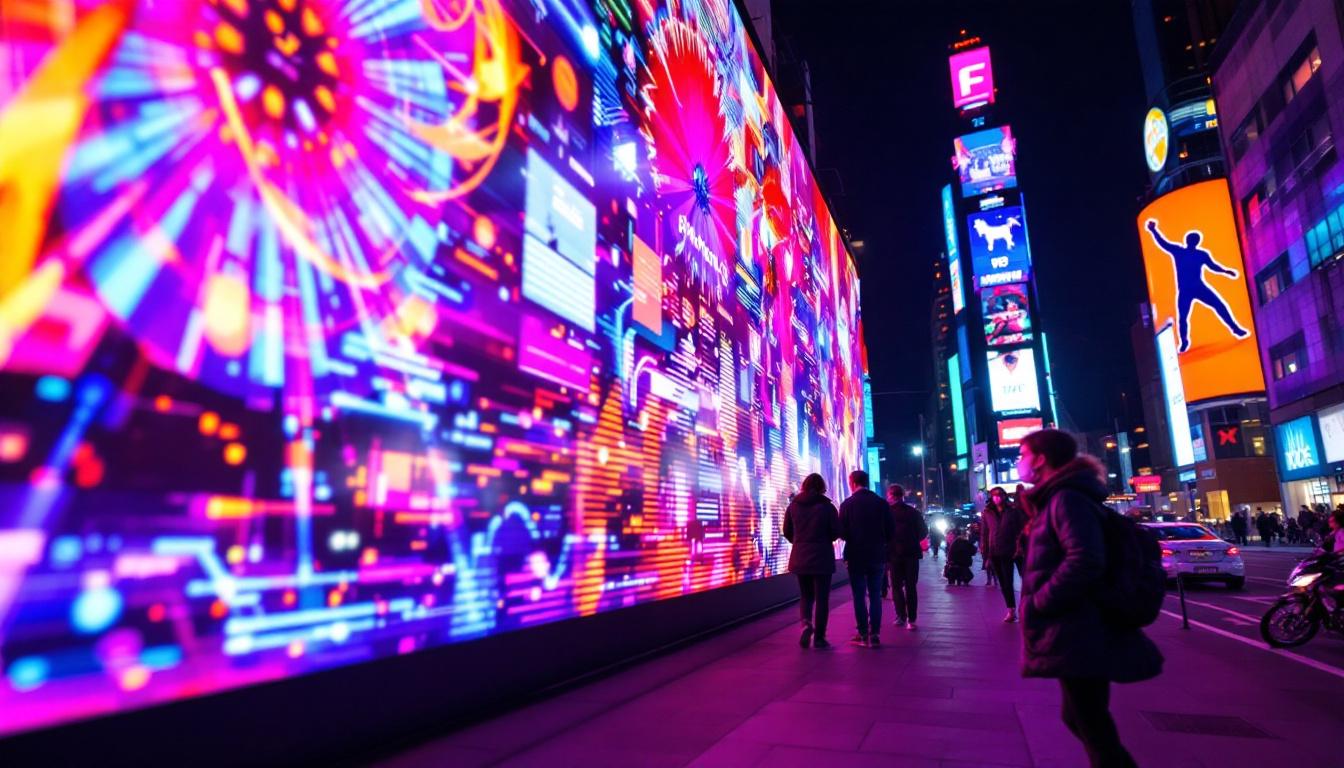
ITC also utilizes LED displays for outdoor broadcasting and public viewing events. High-brightness, weather-resistant LED screens ensure visibility even under direct sunlight and adverse weather conditions. This capability is essential for live sports events, concerts, and public gatherings where large audiences need clear and vibrant visuals.
One notable instance was ITC’s coverage of a major international sports tournament, where LED screens were deployed in fan zones across multiple cities. These displays provided live feeds, instant replays, and interactive content, significantly enhancing the spectator experience and engagement. Moreover, the strategic placement of these screens in high-traffic areas maximized audience reach, allowing fans who could not attend the events in person to still feel a part of the action. The integration of social media feeds on these displays also encouraged audience interaction, creating a lively atmosphere as fans shared their experiences in real time.
Advertising and Sponsorship Opportunities
Beyond content delivery, LED displays offer lucrative advertising and sponsorship opportunities for ITC. The ability to display high-definition, dynamic advertisements allows for targeted marketing campaigns that can be updated in real time. This adaptability is particularly valuable during live broadcasts, where sponsors can tailor messages to specific segments or audience demographics.
Furthermore, LED technology’s energy efficiency and longevity reduce operational costs, making it a sustainable choice for continuous advertising displays within ITC’s facilities and partner venues. The interactive capabilities of LED displays also open up new avenues for advertisers, allowing them to engage viewers through gamification or personalized content. For instance, during a live event, viewers could participate in polls or contests displayed on the LED screens, creating a two-way interaction that enhances brand engagement and loyalty. This innovative approach not only benefits advertisers but also enriches the overall viewing experience for audiences, making them feel more involved and connected to the brands being showcased.
Technological Advancements Driving LED Display Innovation
Mini-LED and Micro-LED Technologies
Recent developments in LED technology, such as Mini-LED and Micro-LED, are pushing the boundaries of display performance. Mini-LEDs are significantly smaller than traditional LEDs, allowing for higher pixel densities and improved local dimming capabilities. This results in better contrast ratios and deeper blacks, enhancing picture quality in studio monitors and consumer televisions alike.
Micro-LED technology takes this a step further by using microscopic LEDs that can be individually controlled, offering unparalleled brightness, color accuracy, and energy efficiency. While still emerging, Micro-LED displays hold promise for future broadcast applications where image fidelity is paramount.
Integration with IP and 4K/8K Broadcasting
Incorporated Television Company is also leveraging LED displays in conjunction with IP-based broadcasting and ultra-high-definition formats such as 4K and 8K. The high resolution and refresh rates of modern LED panels complement these formats by delivering crisp, smooth visuals that meet the demands of contemporary viewers.
IP integration allows for seamless content distribution and remote management of LED displays, enabling ITC to operate multiple screens across different locations efficiently. This capability is particularly beneficial for live event coverage and multi-site broadcasting operations.
Artificial Intelligence and Content Optimization
Artificial intelligence (AI) is increasingly being applied to optimize LED display content. AI algorithms analyze viewer behavior, ambient lighting conditions, and content type to adjust brightness, contrast, and color settings dynamically. This ensures optimal viewing experiences while minimizing power consumption.
Moreover, AI-driven content management systems enable ITC to automate scheduling, personalize advertising, and enhance interactive features on LED displays, thereby increasing audience engagement and operational efficiency.
Challenges and Considerations in LED Display Deployment
Cost and Maintenance Factors
While LED displays offer numerous advantages, their initial investment can be substantial, especially for large-scale installations. ITC carefully evaluates the total cost of ownership, including installation, calibration, and ongoing maintenance. High-quality LED panels require periodic servicing to maintain performance, and replacement of damaged modules can be costly.
However, the long lifespan and energy savings associated with LED technology often offset these expenses over time, making them a prudent choice for broadcasters committed to quality and sustainability.
Technical Limitations and Environmental Impact
Despite significant progress, LED displays still face technical limitations such as potential color shifts over time and challenges in achieving perfect black levels compared to OLED technology. ITC continuously monitors these factors to ensure broadcast standards are upheld.
Environmental considerations also play a role in LED deployment. The company prioritizes sourcing from manufacturers adhering to eco-friendly production practices and incorporates recycling programs for obsolete panels to minimize electronic waste.
The Future of LED Displays in Television Broadcasting
Emerging Trends and Innovations
The future of LED displays in television broadcasting is poised for exciting developments. Flexible and transparent LED panels are gaining traction, enabling novel set designs and augmented reality applications. These innovations promise to transform how content is presented and experienced.
Additionally, advancements in quantum dot technology combined with LEDs are enhancing color gamut and brightness, further elevating picture quality for viewers worldwide.
Incorporated Television Company’s Vision
Incorporated Television Company remains at the forefront of adopting and integrating cutting-edge LED display technologies. By investing in research and development, ITC aims to deliver unparalleled visual storytelling that captivates audiences and sets new industry benchmarks.
Through strategic partnerships with LED manufacturers and continuous staff training, ITC ensures that its broadcast infrastructure evolves in tandem with technological progress, maintaining its reputation for excellence in television production.
Conclusion
LED display technology has revolutionized the television broadcasting landscape, offering vibrant visuals, operational flexibility, and cost-effective solutions. Incorporated Television Company’s adoption of LED displays exemplifies how modern broadcasters can leverage this technology to enhance production quality, engage audiences, and create immersive viewing experiences.
As LED technology continues to advance, ITC’s commitment to innovation and quality positions it to capitalize on emerging opportunities and maintain its leadership in the competitive broadcasting industry. Understanding the intricacies of LED displays and their applications is essential for stakeholders seeking to navigate the future of television with confidence and vision.
Discover LumenMatrix’s Innovative LED Solutions
Ready to elevate your broadcasting and visual communication capabilities? Explore LumenMatrix’s comprehensive range of LED display solutions, designed to captivate your audience and amplify your message. From Indoor and Outdoor LED Walls to specialized displays for vehicles, sports, and custom installations, LumenMatrix is your partner in creating immersive and dynamic visual experiences. Check out LumenMatrix LED Display Solutions today and see how our cutting-edge technology can transform your brand’s visibility and engagement.