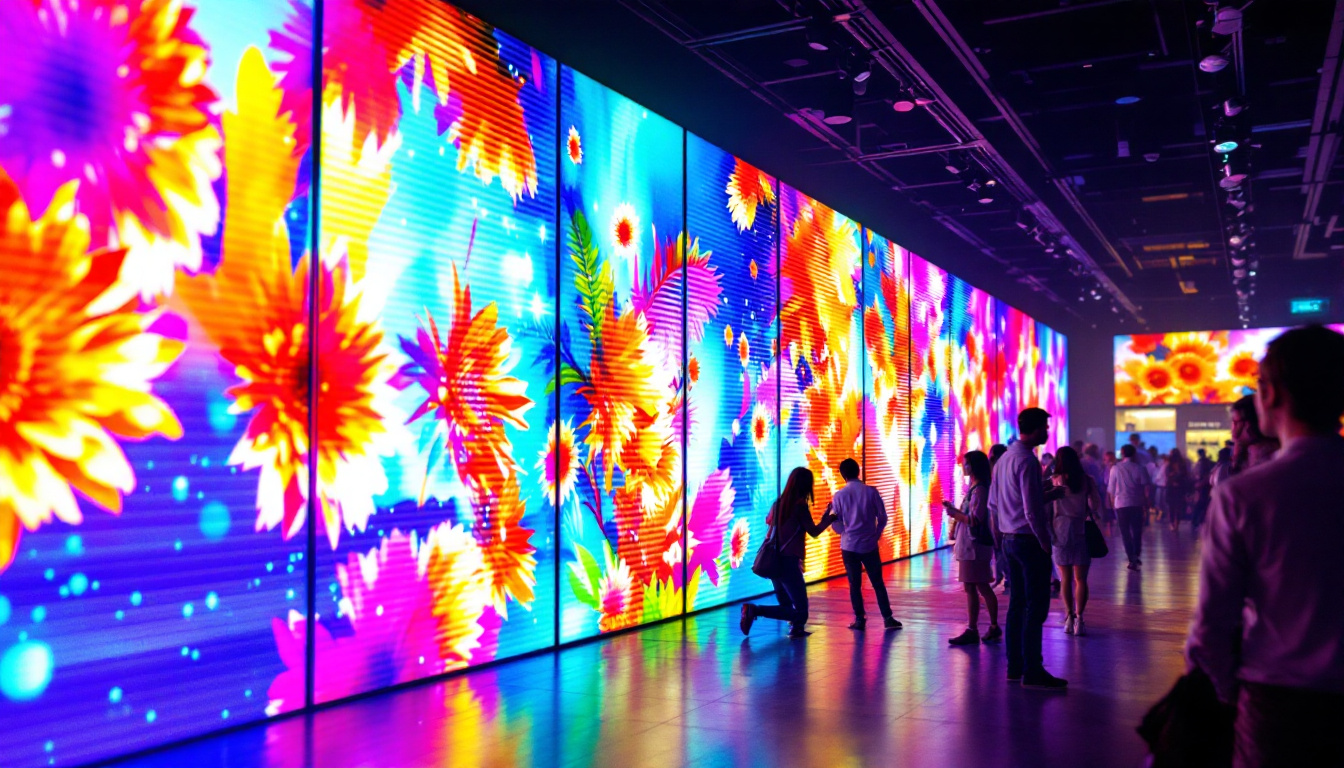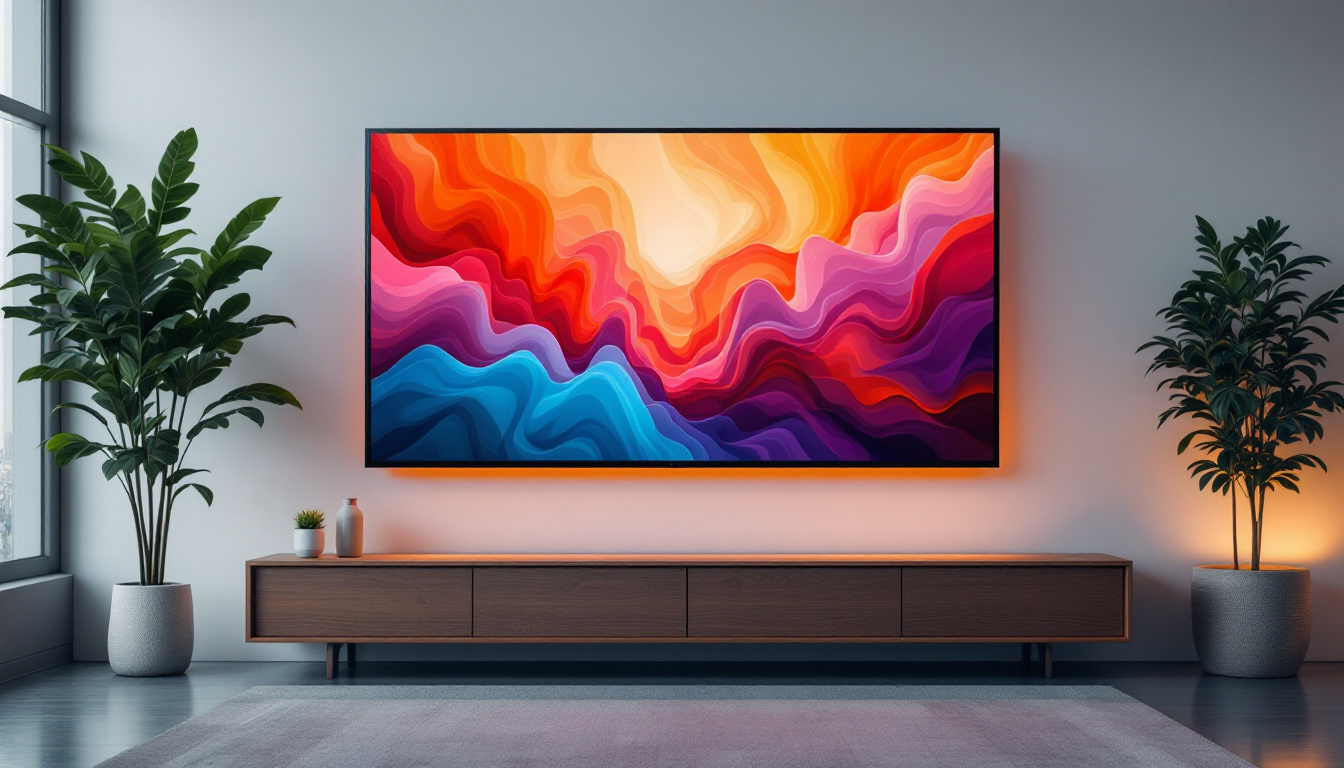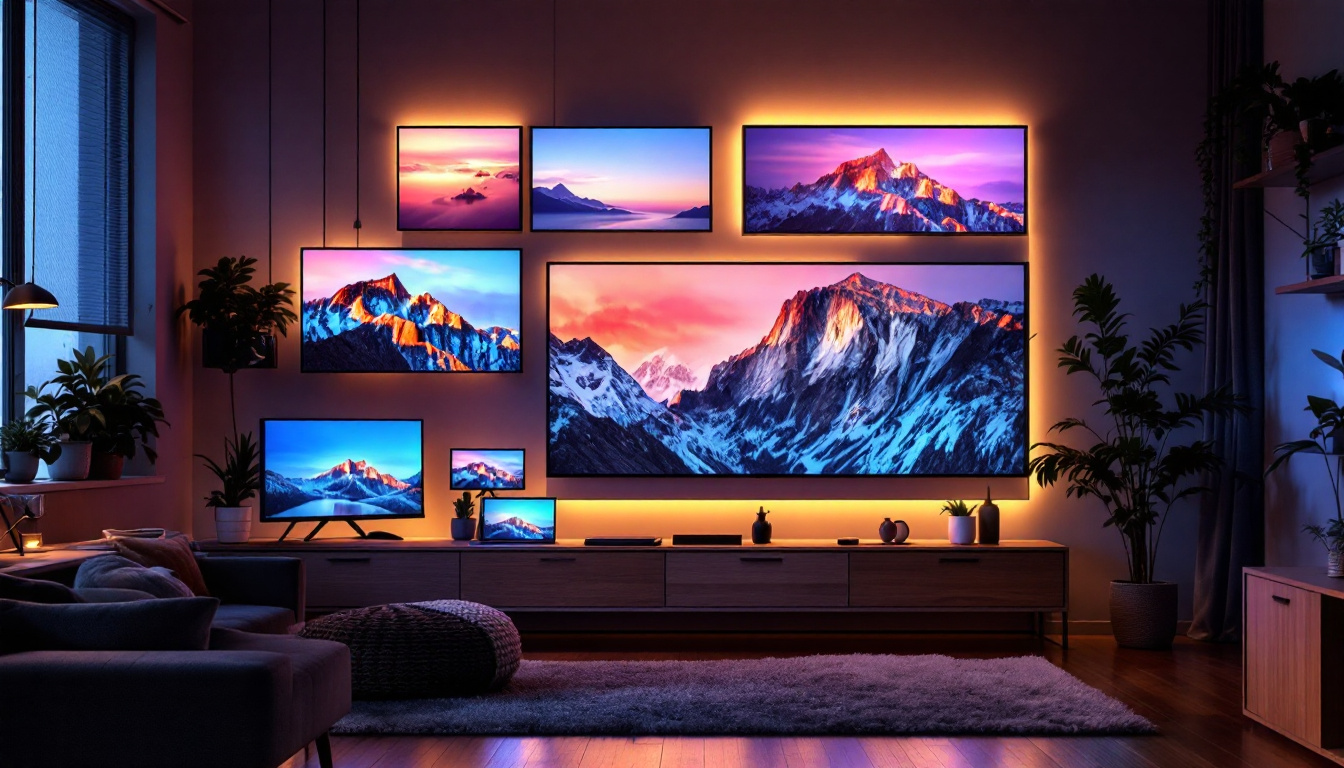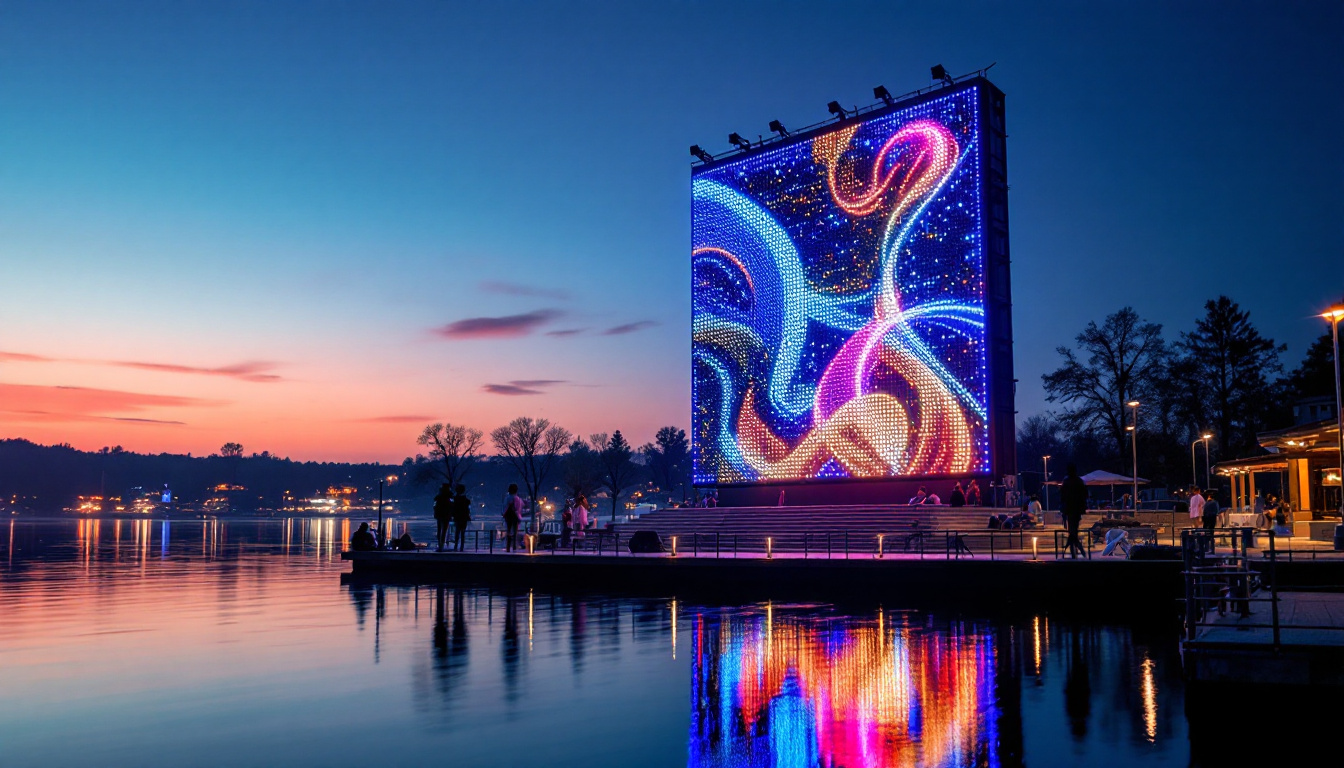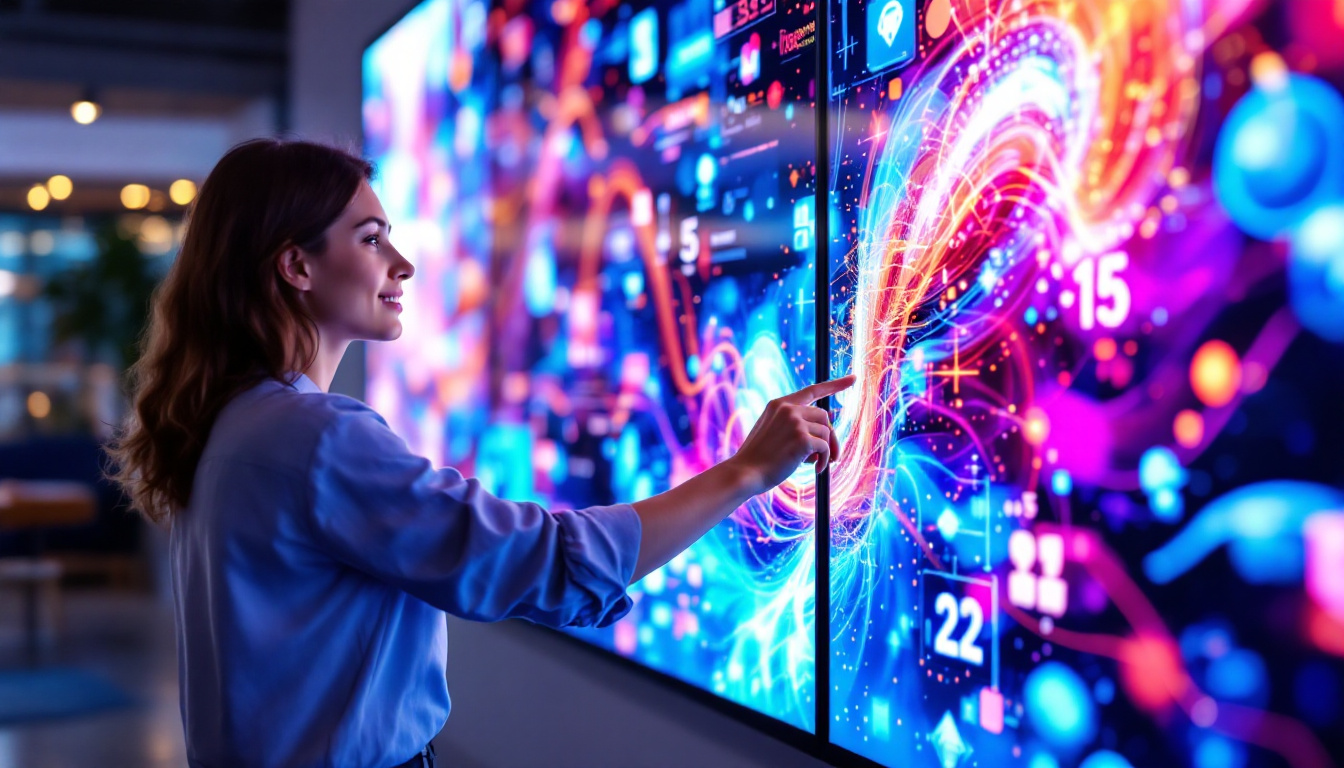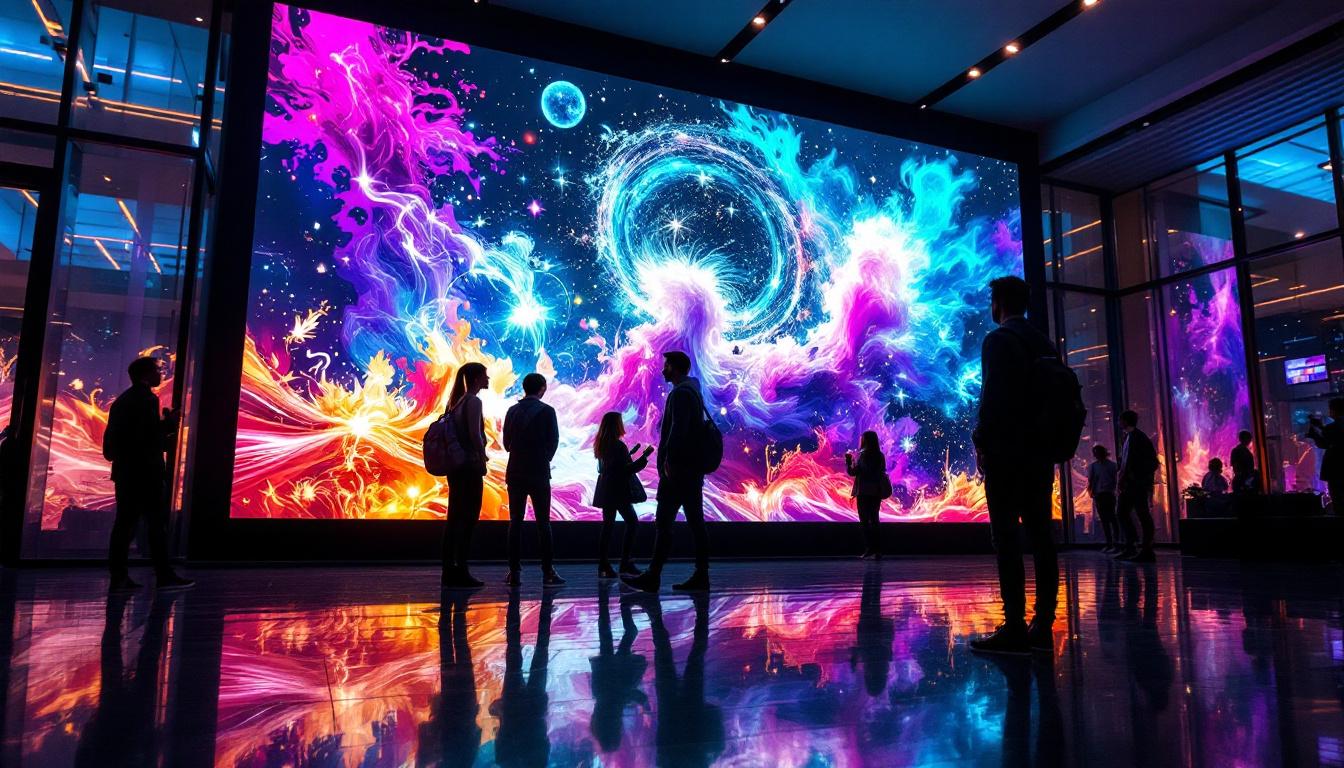
In today’s fast-paced digital world, indoor LED display screens have become an essential tool for communication, advertising, and entertainment. From retail stores and corporate offices to event venues and control rooms, these vibrant displays offer unmatched visual impact and versatility. But what exactly is an indoor LED display screen? How do they work, and why are they preferred over other display technologies? This comprehensive guide explores everything you need to know about indoor LED displays, helping businesses and technology enthusiasts make informed decisions.
Understanding Indoor LED Display Screens
What is an Indoor LED Display Screen?
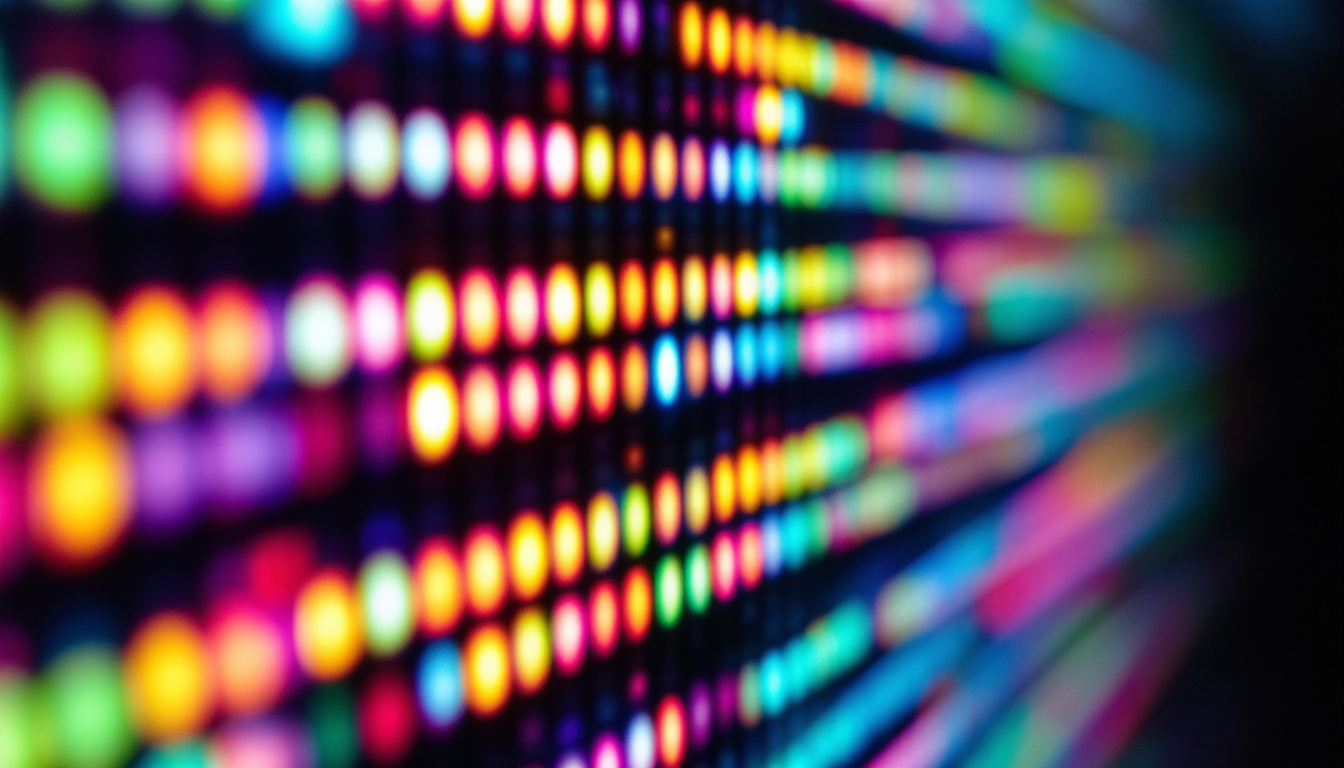
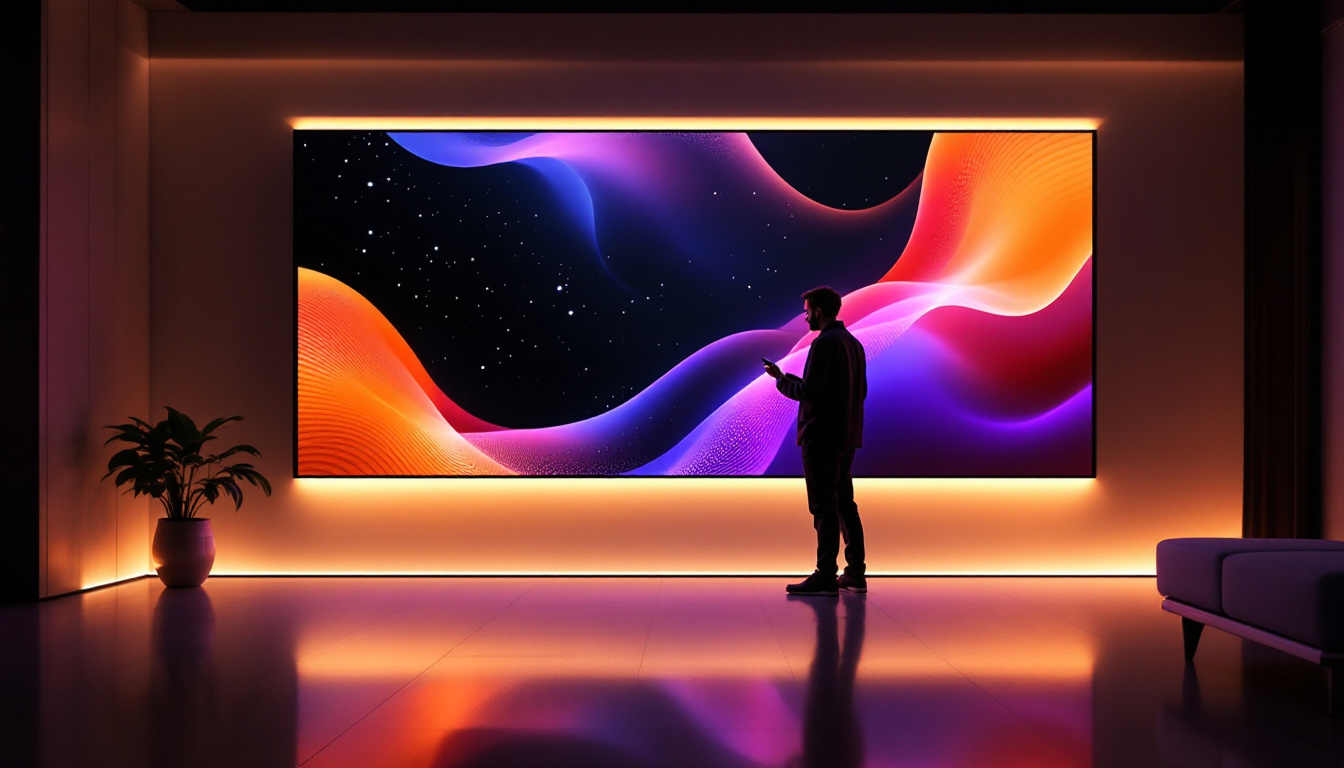
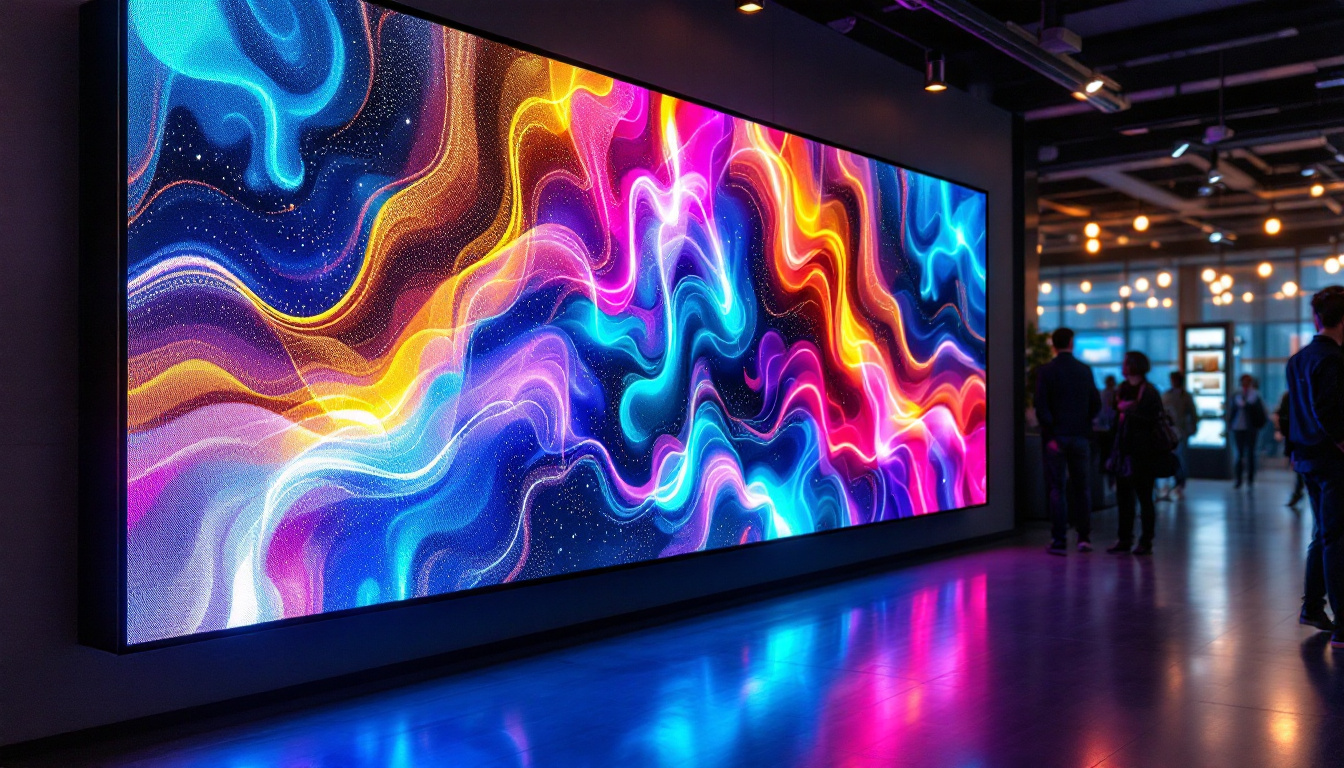
An indoor LED display screen is a type of digital screen that uses light-emitting diodes (LEDs) to create images and videos. Unlike traditional LCD or plasma screens, LED displays consist of thousands of tiny LEDs arranged in a matrix. These LEDs emit light individually, allowing for bright, high-contrast visuals that are easily visible in indoor environments.
Indoor LED screens are designed specifically for use inside buildings, where lighting conditions are controlled. This differentiates them from outdoor LED displays, which need to withstand harsh weather and intense sunlight. Indoor LED screens typically have a higher pixel density, meaning the LEDs are packed more closely together to produce sharper images at close viewing distances. This makes them ideal for applications such as retail advertising, conference presentations, and entertainment events, where clarity and detail are paramount.
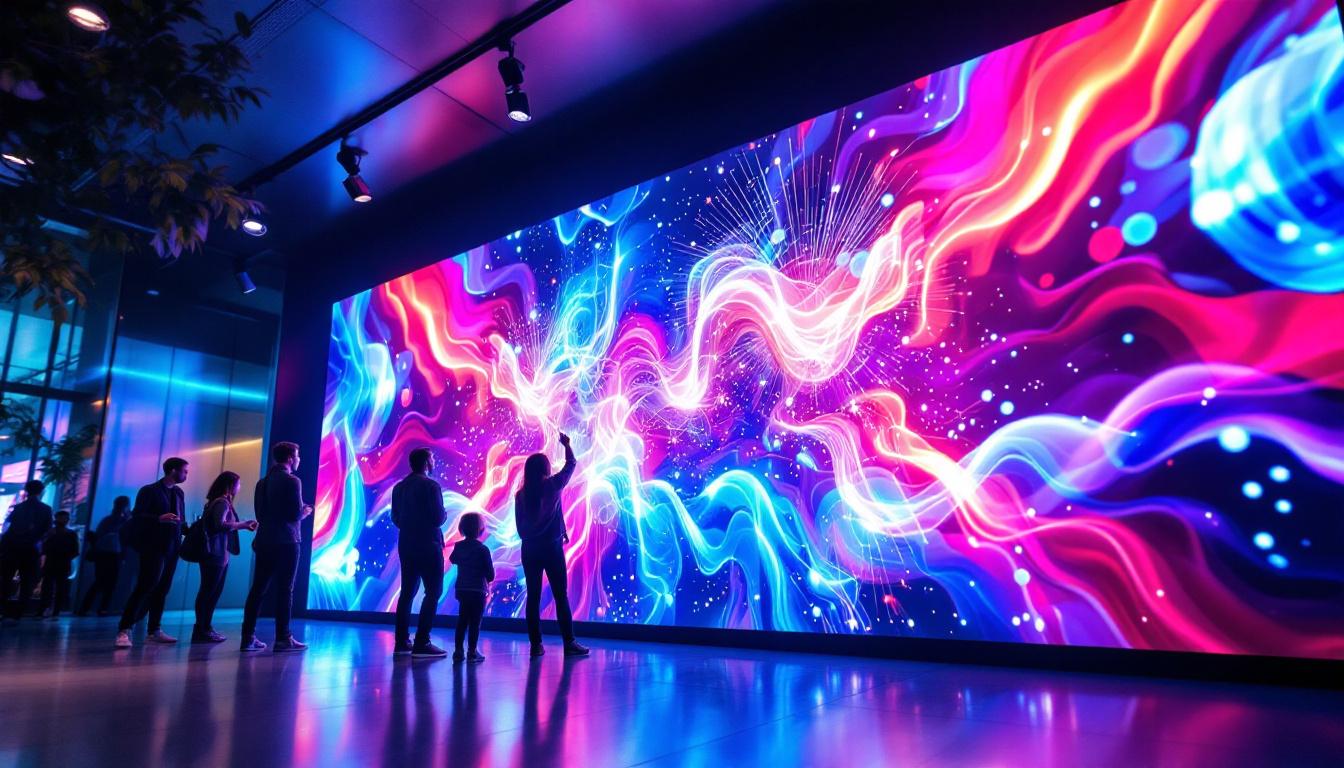
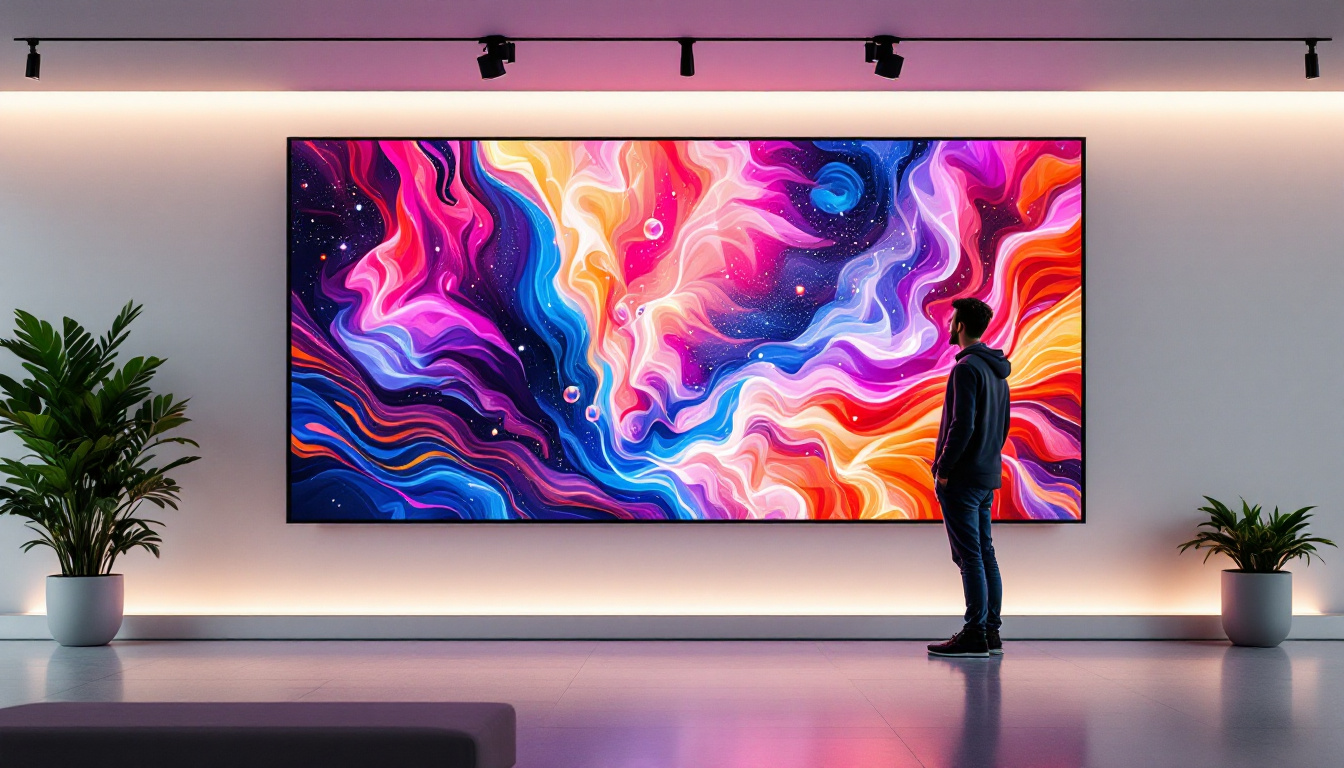
Moreover, the versatility of indoor LED displays allows them to be configured in various shapes and sizes, from large wall-mounted screens to smaller, modular designs that can be arranged to fit unique spaces. This adaptability has led to their increasing popularity in modern architecture and interior design, where they can serve not only as functional displays but also as artistic installations that enhance the overall ambiance of a space.
How Do Indoor LED Displays Work?
Each LED in the display acts as a single pixel or part of a pixel. These LEDs are usually composed of red, green, and blue diodes that combine to create a full spectrum of colors through a process called additive color mixing. By varying the intensity of each diode, the screen can display millions of colors and complex images.
The display is controlled by a driver system that sends electrical signals to the LEDs to turn them on or off or adjust their brightness. This process happens thousands of times per second, creating smooth motion for videos and animations. The entire system is managed by software that allows users to upload content, schedule playlists, and adjust settings remotely. This software often includes advanced features such as real-time analytics, enabling businesses to track viewer engagement and optimize their content accordingly.
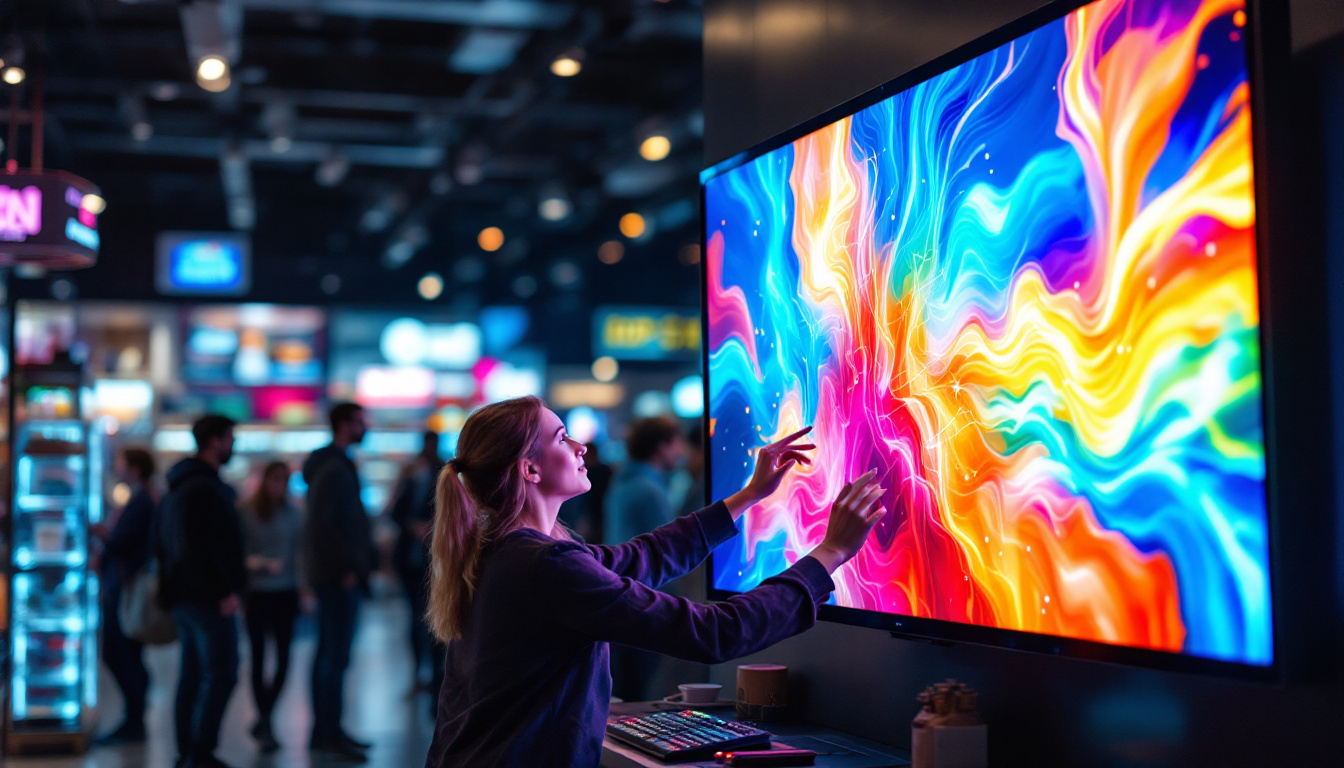
Additionally, many indoor LED displays are equipped with smart technology that allows for interactive features, such as touch capabilities or integration with mobile devices. This interactivity can enhance user experience, making the displays not just passive viewing screens but active engagement tools that encourage audience participation. As technology continues to evolve, the potential applications for indoor LED displays are expanding, paving the way for innovative uses in education, corporate environments, and public installations.
Key Features and Benefits of Indoor LED Displays
Superior Image Quality
One of the standout features of indoor LED displays is their exceptional image quality. With pixel pitches as fine as 0.9mm to 2.5mm, these screens deliver crisp, detailed visuals that are perfect for close-range viewing. The high brightness levels, often exceeding 800 nits, ensure that images remain vivid even under strong indoor lighting.
Additionally, LED displays offer excellent color accuracy and wide viewing angles, typically up to 160 degrees horizontally and vertically. This means audiences can enjoy consistent image quality from nearly any position in the room.
Energy Efficiency and Longevity
Compared to other display technologies, LED screens are remarkably energy-efficient. LEDs consume less power while producing brighter images, making them a cost-effective choice for businesses looking to reduce operational expenses. Many indoor LED displays are designed to operate continuously for tens of thousands of hours, often exceeding 50,000 hours of use before significant brightness degradation occurs.
Customization and Scalability
Indoor LED displays come in modular panels that can be assembled to create screens of virtually any size and shape. Whether it’s a small digital signage board or a massive video wall spanning several meters, the modular design allows for flexible installation tailored to specific spaces and requirements.
Furthermore, content can be easily customized and updated in real-time, enabling dynamic messaging and interactive experiences. This flexibility is invaluable for retail environments, corporate communications, and live events.
Applications of Indoor LED Display Screens
Retail and Advertising
Retailers leverage indoor LED displays to attract customers and promote products with eye-catching visuals. High-resolution screens placed near entrances, checkout counters, or product aisles can showcase promotions, new arrivals, or brand stories. Studies have shown that digital signage can increase sales by up to 30%, making LED displays a powerful marketing tool.
Corporate and Conference Settings
In corporate environments, indoor LED screens are used for presentations, video conferencing, and internal communications. Their ability to display clear, vibrant content enhances engagement during meetings and events. Large video walls in lobbies or common areas can also reinforce brand identity and share important announcements.
Entertainment and Events
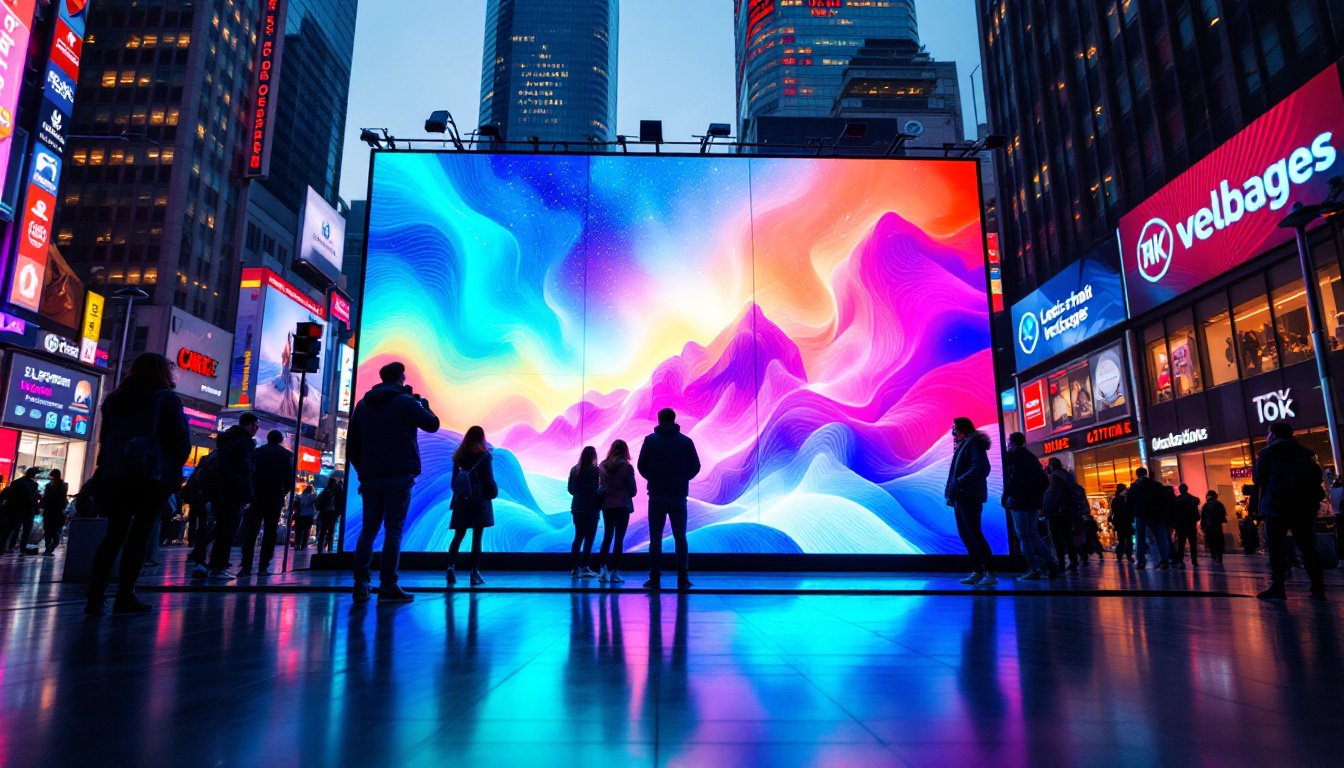
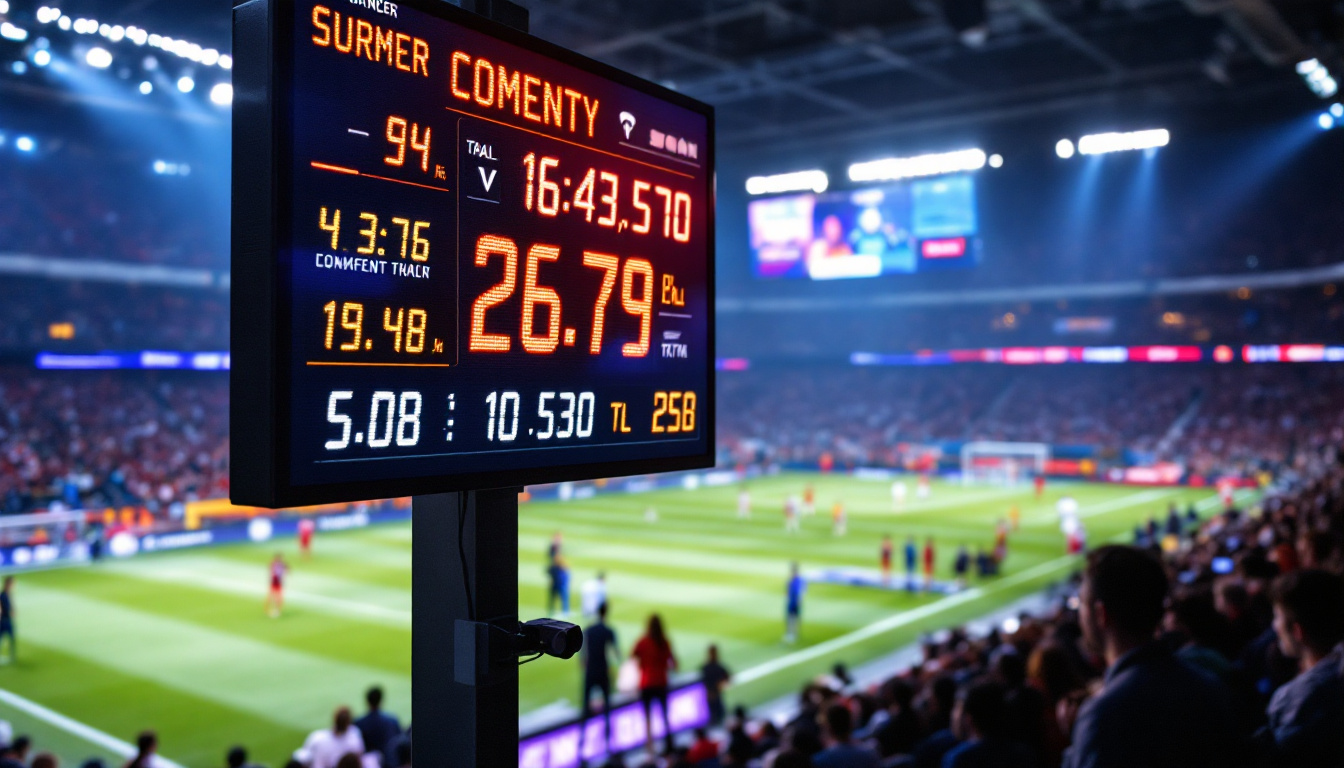
Indoor LED displays are a staple at concerts, trade shows, and exhibitions. Their brightness and clarity ensure that visuals are impactful even in large venues. The lightweight, modular nature of LED panels makes setup and teardown efficient, which is ideal for temporary installations.
Control Rooms and Command Centers
Control rooms rely on indoor LED video walls for monitoring and data visualization. The high resolution and wide viewing angles enable operators to see critical information clearly from various positions. Reliability and continuous operation are crucial in these environments, making LED displays the preferred choice.
Technical Considerations When Choosing an Indoor LED Display
Pixel Pitch and Resolution
Pixel pitch refers to the distance between the centers of two adjacent LEDs, measured in millimeters. A smaller pixel pitch means higher resolution and finer image detail. For indoor applications where viewers are close to the screen, pixel pitches between 0.9mm and 2.5mm are common.
Choosing the right pixel pitch depends on the typical viewing distance. For example, a 1.5mm pixel pitch is ideal for viewing distances of 1.5 to 3 meters, while a 2.5mm pitch suits distances of 3 to 5 meters. Selecting the appropriate pixel pitch ensures optimal image clarity without unnecessary cost.
Brightness and Contrast Ratio
Indoor LED displays typically offer brightness levels ranging from 600 to 1,200 nits. While higher brightness is beneficial for well-lit environments, excessive brightness can cause eye strain in darker settings. Contrast ratio, the difference between the darkest black and brightest white, is equally important for image depth and realism.
Refresh Rate and Color Depth
A high refresh rate, usually 1,920 Hz or above, is essential for smooth video playback and flicker-free images, especially when the display is captured on camera. Color depth, often 16-bit or higher, determines the range of colors the screen can produce, affecting the vibrancy and accuracy of the displayed content.
Installation and Maintenance
Indoor LED displays require careful installation to ensure alignment and seamless image quality. Many manufacturers offer front-serviceable panels, allowing for easy maintenance without dismantling the entire screen. Additionally, proper ventilation and power management are important to prolong the lifespan of the display.
Comparing Indoor LED Displays with Other Technologies
LED vs. LCD Displays
While both LED and LCD displays are common, it’s important to note that LED displays are fundamentally different from LED-backlit LCDs. Indoor LED displays use direct-emitting LEDs as pixels, resulting in higher brightness, better contrast, and wider viewing angles. LCDs, on the other hand, rely on a backlight shining through liquid crystals, which can limit image quality and viewing angles.
LED displays also offer better scalability and durability, making them more suitable for large-format installations.
LED vs. Projection Systems
Projection systems can create large images but depend heavily on ambient lighting conditions and require a projection surface. Indoor LED displays provide consistent brightness and color regardless of room lighting and do not require a separate screen. This makes LED displays more versatile and easier to integrate into various environments.
Future Trends in Indoor LED Display Technology
MicroLED and MiniLED Innovations
The LED display industry is rapidly evolving with the advent of MicroLED and MiniLED technologies. MicroLEDs are significantly smaller than traditional LEDs, allowing for even higher pixel densities and improved image quality. They also offer better energy efficiency and longer lifespans.
MiniLEDs, while larger than MicroLEDs, provide improved contrast and brightness compared to conventional LEDs. These advancements are expected to push indoor LED displays to new levels of performance, enabling ultra-high-definition screens with exceptional color accuracy.
Integration with Smart Technologies
Indoor LED displays are increasingly being integrated with smart technologies such as IoT sensors, AI-driven content management, and interactive touch capabilities. This integration allows for personalized content delivery, real-time analytics, and enhanced user engagement.
Sustainability and Eco-Friendly Designs
As sustainability becomes a priority, manufacturers are focusing on eco-friendly LED displays that use recyclable materials and consume less power. Innovations in heat management and power supply design are also reducing the environmental impact of LED screens.
Conclusion
Indoor LED display screens represent a powerful and versatile solution for visual communication across a wide range of industries. Their superior image quality, energy efficiency, and scalability make them ideal for applications from retail advertising to corporate presentations and live events.
Understanding the technical aspects such as pixel pitch, brightness, and refresh rate is crucial for selecting the right display to meet specific needs. As technology advances, indoor LED displays will continue to evolve, offering even greater performance and integration capabilities.
For businesses and organizations looking to make a lasting impression, investing in an indoor LED display screen is a smart choice that combines cutting-edge technology with practical benefits.
Discover Cutting-Edge LED Display Solutions with LumenMatrix
Ready to elevate your space with the latest in LED display technology? LumenMatrix is at the forefront of innovation, offering a wide array of LED display solutions tailored to your unique needs. From captivating Indoor LED Wall Displays to dynamic Outdoor LED Wall Displays, and from versatile Vehicle LED Displays to sleek LED Poster Displays, our products are designed to make your brand shine. Experience the revolution in visual communication with our LED Sports Displays, immersive Floor LED Displays, and the stunning clarity of our Custom and All-in-One LED Displays, including the revolutionary LED Transparent Display. Don’t just share your message—make an unforgettable impact with LumenMatrix. Check out LumenMatrix LED Display Solutions and transform your visual engagement today.