In the rapidly evolving landscape of industrial automation and control systems, the role of industrial touchscreen monitors has become increasingly pivotal. These devices serve as the primary interface between human operators and complex machinery, enabling seamless control, monitoring, and data visualization. Among the various display technologies employed, LED (Light Emitting Diode) displays have emerged as a leading choice due to their superior performance, durability, and energy efficiency.
This comprehensive article delves into the intricacies of industrial touchscreen monitors with LED displays, exploring their technology, advantages, applications, and key considerations for selection. Whether you are an engineer, system integrator, or procurement specialist, understanding these aspects will empower you to make informed decisions that enhance operational efficiency and reliability.
Understanding Industrial Touchscreen Monitors
What Defines an Industrial Touchscreen Monitor?
Industrial touchscreen monitors are specialized display units designed to withstand harsh environments typical of manufacturing plants, warehouses, and outdoor installations. Unlike consumer-grade touchscreens, these monitors are engineered for durability, longevity, and consistent performance under extreme conditions such as dust, moisture, vibration, and temperature fluctuations.
They integrate a display panel with a touch-sensitive interface, allowing operators to interact directly with the system without the need for peripheral devices like keyboards or mice. This direct interaction simplifies workflows, reduces training time, and minimizes errors in fast-paced industrial settings. Additionally, the intuitive nature of touch interfaces can enhance productivity, as workers can quickly access critical information or control machinery with a simple tap or swipe, streamlining operations significantly.
Key Features of Industrial Touchscreen Monitors
Several features distinguish industrial touchscreen monitors from their commercial counterparts:
- Rugged Enclosures: Typically constructed with stainless steel or aluminum, these enclosures protect internal components from physical damage and environmental hazards.
- Sealing and Protection Ratings: Many models offer IP65 or higher ratings, ensuring resistance to dust and water ingress.
- Wide Operating Temperature Range: Designed to function reliably in temperatures ranging from -20°C to 60°C or beyond.
- Glove and Moisture Compatibility: Touchscreens often support operation with gloves or in wet conditions, critical for industrial workers.
- Long Lifecycle Support: Extended availability of parts and support to match the long operational cycles of industrial equipment.
In addition to these features, many industrial touchscreen monitors are equipped with advanced display technologies such as high brightness and anti-glare coatings, which enhance visibility in brightly lit environments. This is particularly beneficial in outdoor settings or areas with significant artificial lighting. Furthermore, the integration of multi-touch capabilities allows for more complex gestures, enabling operators to perform multiple tasks simultaneously, which can be a game-changer in high-demand scenarios.
Another significant aspect is the adaptability of these monitors to various mounting options, including wall, desk, or arm mounts, allowing for flexible installation in diverse industrial layouts. Some models even support VESA mounting standards, making them compatible with a wide range of mounting solutions. This versatility ensures that operators can position the monitors for optimal visibility and accessibility, thereby enhancing ergonomics and reducing physical strain during prolonged use.
LED Display Technology in Industrial Monitors
What is an LED Display?
LED displays utilize light-emitting diodes as the source of illumination for the screen. In industrial touchscreen monitors, LED technology is primarily used for backlighting LCD panels, though direct LED displays (such as OLED or microLED) are gaining traction in certain applications.
The LED backlight shines through the liquid crystal layer to produce bright, clear images with high contrast and color accuracy. Compared to older CCFL (cold cathode fluorescent lamp) backlights, LED backlights offer numerous advantages that make them ideal for industrial use.
Advantages of LED Displays in Industrial Settings
- Energy Efficiency: LED backlights consume significantly less power than traditional lighting methods, reducing operational costs and heat generation.
- Brightness and Visibility: LEDs can achieve brightness levels exceeding 1000 nits, ensuring readability even in brightly lit or outdoor environments.
- Longevity: LEDs have a longer lifespan, often exceeding 50,000 hours, minimizing downtime and maintenance.
- Durability: LED backlights are more resistant to shock and vibration, crucial for industrial machinery subject to constant movement.
- Faster Response Times: LED displays offer quicker refresh rates and reduced motion blur, beneficial for dynamic data visualization and control.
Types of LED Displays Used in Industrial Monitors
While most industrial touchscreen monitors use LED-backlit LCD panels, there are variations worth noting:
- Edge-Lit LED: LEDs positioned around the edges of the screen illuminate the panel via light guides. This design allows for thinner displays but may have less uniform brightness.
- Direct-Lit LED: LEDs are placed directly behind the LCD panel, providing more even illumination and better contrast.
- Mini-LED and MicroLED: Emerging technologies that offer superior brightness, contrast, and color accuracy, though currently at a higher cost.
Applications of Industrial Touchscreen Monitors with LED Displays
Manufacturing and Automation
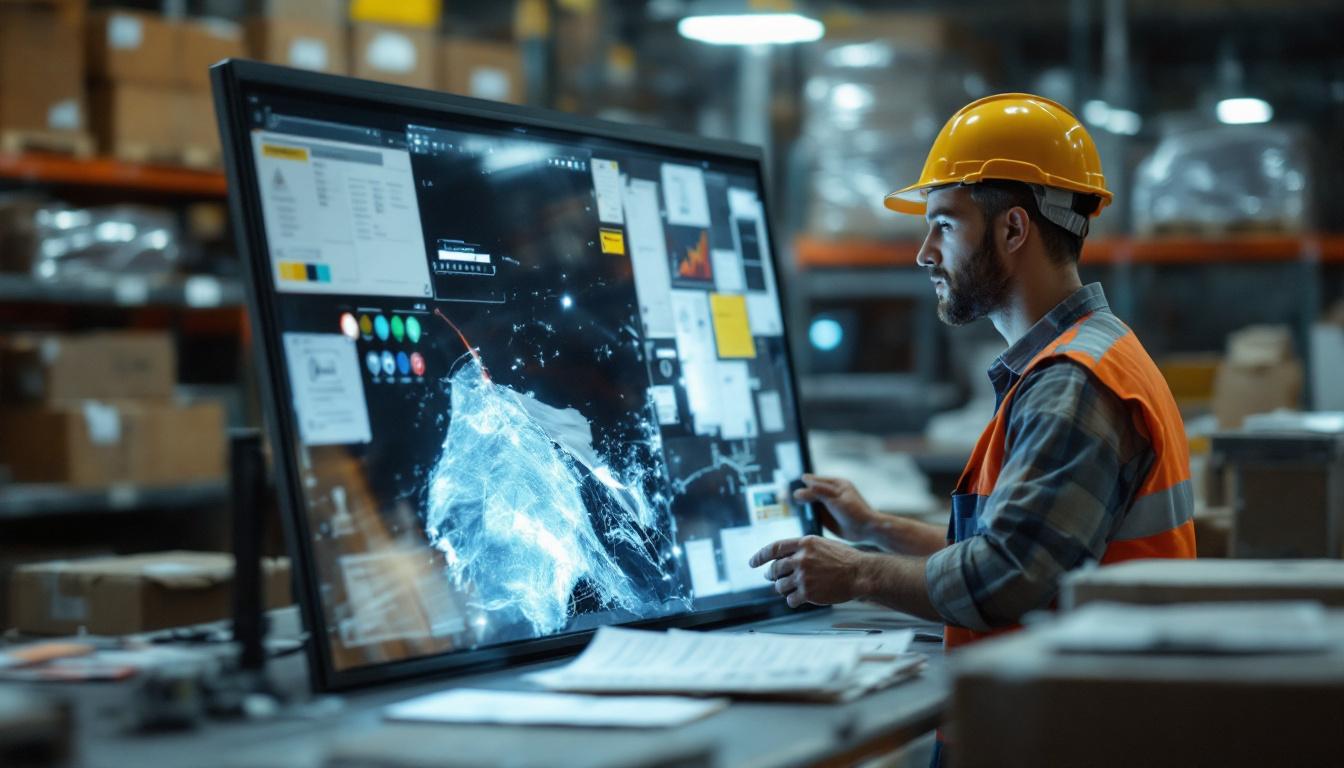
In manufacturing plants, industrial touchscreen monitors serve as Human-Machine Interfaces (HMIs) that allow operators to control production lines, adjust parameters, and monitor system status in real time. The high brightness and durability of LED displays ensure consistent visibility in environments with variable lighting and airborne contaminants.
For example, automotive assembly lines utilize these monitors to display diagnostic data and process instructions, reducing errors and downtime. The ability to operate the touchscreen with gloves or in dusty conditions enhances operator efficiency and safety.
Transportation and Logistics
Industrial touchscreen monitors with LED displays are integral in transportation hubs, warehouses, and logistics centers. They facilitate inventory management, vehicle diagnostics, and real-time tracking of shipments.
Outdoor installations, such as those used in rail yards or shipping docks, benefit from the high brightness and weather-resistant properties of LED displays. These monitors maintain readability under direct sunlight and resist damage from moisture and temperature extremes.
Energy and Utilities
Power plants, water treatment facilities, and renewable energy installations rely on industrial touchscreen monitors for system control and monitoring. LED displays provide clear visualization of complex data, alarms, and system statuses, enabling rapid response to anomalies.
The rugged construction and extended temperature tolerance of these monitors ensure reliable operation in remote or harsh environments, such as wind farms or oil rigs.
Choosing the Right Industrial Touchscreen Monitor with LED Display
Assessing Environmental Requirements
Understanding the operating environment is critical when selecting an industrial touchscreen monitor. Key factors include temperature ranges, exposure to dust or liquids, vibration levels, and potential impacts or shocks.
Monitors with appropriate IP ratings and ruggedized enclosures should be prioritized for harsh conditions. For example, an IP67-rated monitor offers complete dust protection and can withstand temporary immersion in water, suitable for washdown areas in food processing plants.
Display Specifications
Several display characteristics influence usability and performance:
- Screen Size and Resolution: Larger screens with higher resolutions provide better visibility and detail, essential for complex interfaces.
- Brightness: A minimum of 700 nits is recommended for indoor industrial environments, while outdoor applications may require 1000 nits or more.
- Contrast Ratio: Higher contrast ratios improve readability, especially in environments with mixed lighting.
- Viewing Angles: Wide viewing angles ensure the display remains clear from various operator positions.
Touchscreen Technology
The type of touchscreen technology affects responsiveness and durability:
- Resistive Touchscreens: Operate via pressure, compatible with gloves and styluses but may have lower clarity and multi-touch support.
- Capacitive Touchscreens: Provide multi-touch capabilities and higher clarity but may require bare fingers or specialized gloves.
- Surface Acoustic Wave (SAW) and Infrared Touchscreens: Offer high durability and clarity but are less common in industrial settings due to sensitivity to contaminants.
Connectivity and Integration
Industrial monitors must seamlessly integrate with existing control systems and networks. Common interfaces include HDMI, DisplayPort, VGA, USB, Ethernet, and serial ports.
Additionally, compatibility with industrial communication protocols such as Modbus, OPC UA, or EtherNet/IP can simplify integration and improve system interoperability.
Maintenance and Longevity of LED Industrial Touchscreen Monitors
Ensuring Longevity
LED displays inherently offer long operational lifespans, but proper maintenance is essential to maximize uptime. Regular cleaning of the touchscreen surface with appropriate, non-abrasive materials prevents damage and maintains touch sensitivity.
Periodic inspection of seals and enclosures helps detect potential breaches that could allow dust or moisture ingress. Additionally, monitoring backlight brightness over time can signal when replacement or recalibration is needed.
Common Challenges and Solutions
Industrial environments can present challenges such as screen glare, accidental impacts, and electrical interference. Solutions include:
- Anti-Glare Coatings: Reduce reflections and improve visibility under bright lighting.
- Protective Glass or Films: Harden the touchscreen surface against scratches and impacts.
- EMI Shielding: Prevents electromagnetic interference that can disrupt display performance.
The Future of Industrial Touchscreen Monitors with LED Displays
Emerging Technologies
Advancements in LED display technology continue to enhance industrial monitors. Mini-LED and microLED displays promise even greater brightness, contrast, and energy efficiency, enabling clearer visuals in challenging conditions.
Flexible and curved LED displays are also under development, potentially allowing more ergonomic and space-efficient designs tailored to specific industrial applications.
Integration with IoT and Industry 4.0
As Industry 4.0 initiatives gain momentum, industrial touchscreen monitors are becoming smarter and more connected. Integration with IoT platforms enables real-time data analytics, predictive maintenance, and remote monitoring, driving operational excellence.
LED displays with embedded sensors and adaptive brightness controls are enhancing user experience and energy management, aligning with sustainability goals.
Conclusion
Industrial touchscreen monitors equipped with LED displays represent a cornerstone technology in modern industrial environments. Their combination of durability, high visibility, energy efficiency, and advanced touch capabilities make them indispensable tools for effective human-machine interaction.
By understanding the underlying LED technology, application requirements, and selection criteria, industries can optimize their control systems for enhanced productivity, safety, and longevity. As display technologies evolve, these monitors will continue to play a vital role in the digital transformation of industrial operations.
Explore LumenMatrix’s Advanced LED Display Solutions
Ready to elevate your industrial environment with the latest in LED display technology? LumenMatrix offers a comprehensive range of innovative LED display modules designed to meet the diverse needs of modern industries. From Indoor and Outdoor LED Wall Displays to specialized solutions like Vehicle LED Displays and Custom LED configurations, our products are crafted to provide exceptional durability, visibility, and energy efficiency. Discover how LumenMatrix’s commitment to revolutionizing visual communication can enhance your operations. Check out LumenMatrix LED Display Solutions today and experience the transformative power of advanced LED technology.