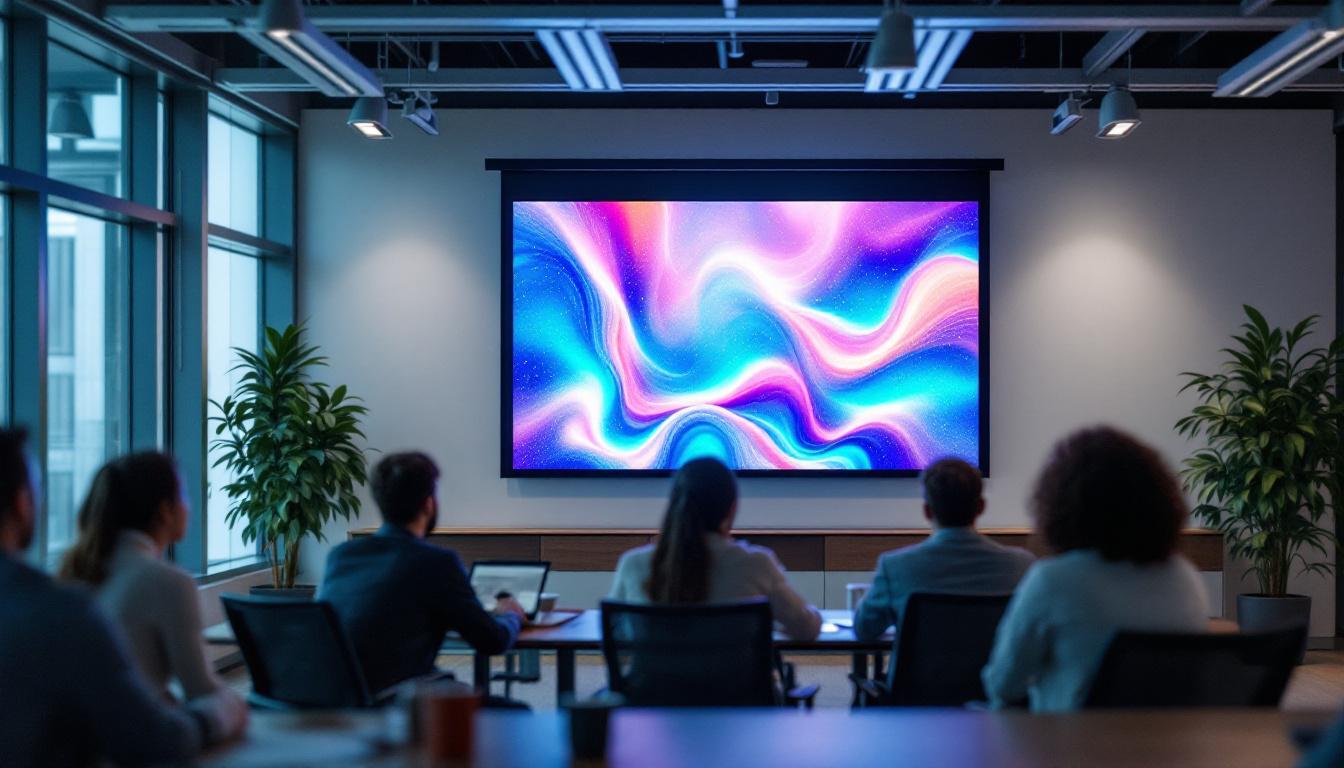
In today’s fast-paced world, visual communication plays a crucial role in education and training environments. Among the various display technologies, LED displays have emerged as a powerful tool for instructional facilities, offering vibrant visuals, energy efficiency, and versatile applications. This article provides a comprehensive explanation of LED displays, their technology, benefits, and practical considerations for educational institutions and training centers.
Understanding LED Display Technology
What is an LED Display?
LED stands for Light Emitting Diode. An LED display is a flat panel display that uses an array of light-emitting diodes as pixels to create images, videos, and text. Unlike traditional LCD or projector-based systems, LED displays emit their own light, resulting in brighter and more vivid images. This self-illumination is a key factor that makes LED displays highly effective in various lighting conditions, including brightly lit classrooms and large auditoriums.
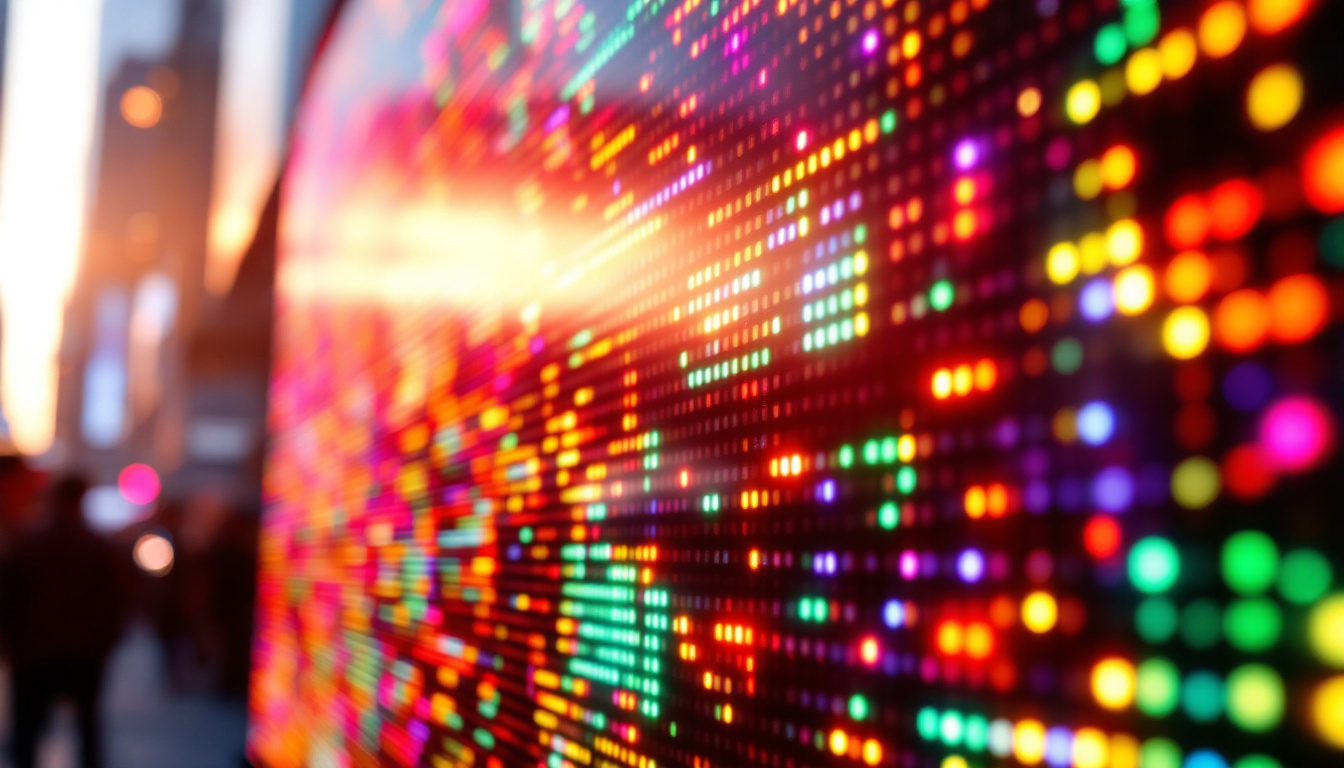
The technology behind LED displays involves tiny diodes that emit light when an electric current passes through them. These diodes are arranged in clusters of red, green, and blue (RGB), which combine to produce a full spectrum of colors. The density and size of these diodes determine the display’s resolution and clarity, with higher pixel density delivering sharper images. Additionally, the longevity of LED technology is noteworthy; LED displays can last tens of thousands of hours, significantly reducing maintenance costs and the frequency of replacements compared to older display technologies.
Types of LED Displays
LED displays come in several forms, each suited to different instructional needs:
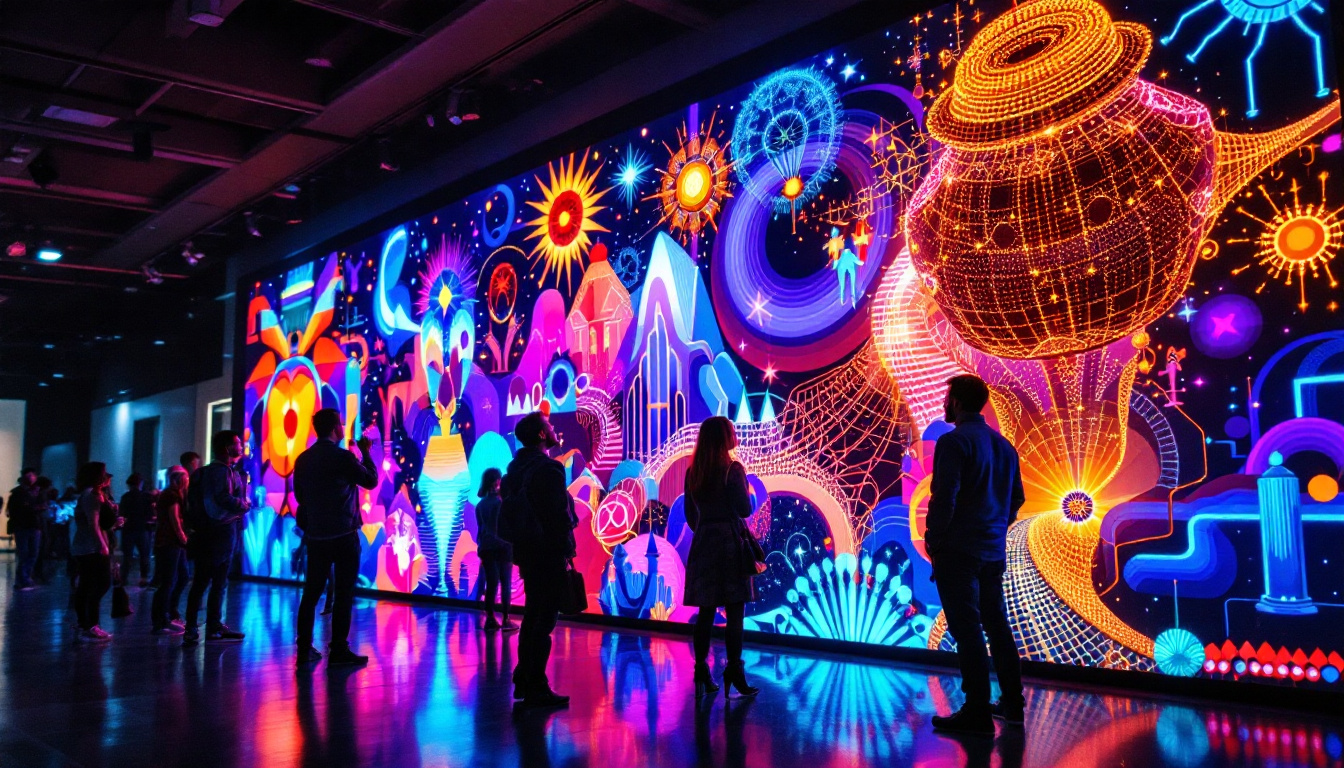
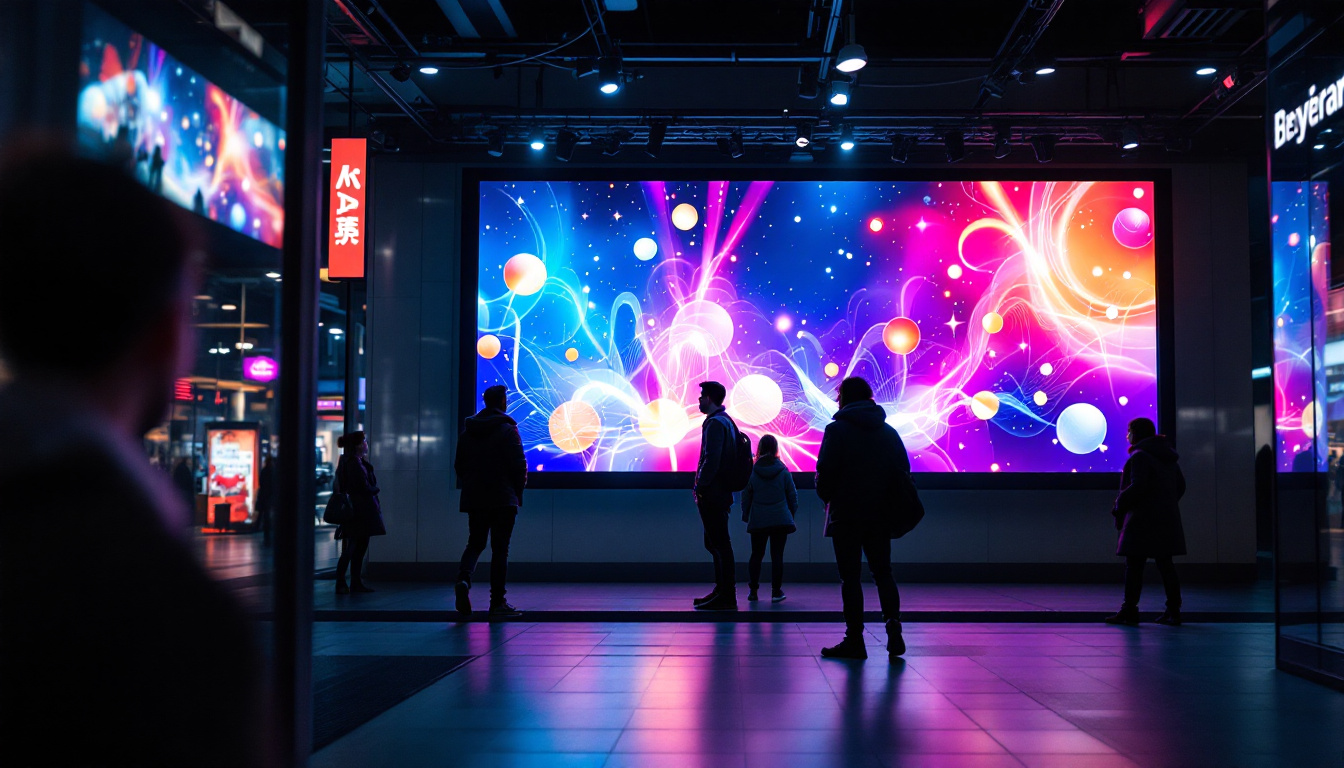
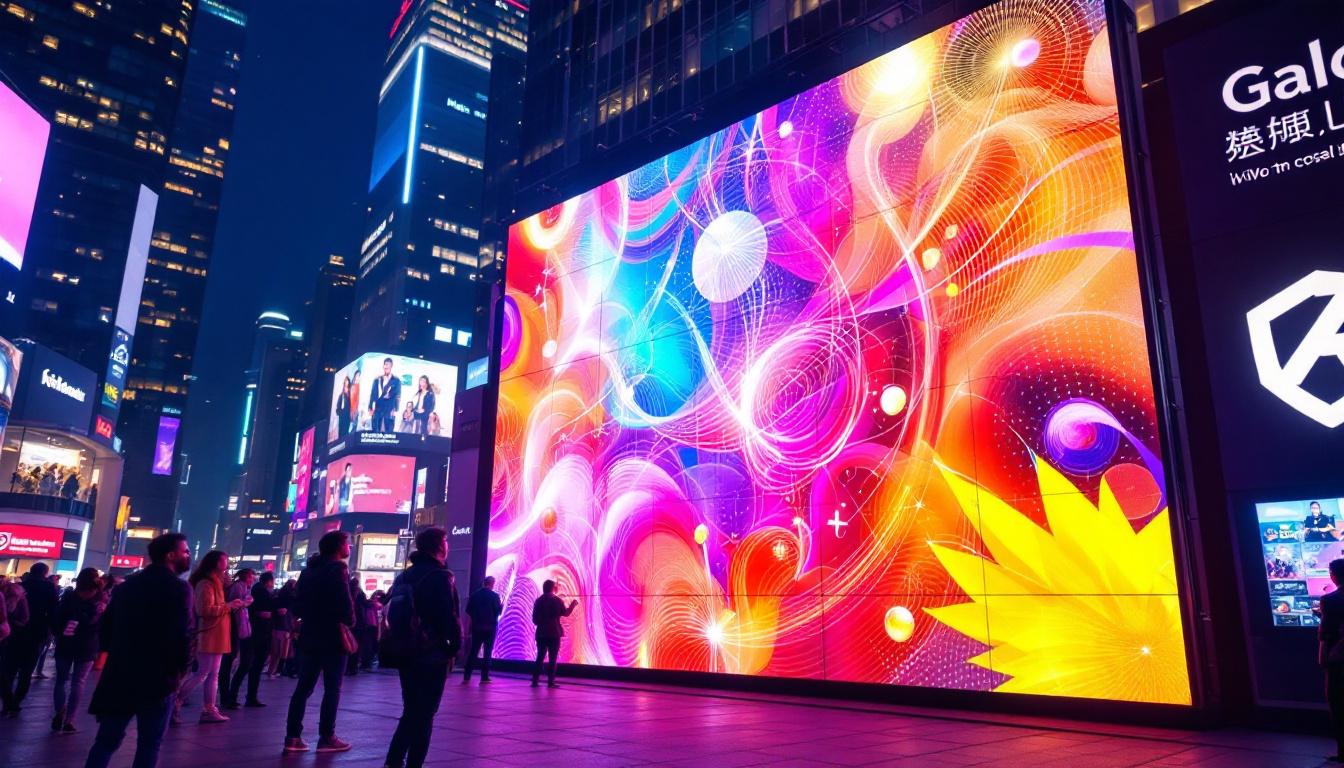
- Direct View LED (DV-LED): These are large-scale displays where each pixel is an individual LED. They are commonly used for video walls and large auditorium screens due to their brightness and scalability. Their ability to create seamless images without bezels makes them ideal for immersive experiences in both educational and entertainment settings.
- LED-backlit LCD: This type uses LEDs as a backlight for LCD panels, enhancing brightness and contrast. It’s common in smaller classroom displays and interactive whiteboards. The integration of touch technology with LED-backlit LCDs has revolutionized teaching methods, allowing for interactive lessons that engage students in new and dynamic ways.
- MicroLED: An emerging technology that offers even higher resolution and energy efficiency by using microscopic LEDs as individual pixels. While still developing, MicroLED holds promise for future instructional displays. This technology not only enhances visual clarity but also allows for flexible display configurations, enabling educators to adapt their teaching environments to various classroom layouts.
In addition to these types, LED displays are increasingly being integrated with smart technology, allowing for features such as remote management, content scheduling, and real-time updates. This capability is particularly beneficial in educational institutions, where timely information dissemination is crucial. For instance, schools can display announcements, schedules, or emergency alerts instantly, enhancing communication within the campus. Furthermore, the ability to connect with various devices and platforms opens up a world of interactive possibilities, making lessons more engaging and accessible for students of all learning styles.
Benefits of LED Displays in Instructional Facilities
Enhanced Visual Engagement
One of the primary advantages of LED displays in educational settings is their ability to captivate attention through vivid and dynamic visuals. Studies show that students retain information better when presented with engaging multimedia content. LED displays provide bright, high-contrast images that remain clear from various viewing angles, ensuring that every student, regardless of seating position, can see the content clearly.
Moreover, the ability to display high-definition video, animations, and interactive content supports diverse teaching methods, from traditional lectures to experiential learning. This versatility enhances comprehension and keeps learners motivated.
Energy Efficiency and Longevity
Energy consumption is a significant consideration for educational institutions managing operational costs. LED displays are notably energy-efficient compared to older technologies like plasma or fluorescent-backlit screens. According to the U.S. Department of Energy, LEDs consume up to 75% less energy than incandescent lighting, a principle that extends to LED display panels as well.
Additionally, LED displays have a longer lifespan, often exceeding 50,000 hours of use. This durability reduces maintenance and replacement costs, making them a cost-effective investment for schools and training centers.
Flexibility and Scalability
Instructional environments vary widely in size and layout, from small classrooms to large lecture halls. LED displays offer scalability that can be customized to fit these diverse spaces. Modular LED panels can be combined to create video walls of virtually any size, accommodating large audiences without compromising image quality.
Furthermore, LED displays support a range of input sources and connectivity options, including HDMI, USB, and wireless streaming. This flexibility enables educators to integrate various devices and media formats seamlessly into their lessons.
Applications of LED Displays in Education and Training
Classroom Instruction
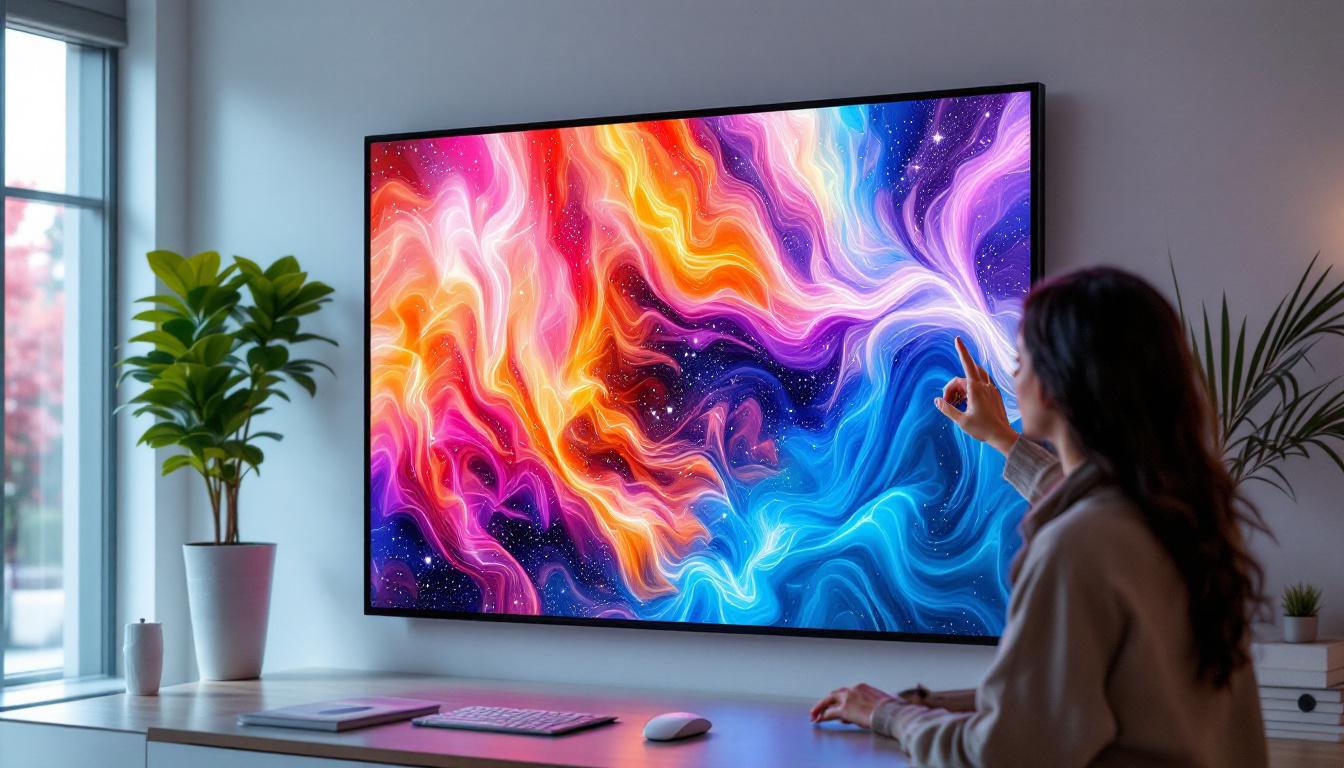
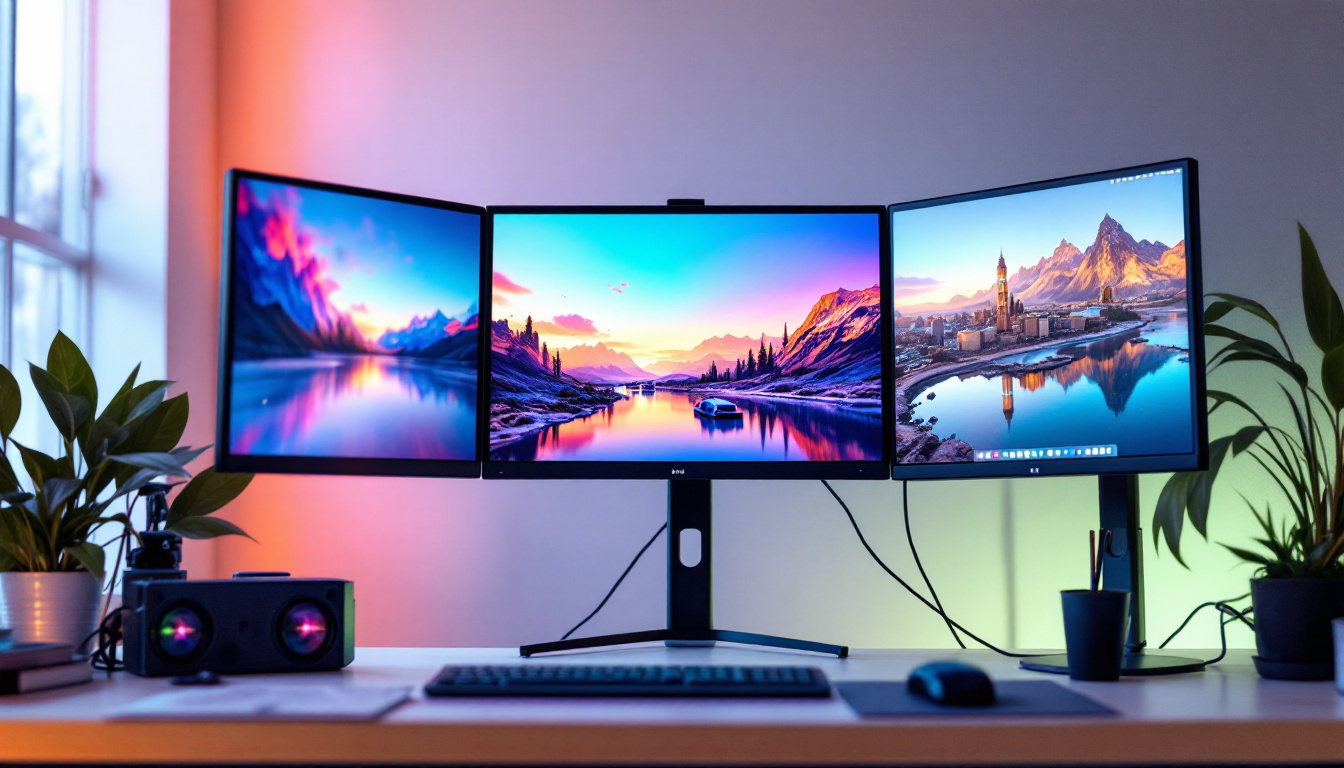
Modern classrooms benefit from LED displays as interactive teaching aids. Large LED panels can replace traditional whiteboards, offering touch capabilities that allow teachers and students to write, draw, and manipulate content directly on the screen. This interactivity fosters collaboration and active learning.
In addition, LED displays facilitate multimedia presentations, enabling educators to incorporate videos, slideshows, and real-time data into their lessons. This multimedia approach caters to different learning styles and helps clarify complex concepts.
Lecture Halls and Auditoriums
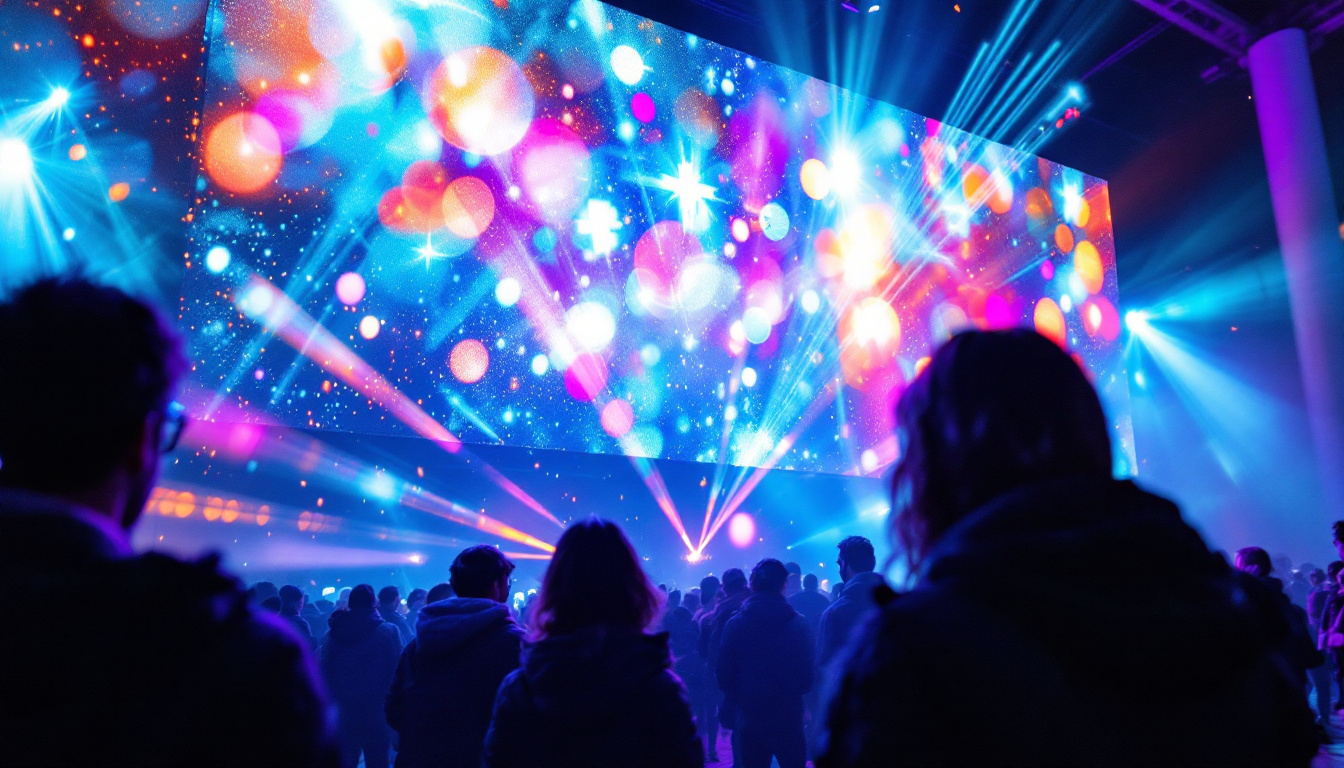
In larger instructional settings, LED video walls provide clear visibility for all attendees. Their brightness ensures that content is visible even in well-lit environments, and their size allows for detailed visuals such as scientific diagrams, architectural plans, or historical maps to be displayed effectively.
Many universities and conference centers utilize LED displays for guest lectures, seminars, and workshops, enhancing the overall learning experience and engagement.
Distance Learning and Hybrid Models
The rise of remote and hybrid education models has increased the demand for high-quality visual communication tools. LED displays serve as central hubs in classrooms equipped with video conferencing technology, enabling instructors to share content with both in-person and remote students simultaneously.
High-definition LED screens ensure that remote participants can clearly view instructional materials, while integrated cameras and microphones capture the classroom environment for seamless interaction.
Key Considerations When Choosing LED Displays for Instructional Facilities
Resolution and Pixel Pitch
Resolution is a critical factor that determines the clarity of the display. Pixel pitch, the distance between individual LEDs, directly affects resolution. Smaller pixel pitch values indicate higher resolution and sharper images, which is especially important for close-up viewing in classrooms.
For example, a pixel pitch of 1.5mm to 2.5mm is suitable for classrooms where viewers are seated relatively close to the screen, while larger pixel pitches (4mm to 10mm) may be acceptable for auditorium-sized displays viewed from a distance.
Brightness and Contrast Ratio
Brightness, measured in nits, affects how well the display performs under different lighting conditions. Instructional facilities with large windows or strong ambient light require displays with higher brightness levels, typically above 1,000 nits, to maintain visibility.
Contrast ratio, the difference between the darkest black and brightest white, is equally important for image quality. Higher contrast ratios enhance readability and reduce eye strain during extended viewing periods.
Connectivity and Compatibility
Modern instructional environments often use a variety of devices, including laptops, tablets, and smartphones. Ensuring that the LED display supports multiple input formats and wireless connectivity options is essential for seamless integration.
Some LED displays come with built-in operating systems and software that facilitate content management, scheduling, and remote control, which can simplify daily operations for educational staff.
Installation and Maintenance
Proper installation is vital to maximize the benefits of LED displays. Factors such as mounting height, viewing angles, and room acoustics should be considered during planning. Professional installation services can ensure optimal positioning and calibration.
Maintenance requirements vary depending on the type of LED display. Direct view LED walls may require periodic cleaning and calibration, while LED-backlit LCDs generally need less upkeep. Selecting a reliable manufacturer with strong technical support is advisable to minimize downtime.
Future Trends in LED Displays for Instructional Use
Interactive and Touch-Enabled Displays
The integration of touch technology with LED displays is transforming instructional environments. Interactive LED panels allow multiple users to engage simultaneously, supporting collaborative learning and interactive presentations. Advances in touch sensitivity and gesture recognition are making these displays more intuitive and responsive.
Augmented Reality (AR) and Virtual Reality (VR) Integration
Emerging educational technologies are increasingly combining LED displays with AR and VR to create immersive learning experiences. For instance, LED walls can serve as dynamic backdrops for AR simulations, enhancing subjects like anatomy, engineering, and history by providing contextual visualizations.
Energy-Efficient and Sustainable Solutions
As sustainability becomes a priority, LED display manufacturers are focusing on reducing energy consumption and using eco-friendly materials. Innovations such as organic LEDs (OLEDs) and MicroLEDs promise even greater efficiency and environmental benefits, aligning with the green initiatives of many educational institutions.
Conclusion
LED displays have revolutionized visual communication in instructional facilities, offering unparalleled brightness, clarity, and versatility. Their ability to enhance engagement, support diverse teaching methods, and adapt to various educational settings makes them an invaluable asset for modern learning environments.
When selecting LED displays, institutions should consider factors such as resolution, brightness, connectivity, and maintenance to ensure they meet their specific instructional needs. As technology continues to evolve, LED displays will play an increasingly integral role in shaping the future of education and training.
Investing in high-quality LED display technology not only enriches the learning experience but also provides a durable, energy-efficient solution that supports the evolving demands of instructional facilities worldwide.
Discover LumenMatrix LED Display Solutions
Ready to elevate your instructional facility with the latest in LED display technology? Explore LumenMatrix’s comprehensive range of LED display modules, designed to meet the diverse needs of educational environments. From Indoor and Outdoor LED Wall Displays to innovative solutions like Vehicle LED Displays and LED Transparent Displays, LumenMatrix is committed to enhancing your educational space with high-quality, energy-efficient displays. Check out LumenMatrix LED Display Solutions today and transform the way you communicate visually with your audience.