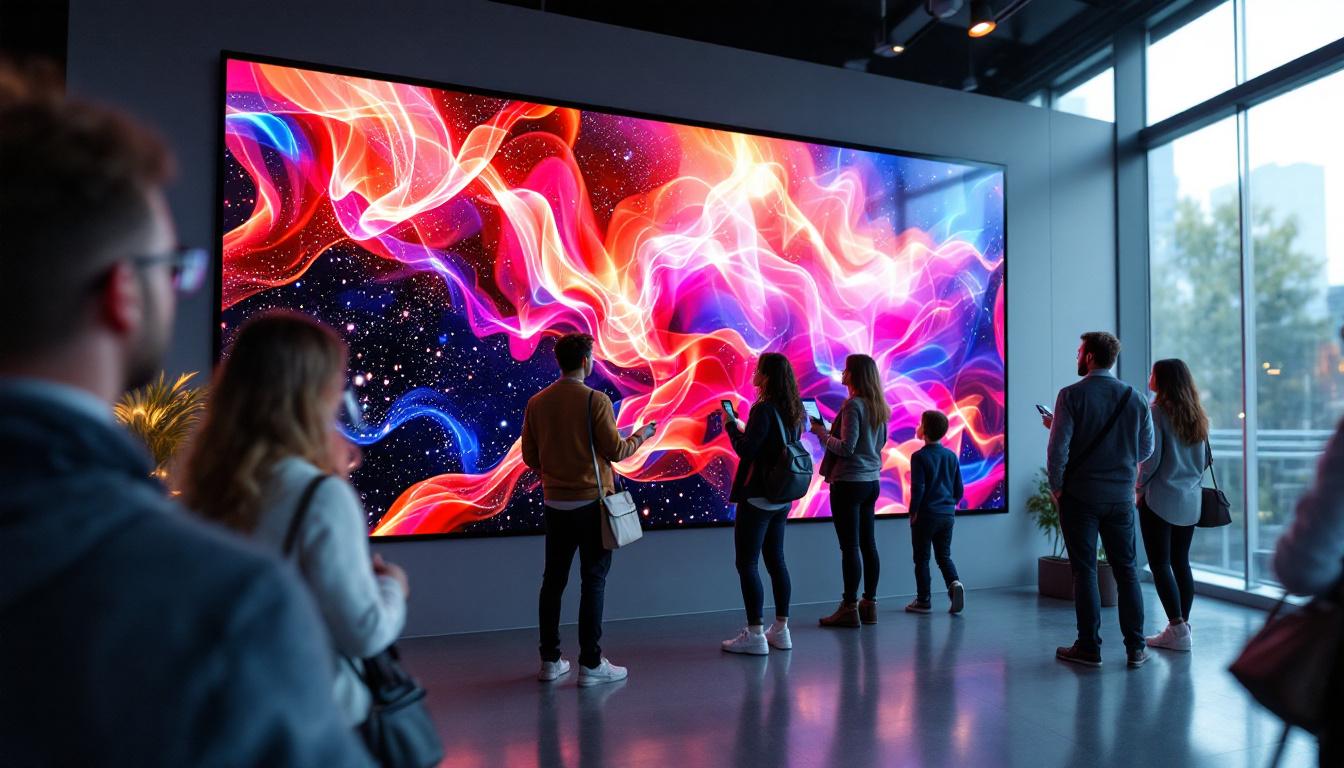
In the rapidly evolving world of digital signage and display technology, interactive LED displays have emerged as a powerful tool for communication, advertising, and engagement. These dynamic screens combine the vibrant visual quality of LED technology with interactive capabilities, creating immersive experiences that captivate audiences across various industries.
This article delves into the fundamentals of LED displays, the technology behind interactive LED screens, their applications, and the future trends shaping this innovative field.
Understanding LED Display Technology
What is an LED Display?
LED stands for Light Emitting Diode, a semiconductor device that emits light when an electric current passes through it. LED displays are composed of thousands to millions of these tiny diodes arranged in a matrix to form images, videos, or text. These displays are known for their brightness, energy efficiency, and long lifespan, making them ideal for both indoor and outdoor use.
Unlike traditional LCD screens that rely on backlighting, LED displays produce their own light, resulting in higher contrast ratios and more vivid colors. This self-illumination also allows LED screens to perform well under direct sunlight, an essential feature for outdoor advertising and public information displays. Moreover, advancements in LED technology have led to the development of features such as dynamic brightness adjustment, which optimizes visibility in varying light conditions, ensuring that the content remains clear and engaging at all times.
Types of LED Displays
LED displays come in various forms, primarily categorized by pixel pitch, size, and purpose. Pixel pitch refers to the distance between individual LEDs, which directly influences image resolution and viewing distance. Smaller pixel pitches offer higher resolution suitable for close-up viewing, while larger pitches are better for distant viewing.
Common types include:
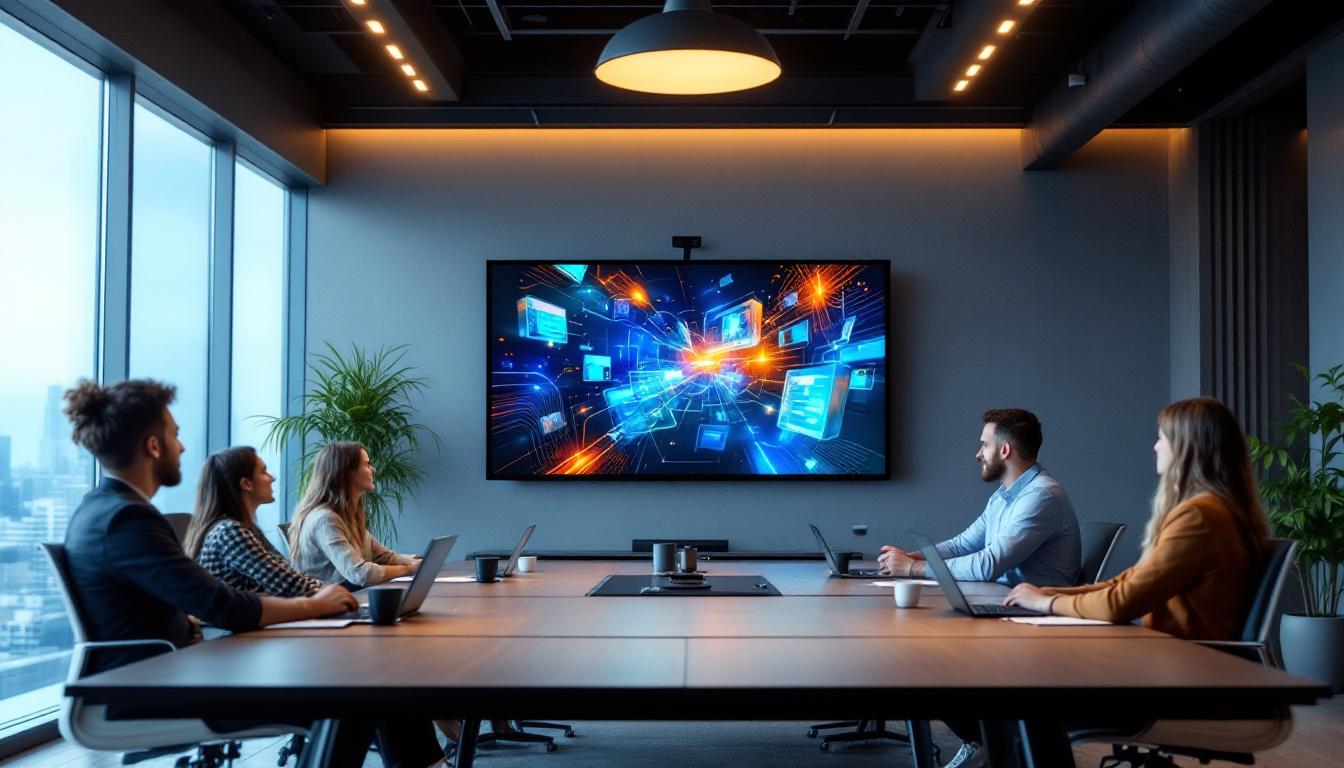
- Indoor LED Displays: Designed for close-range viewing with fine pixel pitches, these are used in retail stores, conference rooms, and event venues. Their ability to provide high-resolution images makes them ideal for presentations and advertisements that require detailed visuals.
- Outdoor LED Displays: Built to withstand harsh weather conditions, these have higher brightness levels and larger pixel pitches, suitable for billboards, stadiums, and public spaces. Many outdoor displays also incorporate protective features such as waterproofing and dust resistance, ensuring durability and longevity even in challenging environments.
- Transparent LED Displays: These innovative screens allow light to pass through, enabling use on glass surfaces without obstructing views, popular in retail storefronts and architectural installations. Their unique design not only enhances aesthetic appeal but also provides an interactive experience for customers, as they can see both the display content and the environment behind it.
In addition to these common types, there are also specialized LED displays such as flexible LED screens, which can be bent and shaped to fit various surfaces, and high-definition LED video walls that create immersive experiences in venues like concert halls and sports arenas. The versatility of LED technology continues to expand, paving the way for creative applications in advertising, entertainment, and information dissemination, making it a pivotal component of modern visual communication.
The Rise of Interactive LED Displays
What Makes an LED Display Interactive?
Interactivity in LED displays refers to the ability of the screen to respond to user inputs such as touch, gestures, or proximity. This transforms a passive visual medium into an engaging platform that invites participation, enhancing user experience and information retention.
Interactive LED displays integrate sensors, cameras, or touch-sensitive layers with the LED panel. Common interaction methods include:
- Touch Interaction: Capacitive or infrared touch sensors enable users to navigate menus, select options, or manipulate content directly on the screen.
- Gesture Recognition: Cameras and motion sensors detect hand or body movements, allowing users to control the display without physical contact.
- Proximity Sensors: These detect the presence of viewers and can trigger content changes or animations to attract attention.
Technologies Enabling Interactivity
Several technologies underpin interactive LED displays, each with unique advantages:
- Capacitive Touch Technology: Similar to smartphones, this technology uses the electrical properties of the human body to detect touch points with high accuracy and responsiveness.
- Infrared (IR) Touch Frames: These frames surround the display and create an invisible grid of IR light beams. When a finger or object interrupts the beams, the system registers the input.
- Camera-Based Gesture Systems: Utilizing depth-sensing cameras, these systems interpret user gestures in three-dimensional space, enabling touchless interaction.
- Multi-Touch Capability: Many interactive LED displays support multiple simultaneous touch points, allowing collaborative use and complex gestures like pinch-to-zoom.
In addition to the technologies mentioned, the software that powers interactive LED displays plays a crucial role in their functionality. Advanced software platforms allow for the creation of dynamic content that can adapt in real-time to user interactions. This can include anything from educational applications that respond to student queries to advertising displays that change based on viewer demographics. The integration of artificial intelligence further enhances these capabilities, enabling the display to learn from user behavior and optimize content delivery accordingly.
Moreover, the applications of interactive LED displays are vast and varied. In retail environments, for example, these displays can be used to create immersive shopping experiences, allowing customers to explore products in detail through interactive catalogs. In educational settings, they can facilitate collaborative learning, enabling students to engage with the material in a hands-on manner. Furthermore, in public spaces, interactive displays can serve as information kiosks, providing users with tailored information based on their preferences or location. The versatility of these displays makes them an invaluable tool across multiple sectors, driving engagement and enhancing communication.
Applications of Interactive LED Displays
Retail and Advertising
Interactive LED displays have revolutionized retail environments by creating personalized and immersive shopping experiences. Retailers use these displays for digital signage that customers can interact with to browse products, check availability, or customize items.
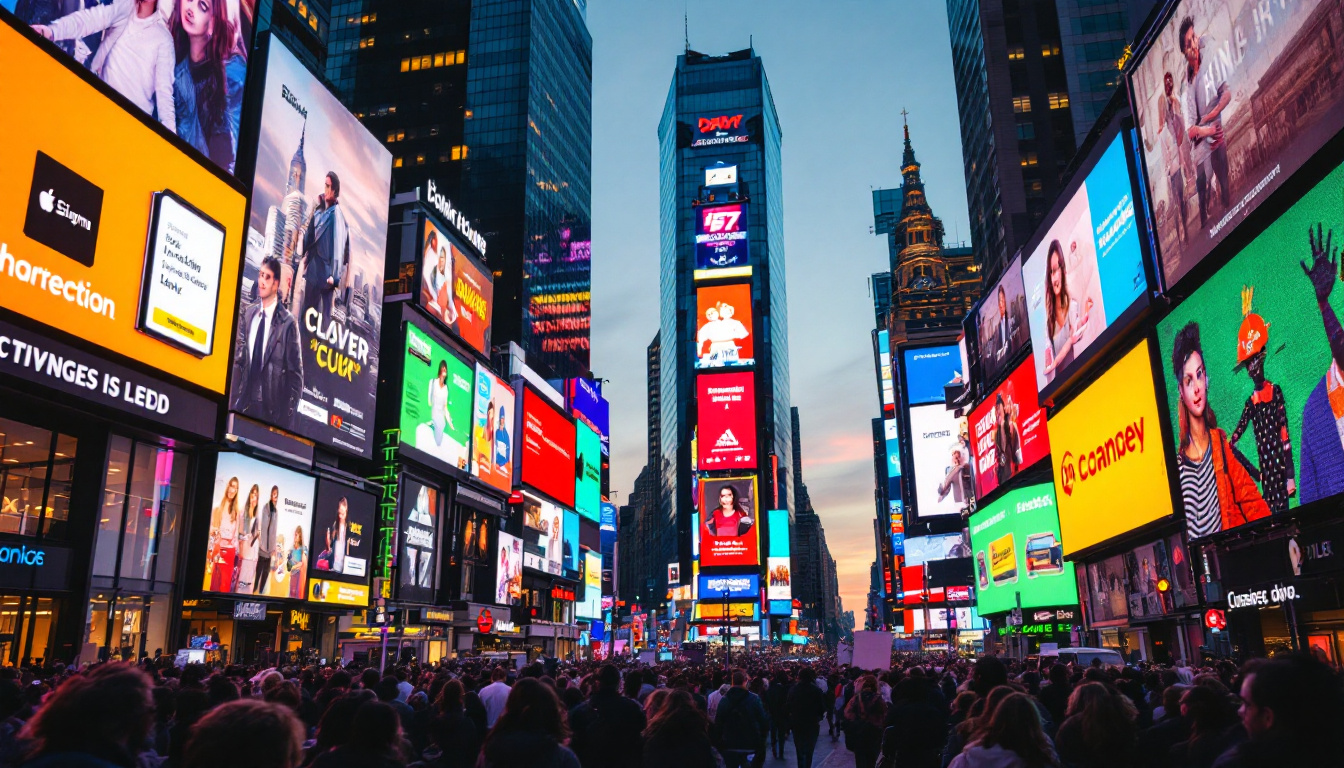
For advertising, interactive LED billboards capture attention more effectively than static signs. By engaging passersby through touch or motion, brands can deliver tailored messages, conduct surveys, or offer promotions in real-time.
Education and Training
In educational settings, interactive LED displays serve as dynamic teaching aids. Their large, bright screens combined with touch or gesture control facilitate collaborative learning, interactive presentations, and real-time feedback.
Training centers and corporate environments leverage these displays for simulations, virtual classrooms, and hands-on workshops, enhancing engagement and knowledge retention.
Entertainment and Events
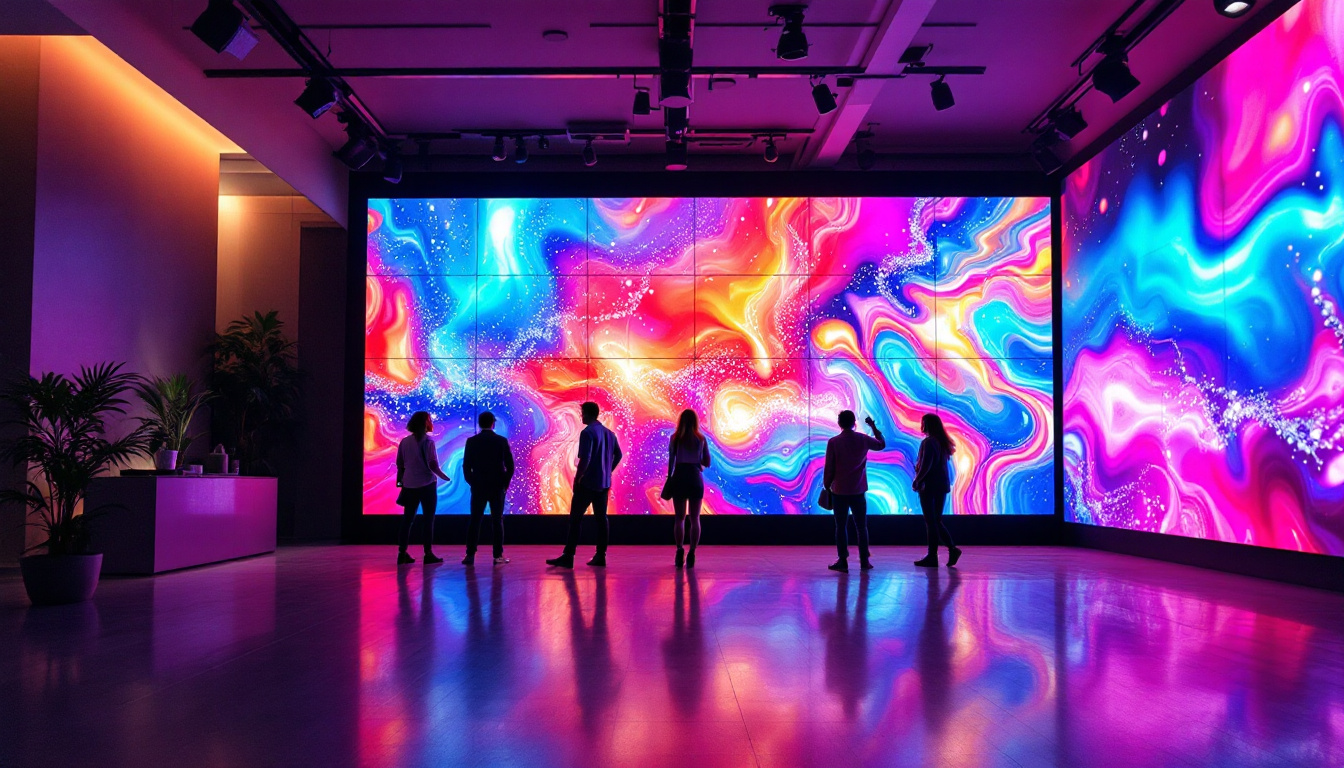
Concerts, exhibitions, and public events utilize interactive LED walls to create captivating visual effects and interactive installations. Audience members can influence the display content through gestures or touch, fostering a sense of participation and excitement.
In gaming and theme parks, interactive LED displays contribute to immersive experiences by responding dynamically to player actions or environmental factors.
Healthcare and Public Information
Hospitals and clinics employ interactive LED kiosks for patient check-ins, wayfinding, and health education. These displays improve operational efficiency and patient engagement.
Public spaces such as airports, train stations, and city centers use interactive LED screens to provide real-time information, maps, and emergency alerts, enhancing safety and convenience.
Benefits of Interactive LED Displays
Enhanced Engagement and User Experience
Interactivity transforms passive viewers into active participants, increasing attention and emotional connection with the content. This leads to higher recall rates and more effective communication.
For businesses, this engagement translates into increased foot traffic, longer dwell times, and improved customer satisfaction.
Flexibility and Content Control
Interactive LED displays allow for dynamic content updates and customization. Operators can tailor messages based on audience demographics, time of day, or specific events, ensuring relevance and maximizing impact.
Remote management capabilities enable quick adjustments without the need for physical intervention, reducing operational costs.
Durability and Energy Efficiency
LED technology is known for its longevity and low power consumption compared to traditional lighting and display methods. Interactive LED displays maintain these advantages while adding functionality, making them a cost-effective investment over time.
Challenges and Considerations
Cost and Installation Complexity
Interactive LED displays often require higher upfront investment than standard screens due to additional hardware like sensors and processing units. Installation can be complex, especially for large-scale or outdoor setups, necessitating professional expertise.
Maintenance and Technical Support
Ensuring consistent performance requires regular maintenance of both the LED panels and interactive components. Dust, moisture, and physical damage can affect sensor accuracy and display quality.
Reliable technical support and warranty services are critical to minimize downtime and protect the investment.
Content Design and Usability
Effective use of interactive LED displays depends heavily on well-designed content and intuitive user interfaces. Poorly designed interactions can frustrate users and negate the benefits of interactivity.
Organizations must invest in skilled designers and user experience experts to create engaging and accessible content.
The Future of Interactive LED Displays
Integration with Artificial Intelligence and IoT
Artificial intelligence (AI) is poised to enhance interactive LED displays by enabling personalized content delivery based on real-time data such as audience demographics, behavior, and environmental conditions.
Integration with the Internet of Things (IoT) allows displays to connect with other smart devices, creating seamless and context-aware experiences. For example, a smart retail store could adjust promotions based on inventory levels and customer preferences detected through the display.
Advancements in Display Technology
Emerging technologies such as MicroLED and flexible LED panels promise even higher resolution, better color accuracy, and novel form factors. Transparent and curved interactive LED displays will open new possibilities for architectural integration and creative installations.
Expanding Applications
As costs decrease and technology becomes more accessible, interactive LED displays will penetrate new markets including hospitality, transportation, and residential smart homes. Their ability to blend information, entertainment, and interaction will redefine how people engage with their environments.
Conclusion
Interactive LED displays represent a convergence of cutting-edge lighting and sensor technologies, offering vibrant visuals coupled with engaging user experiences. Their versatility makes them invaluable across diverse sectors, from retail and education to healthcare and public spaces.
Understanding the technology, applications, benefits, and challenges of interactive LED displays equips businesses and organizations to harness their full potential. As innovation continues to accelerate, these displays will play an increasingly central role in shaping interactive environments and digital communication.
Discover LumenMatrix’s Innovative LED Solutions
Ready to elevate your space with the latest in interactive LED technology? LumenMatrix is at the forefront of creating immersive visual experiences that captivate and engage. From dynamic Indoor and Outdoor LED Wall Displays to specialized solutions like Vehicle LED Displays, LED Sports Displays, and Custom LED Displays, we have the expertise to bring your vision to life. Experience the future of visual communication with our All-in-One and Transparent LED Displays designed to make a lasting impression. Check out LumenMatrix LED Display Solutions today and transform your business’s approach to digital engagement.