In recent years, LED technology has revolutionized the way visual content is displayed across various industries. Among these innovations, interactive LED floors have emerged as a captivating medium for advertising, entertainment, and architectural design. However, understanding the pricing dynamics and technological aspects of interactive LED floors can be complex. This article aims to demystify the interactive LED floor market by explaining the technology behind LED displays, factors influencing their prices, and practical applications that justify their investment.
Understanding Interactive LED Floor Technology
What Is an Interactive LED Floor?
An interactive LED floor is a display surface embedded with LED panels that respond to user interaction, such as footsteps, gestures, or pressure. Unlike traditional static floors, these floors create dynamic visual experiences by combining high-resolution LED screens with sensors and software that detect movement and trigger corresponding visual effects.
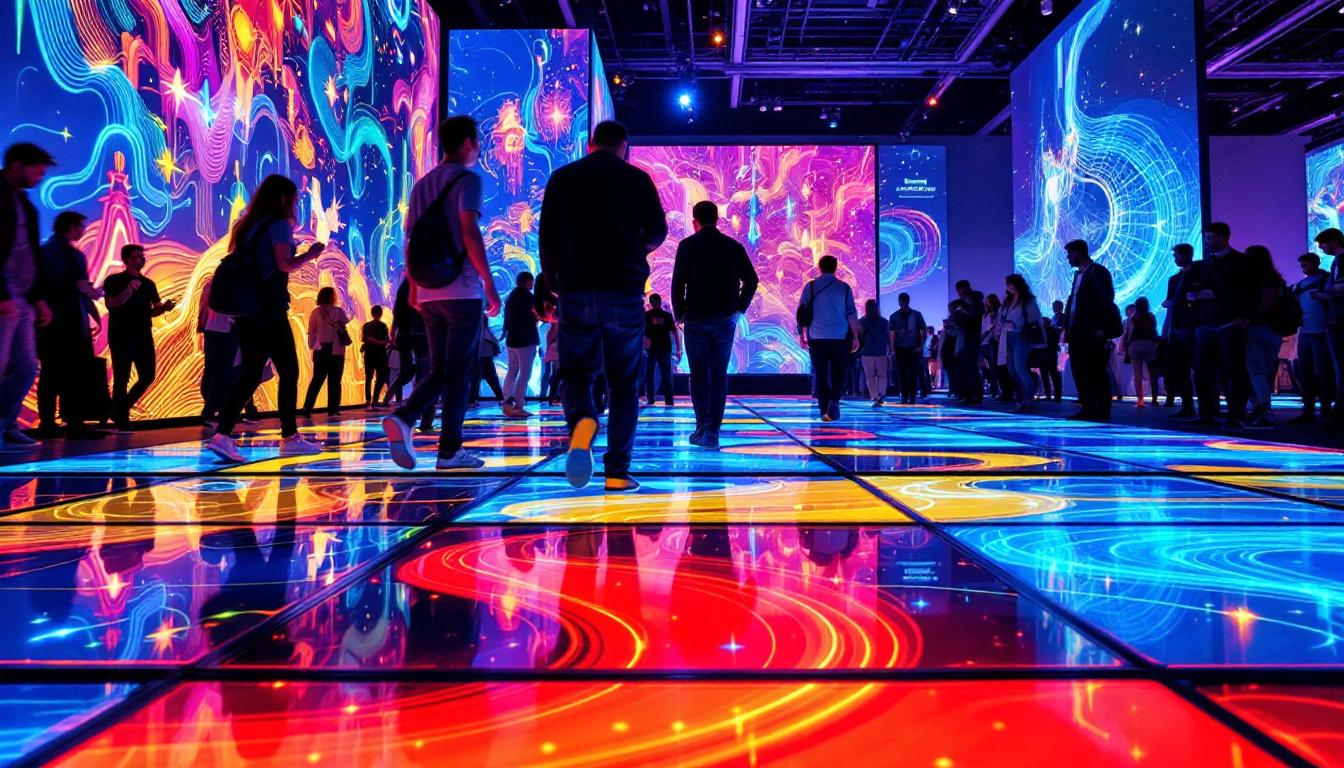
This technology integrates LED modules with pressure-sensitive or motion sensors, enabling real-time interaction. For example, when a person steps on the floor, the LEDs beneath light up in patterns or animations, creating immersive environments for retail spaces, museums, events, and more. The versatility of interactive LED floors allows them to be used in various settings, from art installations that engage viewers to educational environments that enhance learning through interactive play.
Key Components of Interactive LED Floors
The main components that constitute an interactive LED floor include:
- LED Panels: High-brightness, durable LED modules that form the visual display. These panels are typically designed to withstand foot traffic and provide sufficient brightness for indoor or outdoor use.
- Interactive Sensors: Pressure sensors, infrared sensors, or capacitive touch sensors detect user interaction. These sensors are embedded beneath or within the floor panels.
- Control System: A central processing unit that interprets sensor data and controls the LED display accordingly. This system runs the software that manages interactive content.
- Protective Layer: A robust, transparent surface that protects the LED panels and sensors from damage while allowing clear visibility of the display. Materials such as tempered glass or acrylic are commonly used.
In addition to these core components, interactive LED floors often feature advanced cooling systems to ensure optimal performance and longevity. The integration of wireless technology can also facilitate easier updates and modifications to the content displayed, allowing for a seamless transition between different themes or events. This adaptability makes them particularly appealing for venues that host a variety of activities, from corporate events to art exhibitions.
How Does the Interaction Work?
The interaction mechanism in LED floors relies on sensor input. When pressure or movement is detected, the control system processes this data and triggers pre-programmed visual responses. For instance, in a retail store, stepping on specific areas might illuminate product information or promotional animations, enhancing customer engagement.
Advanced systems can also support multi-touch capabilities, allowing multiple users to interact simultaneously. Integration with software platforms enables customization of content, from simple animations to complex interactive games or branding experiences. This capability not only captivates users but also provides valuable analytics for businesses, as they can track user interaction patterns and preferences. Such insights can inform marketing strategies and improve customer experiences, making interactive LED floors a powerful tool in the modern digital landscape.
Factors Influencing Interactive LED Floor Price
Pixel Pitch and Resolution
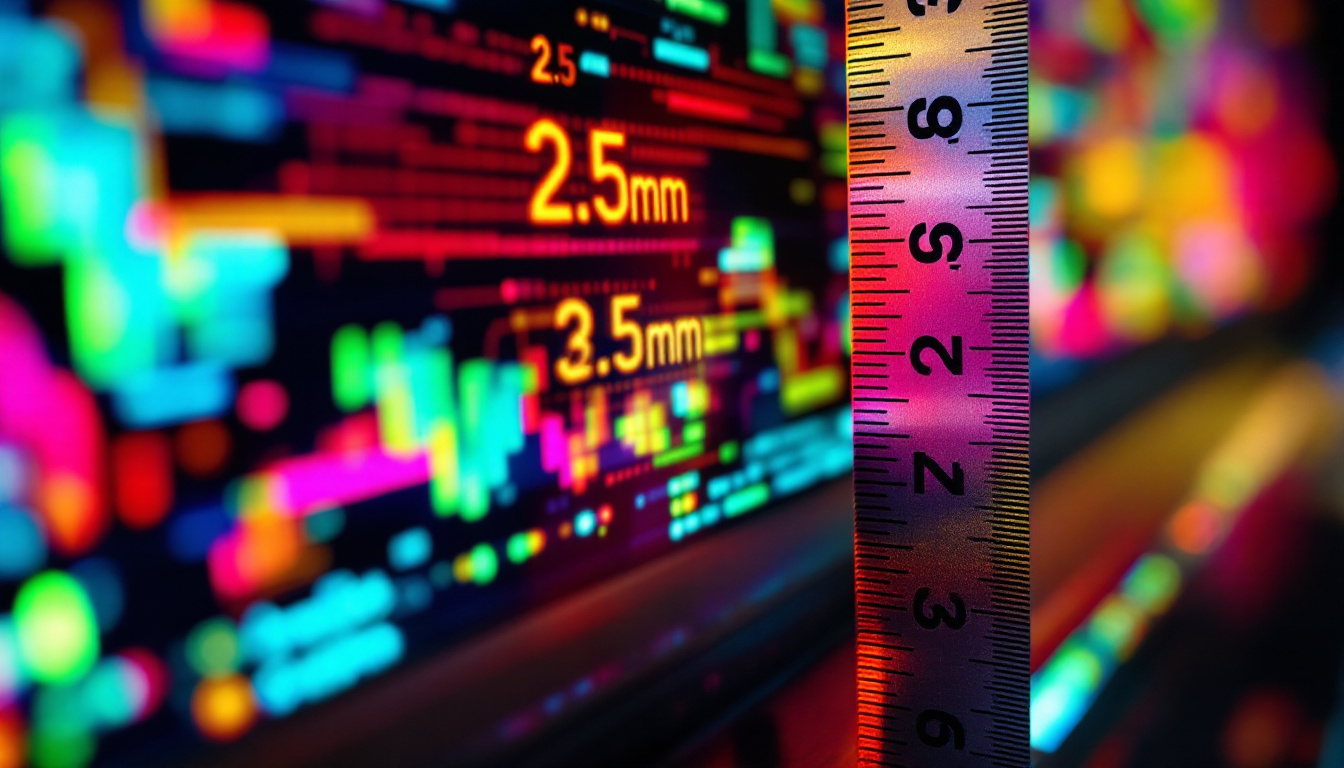
Pixel pitch refers to the distance between the centers of two adjacent pixels on an LED panel, usually measured in millimeters. A smaller pixel pitch means higher resolution and sharper images, but it also increases the cost due to the higher density of LEDs and more complex manufacturing.
For interactive floors, pixel pitch typically ranges from 2mm to 10mm. High-resolution floors (2-4mm) offer vivid, detailed visuals suitable for close viewing, such as in museums or exhibitions. Lower resolution floors (6-10mm) are more affordable and appropriate for larger spaces where viewers are farther away.
Size and Customization
The total surface area of the LED floor directly impacts the price. Larger installations require more LED panels, sensors, and structural support, increasing material and labor costs. Additionally, custom shapes or irregular layouts can add complexity and expense.
Customization extends beyond size to include software features, interactive capabilities, and integration with other systems. Tailored content development and specialized sensor configurations can significantly influence the final price.
Durability and Material Quality
Interactive LED floors must endure constant foot traffic, occasional impacts, and environmental factors like humidity or temperature changes. High-quality materials such as tempered glass or industrial-grade acrylic for the protective layer increase durability but also add to the cost.
Waterproofing and anti-slip treatments are essential for safety and longevity, especially in public or outdoor environments. These features often require additional manufacturing processes and certifications, which influence pricing.
Technology and Software Integration
The sophistication of the interactive system, including sensor types and software complexity, plays a crucial role in pricing. Basic pressure-sensitive floors with simple animations are less expensive than floors equipped with motion tracking, multi-touch capabilities, or AI-driven content adaptation.
Moreover, software licensing, content creation, and ongoing maintenance contracts can add to the total cost. Some vendors offer turnkey solutions, while others provide modular options that allow phased upgrades.
Installation and Maintenance Costs
Installation requires skilled labor to ensure proper alignment, sensor calibration, and system integration. Complex installations in irregular spaces or with additional structural modifications will increase labor costs.
Maintenance is another ongoing expense. LED floors require regular cleaning, software updates, and occasional hardware repairs. Warranty terms and after-sales support vary among manufacturers and should be factored into the overall investment.
Price Range and Market Trends
Typical Price Ranges
Interactive LED floor prices vary widely based on the factors outlined above. As of 2024, general pricing benchmarks are as follows:
- Basic LED Floor Panels (Non-interactive): $300 to $600 per square meter
- Interactive LED Floors with Basic Sensors: $800 to $1,500 per square meter
- High-Resolution Interactive LED Floors with Advanced Features: $1,800 to $3,500+ per square meter
These figures include hardware, software, and installation but may vary depending on location, vendor, and project complexity.
Emerging Trends Affecting Pricing
Several trends are shaping the interactive LED floor market and influencing pricing structures:
- Advancements in Mini-LED and Micro-LED Technology: These technologies promise higher brightness, better color accuracy, and longer lifespan, potentially increasing upfront costs but reducing maintenance expenses.
- Integration with IoT and Smart Building Systems: Interactive floors are increasingly connected to broader building management systems, enabling real-time analytics and adaptive content, which may require additional investment.
- Increased Demand for Sustainable Materials: Eco-friendly manufacturing and recyclable components are becoming priorities, sometimes raising costs but appealing to environmentally conscious clients.
- Software as a Service (SaaS) Models: Vendors are offering subscription-based software updates and content management, shifting some costs from capital expenditure to operational expenditure.
Applications and ROI Considerations
Commercial and Retail Uses
Interactive LED floors are widely adopted in retail environments to attract customers and enhance brand experiences. For example, fashion stores use interactive floors to showcase new collections or promotions when customers walk through specific zones.
Studies indicate that interactive displays can increase customer dwell time by up to 30%, leading to higher conversion rates. Although the initial investment is substantial, the potential for increased sales and brand differentiation often justifies the expense.
Entertainment and Events
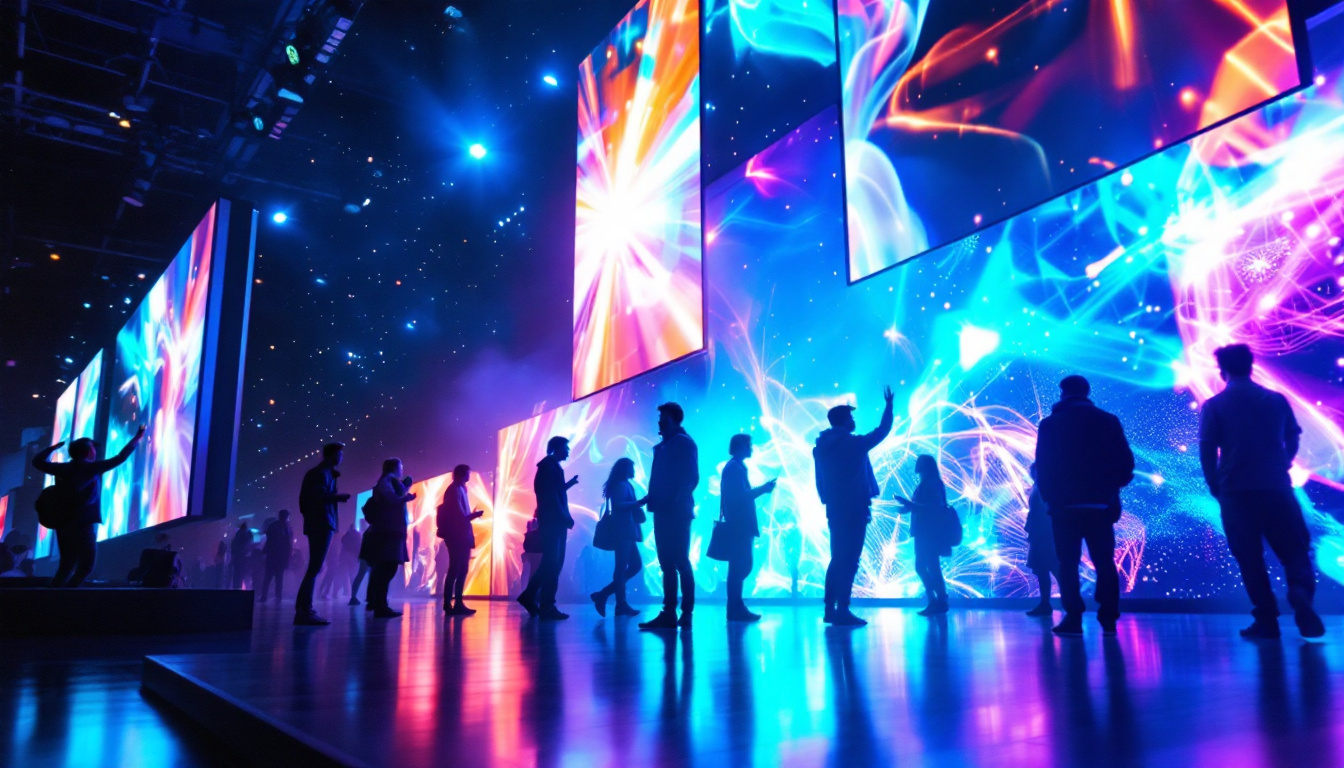
Concerts, exhibitions, and theme parks utilize interactive LED floors to create immersive environments. These installations can transform spaces dynamically, offering unique visitor experiences that encourage social sharing and repeat visits.
Event organizers value the flexibility and visual impact of LED floors, which can be rented or purchased depending on budget and frequency of use. The ROI here is often measured in audience engagement and media exposure.
Corporate and Educational Environments
In corporate settings, interactive LED floors serve as innovative tools for presentations, training, and collaborative workspaces. Educational institutions use them to create interactive learning experiences that engage students through visual and tactile stimuli.
While the ROI in these sectors may be less direct, benefits include improved communication, enhanced learning outcomes, and a modernized brand image.
Healthcare and Public Spaces
Hospitals and public buildings incorporate interactive LED floors for wayfinding, information dissemination, and therapeutic environments. For example, pediatric wards use playful interactive floors to reduce anxiety in young patients.
The investment in these applications often aligns with broader goals of patient satisfaction and operational efficiency, making the cost worthwhile.
Choosing the Right Interactive LED Floor
Assessing Project Requirements
Before selecting an interactive LED floor, it is crucial to define the project’s objectives, budget, and environmental conditions. Considerations include:
- Expected foot traffic and load-bearing requirements
- Indoor vs. outdoor installation
- Desired resolution and visual quality
- Type and complexity of interactivity
- Integration with existing systems and content platforms
Evaluating Vendors and Solutions
Not all interactive LED floors are created equal. When evaluating vendors, it is important to review:
- Product specifications and certifications
- Case studies and client references
- Warranty and after-sales support
- Customization capabilities
- Pricing transparency and total cost of ownership
Requesting demos or pilot installations can help ensure the solution meets expectations before committing to a large investment.
Planning for Maintenance and Upgrades
Interactive LED floors require ongoing maintenance to preserve performance and appearance. Establishing a maintenance plan that includes regular cleaning, software updates, and hardware inspections is essential.
Additionally, technology evolves rapidly. Choosing a modular system that allows for future upgrades can protect the investment and extend the floor’s useful life.
Conclusion
Interactive LED floors represent a compelling fusion of technology, design, and user engagement. Their prices reflect the complexity of components, customization, and installation requirements. Understanding the factors that influence cost—such as pixel pitch, size, durability, and software integration—enables buyers to make informed decisions aligned with their goals and budgets.
As the technology matures and adoption grows across retail, entertainment, corporate, and healthcare sectors, interactive LED floors are becoming more accessible and versatile. By carefully evaluating project needs and vendor offerings, organizations can harness this innovative medium to create memorable experiences that drive engagement and deliver measurable returns.
Discover LumenMatrix LED Display Solutions
Ready to elevate your space with the interactive LED floor technology discussed in this article? LumenMatrix is at the forefront of LED display innovation, offering a wide range of solutions that bring your environment to life. From captivating Floor LED Displays to dynamic Indoor and Outdoor LED Wall Displays, our products are designed to transform your visual communication and engagement. Experience the difference with LumenMatrix and let us help you create an immersive experience that resonates with your audience. Check out LumenMatrix LED Display Solutions today and step into the future of interactive display technology.