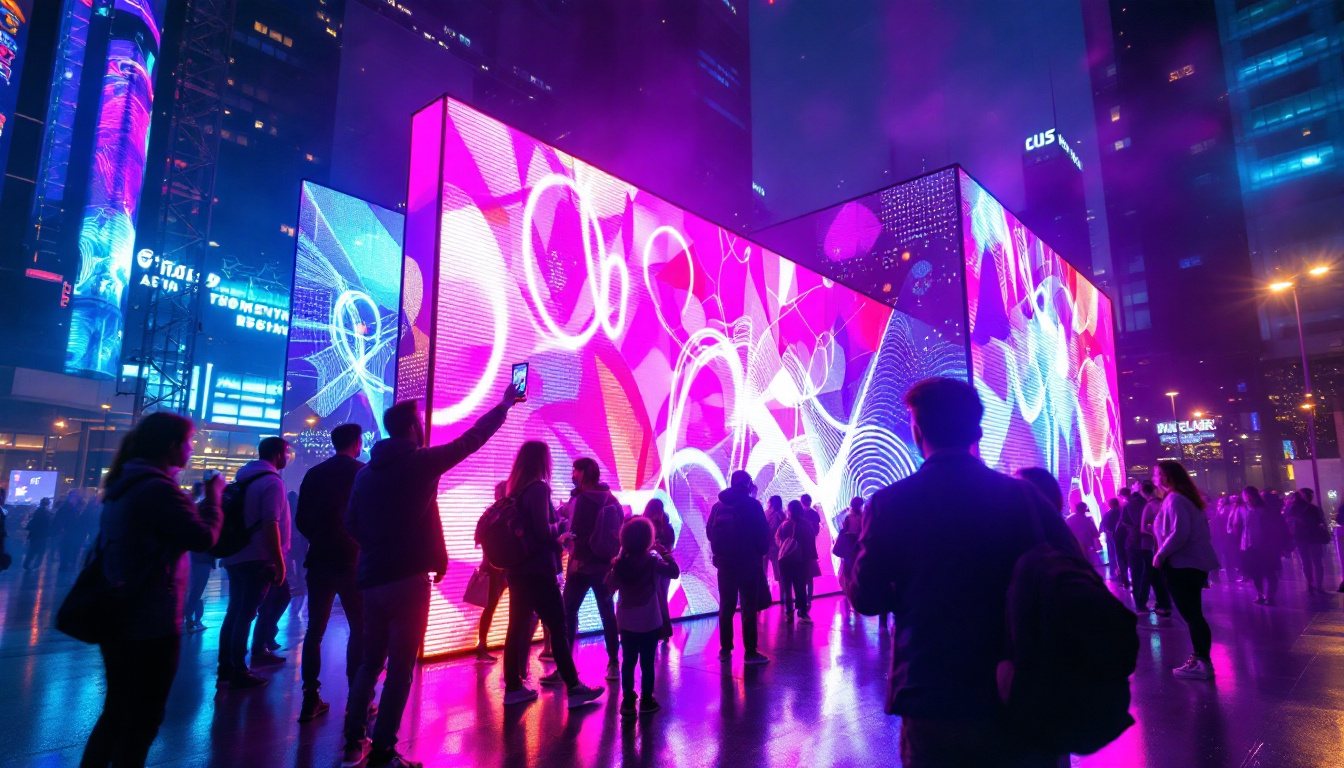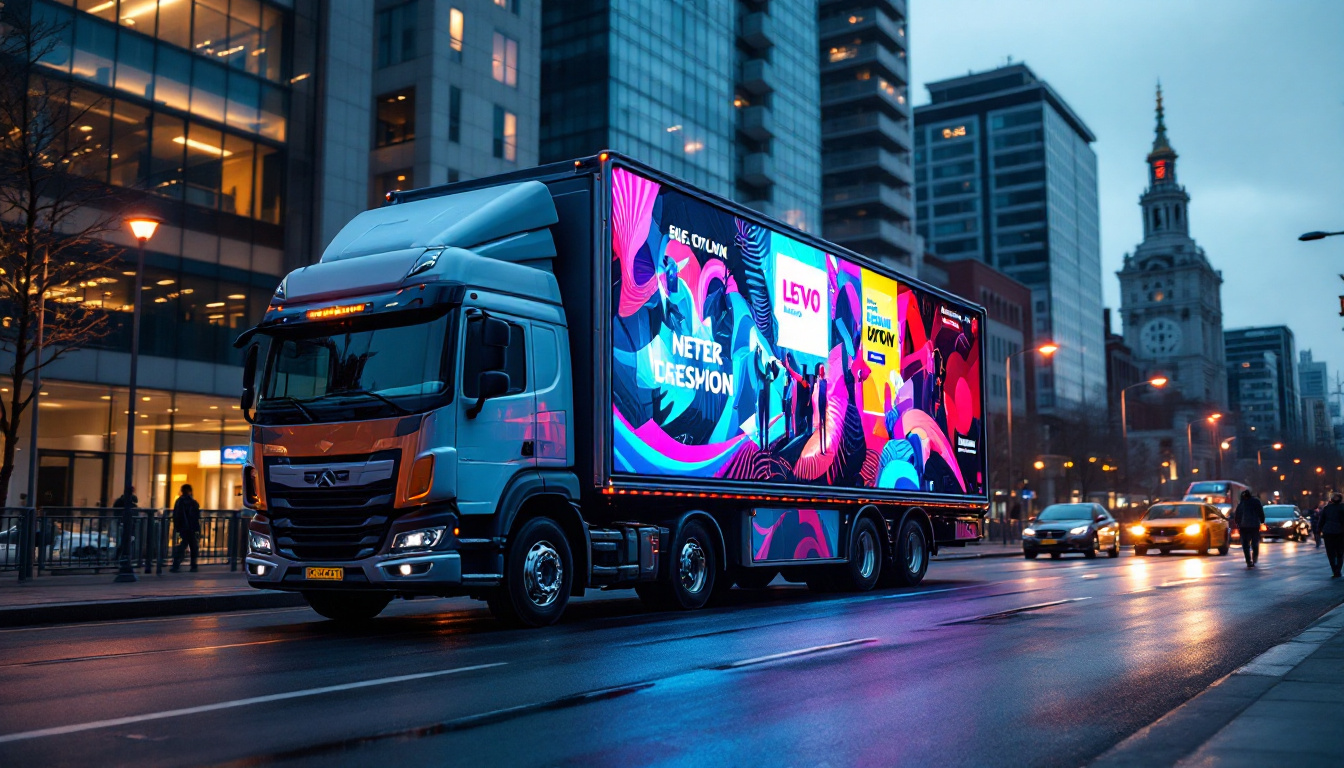
In the modern world of advertising and communication, LED displays have become a cornerstone technology for businesses and organizations seeking to capture attention and convey messages dynamically. Among the many types of digital signage, Jpg signs—LED displays that utilize JPEG images—offer a unique blend of visual appeal and technical efficiency. This article delves deep into the world of Jpg signs, explaining what LED displays are, how they work, and why they are increasingly popular in various industries.
Understanding LED Displays: The Basics
LED, or Light Emitting Diode, displays are screens composed of numerous tiny light sources that emit light when an electric current passes through them. Unlike traditional LCD or plasma screens, LED displays use these diodes to create bright, vibrant images visible even in direct sunlight. This makes them ideal for both indoor and outdoor signage.
LED technology has evolved rapidly over the past decade. Modern LED displays can show high-resolution images, videos, and animations with exceptional clarity and color accuracy. Their modular design allows for flexible sizing and shapes, making them suitable for everything from small retail signs to massive stadium screens.
How LED Displays Work
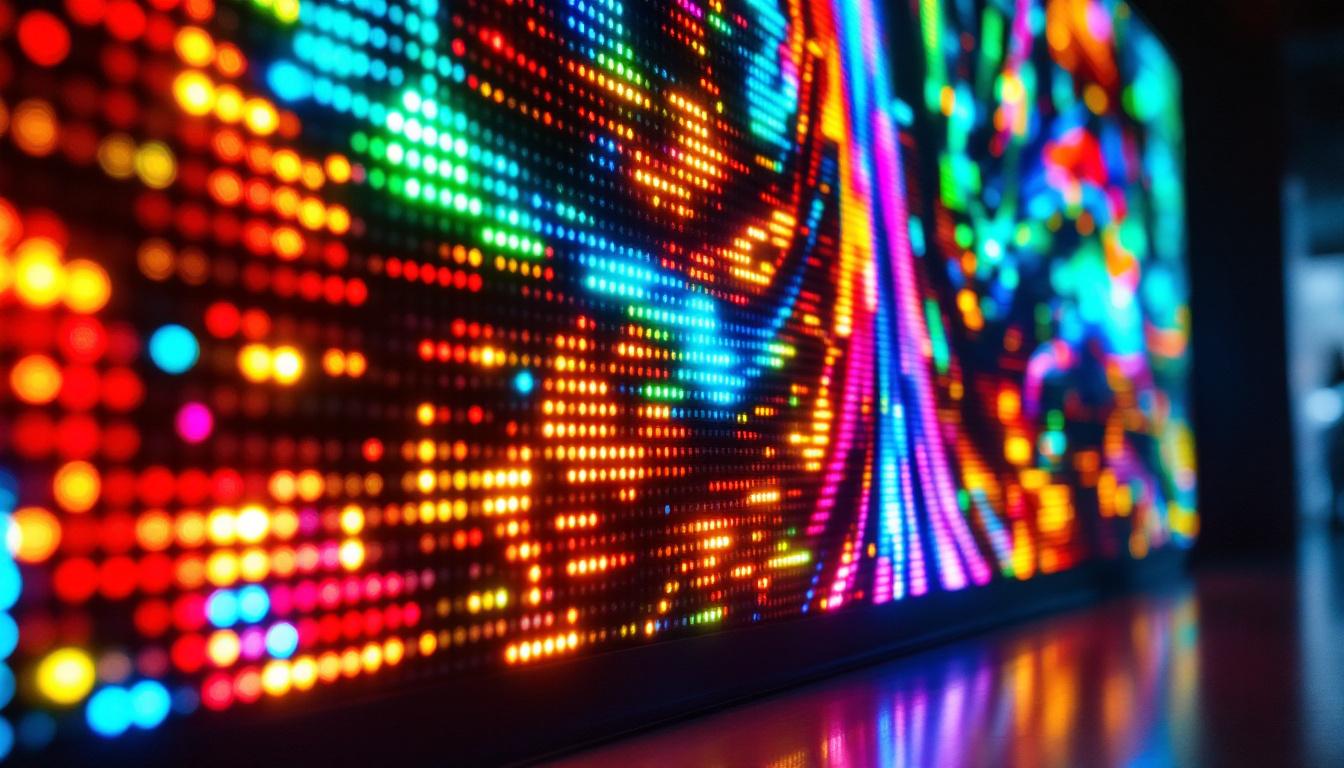
Each LED display consists of an array of pixels, with each pixel made up of red, green, and blue diodes. By varying the intensity of these diodes, the display can produce millions of colors. The display is controlled by a driver system that processes the input signals—whether from a computer, media player, or network—and translates them into the appropriate light patterns on the screen.
One key advantage of LED displays is their energy efficiency. LEDs consume less power compared to other lighting technologies, which translates to lower operating costs for businesses. Additionally, LEDs have a longer lifespan, often exceeding 50,000 hours of use, reducing maintenance and replacement expenses.
Furthermore, LED displays are known for their quick response times, which is particularly beneficial for applications requiring dynamic content, such as live event broadcasting or interactive advertising. The ability to refresh images rapidly allows for smooth transitions and animations, enhancing viewer engagement. This responsiveness is coupled with the ability to adjust brightness levels automatically based on ambient light conditions, ensuring optimal visibility at all times.
Moreover, the versatility of LED technology extends beyond mere displays. Innovations such as transparent LED screens and flexible LED panels are paving the way for creative applications in architecture and design. These advancements allow for seamless integration into building facades or unconventional shapes, providing architects and designers with new tools to enhance visual storytelling and branding in urban environments. As the technology continues to evolve, the possibilities for LED displays seem virtually limitless, opening new avenues for creativity and functionality in various industries.
What Are Jpg Signs?
Jpg signs refer specifically to LED displays that use JPEG (Joint Photographic Experts Group) images as their primary content format. JPEG is one of the most common image file formats worldwide, known for its efficient compression and broad compatibility across devices and platforms. This widespread acceptance makes JPEG an ideal choice for businesses looking to create visually appealing advertising materials that can be easily shared and displayed across various mediums.
Using JPEG images on LED displays allows businesses to showcase high-quality visuals such as logos, product photos, promotional graphics, and more. The compressed nature of JPEG files means that large image libraries can be stored and accessed quickly without requiring excessive storage space or bandwidth. This efficiency is particularly beneficial for fast-paced environments like retail stores or event venues, where timely updates to visual content can significantly impact customer engagement and sales.
Advantages of Using JPEG Images on LED Displays
JPEG images strike a balance between image quality and file size, making them ideal for digital signage applications. They support millions of colors and can display complex images with gradients and fine details, which are essential for professional advertising. The ability to present vibrant and eye-catching visuals can help draw in potential customers and create a memorable brand presence in a crowded marketplace.
Moreover, JPEG files are universally supported by digital signage software and hardware. This compatibility simplifies content management, allowing users to easily upload, schedule, and update images on their LED displays without worrying about format restrictions. Additionally, many modern digital signage platforms offer user-friendly interfaces that enable even those with minimal technical skills to create and manage their visual content effectively, further enhancing the accessibility of this technology for businesses of all sizes.
Limitations to Consider
While JPEG is excellent for photographic content, it is a lossy compression format, meaning some image quality is sacrificed to reduce file size. For graphics requiring sharp edges or text clarity, formats like PNG or SVG might be preferable. However, many LED display systems can handle multiple formats, enabling users to choose the best option for each type of content. Understanding the nuances of these formats can empower businesses to make informed decisions about their visual strategies, ensuring that their messaging is not only appealing but also effective.
Furthermore, it is important to consider the context in which JPEG images will be displayed. For instance, in environments with varying lighting conditions, the quality of the image may be affected by the display’s brightness and contrast settings. Ensuring that JPEG images are optimized for the specific LED technology in use can help maintain visual integrity and ensure that the intended message is conveyed clearly and effectively. As businesses increasingly rely on digital signage for communication, being aware of these factors can lead to more successful advertising campaigns and enhanced customer experiences.
Applications of Jpg LED Signs in Various Industries
The versatility and visual impact of Jpg LED signs have made them popular across a wide range of sectors. Here are some of the most common applications:
Retail and Advertising
Retailers use LED displays to attract customers with vibrant promotions, seasonal sales, and new product launches. Jpg signs enable quick updates to advertising content, allowing stores to remain relevant and responsive to market trends. According to a 2023 report by the Digital Signage Federation, LED signage can increase customer engagement by up to 30%, translating into higher foot traffic and sales.
Transportation and Public Information
Airports, train stations, and bus terminals rely on LED displays to provide real-time information such as schedules, delays, and safety announcements. Using JPEG images for maps, icons, and alerts ensures clear communication even in busy environments. The high brightness of LED displays ensures visibility in various lighting conditions, making them indispensable in public spaces.
Entertainment and Events
Concerts, sports arenas, and festivals use large LED screens to enhance the audience experience with live video feeds, advertisements, and interactive content. Jpg signs allow event organizers to quickly swap promotional images and sponsor logos, maximizing advertising revenue and engagement.
Corporate and Educational Settings
Businesses and educational institutions employ LED signage for internal communications, wayfinding, and event announcements. The ability to display high-quality JPEG images means that branding and messaging can be consistent and professional, reinforcing organizational identity.
Technical Considerations for Implementing Jpg LED Signs
Deploying an effective Jpg LED sign involves several technical factors that influence performance, durability, and user experience.
Resolution and Pixel Pitch
Resolution refers to the number of pixels on the display, while pixel pitch is the distance between individual pixels. A smaller pixel pitch means higher resolution and sharper images, which is critical for close viewing distances. For example, indoor LED displays often have a pixel pitch of 1.5 to 4 millimeters, whereas outdoor displays may have pitches of 10 millimeters or more due to viewing distance requirements.
Brightness and Contrast
LED displays must be bright enough to overcome ambient light, especially outdoors. Typical outdoor LED signs offer brightness levels exceeding 5,000 nits, ensuring visibility even in direct sunlight. Contrast ratio—the difference between the brightest and darkest parts of the image—also affects image clarity and color vibrancy.
Color Calibration and Image Quality
Accurate color reproduction is essential for brand consistency and visual appeal. Advanced LED systems include color calibration tools that adjust the output to match the original JPEG image as closely as possible. This process compensates for variations in LED diodes and environmental factors.
Content Management Systems (CMS)
Modern LED displays are typically controlled by CMS software that allows users to schedule, update, and monitor content remotely. The CMS supports various file formats, including JPEG, and often includes features such as playlist creation, real-time analytics, and multi-display synchronization.
Future Trends in Jpg LED Signage
The LED display industry continues to innovate, with several emerging trends shaping the future of Jpg signs.
Higher Resolution and Miniaturization
Advancements in LED manufacturing are enabling even smaller pixel pitches, resulting in ultra-high-definition displays. This trend will allow Jpg signs to present images with unprecedented detail, opening new possibilities for applications such as digital art and immersive retail experiences.
Integration with AI and IoT
Artificial intelligence and the Internet of Things are transforming digital signage into smart, interactive platforms. AI can optimize content based on audience demographics and behavior, while IoT connectivity allows displays to respond dynamically to environmental conditions or user inputs.
Sustainability and Energy Efficiency
As environmental concerns grow, manufacturers are focusing on reducing the energy consumption and carbon footprint of LED displays. Innovations such as low-power LEDs, solar-powered signage, and recyclable materials are becoming more common, aligning Jpg signs with corporate sustainability goals.
Conclusion
Jpg signs leveraging LED display technology represent a powerful tool for visual communication in today’s fast-paced, visually driven world. Their combination of brightness, flexibility, and compatibility with widely used JPEG images makes them an accessible and effective choice for businesses and organizations across industries.
Understanding the technical aspects and practical applications of Jpg LED signs helps stakeholders make informed decisions about investing in digital signage solutions. As technology advances, these displays will continue to evolve, offering richer visuals, smarter interactions, and greater sustainability—ensuring they remain at the forefront of modern advertising and communication.
Illuminate Your Message with LumenMatrix
Ready to elevate your brand’s visibility and captivate your audience with stunning visuals? Discover the innovative world of LumenMatrix LED display solutions. From vibrant Indoor and Outdoor LED Wall Displays to dynamic Vehicle and Sports LED Displays, our extensive range of products, including the sleek LED Poster and versatile Floor LED Displays, is designed to revolutionize your visual communication. Embrace the future with our Custom, All-in-One, and Transparent LED Displays, crafted to deliver your message with impact and clarity. Check out LumenMatrix LED Display Solutions today and transform your advertising and communication strategies.