In recent years, the integration of LED display technology with trucks has transformed the advertising and communication landscape. Truck screens, also known as mobile LED displays, have become a dynamic tool for businesses, event organizers, and public service campaigns to reach audiences on the move. This article delves into the world of truck screens, explaining what they are, how they work, their benefits, and the considerations involved in using them effectively.
What Is a Truck Screen?
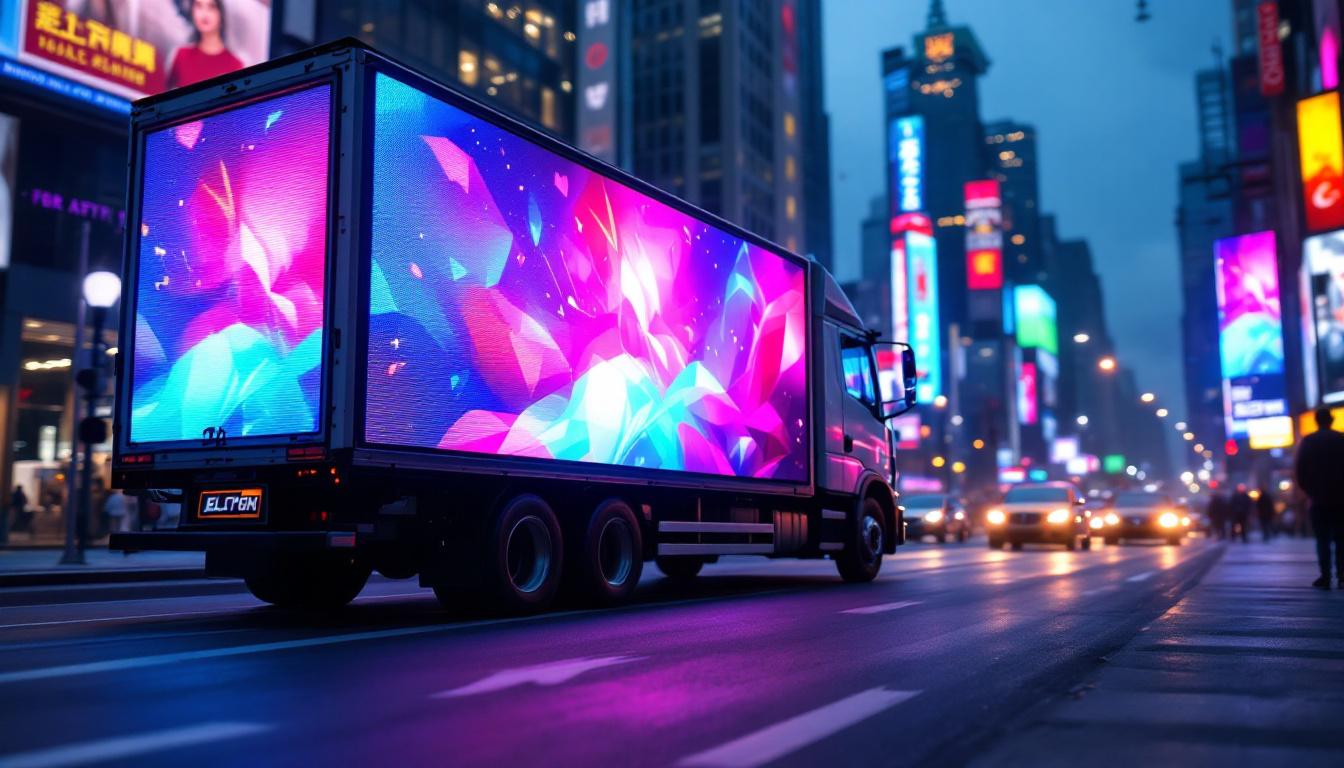
A truck screen is essentially an LED display mounted on a truck or trailer, turning the vehicle into a mobile billboard. These screens can vary in size, resolution, and brightness, but all serve the purpose of delivering digital content—such as advertisements, announcements, or live video—to viewers in various locations. The technology behind these screens has advanced significantly, allowing for vibrant colors and high-definition images that capture the attention of passersby, making them a powerful tool for advertisers looking to make an impact.
Unlike traditional static billboards, truck screens offer flexibility and interactivity. They can be programmed remotely to display different messages depending on the location, time of day, or target audience. This adaptability makes them especially appealing for marketing campaigns that require high visibility and engagement. Furthermore, with the integration of social media feeds and real-time data, truck screens can provide dynamic content that resonates with viewers, enhancing the overall effectiveness of the advertisement.
Types of Truck Screens
Truck screens come in several configurations, including:
- Side-mounted LED displays: These are installed along the sides of the truck, allowing for large, panoramic visuals visible from multiple angles. They are particularly effective in urban settings where pedestrians and cyclists can easily view the content.
- Rear-mounted LED displays: Positioned at the back of the truck, these are ideal for traffic-facing advertising or messages aimed at following vehicles. This setup is especially useful during traffic jams, where drivers have more time to absorb the information being presented.
- Roof-mounted LED displays: Elevated screens that maximize visibility over crowds or in congested urban environments. These displays can reach a wider audience, making them perfect for events or high-traffic areas.
The choice of configuration depends on the campaign objectives, target audience, and operational environment. Additionally, some truck screens are equipped with advanced features such as motion sensors that adjust brightness based on ambient light, ensuring optimal visibility at all times. The versatility of truck screens allows businesses to tailor their advertising strategies to fit various contexts, whether it’s a local event, a festival, or a city-wide marketing blitz. As technology continues to evolve, the possibilities for creative and engaging content on truck screens are virtually limitless, paving the way for innovative advertising solutions that captivate audiences on the go.
How Do LED Truck Screens Work?
LED truck screens operate using light-emitting diode (LED) technology, which is known for its brightness, energy efficiency, and durability. The display comprises thousands of tiny LEDs arranged in a grid, which can be individually controlled to create images, videos, or text.
Key Components
Understanding the components helps clarify how these screens function:
- LED Modules: These are the building blocks of the screen, containing clusters of LEDs that emit light in red, green, and blue (RGB) to produce a full spectrum of colors.
- Control System: A computer or media player manages the content displayed, often allowing for real-time updates and scheduling.
- Power Supply: Since LED screens require significant power, trucks are typically equipped with generators or battery systems to ensure uninterrupted operation.
- Cooling System: To prevent overheating, especially in high-brightness outdoor environments, cooling mechanisms such as fans or heat sinks are integrated.
Content Delivery and Management
Modern truck screens are often connected via cellular networks or Wi-Fi, enabling remote content management. This capability allows advertisers to tailor messages dynamically based on location analytics or audience demographics, enhancing campaign effectiveness.
For example, a retail chain might display different promotions in urban centers compared to suburban neighborhoods, all managed from a centralized platform.
In addition to real-time content updates, these screens can also incorporate interactive elements. For instance, some trucks are equipped with touch-sensitive technology that allows passersby to engage with the display, perhaps by voting on their favorite products or participating in contests. This interactivity not only captures attention but also fosters a deeper connection between brands and their audience, making the advertising experience more immersive.
Moreover, the versatility of LED truck screens extends beyond advertising. They can be utilized for public service announcements, event promotions, or even live broadcasts of community events. This adaptability makes them an invaluable tool for both businesses and local governments, as they can quickly disseminate important information to the public, such as emergency alerts or traffic updates, ensuring that the community stays informed and engaged.
Advantages of Using Truck LED Screens
Truck LED screens offer several compelling benefits that make them an attractive option for marketers and communicators alike.
High Visibility and Engagement
LED displays are exceptionally bright and can be seen clearly even in direct sunlight, making them ideal for outdoor advertising. Their vibrant colors and motion capabilities naturally draw attention, increasing the likelihood of audience engagement compared to static signage. Furthermore, the ability to showcase dynamic content, such as videos or animations, allows advertisers to convey complex messages in a more digestible format, captivating viewers and encouraging them to interact with the brand.
Mobility and Flexibility
The mobility of truck screens allows advertisers to reach diverse locations and demographics without the need for multiple static billboards. This flexibility is valuable for time-sensitive campaigns, event promotions, or public announcements. For instance, a business can strategically position its truck screen at a local festival, concert, or sporting event, ensuring maximum exposure to potential customers. Additionally, the ability to change locations quickly means that advertisers can adapt to changing market conditions or capitalize on spontaneous opportunities, enhancing the overall effectiveness of their campaigns.
Cost-Effectiveness Over Time
While the initial investment in a truck screen can be substantial, the ability to reuse the display for multiple campaigns and update content digitally reduces long-term costs. Additionally, companies can rent out their truck screens to other businesses, creating an additional revenue stream. This versatility not only maximizes the return on investment but also allows smaller businesses to access high-quality advertising solutions without the burden of hefty upfront costs. As a result, truck LED screens can democratize advertising, enabling a wider range of businesses to compete in the marketplace.
Environmental Considerations
LED technology is energy-efficient compared to traditional lighting methods, helping reduce the environmental footprint of outdoor advertising. Moreover, mobile screens can minimize the need for printed materials, contributing to sustainability efforts. By reducing waste and lowering energy consumption, businesses can align their marketing strategies with eco-friendly practices, appealing to environmentally conscious consumers. Furthermore, many truck LED screens are designed to be durable and long-lasting, which means fewer replacements and less electronic waste, further enhancing their appeal as a sustainable advertising option.
Applications of Truck LED Screens
The versatility of truck screens has led to their adoption across various sectors and use cases.
Advertising and Marketing
Brands leverage truck screens to launch new products, promote sales, or build brand awareness. For instance, during major events like music festivals or sports games, mobile LED displays can target large crowds with tailored messages.
Public Service and Awareness Campaigns
Government agencies and non-profits use truck screens to disseminate important information, such as health advisories, emergency alerts, or community event announcements. The ability to update content in real-time is crucial during crises or rapidly evolving situations.
Event and Entertainment Industry
Concerts, parades, and festivals benefit from truck screens by enhancing the visual experience and providing live video feeds or sponsor messages. This integration helps engage attendees and create memorable experiences.
Political Campaigns
During election seasons, candidates use truck screens to reach voters with campaign messages, speeches, and event promotions. The mobility allows for strategic targeting of key neighborhoods and demographics.
Considerations When Using Truck LED Screens
Despite their advantages, there are important factors to consider to maximize the effectiveness of truck screens.
Legal and Regulatory Compliance
Many municipalities have regulations governing mobile advertising, including restrictions on brightness, content, and operating hours. It is essential to understand and comply with local laws to avoid fines or operational disruptions.
Technical and Operational Challenges
Operating a truck screen requires skilled personnel for driving, content management, and technical maintenance. Weather conditions, power supply, and screen durability are also critical considerations to ensure consistent performance.
Content Strategy
Effective messaging on truck screens should be concise, visually appealing, and tailored to the viewing environment. Overloading the screen with information can reduce impact, so focusing on clear calls to action or memorable visuals is recommended.
Cost and ROI Analysis
Organizations should carefully evaluate the costs involved—including acquisition, operation, maintenance, and staffing—against the expected return on investment. Tracking metrics such as audience reach, engagement, and conversion rates can help justify expenditures.
Future Trends in Truck Screen Technology
The evolution of LED and mobile display technology continues to open new possibilities for truck screens.
Higher Resolution and Pixel Density
Advancements in LED manufacturing are enabling screens with finer pixel pitches, resulting in sharper images and video quality. This improvement allows for closer viewing distances and more detailed content.
Integration with AI and Data Analytics
Artificial intelligence can optimize content delivery by analyzing real-time data such as traffic patterns, weather, and audience demographics. This intelligence can automate message changes to maximize relevance and impact.
Interactive and Augmented Reality Features
Emerging technologies may allow truck screens to interact with viewers through mobile apps or augmented reality, creating immersive advertising experiences that drive deeper engagement.
Eco-Friendly Innovations
Energy-efficient components and renewable power sources, such as solar panels integrated into trucks, are being explored to reduce environmental impact further and operational costs.
Conclusion
Truck screens equipped with LED displays represent a powerful fusion of mobility, technology, and communication. Their ability to deliver vibrant, dynamic content to diverse audiences makes them a valuable asset in advertising, public service, and entertainment sectors. By understanding how these systems work, their benefits, and the challenges involved, businesses and organizations can harness their full potential to create impactful, memorable campaigns.
As technology advances and regulatory landscapes evolve, truck LED screens are poised to become even more sophisticated and integral to mobile marketing strategies worldwide.
Discover LumenMatrix LED Display Solutions
Ready to elevate your mobile advertising and captivate your audience with unparalleled clarity and vibrancy? LumenMatrix is at the forefront of LED display innovation, offering a diverse range of solutions tailored to your unique needs. From eye-catching vehicle LED displays to immersive indoor and outdoor LED walls, our technology is designed to make your brand stand out. Experience the future of visual communication and transform your messaging with our cutting-edge LED display modules. Check out LumenMatrix LED Display Solutions today and drive your advertising campaigns to new heights.