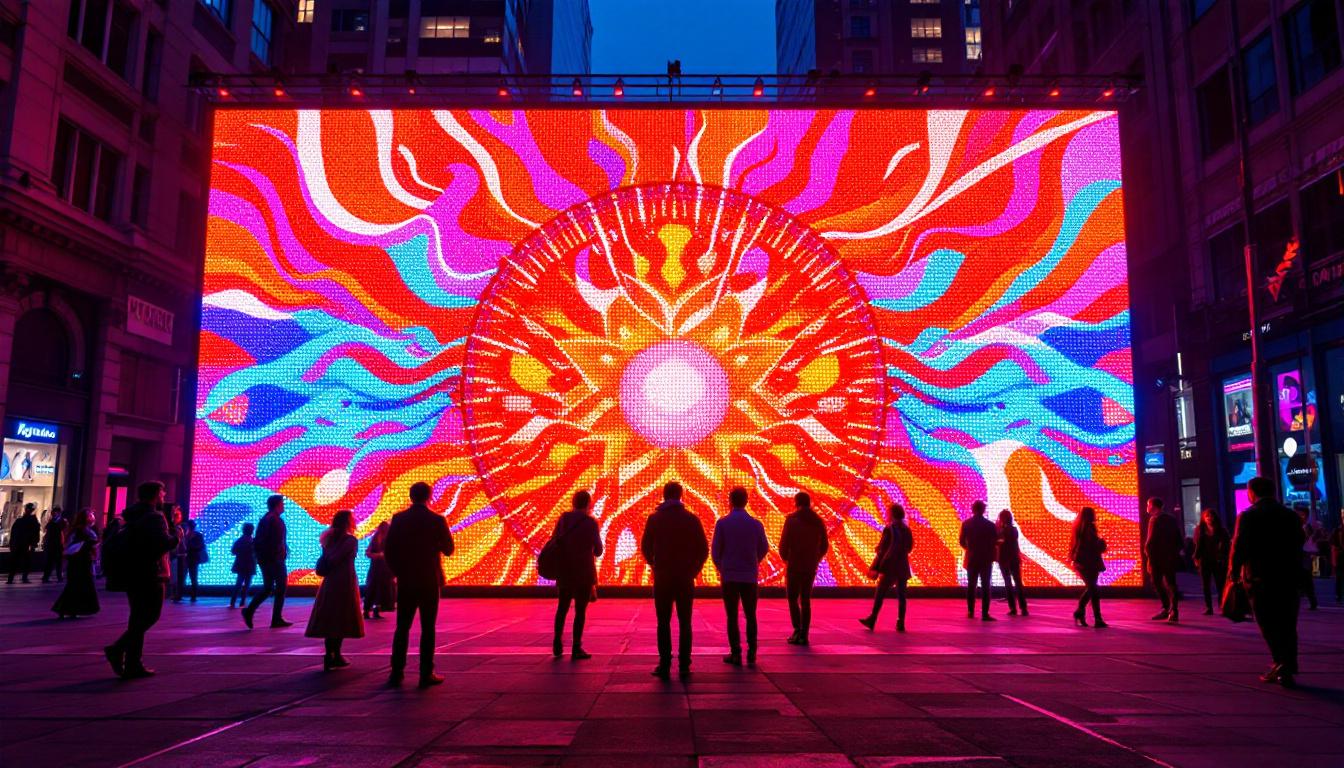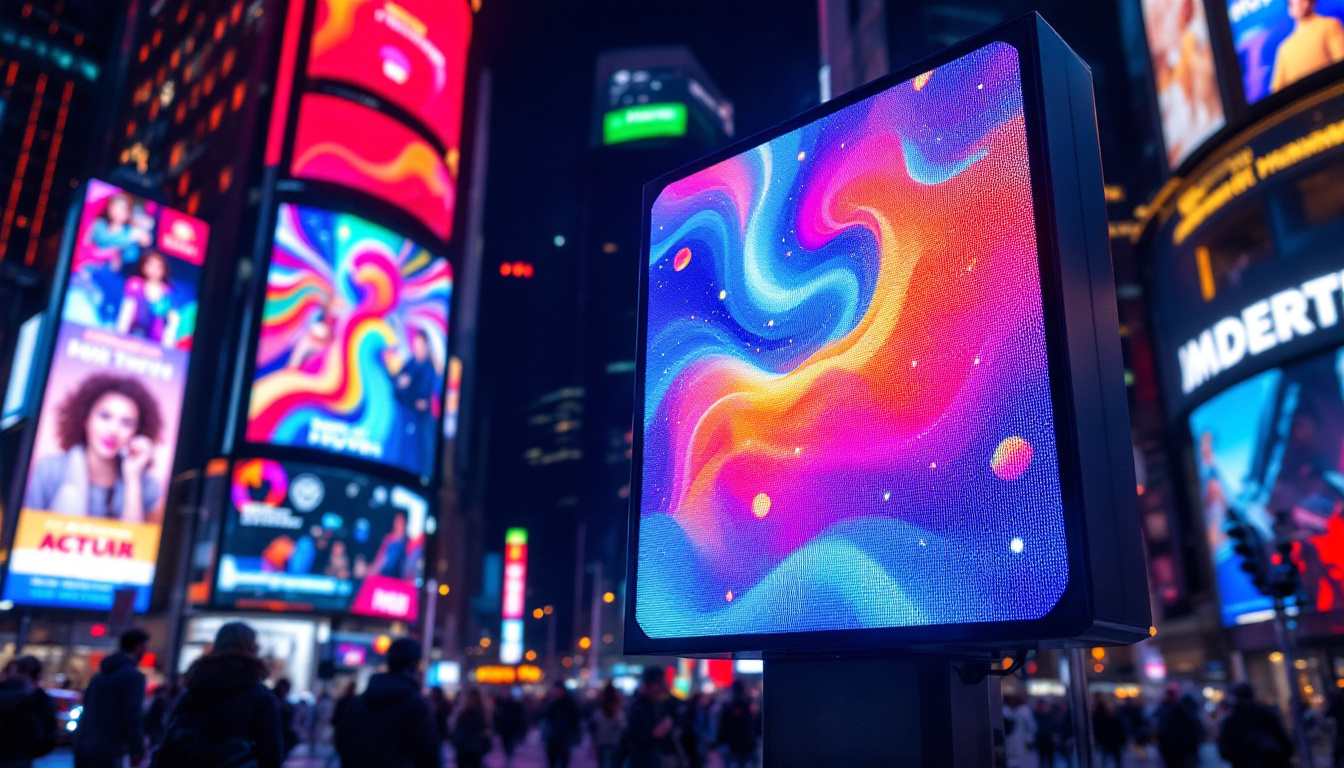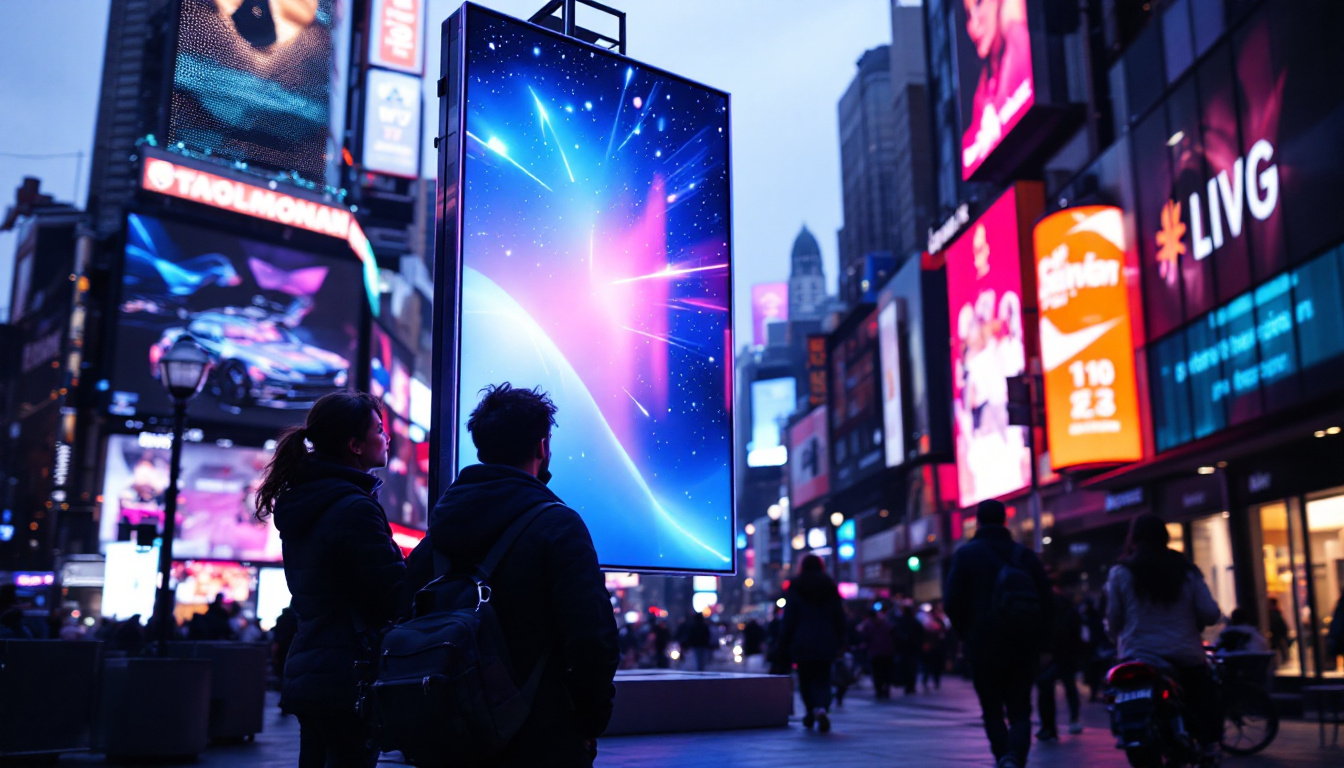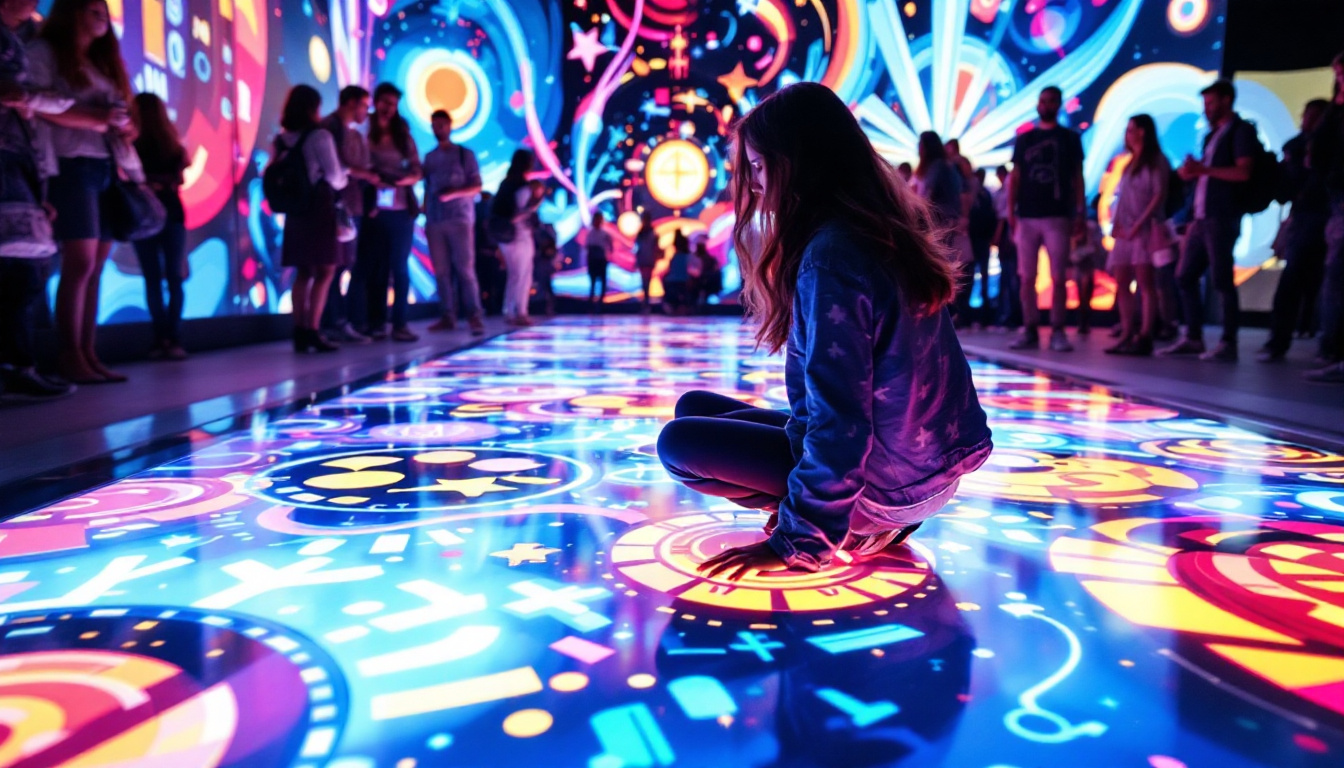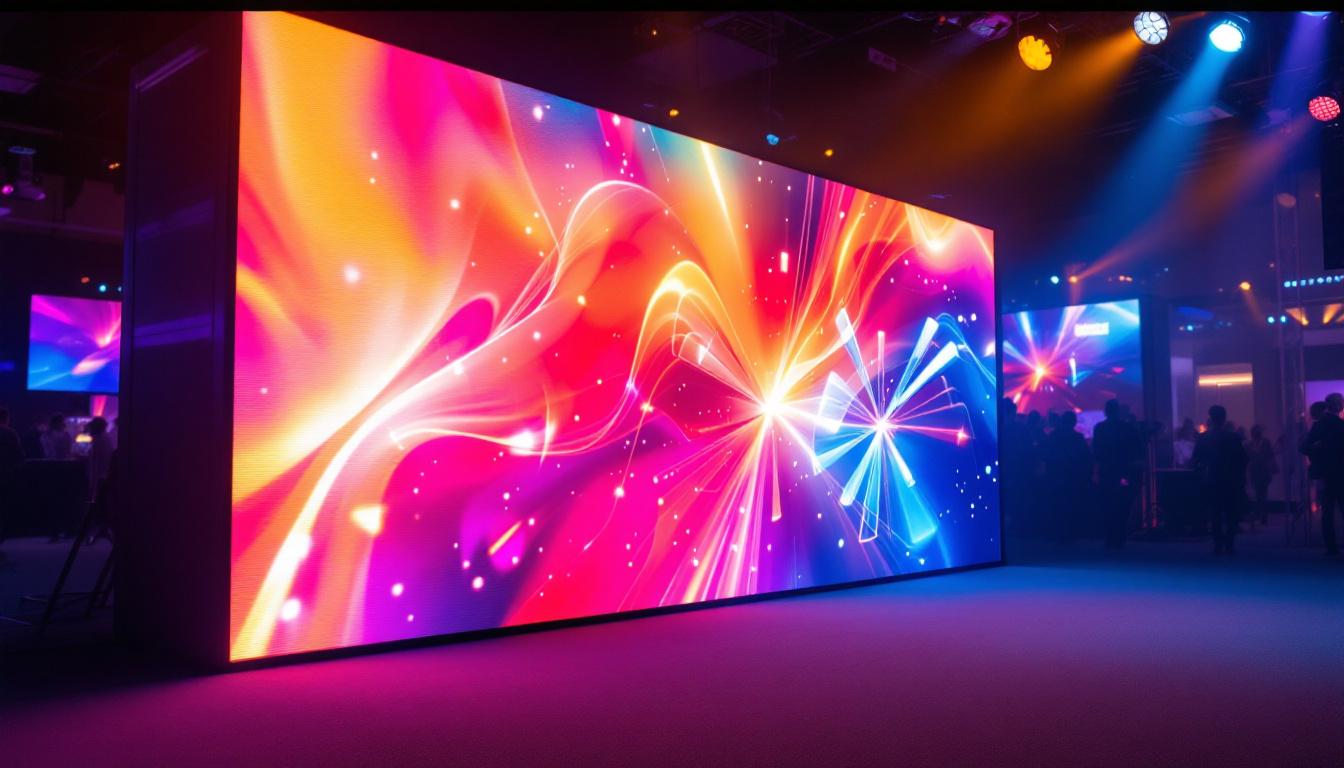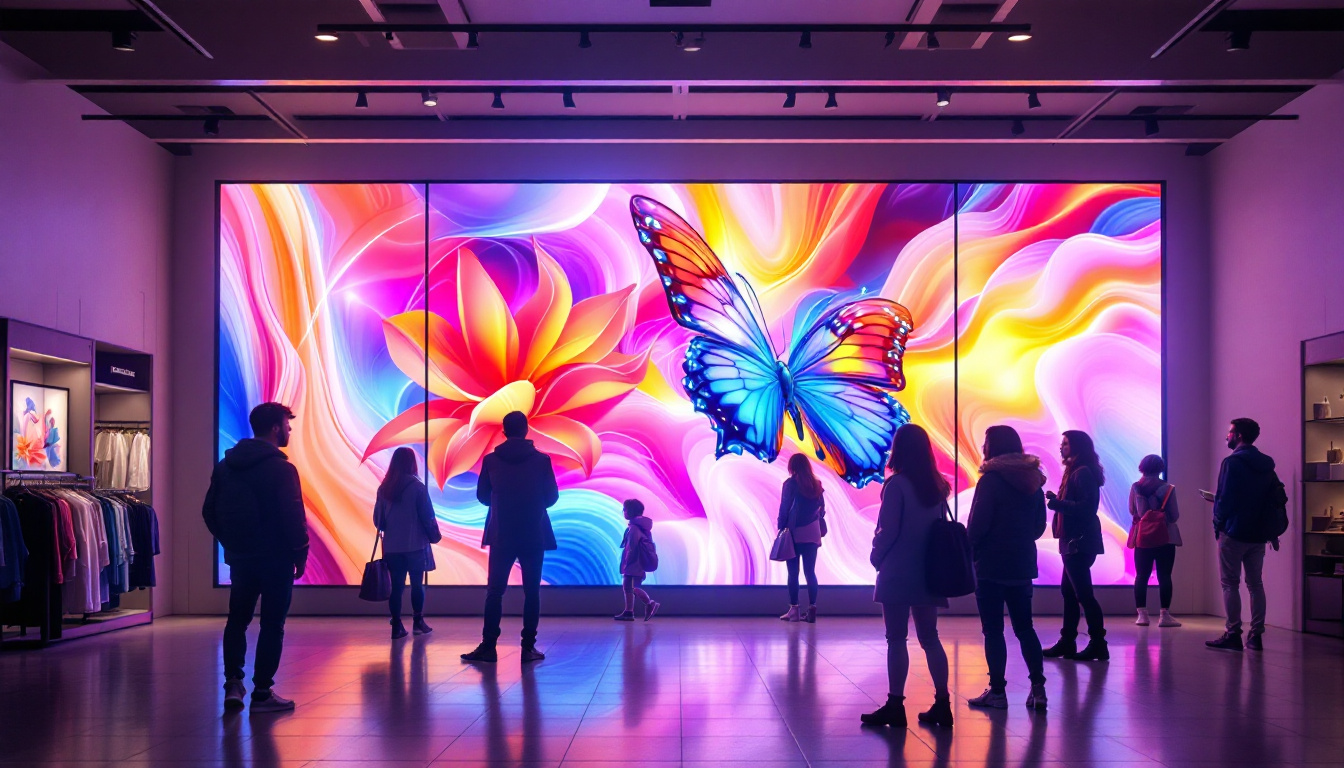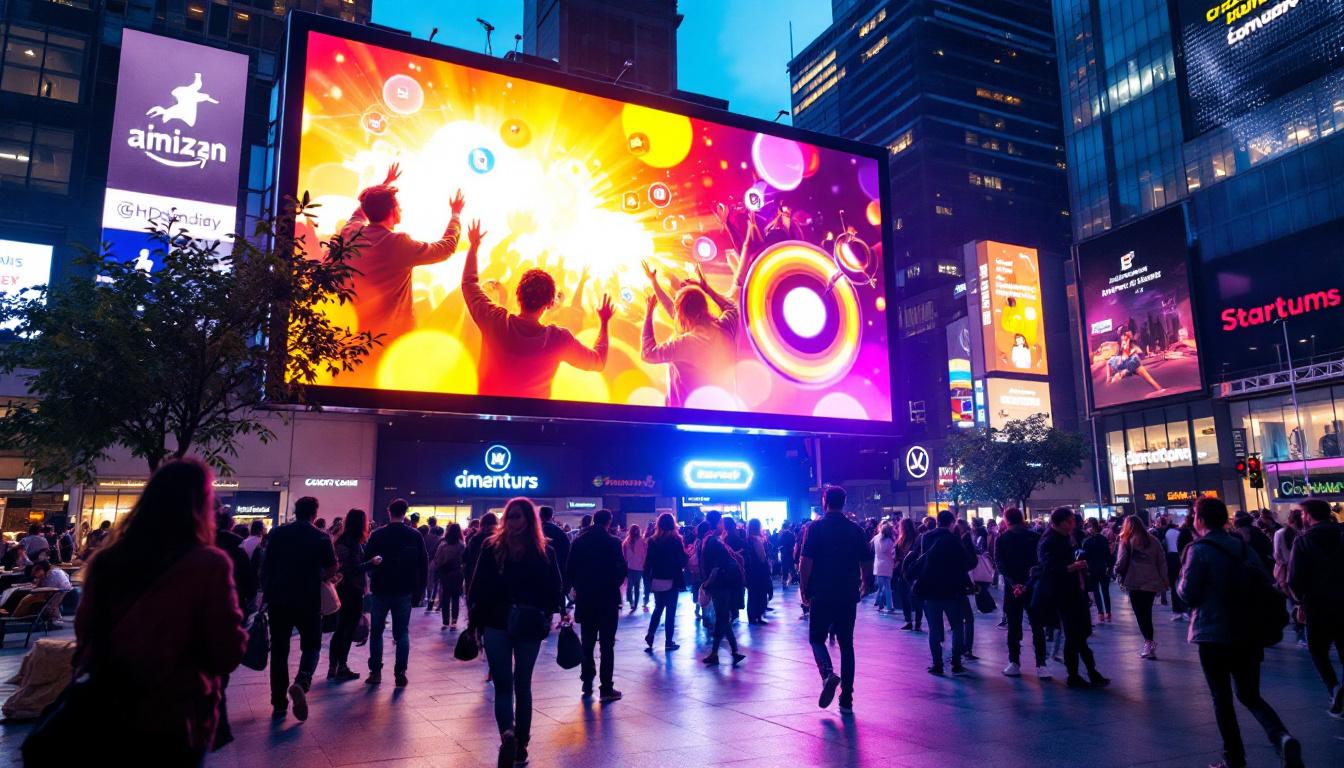
In the world of large-scale visual displays, the term “Jumbotron” has become synonymous with giant LED screens that captivate audiences in stadiums, concert venues, public squares, and advertising spaces worldwide. These massive displays have revolutionized how information, entertainment, and advertisements are presented to large crowds, offering vibrant colors, sharp images, and dynamic content that can be seen from hundreds of feet away.
This article explores the technology behind Jumbotron LED displays, their evolution, applications, and the factors that make them a powerful communication tool in today’s digital age.
What is a Jumbotron?
The term “Jumbotron” originally referred to a specific brand of large video screens developed by Sony in the 1980s. Over time, it has become a generic term for any large-scale LED display screen used primarily in outdoor or large indoor venues. These screens are composed of thousands of tiny light-emitting diodes (LEDs) that work together to produce bright, high-resolution images and videos.
Unlike traditional projection screens or LCD panels, Jumbotrons leverage LED technology to deliver superior brightness and visibility even under direct sunlight, making them ideal for outdoor use. Their modular design allows for customization of size and shape, enabling installations that range from small scoreboard screens to enormous video walls covering thousands of square feet.
The Origin of the Jumbotron
The first Jumbotron was introduced by Sony in 1985 at the Los Angeles Memorial Coliseum during the Summer Olympics. It was a groundbreaking innovation at the time, capable of displaying live video feeds and replays to tens of thousands of spectators. This technology quickly gained popularity in sports arenas, concert venues, and public events, setting the stage for the modern LED display industry.
As the technology evolved, the applications of Jumbotrons expanded beyond just sports and entertainment. They have become integral to advertising, allowing brands to reach large audiences with dynamic content that can be updated in real-time. Major cities around the world have embraced Jumbotrons as part of their urban landscape, using them for everything from public service announcements to artistic displays, transforming city squares into vibrant hubs of activity and engagement.
Moreover, the integration of Jumbotrons with social media and mobile technology has further enhanced their appeal. Event organizers can now display live social media feeds, encouraging audience interaction and participation. This has created a more immersive experience for attendees, as they can see their posts showcased on the big screen, fostering a sense of community and excitement during events. As technology continues to advance, the potential for Jumbotrons to innovate and captivate audiences remains limitless.
How Do Jumbotron LED Displays Work?
At the core of every Jumbotron is LED technology. LEDs are semiconductor devices that emit light when an electric current passes through them. The fundamental building block of a Jumbotron is the LED pixel, which typically consists of red, green, and blue LEDs. By varying the intensity of these three colors, the display can produce a full spectrum of colors.
LED Pixels and Modules
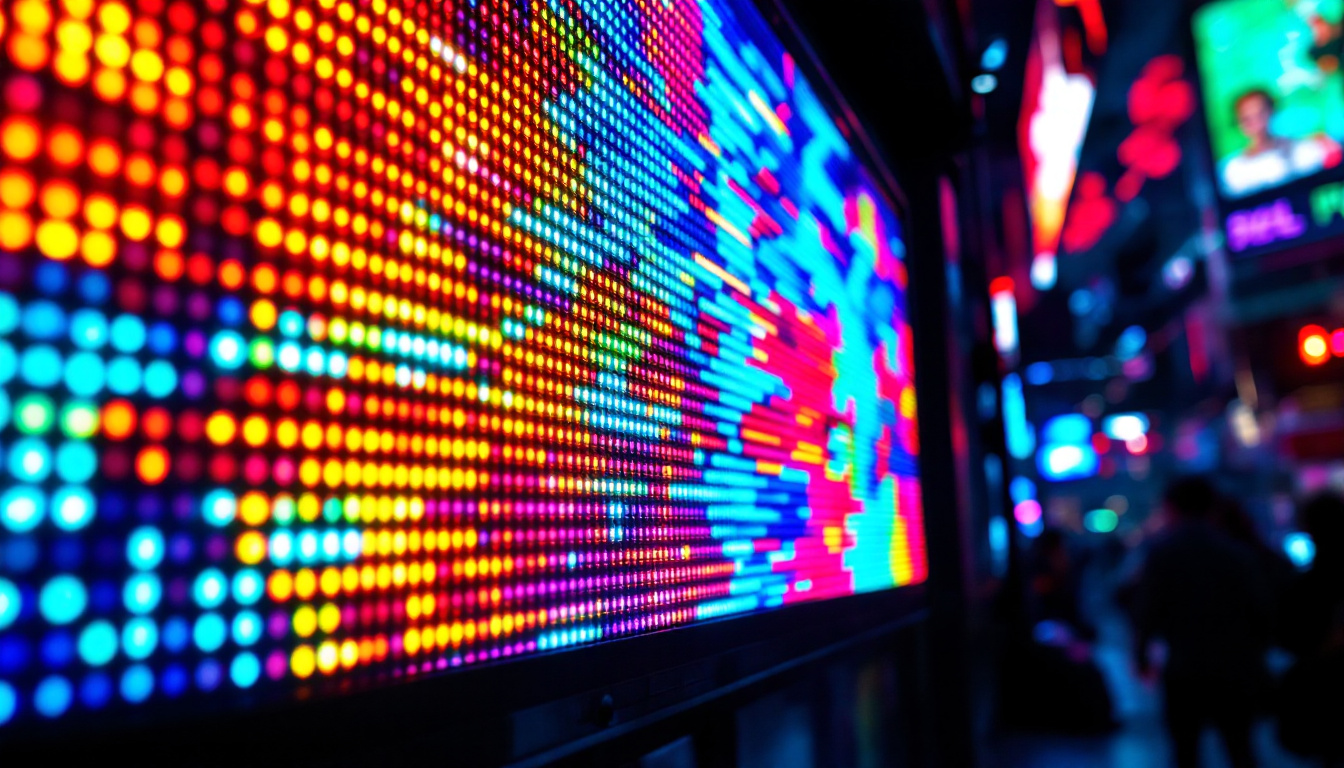
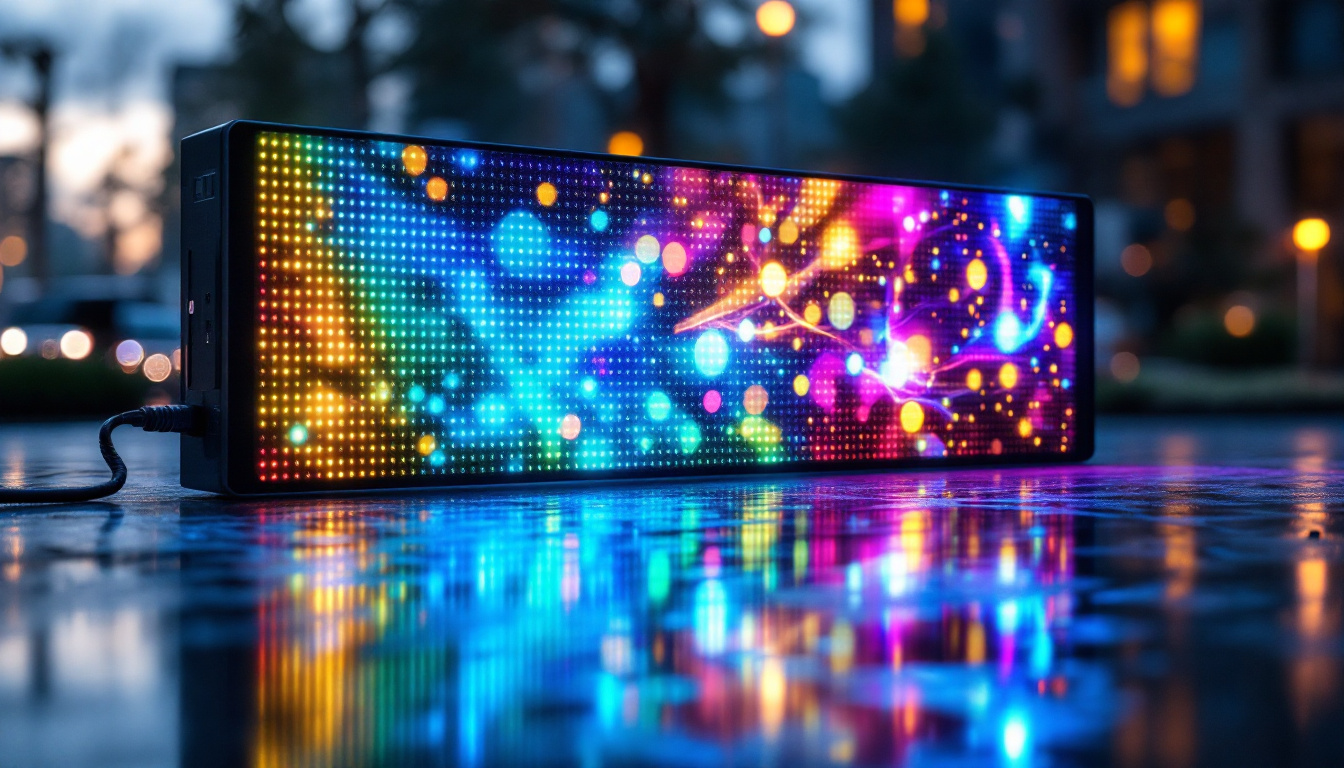
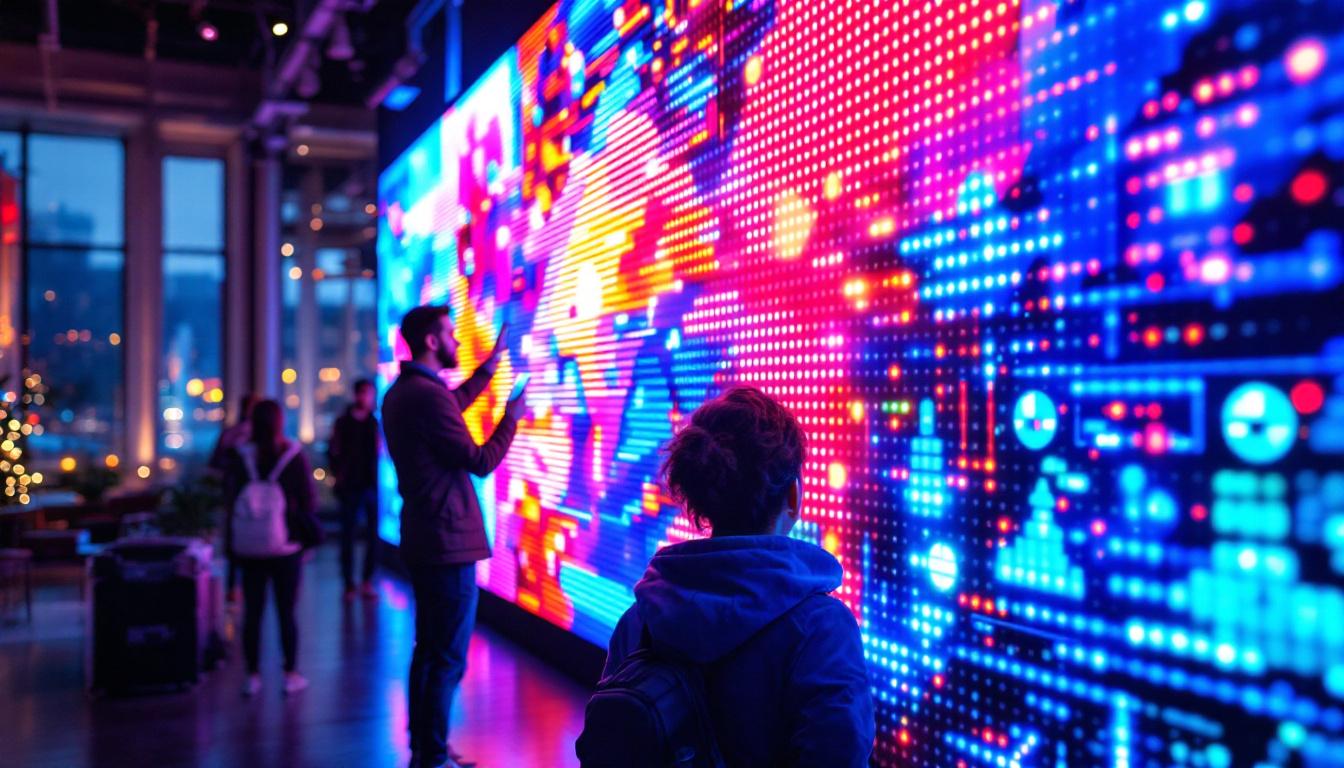
Each pixel on a Jumbotron is made up of three tiny LEDs—one red, one green, and one blue. These are combined to create the desired color through a process called additive color mixing. Thousands of these pixels are arranged in a grid pattern on LED modules, which are then assembled into larger panels. These panels are connected to form the entire screen.
The resolution of a Jumbotron depends on the pixel pitch, which is the distance between the centers of two adjacent pixels. A smaller pixel pitch means higher resolution and sharper images, but also increases the cost. Typical pixel pitches for outdoor Jumbotrons range from 4mm to 20mm, with indoor displays often having pitches as low as 1.5mm for close viewing distances.
Brightness and Visibility
One of the key advantages of LED displays over other technologies is their exceptional brightness. Jumbotrons can reach brightness levels of up to 5,000 nits or more, which is essential for visibility in direct sunlight. This brightness ensures that content remains clear and vibrant regardless of ambient lighting conditions.
Additionally, LEDs have a fast refresh rate, typically above 3,000 Hz, which prevents flickering and provides smooth video playback. This is especially important for live broadcasts, sports replays, and dynamic advertising content.
Applications of Jumbotron LED Displays
Jumbotron LED displays have become an integral part of many industries, transforming how information and entertainment are delivered to large audiences. Their versatility and impact make them valuable tools in a variety of contexts.
Sports and Entertainment Venues
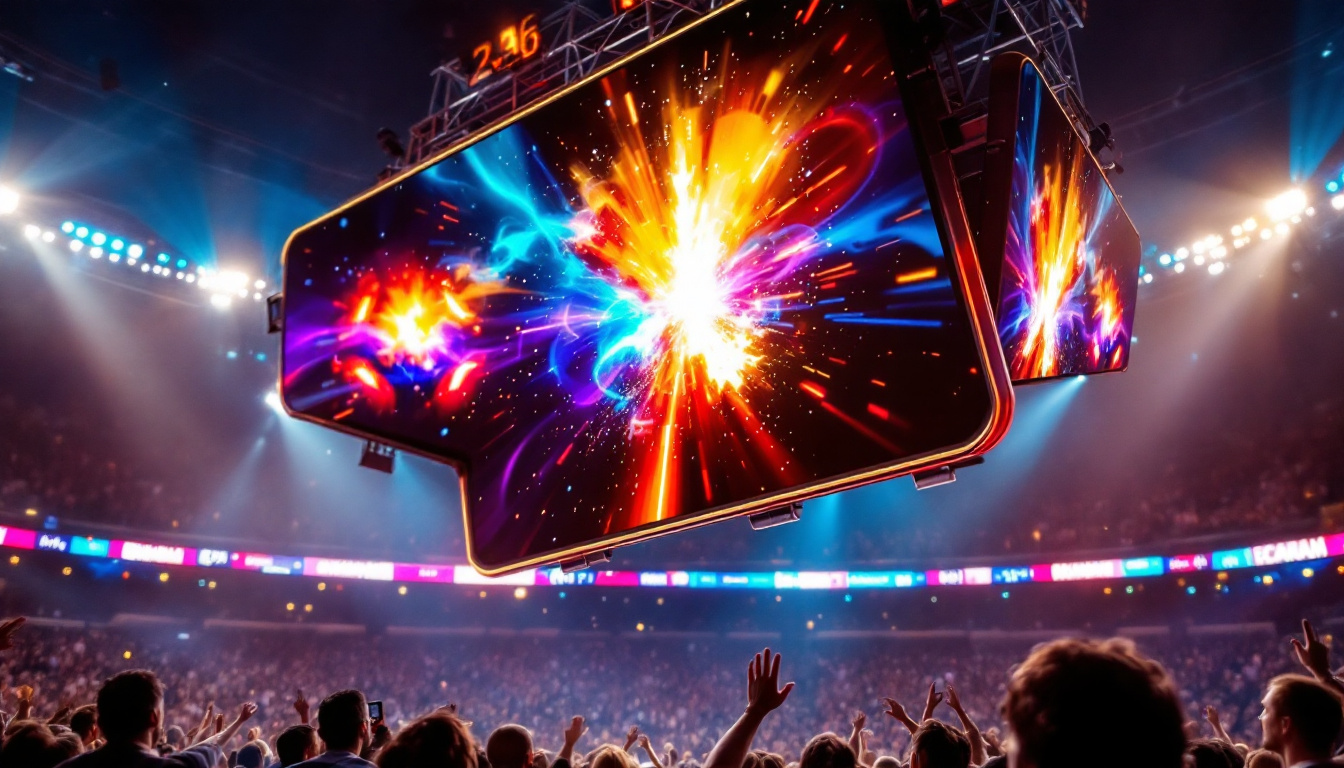
Perhaps the most iconic use of Jumbotron displays is in sports stadiums and arenas. These screens provide live game footage, instant replays, player statistics, and interactive content that enhance the fan experience. For example, the Dallas Cowboys’ AT&T Stadium features one of the largest center-hung video boards in the world, measuring 160 feet wide and 72 feet tall.
Concerts and festivals also rely heavily on Jumbotron screens to ensure that every attendee, no matter how far from the stage, can see the performers clearly. This has become even more important as events grow larger and venues expand.
Advertising and Marketing
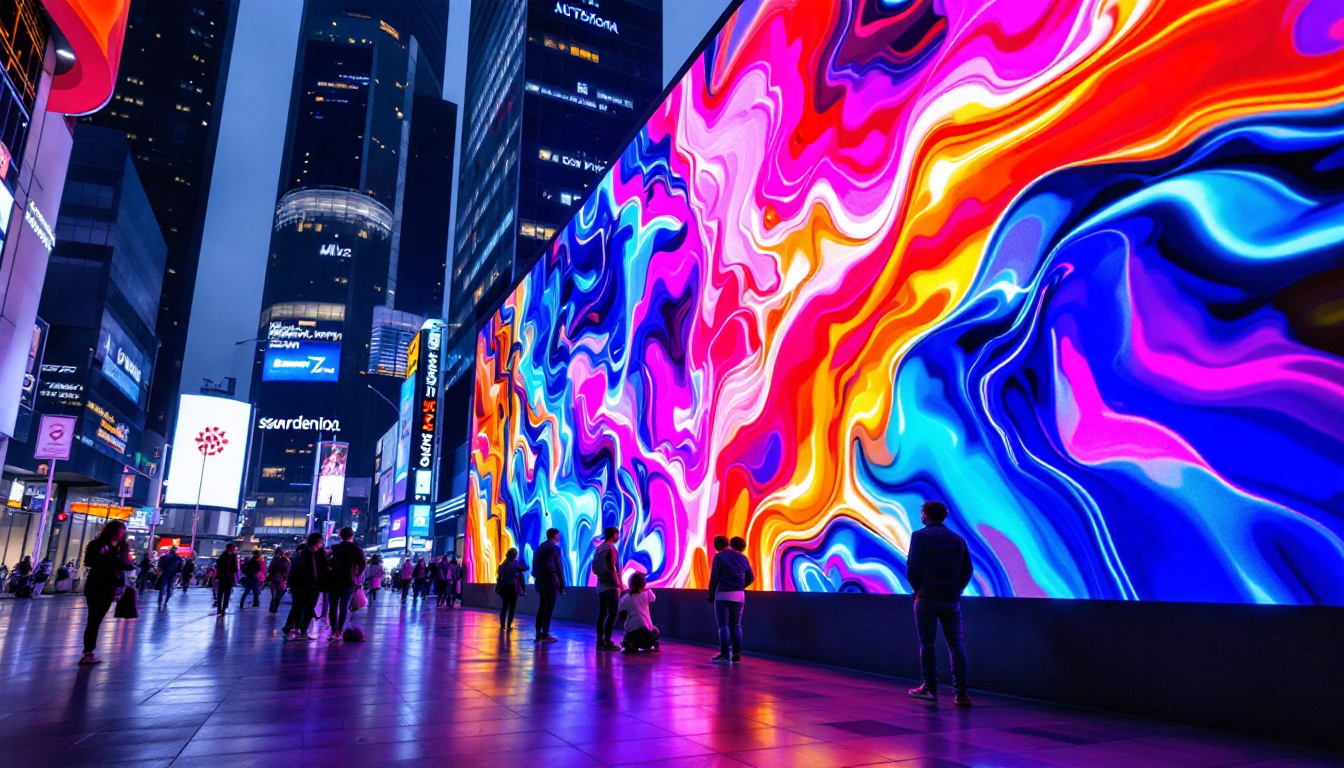
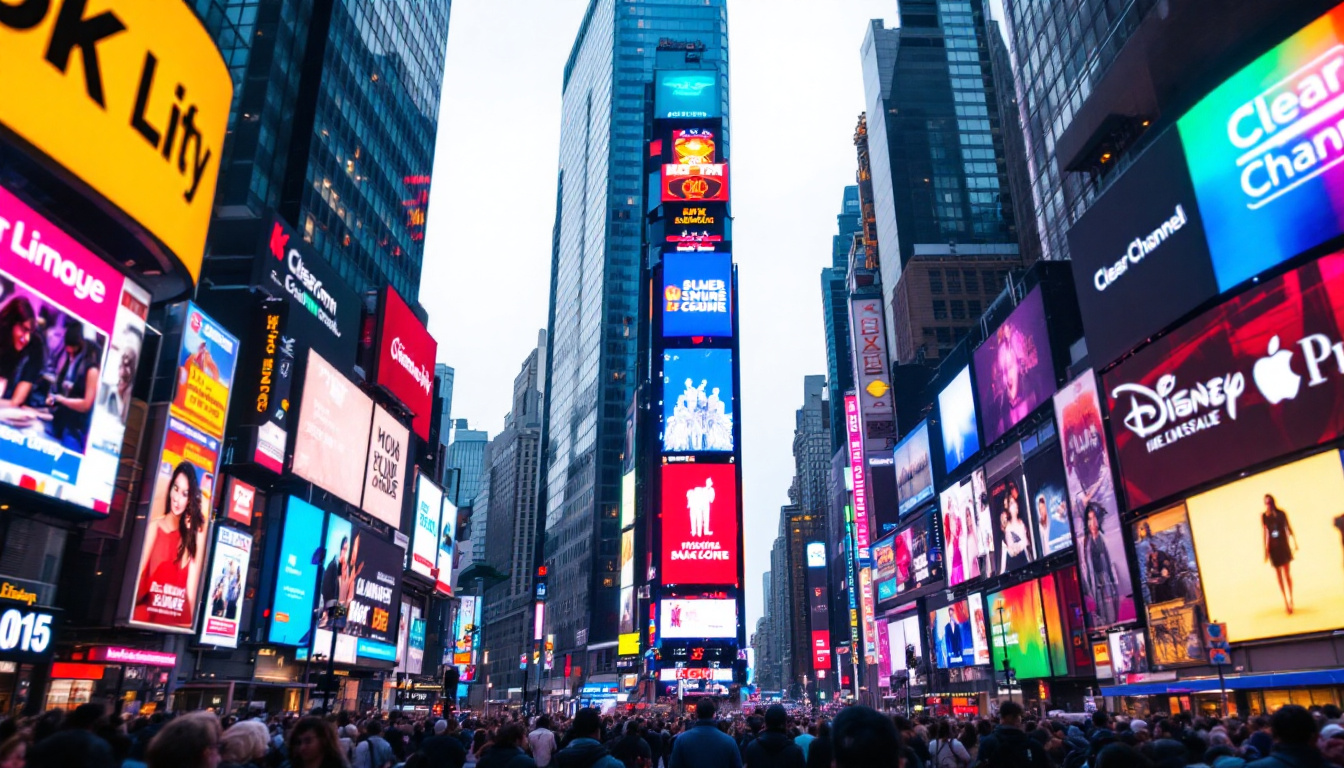
Large LED displays have transformed outdoor advertising by offering dynamic, eye-catching content that can be updated in real-time. Iconic locations such as Times Square in New York City and Piccadilly Circus in London are famous for their massive LED billboards that showcase advertisements, news, and entertainment.
Digital out-of-home (DOOH) advertising leverages Jumbotron technology to deliver targeted messaging, often integrated with data analytics to optimize viewer engagement. This flexibility allows advertisers to tailor content based on time of day, weather, or local events, maximizing impact.
Public Information and Events
Governments and municipalities use Jumbotron displays for public announcements, emergency alerts, and community events. These screens can disseminate critical information quickly to large groups, such as during natural disasters or public safety campaigns.
Additionally, Jumbotrons are commonly used at trade shows, conventions, and corporate events to display presentations, videos, and live feeds, creating immersive and engaging experiences for attendees.
Advantages of Jumbotron LED Displays
Jumbotron LED displays offer several benefits over traditional display technologies, making them the preferred choice for large-scale visual communication.
High Brightness and Visibility
As mentioned earlier, the high brightness levels of LED displays ensure clear visibility even in bright outdoor environments. This makes them ideal for sports arenas, outdoor advertising, and public spaces where ambient light can be intense.
Durability and Weather Resistance
Jumbotron screens are designed to withstand harsh weather conditions, including rain, snow, wind, and extreme temperatures. Their robust construction and weatherproof enclosures allow them to operate reliably outdoors year-round.
Energy Efficiency
Compared to older technologies like cathode ray tube (CRT) projectors or plasma screens, LED displays consume significantly less power. Advances in LED efficiency and smart control systems help reduce operational costs, which is crucial for large installations that run for extended periods.
Flexibility and Customization
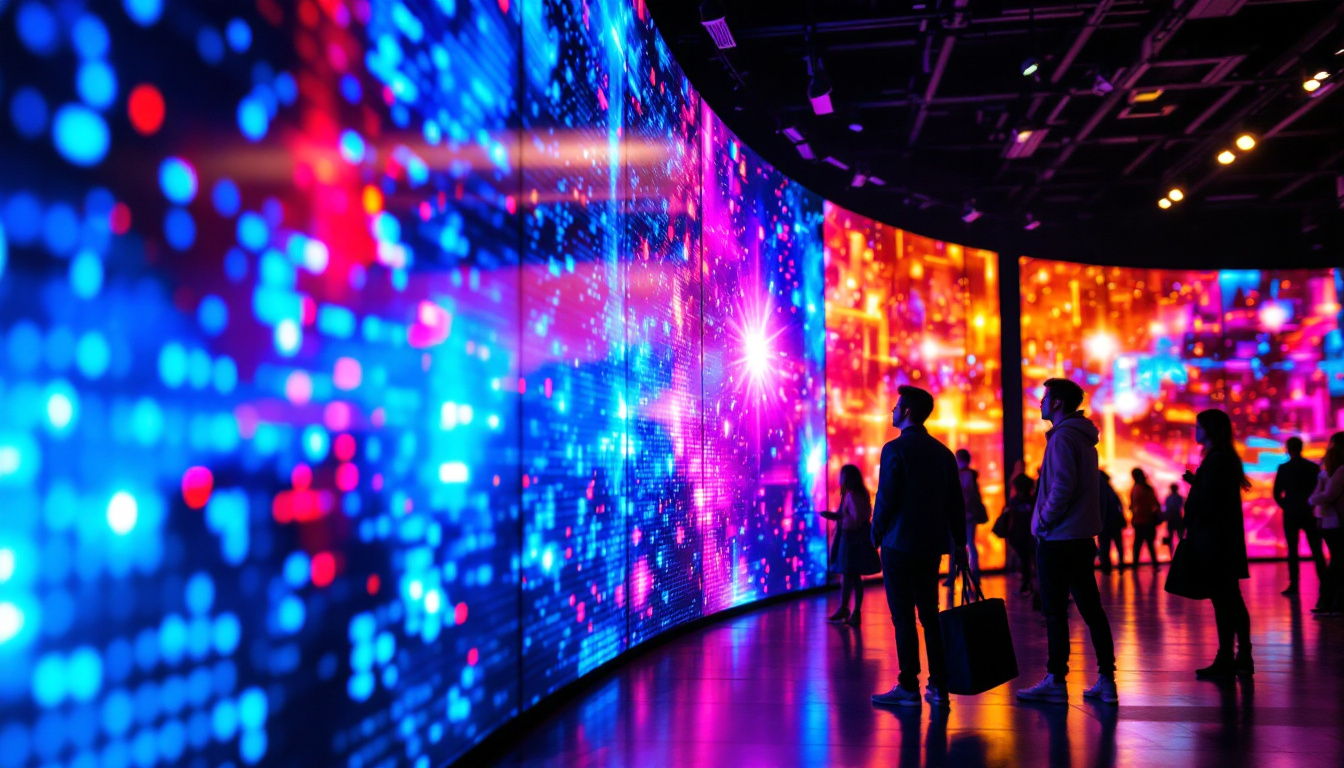
The modular nature of LED panels allows for flexible screen sizes and shapes, enabling creative and unique installations. Whether it’s a curved display wrapping around a building facade or a multi-screen video wall, Jumbotrons can be tailored to fit specific design requirements.
Long Lifespan and Low Maintenance
LEDs have a long operational life, often exceeding 100,000 hours before significant brightness degradation occurs. This longevity reduces the need for frequent replacements and lowers maintenance costs, making Jumbotrons a cost-effective investment over time.
Challenges and Considerations
Despite their many advantages, Jumbotron LED displays come with certain challenges and considerations that buyers and operators should keep in mind.
Initial Cost
The upfront cost of purchasing and installing a Jumbotron can be substantial, especially for high-resolution, large-format displays. However, this initial investment is often offset by the benefits of durability, energy efficiency, and advertising revenue potential.
Pixel Pitch and Viewing Distance
Choosing the correct pixel pitch is critical to ensure optimal image quality. A pixel pitch that is too large will result in a pixelated image when viewed up close, while a pitch that is too small can be unnecessarily expensive for distant viewing scenarios. Understanding the typical viewing distance and environment helps in selecting the right specifications.
Content Management
Managing and updating content for large LED displays requires specialized software and expertise. Dynamic content scheduling, real-time updates, and integration with live feeds demand robust content management systems and trained operators.
Environmental Impact
While LED displays are energy-efficient compared to older technologies, they still consume significant power, especially large-scale Jumbotrons. Operators should consider energy-saving practices and explore renewable energy options to minimize environmental impact.
The Future of Jumbotron LED Displays
The LED display industry continues to innovate, driven by advancements in technology and evolving market demands. Several trends are shaping the future of Jumbotron screens.
Higher Resolution and Mini-LED Technology
Emerging mini-LED and micro-LED technologies promise even higher resolution and improved color accuracy. These advancements will enable Jumbotrons to deliver near-retina quality images, enhancing the viewing experience for audiences.
Interactive and Smart Displays
Integration with sensors, cameras, and AI-powered analytics is enabling interactive Jumbotron displays that respond to audience behavior, weather conditions, or social media trends. This interactivity opens new possibilities for engagement and personalized content delivery.
Energy Efficiency and Sustainability
Manufacturers are focusing on reducing the environmental footprint of LED displays through more efficient components, better heat management, and recyclable materials. Solar-powered LED installations are also gaining traction, especially in remote or off-grid locations.
Augmented Reality and 3D Displays
Experimental technologies combining LED screens with augmented reality (AR) and 3D visualization are being explored to create immersive experiences at events and public spaces. These innovations could redefine how audiences interact with large-scale displays.
Conclusion
Jumbotron LED displays have transformed the landscape of large-scale visual communication by combining cutting-edge technology with creative flexibility. Their ability to deliver bright, high-resolution content to vast audiences makes them indispensable in sports, entertainment, advertising, and public information sectors.
As technology advances, Jumbotrons will continue to evolve, offering richer visual experiences and smarter interactivity while addressing challenges related to cost, content management, and sustainability. Understanding the fundamentals of how these displays work and their applications helps businesses and organizations make informed decisions when investing in this powerful medium.
Illuminate Your Space with LumenMatrix
Ready to elevate your audience’s experience with unparalleled clarity and vibrancy? Discover LumenMatrix’s innovative LED display solutions, where technology meets creativity. From Indoor and Outdoor LED Wall Displays to specialized options like Vehicle, Sports, and Floor LED Displays, LumenMatrix provides a spectrum of customizable solutions to fit your unique needs. Embrace the future of visual communication with our All-in-One LED Displays and LED Transparent Displays, designed to captivate and engage. Check out LumenMatrix LED Display Solutions today and transform your space into a dynamic visual masterpiece.