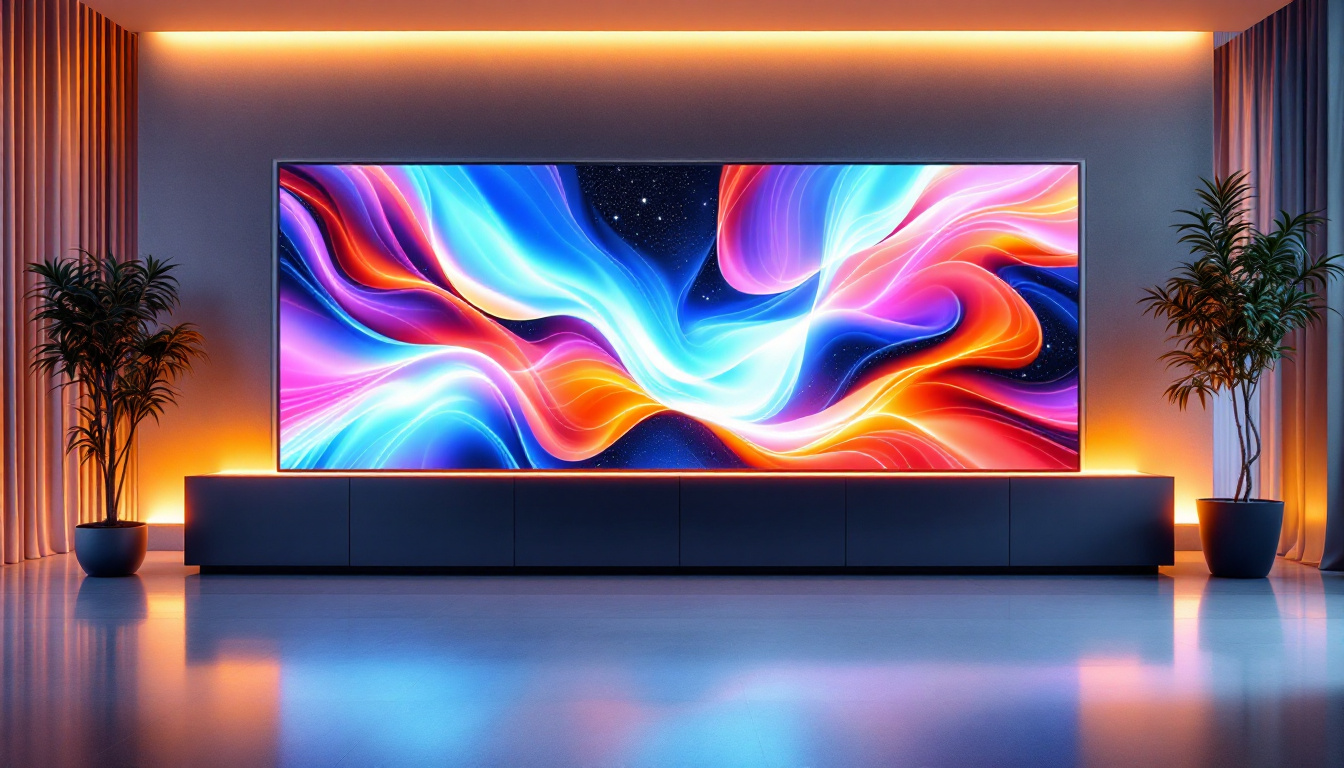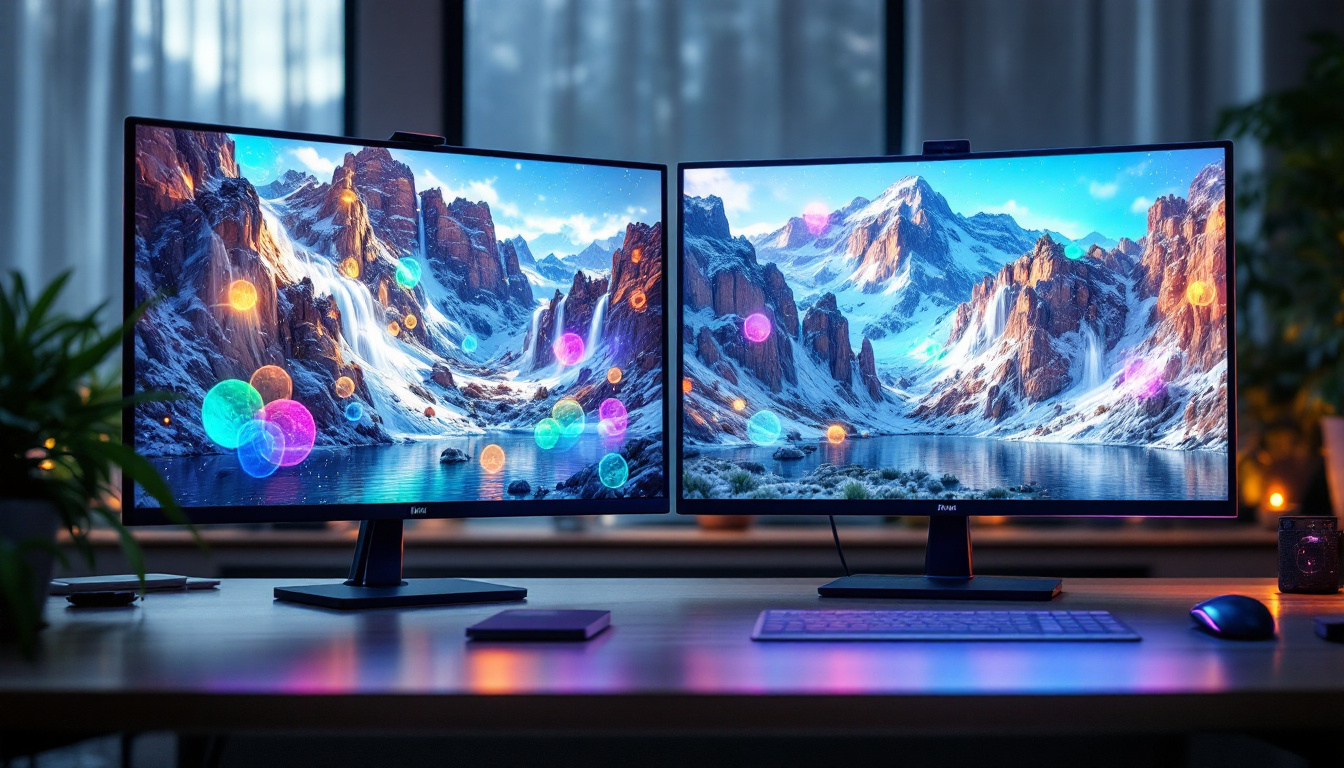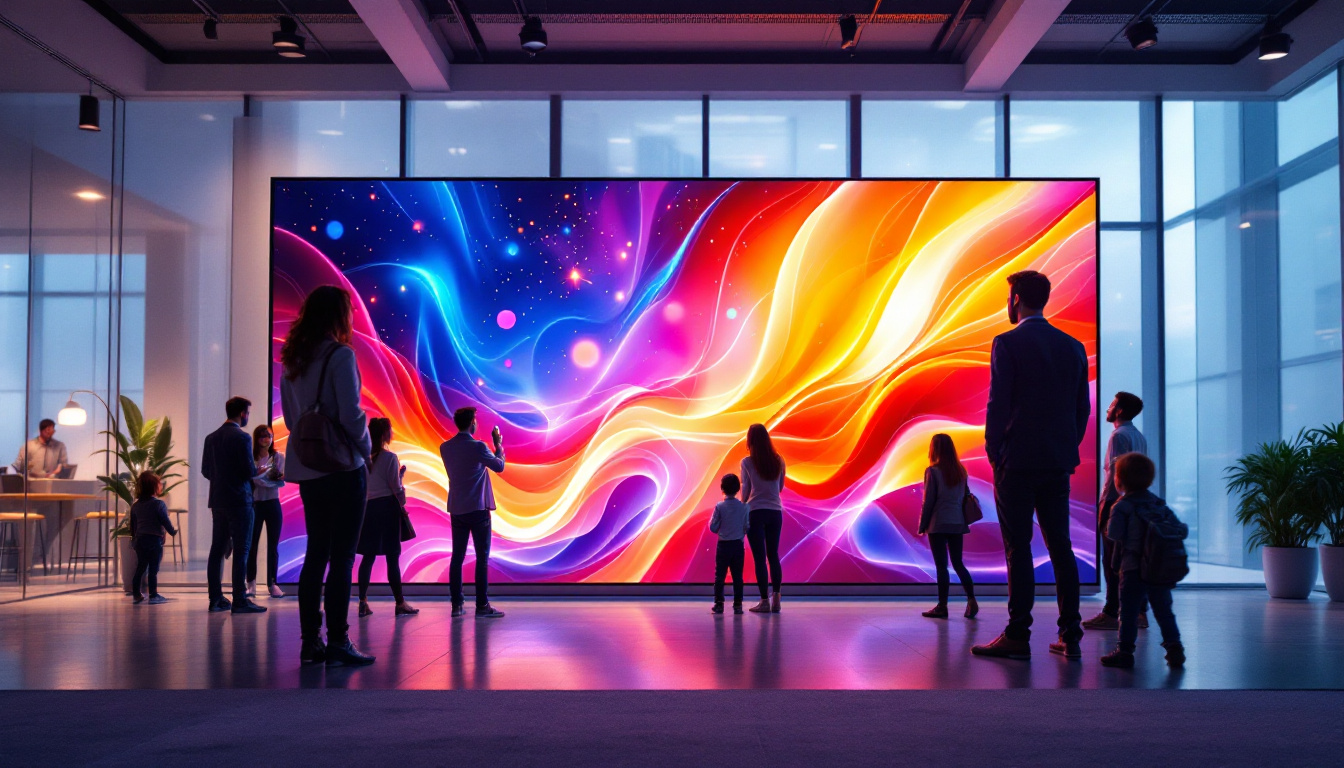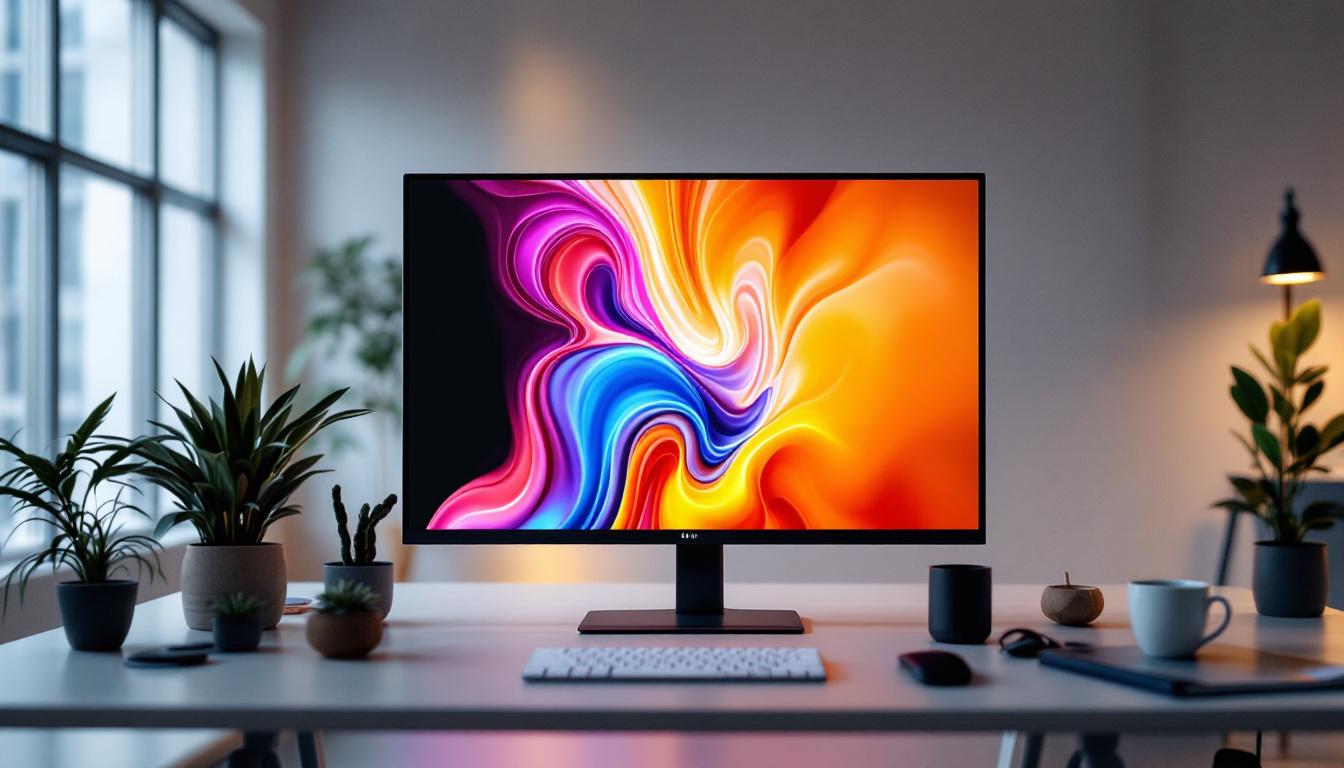
In today’s digital age, large flat panel monitors have become essential tools across various industries—from corporate boardrooms and creative studios to educational institutions and home entertainment setups. Among the many display technologies available, LED displays stand out for their remarkable image quality, energy efficiency, and versatility. This article delves into the world of LED displays in large flat panel monitors, explaining how they work, their advantages, and what to consider when choosing one.
Understanding LED Display Technology
What Does LED Mean?
LED stands for Light Emitting Diode, a semiconductor device that emits light when an electric current passes through it. In the context of large flat panel monitors, LEDs serve as the backlighting source for Liquid Crystal Display (LCD) panels. Unlike older Cold Cathode Fluorescent Lamp (CCFL) backlights, LEDs offer a more compact, energy-efficient, and longer-lasting solution. This advancement in technology has not only improved the lifespan of displays but has also contributed to a reduction in energy consumption, making LED displays a more environmentally friendly option. With the growing emphasis on sustainability, the transition to LED technology has become a significant factor in the design and manufacturing of modern display devices.
How LED Displays Work in Flat Panel Monitors
Most large flat panel monitors marketed as “LED displays” are actually LCD screens illuminated by LED backlights, commonly referred to as LED-LCD monitors. The LCD panel itself does not emit light; instead, it manipulates light passing through it to create images. The LED backlight shines through the liquid crystal layer and color filters to produce the final visible image. This process allows for vivid colors and sharp images, making LED-LCD monitors a popular choice for everything from home entertainment systems to professional graphic design work.
There are different types of LED backlighting used in large monitors:
- Edge-lit LED: LEDs are placed along the edges of the screen, and light is distributed across the panel using light guides. This design allows for thinner displays but can sometimes lead to uneven brightness.
- Full-array LED: LEDs are arranged in a grid behind the entire screen, providing more uniform brightness and enabling local dimming features that enhance contrast. This type of backlighting is particularly advantageous for viewing high dynamic range (HDR) content, as it allows for deeper blacks and brighter highlights.
- Mini-LED: A newer technology using thousands of tiny LEDs for even more precise local dimming and improved image quality, especially in high-end monitors. Mini-LED technology has revolutionized the display market by offering enhanced color accuracy and contrast ratios, making it a preferred choice for videographers and gamers who demand the best visual performance.
As the technology continues to evolve, we are also witnessing the emergence of MicroLED displays, which promise even greater advancements in brightness, color range, and energy efficiency. MicroLED technology utilizes microscopic LEDs that can be individually controlled, allowing for true blacks and exceptional contrast without the need for a backlight. This innovation could potentially redefine the landscape of display technology, paving the way for more immersive viewing experiences in both consumer and professional markets.
Advantages of LED Displays in Large Flat Panel Monitors
Energy Efficiency and Longevity
One of the most significant benefits of LED backlighting is its energy efficiency. Compared to CCFL backlights, LED backlights consume up to 40-60% less power, which not only reduces electricity bills but also contributes to a smaller environmental footprint. Additionally, LEDs have a longer operational lifespan, often exceeding 50,000 hours, meaning the monitor can last many years without a decline in brightness or color accuracy. This longevity translates to less frequent replacements, which not only saves money but also reduces electronic waste, making LED monitors a more sustainable choice for both consumers and businesses.
Superior Image Quality
LED displays offer enhanced brightness and better contrast ratios compared to older technologies. Full-array LED monitors with local dimming can achieve deeper blacks and more vibrant colors, which is crucial for professional applications such as graphic design, video editing, and medical imaging. The ability to control brightness zones independently reduces light bleed and enhances overall picture quality. Furthermore, many LED monitors support high dynamic range (HDR), which expands the range of colors and brightness levels, providing a more lifelike viewing experience. This feature is particularly beneficial for content creators who require precise color accuracy and detail in their work.
Design and Form Factor Benefits
LED backlighting allows manufacturers to produce thinner and lighter monitors. This is especially important for large flat panel monitors, which can otherwise be bulky and heavy. Slimmer designs improve aesthetics and make installation easier, whether mounted on walls or integrated into multi-display setups. The lightweight nature of LED monitors also facilitates portability, making them ideal for presentations and events where quick setup and takedown are necessary. Additionally, the sleek design often incorporates modern aesthetics, allowing these monitors to blend seamlessly into contemporary office environments or home entertainment systems, enhancing both functionality and style.
Versatility and Connectivity Options
Another advantage of LED displays is their versatility in connectivity options. Many modern LED monitors come equipped with multiple ports, including HDMI, DisplayPort, and USB-C, allowing users to connect a variety of devices effortlessly. This adaptability is essential in today’s multi-device world, where users may need to switch between laptops, gaming consoles, and other peripherals frequently. Moreover, some LED monitors offer built-in features such as wireless connectivity and smart capabilities, enabling users to stream content directly from the internet without the need for additional devices. This level of connectivity not only enhances user experience but also simplifies workspace organization by reducing cable clutter.
Enhanced Viewing Comfort
LED displays also prioritize user comfort with features designed to reduce eye strain during prolonged use. Many models incorporate flicker-free technology and blue light filters, which help minimize the negative effects of extended screen time. This is particularly beneficial for professionals who spend long hours in front of their monitors, as it can lead to increased productivity and overall well-being. Additionally, some LED monitors offer adjustable stands and ergonomic designs, allowing users to customize their viewing angles and heights for optimal comfort. These thoughtful design elements contribute to a more enjoyable and health-conscious viewing experience, making LED monitors a preferred choice for both home and office use.
Types of Large Flat Panel LED Monitors and Their Applications
Commercial and Corporate Use
In corporate environments, large LED monitors are often used for presentations, video conferencing, and digital signage. Their bright displays ensure visibility even in well-lit rooms, and their reliability supports continuous operation. Many models offer touchscreen capabilities, enhancing interactivity during meetings and collaborative sessions.
Creative and Professional Workstations
For graphic designers, photographers, and video editors, color accuracy and resolution are paramount. High-end LED monitors with wide color gamut support (such as Adobe RGB or DCI-P3) and 4K or higher resolutions provide the detail and precision these professionals require. Technologies like HDR (High Dynamic Range) further improve the dynamic range, making images appear more lifelike.
Home Entertainment and Gaming
Large LED monitors also serve as excellent displays for home theaters and gaming setups. Features such as high refresh rates (120Hz and above), low input lag, and adaptive sync technologies (like NVIDIA G-SYNC or AMD FreeSync) enhance the gaming experience. The vivid colors and deep contrast provided by LED backlighting make movies and games more immersive.
Key Features to Consider When Choosing a Large Flat Panel LED Monitor
Screen Size and Resolution
Choosing the right screen size depends on the intended use and available space. Large monitors typically range from 27 inches to over 85 inches for commercial displays. Resolution is equally important; while Full HD (1920×1080) may suffice for basic tasks, 4K (3840×2160) or even 8K resolutions are preferred for detailed work and future-proofing.
Brightness and Contrast Ratio
Brightness is measured in nits, with typical LED monitors offering between 250 and 600 nits. Higher brightness levels improve visibility in bright environments. Contrast ratio, which compares the luminance of the brightest white to the darkest black, affects image depth and clarity. Monitors with full-array local dimming can achieve contrast ratios exceeding 1,000,000:1.
Color Accuracy and Gamut
For professionals, color accuracy is critical. Look for monitors with factory calibration and support for wide color gamuts such as Adobe RGB, sRGB, or DCI-P3. Delta E values below 2 indicate excellent color precision. Some monitors also support hardware calibration to maintain consistent color over time.
Connectivity and Ergonomics
Modern large LED monitors come with a variety of input options including HDMI, DisplayPort, USB-C, and Thunderbolt. USB hubs integrated into the monitor can simplify cable management. Ergonomic features such as height adjustment, tilt, swivel, and pivot enhance comfort during extended use.
Emerging Trends and Future of LED Displays in Large Monitors
Mini-LED and MicroLED Technologies
Mini-LED backlighting is rapidly gaining traction in the large monitor market due to its ability to deliver higher contrast ratios and improved HDR performance. By using thousands of tiny LEDs, Mini-LED monitors can achieve precise local dimming with minimal halo effects.
MicroLED technology, which uses microscopic LEDs to create images directly without an LCD layer, promises even greater brightness, contrast, and energy efficiency. Although still in early stages for consumer products, MicroLED could revolutionize large flat panel displays in the coming years.
Integration with Smart Features
Smart monitors equipped with built-in operating systems and apps are becoming more common. These monitors can connect directly to cloud services, support video conferencing platforms, and offer wireless screen sharing. Such integration enhances productivity and convenience, especially in hybrid work environments.
Sustainability and Eco-friendly Designs
Manufacturers are increasingly focusing on sustainability by using recyclable materials, reducing hazardous substances, and improving energy efficiency. LED technology itself contributes to greener electronics due to lower power consumption and longer lifespan, aligning with global efforts to reduce environmental impact.
Conclusion
Large flat panel monitors with LED displays represent a mature and versatile technology that continues to evolve. Their combination of energy efficiency, superior image quality, and sleek design makes them suitable for a wide range of applications—from professional content creation and corporate communication to immersive entertainment and gaming.
Understanding the underlying LED technology and the various features available helps consumers and businesses make informed decisions when selecting a large flat panel monitor. As innovations like Mini-LED and MicroLED become more widespread, the future promises even more impressive visual experiences and sustainable solutions.
Discover LumenMatrix’s Innovative LED Solutions
Ready to elevate your visual experience with the latest in LED display technology? Look no further than LumenMatrix, a pioneer in crafting state-of-the-art LED display modules tailored for a multitude of applications. Whether you’re seeking to enhance your brand’s presence, captivate audiences with an Indoor LED Wall Display, or make a bold statement with a Custom LED Display, LumenMatrix has the solution. Embrace the future of visual communication and check out LumenMatrix LED Display Solutions today to see how we can transform your space with unparalleled clarity and impact.