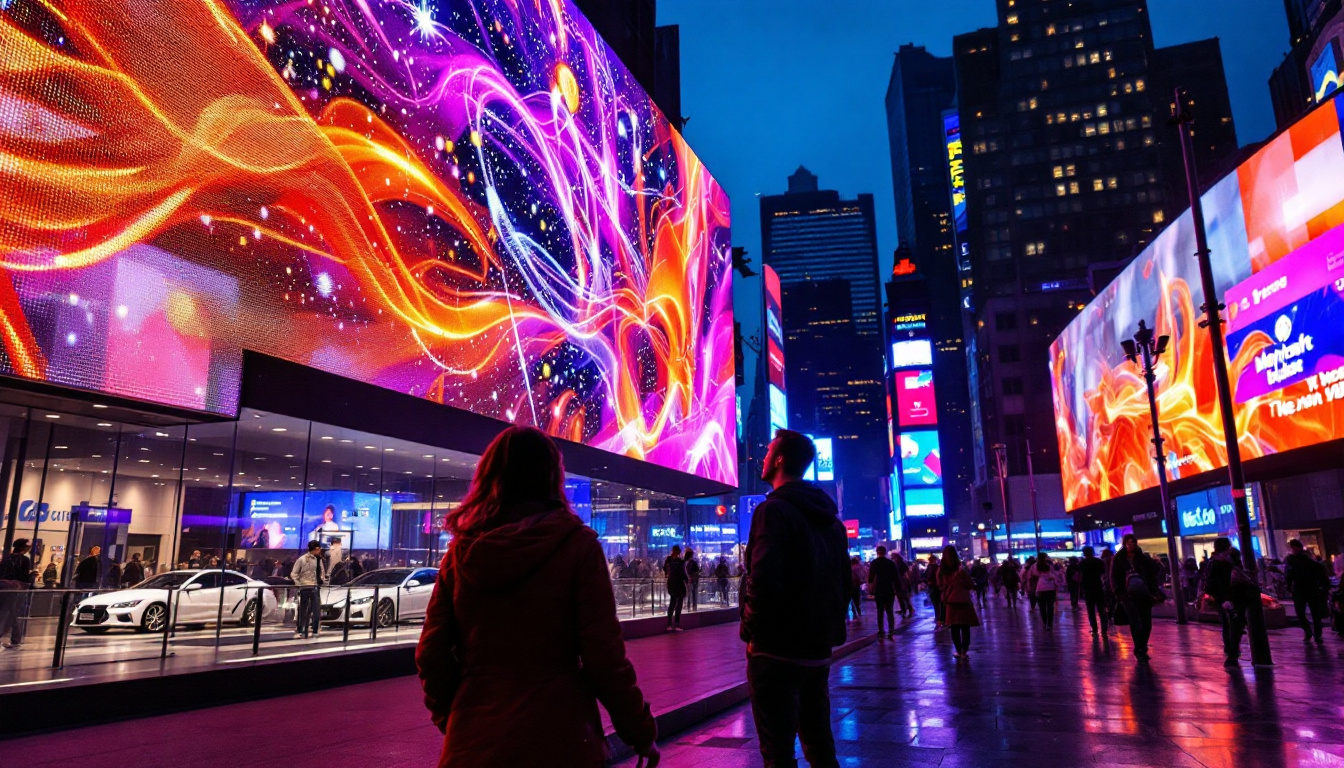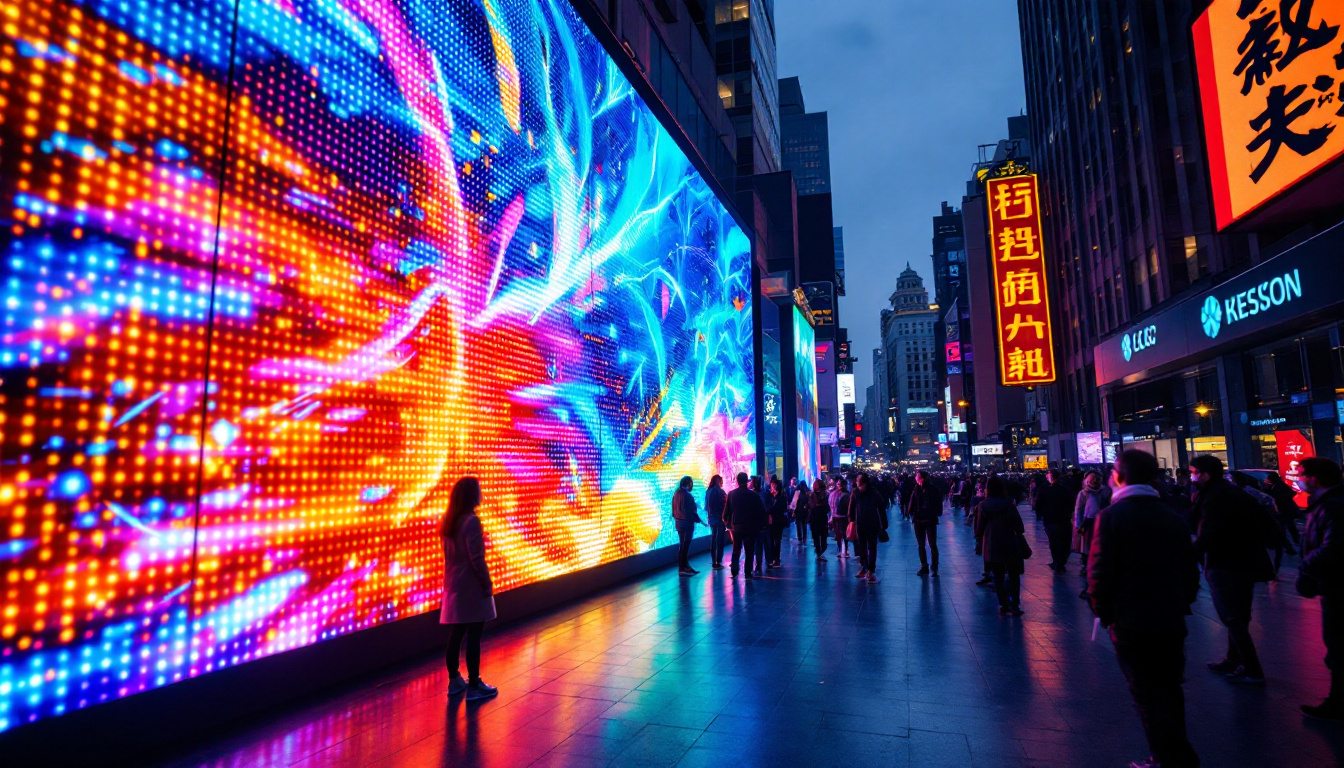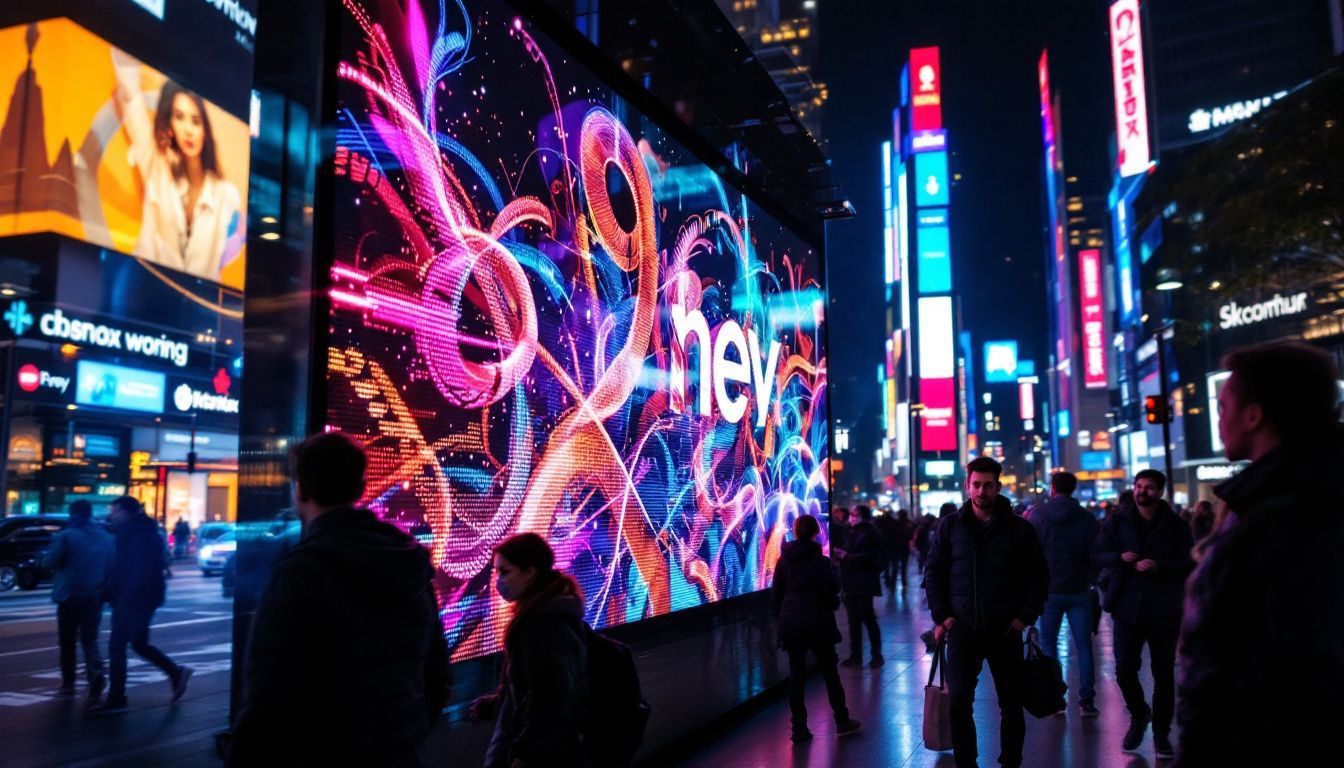
In today’s fast-paced world, effective communication and impactful visual presentation are crucial for businesses, event organizers, and public spaces. Large LED displays have emerged as a powerful medium to convey messages, advertise products, and engage audiences on a grand scale. This article delves into the intricacies of LED displays, explaining their technology, advantages, applications, and considerations for planners who aim to harness their potential.
Understanding LED Display Technology
LED, or Light Emitting Diode, technology has revolutionized visual display systems by offering bright, energy-efficient, and versatile screens. Unlike traditional display technologies such as LCD or projection, LED displays use an array of tiny diodes that emit light when an electric current passes through them.
These diodes are arranged in pixels, and each pixel typically contains red, green, and blue LEDs. By varying the intensity of each color, the display can produce a full spectrum of colors, enabling vivid and dynamic images. The modular design of LED panels allows for the creation of screens of virtually any size and shape, making them ideal for large-scale installations.
Types of LED Displays
There are two primary types of large LED displays: indoor and outdoor. Indoor LED displays are designed with higher pixel density to provide crisp images at close viewing distances. Outdoor LED displays, on the other hand, prioritize brightness and weather resistance to maintain visibility under direct sunlight and harsh environmental conditions.
Another important classification is based on the LED pitch — the distance between the centers of two adjacent pixels. Smaller pitch means higher resolution and better image clarity, which is essential for close-up viewing. Larger pitch displays are more cost-effective and suitable for viewing from a distance.
In addition to these classifications, LED technology has also evolved to include various subtypes, such as OLED (Organic LED) and MicroLED. OLED displays utilize organic compounds that emit light when electricity is applied, allowing for deeper blacks and improved contrast ratios. This technology is particularly favored in high-end televisions and smartphones due to its ability to produce stunning visuals. MicroLED, on the other hand, represents the next frontier in display technology, featuring microscopic LEDs that can create self-emitting pixels. This allows for even greater flexibility in design and superior energy efficiency, making it a promising option for future display innovations.
Furthermore, the application of LED technology extends beyond just screens and televisions. LED displays are increasingly being used in advertising, sports arenas, and public information systems, where their high visibility and adaptability can capture attention and convey messages effectively. The integration of smart technology with LED displays has also opened new avenues for interactive advertising and immersive experiences, allowing brands to engage consumers in innovative ways. As technology continues to advance, the potential for LED displays in various sectors seems limitless, paving the way for more dynamic and engaging visual communication solutions.
Advantages of Large LED Displays
Large LED displays offer numerous benefits that make them a preferred choice for planners and marketers alike. Their versatility and performance characteristics provide significant advantages over traditional signage and display methods.
High Brightness and Visibility
One of the standout features of LED displays is their exceptional brightness. Outdoor LED screens can reach brightness levels exceeding 5,000 nits, ensuring clear visibility even in direct sunlight. This makes them ideal for billboards, stadium screens, and public information displays where ambient light conditions vary widely. Moreover, the high contrast ratio of LED technology enhances the vibrancy of colors, making advertisements more eye-catching and engaging. This capability not only attracts attention but also retains viewer interest, leading to higher engagement rates and improved brand recall.
Energy Efficiency and Longevity
LED technology is inherently energy-efficient, consuming significantly less power than incandescent or fluorescent lighting. This efficiency translates into lower operational costs, especially for large displays that run continuously. Additionally, LEDs have a long lifespan, often exceeding 100,000 hours, reducing maintenance and replacement expenses. This durability means that businesses can invest in LED displays with confidence, knowing that they will provide reliable performance over many years. Furthermore, many modern LED displays come equipped with smart technology that allows for real-time monitoring of energy consumption, enabling further optimization of power usage and cost savings.
Flexibility and Customization
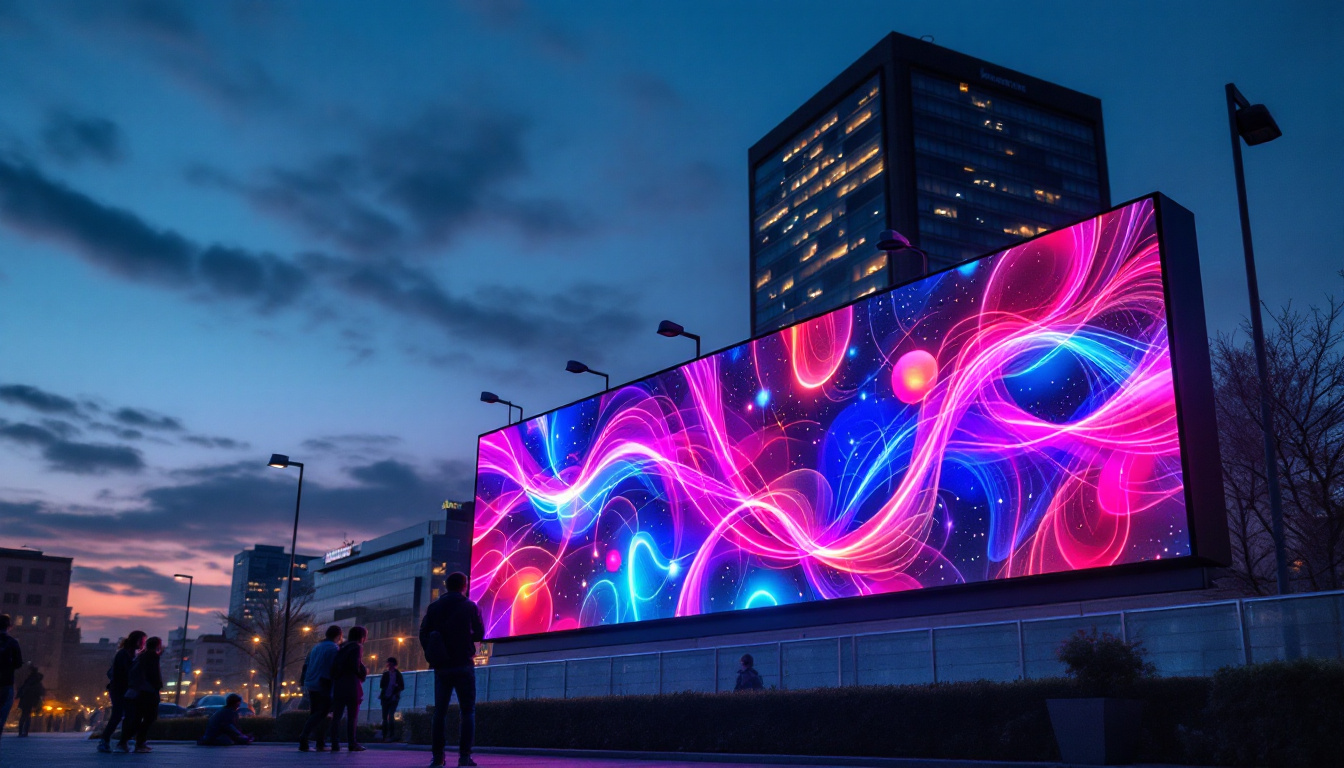
Large LED displays can be customized in terms of size, shape, and resolution. Their modular construction allows planners to assemble screens tailored to specific spatial and design requirements. Curved, cylindrical, and irregularly shaped LED installations are increasingly popular in architectural and experiential marketing projects. This adaptability not only enhances the aesthetic appeal of a venue but also allows for creative storytelling through dynamic content that can change based on audience interaction or time of day. Additionally, the ability to display multiple types of content—ranging from videos and animations to social media feeds—further enhances the engagement potential, making LED displays a versatile tool for communication and advertising.
Applications of Large LED Displays
The versatility of LED displays has led to their widespread adoption across various sectors. Understanding these applications helps planners make informed decisions about integrating LED technology into their projects.
Advertising and Marketing
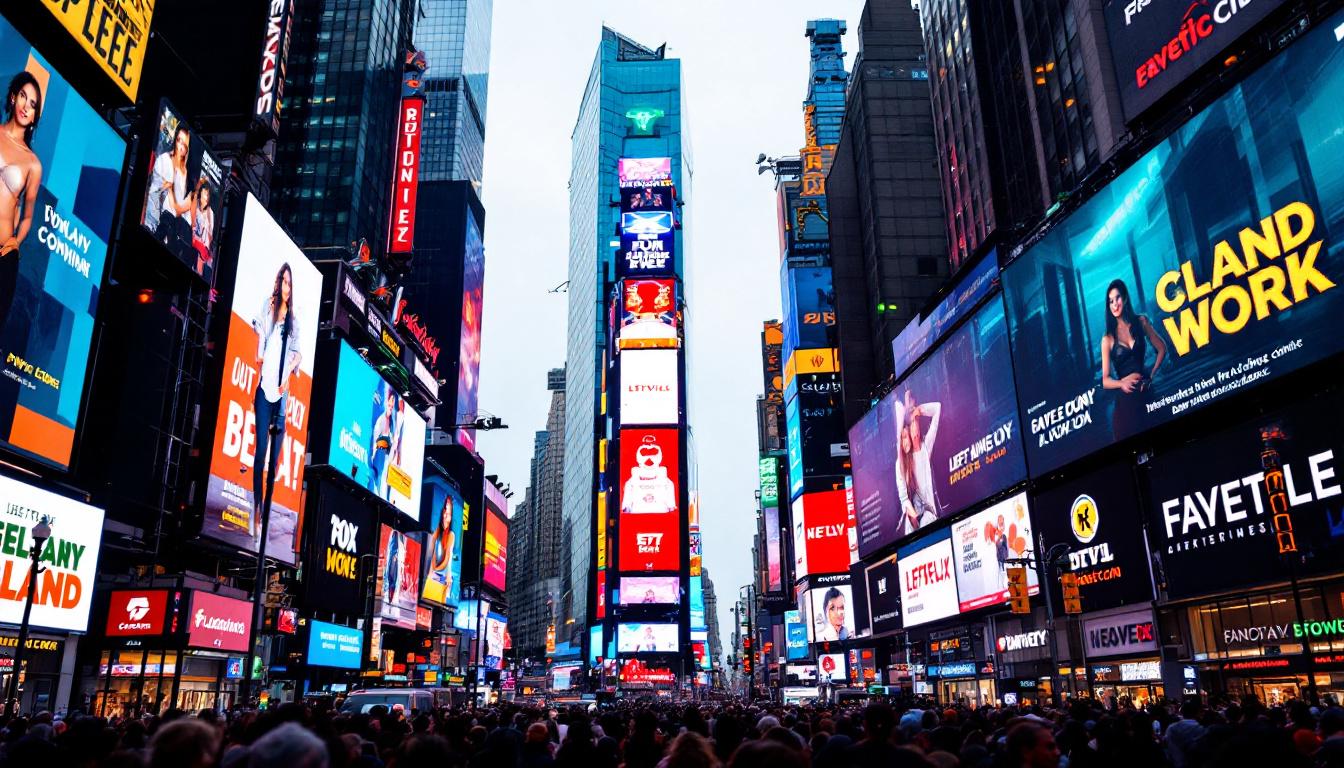
Outdoor LED billboards and digital signage have transformed advertising by enabling dynamic, eye-catching content that can be updated remotely in real time. According to a 2023 report by the Digital Signage Federation, digital out-of-home advertising using LED displays has grown by 15% annually over the past five years, driven by improved targeting and engagement metrics.
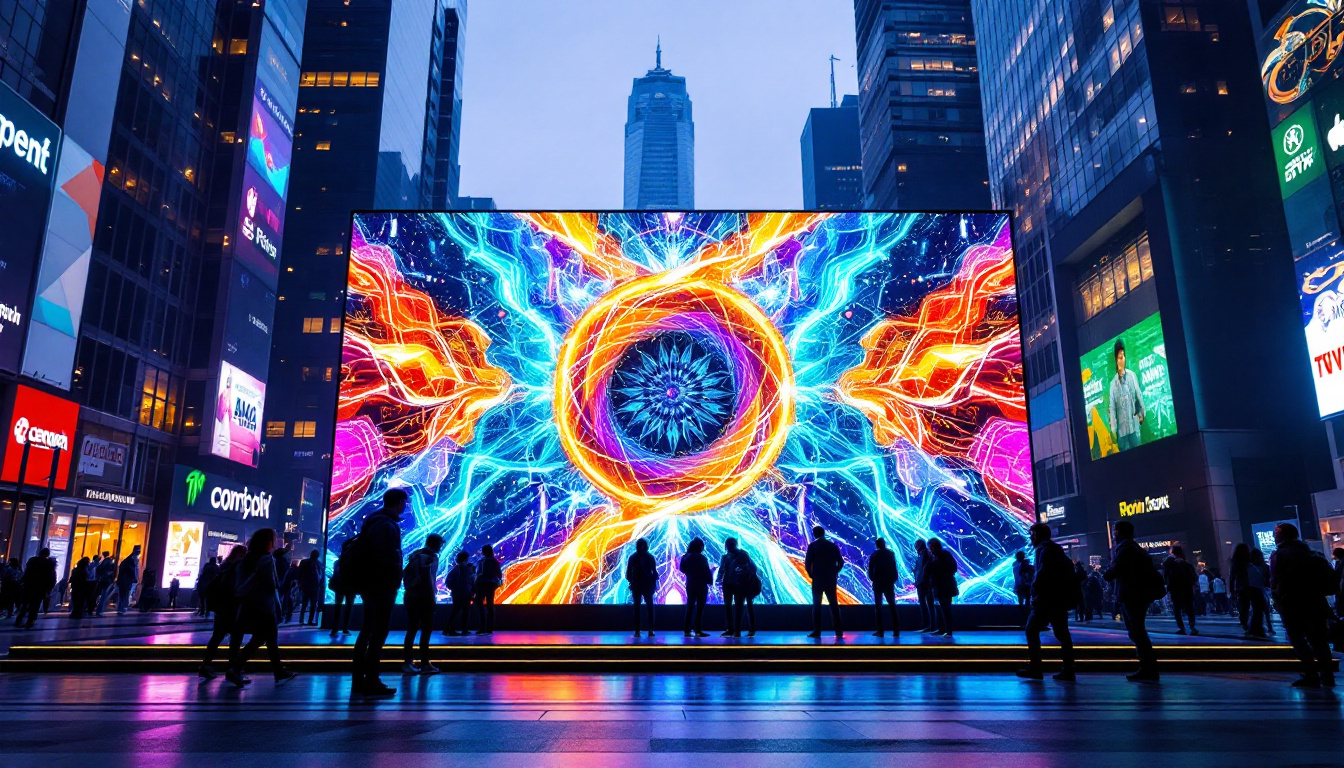
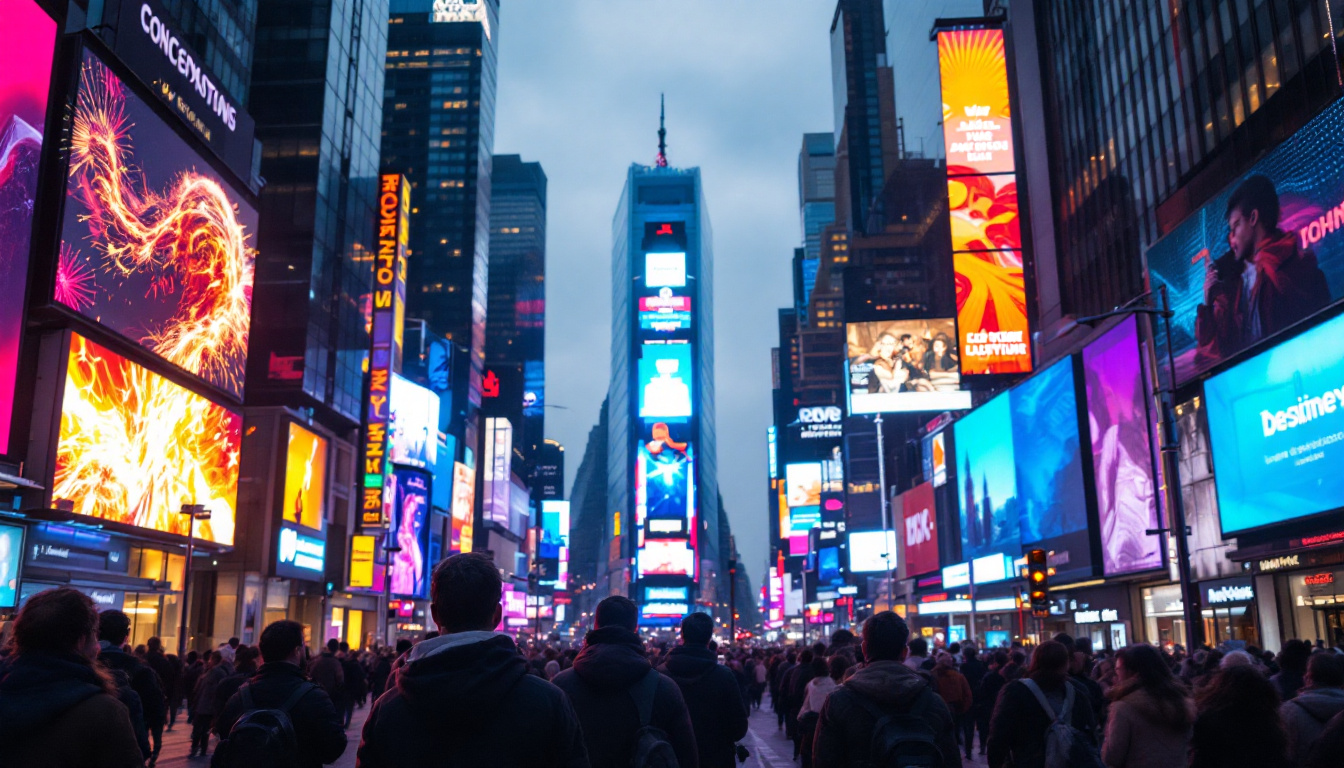
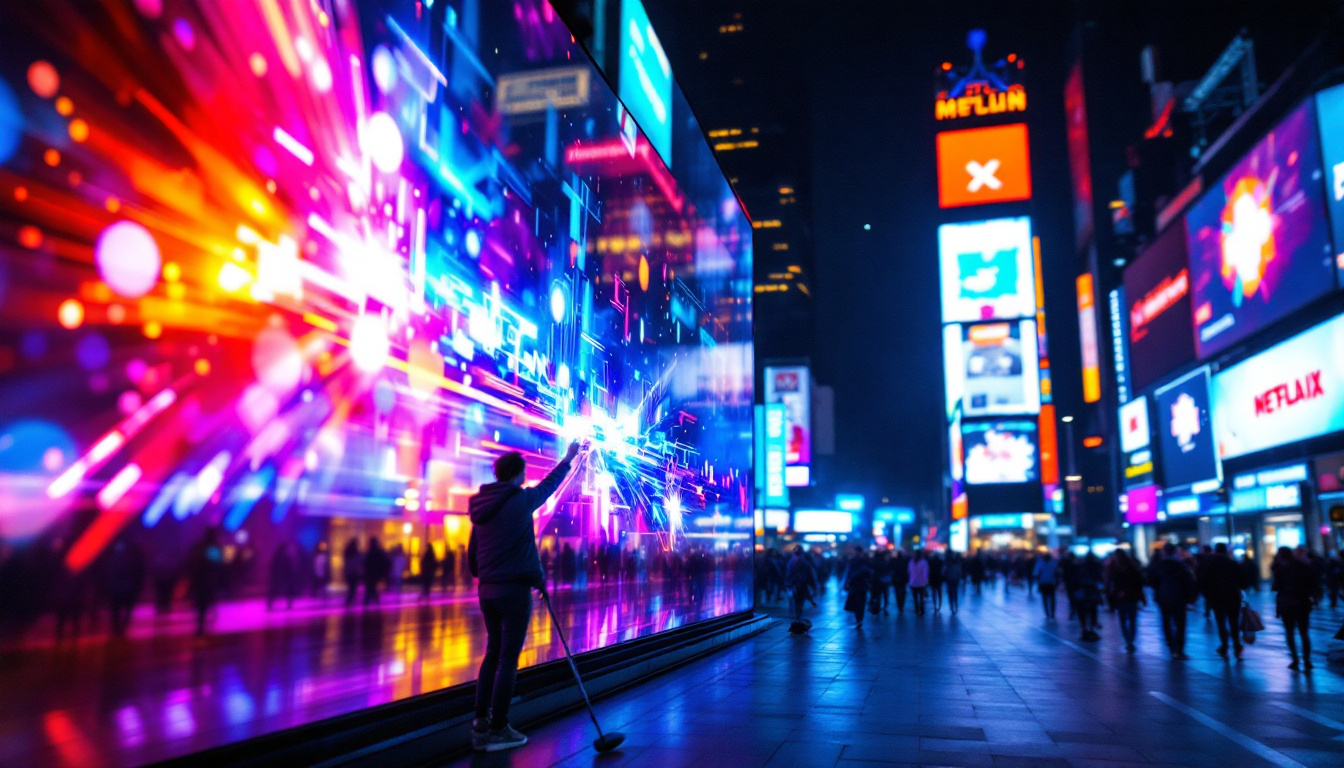
Brands leverage large LED screens in high-traffic urban areas to capture consumer attention with vibrant visuals, video ads, and interactive content. This dynamic approach outperforms static billboards by offering flexibility and the ability to tailor messages based on time of day, weather, or audience demographics.
Events and Entertainment
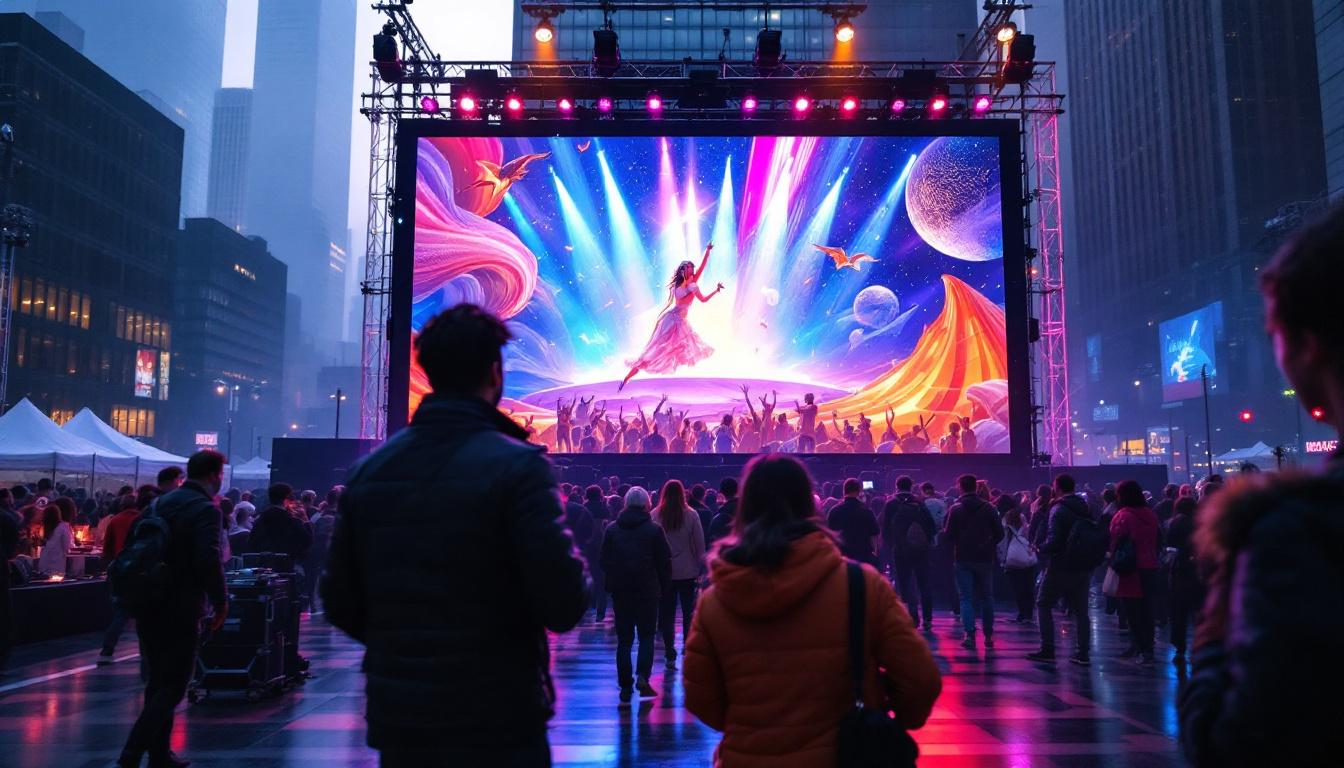
Concerts, sports arenas, and festivals rely heavily on large LED displays to enhance the audience experience. These screens provide live video feeds, instant replays, and immersive visual effects that engage thousands of attendees simultaneously. For example, the 2022 FIFA World Cup stadiums featured state-of-the-art LED screens that delivered crisp images visible from every seat, elevating the event’s global broadcast quality.
Public Information and Safety
Governments and municipalities use large LED displays to disseminate important information such as traffic updates, emergency alerts, and public service announcements. The ability to update content quickly and remotely ensures timely communication during critical situations, improving public safety and awareness.
Corporate and Retail Environments
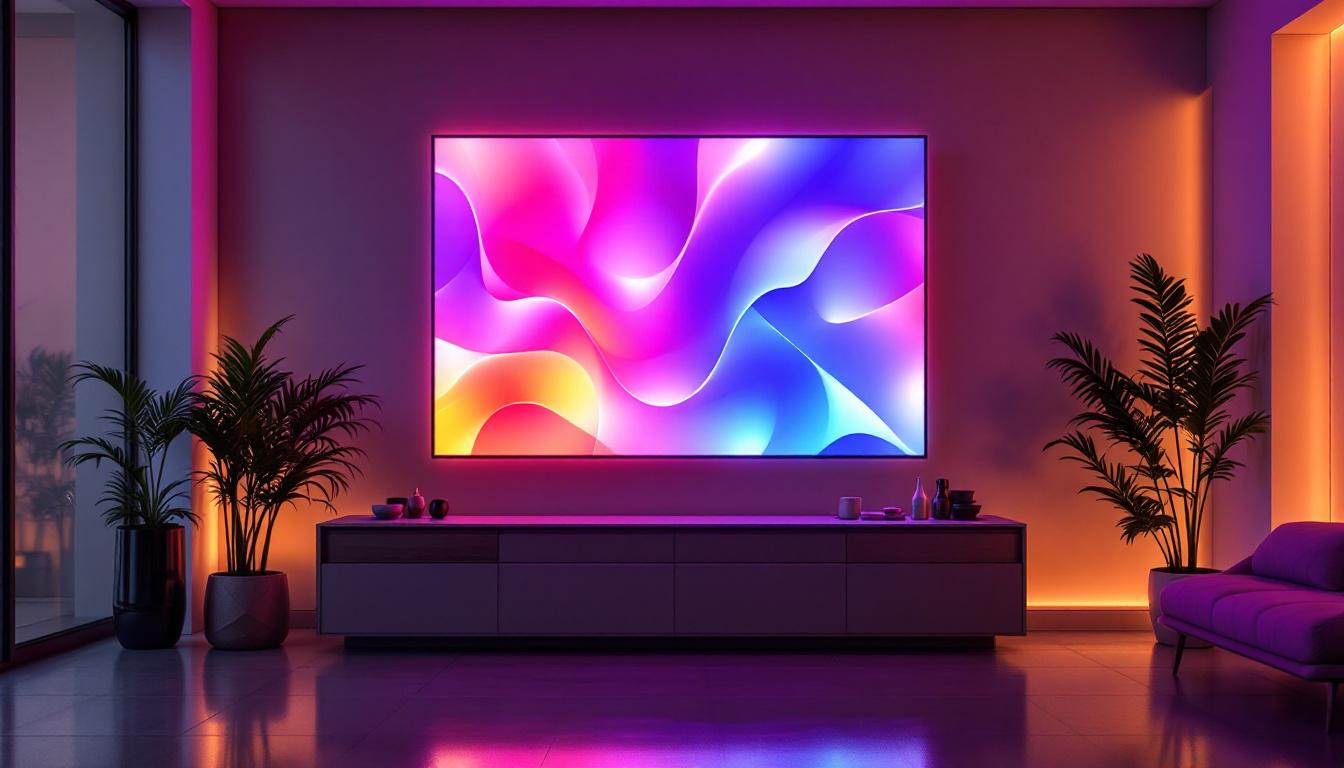
Within corporate headquarters and retail spaces, LED displays serve as tools for internal communication, branding, and customer engagement. From welcoming visitors with branded visuals to showcasing product promotions, these displays enhance the environment and support business objectives.
Key Considerations for Planners Using Large LED Displays
While LED displays offer many benefits, successful implementation requires careful planning and attention to several factors. Planners must balance technical, environmental, and budgetary considerations to maximize the impact of their LED installations.
Resolution and Viewing Distance
Choosing the appropriate resolution is critical to ensure image clarity. As a rule of thumb, the optimal viewing distance should be at least 10 times the pixel pitch. For example, a display with a 10mm pitch is best viewed from 100 meters or more. Planners must assess the typical audience distance to select a display that delivers sharp visuals without unnecessary cost.
Brightness and Environmental Conditions
Outdoor displays require higher brightness levels to combat sunlight glare, while indoor screens can operate at lower brightness to reduce eye strain. Additionally, weatherproofing and temperature tolerance are essential for outdoor installations to withstand rain, wind, and temperature extremes.
Content Management and Software
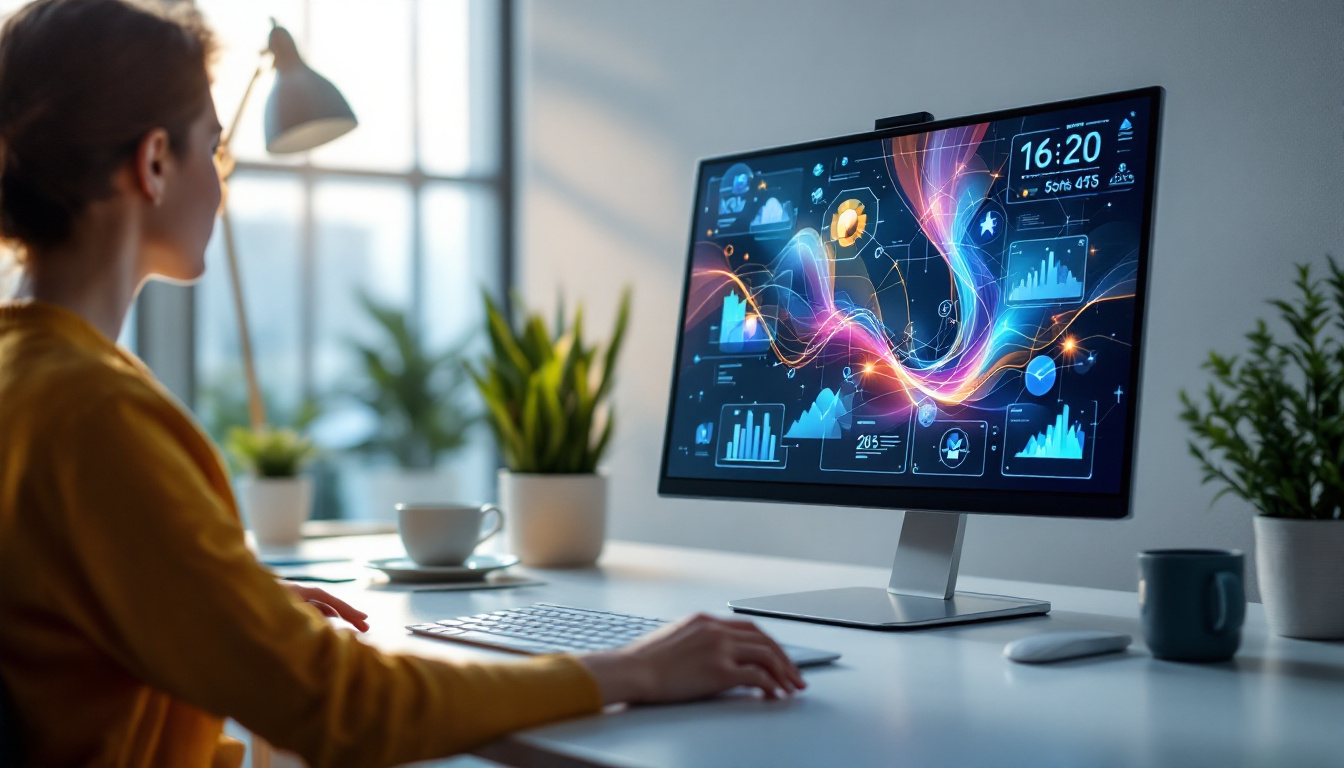
Modern LED displays are controlled by sophisticated software platforms that enable scheduling, content creation, and remote management. Selecting a user-friendly and reliable content management system (CMS) is vital for smooth operation and timely updates. Integration with data feeds and interactive technologies can further enhance the display’s effectiveness.
Installation and Maintenance
Large LED displays require professional installation to ensure structural safety and optimal performance. Maintenance plans should include regular cleaning, firmware updates, and component inspections to prolong the display’s lifespan and prevent downtime.
Budget and Return on Investment
While the initial investment in large LED displays can be substantial, the long-term benefits often justify the cost. Planners should consider not only the purchase price but also installation, operation, and maintenance expenses. Measuring the return on investment through increased engagement, sales, or communication effectiveness helps validate the expenditure.
Future Trends in Large LED Displays
The LED display industry continues to evolve rapidly, driven by technological advancements and changing user expectations. Staying informed about emerging trends enables planners to future-proof their investments and capitalize on new opportunities.
MicroLED and MiniLED Technologies
MicroLED and MiniLED represent the next generation of LED display technology, offering higher brightness, improved color accuracy, and even thinner form factors. These innovations promise enhanced image quality and energy efficiency, making them attractive options for premium applications.
Interactive and Smart Displays
Integration of touch sensors, cameras, and artificial intelligence is transforming large LED displays into interactive platforms. Smart displays can adapt content based on audience behavior, provide personalized experiences, and facilitate real-time engagement, especially in retail and event environments.
Energy Harvesting and Sustainability
Environmental concerns are driving the development of LED displays with lower power consumption and sustainable materials. Some installations incorporate solar panels or energy recovery systems to reduce their carbon footprint, aligning with corporate social responsibility goals.
Conclusion
Large LED displays have become indispensable tools for communication, marketing, and entertainment across diverse sectors. Their unique combination of brightness, flexibility, and efficiency allows planners to create visually compelling experiences that captivate audiences and convey messages effectively.
Understanding the technology behind LED displays, their advantages, and the critical planning considerations ensures successful implementation and maximizes return on investment. As the technology continues to advance, embracing innovations such as MicroLED, interactivity, and sustainable design will keep planners at the forefront of visual communication.
For anyone involved in large-scale event planning, advertising, or public information dissemination, LED displays represent a dynamic and impactful solution worth exploring in depth.
Illuminate Your Space with LumenMatrix
Ready to elevate your visual communication and captivate your audience with unparalleled clarity? Discover the innovative world of LumenMatrix LED display solutions. From vibrant Indoor and Outdoor LED Wall Displays to dynamic Vehicle and Sports LED Displays, LumenMatrix offers a comprehensive range of products designed to revolutionize your space. Whether you’re looking for a Custom LED Display, an All-in-One solution, or the striking impact of a Transparent LED Display, LumenMatrix is your partner in creating unforgettable visual experiences. Check out LumenMatrix LED Display Solutions today and transform your communication strategy with cutting-edge technology.