In recent years, the demand for large portable projector screens has surged, driven by the increasing need for flexible, high-quality visual displays in various settings—from corporate presentations and outdoor movie nights to live events and educational environments. Among the technologies available, LED displays have emerged as a powerful alternative to traditional projector screens, offering vibrant colors, superior brightness, and remarkable portability. This article explores the nuances of large portable projector screens with a focus on LED display technology, providing a comprehensive guide to help you understand their benefits, applications, and considerations.
Understanding Large Portable Projector Screens
A large portable projector screen is designed to provide a sizable viewing area that can be easily transported and set up in different locations. These screens are essential for environments where a fixed installation is impractical or where flexibility is paramount. Traditionally, these screens have been white or gray matte surfaces onto which images are projected using a projector.
However, advancements in display technology have introduced LED displays as a compelling alternative. Unlike traditional projector screens that rely on external light sources, LED displays emit their own light, resulting in brighter images and better visibility in various lighting conditions. This fundamental difference makes LED displays particularly attractive for large-scale, portable applications.
Key Features of Large Portable Projector Screens
When evaluating large portable projector screens, several features stand out:
- Size and Aspect Ratio: Screens typically range from 100 inches to over 200 inches diagonally, with common aspect ratios including 16:9, 4:3, and 16:10, depending on the intended use.
- Portability: Lightweight materials, foldable or inflatable designs, and compact carrying cases enhance mobility.
- Surface Material: Matte white, gray, or specialized reflective coatings affect image quality and contrast.
- Setup Time: Ease of assembly and disassembly is crucial for event organizers and mobile users.
While these features are standard for traditional screens, LED displays bring additional advantages that redefine the concept of portability and image quality.
What is an LED Display?
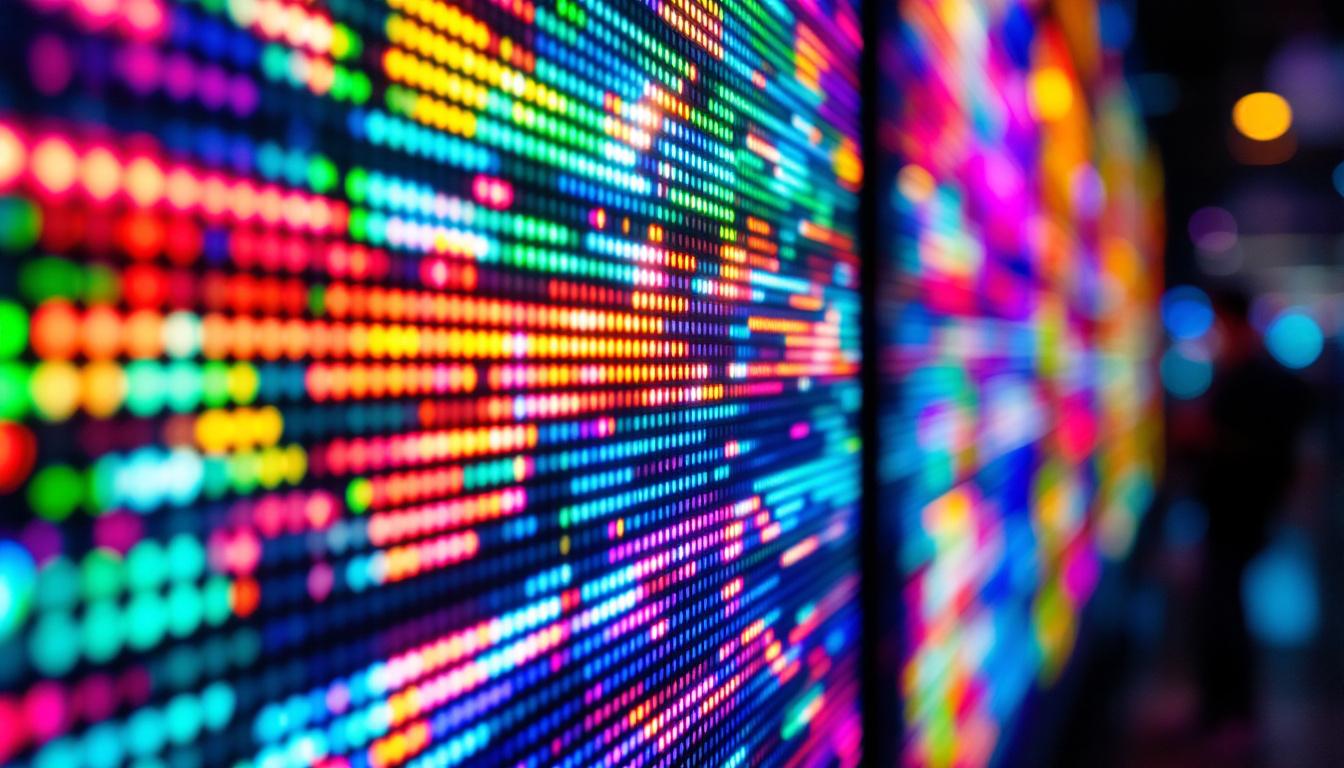
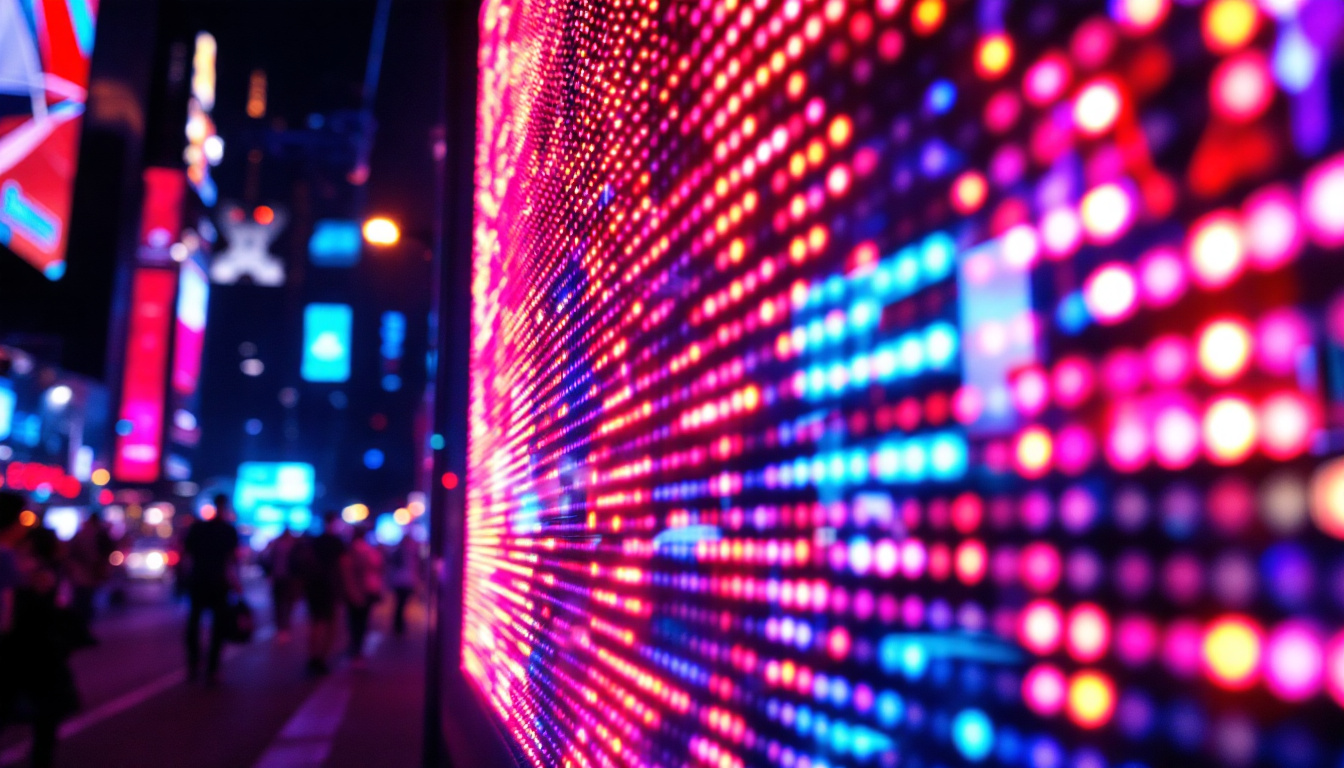
LED stands for Light Emitting Diode, a semiconductor device that emits light when an electric current passes through it. LED displays are composed of thousands or millions of these tiny diodes arranged in a grid to form images and videos. Unlike projector screens that require an external light source, LED displays produce their own light, making them self-illuminating.
Types of LED Displays
LED displays come in various forms, but two main categories are relevant to large portable screens:
- Direct View LED (DVLED) Displays: These are composed of individual LEDs that form the pixels. DVLED displays offer exceptional brightness, color accuracy, and contrast ratios. They are commonly used in large-scale video walls and outdoor advertising.
- LED-Backlit LCD Displays: These use LEDs as a backlight for an LCD panel. While more common in smaller screens (like TVs and monitors), they are less relevant for large portable projector screens.
For large portable projector screens, DVLED technology is the primary focus due to its scalability and visual performance.
Advantages of LED Displays Over Traditional Projector Screens
LED displays offer several compelling benefits:
- Brightness: LED displays can achieve brightness levels exceeding 5,000 nits, making them visible even in direct sunlight. Traditional projector screens often struggle in brightly lit environments.
- Image Quality: High contrast ratios and vibrant color reproduction result in sharper, more dynamic images.
- Viewing Angles: LED displays maintain consistent image quality across wide viewing angles, enhancing audience experience.
- Durability: LED panels are robust and weather-resistant, ideal for outdoor use.
- Portability and Modularity: Modern LED displays are designed as modular panels that can be assembled and disassembled quickly, facilitating transport and setup.
Applications of Large Portable LED Displays
Large portable LED displays have found applications across diverse sectors, transforming the way visual content is delivered and experienced. Their versatility and performance make them suitable for both indoor and outdoor environments.
Corporate Events and Conferences
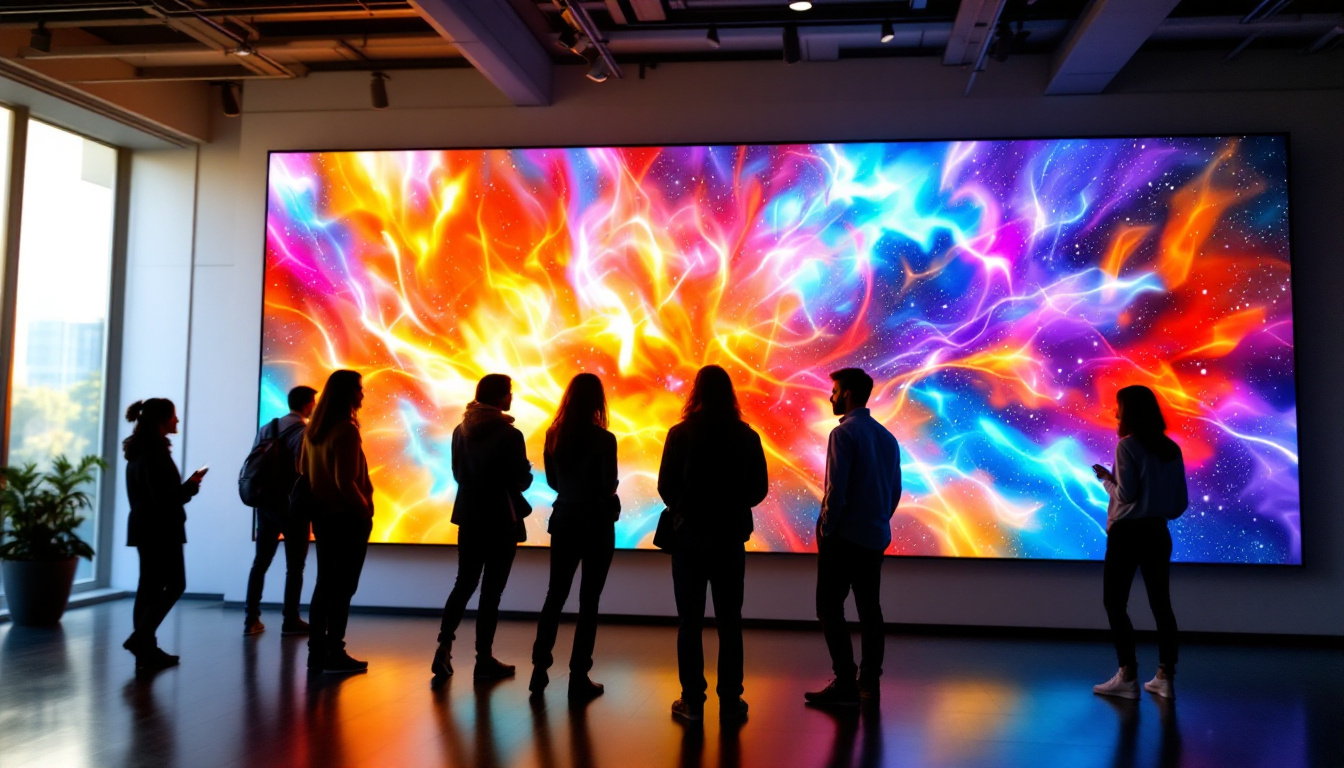
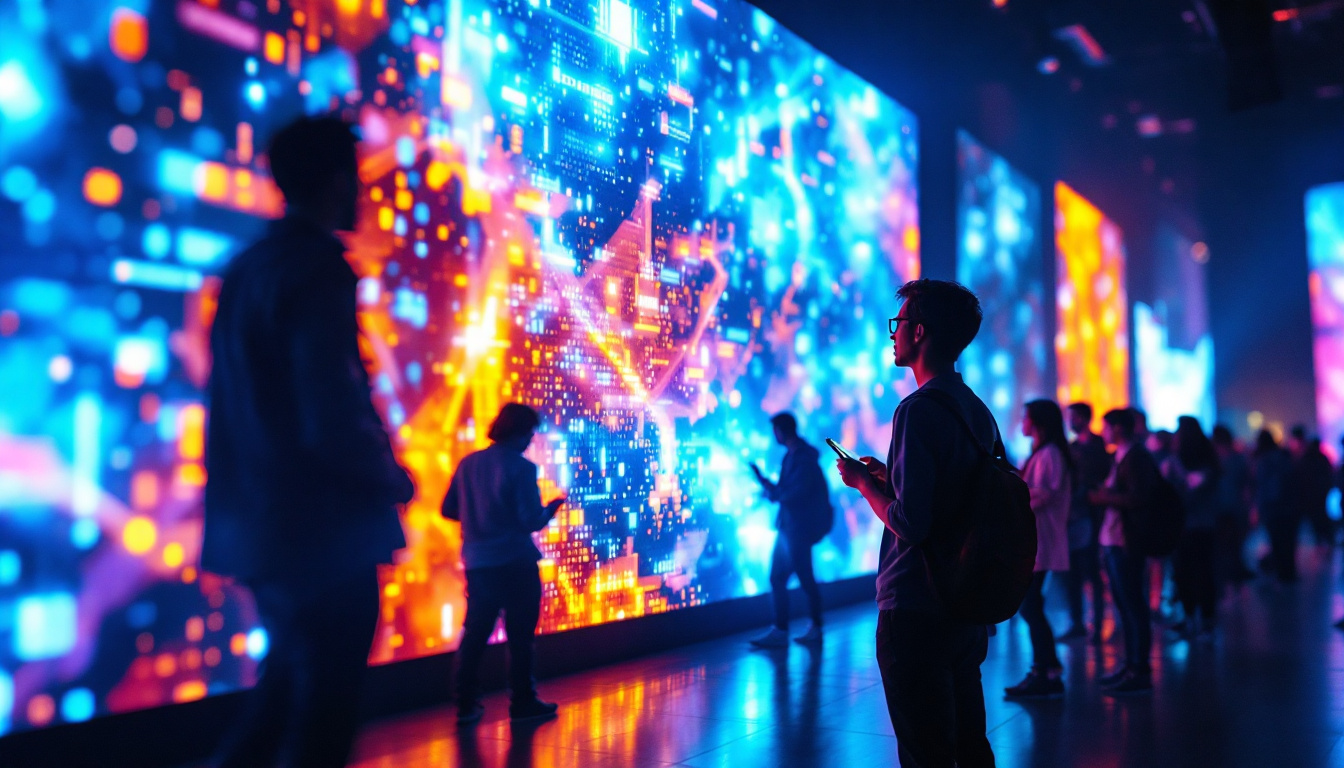
In the corporate world, impactful presentations are essential. Large portable LED displays provide crystal-clear visuals for keynote speeches, product launches, and trade shows. Their high brightness ensures visibility even in well-lit conference halls, and their modular design allows customization to fit various stage sizes.
Outdoor Entertainment and Sports Events
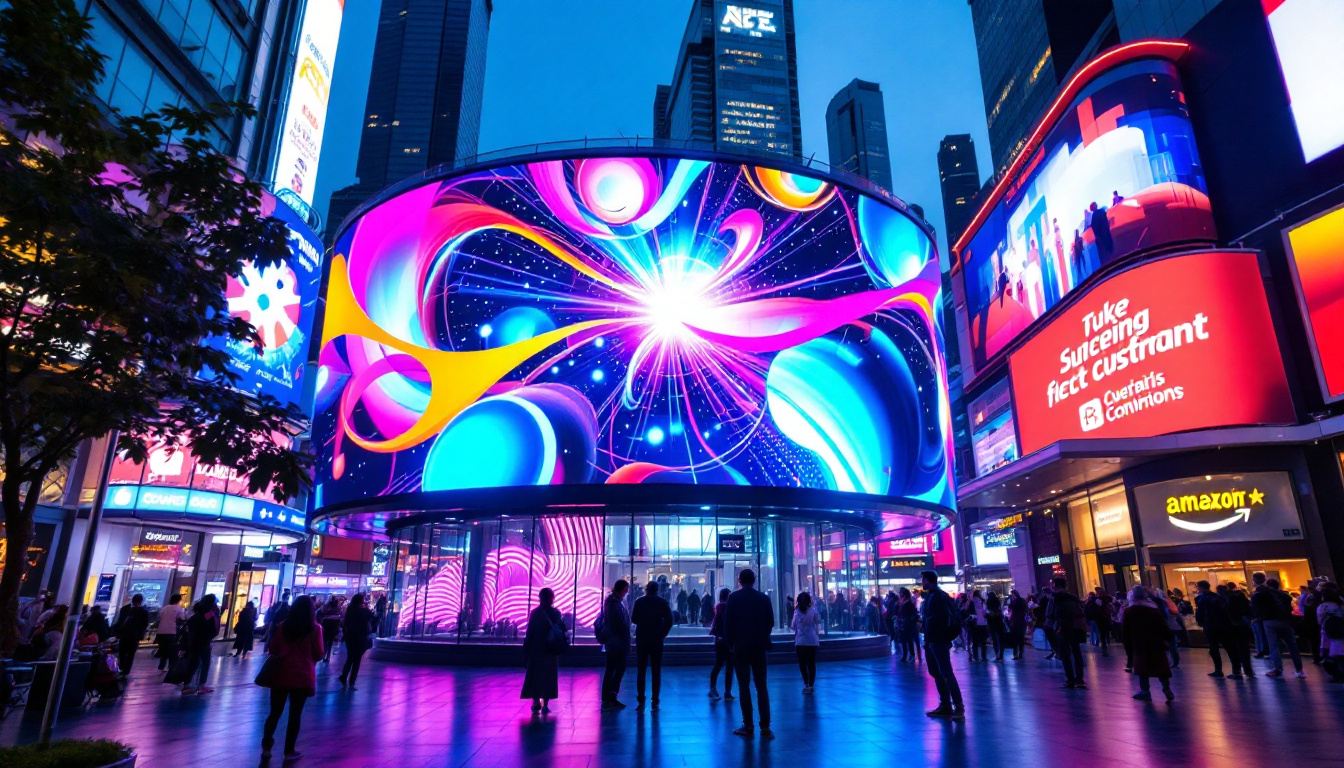
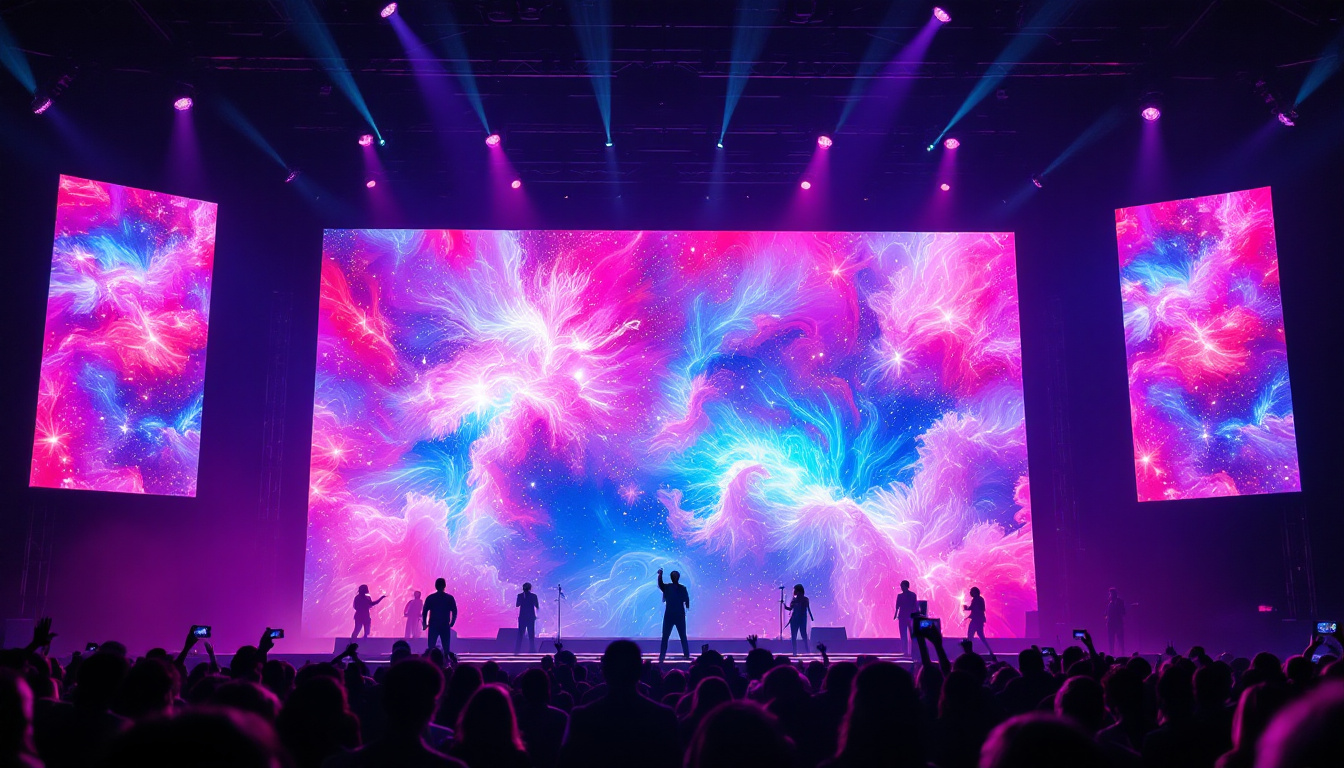
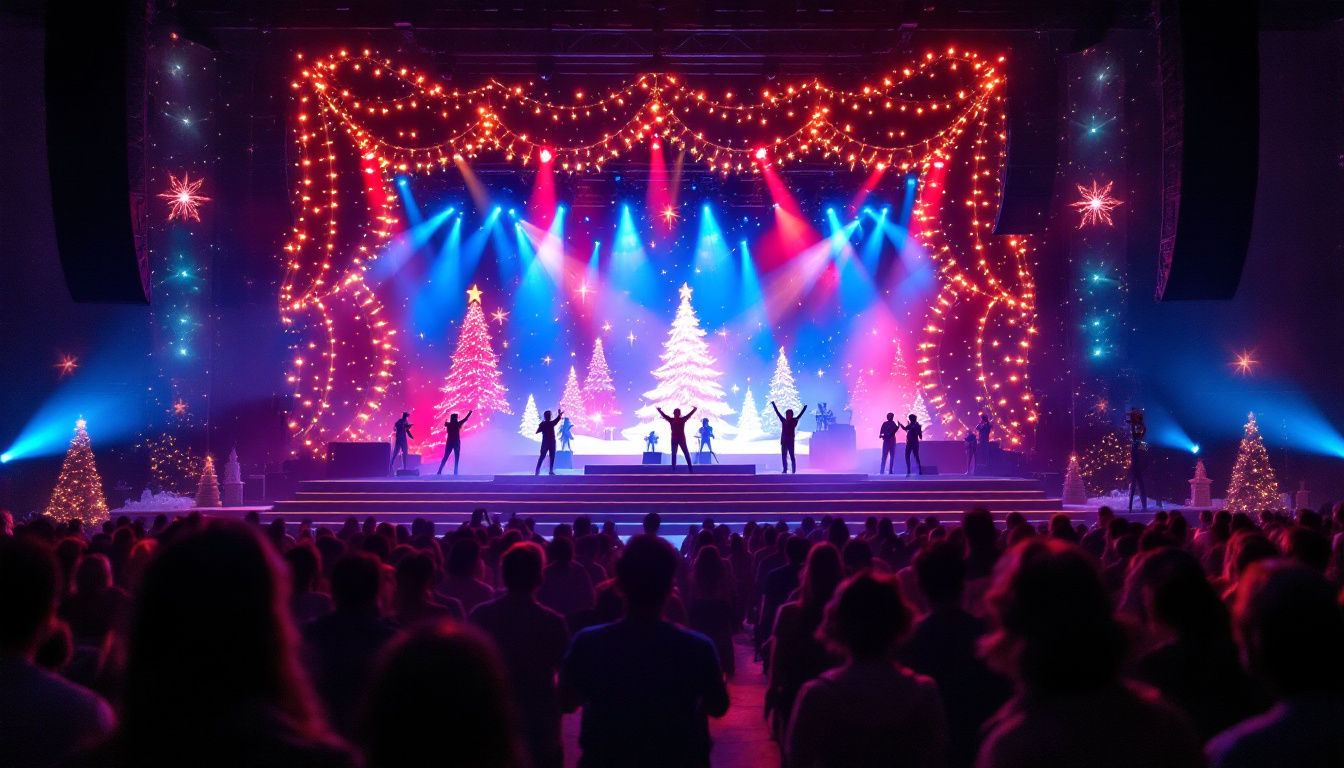
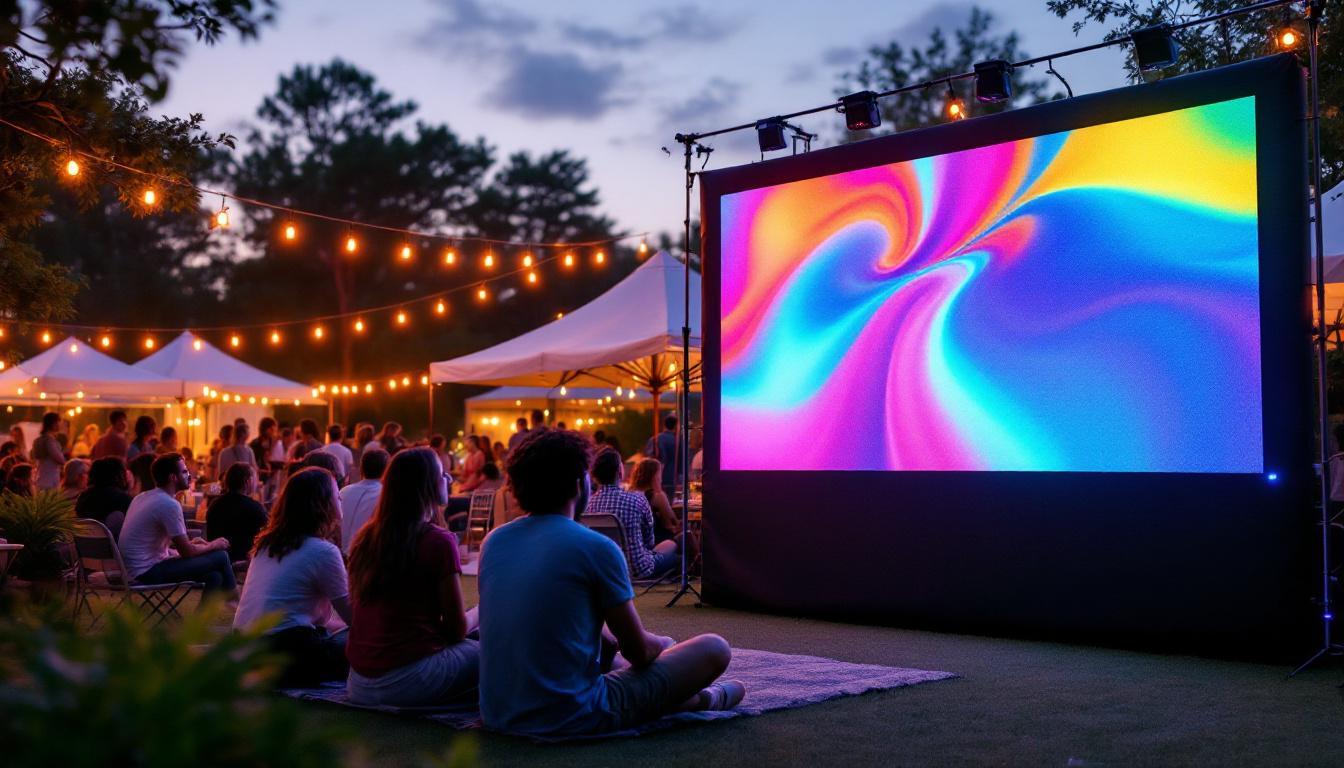
Outdoor movie screenings, concerts, and sports events benefit immensely from LED displays. Unlike traditional projector screens, LED displays are unaffected by ambient lighting and weather conditions, ensuring uninterrupted viewing experiences. For example, stadiums worldwide have adopted massive LED walls to display live action, instant replays, and advertisements.
Educational Institutions
Schools and universities use large portable LED displays for lectures, seminars, and campus events. Their portability allows easy relocation between classrooms, auditoriums, and outdoor spaces, enhancing engagement and interactivity.
Retail and Advertising
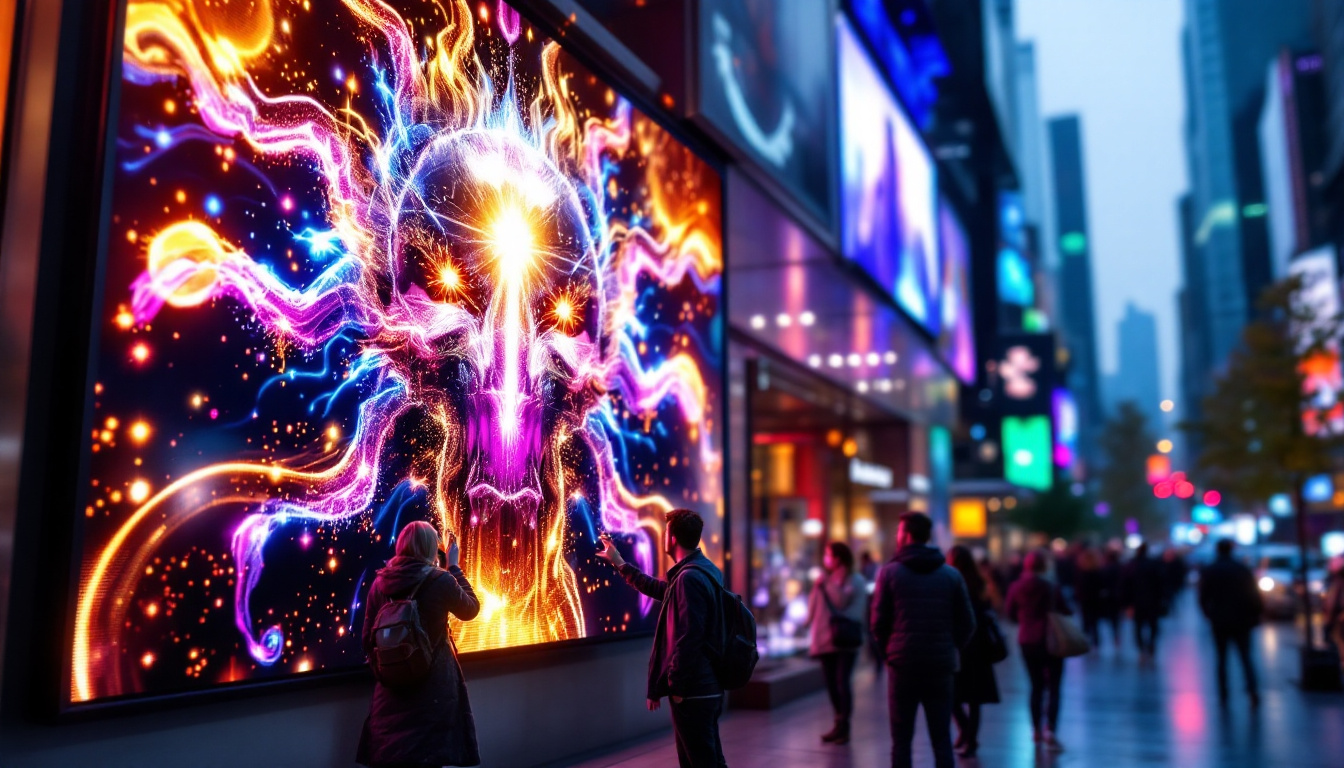
Retailers leverage portable LED displays for promotional events, pop-up stores, and exhibitions. The vivid imagery and dynamic content attract customer attention and improve brand visibility.
Choosing the Right Large Portable LED Display
Selecting the ideal LED display for your needs requires careful consideration of several factors. Understanding these will help maximize the return on investment and ensure the display meets performance expectations.
Resolution and Pixel Pitch
Resolution refers to the number of pixels in the display, while pixel pitch is the distance between the centers of adjacent pixels, usually measured in millimeters. A smaller pixel pitch means higher resolution and sharper images, especially important for close viewing distances.
For large portable screens, pixel pitches typically range from 1.5 mm to 10 mm. For example, a 2.5 mm pixel pitch is ideal for indoor events where viewers are close, whereas 6 mm or higher is suitable for outdoor use where viewers are farther away.
Brightness Levels
Brightness is measured in nits (candelas per square meter). Indoor LED displays usually require 800 to 1,500 nits, while outdoor displays need 3,000 nits or more to combat sunlight glare. Selecting a display with appropriate brightness ensures visibility and image clarity.
Size and Aspect Ratio
The size of the LED display should correspond to the venue and audience size. Modular LED panels allow customization of screen dimensions and aspect ratios, providing flexibility to suit different events.
Weight and Portability
Portability is a critical factor. Lightweight panels with integrated handles, quick-lock mechanisms, and compact packaging facilitate transportation and setup. Some LED displays are designed to be stackable or foldable, further enhancing mobility.
Power Consumption and Heat Management
LED displays consume significant power, especially at high brightness levels. Efficient power management and heat dissipation systems are essential to maintain performance and extend lifespan.
Connectivity and Control Systems
Modern LED displays support various input sources, including HDMI, DisplayPort, and wireless connections. Advanced control software allows real-time content management, calibration, and diagnostics, simplifying operation.
Setting Up and Maintaining Large Portable LED Displays
Proper setup and maintenance are vital to ensure optimal performance and longevity of LED displays. The process involves technical expertise and adherence to manufacturer guidelines.
Assembly and Installation
Modular LED panels are designed for tool-less or minimal-tool assembly. Panels interlock securely, and integrated cabling simplifies connections. It is essential to level the display, secure it against wind or accidental movement, and verify all connections before powering on.
Calibration and Testing
Calibration ensures color accuracy, brightness uniformity, and synchronization across panels. Most LED displays come with built-in calibration tools or software to automate this process. Regular testing helps identify dead pixels, color shifts, or hardware issues early.
Maintenance and Repairs
Routine cleaning of the display surface with appropriate materials prevents dust buildup that can affect image quality. LED modules may require replacement over time; modular designs facilitate quick repairs without dismantling the entire display. Additionally, firmware updates often improve functionality and security.
Cost Considerations and ROI
Large portable LED displays represent a significant investment. Prices vary widely depending on size, resolution, brightness, and brand. For example, a 150-inch indoor LED display with a 2.5 mm pixel pitch can cost upwards of $50,000, while outdoor models with higher brightness and weatherproofing may exceed $100,000.
Despite the upfront cost, the long-term benefits often justify the expense. LED displays reduce the need for multiple projectors, screens, and lighting adjustments. Their durability and low maintenance contribute to lower operational costs. Furthermore, the enhanced visual impact can increase audience engagement, brand recognition, and event success, translating into measurable returns.
Future Trends in Large Portable LED Displays
The LED display industry continues to evolve rapidly, driven by innovations in materials, design, and software. Emerging trends include:
- MicroLED Technology: Offering even higher resolution and brightness with lower power consumption, MicroLED is poised to revolutionize portable displays.
- Flexible and Curved Displays: Bendable LED panels enable creative screen shapes and immersive viewing experiences.
- Improved Energy Efficiency: Advances in LED chip design reduce power requirements and heat generation.
- Integrated Smart Features: AI-driven content management, remote diagnostics, and interactive capabilities enhance usability.
These innovations will further expand the applications and accessibility of large portable LED displays in the coming years.
Conclusion
Large portable projector screens have transformed with the advent of LED display technology, offering unparalleled brightness, image quality, and versatility. Whether for corporate events, outdoor entertainment, education, or advertising, LED displays provide a robust solution that overcomes many limitations of traditional projection systems.
Understanding the technical aspects, applications, and cost factors is essential for making informed decisions when investing in a large portable LED display. As technology advances, these displays will become even more accessible and impactful, reshaping how visual content is delivered in dynamic environments.
For organizations and individuals seeking a high-performance, flexible, and visually stunning display solution, large portable LED displays represent a forward-looking choice that combines innovation with practicality.
Discover the Future of Visual Displays with LumenMatrix
Ready to elevate your visual experience with the latest in LED display technology? LumenMatrix is at the forefront of innovation, offering a diverse range of LED display solutions tailored to your needs. From captivating Indoor LED Walls to dynamic Outdoor LED Displays, and versatile options like Vehicle LED Displays, LED Posters, and even Custom LED Designs, we have the technology to bring your vision to life. Embrace the future of engagement with our cutting-edge LED displays. Check out LumenMatrix LED Display Solutions today and transform how you communicate visually with your audience.