Large Screen LCD Displays: LED Display Explained
In today’s visual-centric world, large screen displays have become indispensable across various sectors—from advertising and entertainment to corporate communications and public information systems. Among the technologies powering these displays, LED and LCD stand out as the most prevalent. However, the terminology and technology behind “LED displays” and “LCD displays” often cause confusion. This article aims to clarify these concepts, explain how large screen LCD displays work, and explore the role of LED technology in enhancing display performance.
Understanding LCD Technology
What is an LCD Display?
LCD stands for Liquid Crystal Display, a technology that uses liquid crystals to modulate light and create images. Unlike traditional cathode ray tube (CRT) displays, LCDs are flat-panel displays that rely on backlighting to illuminate pixels. Each pixel consists of liquid crystal cells that can be manipulated to block or allow light through, forming images with precise control over color and brightness.
Large screen LCD displays typically use thin-film transistor (TFT) technology, which allows each pixel to be controlled individually. This results in sharp images, vibrant colors, and high resolution, making LCDs popular for televisions, computer monitors, and digital signage. The versatility of LCD technology has led to its adoption in a variety of devices, from smartphones to large-scale advertising screens, showcasing its ability to deliver high-quality visuals in diverse environments.
How Do LCDs Work?
The core principle behind LCDs is the manipulation of polarized light. The display panel contains liquid crystals sandwiched between two polarized glass layers. When an electric current passes through the liquid crystals, they twist and change the angle of light passing through them. By adjusting this twist, the display controls the intensity and color of each pixel.
Since liquid crystals do not emit light themselves, LCDs require a backlight to illuminate the screen. Historically, cold cathode fluorescent lamps (CCFLs) were used, but modern displays predominantly use LED backlighting due to its efficiency, brightness, and longevity. This shift to LED technology not only enhances the overall picture quality by providing better contrast and color accuracy but also contributes to energy savings, making LCDs more environmentally friendly. Furthermore, advancements in LCD technology have led to innovations such as edge-lit and full-array local dimming, which further improve the viewing experience by allowing for deeper blacks and more dynamic range in images.
The Role of LED in LCD Displays
What Does LED Mean in LCD Displays?
When people refer to “LED displays,” they often mean LCD displays that use LED backlighting. The term “LED display” can be misleading because pure LED displays and LED-backlit LCDs are fundamentally different technologies.
In LED-backlit LCDs, the liquid crystal panel remains the same as traditional LCDs, but the backlighting source is replaced with light-emitting diodes (LEDs). This change has revolutionized display quality, energy consumption, and design flexibility. The transition to LED technology has not only improved the visual experience for users but has also paved the way for advancements in various applications, from televisions to computer monitors and even mobile devices. As a result, consumers now enjoy sharper images, vibrant colors, and a more immersive viewing experience.
Advantages of LED Backlighting
LED backlighting offers several significant benefits over older CCFL backlights:
- Improved Energy Efficiency: LEDs consume less power, which is crucial for large screens where energy costs can be substantial.
- Enhanced Brightness and Contrast: LEDs can produce brighter light and support local dimming, where different screen areas can be dimmed independently, resulting in deeper blacks and better contrast ratios.
- Thinner and Lighter Displays: LED backlights are more compact, enabling sleeker and lighter screen designs.
- Longer Lifespan: LEDs generally last longer than CCFLs, reducing maintenance and replacement costs.
Moreover, the improved energy efficiency of LED backlighting contributes to a lower carbon footprint, making it a more environmentally friendly choice. As consumers become increasingly aware of sustainability, the shift towards LED technology aligns with a growing demand for eco-conscious products. Additionally, the rapid response time of LEDs allows for smoother motion handling, which is particularly beneficial for fast-paced content like sports or action movies. This combination of benefits has made LED backlighting the preferred option in modern display technology.
Types of LED Backlighting
There are two primary methods of LED backlighting used in LCD displays:
- Edge-Lit LED: LEDs are placed along the edges of the screen, and light is spread across the panel using light guides. This design allows for very thin screens but can sometimes result in uneven brightness.
- Direct or Full-Array LED: LEDs are placed directly behind the entire LCD panel. This approach supports local dimming and generally offers better uniformity and contrast.
Each type of LED backlighting has its own set of advantages and drawbacks. Edge-lit LED displays are often favored for their ultra-slim profiles, making them ideal for wall-mounted setups or portable devices. However, the potential for light leakage and uneven brightness can be a concern for discerning viewers. On the other hand, full-array LED displays, while typically thicker, provide superior performance in terms of contrast and color accuracy, making them a popular choice for high-end televisions and professional monitors. As technology continues to evolve, manufacturers are constantly innovating to enhance the performance and efficiency of these backlighting methods, ensuring that consumers have access to the best possible viewing experience.
Pure LED Displays vs. LED-Backlit LCD Displays
What is a Pure LED Display?
Pure LED displays, often referred to as direct-view LED displays, consist of millions of tiny LEDs that act as individual pixels. Each LED emits its own light and color, eliminating the need for a backlight. These displays are commonly used in large outdoor screens, stadium displays, and digital billboards.
Because each LED is a self-contained light source, pure LED displays can achieve extremely high brightness levels, making them ideal for environments with strong ambient light. They also offer excellent viewing angles and color vibrancy.
Differences Between Pure LED and LED-Backlit LCD
| Feature | Pure LED Display | LED-Backlit LCD Display |
|---|---|---|
| Light Source | Individual LEDs per pixel | LEDs as backlight behind LCD panel |
| Brightness | Extremely high, suitable for outdoor use | Moderate to high, optimized for indoor environments |
| Thickness | Generally thicker due to LED modules | Thinner and lighter |
| Cost | Higher initial cost, especially for high resolution | More affordable for consumer and commercial use |
| Use Cases | Outdoor billboards, stadiums, large venues | Indoor TVs, monitors, digital signage |
Choosing Between the Two
The choice between pure LED and LED-backlit LCD displays depends largely on the application. For outdoor advertising or venues requiring extreme brightness and durability, pure LED displays are preferred. For indoor environments where image quality, slim form factor, and cost-effectiveness are priorities, LED-backlit LCDs dominate the market.
Applications of Large Screen LCD and LED Displays
Digital Signage and Advertising
Large screen LCD displays with LED backlighting are widely used in retail stores, airports, shopping malls, and corporate lobbies. Their ability to deliver high-resolution, vibrant images makes them ideal for digital signage that attracts customer attention and conveys dynamic content.
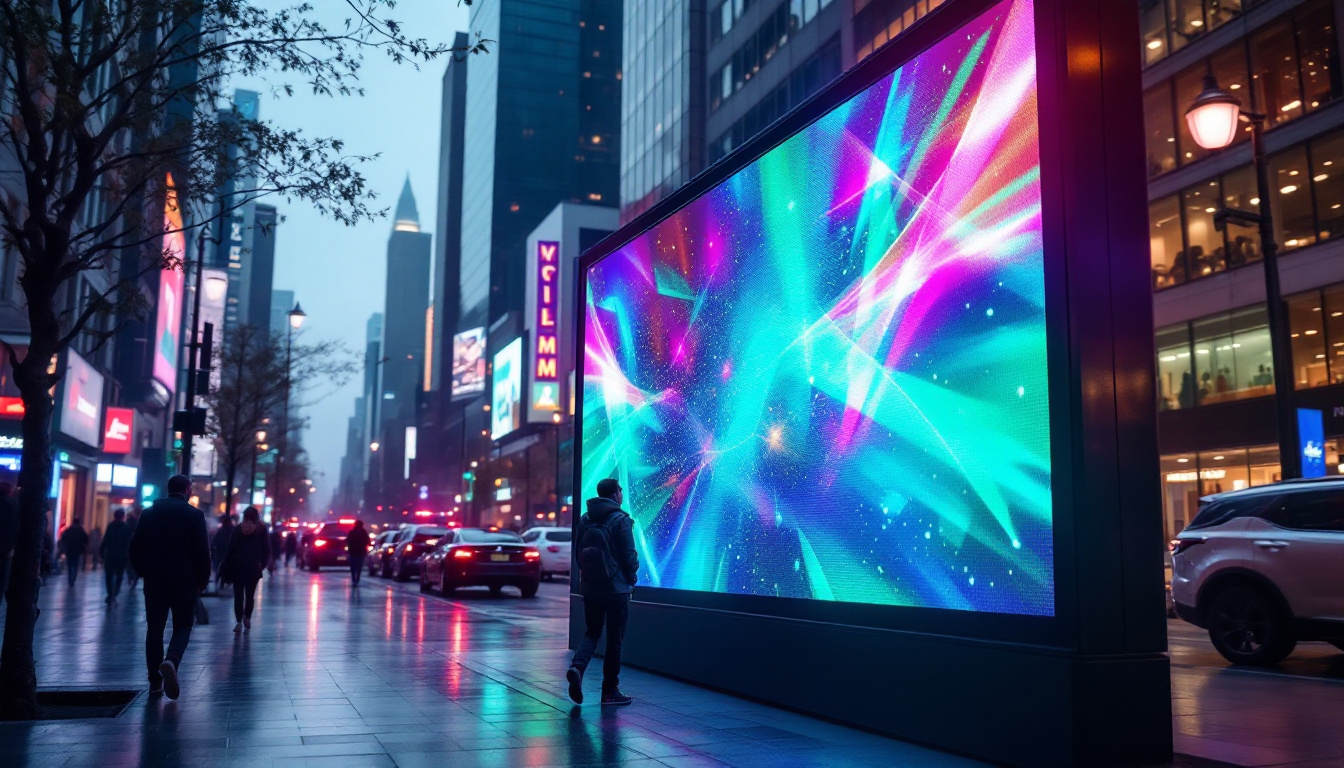
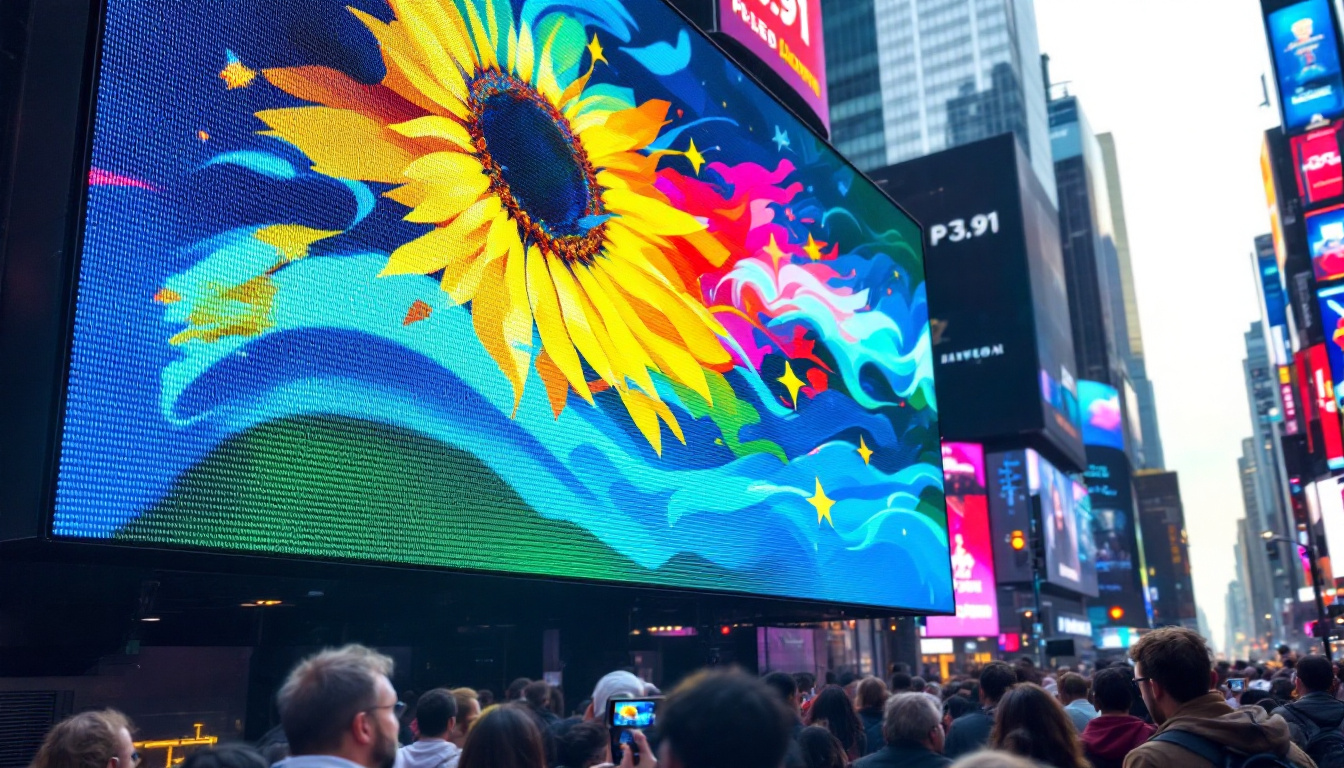
Conversely, pure LED displays are often the choice for outdoor advertising, such as highway billboards and stadium screens, where visibility under direct sunlight is critical. According to a 2023 industry report, the global digital signage market is expected to grow at a CAGR of 8.5% through 2027, driven by demand for large, high-impact displays.
Entertainment and Events
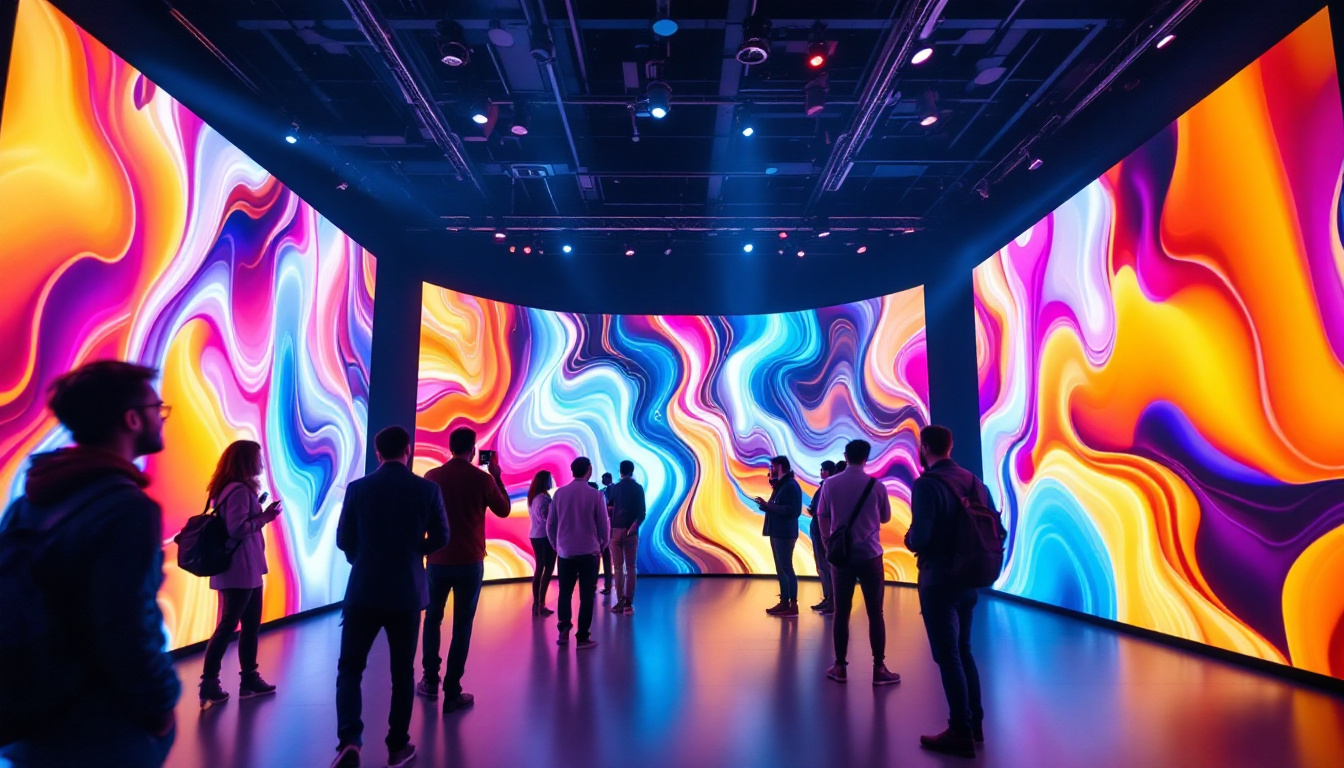
Concerts, sports arenas, and live events frequently utilize large pure LED displays to provide audiences with clear visuals from any distance. The scalability of LED panels allows for massive screens that can be assembled in various configurations.
Indoor venues also benefit from LED-backlit LCD displays for control rooms, broadcast studios, and video walls, where color accuracy and image detail are essential.
Corporate and Educational Use
In corporate settings, large LCD displays with LED backlighting are commonly used for presentations, video conferencing, and digital whiteboards. Their slim profiles and high resolution facilitate professional communication and collaboration.
Educational institutions increasingly adopt these displays for interactive learning environments, leveraging their clarity and responsiveness to enhance student engagement.
Future Trends in Large Screen Display Technology
Mini-LED and Micro-LED Innovations
Emerging technologies like Mini-LED and Micro-LED are pushing the boundaries of display performance. Mini-LEDs use thousands of tiny LEDs for backlighting, enabling even more precise local dimming and improved contrast ratios compared to traditional LED backlights.
Micro-LED technology, on the other hand, consists of microscopic LEDs that serve as individual pixels, similar to pure LED displays but with much higher resolution and efficiency. This technology promises exceptional brightness, color accuracy, and energy efficiency, potentially revolutionizing both indoor and outdoor large screen displays.
Higher Resolutions and Refresh Rates
As content quality improves, demand for 4K, 8K, and beyond resolutions is increasing. Large screen LCD displays are evolving to meet these standards, offering higher pixel densities and faster refresh rates to support smooth video playback and immersive experiences.
Integration with Smart Technologies
Modern large screen displays are increasingly integrated with smart features such as AI-driven content management, touch interactivity, and IoT connectivity. These advancements enable more dynamic and personalized content delivery, improving user engagement and operational efficiency.
Conclusion
Large screen LCD displays with LED backlighting represent a mature and versatile technology that balances image quality, energy efficiency, and design flexibility. Understanding the distinction between LED-backlit LCDs and pure LED displays is essential for selecting the right solution for specific applications.
As display technologies continue to advance with innovations like Mini-LED and Micro-LED, the future of large screen displays promises even greater visual experiences, enhanced durability, and smarter functionality. Whether for advertising, entertainment, corporate use, or education, these displays are set to remain at the forefront of visual communication.
Explore Cutting-Edge LED Display Solutions with LumenMatrix
Ready to elevate your visual communication and captivate your audience with the latest in display technology? LumenMatrix, a leader in LED display innovation, offers a comprehensive range of products designed to create immersive and dynamic visual experiences. From Indoor and Outdoor LED Wall Displays to specialized solutions like Vehicle LED Displays, LED Sports Displays, and Custom LED Displays, LumenMatrix has the perfect solution to meet your needs. Discover how our state-of-the-art LED display modules can transform your space and enhance your brand visibility. Check out LumenMatrix LED Display Solutions today and step into the future of digital signage.