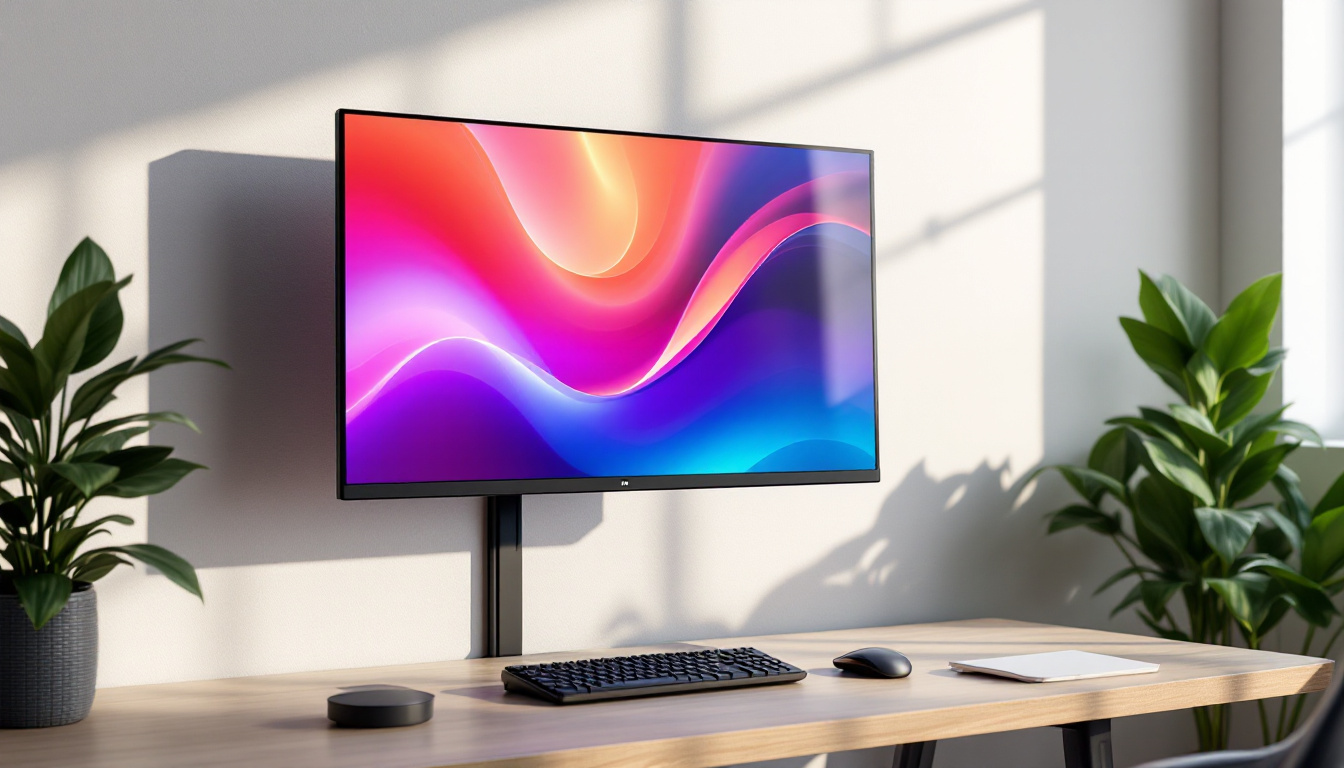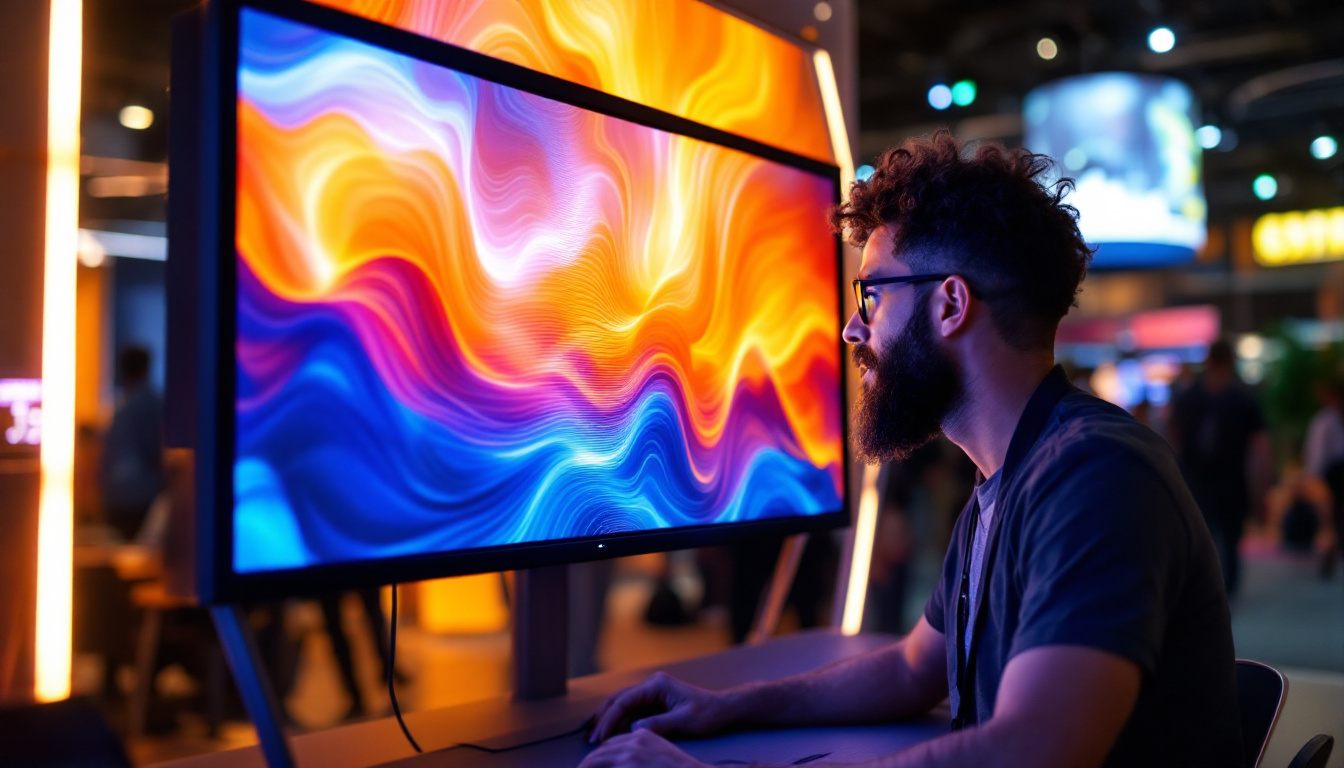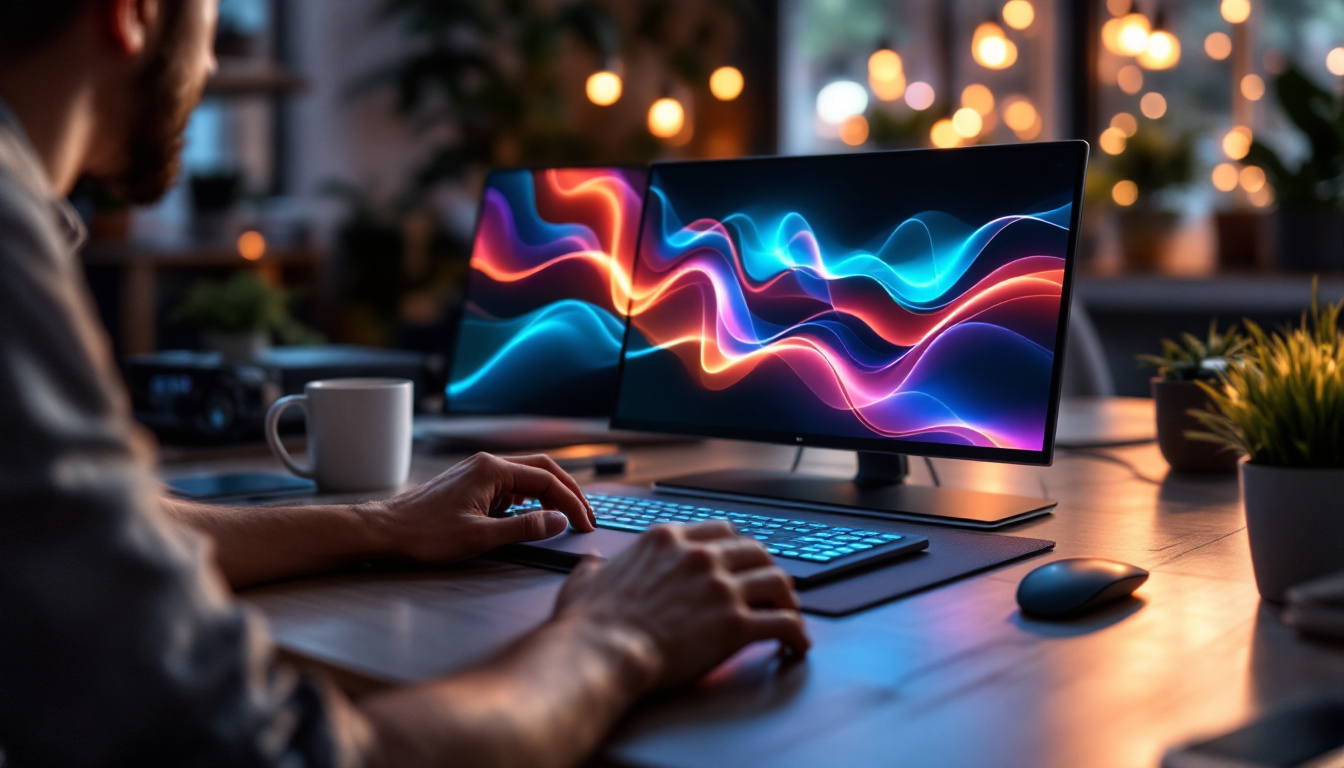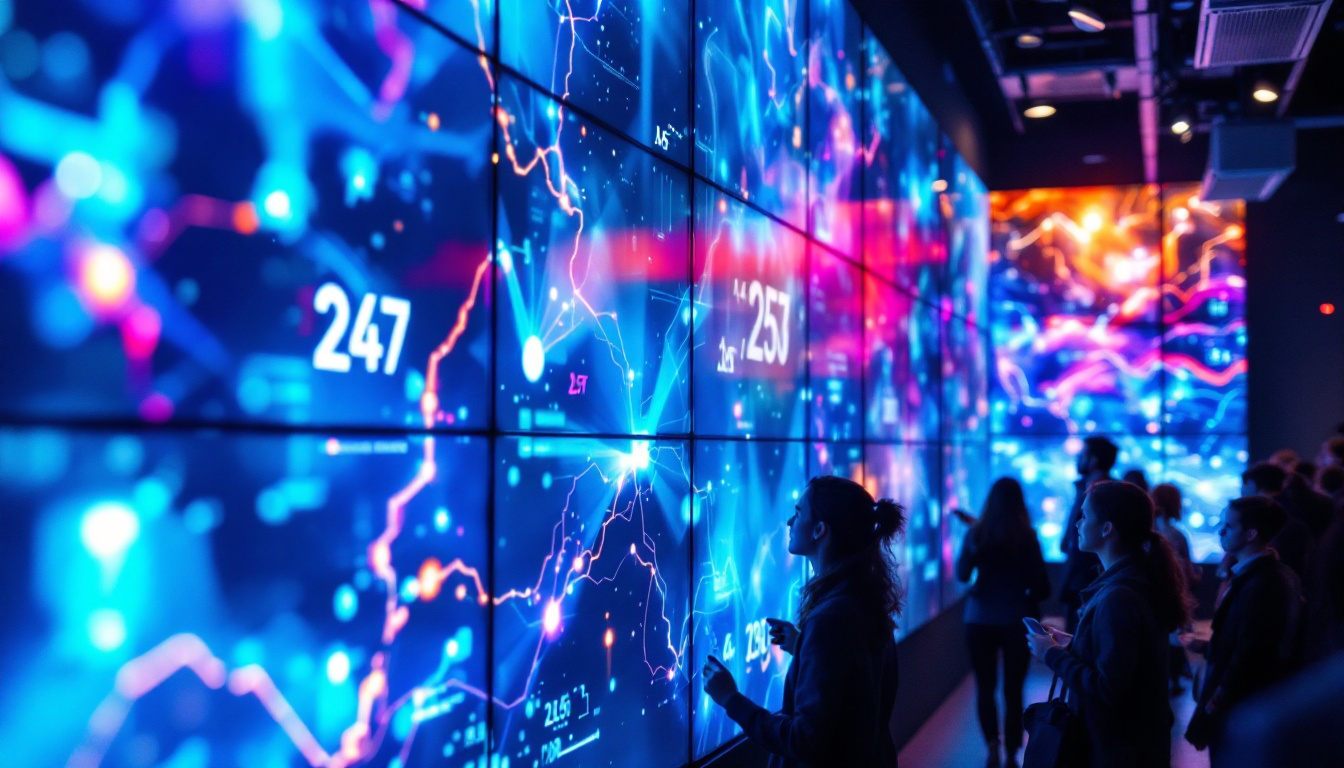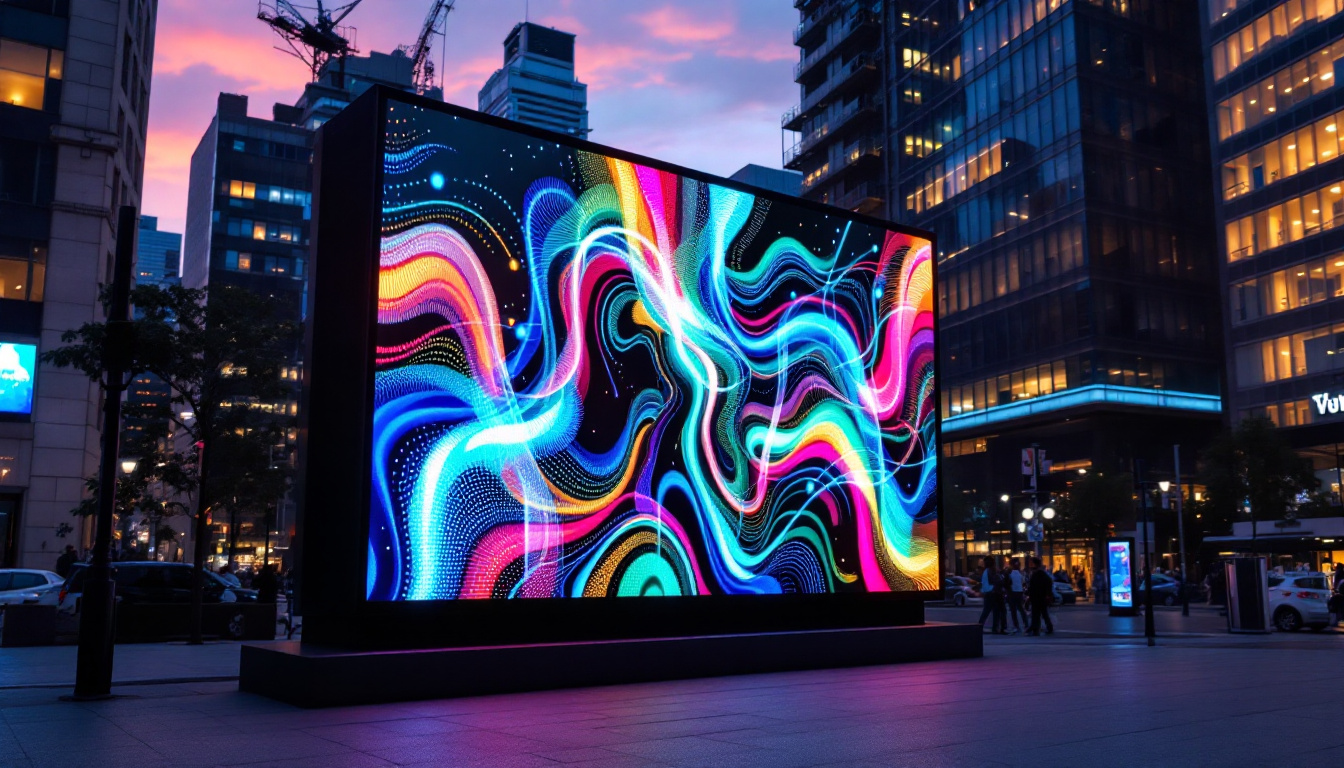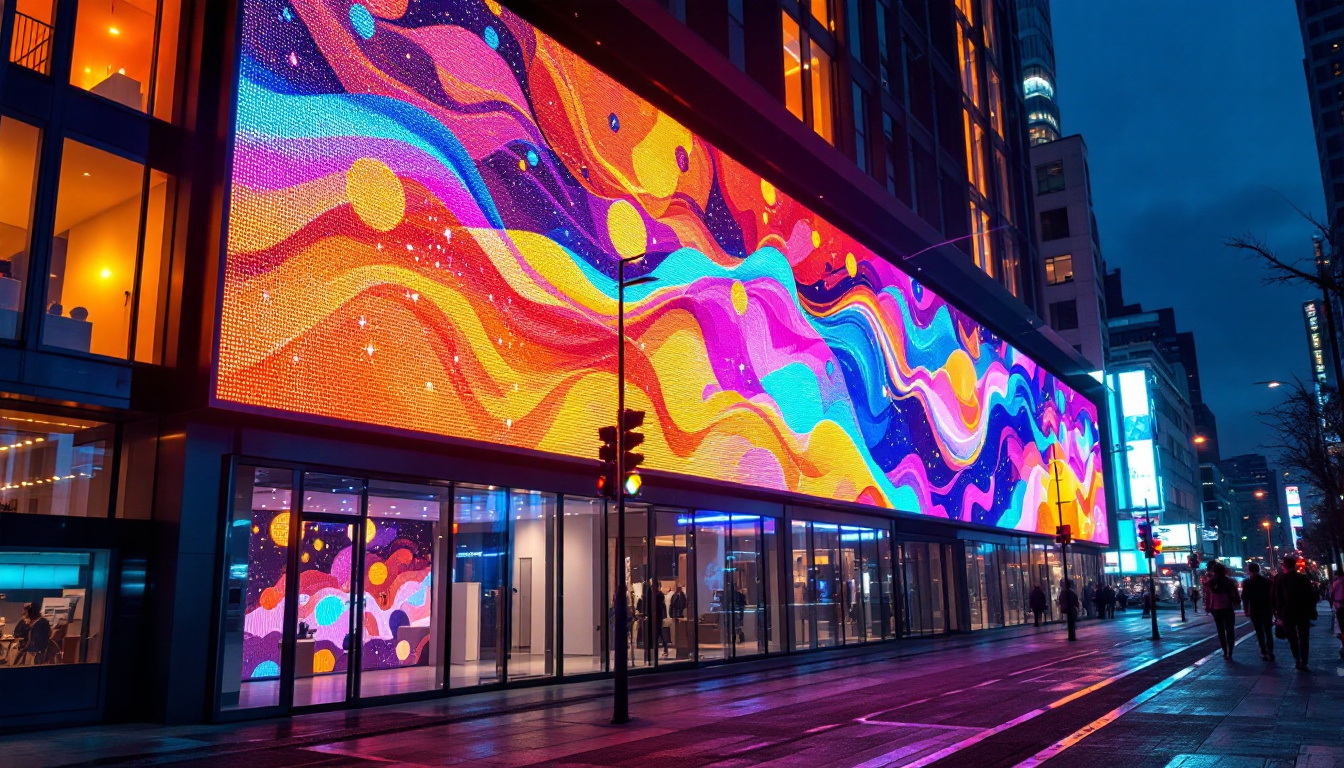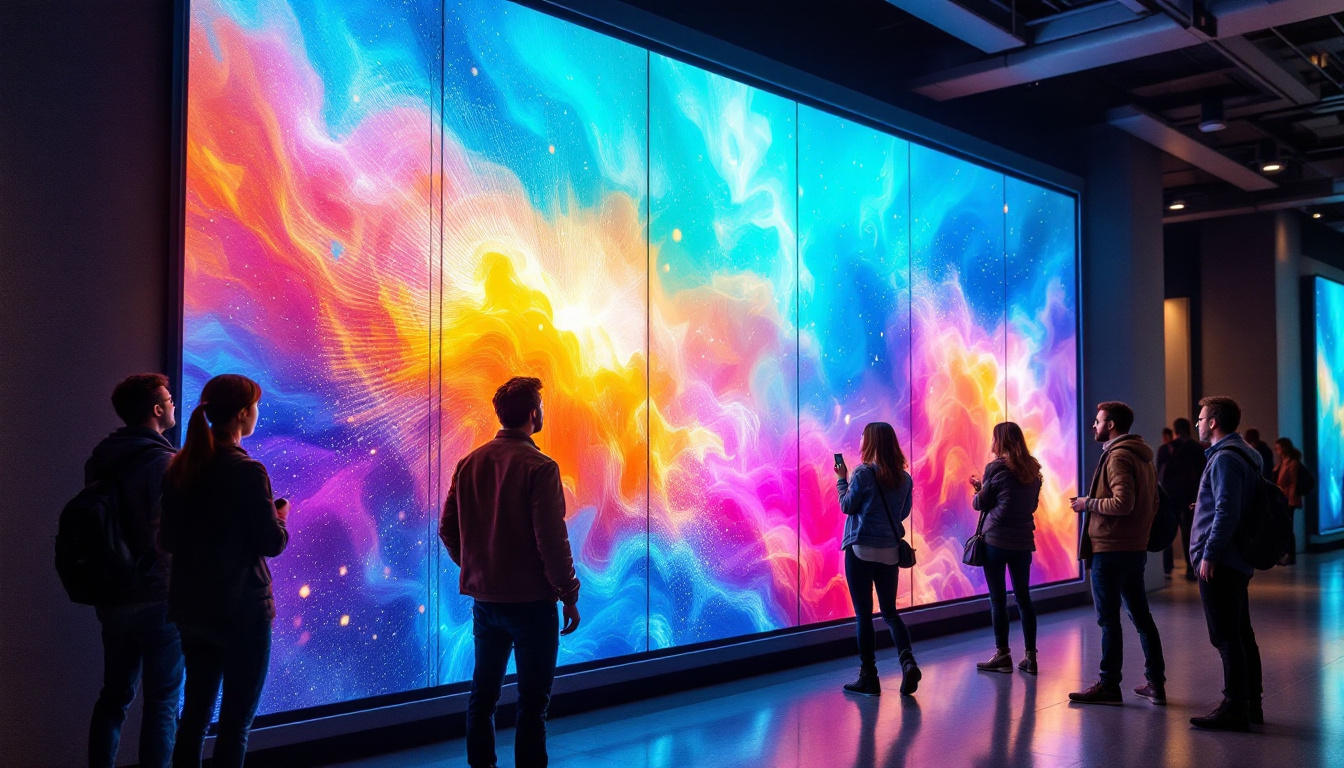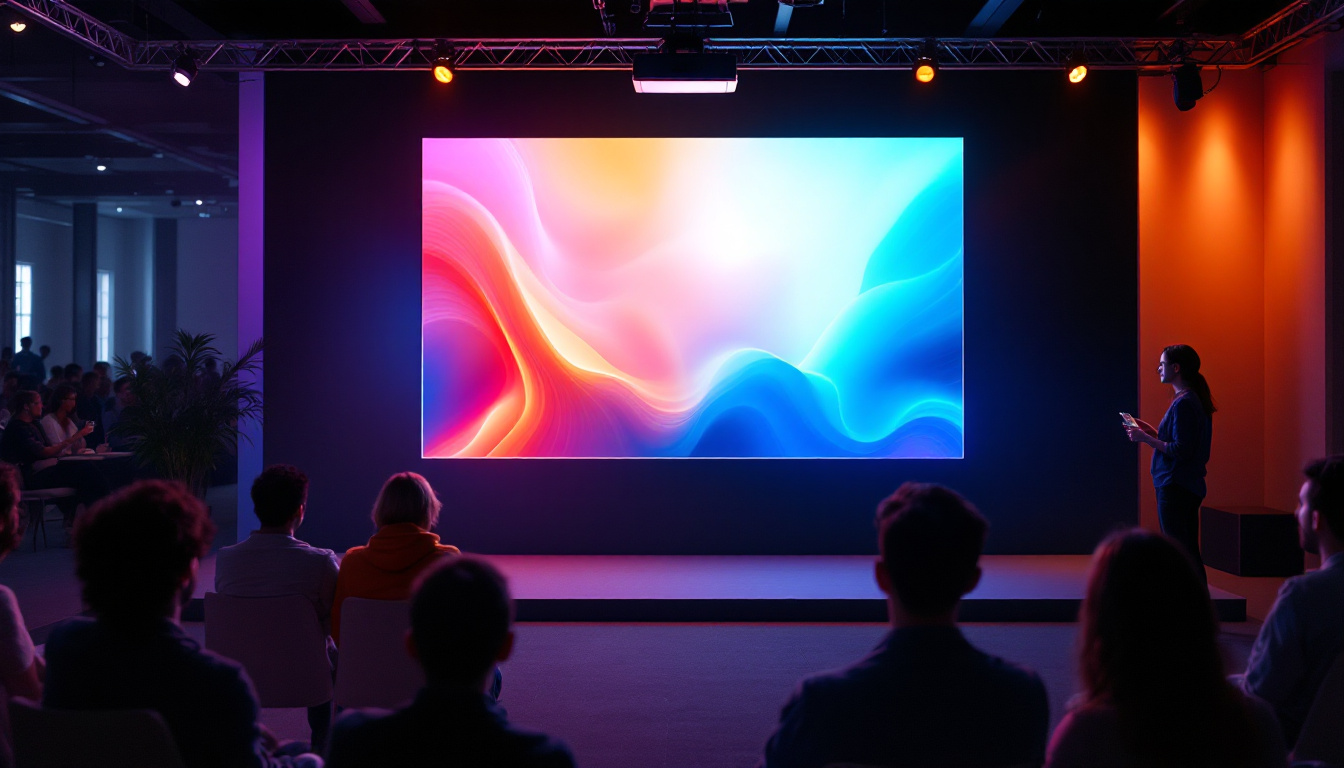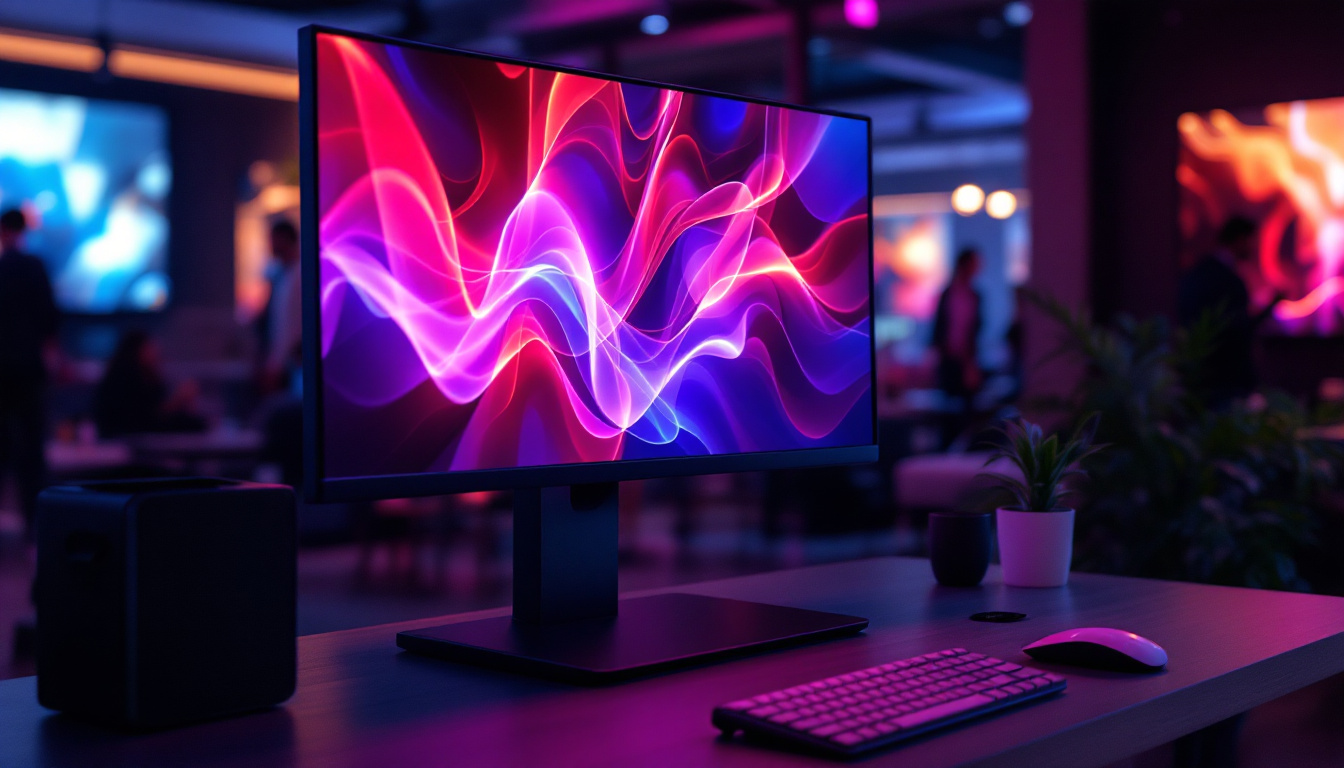
In today’s fast-evolving digital landscape, large touch screen computer monitors have become a pivotal tool across various industries and personal computing environments. Whether used in professional settings like design studios, corporate offices, or interactive kiosks, or in home entertainment and gaming setups, these devices offer a unique blend of functionality and user engagement. Central to their performance is the LED display technology, which defines the quality, responsiveness, and visual experience of these monitors.
This article delves into the intricacies of large touch screen monitors with LED displays, explaining how they work, their benefits, and what factors to consider when choosing one. Understanding these elements is essential for anyone looking to invest in a high-quality, large-format touch screen monitor that meets modern computing demands.
Understanding LED Display Technology in Large Touch Screen Monitors
What Is an LED Display?
LED, or Light Emitting Diode, displays are a type of flat-panel display technology that uses tiny light-emitting diodes as pixels to create images. Unlike traditional LCD monitors that rely on fluorescent backlighting, LED displays use LEDs for backlighting, which offers several advantages including better brightness, energy efficiency, and color accuracy.
In large touch screen monitors, LED technology is often combined with LCD panels, resulting in LED-backlit LCDs. This hybrid approach enhances the display’s overall performance by providing sharper images and more vibrant colors while maintaining the benefits of LCD technology such as high resolution and wide viewing angles. Furthermore, the longevity of LED displays is significantly greater than that of traditional displays, making them a more sustainable choice for businesses and consumers alike. The ability to maintain consistent brightness over time also means that users can rely on LED displays for critical applications, such as presentations or digital signage, where clarity and visibility are paramount.
How Does the Touch Screen Function Integrate with LED Displays?
The touch functionality in large monitors typically employs capacitive or infrared touch technology. Capacitive touchscreens detect touch through the electrical properties of the human finger, while infrared touchscreens use an array of light beams to detect touch points. Both methods are compatible with LED displays, allowing users to interact directly with the screen without compromising image quality.
Integrating touch capabilities with LED displays requires precise engineering to ensure that the touch layer does not interfere with the brightness or clarity of the display. Modern manufacturing techniques have successfully minimized these issues, resulting in touch screens that are both highly responsive and visually stunning. Additionally, advancements in multi-touch technology allow for more than one user to interact with the screen simultaneously, enhancing collaborative experiences in educational and corporate environments. This capability is particularly beneficial in settings where brainstorming or group activities take place, as it fosters a more engaging and interactive atmosphere. The seamless integration of touch technology with LED displays not only enhances user experience but also opens up new possibilities for innovative applications in various fields, from gaming to interactive advertising.
Advantages of Large Touch Screen LED Monitors
Enhanced Visual Experience
One of the primary benefits of LED displays in large touch screen monitors is the superior visual quality they provide. LED backlighting produces brighter images with higher contrast ratios compared to older technologies. This means deeper blacks, more vivid colors, and an overall more immersive viewing experience.
For professionals in graphic design, video editing, or CAD applications, accurate color representation is crucial. LED displays typically support a wider color gamut and better color uniformity, which helps maintain fidelity in visual projects.
Improved Energy Efficiency and Longevity
LED technology is known for its energy efficiency. Large monitors with LED backlighting consume significantly less power than their CCFL (cold cathode fluorescent lamp) counterparts. This reduction in energy use not only lowers operating costs but also contributes to environmental sustainability.
Additionally, LEDs have a longer lifespan, often exceeding 50,000 hours of use, which means these monitors require less frequent replacement or maintenance. This durability is especially important in commercial environments where displays are used extensively.
Intuitive User Interaction and Productivity Gains
The integration of touch technology with large LED monitors facilitates more natural and intuitive user interactions. Touch screens enable direct manipulation of on-screen content, which can accelerate workflows, especially in collaborative settings such as meetings, classrooms, and design studios.
For example, architects and engineers can zoom, rotate, and annotate blueprints directly on the screen, streamlining the design process. Similarly, educators can engage students with interactive lessons, enhancing learning outcomes.
Key Features to Consider When Choosing a Large Touch Screen LED Monitor
Screen Size and Resolution
Large touch screen monitors come in a variety of sizes, typically ranging from 24 inches to over 80 inches. The choice of size depends largely on the intended use case. For detailed work such as graphic design or video editing, a 27-inch to 32-inch monitor with 4K resolution is often ideal, providing ample screen real estate and sharp image quality.
For collaborative environments or public displays, larger sizes—sometimes exceeding 55 inches—are preferred to ensure visibility from a distance. In these cases, resolution remains important to maintain image clarity, with 1080p or 4K being common standards.
Touch Technology and Responsiveness
Touch responsiveness is a critical factor, especially for professional applications requiring precision. Capacitive touchscreens generally offer faster response times and support multi-touch gestures, which can enhance productivity. Infrared touchscreens, while slightly less precise, allow for touch input using gloves or styluses, which can be advantageous in industrial or medical settings.
Additionally, the number of simultaneous touch points supported by the monitor is important. Modern large touch screen monitors typically support 10 or more touch points, enabling multiple users to interact with the display simultaneously.
Connectivity and Compatibility
Ensuring that the monitor supports the necessary input and output ports is essential. Common connectivity options include HDMI, DisplayPort, USB-C, and sometimes legacy ports like VGA. USB ports are particularly important for connecting peripherals such as keyboards, mice, or external storage devices.
Compatibility with various operating systems, including Windows, macOS, and Linux, should also be verified to ensure seamless integration into existing workflows.
Ergonomics and Mounting Options
Given their size, large touch screen monitors require thoughtful placement to maximize usability and comfort. Adjustable stands that allow tilt, swivel, and height adjustment can help users find the optimal viewing angle. For fixed installations, VESA mounting compatibility is essential, enabling the monitor to be mounted on walls or custom stands.
Applications of Large Touch Screen LED Monitors Across Industries
Corporate and Collaborative Workspaces
In corporate environments, large touch screen monitors are transforming meetings and presentations. Interactive whiteboards powered by LED displays allow teams to brainstorm, annotate documents, and manipulate data in real-time, fostering collaboration and innovation.
According to a 2023 report by Frost & Sullivan, companies that adopt interactive display technologies have seen a 20% increase in meeting productivity and a 15% reduction in project turnaround times.
Education and Training
Educational institutions are increasingly incorporating large touch screen monitors into classrooms and lecture halls. These displays support dynamic teaching methods, enabling instructors to present multimedia content, conduct interactive quizzes, and engage students in hands-on learning activities.
Research published in the Journal of Educational Technology & Society highlights that interactive displays can improve student engagement by up to 30%, contributing to better academic performance.
Healthcare and Medical Imaging
In healthcare settings, large touch screen LED monitors are used for viewing medical images, patient records, and telemedicine consultations. The high resolution and accurate color reproduction are vital for diagnostic accuracy, while touch interactivity allows clinicians to navigate complex datasets efficiently.
Retail and Hospitality
Retailers and hospitality providers leverage large touch screen monitors for customer-facing applications such as digital signage, self-service kiosks, and interactive catalogs. These displays enhance customer experience by providing intuitive interfaces and engaging content.
Future Trends in Large Touch Screen LED Monitors
Advancements in Display Resolution and Color Accuracy
As 8K resolution becomes more accessible, large touch screen monitors are expected to adopt this ultra-high definition standard, offering unprecedented detail and clarity. Alongside resolution improvements, advances in quantum dot and OLED technologies may further enhance color accuracy and contrast ratios.
Integration with Artificial Intelligence and Gesture Recognition
Emerging technologies are enabling more sophisticated interaction methods beyond touch. Gesture recognition and voice control are being integrated into large monitors, allowing users to interact without physical contact. AI-driven software can also adapt the display settings dynamically based on user preferences and environmental conditions.
Increased Focus on Sustainability
With growing environmental awareness, manufacturers are prioritizing eco-friendly materials and energy-efficient designs. Innovations such as recyclable components and reduced power consumption will likely become standard features in future large touch screen LED monitors.
Conclusion
Large touch screen computer monitors with LED displays represent a convergence of advanced display technology and intuitive user interaction. Their superior visual quality, energy efficiency, and versatility make them indispensable tools across a broad spectrum of applications—from professional design and corporate collaboration to education and retail.
When selecting a large touch screen LED monitor, it is crucial to consider factors such as screen size, resolution, touch technology, connectivity, and ergonomics to ensure the device aligns with specific needs and environments. As technology continues to evolve, these monitors will become even more powerful, interactive, and sustainable, shaping the future of digital interaction.
Investing in a high-quality large touch screen LED monitor today can significantly enhance productivity, creativity, and engagement, making it a worthwhile addition to any modern workspace or home setup.
Discover LumenMatrix’s Innovative LED Display Solutions
Ready to elevate your interactive experiences with a large touch screen LED monitor? Look no further than LumenMatrix, a pioneer in LED display technology. Our extensive range of products, from Indoor and Outdoor LED Wall Displays to specialized solutions like Vehicle LED Displays and LED Sports Displays, is designed to bring your visual communications to life. Embrace the future of digital engagement with our All-in-One LED Displays, LED Transparent Displays, and more. Check out LumenMatrix LED Display Solutions today and transform your space into a hub of creativity and collaboration.